
Trogir
Food | Wine | ArchitectureExplore Trogir: Food, Wine & Architecture
Trogir sits on Croatia's central Dalmatian coast, west of Split. Its historic center occupies a small island between the mainland and Čiovo, so the main square, cathedral, narrow stone lanes, waterfront, and Kamerlengo Fortress all sit within an easy walk. If Trogir is one stop on a longer trip, our Croatia page compares it with the country's other historic towns and city bases.
Food in Trogir follows the Dalmatian coast, with seafood, cured meats, olive oil, and Trogirski rafioli among the things to look for. Trogir is better thought of as a place to drink and explore Dalmatian wine than as a major wine-producing town itself, with regional grapes and wines appearing in restaurants, wine bars, and the surrounding countryside.
We spent a month in Trogir in December. The architecture, food, local wine, and some of the friendliest people we have encountered anywhere on our travels made it one of our favorite destinations in Croatia. Drawing on that stay, our wider travels in Croatia, and further research, this page compares stay length, the main places to stay, seasonal trade-offs, and arrival basics so you can decide how Trogir fits your trip.
This page contains affiliate links. We may earn a small commission at no extra cost to you.
Trogir at a Glance
Trogir works especially well if you want a compact historic town where architecture, restaurants, the waterfront, and your accommodation can all be within a short walk.
Start with these choices when deciding how Trogir fits your Croatia itinerary:
- Best for: UNESCO-listed architecture, compact old-town walking, Dalmatian food and wine, and evenings on the waterfront.
- Best starting area: The Old Town around the main square and Cathedral of St. Lawrence.
- Suggested stay: One day for the main historic sights; one or two nights if you want dinner, an evening walk, and another morning in town rather than returning immediately to Split.
- Best timing: April, May, September, and October for cooler walking weather; July and August if swimming and hot summer weather matter more.
- Main trade-off: Trogir is easy to visit from Split, but using it only as a day trip means missing the evening and early-morning hours that come with staying in the Old Town.
Choose Trogir for an overnight stay if the historic center itself is part of the experience you want. If your priority is simply seeing the main monuments before continuing elsewhere, its compact size also makes a focused day visit practical.
Trogir Food
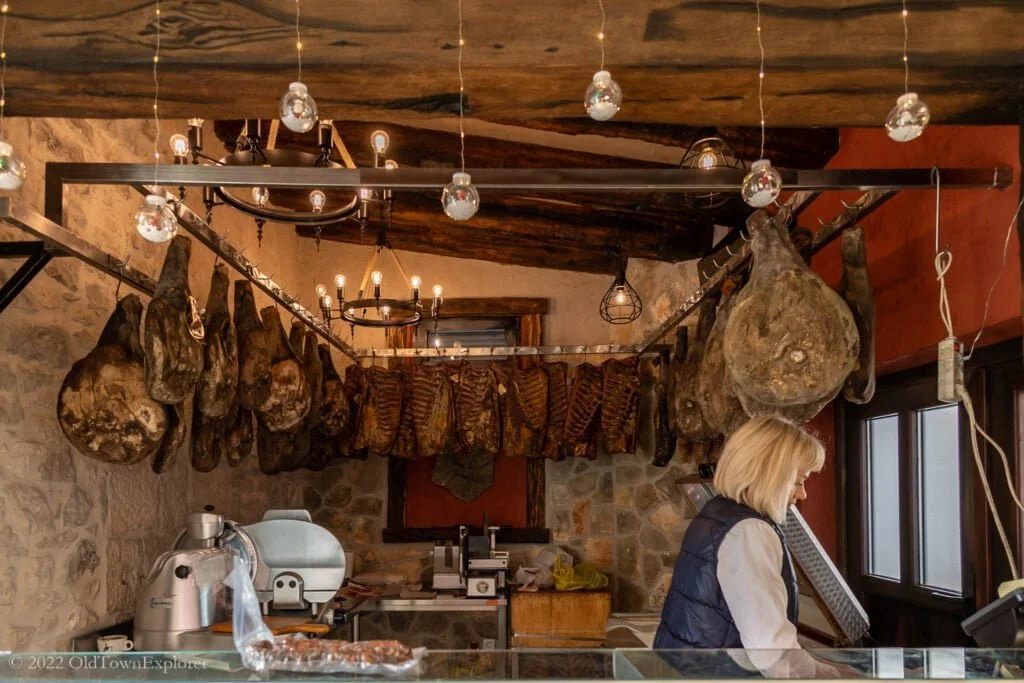
Trogir's food is rooted in coastal Dalmatia. Seafood is an obvious part of many menus, while cured meats, olive oil, grilled dishes, and Trogirski rafioli give you several local and regional specialties to recognize beyond the catch of the day.
Our Trogir Food page goes deeper into the dishes, restaurants, markets, and practical choices for eating in the city.
Trogir Wine
Trogir is a place to explore Dalmatian wine rather than a stand-alone wine region. Restaurant and wine-bar lists give you a chance to compare wines from around Dalmatia, while wineries and vineyards outside the historic center add options if wine is a larger part of your trip.
Our Trogir Wine page explains the wines, grapes, places to drink, and nearby tasting options in more detail. For the wider regional picture, see our Dalmatia Wine guide.

Trogir Architecture
Trogir's architecture is unusually concentrated because centuries of building sit inside such a small historic center. UNESCO highlights the Hellenistic street plan, Romanesque churches, and the Renaissance and Baroque buildings added during the Venetian period. Around the main square and surrounding lanes, you can see those layers without traveling between separate parts of the city.
Our Trogir Architecture page identifies the buildings, styles, and architectural details to look for as you walk the Old Town.

Location of Trogir
Trogir is on Croatia's central Adriatic coast in Split-Dalmatia County, roughly 27 km west of Split and 61 km southeast of Šibenik. Split Airport lies between Split and Trogir, which makes Trogir particularly easy to combine with Split or use at the beginning or end of a flight itinerary.
The historic center sits on a small island linked by bridges to the mainland on one side and the much larger island of Čiovo on the other. The Old Town contains the main historic sights and waterfront walking, while the mainland side puts you closer to the bus station and road connections and Čiovo opens up marina, accommodation, and beach options.
Best Time to Visit Trogir
Late spring and early autumn are the easiest times to combine long walks through the Old Town with comfortable coastal weather. Choose July or August if hot weather, swimming, and boating matter more; winter makes more sense if you are comfortable trading warmth for a cooler visit.
Weather
We find sunny weather around 55°F comfortable for exploring a city on foot. Trogir gets much hotter in summer: the existing climate chart shows average highs rising from about 53°F (12°C) in January to about 86°F (30°C) in July, with average lows moving from about 40°F (4°C) to about 69°F (21°C).
The chart below compares average monthly highs, lows, and precipitation days so you can match the weather to sightseeing, swimming, or other plans.

Shoulder Season
April, May, September, and October are good months to compare if walking the Old Town is more important than peak summer heat. We spent December in Trogir and had cold, rainy days mixed with lovely sunny ones, so winter weather can change the feel of the town substantially from one day to the next.
Best Value
January and February are good months to visit Trogir for the best value and no crowds. The weather could be sunny and perfect for exploring. But it could also be cold and rainy. So, you should prepare for winter weather and pack accordingly.
Best Places to Stay In Trogir
For a first visit centered on Trogir's architecture, restaurants, and evening walks, we prefer staying in or immediately beside the Old Town. The main alternative is to trade that historic setting for easier road access on the mainland or marina and beach access on Čiovo.
Hotels and Apartments in Trogir
Stay in the Old Town if you want to walk out your door into the stone lanes, reach the main square in minutes, and return easily after dinner or a waterfront walk. Its small size means you do not need to choose among a long list of old-town neighborhoods.
The mainland side can make more sense if luggage, bus connections, parking, or an early airport trip matters more. Look toward Čiovo if the marina or nearby beaches are a bigger part of your stay, while keeping in mind that you will cross back toward the historic center for most of Trogir's major architecture and old-town sightseeing.
Use the map below to compare hotels and apartments in the Old Town, on the mainland side, and toward Čiovo, then choose the location that best fits your walking, luggage, transport, and waterfront plans.
Other Things to Know About Trogir
Airport
Split Airport (SPU) is the main airport for Trogir. The airport's official information places it about 6 km from Trogir, so check its current ground-transport information when deciding between public transport, taxi, transfer, or a rental car.
Train Station
Trogir is not a practical passenger-rail destination. HŽ Passenger Transport lists Split as the nearby main rail station, so travelers arriving in Dalmatia by train should plan to continue from Split to Trogir by road.
Ferry Terminal
Trogir Ferry Port - Ul. Kardinala Alojzija Stepinca 29, 21220, Trogir, Croatia
Time Zone
Trogir uses Central European Time (CET; UTC+1) and Central European Summer Time (CEST; UTC+2), the same time system used elsewhere in Croatia.
Currency
Croatia uses the euro (€). Croatia joined the euro area in 2023; the European Union's Croatia profile has the current country and currency information.
Language
Croatian is the official language. English is commonly used in tourism-focused hotels, restaurants, and visitor services in Trogir, but knowing a few basic Croatian words is still helpful.
Visa
Croatia is part of the Schengen Area. Visa requirements depend on your passport, length of stay, and previous time in Schengen, so check the European Union's current Schengen visa guidance before traveling rather than relying on an older country list.
For more information on visa-free travel in Croatia, check out our article on traveling visa-free.
Electricity
Croatia uses Type C and Type F plugs with a 230 V, 50 Hz electricity supply. Check whether your devices accept 230 V as well as whether you need a plug adapter; an adapter changes the plug shape but does not convert voltage. Electrical Safety First has the current Croatia plug and voltage details.
SIM Card
You can buy a local SIM after arrival or install an eSIM before the trip. We use eSIMs because we can set them up before entering a new country; our current choice is Airalo. Check that your phone is unlocked and supports eSIMs before buying one.
Car Rental
You do not need a car to explore Trogir's Old Town. A rental car becomes more useful if Trogir is part of a wider Croatia road trip or you plan to visit places that are awkward to reach by public transport. If you decide to rent one, we use Discover Cars to compare options, and it is worth checking parking arrangements with your accommodation before choosing an Old Town stay.
FAQs About Trogir
Is Trogir Worth Visiting?
Yes. Trogir packs a UNESCO-listed historic center, Romanesque and Venetian-period architecture, waterfront walking, and Dalmatian food into a very small area. If you are deciding whether it deserves a place in your itinerary, our Is Trogir Worth Visiting? article looks at that question in more detail.
Is Trogir Better as a Day Trip or Overnight Stay?
Trogir works as either, depending on what you want from it. A focused day gives you time for the main Old Town sights, but staying one or two nights adds dinner, an evening walk, and another morning in the historic center without building the day around a return trip to Split.
Is It Better to Stay in Trogir or Split?
Choose Trogir if you want a much smaller historic base where the main sights are concentrated around a compact Old Town. Choose Split if you want a larger city with more extensive transport connections and a broader urban base for several days. Because the two are close, you can also stay in one and visit the other.
Is Trogir Walkable?
Yes. The historic center is compact and best explored on foot, with the main square, Cathedral of St. Lawrence, waterfront, Kamerlengo Fortress, restaurants, and narrow lanes close together. Your walking distances increase if you stay farther onto the mainland or Čiovo.
How Much Time Do You Need in Trogir?
You can see the principal Old Town sights in a day, while one or two nights give you more time for meals, wine, the waterfront, and a slower look at the architecture. For the sightseeing sequence itself, see our Best Things to See in Trogir guide.
What Food Should You Try in Trogir?
Start with Dalmatian seafood and look for Trogirski rafioli, along with regional cured meats, olive oil, and grilled dishes. Our Trogir Food page goes deeper into dishes, restaurants, markets, and what to order.
Is Trogir a Good Place for Wine?
Trogir is better for drinking and exploring Dalmatian wine than for touring a major wine-producing town. Use restaurant and wine-bar lists to compare regional bottles, then look outside the Old Town if you want a winery visit. Our Trogir Wine page explains the local options and wider Dalmatian wine connection.
What Architecture Should You See in Trogir?
Start around the main square and Cathedral of St. Lawrence, then pay attention to how Romanesque, Gothic, Renaissance, and Baroque buildings sit within the much older street plan. Our Trogir Architecture page identifies the major buildings and the details worth noticing as you walk.
Where Should You Stay in Trogir for a First Visit?
We prefer the Old Town for a first visit because it puts the historic streets, main square, restaurants, and waterfront immediately outside your accommodation. Consider the mainland instead when road access, luggage, or parking matters more, and look toward Čiovo when the marina or beaches are a larger part of the trip.
When Is the Best Time to Visit Trogir?
April, May, September, and October are strong choices if walking and architecture are your priorities. July and August suit travelers who want hotter weather and more time around the sea, while winter brings a much cooler and less predictable mix of sunny and rainy days.
Does Trogir Have a Train Station?
Trogir is not served as a practical passenger-rail destination. If you arrive in Dalmatia by train, Split is the nearby main rail station and you will need to continue to Trogir by road. Check HŽ Passenger Transport for current rail information.
How Do You Get to Trogir from Split Airport?
Split Airport is about 6 km from Trogir, making it the natural airport for the town. Public transport, taxis, transfers, and rental cars are possible arrival choices, but schedules and pickup arrangements can change, so check the official Split Airport transport information for your travel date.
Trogir Blog Posts

24 Pros and Cons of Living in Trogir, Croatia
Discover the pros and cons of living in Trogir, Croatia. Learn about lifestyle, cost of living, amenities, and challenges of relocating to this Adriatic town.
Is Trogir Worth Visiting?
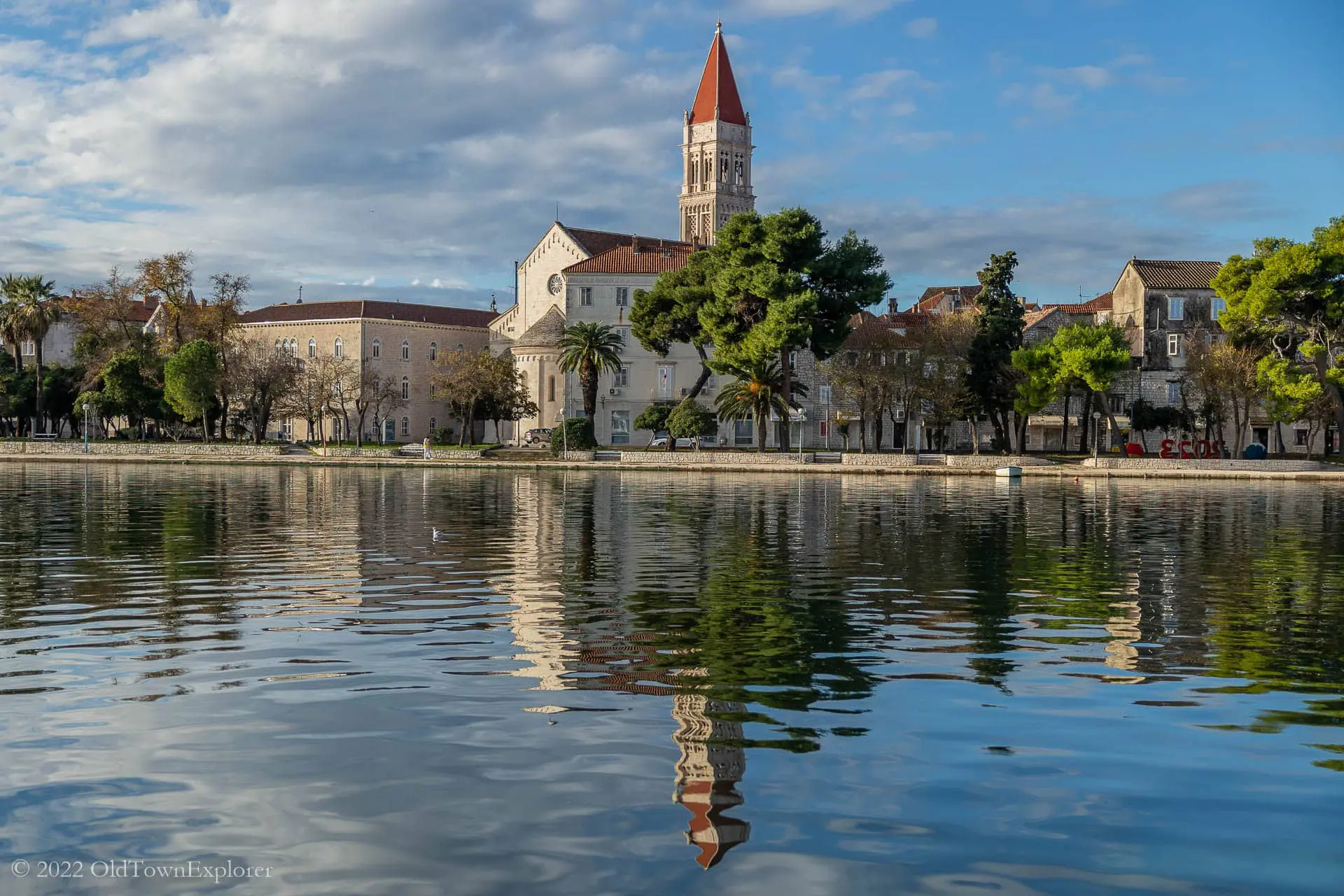
Discover if Trogir is worth visiting. Learn about its history, beaches, architecture, and what makes this Croatian coastal town a rewarding travel destination.

19 Best Things to See in Trogir, Croatia
Discover the best things to see in Trogir, Croatia. Learn about top attractions, including historic churches, fortresses, and the scenic waterfront promenade.