
Tuscany Wine
Explore Tuscany Wine: Grape Varieties & Wine Varietals
The majority of red wine in Tuscany comes from the hills around Florence and Siena. Specifically, the regions of Chianti, Montalcino, and Montepulciano. Chianti Classico, Brunello di Montalcino, and Vino Nobile di Montepulciano are revered by casual wine drinkers and enthusiasts alike.
All of these wines are made primarily from Sangiovese grapes (and, in the case of Brunello, solely from Sangiovese). Sangiovese is blended with Cabernet Sauvignon to make the popular wines referred to as Super Tuscans.
White wines are relatively few and far between, but Vernaccia di San Gimignano is excellent if you choose not to drink red wine for some reason.
Over the last couple of years, we've spent quite a bit of time in the Tuscany region of Italy. To maximize our enjoyment, we've done a lot of research into Tuscany wine. Following is a summary of the information we've collected.
Grape Varieties in Tuscany
Red Grapes
Sangiovese
Sangiovese is the most prolific red grape variety in Italy. It is known by several names, including Brunello, Morellino, Nielluccio, and Prugnolo Gentile.
Sangiovese is the main grape used in Tuscan red wines. In fact, it is the only grape variety used in the production of Brunello di Montalcino.
It forms the base of Chianti Classico, Vino Nobile di Montepulciano (where it is called Prugnolo), Brunello di Montalcino (where it is called Brunello), and Morellino di Scansano (Morellino). Also, it is the primary grape variety used to make many "Super Tuscans" like Tignanello.
Canaiolo
Canaiolo is grown throughout Central Italy but is most prominent in Tuscany where it is blended with Sangiovese and Colorino to make Chianti. It is also used as a secondary component of Vino Nobile di Montepulciano.
Interestingly, it may have been the primary grape used to make Chianti in the 18th century. However, Canaiolo was used less in the 20th century because it did not graft well to the American rootstock used to combat the phylloxera epidemic.
Today, Tuscan winemakers are actively looking for better clonal selections of Canaiolo and reintroducing it back into the blends.
Cabernet Sauvignon
Cabernet Sauvignon, a “French” grape, has been grown in Tuscany since at least the early nineteenth century. It is a very powerful grape with very big acids and tannins.
Cabernet Sauvignon prefers warmer climates which makes it challenging to ripen in northern Italy, but it matures well in Tuscany and is the base of many “super-Tuscans.”
Merlot
Merlot is grown throughout Italy, but in the Tuscan hills, it ripens more slowly and develops a more robust structure. Nonetheless, it is usually more of a blending element than a primary component.
Merlot in Tuscany is often blended with Sangiovese and Cabernet Sauvignon. This is because it serves as a counterpoint. It balances out the other wine grapes.
White Grapes
Trebbiano Toscana
Trebbiano goes by Trebbiano Toscano in Tuscany. It is used in various crisp, neutral DOC whites wines.
Vernaccia
Vernaccia is a light, fragrant white grape variety that is generally limited to the area around San Gimignano.
Vermentino
Vermentino is a coastal white grape variety. It typically has a dewy, green-melon flavor and a salty finish. The best examples come from the Bolgheri, Val di Cornia, and Colli di Luni areas.
Wine Varietals in Tuscany
There are 41 Denominazione di Origine Controllata (DOC) zones and six (6) Denominazione di Origine Controllata e Garantita (DOCG) zones in the historic center of Tuscany and five more on the "perimeter." The DOCG wines from the historic center are:
- Brunello di Montalcino
- Carmignano
- Chianti
- Chianti Classico
- Vernaccia di San Gimignano (white)
- Vino Nobile di Montepulciano
For a concise overview of the current DOCG wines of Tuscany, see the official regional guide.
Additionally, a new class of wines known as "Super Tuscans" emerged in the 1970s in response to the restrictive regulations in Tuscany. These wines were made outside DOC/DOCG regulations but were considered high quality and commanded high prices. Some of the region's best reds at that time were Bordeaux-style blends of Cabernet Sauvignon, Merlot, and Syrah (and sometimes Cabernet Franc).
Red Wines
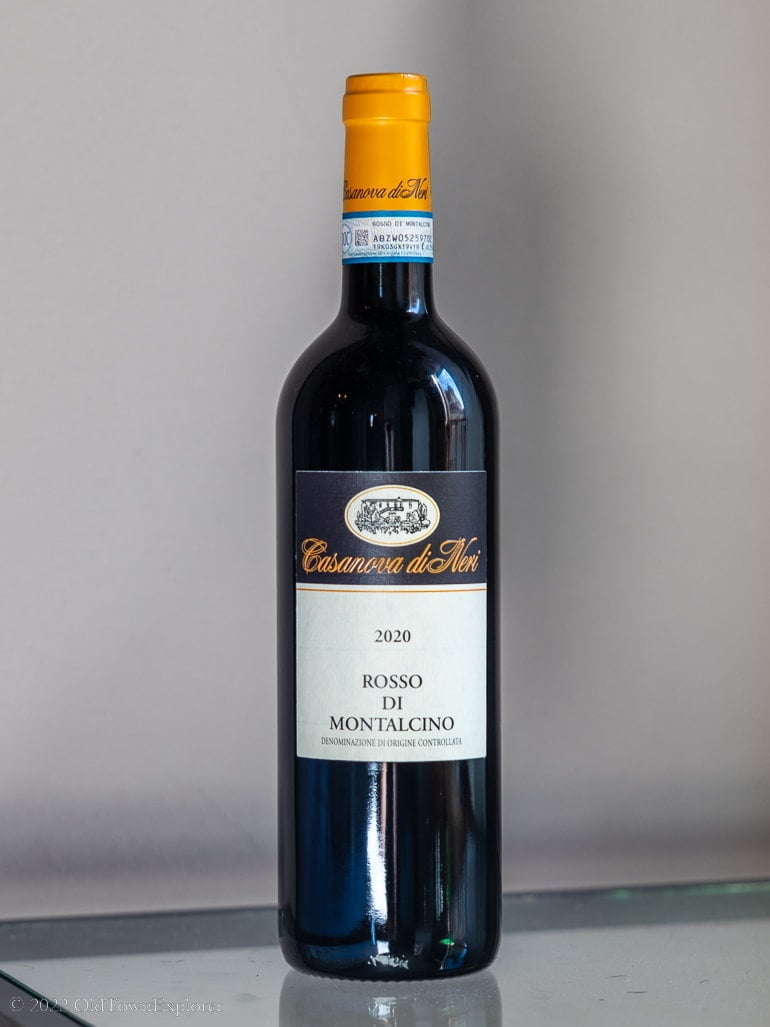
Rosso di Montalcino
Like Brunello di Montalcino, Rosso di Montalcino is made with 100% Sangiovese grapes grown around Montalcino. Unlike Brunello, Rosso di Montalcino needs less aging time resulting in well-structured wines that retain their fruitiness and typical notes of blackberries and forest fruit that are occasionally accompanied by hints of vanilla and spices.
The wine pairs well with tomato-based sauces, risottos, mushrooms or truffles, as well as pork, veal, and sausages.
Brunello di Montalcino
Brunello di Montalcino is a red wine produced with 100% Sangiovese grapes grown in the vineyards surrounding the town of Montalcino in the Tuscany wine region. The wine pairs perfectly with red meat and rich, tomato-based dishes.
More technical details on Brunello regulations and vintages are available from the official Brunello di Montalcino wine consortium.
Carmignano
Carmignano DOCG wine is grown in the area around the city of Carmignano, which is located about 10 miles northwest of Florence. Carmignano was awarded DOC status in 1975 and promoted to DOCG status in 1990.
The current DOCG regulations require the Carmignano blend to include at least 50% Sangiovese, Cabernet Sauvignon or Cabernet Franc can make up 10–20%, Canaiolo Nero up to 20%, Mammolo and Colorino up to 5%, and white grape varieties like Trebbiano or Malvasia can make up to 10% of the rest of the blend.
Also, the wine can qualify for a Riserva designation if it is aged for at least three years prior to release.
Interestingly, wine producers in the Carmignano region started blending Sangiovese with Cabernet Sauvignon in the 1800s - long before the "Super Tuscans" of the late 20th century made their mark.
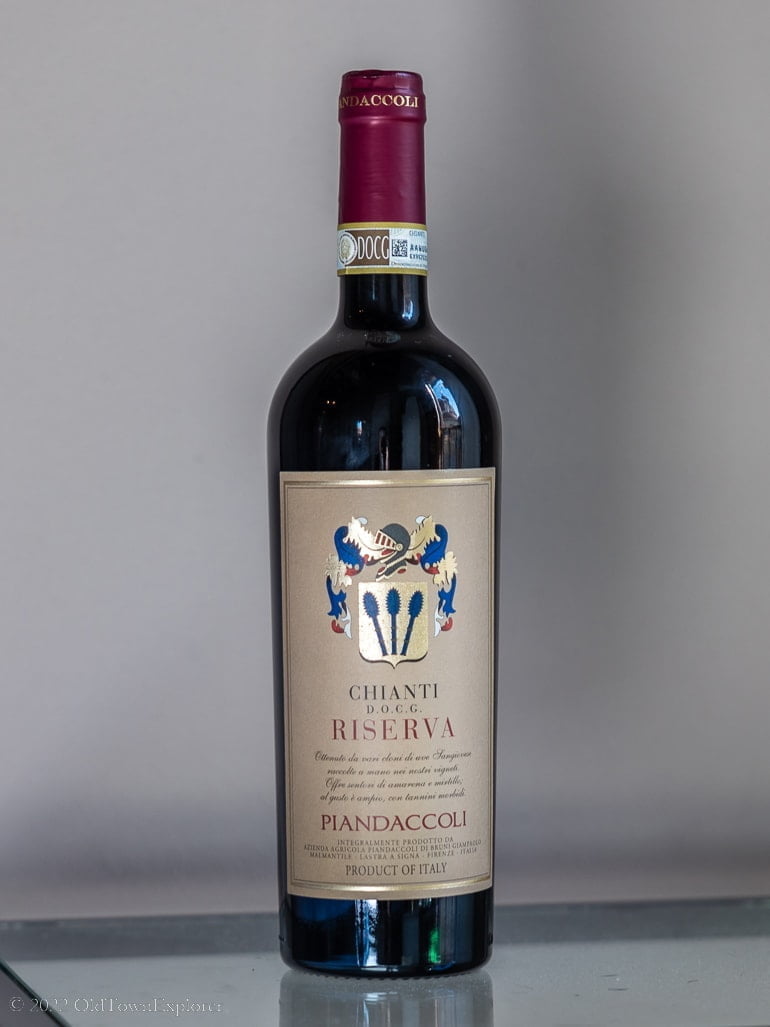
Chianti
Chianti is a red blend made with a minimum of 70% Sangiovese grapes grown almost anywhere in Tuscany.
It is generally a food-friendly wine that pair well with a variety of dishes.

Chianti Classico
Chianti Classico is an area in the heart of the Chianti wine region. The wine must be made with a minimum of 80% Sangiovese grapes aged in oak for at least 12 months. It typically displays aromas of red fruit, but the scent of violets is always a prominent feature.
You can find detailed production rules, maps, and vintage information on the Chianti Classico Consortium website.
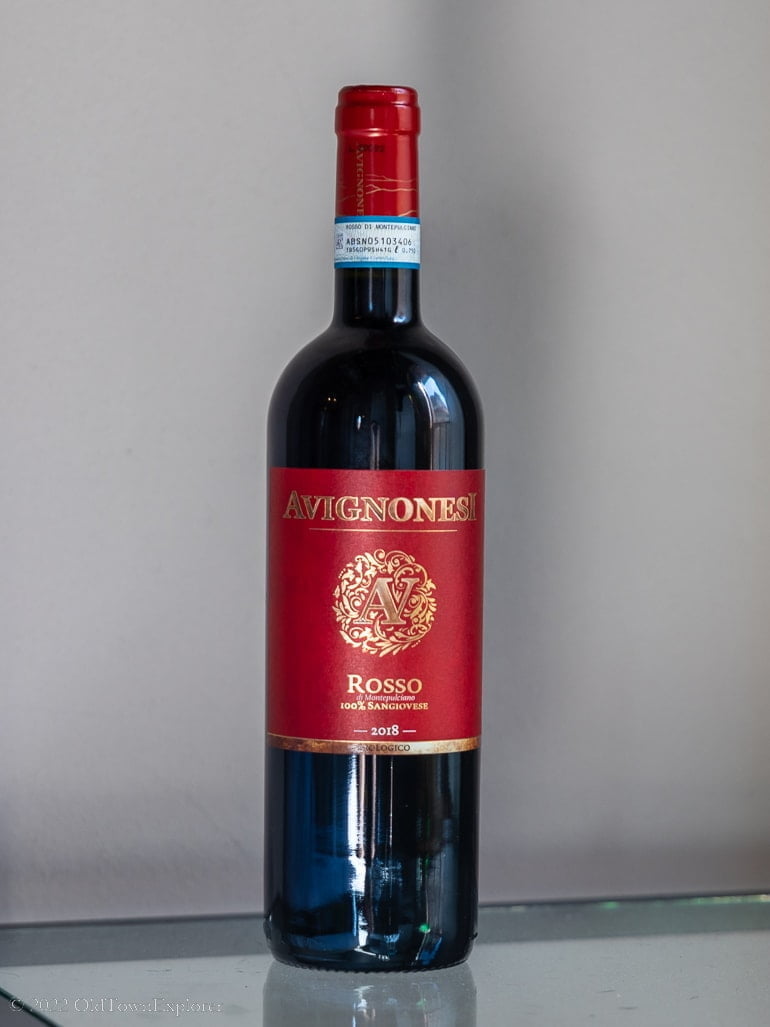
Rosso di Montepulciano
Rosso di Montepulciano is produced with a minimum of 70% percent Sangiovese grown around Montepulciano.
It is usually aged for six months, resulting in a youthful expression of the famous Vino Nobile di Montepulciano.
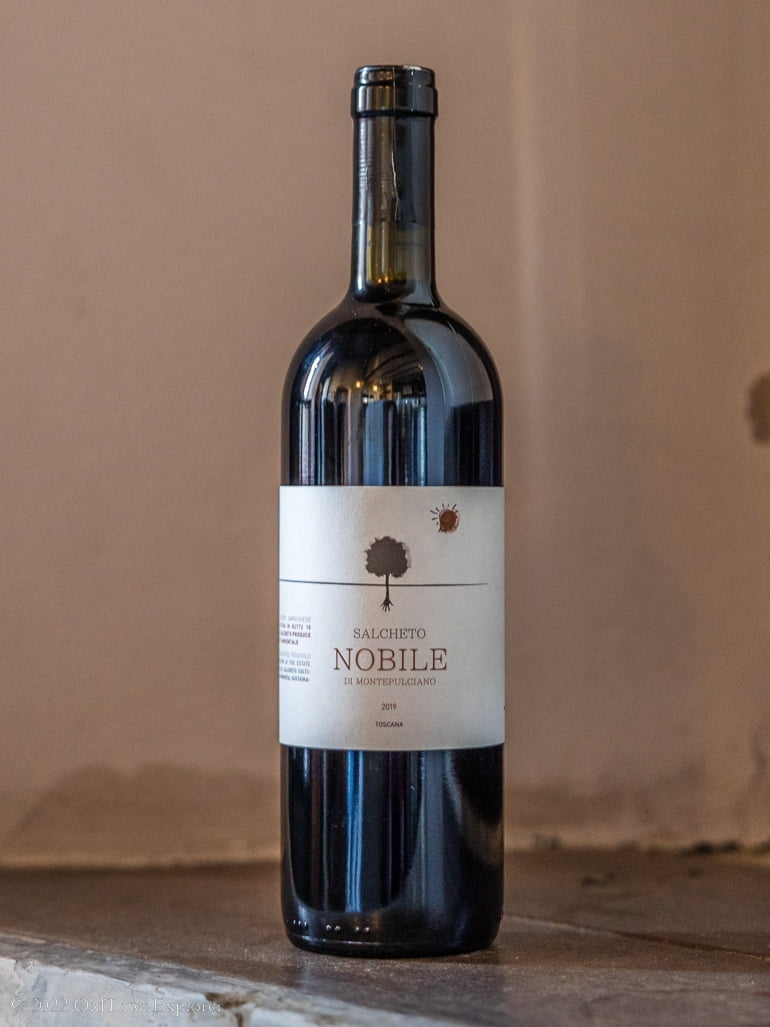
Vino Nobile di Montepulciano
Vino Nobile di Montepulciano is a prized wine produced in the hilly vineyards surrounding the city of Montepulciano. It is produced with a minimum of 70% percent Sangiovese.
Bolgheri
Bolgheri has been a DOC-protected wine since 1994. This “Super Tuscan” was sold as a table wine or with an IGT designation before the creation of the DOC.
Bolgheri Sassicaia
Bolgheri Sassicaia is a famous wine made predominantly with Cabernet Sauvignon, which gives it a full-bodied and rich flavor. The wine split off as a separate DOC in 2013. It's known for its exceptional quality, deep ruby color, and complex aromas of black fruit, spice, and oak.
White Wines
Vernaccia di San Gimignano
Vernaccia di San Gimignano is made from the Vernaccia grape grown and produced around San Gimignano. It was the first Italian wine to be awarded DOC status in 1966 and was upgraded to DOCG in 1993.
Dessert Wines
Vin Santo
Tuscany is famous for its sweet dessert wine called Vin Santo. This unique wine is typically made from white grape varieties such as Trebbiano or Malvasia. The grapes are left to dry on roof beams before being used in the winemaking process.
FAQs About Tuscany Wine
What Wine Is Tuscany Famous For?
Tuscany is famous for its red wines, particularly those made from the Sangiovese grape. Prominent examples include Chianti, Brunello di Montalcino, and Vino Nobile di Montepulciano. The region also produces Sangiovese-based wines such as Carmignano and Vernaccia di San Gimignano. Additionally, Tuscany produces "Super Tuscans", which are blends of Sangiovese with international varieties.
What Makes Tuscany Wine Special?
The terroir, or soil and climate, plays an important role in the taste and quality of Tuscany wines. However, Tuscan wines' garnet-red color, medium body, and unique aromas all result from the high tannin and acidity in the Sangiovese grape. These are the secrets to Tuscany's unrivaled viticulture and wine-making heritage.