
Banja Luka
Food | Wine | ArchitectureExplore Banja Luka: Food, Wine & Architecture
Banja Luka sits on the Vrbas River in northwestern Bosnia and Herzegovina. The city is organized around a walkable central area, Gospodska Street, Kastel Fortress, riverfront paths, markets, religious buildings, and newer neighborhoods spreading out from the center.
Food is the strongest reason to slow down here. Banjalučki ćevap, kafana meals, pita, stuffed vegetables, cured meats, cheeses, ajvar, market produce, and Trappist cheese give the city a different feel from Sarajevo and Mostar.
Banja Luka is not a major wine-production base, but it works as an urban tasting stop for Bosnian and Balkan bottles. Wine bars and shops are useful for comparing Herzegovinian Žilavka, Blatina, Trnjak, and Vranac with northern Bosnia producers.
We spent the month of June in Banja Luka, walking through markets, eating in traditional taverns, and exploring the city center, riverside, and historic sites. Plan the city around food, modest wine tasting, Kastel Fortress, Gospodska Street, the Vrbas River, where to stay, timing, and basic arrival logistics.
This page contains affiliate links. We may earn a small commission at no extra cost to you.
Banja Luka at a Glance
Banja Luka is a slower, less obvious Bosnia stop than Sarajevo or Mostar. It works best for travelers who want a northern Bosnia base with strong local food, river walks, cafés, and a compact city center.
Key planning points:
- Best for: Banjalučki ćevap, relaxed café culture, Kastel Fortress, Gospodska Street, the Vrbas River, Orthodox and Ottoman religious buildings, and a quieter city stay.
- Best starting area: stay near Gospodska Street, Krajina Square, Kastel Fortress, or the central pedestrian area for the easiest walking access.
- Suggested stay: two nights is enough for the city center, food, architecture, and riverfront; three nights works better if you want markets, slower meals, or nearby countryside.
- Best timing: spring and early autumn are the easiest seasons for walking, outdoor cafés, river views, and architecture without the strongest summer heat.
- Main trade-off: Banja Luka has fewer headline sights than Sarajevo or Mostar, but it gives a calmer look at northern Bosnia and works well for slow travel.
Choose Banja Luka when the trip has room for a slower northern stop. Skip it on a very short Bosnia route unless food, café life, the Vrbas River, or northern Bosnia specifically matter to you.
Banja Luka Food
Banja Luka food is built around grilled meats, kafana meals, stuffed vegetables, savory pies, local cheeses, cured meats, ajvar, market produce, and the city’s own ćevapi style. Banjalučki ćevap is the key dish to compare with Sarajevo ćevapi because it is shaped and served differently.
Our Banja Luka Food page introduces the local dishes, restaurants, markets, and practical information for eating in the city.

Banja Luka Wine
Banja Luka is mainly an urban tasting base rather than a major wine-production center. Wine bars and shops make it possible to try Bosnian and Balkan bottles, especially Herzegovinian Žilavka, Blatina, Trnjak, and Vranac, without building the trip around wineries.
Our Banja Luka Wine page introduces the regional wines, wine bars, shops, and practical information for drinking wine in the city.

Banja Luka Architecture
Banja Luka’s main architectural stops are in the central area around Kastel Fortress, the Vrbas River, Gospodska Street, Banski Dvor, the Cathedral of Christ the Saviour, Ferhadija Mosque, and nearby civic spaces. The city shows Ottoman, Austro-Hungarian, interwar, Yugoslav-era, religious, civic, and post-war reconstruction layers in a compact walk.
Our Banja Luka Architecture page introduces Kastel Fortress, Gospodska Street, religious buildings, civic façades, and practical information for exploring the city’s architecture.

Where Is Banja Luka Located?
Banja Luka is in northwestern Bosnia and Herzegovina, on the Vrbas River. It is the largest city in Republika Srpska and one of the main urban bases for northern Bosnia.
The city fits routes that continue toward Jajce, Travnik, northern Bosnia, or Croatia, but it is not on the classic Sarajevo–Mostar first-trip line. Add it when the route has enough time for a slower northern stop rather than only the country’s two most visited cities.
When Is The Best Time To Visit Banja Luka?
The best time to visit Banja Luka is spring or early autumn if you want comfortable walking weather, outdoor cafés, river views, and easier sightseeing. Summer can be hot, while winter is quieter and better suited to slow meals than long outdoor days.
Weather
Banja Luka has warm summers and colder winters than Bosnia’s southern towns. For architecture walks, market visits, river paths, and café stops, mild days are usually easier than peak summer heat or winter cold.
The chart below compares average monthly highs and lows so you can choose the walking weather that fits your trip.

Shoulder Season
April, May, September, and October are the most useful shoulder-season months for Banja Luka. These months usually work well for Gospodska Street, Kastel Fortress, markets, terraces, and riverfront walks without planning the day around midday heat.
Best Value
For value, look outside peak summer and holiday periods. Spring and autumn are the easiest compromise because the city still works well on foot, while winter may bring lower demand but colder, shorter days.
Best Places to Stay in Banja Luka
For a first visit, stay close to the central pedestrian area rather than far out in the suburbs. The easiest base is near Gospodska Street, Krajina Square, Kastel Fortress, or the streets between the center and the Vrbas River.
Hotels and Apartments in Banja Luka
This area works best because most first-time food, wine, architecture, café, market, and riverfront stops are close enough to reach on foot. It also keeps taxi rides simple if you arrive by airport transfer, bus, or train.
The main trade-off is that central streets can be busier, especially near cafés, restaurants, and evening gathering spots. Choose a quieter side street if sleep matters more than stepping directly into the pedestrian zone.
Use the map below to compare hotels and apartments near Gospodska Street, Krajina Square, Kastel Fortress, and the central riverfront, then choose a location that fits your walking, luggage, café, restaurant, and arrival plans.
Other Things to Know About Banja Luka
Airport
Banja Luka International Airport serves the city from the Laktaši / Mahovljani area north of Banja Luka. Check the airport’s official flight schedule before booking because routes and times can change by airline and season.
Train Station
Banja Luka has a railway station, but train service is limited compared with bus, car, and transfer options. Check Željeznice Republike Srpske before planning the trip around rail connections.
Time Zone
Banja Luka uses Central European Time (CET; UTC+1:00) and Central European Summer Time (CEST; UTC+2:00), the same time system used elsewhere in Bosnia and Herzegovina.
Currency
The currency is the Bosnia and Herzegovina convertible mark, usually written as KM or BAM. The Central Bank of Bosnia and Herzegovina identifies the convertible mark as the country’s monetary unit.
Language
Serbian is the most common public language in Banja Luka, and Bosnian, Croatian, and Serbian are mutually intelligible for most everyday travel situations. English is more likely in hotels, younger cafés, and tourist-facing places than in markets, taxis, or smaller local businesses.
Visa
Bosnia and Herzegovina is not in the Schengen Area, and entry rules depend on your passport. Check the Bosnia and Herzegovina Ministry of Security visa information before travel, especially for longer stays or multi-country routes.
Electricity
Bosnia and Herzegovina generally uses European Type C and Type F plugs with 230V and 50Hz electricity. Travelers from the United States and other countries with different plug shapes or voltage should bring the right adapter and check whether their devices support 230V.
SIM Card
A local SIM or eSIM is useful in Banja Luka, especially for maps, taxi apps, messaging, and checking opening information. Buy an eSIM before arrival if you want data immediately, or choose a local SIM if you need more data for a longer stay.
We use eSIMs exclusively because they can be purchased through an app prior to arrival in a new country and activated when you hit a cell tower in the country. We use Airalo eSIMs. They work great, and I recommend them if you plan to use less than 5 GB of data during your stay or if you need internet immediately on arrival.
Car Rental
You do not need a rental car for central Banja Luka. A car, driver, or organized excursion becomes more useful for Krupa na Vrbasu, countryside stops, scattered wineries, or a wider northern Bosnia route.
For a comparison of rental car offers from large, international brands and smaller regional brands, we recommend Discover Cars.
FAQs About Banja Luka
What is Banja Luka known for?
Banja Luka is known for Banjalučki ćevap, the Vrbas River, Kastel Fortress, Gospodska Street, café culture, religious buildings, and a calmer city pace than Sarajevo or Mostar. It is a good northern Bosnia base when you want food, river walks, and a less tourist-heavy city stay.
Is Banja Luka worth visiting?
Banja Luka is worth visiting if you have time for a slower northern Bosnia stop. It is less dramatic than Mostar and less layered than Sarajevo, but it is strong for food, cafés, local markets, the Vrbas River, and a more everyday city rhythm. For longer-stay trade-offs, see our pros and cons of living in Banja Luka.
How many days do you need in Banja Luka?
Two nights is enough for most first-time visitors. That gives you time for Banjalučki ćevap, Gospodska Street, Kastel Fortress, the Vrbas River, the main religious buildings, and a relaxed café or wine-bar evening.
What food should I try first in Banja Luka?
Start with Banjalučki ćevap, then add sarma, punjene paprike, pita, kajmak, cured meats, cheeses, ajvar, and market produce. Our Banja Luka Food page covers the local dishes, restaurants, markets, and practical food choices in more detail.
Is Banja Luka a good base for wine tasting?
Banja Luka is a modest urban wine base, not a major winery hub. It works best for tasting Bosnian and Balkan bottles in bars and shops, especially if you want to compare Herzegovinian Žilavka, Blatina, Trnjak, and Vranac with northern Bosnia producers. Our Banja Luka Wine page explains the city’s wine bars, shops, and tasting choices.
What architecture should I see in Banja Luka?
Start with Kastel Fortress, Gospodska Street, Banski Dvor, the Cathedral of Christ the Saviour, Ferhadija Mosque, and the central civic spaces near the river. Our Banja Luka Architecture page explains the city’s fortress, religious, civic, Austro-Hungarian, Yugoslav-era, and reconstructed buildings.
Is Banja Luka walkable?
Central Banja Luka is walkable, especially around Gospodska Street, Krajina Square, Kastel Fortress, the main religious buildings, and the Vrbas River. You may want taxis, buses, or a car for outer neighborhoods, the airport, countryside stops, or places outside the central area.
Where should I stay in Banja Luka for a first visit?
Stay near Gospodska Street, Krajina Square, Kastel Fortress, or the central riverfront for the easiest first visit. This keeps most food, wine, architecture, café, market, and riverfront stops within a simple walk.
When is the best time to visit Banja Luka?
Spring and early autumn are the best seasons for most visitors because the city is easier to explore on foot. April, May, September, and October usually work better for architecture walks, markets, river views, and café terraces than peak summer heat or winter cold.
Does Banja Luka have a train station?
Yes, Banja Luka has a railway station, but rail is not the most flexible way to plan most visitor routes. Check the Željeznice Republike Srpske timetable before depending on trains, and compare rail with buses, transfers, or a rental car.
Can you visit Krupa na Vrbasu from Banja Luka?
Yes, Krupa na Vrbasu can fit as a short countryside add-on from Banja Luka when you want the Vrbas River, mills, monastery scenery, and a break from the city center. A car, driver, taxi arrangement, or organized excursion gives more control than building the day around limited public transport.
Banja Luka Blog Posts
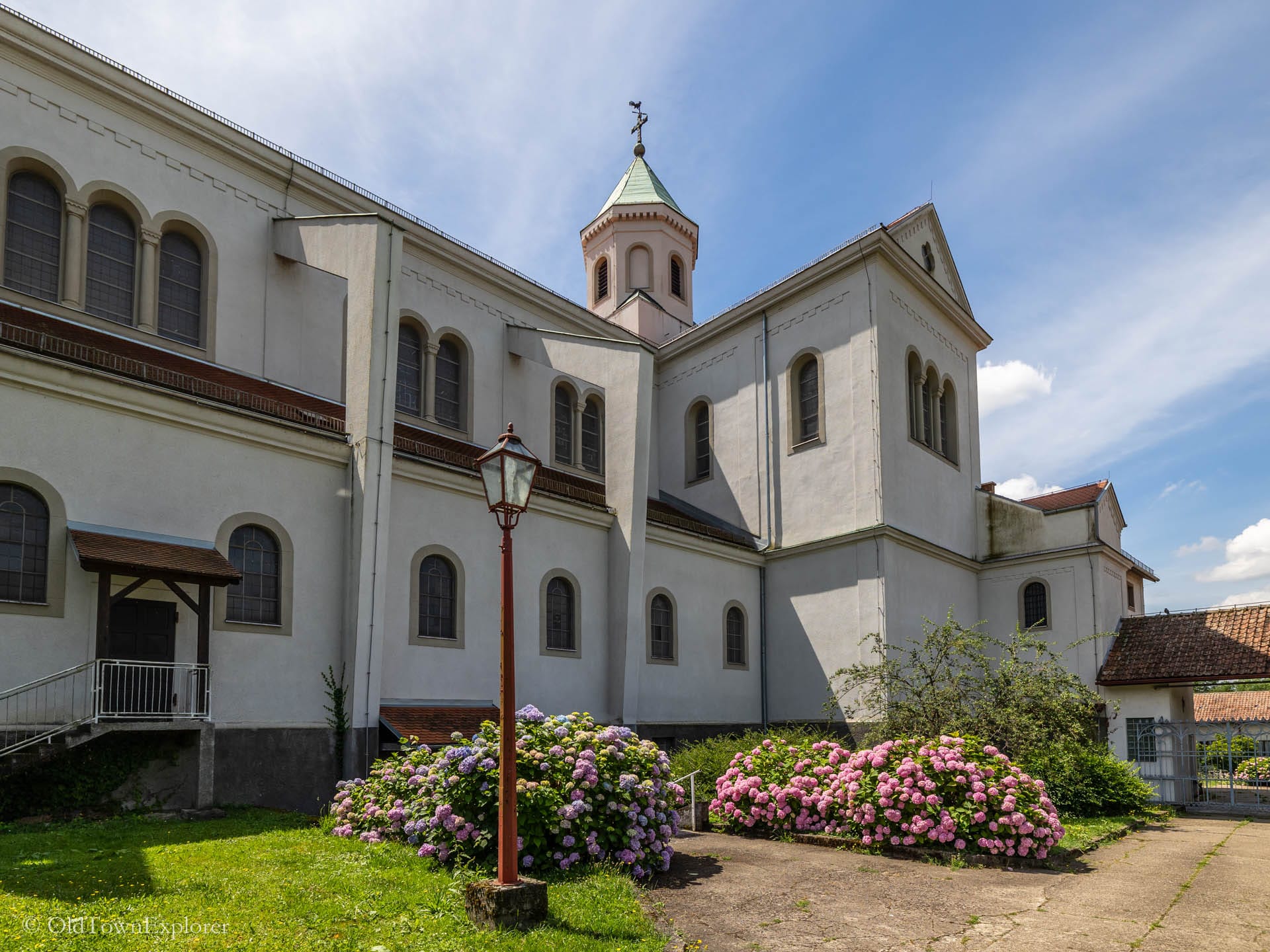
Explore Mariastern Trappist Abbey
Discover Mariastern Trappist Abbey: Trappist History, Church Architecture & More Mariastern Trappist Abbey, also known locally as Marija Zvijezda, sits northeast of central Banja Luka in the Trapisti area near the Vrbas River. It is worth...

24 Pros and Cons of Living in Banja Luka, Bosnia
Explore Life in Banja Luka: Pros & Cons of Living in Bosnia’s Vrbas River City Banja Luka sits on the Vrbas River in northwestern Bosnia and Herzegovina, with a compact center, busy café culture, and a daily rhythm built around walking,...