
Strasbourg
Food | Wine | ArchitectureExplore Strasbourg: Food, Wine & Architecture
Strasbourg sits in northeastern France near the German border, with the historic center concentrated on Grande Île and the city extending north and east into Neustadt. Most first visits begin around Strasbourg Cathedral and Place Kléber, then continue southwest into Petite France or north into the broader streets of Neustadt.
Food is part of the same street-level experience. Traditional winstubs, bakeries, markets, and restaurants put Alsatian dishes such as tarte flambée, choucroute garnie, baeckeoffe, and kougelhopf within a short walk of the historic center.
Wine works differently. Strasbourg is an urban base for tasting Alsace wine rather than a vineyard town. Riesling, Gewürztraminer, Pinot Gris, and Crémant d’Alsace are good names to recognize in the city before deciding whether to spend part of the trip along the Alsace Wine Route.
We spent the entire month of September in Strasbourg. That gave us plenty of time to explore the city’s food, wine, and architecture. Our wider travels in France and further research also help us answer the practical questions that matter when planning a trip, including how long to stay, where to stay, when to visit, and whether to use Strasbourg as a base for exploring more of Alsace.
This page contains affiliate links. We may earn a small commission at no extra cost to you.
Strasbourg at a Glance
Grande Île contains most of the places first-time visitors want to see, while Neustadt and the European Quarter extend Strasbourg well beyond the half-timbered historic center. The city is particularly easy to plan without a car because the central areas are walkable and the railway station sits just west of Grande Île.
For a first visit, these are the main planning choices:
- Best for: A three-day city break focused on historic streets, Alsatian food, regional wine, and architecture.
- Best starting area: Grande Île around Strasbourg Cathedral and Place Kléber, followed by Petite France and Neustadt.
- Suggested stay: Three days for Strasbourg itself; add time if Colmar or several Alsace wine villages are priorities.
- Best timing: May and June or September and early October for long days on foot; late November and December when the Christmas season is the main reason for the trip.
- Main trade-off: You do not need a car in Strasbourg, but a car or organized wine tour can simplify a day that combines several vineyard villages.
For a first visit, three nights near Grande Île keeps the Cathedral, Petite France, restaurants, tram stops, and railway station within an easy daily rhythm. Add another night when you want Strasbourg to double as a base for exploring more of Alsace.
Strasbourg Food
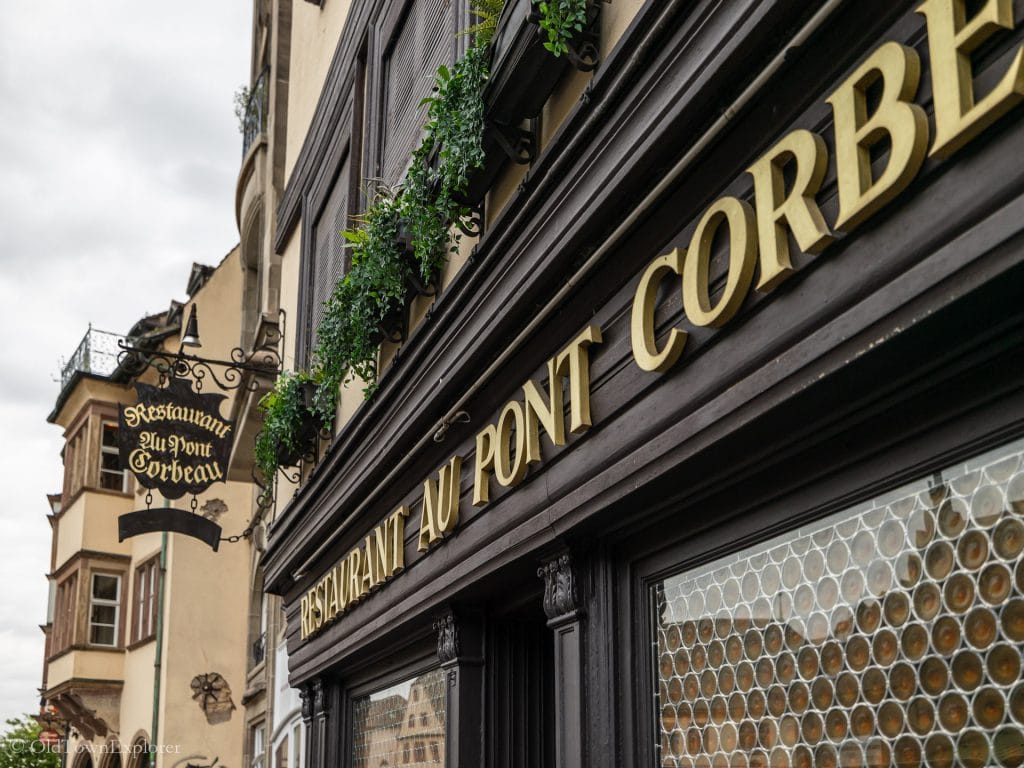
Strasbourg puts traditional Alsatian food close to the historic center. Start by recognizing tarte flambée, choucroute garnie, baeckeoffe, kougelhopf, and Munster, then choose where to eat based on whether you want a traditional winstub meal, a bakery stop, a market visit, or a more contemporary restaurant.
Our Strasbourg Food guide goes deeper into dishes, winstubs, restaurants, markets, and food shops, including places we visited during our month in the city.
Strasbourg Wine
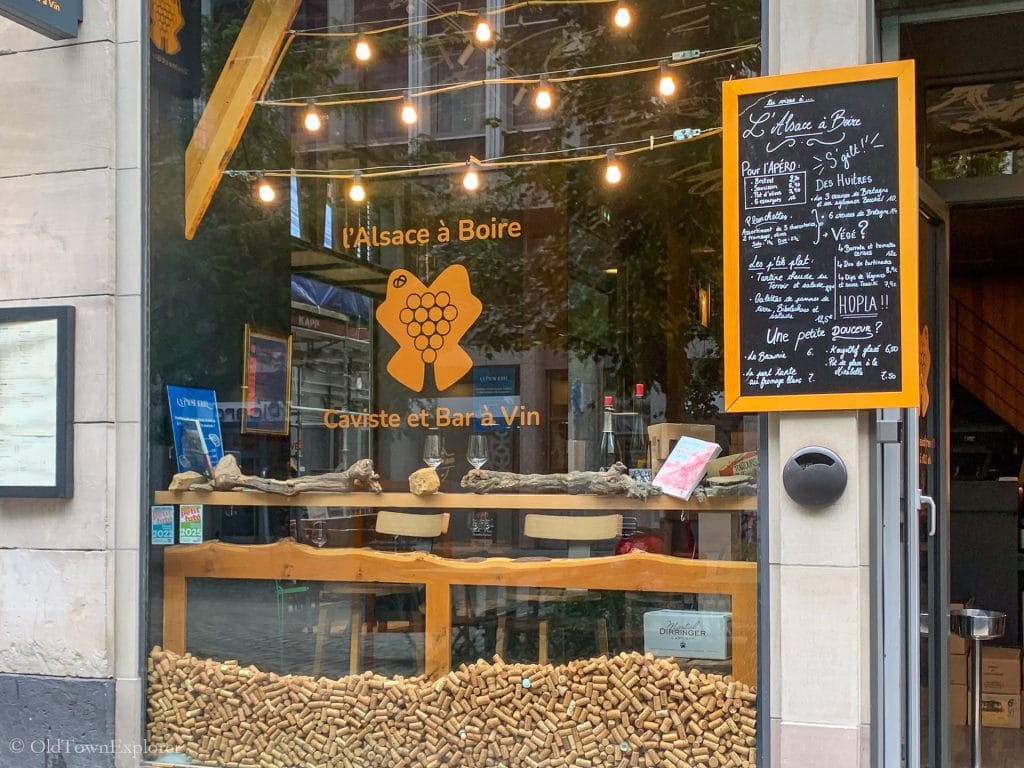
Strasbourg is an urban tasting base for Alsace wine, not a vineyard town. Restaurants, winstubs, wine bars, and shops make it easy to start with Riesling, Gewürztraminer, Pinot Gris, and Crémant d’Alsace before deciding whether to spend time among the vineyards.
Our Strasbourg Wine guide covers drinking and tasting in the city. Our Alsace Wine guide goes farther into the Wine Route, grape varieties, appellations, vineyard areas, and the choice between Strasbourg, Colmar, and a wine-village stay.
Strasbourg Architecture
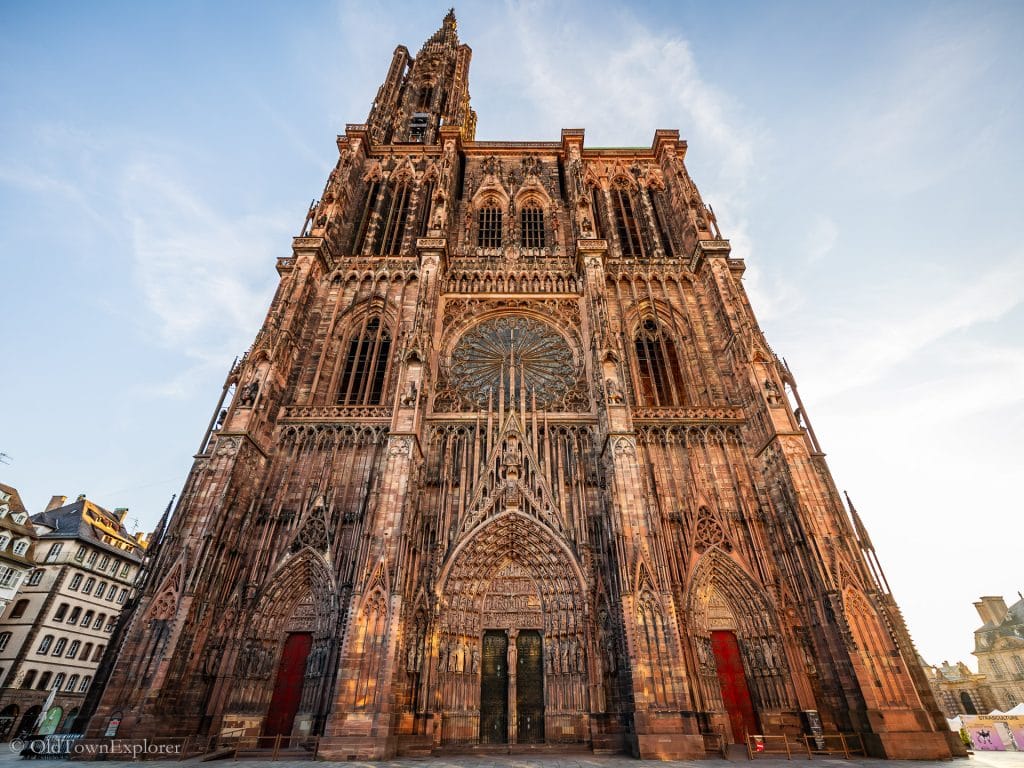
Strasbourg’s main architecture sequence runs from Grande Île and Petite France into Neustadt. Around the Cathedral, Gothic stonework, Renaissance houses, and half-timbered streets fill the older center. Farther north and east, Neustadt opens into wider avenues, formal squares, and buildings from Strasbourg’s period under German Imperial rule.
UNESCO lists Strasbourg, Grande-Île and Neustadt as one World Heritage property, with Grande Île inscribed in 1988 and Neustadt added in 2017. Our Strasbourg Architecture guide goes deeper into the buildings, churches, palaces, bridges, and districts worth looking for as you walk through the city.
Location of Strasbourg
Strasbourg is in northeastern France in the Grand Est region, close to the German border. The historic center sits on and around the Ill River, while the Rhine runs along the eastern side of the metropolitan area with the German city of Kehl on the opposite bank.
Strasbourg also works well as a rail base. Trains run south through Colmar toward Basel, west toward Paris, and across the Rhine toward Germany, so you can build the city portion of the trip without a rental car and decide separately whether the Alsace wine villages justify one.
Best Time to Visit Strasbourg
Choose dates by the kind of Strasbourg trip you want. Late spring and early fall suit long days of walking, summer is warmer, and the Christmas-market season turns the center into a winter-event trip with different access and accommodation considerations.
Weather
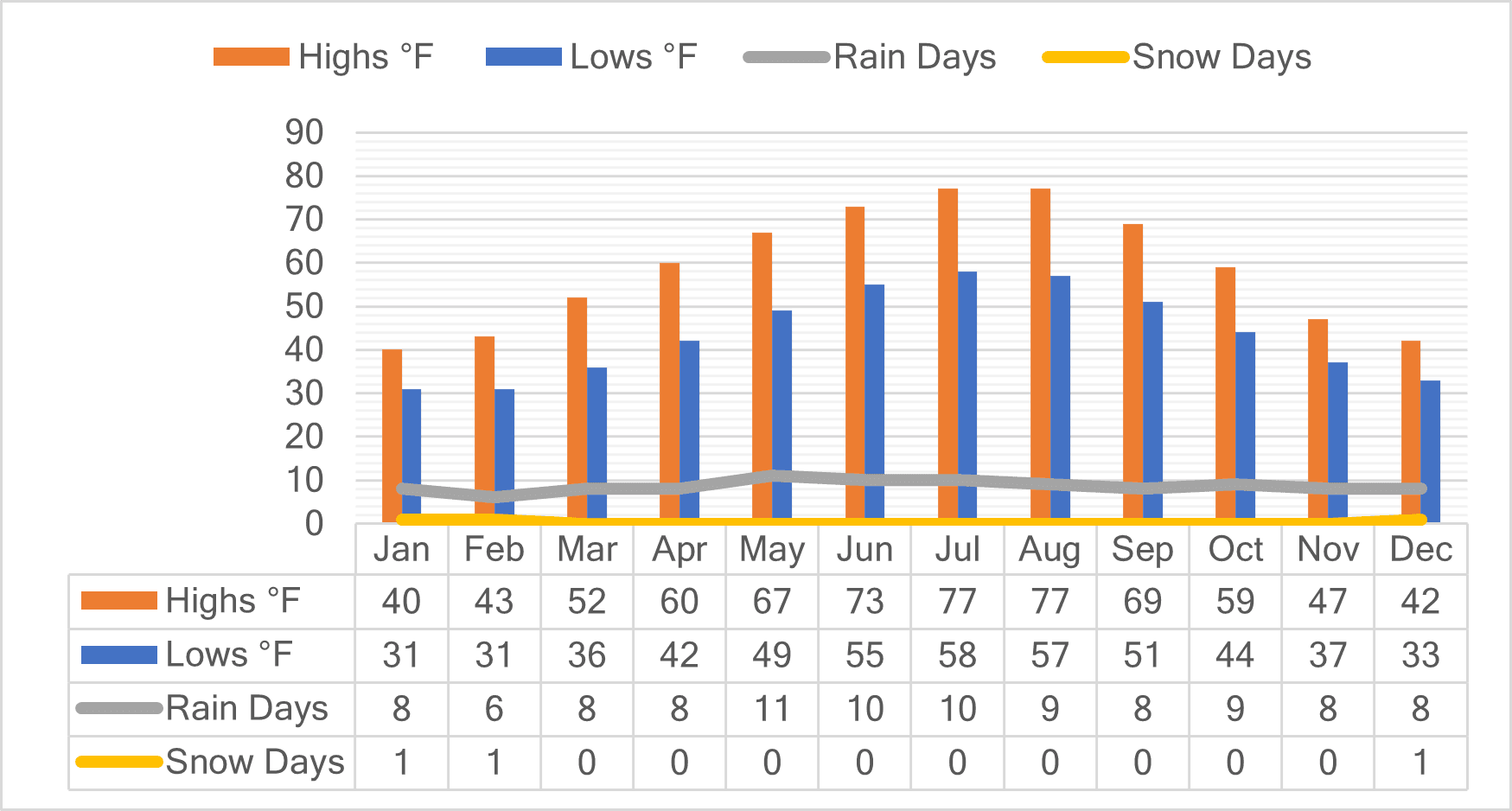
The best weather is a personal preference. We find the best weather for exploring a city is around 55°F and sunny. The weather in Strasbourg during the winter can be cold, so plan accordingly if you're visiting for the Christmas Holiday.
Below is a chart showing the average high and low temperatures for each month, so you can decide what is best for you.
Shoulder Season
May, June, September, and early October are the months we would prioritize when comfortable walking is more important than the Christmas atmosphere.
We spent the entire month of September in Strasbourg; mornings were cool, then afternoons warmed up enough for long walks around the city.
We spent the entire month of September in Strasbourg. The weather was cool in the morning but warmed up during the day.
Best Value
There is no dependable cheapest month for Strasbourg hotels because rates change with exact dates and events. Compare the same hotel or apartment across two or three date sets—late spring, early fall, and any Christmas-market dates you are considering—then choose the rate and weather combination that suits your trip.
If Christmas is the reason for visiting, confirm the current event period on the official Strasbourg Capital of Christmas site before booking flights or accommodation. If Christmas is not a priority, comparing dates outside the main event period can give you a wider set of accommodation choices.
Best Places to Stay In Strasbourg
For a first visit, stay on Grande Île or just outside it unless being beside the railway station suits your route better. The closer you are to the Cathedral, Place Kléber, and Petite France, the more of the first two days you can cover on foot.
Hotels and Apartments in Strasbourg
Grande Île is the simplest all-around base. Around the Cathedral and Place Kléber, you are close to the central sights, restaurants, shops, and tram stops. Petite France puts the canals and half-timbered streets outside the door but leaves you a little farther from Neustadt and the European Quarter.
If you are arriving by train with luggage, the western edge of Grande Île or Quartier Gare shortens the walk from Strasbourg station while keeping Petite France close. Neustadt makes sense when its 19th-century architecture is a priority and you do not mind a longer walk back from Petite France.
Use the map below to compare hotels and apartments for your exact dates, then check the walking distance to the places you expect to visit most.
Other Things to Know About Strasbourg
Airport
Strasbourg Airport (SXB) is at Entzheim southwest of the city. The airport shuttle train reaches Strasbourg railway station in about eight minutes and runs up to five times an hour during service periods. Check the airport timetable for the connection that matches your arrival or departure.
Train Station
Strasbourg station, at 20 Place de la Gare, is the main railway station just west of Grande Île. It handles long-distance and regional trains, making the station practical for arrivals from Paris as well as onward trips toward Colmar, Basel, and other parts of eastern France.
Time Zone
Strasbourg uses Central European Time, CET (UTC+1), in winter and Central European Summer Time, CEST (UTC+2), during daylight saving time.
Currency
France uses the euro (€). Carrying a small amount of cash can still be convenient for low-value purchases even when you expect to pay for most meals, accommodation, and larger purchases by card.
Language
French is the language to expect in Strasbourg. German also appears in cross-border and regional contexts because Kehl is directly across the Rhine, but a few basic French phrases are the safer default for restaurants, shops, and local services.
Visa
France is in the Schengen Area. Whether you need a visa depends on your nationality, and Schengen short stays are generally limited to 90 days in any 180-day period. Check France-Visas for the current rules that apply to your passport, and see our article on traveling visa-free in Europe if your trip covers several countries.
For more information on visa-free travel in France, check out our article on traveling visa-free.
Electricity
France uses Type C and Type E plugs with 230V, 50Hz electricity. Bring a plug adapter if your devices use another socket type, and check the voltage printed on each charger before plugging in equipment that may not be dual-voltage.
SIM Card
A local SIM or eSIM can both work for a Strasbourg trip. We use Airalo eSIMs because we can buy them before arrival. Before purchasing one, check that your phone is unlocked and eSIM-compatible and compare the plan’s data allowance with the length of your trip.
Car Rental
Do not rent a car just for central Strasbourg. Grande Île is walkable, CTS trams and buses cover the wider city, and the railway station handles many regional trips. A car becomes more attractive when your itinerary centers on several wine villages or rural Alsace stops in one day; for rental comparisons, we use Discover Cars.
FAQs About Strasbourg
Is Strasbourg worth visiting?
Yes. Strasbourg combines Grande Île, Petite France, Neustadt, Alsatian food, and regional wine in a city that is straightforward to explore without a car. It is especially strong if you want historic architecture, long walks, and good food to occupy the same few days.
How Many Days Do You Need in Strasbourg?
Plan three days for a first visit to Strasbourg. That gives you time for Grande Île and Petite France, the Cathedral area, Neustadt, and meals around the center without turning the trip into a checklist. Add another day if you want Strasbourg to double as a base for Colmar or the Alsace wine country.
Is Strasbourg Easy to Explore Without a Car?
Yes. Grande Île and Petite France are easiest to explore on foot, while trams and buses cover longer trips across the city. The railway station also makes Colmar and several other regional destinations possible without renting a car.
Where Should You Stay in Strasbourg?
Grande Île is the best all-around area for a first visit because the Cathedral, Place Kléber, Petite France, restaurants, and tram stops are close together. Stay nearer Strasbourg station when train timing and luggage matter more, or consider Neustadt when its architecture is one of your main reasons for visiting.
What Food Is Strasbourg Known For?
Start with tarte flambée, choucroute garnie, baeckeoffe, kougelhopf, and Munster. Our Strasbourg Food guide compares the dishes and goes deeper into the winstubs, restaurants, markets, and shops where food becomes part of the trip.
Is Strasbourg a Good Wine Destination?
Yes, if you want to taste Alsace wine in a city setting. Strasbourg is not a vineyard town, so use our Strasbourg Wine guide for drinking and tasting in the city and our Alsace Wine guide when you are ready to plan vineyard villages and the Wine Route.
What Architecture Is Strasbourg Known For?
Strasbourg lets you compare the Gothic Cathedral and medieval street pattern of Grande Île with half-timbered Petite France and the much larger 19th-century urban plan of Neustadt. Our Strasbourg Architecture guide identifies the buildings and districts to look for while walking through the city.
When Is the Best Time to Visit Strasbourg?
May and June or September and early October are strong choices when long walks and comfortable daytime temperatures are the priority. Late November and December are a different kind of trip built around Strasbourg’s Christmas season, so confirm current event dates before booking.
Is Colmar an Easy Day Trip From Strasbourg?
Yes. Rail connections make Colmar one of the simplest major additions to a Strasbourg stay, so you do not need a rental car just to combine the two cities. See our Colmar guide for what to prioritize once you arrive.
Can You Visit Nancy as a Day Trip From Strasbourg?
Yes, but Nancy makes a longer rail day than Colmar and is most appealing when Place Stanislas, Art Nouveau, and Nancy’s different architectural character are specific priorities. See our Nancy guide before deciding whether to visit for the day or give it an overnight stay.
Can You Visit Alsace Wine Villages From Strasbourg?
Yes, but the transport choice depends on how many villages you want to combine. Some destinations can be reached by public transport, while a car or organized wine tour makes a multi-village day easier to arrange. Our Alsace Wine guide is the better place to compare those route choices.
Can You Visit Germany From Strasbourg?
Yes. Kehl sits directly across the Rhine from Strasbourg, and the cross-border tram makes it a simple addition when you want to step outside the historic center for part of a day. Check the current CTS network information before relying on a particular service or timetable.
Strasbourg Blog Posts

27 Pros and Cons of Living in Strasbourg, France
Discover Life in Strasbourg: Pros & Cons of Living in a Franco-German River City Strasbourg is a midsize city in eastern France, set on the River Ill near the German border. This post covers the pros and cons of living in Strasbourg for...
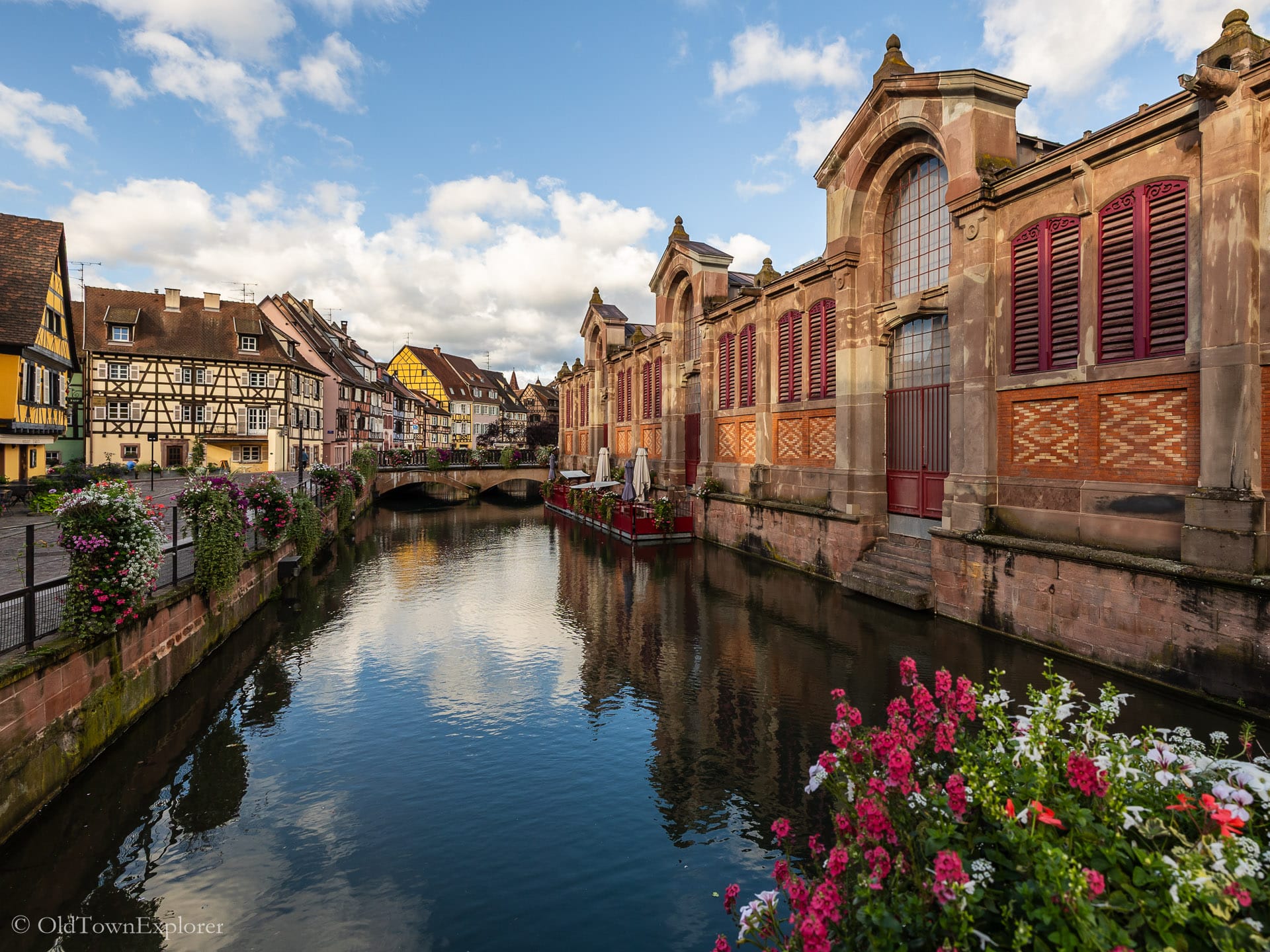
Explore Colmar, France
Discover Colmar, France. Learn about its half-timbered houses, Gothic churches, canal-side districts, and how to plan your visit.
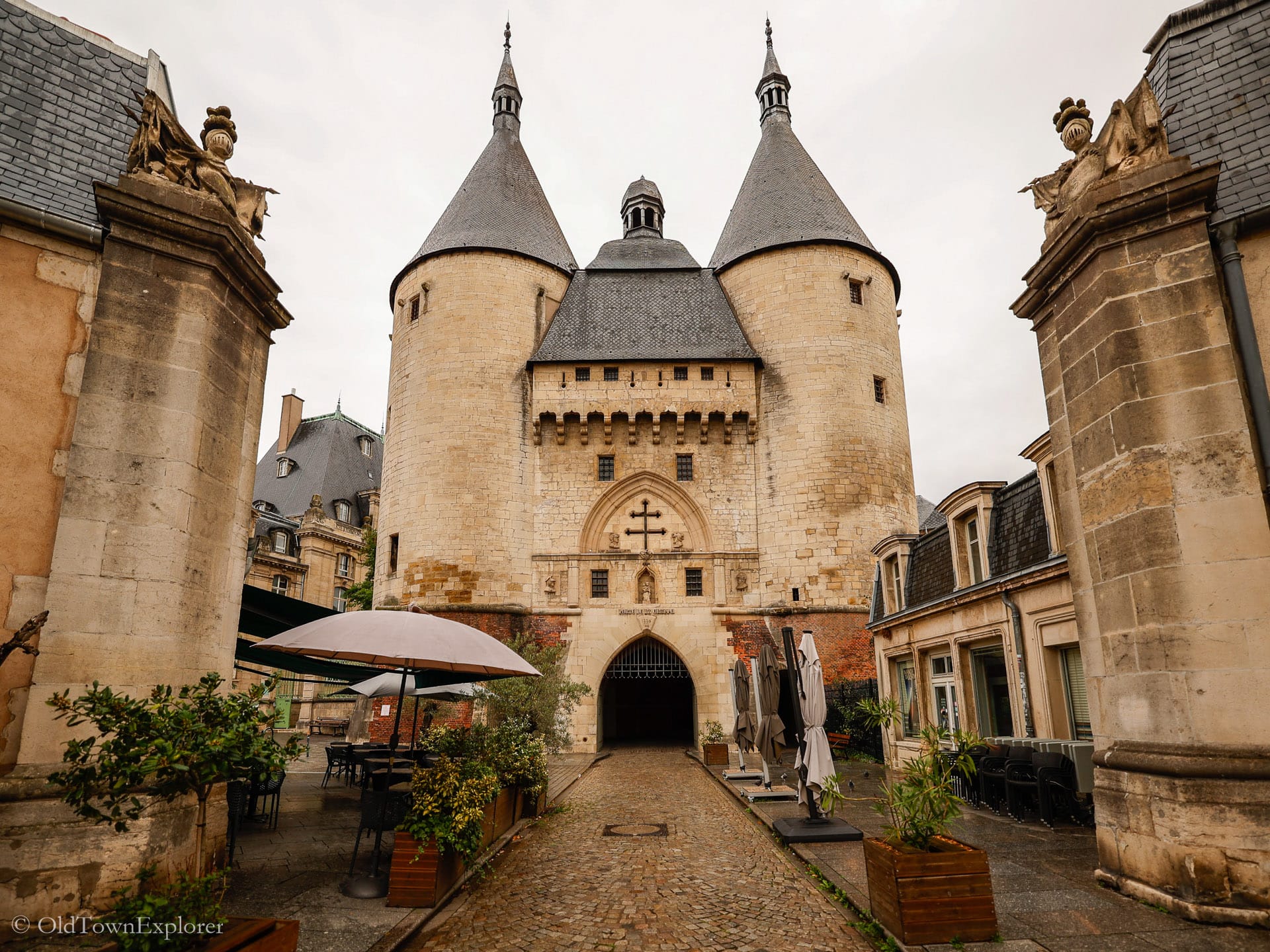
Explore Nancy, France
Discover Nancy, France. Learn about its UNESCO-listed squares, Art Nouveau landmarks, and centuries of history in this architectural guide.