
Vlora
Food | Wine | ArchitectureExplore Vlora: Food, Wine & Architecture
Vlora sits on the southwestern coast of Albania, where the Adriatic and Ionian Seas meet. The city stretches along the Bay of Vlora, with a waterfront promenade, beach areas, inland neighborhoods, and an older center tied to Albania’s independence history.
Food in Vlora is shaped by the coast, the bay, nearby farmland, and southern Albanian cooking. Seafood is the easiest food theme to recognize, while traditional Albanian dishes, cafés, bakeries, markets, and simple restaurants support everyday eating beyond the beach season.
Wine in Vlora works mainly through local bottles, city wine bars, shops, restaurants, and nearby wineries rather than one dense urban wine district. The city is a practical base for tasting Albanian wine while also staying close to the coast.
We spent the month of January in Vlora exploring food, wine, architecture, waterfront routines, neighborhoods, beaches, and practical travel logistics. The main planning decisions are where to stay, when to visit, how much beach time matters, and how to balance the promenade with the older center and nearby coastal trips.
This page contains affiliate links. We may earn a small commission at no extra cost to you.
Vlora at a Glance
Vlora works best as a coastal Albanian base with city services, seafood, wine access, a long waterfront, nearby beaches, and day-trip options along the bay and toward the Riviera.
Key planning points:
- Best for: Travelers who want a coastal city with beach access, seafood, wine, waterfront walks, and a practical base for southern Albania.
- Best starting area: The promenade and Boulevard Ismail Qemali area are the easiest first base for restaurants, shops, evening walks, and waterfront access.
- Suggested stay: Two or three days works for the city, promenade, older center, and nearby beaches; longer stays make sense if you want Zvernec, boat trips, or Riviera day trips.
- Best timing: Late spring and early autumn are the easiest seasons for walking, food, architecture, beaches, and day trips without the strongest summer heat.
- Main trade-off: Vlora gives you a coastal city base, but beach weather, road access, airport plans, and seasonal crowds can change the feel of the trip.
Choose Vlora when you want the coast with more city structure than a small beach town. Stay near the promenade if walking, restaurants, and waterfront routines matter more than quiet or parking.
Vlora Food
Vlora food reflects the city’s coastal setting, Bay of Vlora, nearby farmland, and southern Albanian cooking. Seafood is central, but the city also works well for grilled meats, baked dishes, stuffed vegetables, byrek, cafés, bakeries, markets, and simple meals that fit both short trips and longer stays.
Our Vlora Food page introduces the local dishes, restaurants, markets, and practical information for eating in the city.

Vlora Wine
Vlora is a coastal wine base rather than a single compact wine district. Wine planning usually means choosing between local bottles in restaurants, city wine bars and shops, or nearby winery visits that connect the city with southern Albanian wine.
Our Vlora Wine page introduces the regional wines, wine bars, shops, and practical information for drinking wine in the city.

Vlora Architecture
Vlora architecture is shaped by the older center, Independence Monument area, religious buildings, civic streets, waterfront development, and layers from Ottoman, Italian, socialist-era, and contemporary coastal growth. The strongest architecture decision is whether to focus on the promenade and modern waterfront, the older civic core, or nearby historic sites such as Zvernec.
Our Vlora Architecture page introduces the city’s historic core, waterfront, religious buildings, civic sites, and practical information for exploring Vlora’s architecture.

Where Is Vlora Located?
Vlorë is the third largest city in Albania and serves as the seat of Vlorë County and Vlorë Municipality.
Situated in southwestern Albania, Vlorë stretches along the Bay of Vlorë and is bordered by the foothills of the Ceraunian Mountains, along the Albanian Adriatic and Ionian Sea coasts.
When Is The Best Time To Visit Vlora?
The best time to visit Vlora depends on whether you want beach weather, easier walking, lower prices, or fewer crowds. Late spring and early autumn usually give the best balance for food, wine, architecture, beaches, and nearby coastal trips.
Weather
Vlora has a coastal Mediterranean feel, with hot summers, mild winters, and more comfortable walking conditions outside the hottest months. July and August are better for beach-focused trips than for long walks through the city in the middle of the day.
The chart below shows average monthly high and low temperatures so you can compare beach weather with walking comfort.

Shoulder Season
May, June, September, and October are usually the easiest months to balance beaches, walking, restaurants, architecture, and day trips. These months are especially useful if you want Vlora to work as both a coastal stay and a city base.
Best Value
April, November, and winter months can be better value if you care more about walking, food, wine, and longer stays than swimming. The trade-off is cooler weather, shorter days, more rain risk, and less of the summer beach atmosphere.
Best Places to Stay In Vlora
There are many great places to stay in Vlora. For the best experience, we recommend staying on the Promenade near Boulevard Ismail Qemali (the castle marker on the map below). The Promenade and the area along Boulevard Ismail Qemali are the most pedestrian-friendly with numerous restaurants and shops.
Hotels and Apartments in Vlora
Use the map below to compare hotel and apartment options in Vlora. Select your travel dates to get specific availability and prices.
Other Things to Know About Vlora
Airport
Vlora International Airport has an official website, but it still presents the airport as coming soon. Until commercial service is clearly operating, plan most international arrivals through Tirana International Airport Nënë Tereza or another confirmed airport route.
Train Station
Vlora has a railway station building, but rail is not the practical way to plan most visitor arrivals. Treat buses, cars, taxis, or private transfers as the main transport options unless a current rail service is confirmed before your trip.
Time Zone
Vlora uses Central European Time (CET; UTC+1:00) and Central European Summer Time (CEST; UTC+2:00), the same time system used elsewhere in Albania.
Currency
The Albanian lek is the currency used in Vlora and throughout Albania.
Language
Albanian is the official language. English is common in many visitor-facing businesses, but basic Albanian phrases are still useful for markets, taxis, smaller shops, and local errands.
Visa
Albania is not part of the Schengen Area. Check Albania’s official visa regime for current passport-specific entry rules before planning a long stay.
For more information on visa-free travel in Albania, check out our article on traveling visa-free.
Electricity
Albania uses European-style Type C and Type F plugs, with 230V supply voltage and 50Hz frequency. Travelers from countries using different plug types should bring an adapter and check device compatibility.
SIM Card
Travelers can use either a local SIM card or an eSIM in Albania. A local SIM may make sense for longer stays or heavier data use, while an eSIM is often simpler if you want service shortly after arrival.
We use eSIMs exclusively because they can be purchased before arrival in a new country and activated when you hit a cell tower in the country. We use Airalo eSIMs. They work great, and I recommend them if you plan to use less than 5 GB of data during your stay or if you need internet immediately on arrival.
Car Rental
You do not need a car for the promenade and central Vlora, but a rental car can make nearby beaches, Zvernec, Llogara Pass, and Riviera stops easier. Check parking, road conditions, and rental rules before planning the city as a driving-heavy base.
For a comparison of rental car offers from large international brands and smaller regional brands, we recommend Discover Cars.
FAQs About Vlora
Is Vlora worth visiting?
Yes, Vlora is worth visiting if you want a coastal Albanian city with beaches, seafood, wine access, a waterfront promenade, and nearby day trips. It is a better fit for travelers who want a city base on the coast than for those looking only for a small beach village.
What is Vlora known for?
Vlora is known for its coastal setting where the Adriatic and Ionian Seas meet, its role in Albania’s independence, its seafood, nearby beaches, and access to the Albanian Riviera. The city also works as a practical base for Zvernec, Karaburun, and Llogara-area trips.
Is Vlora walkable?
Vlora is walkable along the promenade, Boulevard Ismail Qemali, beach areas, and parts of the center. Distances, summer heat, traffic, and where you stay matter, so choose your base carefully if you want to rely mostly on walking.
How many days do you need in Vlora?
Two or three days is enough for the promenade, older center, food, wine, architecture, and one nearby outing. Stay longer if you want beach time, boat trips, Zvernec, Llogara Pass, or a slower coastal routine.
What food should I try first in Vlora?
Start with seafood, grilled fish, octopus, stuffed vegetables, byrek, and traditional Albanian dishes that fit the coastal setting. For restaurants, markets, and dish planning, use Vlora Food.
Is Vlora a good city for wine?
Vlora is a good city for wine if you want local bottles, wine bars, shops, restaurants, and nearby winery access rather than a dense urban wine district. For wine bars, shops, local bottles, and nearby wineries, use Vlora Wine.
What architecture should I see in Vlora?
Start with the older center, Independence Monument area, religious buildings, civic streets, and waterfront development. For building-level detail and architecture walks, use Vlora Architecture.
Where should I stay in Vlora for a first visit?
The promenade and Boulevard Ismail Qemali area are the easiest first base. This location keeps restaurants, cafés, shops, waterfront walks, beach access, and evening routines close together.
When is the best time to visit Vlora?
Late spring and early autumn are usually the best balance for walking, beaches, food, wine, architecture, and day trips. July and August are better for beach-focused trips but can be hot for city walking.
Does Vlora have an airport?
Vlora International Airport has an official website but should still be treated as a coming-soon airport until commercial service is clearly operating. For current international arrivals, check Tirana International Airport or another confirmed airport route before booking.
Does Vlora have a train station?
Vlora has a railway station building, but rail is not the practical arrival method for most visitors. Plan around buses, car rental, taxis, or private transfers unless current rail service is confirmed for your dates.
Is Vlora a good place to live?
Vlora can work well for longer stays if you want mild winters, coastal walks, seafood, cafés, and a city base near the Riviera. For longer-stay trade-offs, use Pros and Cons of Living in Vlora.
Vlora Blog Posts
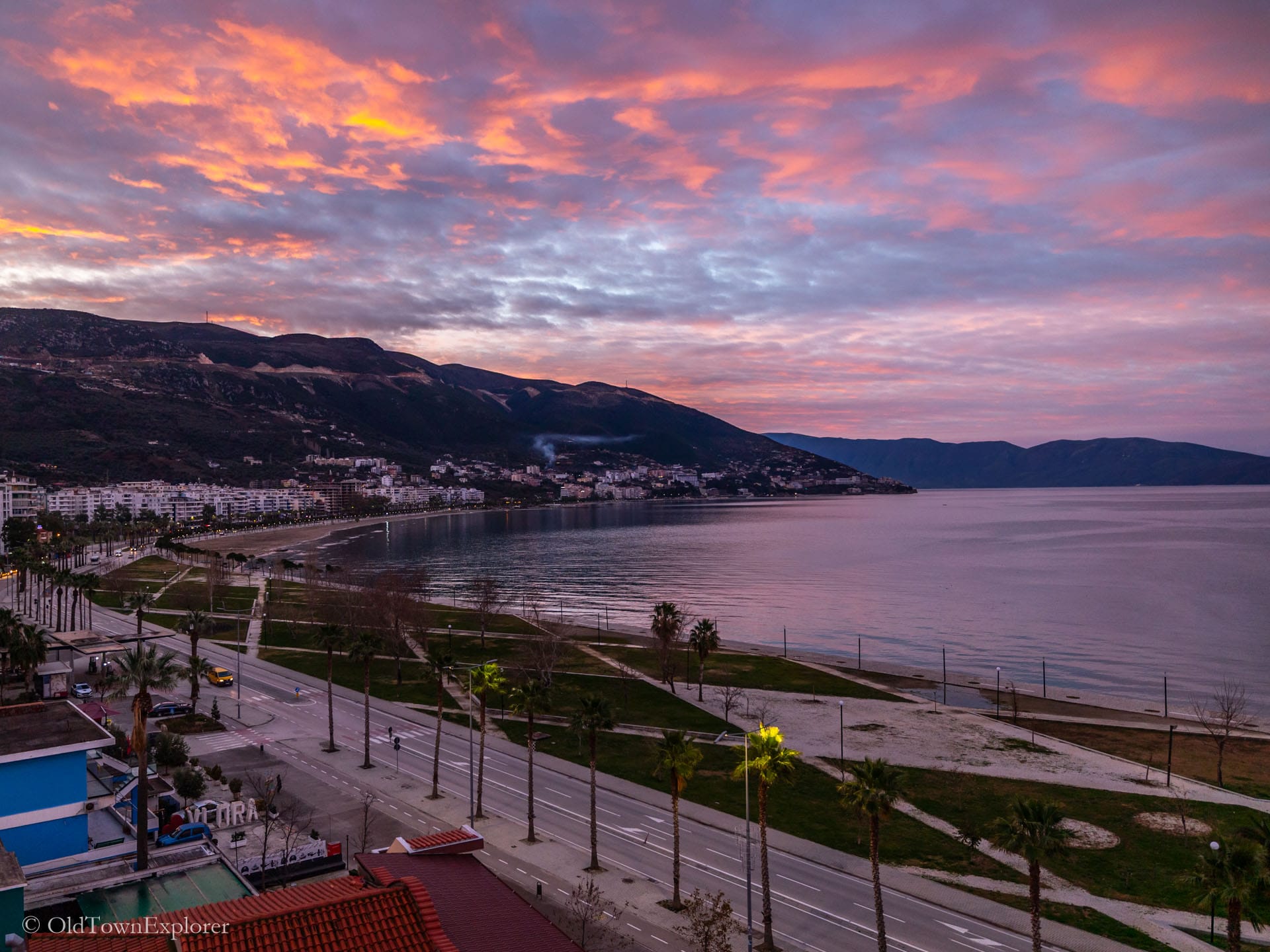
26 Pros and Cons of Living in Vlora, Albania
Discover the pros and cons of living in Vlora, Albania—from beaches and cost of living to travel access, safety, and expat life on the Albanian Riviera.
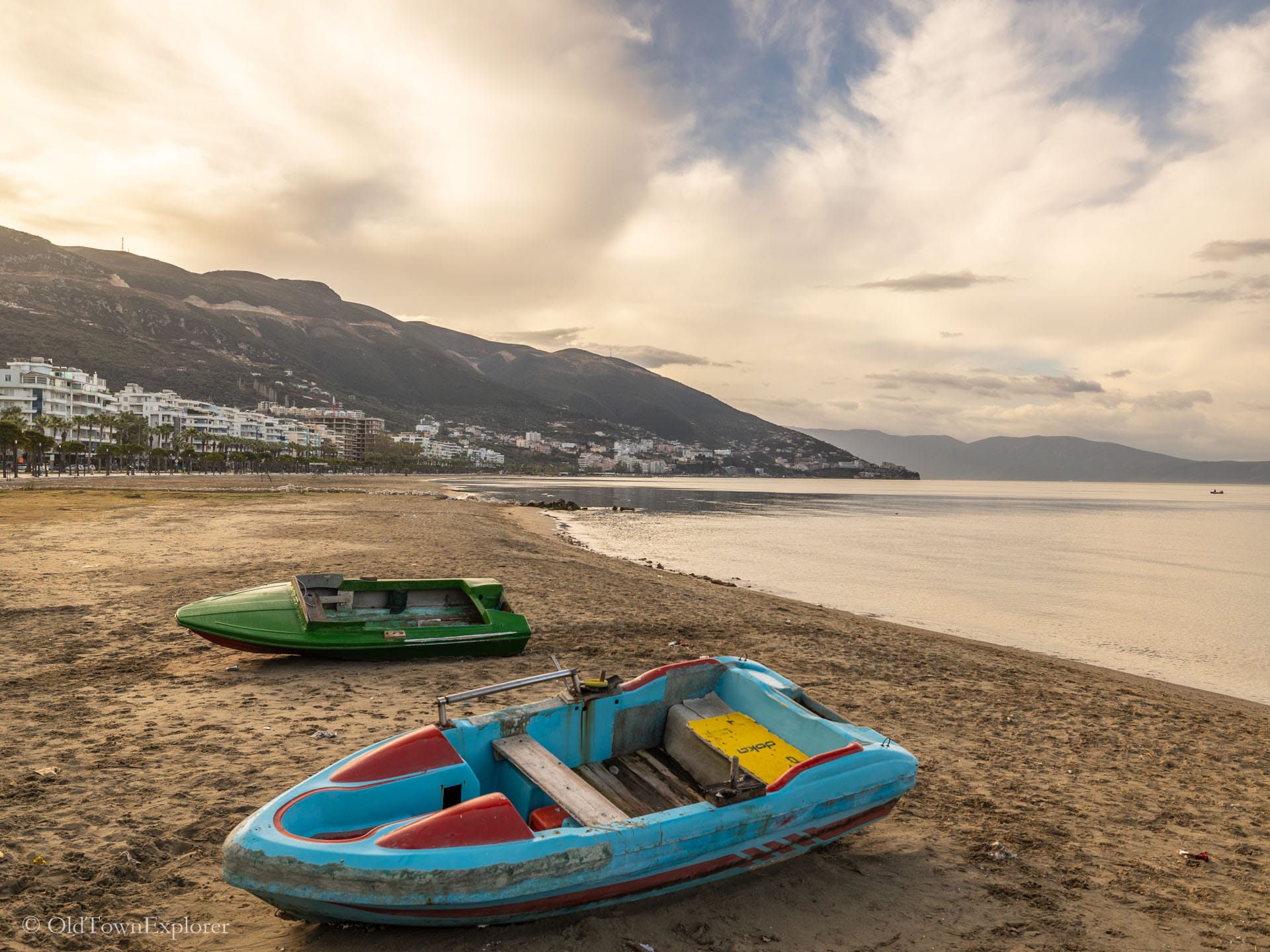
7 Best Beaches in Vlora, Albania
Discover the best beaches in Vlora, Albania—from lively shores to quiet coves. Plan your coastal getaway with tips on where to swim, relax, and explore.
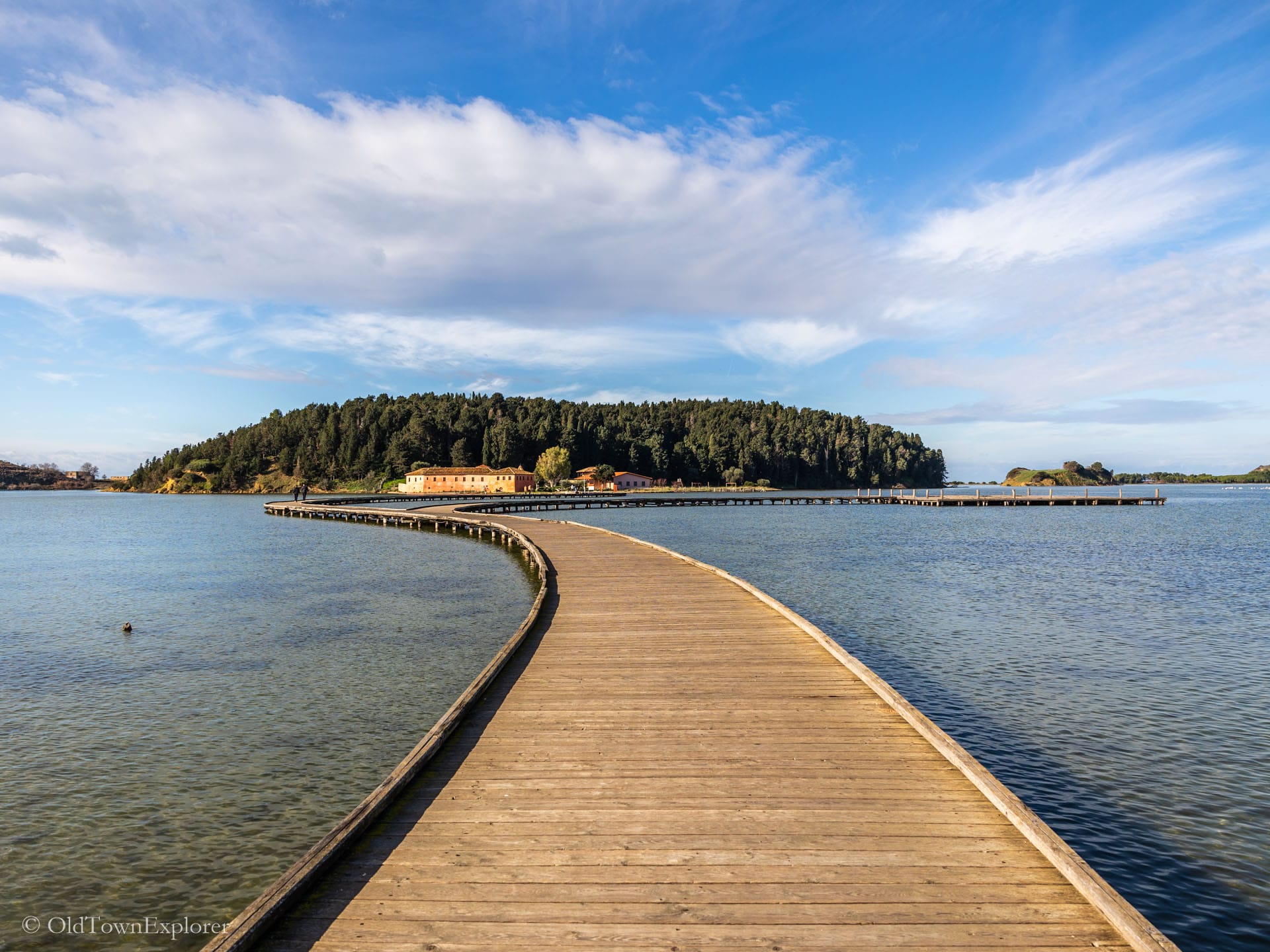
Explore St. Mary’s Monastery Near Vlora, Albania
Discover St. Mary’s Monastery on Zvërnec Island—an 11th–14th century Byzantine site near Vlora. Learn about its history, architecture, and how to get there.