
Vienna
Food | Wine | ArchitectureExplore Vienna: Food, Wine & Architecture
Vienna sits in northeastern Austria, where the Innere Stadt, the Ringstrasse, the Danube Canal, and later districts spread around the old Habsburg center. For a first Austria trip, Vienna works best when you want museums, coffeehouses, palaces, trams, and city wine before adding Graz, Salzburg, or the Wachau.
Viennese food is easiest to recognize through Wiener Schnitzel, Tafelspitz, goulash, Würstelstände, coffeehouses, Apfelstrudel, and Sachertorte. Naschmarkt, Brunnenmarkt, neighborhood Beisln, and historic cafés give the city enough variety for both quick meals and longer food-focused stays.
Vienna is also a wine city. Vineyards sit inside the city limits, Heuriger wine taverns are part of the local routine, and Wiener Gemischter Satz gives first-time visitors a clear local glass to order before looking toward Wachau, Kamptal, or Thermenregion.
We spent the month of October in Vienna, walking the central districts, visiting historic landmarks, and trying local restaurants and wine bars. Use this Vienna guide to choose when to visit, where to stay, how to arrive, what food and wine to recognize first, and which Vienna Food, Vienna Wine, Vienna Architecture, palace, or living guide to open next.
This page contains affiliate links. We may earn a small commission at no extra cost to you.
Vienna at a Glance
Vienna is best planned by choosing a central base, deciding how much palace and museum time you want, and leaving room for at least one food market, coffeehouse, or wine-tavern stop.
- Best for: Habsburg palaces, Ringstrasse architecture, museums, coffeehouses, Viennese dishes, city vineyards, and easy rail travel.
- Best starting area: Innere Stadt or the edge of the 1st district, especially around Stephansplatz, Kärntner Straße, the State Opera, Schwedenplatz, or Schottenring.
- Suggested stay: Three or four days for a first visit; a week or longer if you want slower museum time, markets, wine bars, and outer districts.
- Best timing: April, May, September, and October for walking weather; December for Christmas markets; summer for long days but higher crowds.
- Main trade-off: Vienna is walkable in the center, but Schönbrunn, Belvedere, Prater, and the vineyard districts need U-Bahn, tram, bus, or taxi time.
Choose Vienna when you want Austria’s strongest mix of major sights, public transit, food, wine, and architecture in one city. Add smaller Austrian bases later if you want a slower old-town routine, wine-country villages, or Alpine scenery.
Vienna Food
Vienna food starts with Wiener Schnitzel, Tafelspitz, goulash, sausages, coffeehouses, Apfelstrudel, Sachertorte, and Kaiserschmarrn. Beisln are the easiest places to try traditional plates, while Naschmarkt, Brunnenmarkt, Karmelitermarkt, and smaller neighborhood markets work better for casual lunches, produce, cheese, sausages, and bakery stops.
Use our Vienna Food page for restaurants, markets, dishes, coffeehouses, food tours, and practical ordering decisions. This Vienna page gives the overview so you can decide whether food should be a quick part of the trip or one of the main reasons to stay longer.

Vienna Wine
Vienna belongs in a wine-focused Austria trip because vineyards grow inside the city limits. Start with Wiener Gemischter Satz in a Heuriger or wine bar, then look toward Grinzing, Nussdorf, Stammersdorf, Kahlenberg, or Bisamberg when you want vineyards without leaving Vienna.
Use our Vienna Wine page for wine bars, wine shops, Heuriger areas, what to drink first, and whether nearby wine regions such as Wachau, Kamptal, or Thermenregion should become day trips.

Vienna Architecture
Vienna architecture is easiest to plan by pairing the Innere Stadt with the Ringstrasse. Start with St. Stephen’s Cathedral and the Hofburg, then use the Ringstrasse for the State Opera, Parliament, City Hall, museums, parks, and late-19th-century boulevards.
Add Schönbrunn Palace, Belvedere, the Secession Building, Otto Wagner stations, and the vineyard-edge viewpoints when architecture is one of the main reasons for the trip. The Historic Centre of Vienna includes medieval, Baroque, Ringstrasse, and Gründerzeit layers, while Schönbrunn gives the clearest palace-and-garden visit outside the center.
Use our Vienna Architecture page for buildings, districts, styles, viewing priorities, and architecture walking decisions.

Where Is Vienna Located?
Vienna is in northeastern Austria, close to Slovakia and Bratislava. The historic core sits around the Innere Stadt and the Ringstrasse, with the Danube Canal closer to the old center than the main Danube channel.
For first-time visitors, the Innere Stadt is the best place to begin on foot. Schönbrunn, Belvedere, Prater, the Danube, and the vineyard districts sit farther out, so U-Bahn, tram, bus, S-Bahn, or taxi time should be part of the day plan.
Vienna also works as Austria’s main rail base. Trains connect the city with Graz, Salzburg, Linz, Bratislava, Budapest, Prague, and Danube towns used for Wachau day trips.
What Is The Best Time To Visit Vienna?
The best time to visit Vienna depends on whether you want outdoor café weather, lower hotel rates, Christmas markets, vineyard walks, or long museum days.
Weather
May, June, September, and October usually work best for walking between the Innere Stadt, Ringstrasse, Belvedere, markets, and cafés. January and February can feel cold and gray, while July and August bring longer days, warmer afternoons, and heavier visitor traffic around major sights.
Use the monthly weather chart below to compare average highs and lows before choosing heavy museum days, vineyard walks, or outdoor café time.

Shoulder Season
April, May, September, and October give Vienna the best balance of walking weather and manageable crowds. October worked well for our month in the city because restaurant reservations, museum visits, market stops, and long walks were easy to fit into most days.
Best Value
March and November are usually better value months than the main spring, summer, and Christmas-market periods. Pack for cool weather, rain, and shorter days, then plan more coffeehouse, museum, opera, market, and restaurant time around the forecast.
Best Places to Stay in Vienna
Vienna is easiest to manage when your hotel or apartment keeps you close to the Innere Stadt, the Ringstrasse, or a U-Bahn line. A central base saves time for St. Stephen’s Cathedral, the Hofburg, museums, restaurants, cafés, and evening walks.
Hotels and Apartments in Vienna
Stay in or near the Innere Stadt for a first Vienna visit. Stephansplatz, Kärntner Straße, the State Opera, Schwedenplatz, Schottenring, and the Ringstrasse keep the main sights, restaurants, cafés, trams, and U-Bahn stops close together.
Use the map below to compare hotels and apartments near the Innere Stadt, U-Bahn stops, Wien Hauptbahnhof, Wien Mitte, Schönbrunn, Belvedere, and the districts where you expect to spend the most time.
Other Things to Know About Vienna
Airport
Vienna Airport (VIE), also known as Flughafen Wien-Schwechat, is about 18 km southeast of Vienna city center. The City Airport Train runs to Wien Mitte, while ÖBB trains and S-Bahn services connect the airport with Wien Hauptbahnhof, Wien Mitte, and other city stations.
Train Station
Wien Hauptbahnhof is Vienna’s main long-distance train station. Use it for most Austrian and international rail routes, including Graz, Salzburg, Linz, Budapest, Prague, and airport rail connections.
Time Zone
Vienna uses Central European Time, CET (UTC+1), in winter and Central European Summer Time, CEST (UTC+2), during daylight saving time.
Currency
Austria uses the euro (€). Cards are widely accepted in Vienna, but small cash amounts are still useful for markets, cafés, bakeries, public toilets, tips, and occasional smaller businesses.
Language
German is the official language of Austria. English is common in central Vienna hotels, museums, restaurants, ticket offices, and major visitor areas, but German greetings and menu words still help in Beisln, markets, and outer districts.
Visa
Austria is in the Schengen Area. U.S. and U.K. tourists can normally visit Austria without a tourist visa for short stays of up to 90 days in any 180-day period, but passport rules and electronic border requirements can change. Check current rules before booking, and use our traveling visa-free article if you are planning a longer Europe route.
Electricity
Austria uses Type F outlets with 230V and 50Hz power. Travelers from the United States need a plug adapter, and devices that are not dual-voltage need the correct voltage solution before they are plugged into the wall.
SIM Card
An eSIM is the easiest option for many short Vienna trips if your phone is unlocked and eSIM-compatible. A local SIM can make sense for longer stays, heavier data use, or travel beyond Austria where you want a larger data plan.
We use Airalo eSIMs because they can be purchased before arrival and activated after landing. Check your phone compatibility, data needs, and hotspot rules before choosing an eSIM plan.
Car Rental
Do not rent a car for central Vienna. The U-Bahn, trams, buses, S-Bahn, trains, and walking are better for the Innere Stadt, Ringstrasse, Schönbrunn, Belvedere, Prater, and most city restaurants or museums.
Rent a car only when your Austria route includes countryside stops, wine villages, mountain areas, or small towns that are weak by rail or bus. For rental comparisons, we use Discover Cars, but train-first planning works better for most Vienna-based trips.
FAQs About Vienna
How many days do you need in Vienna?
Plan three or four days for a first Vienna visit. That gives enough time for the Innere Stadt, Ringstrasse, Hofburg, Schönbrunn, Belvedere, at least one museum, a market, a coffeehouse, and one wine bar or Heuriger.
What are the must-see attractions in Vienna?
Start with St. Stephen’s Cathedral, the Hofburg, the Ringstrasse, Schönbrunn Palace, Belvedere, the Vienna State Opera, and the Kunsthistorisches Museum. Use our Hofburg Palace and Schönbrunn Palace guides when those two sites need deeper planning.
What is traditional Viennese food?
Traditional Viennese food includes Wiener Schnitzel, Tafelspitz, goulash, sausages, Apfelstrudel, Sachertorte, Kaiserschmarrn, and coffeehouse cakes. Use our Vienna Food page for restaurants, markets, dishes, and food-tour decisions.
Is Vienna a good wine destination?
Yes. Vienna has city vineyards, Heuriger wine taverns, wine bars, wine shops, and local bottles such as Wiener Gemischter Satz. Use our Vienna Wine page to decide what to drink first and whether vineyard areas or nearby wine regions should be part of the trip.
Is Vienna good for architecture?
Yes. Vienna is one of Europe’s strongest cities for Gothic churches, Baroque palaces, Ringstrasse buildings, Secession design, Otto Wagner details, and palace gardens. Use our Vienna Architecture page to choose buildings, districts, and walking priorities.
Is Vienna an expensive city to visit?
Vienna can be expensive for central hotels, major museums, concerts, and formal restaurants. Costs are easier to control with public transit, market lunches, bakery stops, self-catering apartments, and a stay just outside the Innere Stadt.
How do you get around Vienna?
Walk inside the Innere Stadt and use the U-Bahn, trams, buses, and S-Bahn for longer distances. Public transit is usually the best choice for Schönbrunn, Belvedere, Prater, Wien Hauptbahnhof, Wien Mitte, and the outer districts.
What is the best time to visit Vienna?
April, May, September, and October are the best months for walking and outdoor cafés. December is best for Christmas markets, while March and November usually work better for lower prices and indoor museum time.
Is Vienna a good place to live?
Vienna works well for longer stays because public transit is strong, the center is walkable, and museums, cafés, parks, restaurants, markets, and wine areas are easy to reach. Costs, winter weather, housing, and neighborhood choice matter more for daily life, so use our Pros and Cons of Living in Vienna guide before planning a longer stay.
Vienna Blog Posts
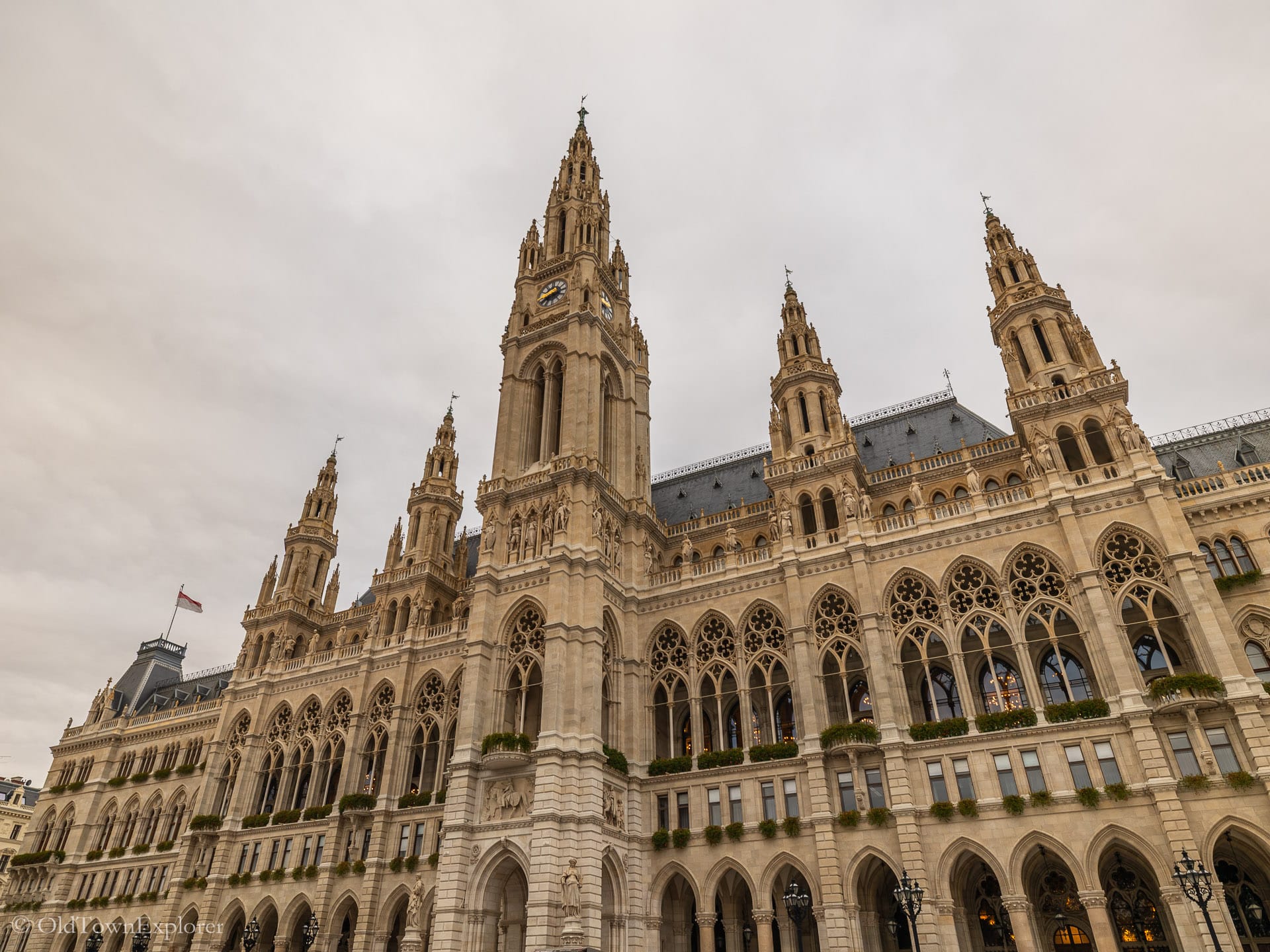
27 Pros and Cons of Living in Vienna, Austria
Explore life in Vienna. Discover the pros and cons of living in Austria’s capital—cost, transport, culture, weather, and daily essentials.
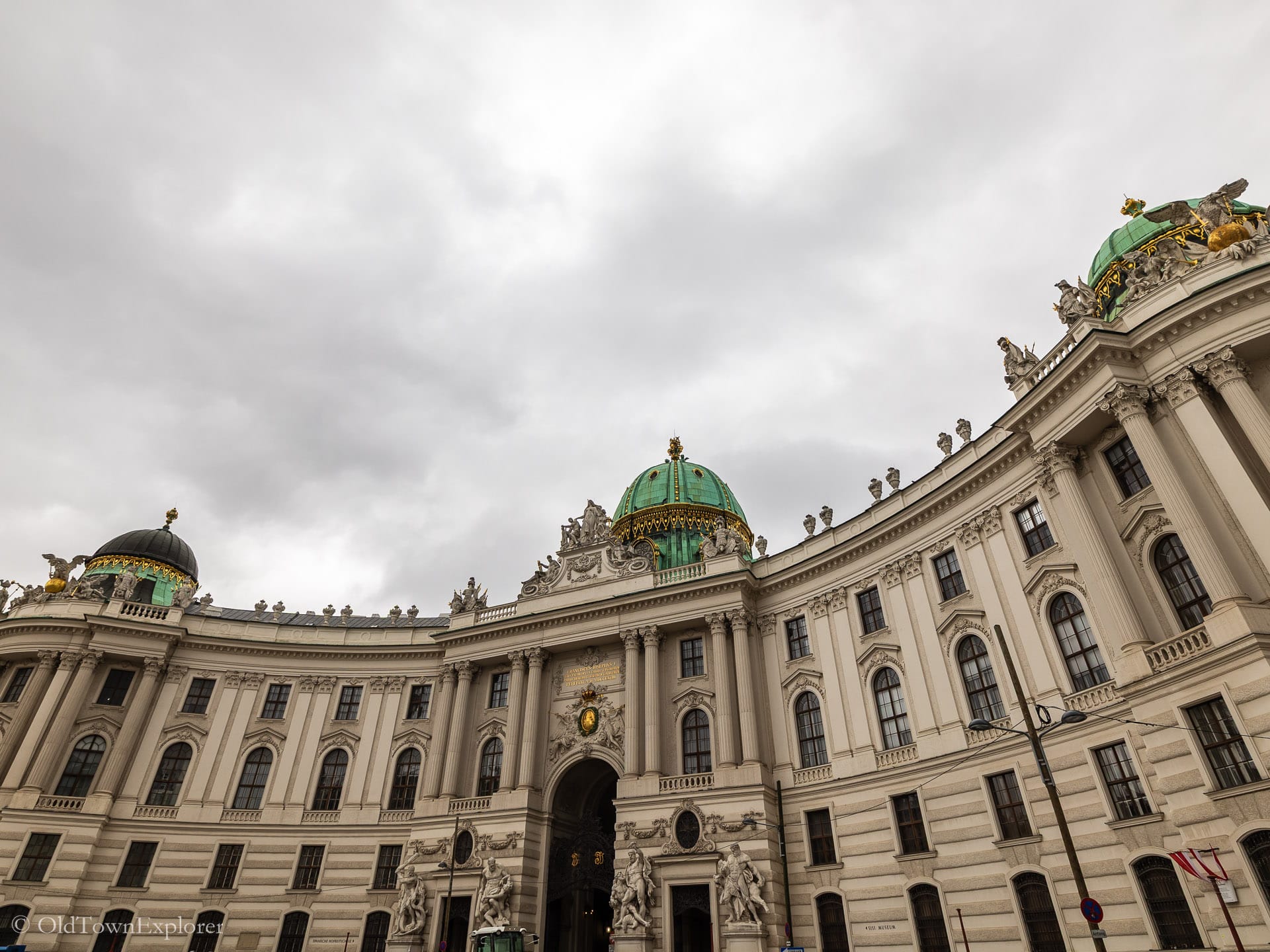
Explore the Hofburg Palace
Discover Vienna’s Hofburg Palace, from Gothic origins to Baroque grandeur. Learn what to see, how to visit, and what to expect at this iconic imperial complex.
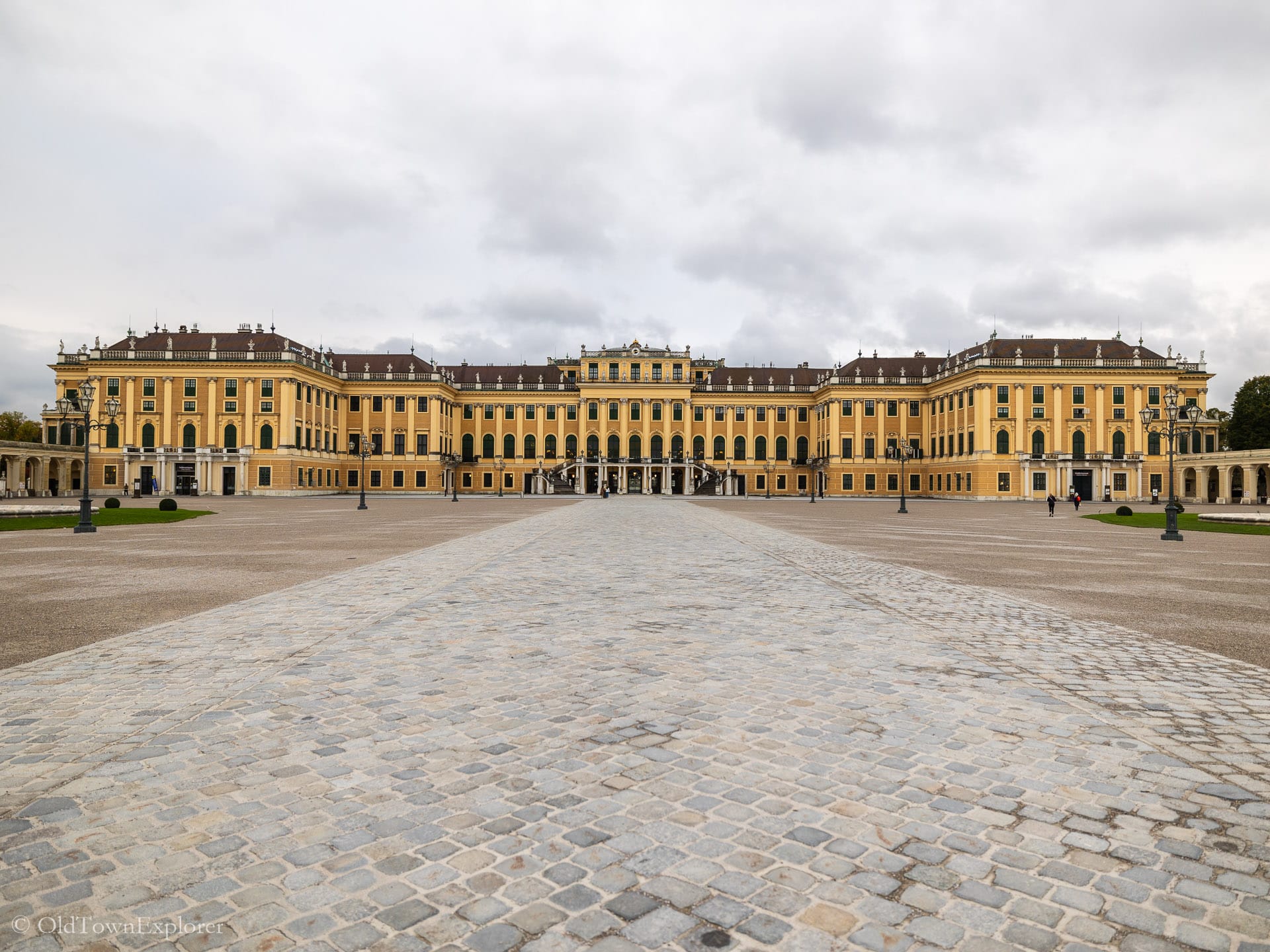
Explore Schönbrunn Palace
Discover Schönbrunn Palace in Vienna—Baroque architecture, imperial history, and landscaped gardens. Learn what to see and how to plan your visit to this UNESCO site.