
Poland
Explore Poland: Food, Wine & Architecture
Poland is one of Central Europe’s strongest destinations for travelers interested in traditional food, local wine, historic cities, and architecture. Regional differences are easy to see: the Baltic north brings seafood and Brick Gothic, the south has royal cities and mountain food traditions, Lower Silesia combines historic towns with modernist architecture, and vineyards are spread across several parts of the country.
Krakow, Gdansk, Wroclaw, and Warsaw support four different routes. Choose Krakow for a compact first stay in southern Poland; Gdansk for the Baltic coast and the country’s north; Wroclaw for Lower Silesia and western Poland; or Warsaw for the capital’s museums, modern history, and onward travel to other regions.
We spent an extended period of time exploring Poland including a month each in Krakow, Gdansk, Wroclaw, and Warsaw. Based on those stays and further research, this page compares Poland’s main destinations, regional food and wine, architecture, seasons, and transport choices so you can choose a base, decide which regions to combine, and plan your route.
Poland at a Glance
Poland is best understood through its historic cities, regional food traditions, emerging wine regions, reconstructed old towns, Gothic churches, brick architecture, market squares, castles, and cultural landscapes that connect Central and Eastern Europe.
- Best for: Historic cities, traditional food, Gothic architecture, market squares, castles, and emerging wine regions
- Top city bases: Krakow, Gdansk, Wroclaw, and Warsaw
- Key food themes: Pierogi, soups, dumplings, smoked cheeses, cured meats, cabbage dishes, potato pancakes, pastries, and regional products
- Key wine regions: Lubusz, Lower Silesia, Lesser Poland, Subcarpathia, Świętokrzyskie, and Lublin
- Architecture highlights: Gothic churches, medieval market squares, Renaissance town halls, Baroque churches, reconstructed old towns, modernist landmarks, and UNESCO-listed cultural sites
- Good first route: Krakow and Wroclaw, with Gdansk and Warsaw as natural additions
Krakow, Gdansk, Wroclaw, and Warsaw provide the strongest starting points because they connect Poland’s food, wine, and architecture themes with major historic districts, regional identities, and strong city-level guide coverage.
Poland Destinations
Poland offers a mix of royal capitals, port cities, reconstructed historic centers, market squares, river cities, castles, wine regions, and UNESCO-listed cultural sites. Its strongest first route usually combines one preserved historic center, one regional architecture base, and one city that explains the country’s modern and postwar history.
Our Krakow, Gdansk, Wroclaw, and Warsaw pages introduce Poland through different city bases: Krakow for medieval and royal history, Gdansk for Baltic and Hanseatic identity, Wroclaw for architecture and Lower Silesian food and wine access, and Warsaw for capital-city history and postwar reconstruction.
Krakow
Krakow is one of Poland’s strongest first bases for architecture, food, history, and traditional urban atmosphere. The Main Market Square, Wawel Castle, St. Mary’s Basilica, Kazimierz, university buildings, churches, and UNESCO-listed historic center make it one of Central Europe’s most important old-town destinations.
Choose Krakow when medieval streets, royal history, traditional food, major churches, and a deep historic center matter more than a less crowded city base.

Gdansk
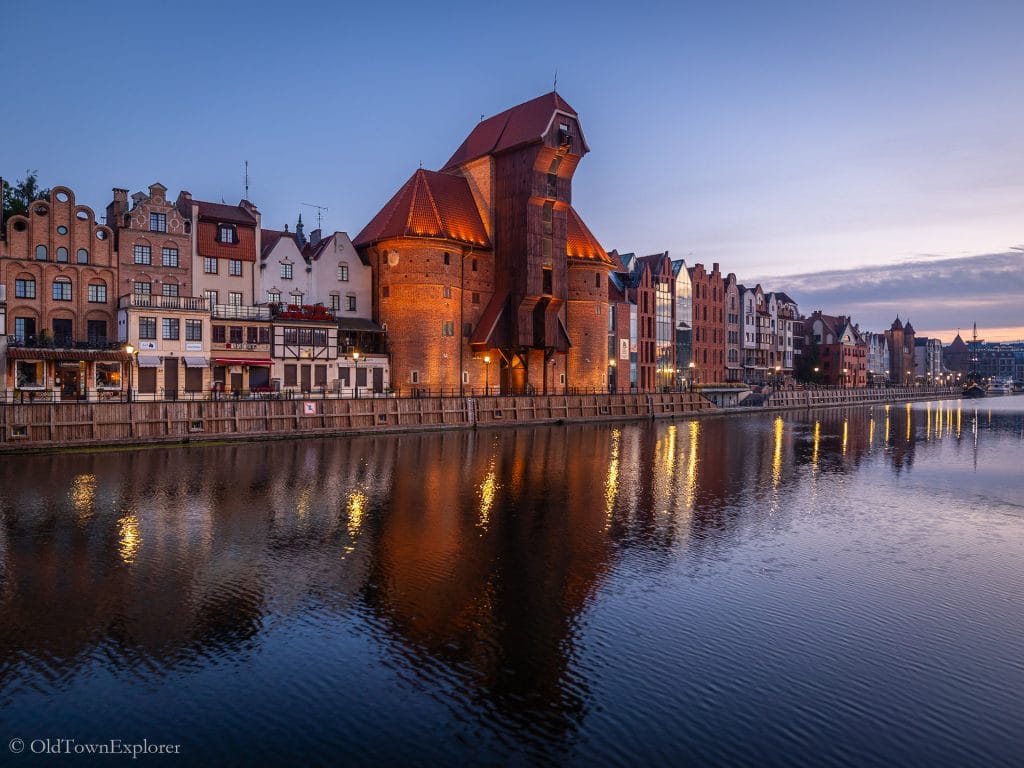
Gdansk is Poland’s leading Baltic port city and one of the country’s strongest destinations for maritime history, brick Gothic architecture, reconstructed streets, and regional food. The Main Town, St. Mary’s Church, Long Market, waterfront, granaries, gates, and Hanseatic trading history give the city a distinctive northern identity.
Choose Gdansk when Baltic history, maritime architecture, seafood, brick Gothic churches, and a coastal setting matter more than access to southern Poland’s wine regions.
Wroclaw
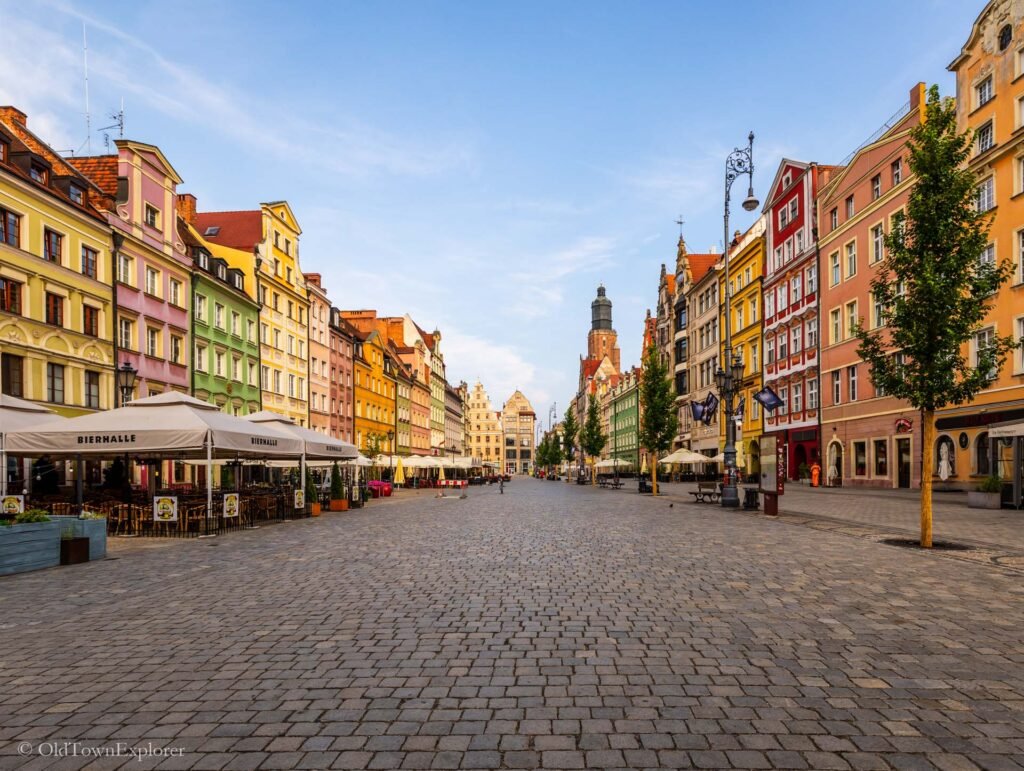
Wroclaw is one of Poland’s strongest architecture cities, with a large market square, Gothic churches, Baroque university buildings, river islands, bridges, modernist landmarks, and access to Lower Silesian wine country. The city’s layered history gives it a different identity from Krakow, Gdansk, and Warsaw.
Choose Wroclaw when architecture, river islands, Lower Silesian food and wine access, and a walkable historic center matter more than royal-capital sightseeing.
Warsaw
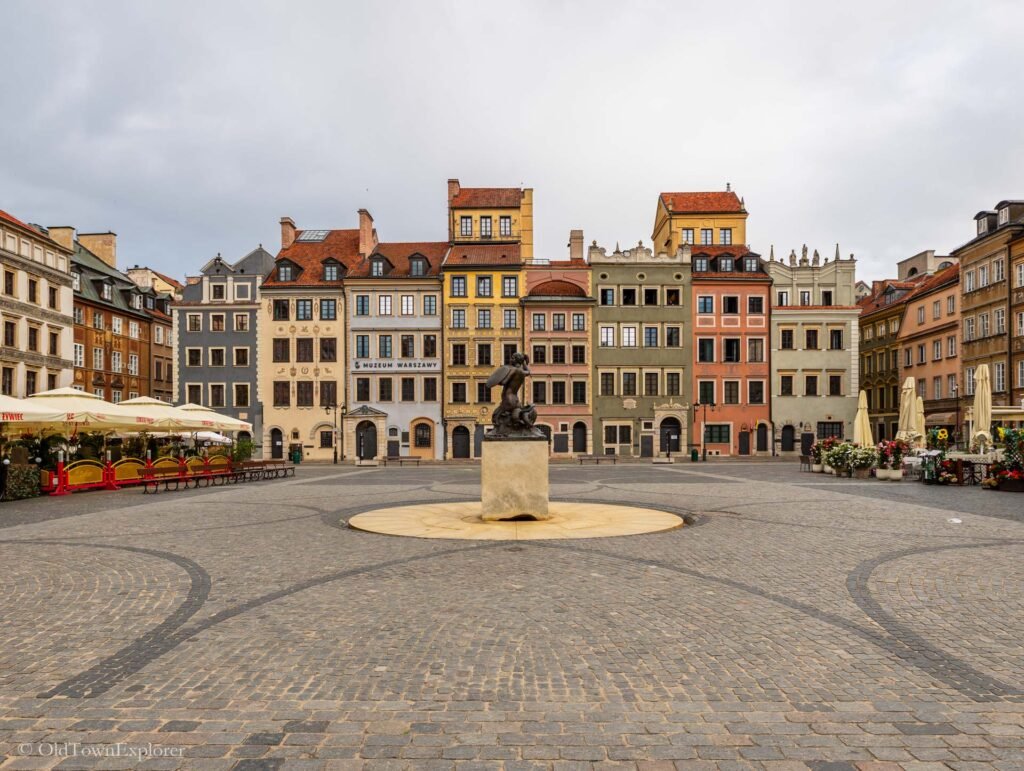
Warsaw is Poland’s capital and the country’s most important city for understanding postwar reconstruction, modern culture, museums, food, and national history. The rebuilt Old Town, Royal Route, Łazienki Park, Praga, modernist buildings, and contemporary dining scene make it a different kind of Poland base than Krakow or Gdansk.
Choose Warsaw when museums, capital-city history, reconstruction, restaurants, and modern urban energy matter more than a fully preserved old town.
Poland Food
Poland Food reflects Central European, Slavic, Jewish, Baltic, and regional influences, with soups, dumplings, breads, smoked cheeses, cured meats, cabbage dishes, mushrooms, potatoes, freshwater fish, pastries, and seasonal foods appearing across the country. Krakow is especially strong for traditional dishes and market food, Gdansk adds Baltic and port-city influences, Wroclaw connects well with Lower Silesian regional cooking, and Warsaw offers the broadest capital-city dining scene.
Our Poland Food page is the best starting point for comparing traditional dishes, protected regional products, and the foods that appear across Krakow, Gdansk, Wroclaw, Warsaw, and other parts of Poland.
Food Products
Protected Designation of Origin (PDO)
Bryndza Podhalańska
Oscypek
Redykołka
Karp Zatorski
Fasola Piękny Jaś z Doliny Dunajca
Fasola Wrzawska
Podkarpacki Miód Spadziowy
Wiśnia Nadwiślańska

Traditional Dishes
- Śledź (Herring)
- Chleb ze Smalcem (Bread with Lard)
- Barszcz Czerwony (Beetroot Soup)
- Żurek (Sour Rye Soup)
- Pierogi
- Bigos (Hunter’s Stew)
- Gołąbki (Stuffed Cabbage Rolls)
- Golonka (Pork Hock)
- Kotlet Schabowy
- Placki Ziemniaczane (Potato Pancakes)
- Kapusta Zasmażana (Braised Cabbage)
- Buraczki (Grated Beets
- Sernik (Polish Cheesecake)
- Pączki
- Makowiec (Poppy Seed Roll)
Poland Wine
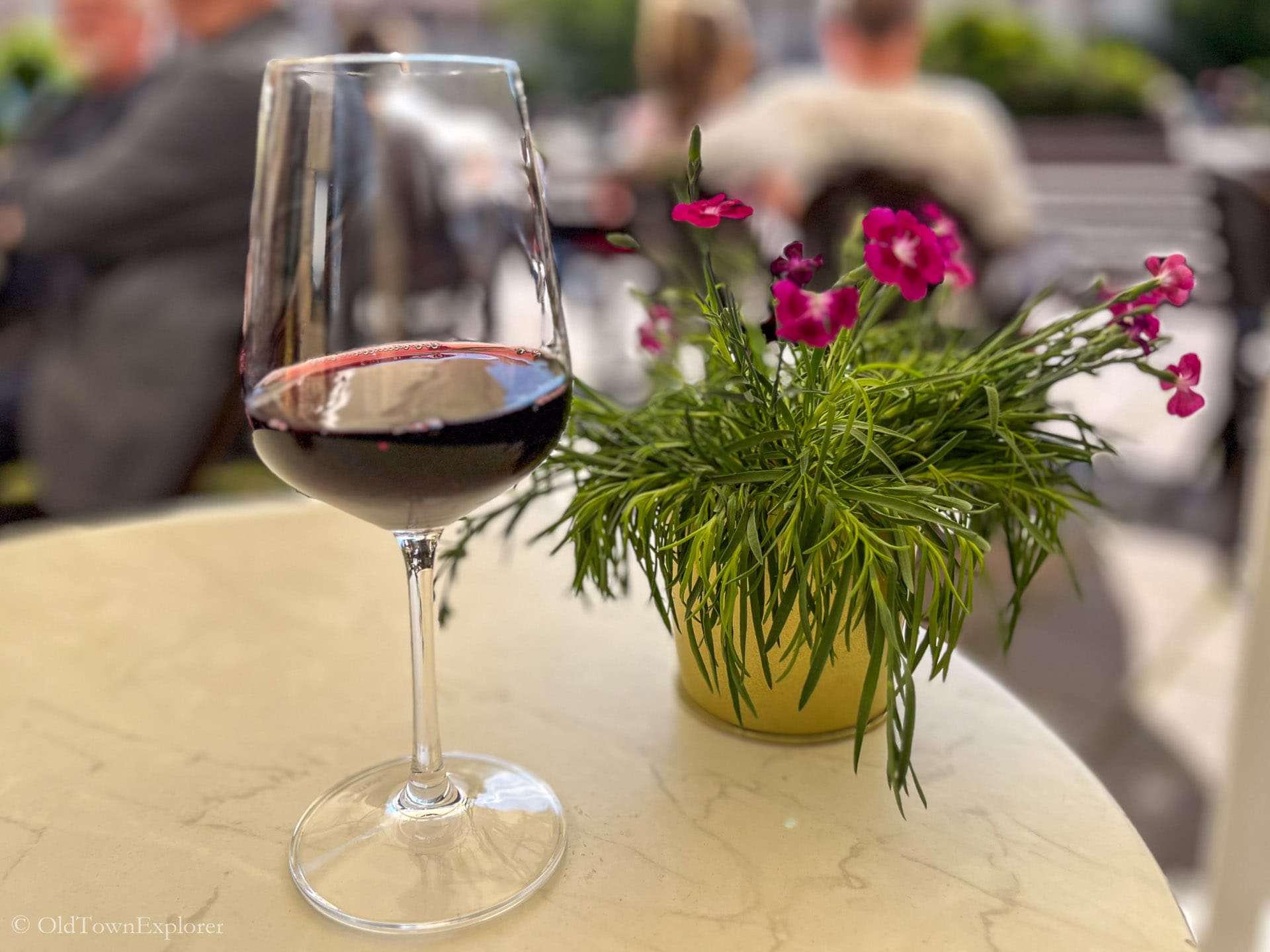
Poland Wine is an emerging cool-climate wine scene, with important activity in Lubusz, Lower Silesia, Lesser Poland, Subcarpathia, Świętokrzyskie, and Lublin. Lower Silesia is especially relevant for Wroclaw travelers because nearby vineyards and wine areas make the city one of the most useful urban bases for exploring Polish wine.
Our Poland Wine page is the best starting point for comparing wine regions, grape varieties, and the places where wine fits naturally into a Wroclaw, Krakow, or broader Poland itinerary. Lower Silesia is especially relevant for Wroclaw travelers, while Lubusz, Lesser Poland, Subcarpathia, Świętokrzyskie, and Lublin add other cool-climate wine routes.
Wine Regions
Zielona Góra Region (Lubuskie Voivodeship)
Małopolska Region (Lesser Poland)
Podkarpackie (Subcarpathian Region)
Lower Silesia (Dolnośląskie Voivodeship)
Świętokrzyskie Mountains Region (Holy Cross Province)
Lublin and Roztocze Region (Eastern Poland)
Grape Varieties
White Grapes
Solaris
Hibernal
Seyval Blanc
Johanniter
Muscaris
Bianca
Riesling
Chardonnay
Red Grapes
Regent
Rondo
Cabernet Cortis
Pinot Noir
Leon Millot
Zweigelt
Poland Architecture
Poland Architecture connects Gothic churches, medieval market squares, castles, Renaissance town halls, Baroque churches, wooden religious buildings, industrial heritage, modernist landmarks, socialist-era planning, and carefully reconstructed historic centers. Krakow gives the strongest preserved medieval and royal overview, Gdansk shows Baltic and Hanseatic layers, Wroclaw is especially strong for churches, university buildings, islands, bridges, and modernism, and Warsaw is essential for understanding postwar reconstruction.
Our Poland Architecture page is the best starting point for comparing major styles, UNESCO sites, and the architectural patterns that appear across Poland’s cities, towns, castles, churches, and cultural landscapes. Krakow, Gdansk, Wroclaw, and Warsaw show four different architectural stories: preserved medieval and royal layers, Baltic brick Gothic, Lower Silesian urban complexity, and postwar reconstruction.

Architectural Styles
Romanesque (10th–13th centuries)
Gothic (13th–16th centuries)
Renaissance (16th century)
Baroque (17th–18th centuries)
Rococo (18th century)
Neoclassicism (late 18th–early 19th centuries)
Historicist Styles (19th century)
Art Nouveau (Secession) (late 19th–early 20th centuries)
Modernism and Functionalism (1920s–1930s)
Socialist Realism (1949–mid-1950s)
Contemporary and Postmodern Architecture (late 20th century–present)
UNESCO World Heritage Sites
Poland has 17 properties on the UNESCO World Heritage List, including 15 cultural properties and 2 natural properties. The most relevant sites for Old Town Explorer readers include historic city centers, medieval castles, wooden churches, industrial heritage, mining landscapes, modernist architecture, and reconstructed urban ensembles.
- Krzemionki Prehistoric Striped Flint Mining Region
- Tarnowskie Góry Lead-Silver-Zinc Mine and its Underground Water Management System
- Wooden Tserkvas of the Carpathian Region in Poland and Ukraine
- Centennial Hall in Wrocław
- Muskauer Park / Park Mużakowski
- Wooden Churches of Southern Małopolska
- Churches of Peace in Jawor and Świdnica
- Kalwaria Zebrzydowska: the Mannerist Architectural and Park Landscape Complex and Pilgrimage Park
- Medieval Town of Toruń
- Castle of the Teutonic Order in Malbork
- Old City of Zamość
- Historic Centre of Warsaw
- Auschwitz Birkenau German Nazi Concentration and Extermination Camp (1940-1945)
- Historic Centre of Kraków
- Wieliczka and Bochnia Royal Salt Mines
Together, these UNESCO sites show the range of Poland’s architectural and cultural history, from medieval towns, Gothic churches, castles, mines, and wooden religious buildings to modernist landmarks, reconstructed old towns, and cross-border cultural landscapes.
Where Is Poland Located?
Poland is located in Central Europe, bordered by Germany to the west, Czechia and Slovakia to the south, Ukraine and Belarus to the east, and Lithuania and the Baltic Sea to the north. Its position has historically connected Western and Eastern Europe.
Regional Overview of Poland
Poland is often easiest to understand through its major historical and geographic regions, each with different food traditions, architectural patterns, landscapes, and travel strengths.
Lesser Poland
Lesser Poland centers on Krakow and is one of the country’s strongest regions for historic architecture, traditional food, religious sites, castles, and mountain access. It also includes important wine activity and several major cultural destinations.
Pomerania and the Baltic Coast
Pomerania includes Gdansk, the Baltic coast, port history, maritime food traditions, brick Gothic architecture, and northern Poland’s strongest coastal identity.
Lower Silesia
Lower Silesia centers on Wroclaw and is important for architecture, castles, spa towns, churches, wine, and the layered cultural history of southwestern Poland.
Mazovia
Mazovia includes Warsaw and is essential for understanding Poland’s capital, postwar reconstruction, national museums, royal routes, and central transportation network.
Greater Poland
Greater Poland is associated with early Polish state history, Poznan, market towns, lakes, and regional food traditions.
When to Visit Poland
Poland is a year-round destination, but the best season depends on whether your focus is historic cities, food, wine, Christmas markets, festivals, or lower-crowd travel.
Spring (April–June)
Spring is one of the best periods for walking historic centers, visiting market squares, exploring churches and castles, and enjoying comfortable sightseeing weather before peak summer travel.
Summer (July–August)
Summer brings the warmest weather, longer daylight hours, festivals, and busy travel conditions in major cities and coastal areas. It works well for Gdansk and the Baltic coast but can be crowded in the most visited historic centers.
Fall (September–October)
Fall is excellent for city travel, food-focused trips, wine regions, and more comfortable walking weather. September is especially useful for combining Wroclaw, Krakow, and wine-related travel.
Winter (November–March)
Winter works well for Christmas markets, museums, cafés, traditional restaurants, and lower-crowd city travel, though weather can be cold and daylight is limited.
Getting Around Poland
Poland can be explored by train, bus, car, and local public transportation, with good connections between major cities and useful regional options for smaller destinations.
Trains
Trains are the most useful option for many city-to-city routes, including connections between Warsaw, Krakow, Gdansk, Wroclaw, Poznan, and other major destinations. For current long-distance train routes, schedules, and tickets, check the official PKP Intercity site before planning travel between major Polish cities.
Buses
Buses are useful for smaller towns, regional routes, airport transfers, and destinations where rail service is slower or less direct.
Driving
A rental car can help with castles, villages, wine regions, national parks, and smaller historic towns, but it is usually not needed for major city stays.
Public Transit
Major Polish cities generally have strong public transportation networks, including trams, buses, metro service in Warsaw, and regional rail connections.
FAQs About Poland
Is Poland a good destination for food lovers?
Yes. Poland is strong for traditional food, market meals, soups, dumplings, smoked cheeses, cured meats, cabbage dishes, pastries, and regional products. Krakow is especially useful for classic Polish food and market snacks, Gdansk adds Baltic and port-city influences, Wroclaw connects well with Lower Silesian food, and Warsaw offers the broadest capital-city dining scene.
What traditional Polish dishes should I try?
Start with pierogi, żurek, barszcz czerwony, bigos, gołąbki, kotlet schabowy, placki ziemniaczane, smoked oscypek cheese, sernik, pączki, and makowiec. Regional dishes vary by city and region, so the best meals often depend on whether the route focuses on Krakow, Gdansk, Wroclaw, Warsaw, the mountains, or the Baltic coast.
Is there a wine scene in Poland?
Yes, Poland's wine industry is growing rapidly, particularly in regions like Małopolska, Lubuskie, and Podkarpackie. Wineries are producing high-quality white, rosé, and sparkling wines—often from cold-hardy hybrids like Solaris and Regent. Wine tourism is on the rise, with many vineyards offering tastings and tours.
Can I visit wineries in Poland?
Definitely. Many wineries, especially in southern and western Poland, welcome visitors. Look for wine routes in areas like Zielona Góra (home of Poland’s largest wine festival), Jasło, and the Małopolska Wine Trail. It’s best to book appointments in advance, especially at smaller or family-run estates.
What are the best cities to visit in Poland?
Krakow, Gdansk, Wroclaw, and Warsaw are the strongest starting points for a Poland itinerary. Krakow is best for medieval and royal history, Gdansk for Baltic and Hanseatic identity, Wroclaw for architecture and Lower Silesian wine access, and Warsaw for museums, reconstruction, and capital-city history.
What are the top cities in Poland for architecture?
Krakow, Gdansk, Wroclaw, and Warsaw are the strongest starting points for architecture in Poland. Krakow is best for preserved medieval and royal architecture, Gdansk for Baltic and Hanseatic identity, Wroclaw for Gothic churches, islands, bridges, Baroque buildings, and modernism, and Warsaw for postwar reconstruction and capital-city architecture.
Is Wroclaw worth visiting?
Yes. Wroclaw is worth visiting for its market square, Gothic churches, river islands, bridges, university buildings, modernist architecture, restaurants, wine bars, and access to Lower Silesia. It is one of Poland’s strongest cities for architecture-focused travelers.
Are there UNESCO World Heritage Sites in Poland related to architecture?
Yes, Poland boasts several architecturally significant UNESCO sites, including:
- The Historic Centre of Kraków
- Malbork Castle
- The Old City of Zamość
- Wooden churches and tserkvas in southern Poland
- Centennial Hall in Wrocław
These sites showcase Poland’s diverse architectural heritage across centuries.
What’s the best time to visit Poland for food and wine experiences?
Spring through early autumn (May to September) is ideal for exploring vineyards, food festivals, and outdoor dining. September is particularly great for wine harvest season and festivals in wine regions like Zielona Góra and Jasło.
Are Polish food and drinks affordable for travelers?
Yes—Poland is generally more affordable than Western Europe. You can enjoy excellent meals, local wines, and traditional snacks at reasonable prices, especially outside of major tourist hubs.
Is English widely spoken in restaurants and tourist sites?
In larger cities and tourist areas, many people—especially younger Poles and hospitality staff—speak good English. Menus are often bilingual. In smaller towns or rural areas, English may be less common, but visitors can usually get by with basic phrases or translation apps.
Do I Need a Visa for Poland?
U.S., UK, Canadian, Australian, and many other visitors can generally enter Poland for short tourist stays without a visa, subject to Schengen Area limits. Poland is part of the Schengen Area, so time spent in other participating countries counts toward the same allowance.
For current passport validity, blank-page requirements, and visa information, check the U.S. Department of State Poland travel information before departure.