
Spain
Explore Spain: Food, Wine & Architecture
Spain is one of Europe’s strongest destinations for travelers interested in traditional food, local wine, historic cities, and architecture. The experience changes markedly between regions, with Catalonia, Andalusia, and the Basque Country leading to very different meals, wines, and city settings.
Barcelona, Seville, and San Sebastián are three of Spain’s strongest destinations for food, wine, and architecture. Barcelona combines Catalan cooking and wine with medieval streets and Modernisme. Seville pairs Andalusian food and nearby sherry country with centuries of Islamic and Christian architecture. San Sebastián stands out for Basque food, Txakoli, and its compact coastal setting. Together, they show how strongly the experience of Spain changes from one region to another.
We have spent multiple months exploring Spain, including month-long stays in Barcelona, Seville, and San Sebastián. That time, along with our research, helped us develop the following comparison of destinations, food and wine regions, architecture, seasons, and transport so you can plan your trip to Spain.
Spain at a Glance
Spain is best understood through its regional identities. Food, wine, language, architecture, and even daily rhythms vary significantly between Andalusia, Catalonia, the Basque Country, Galicia, Castile, Valencia, and other parts of the country.
- Best for: Historic cities, food, wine, architecture, regional culture, and walkable old towns
- Top city bases: Barcelona, Seville, and San Sebastián
- Key food themes: Tapas, pintxos, seafood, cured ham, rice dishes, olive oil, cheeses, and regional specialties
- Key wine regions: Rioja, Ribera del Duero, Priorat, Penedès, Rías Baixas, Jerez, and Txakoli
- Architecture highlights: Roman ruins, Islamic monuments, Gothic cathedrals, Renaissance palaces, Modernisme, and contemporary design
- Good first route: Barcelona, Seville, and San Sebastián
Barcelona, Seville, and San Sebastián provide the strongest starting points because they combine historic districts, regional food traditions, local wine culture, and distinctive architectural identities.
Spain Destinations
Spain contains some of Europe’s strongest historic cities, food destinations, wine regions, and architectural landmarks. The clearest first route usually compares regional identities rather than treating the country as a single, uniform destination.
Our Barcelona, Seville, and San Sebastián pages introduce Spain through three different regional bases: Barcelona for Catalonia, Modernisme, markets, and nearby wine regions; Seville for Andalusian architecture, tapas, and sherry country; and San Sebastián for Basque food, coastal walks, Belle Époque architecture, pintxos, and Txakoli.
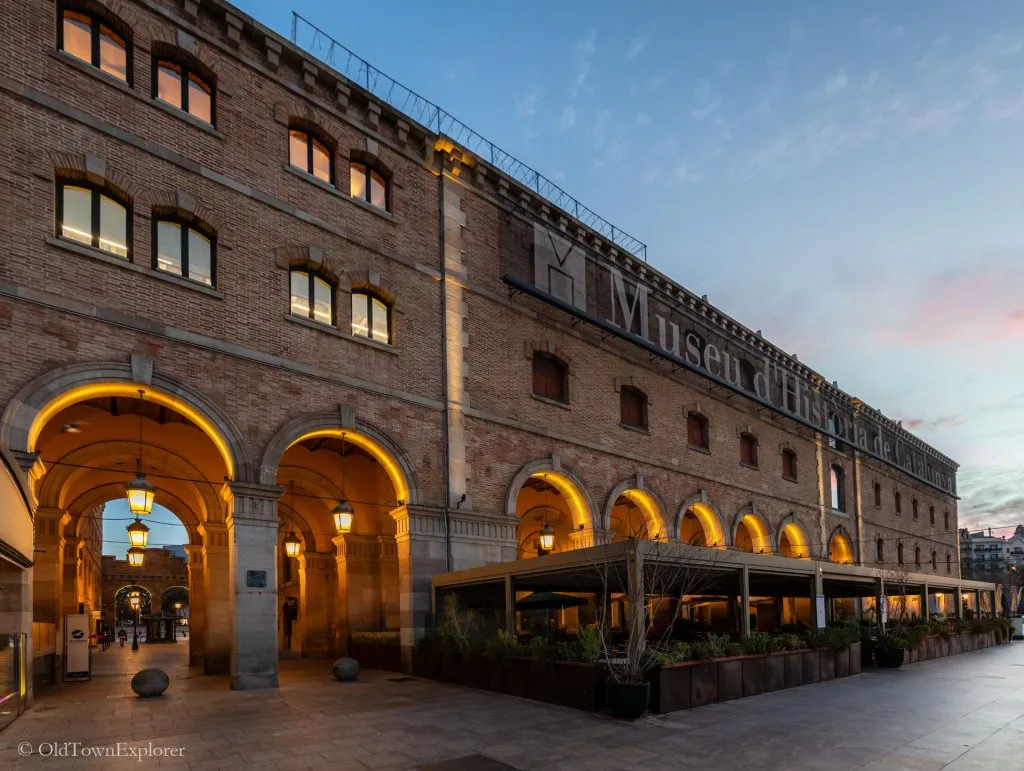
Barcelona
Barcelona combines medieval streets, Modernisme architecture, major museums, beaches, food markets, and access to Catalonia's wine regions. The Gothic Quarter, El Born, and Antoni Gaudí’s landmark buildings make it one of Europe’s most distinctive urban destinations.
Choose Barcelona when architecture, Catalan food, nearby wine regions, and a large historic city matter more than a smaller-scale old-town experience.
Seville
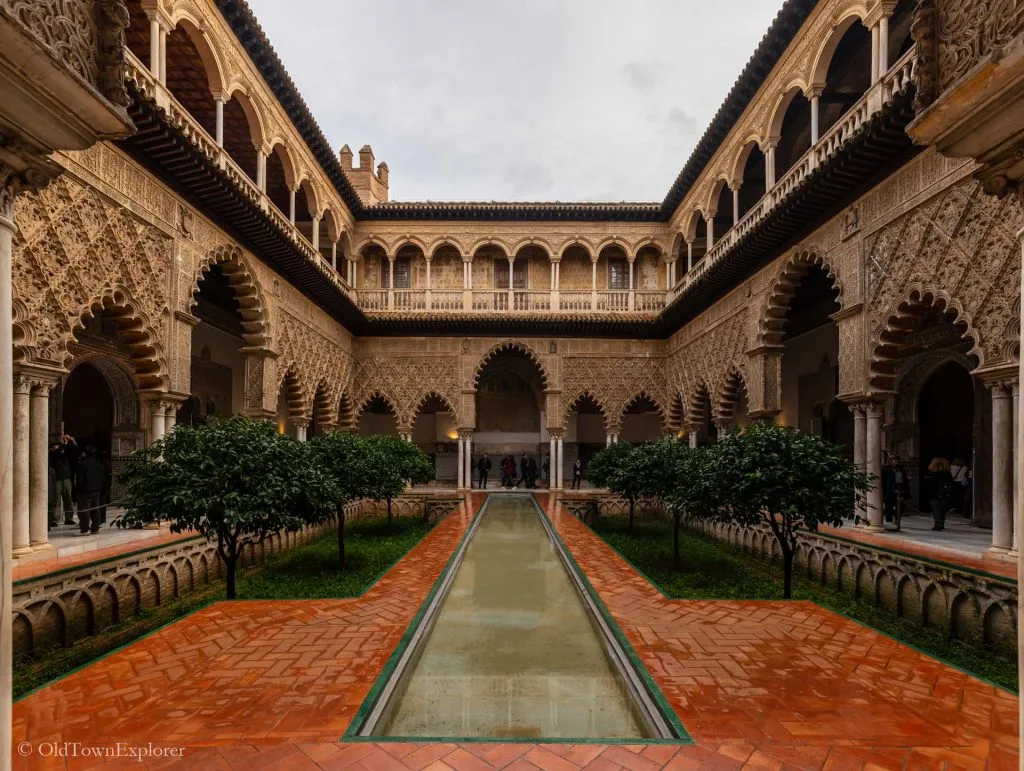
Seville is one of Spain’s strongest cities for history, architecture, and traditional Andalusian culture. The Cathedral, Royal Alcázar, Archivo de Indias, riverfront districts, tapas culture, and nearby sherry regions make it a natural base for exploring southern Spain.
Choose Seville when Andalusian food, historic architecture, flamenco traditions, and access to sherry country matter more than coastal scenery.
San Sebastián
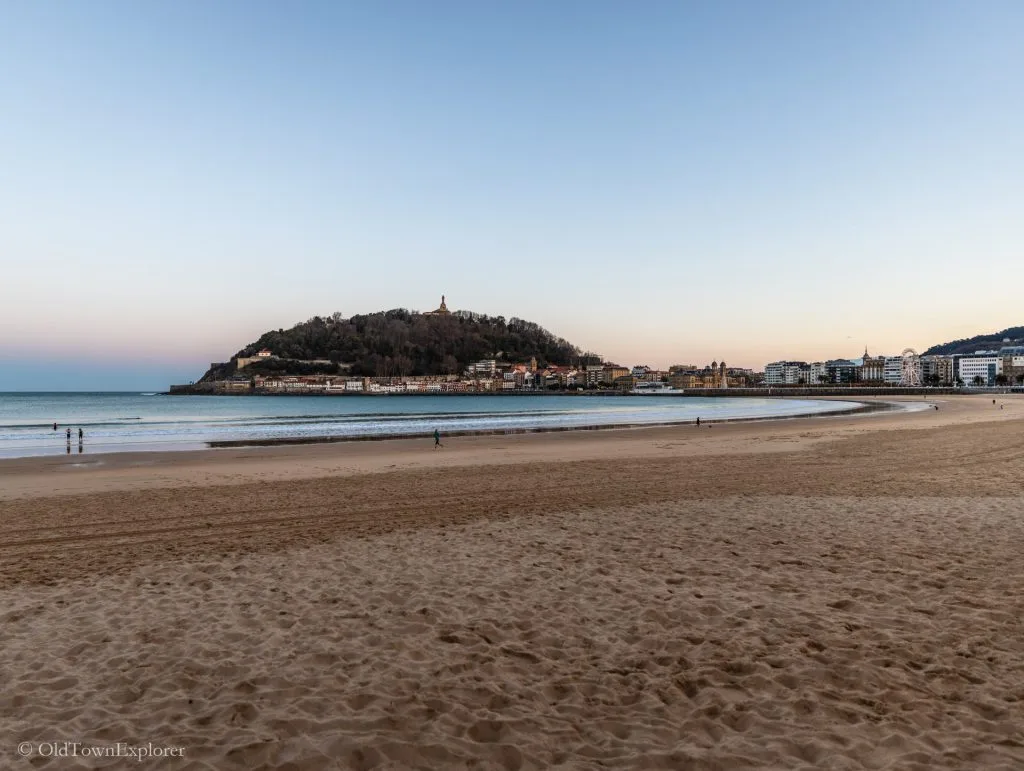
San Sebastián is one of Europe’s strongest food cities, combining Basque culinary traditions, pintxos culture, Belle Époque architecture, beaches, and access to nearby wine regions such as Getaria Txakolina and Rioja Alavesa.
Choose San Sebastián when food, wine, walkability, and a coastal setting matter more than major historic monuments.
Spain Food
Spain Food is best understood region by region. Tapas in Andalusia, pintxos in the Basque Country, seafood in Galicia, rice dishes in Valencia, and Catalan specialties around Barcelona all contribute to one of Europe’s most diverse food cultures. Catalonia alone demonstrates how dramatically food changes across Spain's regions.
Our Spain Food page is the best starting point for comparing traditional dishes, protected regional products, and the foods that define Spain’s major culinary regions. Catalonia Food, Andalusia Food, and Basque Country Food are especially useful for understanding why Spanish food changes so much between Barcelona, Seville, San Sebastián, and their surrounding regions.
Local Food Products
Spain’s protected food products show the strength of regional agriculture, livestock traditions, curing methods, olive oil production, and historic sweets. Ham, cheese, paprika, olive oil, almonds, anchovies, and regional wines all help explain why Spanish food is so closely tied to place.
Protected Products
- Jamón Ibérico – Dry-cured ham made from Iberian pigs, especially prized when acorn-fed (bellota). Key production areas include Jabugo and Guijuelo.
- Queso Manchego – Sheep’s milk cheese from La Mancha with a firm texture and nutty flavor.
- Pimentón de la Vera – Smoked paprika from Extremadura, essential in many traditional stews and sausages.
- Aceite de Oliva Virgen Extra (EVOO) – Spain is the world’s largest producer of olive oil, with standout varieties from Andalusia, Catalonia, and Castilla-La Mancha.
- Turrón de Alicante and Turrón de Jijona – Almond-based sweets typically eaten around Christmas, both with PGI status.
Other Notable Products
- Chorizo – A spiced pork sausage often flavored with smoked paprika.
- Anchovies from Cantabria – Salt-cured fillets often served with bread and olive oil.
- Txakoli – A lightly sparkling white wine from the Basque Country, often served with seafood.
Together, these products provide the foundation for many of Spain’s best-known regional food traditions, from cured ham and sheep’s milk cheese to smoked paprika, olive oil, seafood preserves, and holiday sweets.
Traditional Dishes
Spanish cuisine is regionally diverse, with each area offering its own signature dishes rooted in local ingredients and cooking traditions. Meals are often designed for sharing and vary by region, but certain dishes have become staples across the country.
Tapas & Small Plates
- Tortilla Española – A thick potato and onion omelet, served hot or cold.
- Patatas Bravas – Fried potato cubes topped with spicy tomato sauce or aioli.
- Croquetas – Creamy, breaded fritters usually filled with ham, chicken, or cod.
- Pimientos de Padrón – Small green peppers, pan-fried and salted. Most are mild, but the occasional one is hot.
Main Dishes
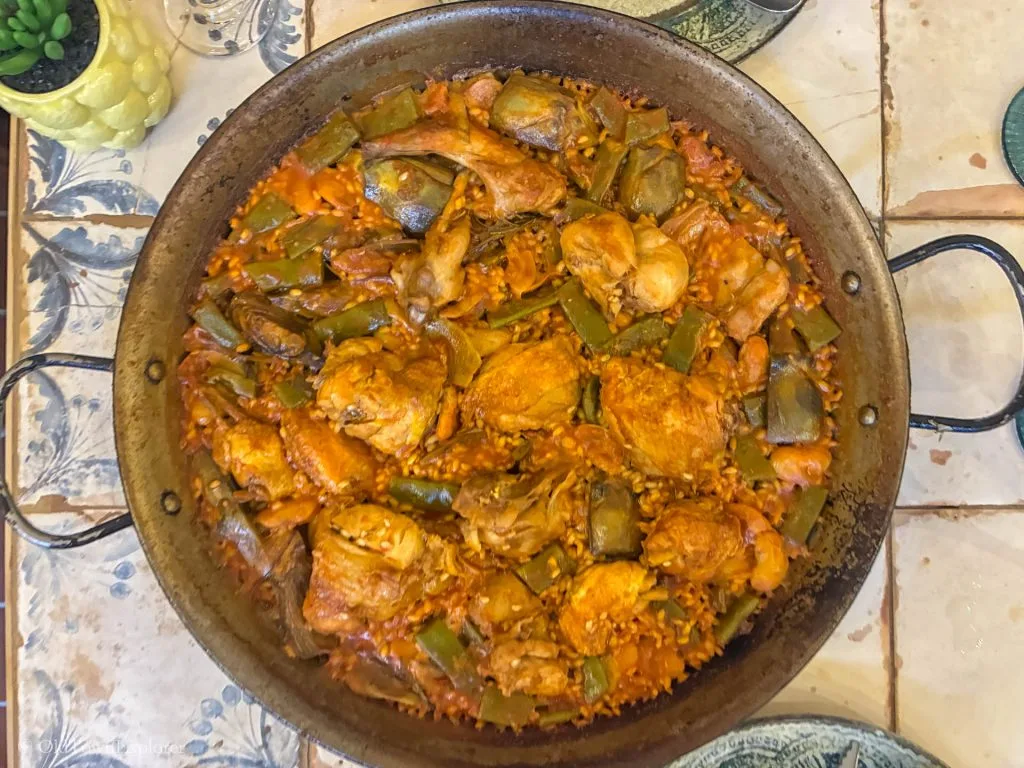
- Paella – A rice dish from Valencia cooked with seafood, rabbit, chicken, or vegetables.
- Cocido Madrileño – A hearty chickpea stew from Madrid, served in multiple courses.
- Fabada Asturiana – A rich bean stew from Asturias, made with chorizo and morcilla (blood sausage).
- Pulpo a la Gallega – Octopus seasoned with paprika and olive oil, served on sliced potatoes.
Desserts
- Churros con Chocolate – Fried dough sticks served with thick hot chocolate for dipping.
- Crema Catalana – A custard dessert similar to crème brûlée, flavored with citrus and cinnamon.
These dishes show how Spanish cooking shifts between shared plates, regional rice dishes, seafood traditions, slow-cooked stews, and desserts tied to local ingredients and meal rhythms.
Spain Wine
Spain Wine is shaped by dramatic regional differences. Rioja, Ribera del Duero, Priorat, Penedès, Jerez, Rías Baixas, and the Basque Country each produce distinct wine styles tied to local climate, geography, and grape varieties. Spain is one of the world's largest wine-producing countries and one of Europe's most rewarding destinations for wine-focused travel.
Our Spain Wine page is the best starting point for comparing regions, grapes, and wine routes across the country. Rioja fits a classic inland wine trip built around Tempranillo, cellar aging, and vineyard towns, while Catalonia, Andalusia, and the Basque Country connect Barcelona, Seville, and San Sebastián with Cava, Sherry, Txakoli, and regional wine routes.
Wine Regions
Spain has over 70 Denominaciones de Origen (DOs) spread across the country, each shaped by local grape varieties, climate, and winemaking traditions. The range is wide—from Atlantic-influenced coasts to inland plateaus and higher-altitude valleys—so the styles you’ll see on wine lists can shift a lot from one region to the next.
If you’re planning by region, start with our deeper guides to Andalusia Wine, Basque Country Wine, Catalonia Wine, and Rioja Wine, then use the list below as a quick map of the major names you’ll encounter.
Notable Wine Regions
- Rioja – Spain’s most iconic wine region, known for oak-aged reds built around Tempranillo and divided into Rioja Alta, Rioja Alavesa, and Rioja Oriental. For a fuller overview of styles and sub-regions, see our Rioja Wine guide
- Ribera del Duero – Produces structured reds from Tempranillo (Tinto Fino), typically with darker fruit and firm tannins, grown along the Duero River
- Rueda – Best known for fresh, aromatic whites—especially Verdejo—often served as an easy by-the-glass option across Spain
- Priorat – A rugged, mountainous region in Catalonia known for concentrated red blends (often Garnacha and Cariñena) and distinctive slate soils; see our Catalonia Wine guide for nearby DO context
- Penedès – Located near Barcelona in Catalonia, and closely tied to Cava production alongside still whites and reds; also covered in our Catalonia Wine guide
- Rías Baixas (Albariño) – A coastal Galician DO producing crisp, saline-leaning white wines that pair well with seafood and simple grilled dishes
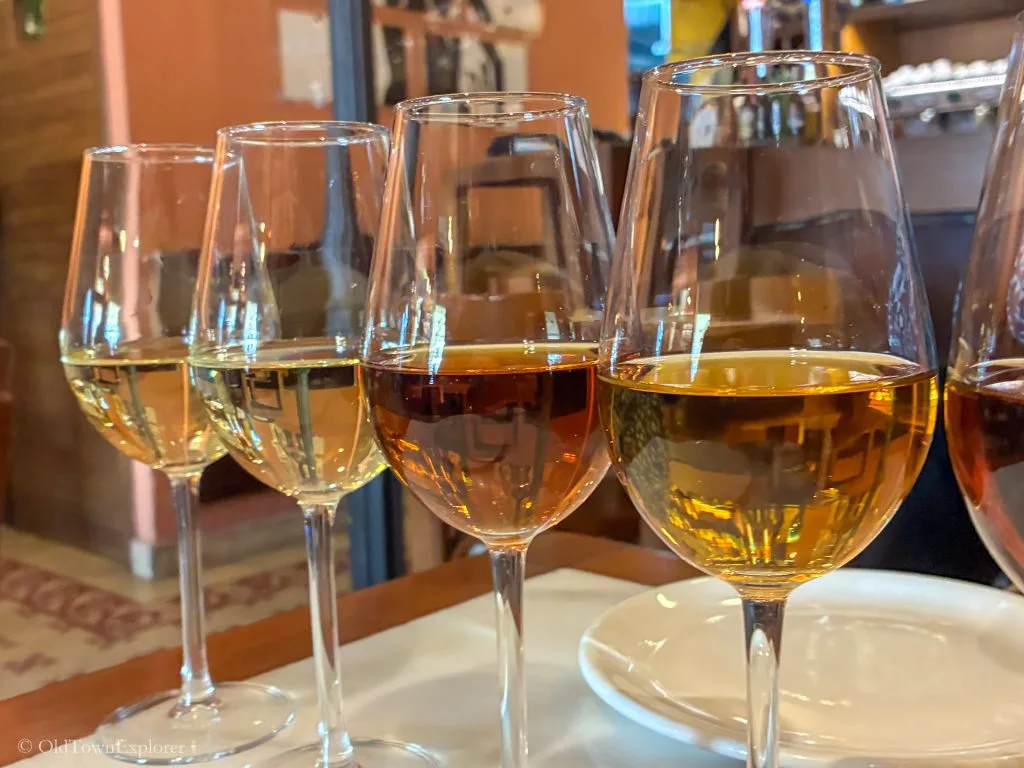
- Jerez (Sherry) – In Andalusia, dedicated to fortified wines ranging from bone-dry Fino/Manzanilla styles through Amontillado and Oloroso to sweet Pedro Ximénez; see our Andalusia Wine guide
- Txakoli (Basque Country) – A hallmark style in the Basque Country, typically light, high-acid whites (and some rosés) served very fresh; covered in our Basque Country Wine guide
These regions show why Spanish wine is so varied: the same country can produce traditional-method sparkling wine near Barcelona, Atlantic whites in the northwest, powerful mountain reds in Catalonia, classic oak-aged Tempranillo in Rioja, and fortified Sherry in Andalusia.
Grape Varieties
Spain cultivates over 400 grape varieties, though a smaller number dominate commercial production. These grapes vary by region and climate, contributing to Spain’s diverse wine profiles—from crisp whites to robust reds and fortified wines.
Red Grapes
- Tempranillo – Spain’s flagship red grape, producing wines with red fruit, spice, and aging potential. Grown widely in Rioja, Ribera del Duero, and La Mancha.
- Garnacha (Grenache) – Known for ripe fruit and soft tannins; often blended in regions like Priorat and Campo de Borja.
- Monastrell – A bold, sun-loving grape primarily grown in southeastern Spain, especially in Jumilla and Yecla.
- Mencía – Found in northwestern regions like Bierzo and Ribeira Sacra; known for its floral, mineral reds.
- Bobal – Native to eastern Spain, used for both fresh reds and rosés.
White Grapes
- Albariño – Aromatic and citrusy, dominant in Galicia’s Rías Baixas DO.
- Verdejo – A native grape of Rueda, producing fresh, herbal whites with good acidity.
- Macabeo (Viura) – Common in Rioja whites and as a Cava blending grape.
- Xarel·lo – A structured, aromatic grape key to Cava production.
- Parellada – Adds freshness and finesse to sparkling wine blends.
- Godello – Grown in Galicia; produces rich, complex whites with aging potential.
Spain Architecture
Spain Architecture spans more than two thousand years, from Roman infrastructure and Islamic monuments to Gothic cathedrals, Renaissance palaces, Baroque churches, Modernisme landmarks, and contemporary design. Regional architectural identities remain one of the country's defining travel strengths.
Our Spain Architecture page is the best starting point for comparing major styles, UNESCO sites, and the architectural patterns that appear across Spain’s cities, towns, churches, palaces, fortifications, Roman sites, and contemporary landmarks.
Architectural Styles
Spain’s architectural styles reflect centuries of conquest, innovation, and regional distinction. The result is a diverse landscape of structures—from ancient ruins to avant-garde design.
Roman - Remnants of Roman engineering remain across Spain, including bridges, theaters, and aqueducts. Notable sites include the Aqueduct of Segovia and the Amphitheater of Mérida.
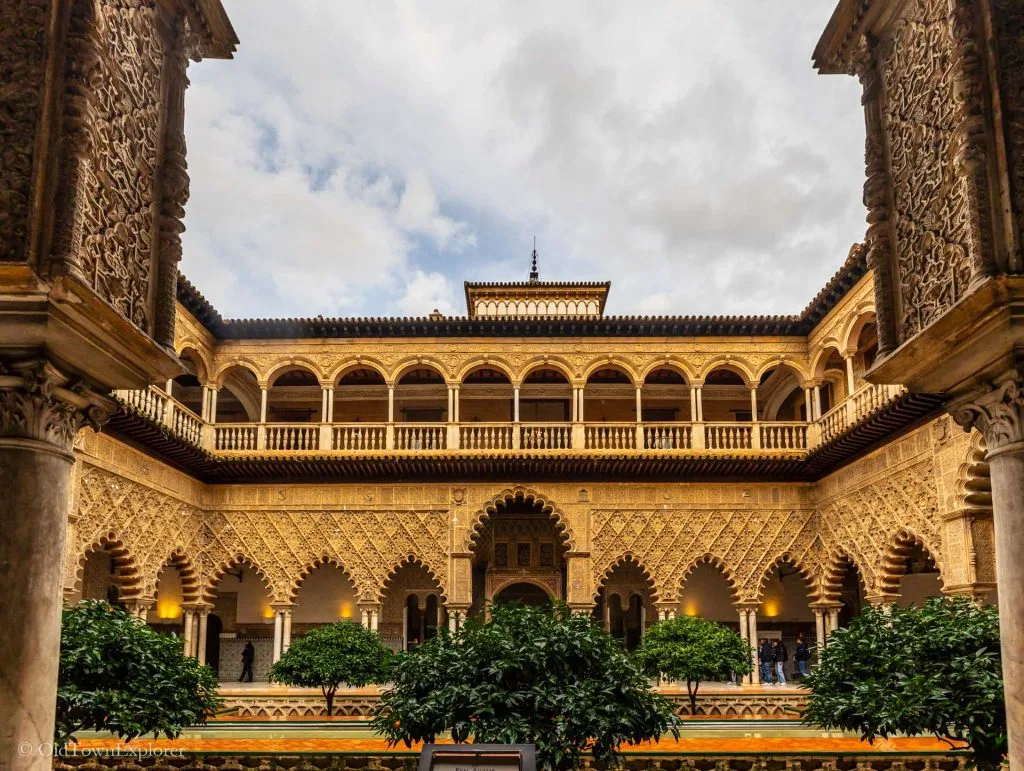
Moorish (Islamic) - Developed under Muslim rule (8th–15th centuries), this style is known for horseshoe arches, geometric decoration, and intricate tilework. Key examples include the Alhambra in Granada and the Mezquita-Catedral in Córdoba.
Romanesque - Characterized by thick walls and semicircular arches, Romanesque churches and monasteries appeared in northern Spain during the 10th–12th centuries. The Church of San Martín in Frómista is a prime example.
Gothic - Soaring cathedrals with pointed arches and elaborate façades dominated from the 13th to 15th centuries. Notable examples include Barcelona Cathedral and Burgos Cathedral.
Renaissance - Emerging in the 15th century, Renaissance buildings emphasized symmetry and classical proportions. The El Escorial Monastery near Madrid reflects this shift.
Baroque - Lavish ornamentation and dramatic contrasts define Spanish Baroque, seen in churches like La Clerecía in Salamanca and Granada Cathedral.
Modernisme (Catalan Art Nouveau) - Originating in late 19th-century Catalonia, this movement combined organic shapes with bold color and detail. Gaudí’s works, including Casa Milà and Park Güell, are its most famous expressions.
Contemporary - Modern Spanish architecture includes celebrated works like Frank Gehry’s Guggenheim Museum in Bilbao and Santiago Calatrava’s City of Arts and Sciences in Valencia.
UNESCO World Heritage Sites
Spain has 50 properties on the UNESCO World Heritage List, including cultural, natural, and mixed sites. The most relevant sites for Old Town Explorer readers include Roman engineering, Islamic palaces, Gothic cathedrals, pilgrimage cities, industrial landmarks, Modernisme architecture, and historic urban centers.
Key UNESCO Sites
- Alhambra, Generalife and Albayzín, Granada – A Moorish palace and gardens complex, with nearby neighborhoods reflecting Islamic urban planning.
- Works of Antoni Gaudí, Barcelona – Includes Sagrada Família, Park Güell, Casa Milà, and other landmarks of Catalan Modernisme.
- Historic Centre of Cordoba – Home to the Mezquita-Catedral and remnants of the Caliphate period.
- Old Town of Segovia and its Aqueduct – A Roman aqueduct and a medieval hilltop city center.
- Santiago de Compostela (Old Town) – A major pilgrimage site with a Romanesque cathedral marking the end of the Camino de Santiago.
- Burgos Cathedral – A masterpiece of Gothic architecture.
- Historic City of Toledo – A multi-layered city reflecting Christian, Jewish, and Islamic heritage.
- Vizcaya Bridge – A 19th-century transporter bridge near Bilbao, showcasing industrial innovation.
These sites are spread across the country and provide focal points for exploring Spain’s cultural legacy.
Where Is Spain Located?
Spain is located in southwestern Europe on the Iberian Peninsula, which it shares with Portugal. It is bordered by France and Andorra to the northeast, Portugal to the west, and the Mediterranean Sea to the south and east. To the north, the Pyrenees mountains form a natural border with France.
Spain also includes the Balearic Islands in the Mediterranean, the Canary Islands in the Atlantic off the northwest coast of Africa, and two autonomous cities—Ceuta and Melilla—on the northern coast of Morocco.
Its position at the crossroads of Europe and North Africa has influenced Spain’s climate, cuisine, and architectural styles for centuries.
Regional Overview of Spain
Spain is often easiest to understand through its major historical and cultural regions, each with distinct food traditions, wine regions, architecture, and travel patterns.
Andalusia
Andalusia is known for Islamic architecture, tapas culture, flamenco traditions, white villages, sherry production, and cities such as Seville, Córdoba, and Granada.
Catalonia
Catalonia combines Barcelona, Modernisme architecture, Mediterranean food, Cava production, and one of Spain's strongest regional identities.
Basque Country
The Basque Country is famous for pintxos, Txakoli wine, coastal scenery, and cities such as San Sebastián and Bilbao.
Castile
Castile contains many of Spain's historic royal cities, cathedrals, castles, and major inland wine regions.
Galicia
Galicia is known for seafood, Albariño wine, Celtic influences, and Santiago de Compostela.
Valencia
Valencia is associated with paella, Mediterranean beaches, Gothic architecture, and one of Spain's most important urban centers.
When to Visit Spain
Spain can be visited year-round, but weather varies considerably between the north, south, coast, islands, and interior.
Spring (April–June)
Spring is one of the best periods for city travel, wine regions, architecture, and walking historic centers before summer heat arrives.
Summer (July–August)
Summer is ideal for beaches, coastal destinations, festivals, and northern Spain, but southern cities can become extremely hot.
Fall (September–October)
Fall is excellent for food and wine travel, historic cities, and comfortable walking weather across most of the country.
Winter (November–March)
Winter works well for Andalusia, museums, city breaks, and lower-crowd travel, though northern Spain is often wetter and cooler.
Getting Around Spain
Spain has a well-developed transportation network that makes it easy to travel between cities, regions, and rural areas. Options range from high-speed trains to affordable buses and local transit systems.
By Train
Renfe operates a national rail system, including AVE high-speed trains connecting major cities like Madrid, Barcelona, Seville, and Valencia. Trains are fast, comfortable, and ideal for long-distance travel. For current high-speed routes, schedules, and ticket options, check the official Renfe site before planning train travel in Spain.
By Bus
Long-distance buses run by ALSA and other carriers serve towns and regions not connected by train. They’re generally affordable, though slower than trains.
By Car
Renting a car is useful for exploring wine regions, mountain villages, or smaller towns not served by public transport. Spanish roads are well-maintained, though parking can be limited in historic centers.
By Plane
Spain has numerous domestic airports. Flying may save time on longer routes (e.g., Barcelona to Seville), though train travel is often more efficient when factoring in airport logistics.
Local Transit
Cities like Madrid, Barcelona, and Seville have extensive metro, tram, and bus networks. Contactless cards and mobile apps make it easy to navigate urban transport.
Spain is easy to explore without a car, but rural travel and wine tourism often benefit from having one.
FAQs About Spain
Is Spain tourist-friendly?
Yes—Spain is one of the most visited countries in the world and is well-equipped for tourism. English is widely spoken in major cities and tourist areas, and public transportation is reliable. Service norms vary by region and venue; in busy city centers, reservations and set meal times are common.
Is Spain worth visiting?
Absolutely. Spain offers a blend of world-renowned art, historic architecture, diverse landscapes, and some of Europe’s most celebrated food and wine. Whether you're drawn to Moorish palaces, Mediterranean beaches, mountain hikes, or pintxos and wine bars, there’s something for every type of traveler.
Spain is especially rewarding when the route is organized by region. Barcelona, Seville, and San Sebastián give three very different introductions to the country through Catalan, Andalusian, and Basque food, wine, architecture, and daily rhythms.
How many days do you need in Spain for a first trip?
A workable first trip is 7–10 days if you focus on 2–3 bases (for example, Barcelona + Madrid + Andalusia or Barcelona + Basque Country). 10–14 days gives you more time for day trips and smaller towns without feeling rushed.
Is Spain expensive to travel?
Spain is generally more affordable than much of Western Europe, though prices vary by region. Major cities like Barcelona and Madrid are more expensive, while rural areas and smaller towns offer excellent value. Food, transit, and accommodation are reasonably priced across most of the country.
Do I need a car to travel in Spain?
Not for the main city-to-city route. High-speed and regional trains connect major destinations, and local transit covers most city sightseeing. A car is most useful for wine regions, smaller towns, and rural day trips where schedules are limited.
What Language Is Spoken in Spain?
Spanish is the official language of Spain and is spoken throughout the country. Several regions also have co-official languages, including Catalan in Catalonia and the Balearic Islands, Basque in the Basque Country, Galician in Galicia, and Aranese in part of Catalonia.
Do I Need to Speak Spanish to Visit Spain?
No. You do not need to speak Spanish to visit Spain, especially in major cities, hotels, restaurants, museums, and established tourist areas. English is commonly spoken in many tourism-related businesses, although it can be less common in smaller towns and rural areas. Learning a few basic Spanish phrases is still useful and appreciated.
Do I Need a Visa for Spain?
U.S. travelers can generally visit Spain and the wider Schengen Area for up to 90 days within any 180-day period without a visa. Spain is part of the Schengen Area, so time spent in other participating countries counts toward the same short-stay allowance.
For current passport validity, blank-page requirements, Schengen short-stay rules, and visa information, check the U.S. Department of State Spain travel information before departure.
What’s tipping culture like in Spain?
Tipping is not obligatory but appreciated. In restaurants, rounding up the bill or leaving 5–10% for good service is common. Tipping in bars or cafés is less expected but always welcome.