
Puglia Wine
Explore Puglia Wine: Appellations, Grapes & Styles
Puglia wine comes from southeastern Italy, where long coastlines, warm plains, limestone soils, and inland vineyards shape red, rosé, white, sparkling, and dessert wines. Primitivo and Negroamaro are the best-known grapes, but Nero di Troia, Bombino Nero, Verdeca, and other local varieties give you plenty to compare beyond the region’s full-bodied reds.
Choose Lecce for Salento and Negroamaro, Manduria for Primitivo, and Gioia del Colle for another important expression of the same grape. Locorotondo and Martina Franca put you near the white wines of the Valle d’Itria, while northern Puglia offers Castel del Monte reds and rosato, Lucera’s red blends, and San Severo’s sparkling wines.
While traveling through Italy, we spent a month in Lecce researching Puglia wine. Based on this research, we’ve put together practical advice to help you choose regional wines, understand their labels, plan tastings, and decide what to drink with a meal.
Puglia Wine at a Glance
Start with the wines made near your base, then compare a different grape or style over another meal. Puglia’s reds attract much of the attention, but its rosato, local whites, and sparkling wines are equally useful when choosing something for the table.
These are the main choices to keep in mind:
- Red wines: Primitivo around Manduria and Gioia del Colle; Negroamaro in Salento; Nero di Troia in northern Puglia.
- Rosato: Negroamaro-based wines from Salento and Castel del Monte Bombino Nero DOCG are two useful starting points.
- White wines: Try Verdeca, Bianco d’Alessano, or Minutolo, alongside blends from Locorotondo and Martina Franca.
- Sparkling wines: San Severo is a starting point for traditional-method wines, including examples made from Bombino Bianco.
- Label distinction: Primitivo di Manduria DOC and Primitivo di Manduria Dolce Naturale DOCG are different wines; Dolce Naturale identifies the sweet version.
- Tasting plans: Pick one area per winery day and arrange appointments and transport before committing to the route.
For a first comparison, order Negroamaro rosato with antipasti and Primitivo with grilled meat. On a separate day, compare a Valle d’Itria white with a northern Puglia sparkling wine.
Wine Areas and Appellations in Puglia
Puglia’s wine geography stretches from the Daunia and San Severo areas in the north through Castel del Monte and the Murge, then toward Gioia del Colle, the Valle d’Itria, Manduria, and Salento. Use these areas to choose where to taste, then use the appellation on the bottle to identify its more specific origin and production rules.
Federdoc’s Puglia appellation list identifies the region’s DOCG and DOC names. Wider IGP designations, often labeled IGT, also appear on many regional wines.
DOCG Wines
Castel del Monte Bombino Nero
Castel del Monte Bombino Nero DOCG is a rosato from the Castel del Monte area, across parts of Bari and Barletta-Andria-Trani. It requires at least 90% Bombino Nero; the remaining grapes may be other permitted non-aromatic red varieties.
Fior di Ribes is the wine name, and Santa Lucia is its producer. Macchite’s Jazzo de Cesare is another Bombino Nero rosato to recognize when comparing bottles.
Castel del Monte Nero di Troia Riserva
This DOCG red comes from the Castel del Monte area in Bari and Barletta-Andria-Trani. It requires at least 90% Nero di Troia, also called Uva di Troia, with other permitted non-aromatic red grapes making up the balance.
Torrevento produces Ottagono under this designation. Look for the full name, including Nero di Troia Riserva, when distinguishing it from the estate’s other Castel del Monte wines.
Castel del Monte Rosso Riserva
Castel del Monte Rosso Riserva DOCG comes from the same broad wine area and requires at least 65% Nero di Troia, with other permitted non-aromatic red grapes allowed in the blend. It is a separate designation from Castel del Monte Nero di Troia Riserva.
For Cantina Vignuolo Maniero, check the exact bottle label before buying it as an example of this DOCG. The producer’s current Maniero Rosso is Puglia IGP; the Maniero name alone does not establish that a bottle is Castel del Monte Rosso Riserva.
Primitivo di Manduria Dolce Naturale
Primitivo di Manduria Dolce Naturale DOCG is a sweet red made from 100% Primitivo in a production area spanning parts of Taranto and Brindisi. Choose it for dessert or a small glass with cheese rather than assuming it is the dry Primitivo served with a main course.
Examples include Madrigale from Produttori di Manduria, San Marzano’s 11 Filari, and Attanasio’s Dolce Naturale. These are distinct from the producers’ dry Primitivo bottlings.
DOC Wines
Aleatico di Puglia
Aleatico di Puglia DOC covers the region and is based on the aromatic red grape Aleatico. It is a useful name to recognize when looking beyond Primitivo for a sweet red wine.
Alezio
Alezio is a Salento DOC near Gallipoli, in the province of Lecce. It is mainly associated with red and rosato wines based on Negroamaro, often with support from other local red grapes.
Barletta
Barletta DOC is a northern Puglia appellation near the Adriatic coast. It is especially useful for understanding Uva di Troia, also known as Nero di Troia, in red, rosato, and varietal wines. The appellation also includes white wines, notably those based on Malvasia Bianca.
Brindisi
Brindisi DOC covers wines from the area around the city of Brindisi in southern Puglia. The appellation is especially associated with Negroamaro-based red and rosato wines from Salento, but it also includes whites and varietal wines such as Susumaniello.
Cacc’e Mmitte di Lucera
Cacc’e Mmitte di Lucera is a northern Puglia DOC from the Lucera area in the province of Foggia. Its red wines blend Uva di Troia with grapes such as Montepulciano and Sangiovese, together with a permitted proportion of white grapes.
Castel del Monte
Castel del Monte DOC covers an important wine area in northern Puglia around the Murge plateau. It includes red, white, and rosato wines, with grapes such as Nero di Troia, Bombino Nero, Bombino Bianco, Aglianico, and other permitted varieties. The DOC is separate from the three Castel del Monte DOCGs.
Colline Joniche Tarantine
Colline Joniche Tarantine DOC covers wine areas in the hills of Taranto province. Its range includes Primitivo, Chardonnay-based white wine, Verdeca, and red and rosato blends based on at least 50% Cabernet Sauvignon.
Copertino
Copertino DOC is a Salento appellation in the province of Lecce. It is mainly associated with Negroamaro-based red and rosato wines, often blended with Malvasia Nera and other permitted red grapes.
Galatina
Galatina DOC is located in Salento, south of Lecce. The appellation includes red, rosato, and white wines, with Negroamaro especially important for the red and rosato styles and Chardonnay for the whites.
Gioia del Colle
Gioia del Colle DOC is an inland appellation in the Bari area, particularly associated with Primitivo. Wines labeled Gioia del Colle Primitivo are made entirely from that grape; the DOC also includes red blends, white wines, rosato, and Aleatico.
Gravina
Gravina DOC is associated especially with white wines from the inland Murge around Gravina in Puglia. Greco and Malvasia Bianca are important to its white blends, while the appellation also permits red, rosato, sparkling, and passito wines.
Leverano
Leverano DOC is a Salento appellation west of Lecce. It includes red, rosato, white, and sweet white wines. Negroamaro is important to the reds and rosato, while Malvasia Bianca and Vermentino contribute to its white blends; varietal whites include Chardonnay and Fiano.
Lizzano
Lizzano DOC is in the province of Taranto, close to the Ionian coast. It includes red, rosato, white, sparkling, and lightly sparkling wines. Negroamaro is central to its red and rosato blends; white blends include Trebbiano Toscano, Chardonnay, and Pinot Bianco.
Locorotondo
Locorotondo DOC is a white-wine appellation in the Itria Valley, commonly associated with Verdeca and Bianco d’Alessano. Alongside still whites, the appellation includes sparkling and passito wines.
Martina
Martina DOC, also known as Martina Franca DOC, is an Itria Valley white-wine appellation. The wines are commonly associated with Verdeca and Bianco d’Alessano, often with support from other permitted white grapes. Still and sparkling versions are permitted.
Matino
Matino DOC is a small Salento appellation in the province of Lecce. It is mainly associated with red and rosato wines based on Negroamaro and other local red grapes.
Moscato di Trani
Moscato di Trani DOC is a sweet-wine appellation from northern Puglia. The wines are based on Moscato Bianco and include Dolce Naturale and fortified Liquoroso versions. Try them with almond pastries, dried fruit, or cheese.
Nardò
Nardò DOC is a Salento appellation near the Ionian coast in the province of Lecce. It is mainly associated with Negroamaro-based red and rosato wines.
Negroamaro di Terra d’Otranto
Negroamaro di Terra d’Otranto DOC covers Negroamaro-based wines across Brindisi, Lecce, and Taranto. Red and rosato wines require at least 90% Negroamaro, making the designation useful when you want to taste the grape with relatively little influence from a blend.
Orta Nova
Orta Nova DOC is a northern Puglia appellation in the province of Foggia. Its red and rosato wines are based on Sangiovese, with permitted additions including Uva di Troia and Montepulciano. This distinguishes it from the north’s better-known Nero di Troia-led appellations.
Ostuni
Ostuni DOC includes both white wine and red Ottavianello. The whites are associated with Impigno and Francavidda, with small permitted additions of Verdeca and Bianco d’Alessano. Ostuni Ottavianello, also called Ottavianello di Ostuni, is based on at least 85% Ottavianello.
Primitivo di Manduria
Primitivo di Manduria DOC covers red wines from parts of Taranto and Brindisi, made with at least 85% Primitivo. Standard and Riserva wines are distinct from the sweet Dolce Naturale DOCG. Ask about residual sugar if you prefer a fully dry wine, since the DOC permits wines ranging from dry to slightly sweet.
Rosso di Cerignola
Rosso di Cerignola DOC is a red-wine appellation from northern Puglia. It is associated with the Cerignola area and blends based on Uva di Troia with Negroamaro, supported by other permitted grapes such as Sangiovese and Montepulciano.
Salice Salentino
Salice Salentino DOC is associated especially with Negroamaro-based red and rosato wines from Salento. The appellation also includes white, sparkling, and Aleatico wines, so check the wine type rather than assuming every Salice Salentino bottle is red.
San Severo
San Severo DOC is a northern Puglia appellation in the province of Foggia. It includes red, rosato, white, and sparkling wines, making it one of the more varied DOC names in the region.
Squinzano
Squinzano DOC is a Salento appellation north of Lecce. It is best known for Negroamaro-based red and rosato wines, often with Malvasia Nera and other permitted grapes. The designation also includes white, sparkling, and varietal wines.
Tavoliere delle Puglie or “Tavoliere”
Tavoliere delle Puglie DOC, also called Tavoliere, is a northern Puglia appellation connected to the Tavoliere plain. It is especially important for Nero di Troia, which appears in red and rosato wines from this part of the region.
Terra d’Otranto
Terra d’Otranto DOC covers southern Puglia across the provinces of Brindisi, Lecce, and Taranto. It includes red, rosato, white, sparkling, and lightly sparkling wines, with Negroamaro, Primitivo, Malvasia Nera, Chardonnay, Fiano, Verdeca, and other grapes relevant depending on the wine type.
IGP Wines
Daunia
Daunia IGP covers wines from northern Puglia, especially the province of Foggia and adjoining municipalities. The label can appear on red, white, rosato, varietal, and other permitted styles, including sparkling white and rosato wines.
Murgia
Murgia IGP refers to wines from the Bari area and parts of Barletta-Andria-Trani. The designation includes red, white, rosato, varietal, and other permitted styles, often giving producers more flexibility than DOC or DOCG rules.
Puglia
Puglia IGP is the broad regional designation for wines made across Puglia. It can appear on many styles, including Primitivo, Negroamaro, Nero di Troia, Fiano, Verdeca, rosato, sparkling wine, and producer-specific blends.
Salento
Salento IGP covers the provinces of Brindisi, Lecce, and Taranto. It is one of the most common labels visitors will see in southern Puglia, including Primitivo, Negroamaro, Susumaniello, Malvasia Nera, rosato, and white wines.
Tarantino
Tarantino IGP covers wines from the province of Taranto. It is especially relevant for Primitivo, Negroamaro, rosato, and producer blends from the Ionian side of Puglia.
Valle d’Itria
Valle d’Itria IGP covers the inland area around towns such as Locorotondo, Martina Franca, Cisternino, Ceglie Messapica, Ostuni, Crispiano, and Alberobello, as well as Fasano. It is especially useful for white wines from grapes such as Verdeca, Bianco d’Alessano, Minutolo, Malvasia Bianca, and Fiano, but also includes red and rosato wines.
Grape Varieties in Puglia
Puglia grows both local and international grape varieties, but the regional grapes are the best starting point for visitors. Primitivo and Negroamaro are the two best-known red grapes, while Nero di Troia, Bombino Nero, Malvasia Nera, and Susumaniello add important local context.
For a concise reference list of the main red and white grapes grown in the region, see the Puglia wine region grape varieties overview.
Red Grapes
Primitivo
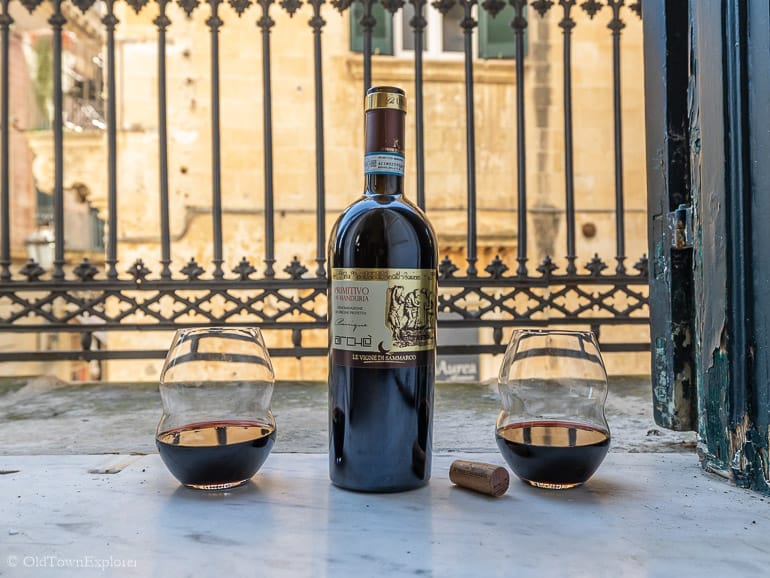
Primitivo is one of Puglia’s most important red grapes and is closely associated with Primitivo di Manduria DOC and Gioia del Colle DOC. It often produces full-bodied red wines with dark fruit, spice, and higher alcohol.

Negroamaro
Negroamaro is a major red grape in Salento and is central to wines such as Salice Salentino DOC. It can produce red and rosé wines with dark fruit, herbs, firm structure, and a slightly bitter edge.

Susumaniello
Susumaniello is a local red grape from Puglia, especially associated with Salento. It can produce deeply colored wines with dark fruit, spice, and firm structure.

Nero di Troia
Nero di Troia, also known as Uva di Troia, is an important red grape in northern Puglia. It appears in Castel del Monte wines and can produce structured reds with dark fruit, spice, and tannin.
Malvasia Nera
Malvasia Nera is often used in blends with Negroamaro and other red grapes. It can add fruit, softness, and aromatic character to Puglia red wines.
Bombino Nero
Bombino Nero is a red grape used especially for rosé wines in Puglia, including Castel del Monte Bombino Nero DOCG. It can produce fresh rosato with red fruit and bright acidity.
White Grapes

Verdeca
Verdeca is a white grape associated with central Puglia and the Itria Valley. It can produce dry white wines with citrus, herbs, and fresh acidity.
Bombino Bianco
Bombino Bianco is a white grape grown in Puglia and other parts of southern Italy. In Puglia, it appears in still and sparkling wines and can produce fresh whites with citrus and orchard fruit notes.
Fiano
Fiano is grown in Puglia as well as Campania. In Puglia, it can produce dry white wines with stone fruit, citrus, floral notes, and enough texture for seafood and vegetable dishes.
Minutolo
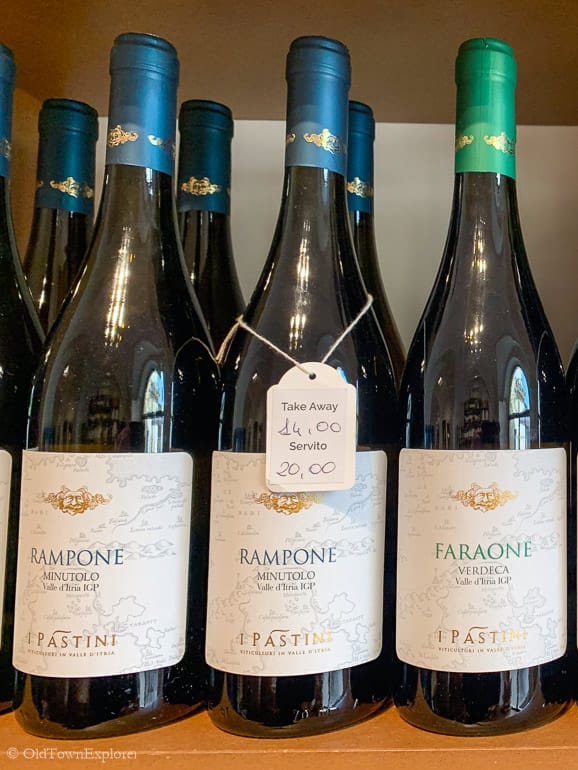
Minutolo is an aromatic white grape associated especially with the Valle d’Itria. It can produce dry white wines with floral notes, citrus, herbs, fresh acidity, and a lightly aromatic finish.
The grape is useful to know in Puglia because it gives the region a white-wine identity beyond Verdeca, Bombino Bianco, Fiano, Malvasia Bianca, and Bianco d’Alessano.
Malvasia Bianca
Malvasia Bianca appears in several Puglia white wines and blends. It can add floral and stone-fruit notes depending on the style.
Bianco d’Alessano
Bianco d’Alessano is a white grape associated with the Itria Valley and is often used in blends with Verdeca, including wines from Locorotondo and Martina Franca.
Wine Styles in Puglia
Choose by weight, sweetness, and how the wine was made as well as by grape. A fresh Negroamaro rosato, a full-bodied Primitivo, and a sweet Primitivo di Manduria Dolce Naturale suit very different meals, even when the bottles come from neighboring areas.
Full-Bodied Primitivo Reds
Primitivo often gives generous fruit, substantial alcohol, and enough body for grilled or slow-cooked meat. Compare Manduria with Gioia del Colle, but avoid assuming that every bottle from one area will be heavier or fresher than every bottle from the other. Harvest decisions, residual sugar, and maturation also shape the result.
If you prefer fruit without obvious oak flavors, try a steel-matured example such as Polvanera 16. For a more concentrated, oak-matured expression, compare an old-vine bottling such as Morella Old Vines. Ask whether the wine is fully dry if that matters more to you than fruit intensity.
Negroamaro Reds
Negroamaro reds can combine dark fruit with herbal, savory, and gently bitter notes. Salice Salentino, Copertino, and Nardò are useful appellations for exploring the grape with food, while Salento IGP also offers varietal wines and blends.
There is a substantial difference between a younger red for pasta and a concentrated bottle such as Spano or Graticciaia. The latter wines use extra ripening or grape drying to build concentration; choose them when the meal can support a fuller wine.
Nero di Troia and Susumaniello Reds
Try Nero di Troia when you want to compare Puglia’s Primitivo and Negroamaro with the firmer tannins and dark-fruited reds associated with the north. Castel del Monte offers both blends and wines dominated by the grape.
Susumaniello provides another comparison, particularly around Brindisi. A structured, concentrated example such as Torre Testa belongs with a substantial main course, while the grape also appears in fresher rosato wines.
Rosato from Salento and Castel del Monte
Rosato is a major Puglia wine style in its own right. Start with a Negroamaro-based Salento rosato, then compare Castel del Monte Bombino Nero DOCG. Look for differences in fruit, acidity, and body rather than judging the wine by color alone.
These wines work well when a meal moves between vegetables, seafood, tomato, and cured meats. Five Roses is a longstanding reference for Salento rosato, while Cerasa offers a fuller Negroamaro expression with some oak maturation.
Fresh and Aromatic White Wines
Verdeca and Bianco d’Alessano are starting points for the white wines of the Valle d’Itria, both individually and in blends. Locorotondo and Martina Franca are useful place names, while Valle d’Itria IGP often puts the grape name directly on the label.
Compare these with an aromatic Minutolo or a Fiano from Puglia. Floral or ripe-fruit aromas do not necessarily mean the wine is sweet; dry examples can suit seafood, fresh cheese, and vegetable dishes.
Traditional-Method and Tank-Method Sparkling Wines
San Severo is an important stop for traditional-method sparkling wine, with d’Araprì showing how Bombino Bianco can work with bottle fermentation and extended lees aging. Expect a different texture and flavor from a straightforward, fruit-led sparkling white.
Puglia also makes tank-method sparkling wines and lightly sparkling frizzante styles. In the Valle d’Itria, Verdeca and Susumaniello appear in sparkling bottlings. Check the production method and sweetness term when choosing between a simple aperitivo and a more developed wine for the meal.
Sweet, Dried-Grape, and Fortified Wines
Primitivo di Manduria Dolce Naturale DOCG is the clearest sweet-red reference. Moscato di Trani provides an aromatic white alternative, including fortified Liquoroso versions, while Aleatico adds another aromatic red option.
Passito indicates wine made from dried grapes, but grape drying also contributes to some concentrated reds. Do not assume that every appassimento wine is a dessert wine. Check sweetness and alcohol before ordering it with either the main course or dessert.
Quality Tiers in Puglia
Puglia’s DOCG, DOC, and IGP designations tell you about origin and production rules. They do not form a reliable ranking of how much you will enjoy a bottle. Read the full designation together with the grape, sweetness, aging terms, producer, and vintage.
DOCG and DOC: Read the Complete Name
Puglia has four DOCGs: Castel del Monte Bombino Nero, Castel del Monte Nero di Troia Riserva, Castel del Monte Rosso Riserva, and Primitivo di Manduria Dolce Naturale. They include rosato, red wines, and a sweet red; DOCG does not identify one shared drinking style.
The distinction is particularly important in Manduria. The Primitivo di Manduria DOC rules cover standard and Riserva reds, while Dolce Naturale DOCG is a separate sweet wine made entirely from Primitivo. Paying more for DOCG would not be an upgrade if you wanted a dry red for dinner.
IGP and IGT: Wider Origins and Different Choices
IGP is the European protected geographical indication, while IGT is the Italian traditional term you may see on the label. Puglia, Salento, Daunia, Murgia, Tarantino, and Valle d’Itria are the region’s six IGP names.
These designations allow a broad range of grapes and styles. Wines such as Vallone Graticciaia, Morella Old Vines, and current releases of Gianfranco Fino Es show why an IGP or IGT label should not automatically be treated as a lesser bottle than a DOC wine.
Riserva and Other Appellation-Specific Mentions
Riserva is a regulated mention whose requirements depend on the appellation. Primitivo di Manduria DOC Riserva requires at least 24 months of aging, including nine months in wood. Castel del Monte’s two red DOCGs require at least two years, including one in wood.
Superiore also needs to be understood within the relevant appellation’s rules. Neither term means the wine will necessarily be softer, sweeter, or ready to drink. Use these mentions to ask about maturation and style rather than treating them as a guarantee of personal preference.
Dolce Naturale, Passito, and Liquoroso
Dolce Naturale identifies a sweet wine in names such as Primitivo di Manduria Dolce Naturale and Moscato di Trani Dolce Naturale. Passito refers to dried-grape production, while Liquoroso identifies a fortified wine. These terms affect what to order and when to serve it.
For Primitivo, distinguish ripe fruit aromas from actual residual sugar. A wine can smell of cherries or dried plums without being a dessert wine, and Primitivo di Manduria DOC permits some variation in sweetness.
Alberello and Old-Vine Labels
Alberello describes bush-trained vines, a traditional vineyard form found across Puglia. Old Vines and similar wording describe a producer’s vineyard selection; they are not additional DOCG or DOC tiers and do not replace the wine’s geographical designation.
Use the producer’s details to understand the particular vineyard and wine. Older vines can be part of a concentrated bottling, but vine age alone does not tell you its sweetness, oak influence, or suitability for the meal.
Wine Tasting and Wine Routes in Puglia
Choose a base close to the wines you most want to taste. Lecce and Salento, Manduria, Gioia del Colle, the Valle d’Itria, and northern Puglia are better approached as separate tasting areas than as stops to fit into one long winery day.
Lecce and Salento
Use Lecce for a city stay centered on Salento wines, then choose a nearby area for a winery visit. Salice Salentino, Leverano, Copertino, and the area toward Gallipoli offer different ways to explore Negroamaro reds and rosato.
For an organized visit in Salice Salentino, Leone de Castris combines its wine museum with tasting options. For wine bars, shops, and local winery planning, use our Lecce Wine guide.
Manduria and the Primitivo Area
Choose Manduria when Primitivo is the main reason for your tasting day. Compare producers’ standard reds, more concentrated selections, and Dolce Naturale where available. The same grape can produce very different wines, so ask which bottlings will be included before booking.
Produttori di Manduria offers visits and tastings, while Attanasio welcomes cellar visits and tastings. Arrange the appointment and onward transport before adding another winery.
Gioia del Colle and the Inland Murge
Gioia del Colle is the other principal Primitivo comparison to make alongside Manduria. Base the day around one confirmed appointment, leaving time to taste both the producer’s main Primitivo and another local variety if available.
Polvanera offers cellar tours and tastings. Check how you will reach the estate from your accommodation or railway station; arriving in Gioia del Colle does not by itself complete the journey to the winery.
Locorotondo, Martina Franca, and the Valle d’Itria
Choose the Valle d’Itria for a white-wine-focused day, particularly Verdeca, Bianco d’Alessano, and Minutolo. A winery visit can fit alongside time in Locorotondo or Martina Franca without turning the day into a drive across several wine areas.
I Pàstini offers a vineyard and cellar visit followed by a tasting, with advance booking required. Its range also includes Susumaniello and Primitivo, allowing you to compare local whites with rosato or red wine at the same estate.
Castel del Monte, Lucera, and San Severo
Northern Puglia offers several distinct tasting interests: Nero di Troia reds and Bombino Nero rosato around Castel del Monte, Cacc’e Mmitte near Lucera, and traditional-method sparkling wine in San Severo. Choose the area that matches the wine you want rather than trying to cover all three in a single day.
For sparkling wine, contact d’Araprì in San Severo about a cellar visit. A northern tasting stay is more practical than repeatedly traveling here from Lecce.
Wine Tasting Without a Car
You can explore Puglia wine without driving by tasting in city wine bars, choosing an organized excursion with transport, or arranging a transfer to a confirmed winery appointment. Railway access to a town does not guarantee easy access to a rural cellar.
Before booking, check the exact winery address, the distance from the station, and how you will return after the tasting. For a stay in Lecce, begin with the city’s wine bars and shops, then add a winery visit when the transport works for your itinerary.
Food Pairings with Puglia Wine
Puglia’s seafood, fresh cheese, vegetables, pasta, and grilled meat call for different wines. Match the weight of the dish and its sauce before choosing the region’s most powerful red. Our Puglia Food guide covers the local products and dishes in more detail.
Seafood and Fresh Cheese with Local Whites
Try Verdeca, Locorotondo, or Martina Franca with grilled fish, simple seafood pasta, mozzarella, or burrata. Their freshness suits dishes where olive oil, herbs, and the ingredients themselves provide most of the flavor.
Choose a fuller Fiano when the dish has more texture, such as fish with potatoes or a substantial seafood preparation. Minutolo adds an aromatic alternative for vegetable antipasti and fresh cheese.
Tomato, Antipasti, and Mixed Meals with Rosato
Negroamaro rosato is a useful choice for a table that moves between focaccia, tomato-topped friselle, olives, cured meats, and seafood. Bombino Nero rosato provides another regional comparison, particularly with lighter starters and fried foods.
For fish cooked with tomato, capers, or olives, try a rosato with enough body for the sauce, such as Cerasa. It can carry the meal further than a very light aperitivo wine.
Pasta, Chickpeas, and Greens
For orecchiette with tomato sauce, start with rosato or a younger Negroamaro red. Choose a less concentrated bottle when the pasta is lightly dressed, reserving the larger reds for a substantial meat sauce.
Ciceri e tria and fave e cicorie suit a fresh white or dry rosato. With bitter greens, freshness is usually a better starting point than the firm tannins of an oak-matured red.
Bombette, Grilled Meat, and Aged Cheese
Primitivo is a natural comparison with bombette, grilled sausages, and other meat dishes from the Valle d’Itria. For a substantial lamb or beef dish, compare it with a structured Nero di Troia or a fuller Negroamaro.
Concentrated bottles such as Graticciaia, Spano, or an old-vine Primitivo make more sense with a substantial main course or aged cheese than with a delicate seafood starter. For Canestrato Pugliese, let the cheese’s age and intensity guide the weight of the red.
Almond Pastries, Chocolate, and Sweet Wines
Moscato di Trani is a starting point for almond pastries and other desserts that suit floral aromas. For chocolate or a stronger cheese, try a small glass of Primitivo di Manduria Dolce Naturale.
Keep the dessert’s sweetness in mind: a dry Primitivo is not interchangeable with the Dolce Naturale DOCG. If the dessert is very sweet or heavily chocolate-based, ask for a wine with enough sweetness and intensity to match it.
Wine Producers in Puglia
These producers and bottlings offer comparisons across Puglia’s sparkling wines, local whites, rosato, Negroamaro, Primitivo, and Susumaniello. Choose a bottle for its grape and style, then check the vintage and exact designation, particularly when buying older wines.
Sparkling Wines
d'Arapri Riserva Nobile
Producer: d’Araprì
Wine: Riserva Nobile
Grape: Bombino Bianco
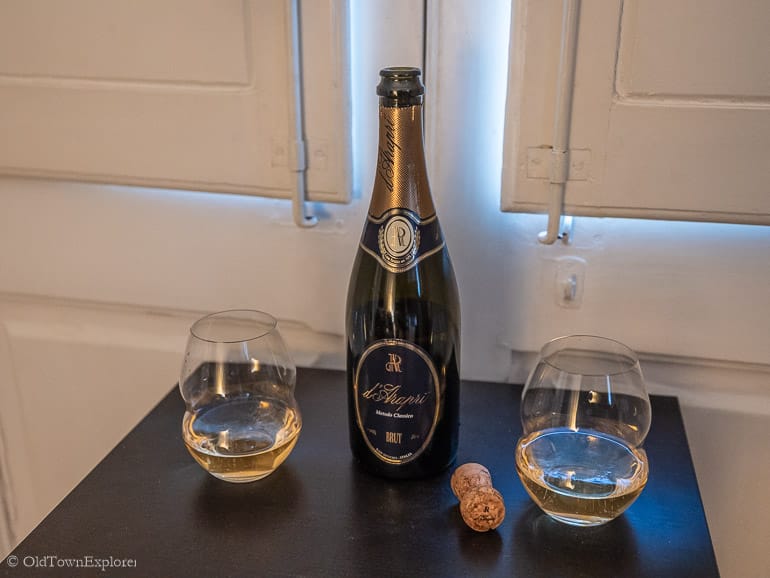
Riserva Nobile is a traditional-method sparkling wine from San Severo. Fermentation in wood and extended bottle aging give it a different character from a young, fruit-led sparkling wine. Choose it to explore Bombino Bianco with more texture and developed flavors, including alongside seafood.
White Wines
Vallone Tenuta Serranova Fiano
Producer: Agricole Vallone
Wine: Tenuta Serranova Fiano
Grape: Fiano
This white is made from 100% Fiano grown at the Serranova estate near Carovigno. It offers a useful comparison with Puglia’s Verdeca and Minutolo, especially when you want a white with enough texture for a substantial fish dish or fresh cheese.
Polvanera Minutolo
Producer: Cantine Polvanera
Wine: Minutolo
Grape: Minutolo
Polvanera’s organic Minutolo is a dry, aromatic white labeled Valle d’Itria IGT. It is matured in steel, allowing the grape’s floral and fruit aromas to stand out. Try it with seafood, vegetables, or fresh cheese when you want fragrance without the weight of an oak-matured white.
Rose Wines
Cantine Leone de Castris Rosé
Producer: Leone de Castris
Wine: Five Roses
Style: Salento rosato
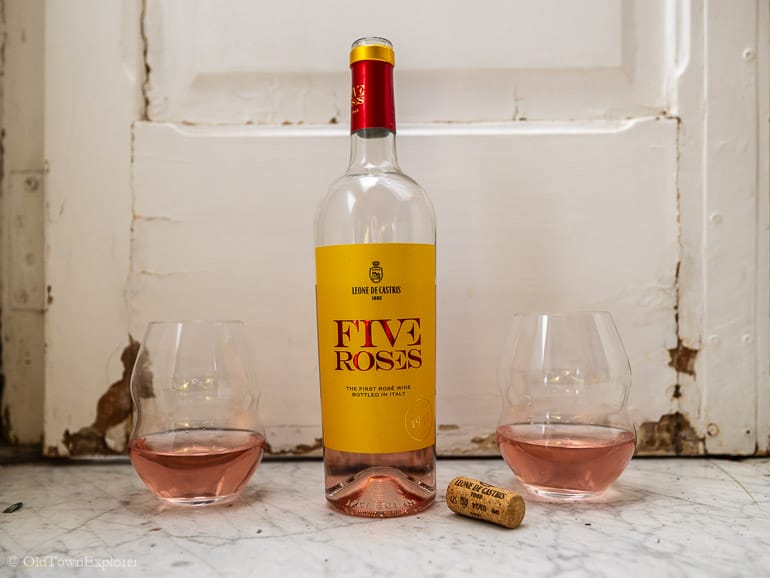
Five Roses dates to 1943 and is identified in Leone de Castris’ history as Italy’s first bottled rosé. It is a longstanding reference for Salento rosato and a useful bottle to compare with Castel del Monte Bombino Nero. Try it with antipasti, seafood, or a meal built around tomato and olive oil.
Michele Calò & Figli Cerasa Rosé
Producer: Michele Calò & Figli
Wine: Cerasa
Grape: Negroamaro
Cerasa is made from Negroamaro grown near Alezio. Part of the wine matures in oak, giving it more texture than a simple, lightly made rosato. Choose it with substantial fish dishes, tomato, peppers, capers, or olives.
Red Wines
Michele Calò & Figli Spano
Producer: Michele Calò & Figli
Wine: Spano
Grape: Negroamaro
Spano is made from 100% Negroamaro, harvested late with some drying on the vine. It is produced in selected vintages and partly matured in oak. Choose it for a substantial meat dish or aged cheese rather than expecting the lighter style of a straightforward young Negroamaro.
Vallone Graticciaia
Producer: Agricole Vallone
Wine: Graticciaia
Grape: Negroamaro
Graticciaia is a Salento IGP red made from Negroamaro grapes that are dried on racks before fermentation. Oak maturation adds another influence to its concentrated fruit and savory flavors. It is a useful comparison with a conventionally made Negroamaro and suits a substantial meat course.
Gianfranco Fino Es Riserva
Producer: Gianfranco Fino
Wine: Es Riserva
Grape: Primitivo
Es Riserva is a distinct bottling to recognize when looking for older Gianfranco Fino wines, including Primitivo di Manduria Riserva releases. Check the exact vintage and designation rather than treating any bottle of Es as the same wine. When buying an older bottle, storage history matters alongside the producer’s reputation.
Gianfranco Fino 'Es' Primitivo di Manduria
Producer: Gianfranco Fino
Wine: Es
Grape: Primitivo
Es has appeared as Primitivo di Manduria DOC, while the producer’s current Es is classified Salento Primitivo IGT. It is made from bush-trained Primitivo grown around Manduria and Sava and matured in wood. Use the vintage and bottle label to identify the release you are buying.
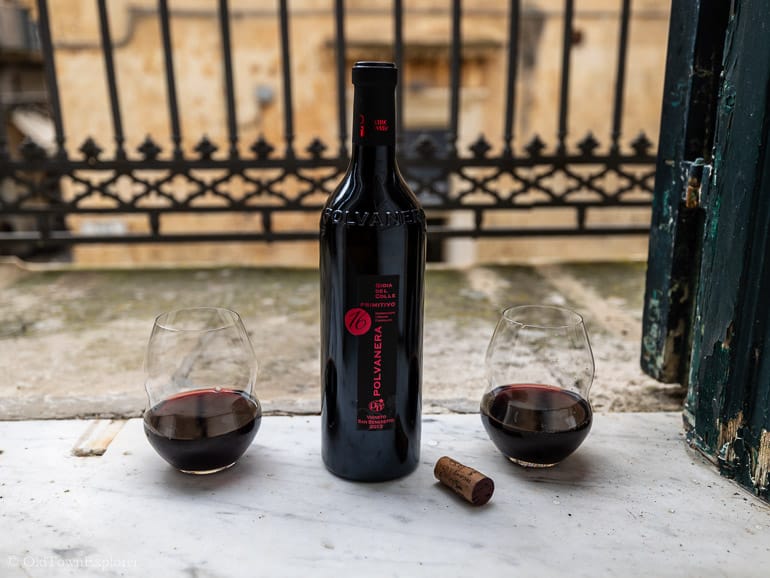
Polvanera '16' Primitivo Gioia del Colle
Producer: Cantine Polvanera
Wine: Polvanera 16
Grape: Primitivo
Polvanera 16 is an organic Gioia del Colle DOC Primitivo made from bush-trained vines. It matures in steel and then bottle, giving you a substantial Primitivo to compare with oak-matured examples. The number is the bottling’s name, not a vintage or a regional quality grade.
Fatalone Gioia del Colle Primitivo Riserva
Producer: Fatalone
Wine: Gioia del Colle Primitivo Riserva
Grape: Primitivo
Fatalone’s organic Primitivo Riserva provides another Gioia del Colle comparison. The producer matures it in steel, then Slavonian oak, followed by time in bottle. Compare it with Polvanera’s steel-matured 16 to explore different approaches to the same grape and appellation, particularly with grilled meat or aged cheese.
Tenute Rubino Torre Testa Susumaniello
Producer: Tenute Rubino
Wine: Torre Testa
Grape: Susumaniello
Torre Testa is a concentrated red made from Susumaniello and a central wine in Tenute Rubino’s work with the grape. It gives you a comparison beyond Puglia’s Primitivo and Negroamaro. Check that you are choosing the red bottling, since the estate also makes Torre Testa Rosato.
Morella Old Vines Primitivo Salento IGT
Producer: Morella
Wine: Old Vines Primitivo
Grape: Primitivo
Morella Old Vines comes from an old bush-vine Primitivo vineyard near Manduria and is matured in French oak. It is a full-bodied, concentrated wine to compare with steel-matured Primitivo. Choose it for a substantial main course, and check the alcohol on the particular vintage.
FAQs About Puglia Wine
The most useful distinctions are between Primitivo and Negroamaro, dry reds and sweet wines, and the wine areas that fit your itinerary. These answers cover what to order first, how to interpret familiar labels, and where to begin tasting.
What wine is Puglia known for?
Puglia is best known for Primitivo and Negroamaro reds, along with Negroamaro rosato and northern Puglia wines made from Nero di Troia. Primitivo di Manduria, Gioia del Colle, Salice Salentino, and Castel del Monte are useful appellations to recognize. The region also makes local whites, sparkling wines, and sweet wines.
What is the main red wine in Puglia?
Primitivo and Negroamaro are the two best-known red grapes in Puglia. Primitivo is closely tied to Manduria and Gioia del Colle, while Negroamaro is especially important in Salento. Try Nero di Troia for a comparison with the red wines of northern Puglia.
What white wine is Puglia known for?
Puglia white wines include Verdeca, Bombino Bianco, Fiano, Minutolo, Bianco d’Alessano, and Malvasia Bianca. Locorotondo and Martina Franca are useful appellations for Valle d’Itria whites, while Gravina is another important white-wine name. Check whether a bottle is still, sparkling, or passito.
Is Primitivo the same as Zinfandel?
Primitivo and Zinfandel share the same genetic identity, also found in the Croatian grape Crljenak Kaštelanski. That does not make all their wines taste alike: growing conditions, vineyard selections, harvest dates, and winemaking affect the result. In Puglia, compare Primitivo from Manduria and Gioia del Colle.
Can you visit wineries in Puglia?
Yes. You can visit wineries in Salento, Manduria, Gioia del Colle, the Valle d’Itria, and northern Puglia. Many visits require advance booking. Confirm the tasting, exact address, and return transport before building the day around an appointment.
Is Primitivo di Manduria sweet?
Primitivo di Manduria DOC is not the same as the sweet Primitivo di Manduria Dolce Naturale DOCG. The DOC permits wines ranging from dry to slightly sweet, so ask for a fully dry example if that is your preference. Dolce Naturale DOCG is a sweet wine for dessert, cheese, or a small glass on its own.
Does DOCG mean a better Puglia wine than IGT?
DOCG identifies a protected designation with specific production rules. It does not guarantee that a wine will suit your taste better than a DOC or IGT bottle. Puglia producers use IGT for important wines, including concentrated Primitivo and Negroamaro bottlings. Compare the producer, style, vintage, and price as well as the designation.
Where should you stay for wine tasting in Puglia?
Choose Lecce for Salento wines and city wine bars, Manduria for Primitivo, Gioia del Colle for its Primitivo producers, and the Valle d’Itria for local whites. San Severo and the Castel del Monte area suit different northern wine interests. For a Lecce stay, start with our Lecce Wine guide.
Can you taste Puglia wine without a car?
Yes. City wine bars and shops let you explore regional wines without driving. For rural wineries, arrange a transfer, an excursion with transport, or a practical connection from a railway station. Check the final journey to the cellar and your return arrangements before reserving.
What food goes with Puglia wine?
Try local whites with seafood and fresh cheese, rosato with tomato-based antipasti and mixed meals, and Primitivo or Negroamaro reds with grilled meat. Sweet Moscato di Trani and Primitivo di Manduria Dolce Naturale suit different desserts. Explore more combinations through our Puglia Food guide, or compare the region with other Italian wines.