
Lyon
Food | Wine | ArchitectureExplore Lyon: Food, Wine & Architecture
Lyon is a beautiful city in east-central France where food, wine, and architectural history come together in vivid, everyday ways.
Often called the gastronomic capital of France, it offers traditional bouchons, dynamic markets, and easy access to nearby wine regions like Beaujolais and the northern Rhône.
Roman ruins, Renaissance courtyards, and bold modern buildings reflect centuries of urban evolution across its hills and rivers.
Below is our guide to what to eat, drink, and see in Lyon—plus tips for when to go, where to stay, and how to make the most of your visit.
This page contains affiliate links. We may earn a small commission at no extra cost to you.
Lyon Food
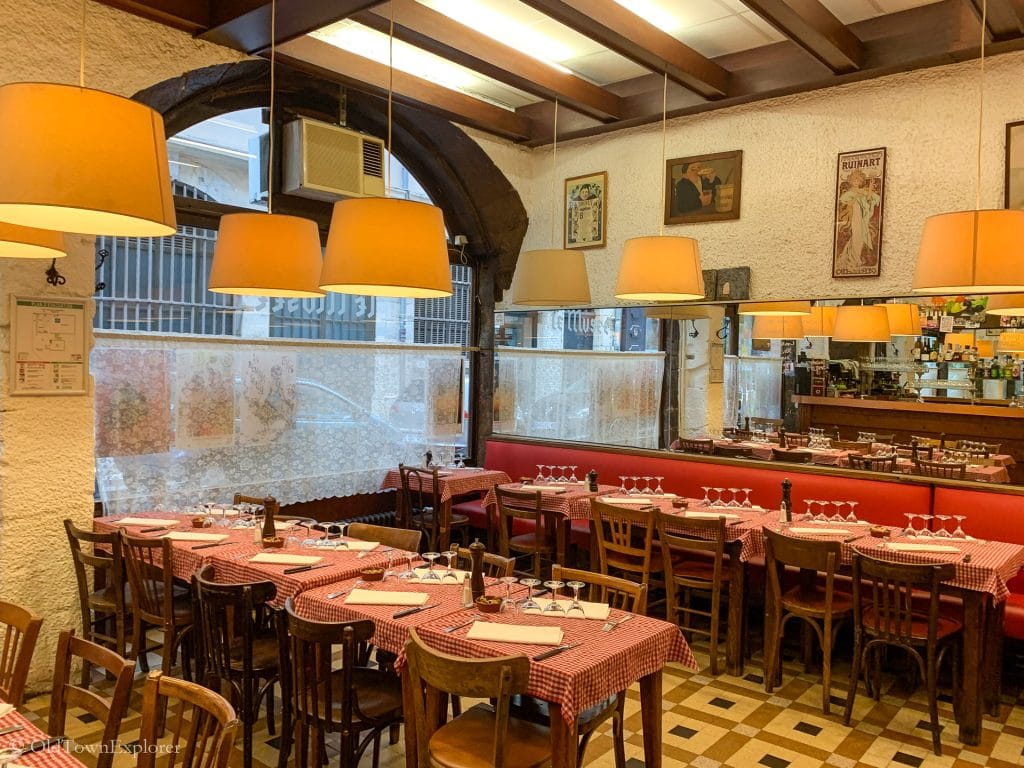
Lyon is widely regarded as the gastronomic capital of France, known for its deep-rooted culinary traditions and signature dishes like quenelles, andouillette, and salade lyonnaise.
The city’s famed bouchons serve hearty, time-honored fare in convivial settings, while its dynamic restaurant scene also includes contemporary chefs and Michelin-starred innovators.
Food markets like Les Halles de Lyon Paul Bocuse showcase the region’s exceptional produce, charcuterie, and cheeses.
Lyon Wine
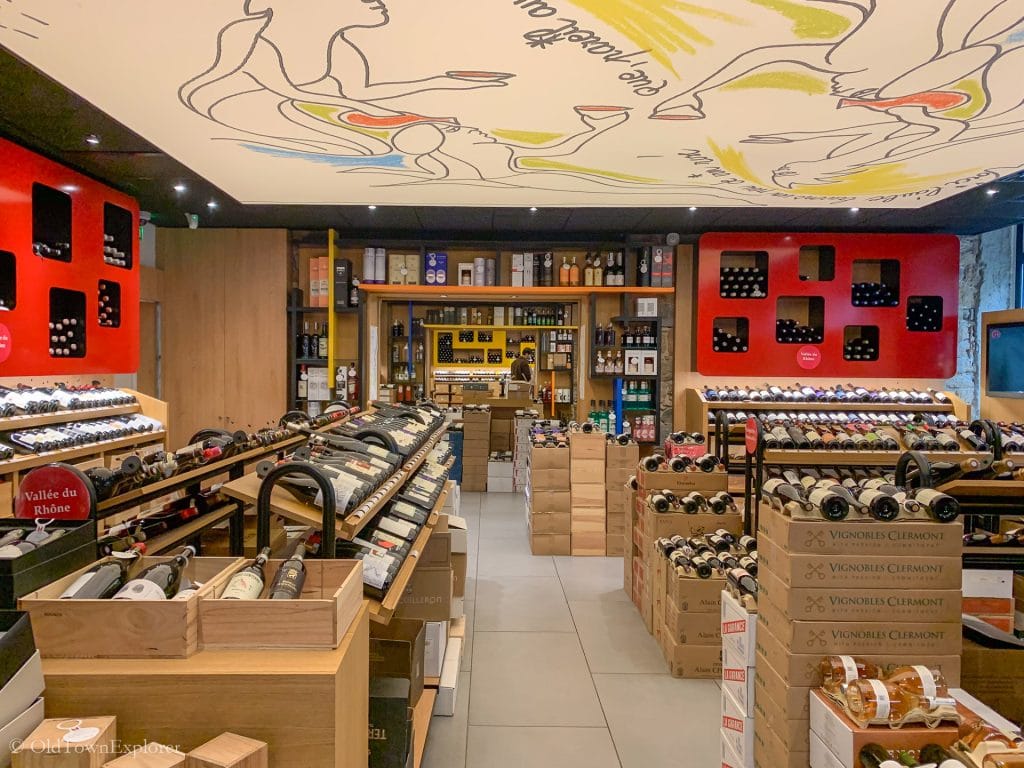
Lyon’s central location makes it a natural gateway to some of France’s most celebrated wine regions, including Beaujolais to the north and the northern Rhône Valley to the south.
The city embraces its wine heritage with dedicated bars, specialty shops, and restaurants pouring regional bottles by the glass.
From bold Syrahs to light Gamays and elegant Viogniers, visitors can explore a wide range of local wines without leaving the city.
Lyon Architecture
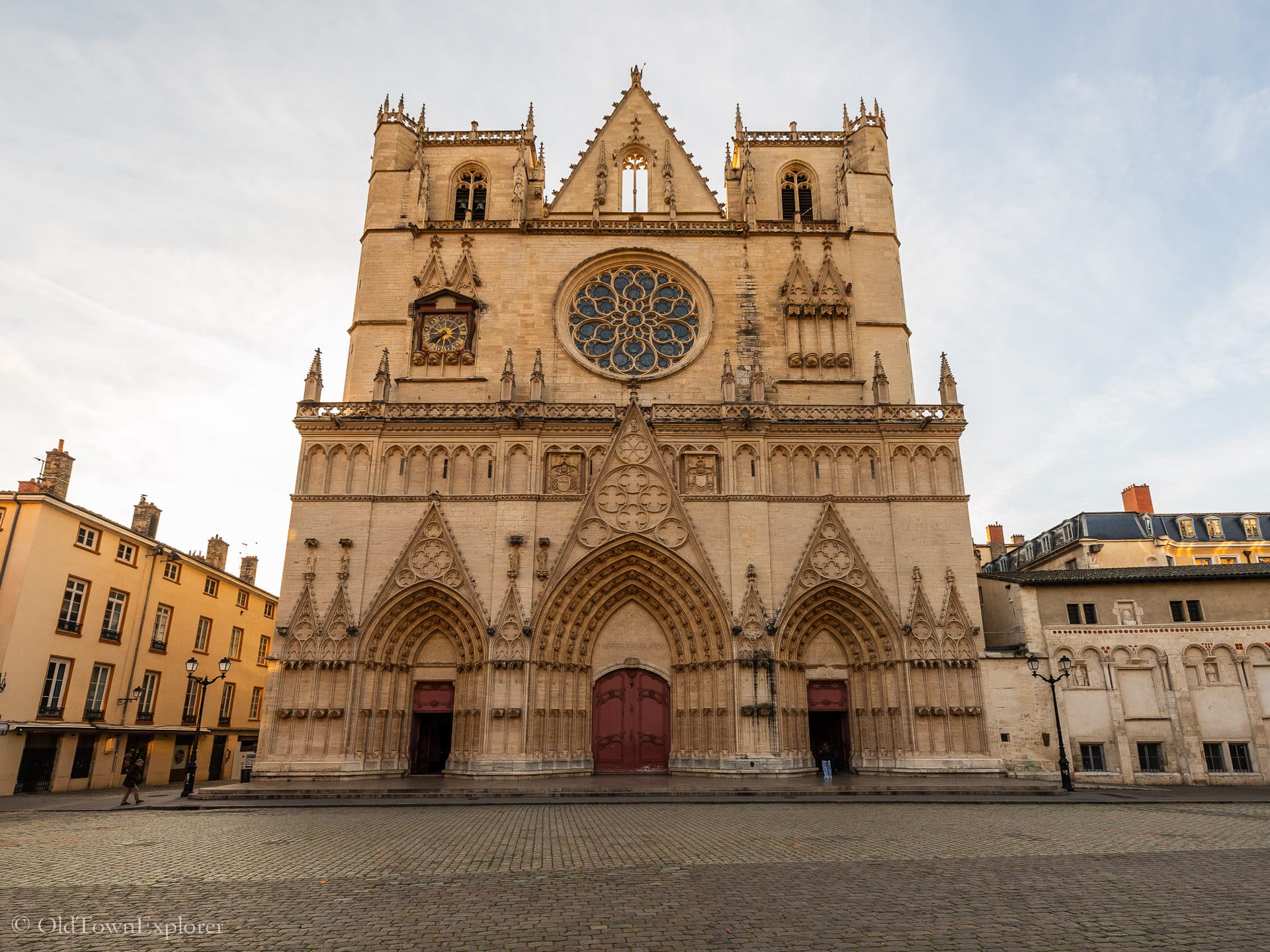
Old Lyon (Vieux‑Lyon) unfolds at the foot of Fourvière Hill, a Renaissance quarter full of narrow cobbled streets, colorful façades, secret courtyards, and “traboules” (hidden passageways) linking buildings in ways you won’t find everywhere.
Across the city you see Roman ruins, Gothic and Romanesque churches, elaborate Renaissance mansions, plus grand 17th‑ and 18th‑century public buildings — all testifying to Lyon’s layers of architectural history.
Among its most iconic landmarks are the Cathedral of Saint‑Jean‑Baptiste, the Basilica of Notre‑Dame de Fourvière, and the Hôtel de Gadagne in Vieux‑Lyon.
Where Is Lyon Located?
Lyon is located in east-central France at the junction of the Rhône and Saône rivers, about halfway between Paris and Marseille. The city sits between the Massif Central and the Alps, offering a varied landscape of hills, riverbanks, and urban plateaus.
When Is The Best Time To Visit Lyon?
The best time to visit Lyon is during the shoulder seasons of spring and fall, when the weather is mild, crowds are smaller, and prices are generally lower. Summer brings festivals and longer days, but also heat and tourist traffic, while winter is quieter but colder.
Weather
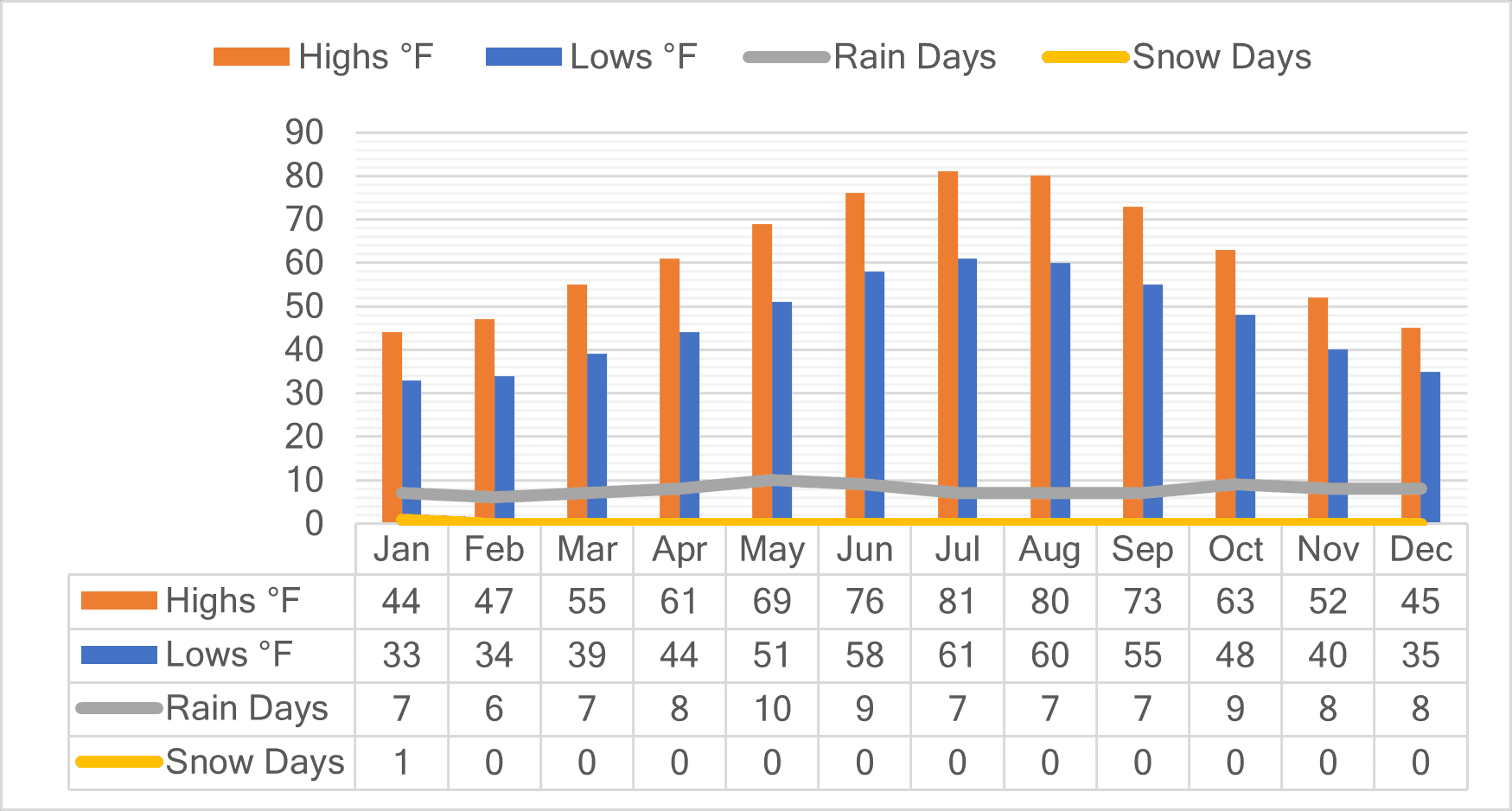
The best weather is a personal preference. We find the best weather for exploring a city is around 55° F and sunny. The weather in Lyon during the winter can be cool and the weather in the summer can be warm, so plan accordingly.
Below is a chart showing the average high and low temperatures for each month, so you can decide what is best for you.
Shoulder Season
Lyon’s shoulder season runs from April to June and September to October. These months offer pleasant temperatures, lighter crowds, and ideal conditions for sightseeing and dining outdoors.
We spent the entire month of October in Lyon. The weather was cool in the morning but warmed up during the day.
Best Value
For the best value, plan your visit in April or October. These months offer comfortable weather and fewer tourists, making it easier to find deals on accommodation and enjoy a quieter experience in museums, markets, and restaurants.
Best Places to Stay In Lyon
Hotels in Lyon
For the most immersive experience, we recommend staying in the Vieux Lyon (Old Lyon) neighborhood. This UNESCO-listed district is filled with Renaissance architecture, cobbled streets, and boutique hotels set in historic buildings. You’ll find traditional restaurants, hidden courtyards, and easy walking access to landmarks like the Cathedral of Saint-Jean-Baptiste and the traboules. Staying here offers direct access to Lyon’s architectural and culinary heritage.
Use the interactive map below to explore accommodations by date, budget, and amenities.
Other Things to Know About Lyon
Airport
The main airport serving Lyon is Lyon–Saint Exupéry Airport (IATA: LYS), located about 25 km southeast of the city center. It is one of France’s busiest airports outside Paris, offering direct flights across Europe and to select intercontinental destinations. Travel to central Lyon takes around 30 minutes by Rhônexpress tram or taxi.
Train Station
The main train station in Lyon is Gare de Lyon Part-Dieu, the city’s central rail hub and busiest station outside Paris. Opened in 1983 and expanded in recent years, it serves high-speed TGV routes, regional TER trains, and international lines. Located in the Part-Dieu business district, the station is about 4 km from Vieux Lyon (Old Town), reachable in 15–20 minutes by metro (Line B to Line D transfer) or taxi. The station is well connected to local public transport and features a large shopping center next door.
Time Zone
Lyon is in the Central European Time zone (CET = UTC +1). Daylight saving time is observed from the last Sunday in March to the last Sunday in October, during which clocks shift to Central European Summer Time (CEST = UTC +2).
Currency
The official currency in Lyon is the euro (€).
Language
French is the official language in Lyon. English is spoken in hotels, major attractions, and many restaurants, especially in tourist areas, but less commonly in smaller shops or suburban neighborhoods.
Visa
Citizens from the United States, United Kingdom, Canada, and Australia don’t need a visa to visit France for stays of up to 90 days within a 180-day period. For more information on visa-free travel in France, check out our article on traveling visa-free.
Electricity
France uses electrical outlets of Type C and E. These have two round pins (Type C) or two round pins with a grounding slot (Type E). The standard voltage is 230V with a frequency of 50Hz.
Travelers from the United States will need a voltage converter and a plug adapter. A compact travel power strip with multiple USB ports can be useful for charging several devices with a single adapter.
SIM Card
Travelers will want a SIM card for France. You can get either a local SIM card or an eSIM card.
To get a local SIM card, you must find a local cellular service provider, often stand in line for assistance, show your passport, and complete some paperwork. The SIM cards work great, but purchasing them is somewhat inconvenient. This option is best if you need more than 5GB of data.
We use eSIMs exclusively because they can be purchased before arrival in a new country and activated when you hit a cell tower in the country. We use Airalo eSIMs. They work great, and I recommend them if you plan to use less than 5 GB of data during your stay or if you need internet immediately on arrival.
Car Rental
The fantastic train system in France makes rental cars unnecessary for most destinations. However, rental cars are needed to reach smaller towns and explore the countryside. In addition to the major car rental companies found in the United States, Sixt and Europcar are common throughout Europe.
For a comparison of rental car offers from large international brands and smaller regional brands, we recommend Discover Cars.
FAQs About Lyon
Why is Lyon so famous?
Lyon is famous for its exceptional cuisine, historical architecture, and UNESCO-listed Old Town. Known as the gastronomic capital of France, it’s also recognized for its Roman ruins, Renaissance neighborhoods, and the annual Fête des Lumières light festival. The city sits at the heart of French food and wine culture and has played a key role in the country’s silk trade and cinematic history.
How do you pronounce Lyon?
Lyon is pronounced lee-ohn in French, with a nasalized ending and a soft “n.” In English, it’s often approximated as lee-ON.
Is Lyon good for tourists?
Yes, Lyon is excellent for tourists. It offers a rich mix of cultural heritage, world-renowned cuisine, vibrant neighborhoods, and easy access to nearby wine regions like Beaujolais and the northern Rhône Valley. The city is walkable, well-connected by public transport, and ideal for travelers interested in architecture, food, and local traditions.
What to do in Lyon for a day?
In one day in Lyon, stroll through the cobbled streets of Vieux Lyon, climb to the Basilica of Notre-Dame de Fourvière for panoramic views, explore the traboules (hidden passageways), and enjoy a meal at a traditional bouchon. Don’t miss Les Halles de Lyon Paul Bocuse for a gourmet market experience or a walk along the Saône River for scenic views.
What are Lyon’s must‑try local dishes?
Lyon is famous for its hearty cuisine. Traditional dishes you shouldn’t miss include quenelles de brochet (pike dumplings), andouillette (a sausage made from pork intestines), tablier de sapeur (breaded tripe), cervelle de canut (a creamy herbed cheese spread), salade lyonnaise, and coq au vin from the nearby Beaujolais or Rhône regions. Street food and casual spots can also serve excellent mâchon (morning meals with charcuterie, cheese, and wine).
What wine regions are accessible from Lyon?
Lyon is ideally placed near several major wine regions. Beaujolais lies just north, known for light, fruity Gamay wines. To the south is the northern Rhône Valley, producing Syrah‑based reds and elegant whites like Viognier. There are also many wineries close by offering day‑trips and tastings.
Where are the best places to taste wine and enjoy wine bars in Lyon?
Lyon offers many opportunities to sample wine: natural‑wine bars and wine shops are spread through Vieux Lyon, Presqu’île, and the Croix‑Rousse. For more immersive experiences, take short trips to nearby vineyards and cellars in Beaujolais or the northern Rhône. Local wine bars often focus on regional bottles and pairings with local cheese or charcuterie.
Which architectural landmarks define Lyon’s skyline?
Some of Lyon’s most iconic structures include the Basilica of Notre‑Dame de Fourvière, Roman ruins like the Roman Theatre on Fourvière Hill, the Saint‑Jean‑Baptiste Cathedral combining Romanesque and Gothic styles, the Théâtre des Célestins, and the Musée des Confluences with its striking contemporary architecture. The mix of Roman, Renaissance, Gothic, Neo‑Byzantine, and modern styles makes Lyon visually diverse.
What are the hidden architectural gems in Lyon?
Beyond the landmarks, hidden gems include the traboules (covered passageways) of Vieux Lyon and Croix‑Rousse, Hôtel de Gadagne, Rue de Gadagne (with its grand Renaissance mansions), and smaller works like the Immeuble Barioz (Art‑Deco). These places reward exploration away from the main tourist routes.
Is Valence worth visiting from Lyon?
Valence is a straightforward day trip from Lyon, reachable by train in about an hour. The city features a compact historic center and several well-preserved civic buildings. For an overview of what to see and how to plan your visit, see Explore Valence, France.
Is Mâcon easy to reach from Lyon?
Mâcon sits along the Saône River and is accessible by regional train in under an hour. It’s a practical option for visitors interested in wine towns north of Lyon. For details on key sites and travel planning, read Explore Mâcon, France.
Is Vienne worth a day trip from Lyon?
Vienne is known for its Roman remains and early medieval architecture, and it can be reached from Lyon by train in about 20–30 minutes. For a structured overview of the main landmarks and walking routes, visit Explore Vienne, France.
Lyon Blog Posts

Explore Valence, France
Discover Valence: History, Architecture & Must-See AttractionsValence, France, sits on the Rhône River about 100 kilometers south of Lyon, marking the gateway between northern and southern France. With origins stretching back to…

Explore Mâcon, France
Discover Mâcon: History, Architecture & Must-See AttractionsMâcon, France, sits on the banks of the Saône River at the southern edge of Burgundy, about 70 kilometers north of Lyon. Known for its colorful riverside façades, Romanesque…

Explore Vienne, France
Discover Vienne: History, Architecture & Must-See AttractionsVienne, France, sits on the banks of the Rhône River just 30 kilometers south of Lyon. Once a major Roman settlement and later a medieval ecclesiastical center, Vienne is…