
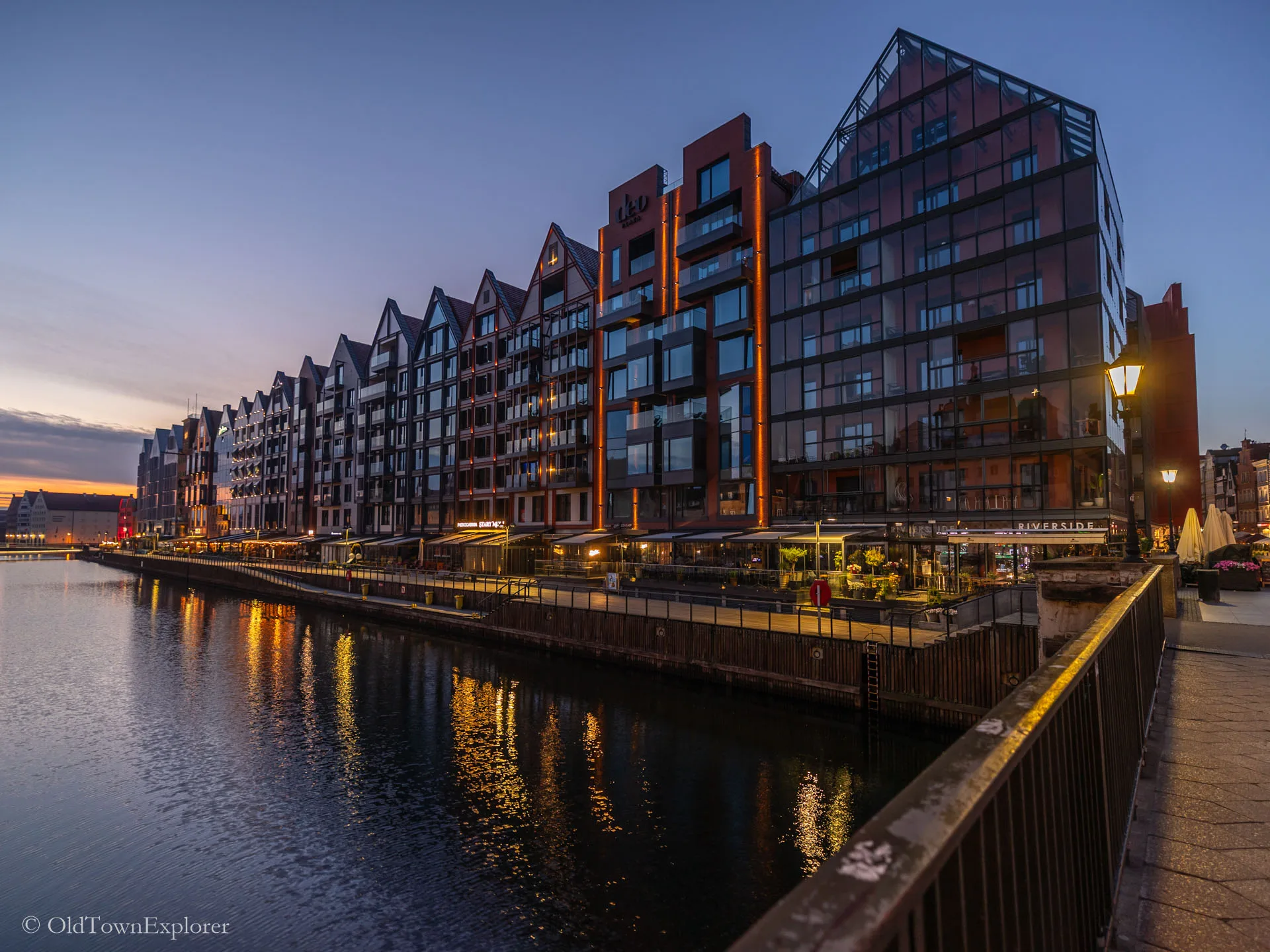
Discover Life in Gdansk: Pros & Cons of Living in a Baltic Port City
Gdansk (Gdańsk) is a historic port city on Poland’s Baltic coast, part of the Tri-City area with Sopot and Gdynia. Day to day, it feels like a working city with shipyard history, waterfront neighborhoods, and a compact center where you can walk between markets, churches, and tram stops.
We spent a month in Gdansk to understand what daily routines look like beyond a short visit. Below are the pros and cons of living in Gdansk, focused on housing, transport, weather, work patterns, food shopping, and what changes across seasons.
This website contains affiliate links that may earn us a small commission at no additional cost to you.
Quick Take: Living in Gdansk
This quick take summarizes who tends to do well in Gdansk, who tends to struggle, what’s most noticeable day to day, and the main trade-offs to expect.
Best for
People who want a walkable center but don’t need a capital-city pace
Remote workers who value fast rail to Warsaw and easy trips around the Tri-City
Anyone who likes cooler summers and being near the sea
Harder for
Anyone who needs lots of winter sun and calm wind
People who want the lowest rent in Poland’s larger cities
Drivers who expect easy parking near the center
What stands out
Brick Gothic churches and Hanseatic-era street patterns in the core, rebuilt after WWII damage
Everyday transit options: trams, buses, and SKM city rail for Tri-City commuting
Summer crowd swings that change how the center feels week to week
Top trade-offs
Good rail and transit access, but a car can feel like a burden in central areas
Mild summers, but long, windy, gray winters are common
Lots of dining choices, but some “local” spots shift toward tourists in peak season
Pros and Cons of Living in Gdansk
The points below cover the pros and cons of living in Gdansk as they show up in everyday routines, not just on weekends. They focus early on food, wine access, architecture, weather, walking streets, train connections, and how crowd levels change by season. Each item includes a practical upside or downside, plus the small limitation that tends to matter once you’ve been here a few weeks.
Pro: Easy city-center walking
The Main Town core is compact, so errands, cafés, and groceries can be done on foot. That reduces car dependence and makes short daily loops simple. The edge case is summer, when foot traffic can slow everything down.
Con: Winter feels long and gray
Winters are cold, cloudy, and often windy, which can wear on mood and routines. You’ll plan more indoor days and earlier evenings. If you rely on outdoor exercise, you may need a backup plan.
Pro: Strong tram and bus coverage
Trams and buses connect residential districts with the center, so commuting without a car is realistic. That helps if you live outside the old streets. Service can thin late at night, depending on your neighborhood.
Con: Tourist peaks change the center
In summer, the most central streets can feel crowded and priced for short-term visitors. It can affect restaurant queues and noise in certain blocks. The upside is that crowds drop fast once peak weeks end.
Pro: SKM rail for Tri-City life
The SKM urban rail makes it practical to live in one area and work or socialize in another across the Tri-City. It’s useful when you want beach time in Sopot or errands in Gdynia. The limitation is that the best access depends on how close you are to an SKM stop.
Con: Wind is a real factor
Coastal wind isn’t just a forecast detail—it affects cycling comfort, what you wear, and how pleasant the waterfront feels. Some days can feel colder than the temperature suggests. If you’re sensitive to wind, pick housing with good window seals.
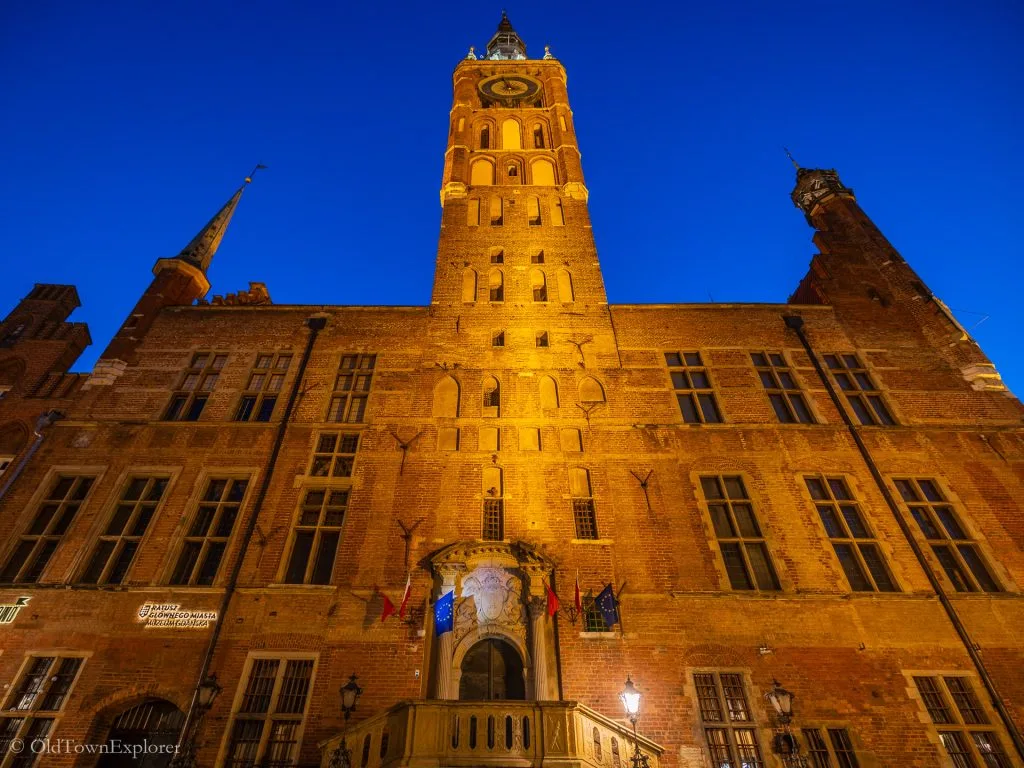
Pro: Notable brick Gothic architecture
Daily walks can include major brick Gothic landmarks, including St. Mary’s Church, completed in the Brick Gothic style and known as one of the world’s largest brick churches—see the Gdansk Architecture guide for the core buildings and routes. That gives the center a distinct visual character. The edge case is that tourist routes concentrate around the same few streets.
Con: “Old Town” isn’t all old
Large parts of the historic core were badly damaged in 1945, with rebuilding decisions taking shape in the late 1940s. Many streets look historic but were reconstructed, which matters if you expect untouched fabric. It’s still appealing—just different than a city with continuous original housing stock.
Pro: Fast trains to Warsaw
Direct trains make Warsaw reachable for work trips or appointments without flying. The fastest trips are around 2.5 hours, which can support hybrid schedules. Check the PKP timetable before booking, since prices and departure times vary and last-minute planning can cost more.
Con: Airport trips may need a change
The airport has rail links, but getting from the terminal to the central station can require a transfer, often at Gdańsk Wrzeszcz. It’s manageable, but not always a one-seat ride. If you travel with bulky luggage, that transfer is the annoying part.

Pro: Good day-to-day food range
You can balance budget meals and sit-down places without needing a car, especially in central neighborhoods. Grocery shopping is straightforward, and you’ll find plenty of bakeries and quick lunch options—see the Gdansk Food guide for the main areas and markets. The limitation is that the most central restaurant strips can skew tourist-heavy in summer.

Con: Local wine focus is limited
You’ll find wine bars and imported bottles, but Gdansk isn’t in a major Polish wine-growing pocket—start with the Gdansk Wine guide for the most practical options in town. If you want frequent vineyard days, you’ll travel for it. For many people it’s fine; for wine hobbyists it’s a real trade-off.
Pro: Cooler summer temperatures
Summers are generally mild compared with hotter inland cities, which helps sleep and daytime walking. You can do errands without feeling cooked by heat. The edge case is that warm beach days are less predictable than on the Mediterranean.
Con: Rainy spells can disrupt plans
You’ll get stretches of damp weather, especially outside peak summer. That affects cycling, walking, and the general feel of the day. If you work from cafés or do long walks, having a rainy-day routine helps.
Pro: Meaningful modern history nearby
The shipyard area is tied to the Solidarity movement, with key events linked to the 1970 strikes and the 1980 August Agreements. That history is present in the city’s identity, not just in museums. The limitation is that some areas are still in transition and can feel patchy block to block.
Con: Housing pressure in popular districts
Prices vary by neighborhood, but the most in-demand areas near the center and good transit tend to be competitive. That can mean smaller apartments for the money. If you’re flexible on location, you’ll have more options.
Pro: Generally cheaper than Warsaw
Compared with Warsaw, typical day-to-day costs and rent tend to run lower in Gdansk, which can reduce stress if you’re budgeting. It’s not “cheap” across the board, but it’s often easier than the capital. The edge case is that central, renovated apartments can still be pricey.
Con: Seasonal noise in central streets
If you live right on popular pedestrian routes, weekends and summer months can bring late evenings and more street noise. It’s not constant citywide, but it’s very location-dependent. A quiet street can be one block away, so apartment selection matters.
Pro: No need to own a car
Between trams, buses, and SKM rail, many residents can handle daily life without driving. That saves money and avoids parking stress. The limitation is that some errands (big-box shopping, certain suburbs) are easier with a car or delivery.
Con: Parking near the center is a hassle
If you do have a car, central parking and narrow streets can turn simple trips into a project. It adds time and cost, especially during events and peak season. If you drive daily, choose housing with dedicated parking.
Pro: Strong “neighborhood” options outside the core
Areas like Wrzeszcz and other districts give a more local daily rhythm with transit links into the center. That can mean more space and less tourist spillover. The edge case is that you’ll walk less to the postcard streets—but you may not care after the first month.
Con: Bureaucracy can be slow
If you’re moving from abroad, paperwork and appointments can take time, and English availability varies by office—start with the city’s address registration checklist so you know what documents are typically required. You’ll want translated documents and patience. The limitation is that this is not unique to Gdansk—just something to plan for.
Pro: Solid rail base for Poland travel
Living near Gdańsk Główny or another major station makes weekend trips around Poland easier. Trains reduce the need for domestic flights. The edge case is that holiday weekends can sell out, so booking ahead matters.
Con: Summer prices can creep up
Short-term demand can push up restaurant prices in the center, and some services feel more expensive in peak months. That can make everyday routines feel less “normal.” The workaround is eating and shopping slightly outside the hottest blocks.
Pro: Airport has rail and bus links
The airport connects to the city via rail and several bus lines, which is useful if you travel often. It keeps airport trips from being taxi-only. The limitation is timing—late-night arrivals may narrow your options.
Con: English isn’t guaranteed day to day
In the center and with younger residents, English is often workable, but daily admin tasks can still require Polish. That includes contracts, clinics, and repair work. If you plan to stay long-term, basic Polish pays off fast.
Pro: The city has clear seasons
Gdansk has distinct seasonal shifts, which helps routines if you like a real change between spring, summer, autumn, and winter. It keeps the year from feeling repetitive. The edge case is that winter can feel longer than you expect if you come from a sunny climate.
Con: Some central areas are “for looking,” not living
The prettiest streets in the Main Town can be less practical for daily life because of crowds, souvenir shops, and short-term rentals. That can make simple errands slower. Many residents solve it by living slightly outside the core and walking in when they want it.
Visit Gdansk Before Moving
If you’re considering a move, plan a scouting stay long enough to test routines: groceries, commuting, laundry, and how the city feels on a rainy weekday. Try two bases if you can—one near the center and one in a residential district with good transit.
Use that time to check apartment sound levels, heating, and how long common errands take without a car. A month is ideal, but even 10–14 days can reveal whether winter light, wind, and crowds are workable for you.
Use the map to choose a short-stay base near your likely daily routes, then test errands and transport at normal hours.
Tips for Living in Gdansk
Daily life is easiest when you plan around transit, weather, and the season you’re arriving in. These small choices matter more than any one landmark.
Pick the right district
Choose your base by noise, grocery access, and your nearest tram or SKM stop. A quiet street two blocks from a busy route can change how you sleep and work. Visit the block at night before signing anything.
Learn the tram network
Trams are a practical default for commuting and errands. Learn the two or three lines you’ll use most and where transfers are painless, and use ZTM tickets to confirm current ticket types before you settle into a routine. If you time your day well, you can skip ride-hailing most weeks.
Plan for winter wind
Bring a proper windproof layer and shoes that handle wet sidewalks. Expect that “feels like” matters more than the posted temperature. Build in indoor options for exercise and social time.
Check rental terms
Look closely at heating, admin fees, and what’s included in monthly charges. Ask how costs change in winter months. If the contract details are unclear in English, get help translating before you commit.
Expect summer crowds
If you work from home, plan your quiet hours early in the day in peak season. Book routine appointments (haircuts, repairs) ahead when the city is busy. When you want calm, shift errands to residential districts.
FAQs About Living in Gdansk
Is Gdansk walkable for daily errands?
Yes in and near the central districts, where groceries, pharmacies, and services are close together. Outside the center, it depends on how near you are to a tram line and neighborhood shopping streets.
Do you need a car in Gdansk?
Many people don’t. Trams, buses, and SKM rail cover a lot of daily needs, and the center is easier without driving.
How hard is winter in Gdansk?
Expect cold, wind, and many gray days. The temperatures are manageable with the right clothing, but the combination of damp air and wind is what people notice most.
How easy is it to reach Warsaw from Gdansk?
Very easy by direct train, with the fastest trips around 2.5 hours. That supports weekend trips and work travel without flying.
Is the old center “authentic” or rebuilt?
Both. The core includes historic street patterns and major landmarks, and large parts were reconstructed after WWII damage, with rebuilding decisions developing in the late 1940s.
