
Explore Life in Graz: Pros & Cons of Living in Styria’s Capital
Graz, the capital of Styria in southern Austria, is a mid-sized city where a compact UNESCO-listed historic center meets university districts, tram-first commuting, and quick access to vineyards and hills. If you’re weighing the pros and cons of living in Graz, the decision usually comes down to day-to-day livability: housing costs compared with Vienna, how easy it is to live car-light, what work looks like outside the capital, and whether you’re comfortable handling longer-term logistics in German.
We spent a month in Graz, using trams and walking between the Old Town and nearby residential areas, testing grocery routines, and doing local day trips into Styrian wine country and nearby trails. This guide summarizes what tended to matter most in daily life—crowds, climate, food and shopping routines, public services, and weekend access to the region.
This website contains affiliate links that may earn us a small commission at no additional cost to you.
Quick Take: Living in Graz
This quick take summarizes who tends to do well in Graz, who tends to struggle, what’s most noticeable day to day, and the main trade-offs to expect.
Best for
People who want a walkable city with strong trams and lower costs than Vienna
Wine lovers who want easy access to Styrian vineyards and Buschenschank taverns
Residents who like hiking, cycling, and forest trails close to town
Harder for
Job seekers outside tech, engineering, academia, and regional administration
Anyone who relies on English-only services for paperwork and healthcare
People who want big-city nightlife, nonstop events, and late hours
What stands out
A compact Old Town that stays local-feeling and rarely feels overrun
Short lines at major sites, including museums and palaces
Fast escapes to wine country, hills, and outdoor routes without long travel days
Top trade-offs
Far from the coast, so beach weekends take planning
Cold, gray winter stretches, especially in January and February
A smaller job market and fewer international flight options than Vienna
Pros and Cons of Living in Graz

Pro: Architecture is a daily feature, not just sightseeing
The historic center is compact and easy to reach, so Gothic, Renaissance, Baroque, and later layers show up in normal routines—see our Graz Architecture guide for the main churches, courtyards, and landmarks. You don’t need a car to “use” the city’s architecture—walking routes naturally pass landmarks and older streetscapes. It’s an easy place to build habits around historic streets and public spaces.
Pro: Pedestrian areas make daily life simpler
The center is built for walking, with large zones where traffic is limited and errands are straightforward. This changes the day-to-day feel: less noise, fewer cars cutting through, and a calmer pace on busy streets. It’s especially noticeable if you’re coming from a car-dominant city.
Con: Food culture is solid, but less compelling than top food destinations
Graz has plenty of dependable, everyday options—traditional Styrian dishes, bakeries, and casual restaurants that work for regular weeknights. But if you’re coming from (or regularly comparing to) Italy, France, or Spain, the overall dining depth and variety will likely feel more limited. The international range is also narrower than Vienna.
Con: Fresh seafood selection is limited
Because Graz is far from the coast, fresh seafood is less common and usually more expensive than in coastal regions. You can still find seafood-focused restaurants, but it isn’t the default in markets or casual menus. If seafood is a major part of your routine—especially if you’re used to Spain, Italy, or coastal France—this gap stands out.
Pro: Crowds stay manageable most of the year
Graz gets tourism, but it usually doesn’t feel overrun in daily life. Restaurants, public spaces, and cultural sites tend to remain usable without peak-season chaos. That keeps the city’s rhythm feeling local, even in summer.
Pro: Few cruise-ship surges
Graz doesn’t get the sudden crowd spikes that come with large cruise arrivals. That means less seasonal congestion and fewer “one day is impossible” moments in the center. For residents, the predictability is a real advantage.
Pro: Short lines at attractions make culture easy to use
Museums, palaces, and key sites are typically accessible without long waits. That changes how you live with the city—you can decide to go the day-of rather than scheduling around queues. It’s a small detail that adds up over a month.
Pro: Train access supports weekend travel
Graz works well for rail-based trips within Austria and toward nearby countries. If you like using trains instead of driving, you can build a routine of regional weekends without much planning. It’s a practical way to expand your “living area” beyond the city.
Con: Summer heat can feel sticky in the city
Hot days are common in mid-summer, and the city can feel warm without a coastal breeze. Air-conditioning is not universal, so apartment choice and shading matter. Many residents shift errands and long walks to mornings and evenings.
Con: Winter can be cold and gray
January and February often bring below-freezing temperatures and long stretches of low light. Snow happens, and nearby hills get more, which is a plus if you like winter sports. If you struggle with gray winters, this is a real trade-off.
Con: Winter air can feel heavy on still days
Because of its geography, some winter periods can feel stagnant, with air quality noticeably worse than in breezier locations. It’s not constant, but it’s a pattern that can show up during cold spells. If you’re sensitive to air quality, it’s worth watching during a scouting stay.
Pro: Excellent museums
Graz has strong cultural institutions with a mix of art, history, and rotating exhibits. Because the city isn’t overwhelmed with visitors, museums feel accessible on ordinary weekends. It’s a good “use it regularly” culture rather than a once-a-year outing.
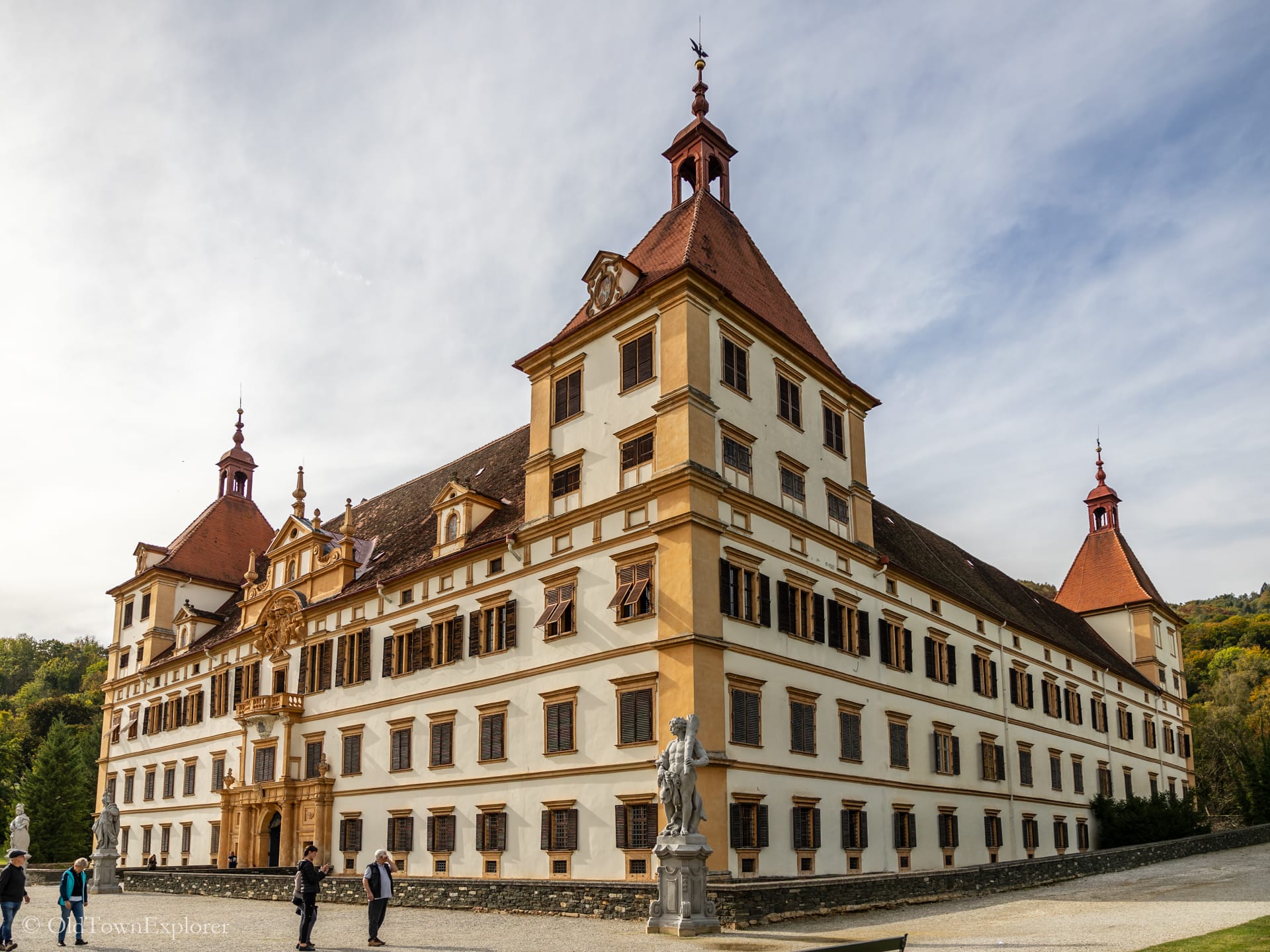
Pro: Palaces and historic estates are easy to reach
Landmark sites sit close enough to visit without a big day plan. That makes it easier to keep exploring even after your first few weeks. The benefit is access without the constant crowd pressure you’d expect in larger tourist centers.

Con: Wine is convenient locally, but less exciting than major wine regions
Southern Styria is close, and Buschenschank taverns make wine outings easy to fit into normal weekends. If you want specifics on where to drink and buy bottles in town, start with our Graz Wine guide. Even so, if you’re used to the wine culture and breadth you’ll find in places like France, Spain, or parts of Italy, Graz can feel narrower in both style range and “wine destination” energy. It’s pleasant and accessible, but not a top-tier wine base by European standards.
Con: Wine experiences skew regional, not “all-Austria”
Graz is excellent for Styrian wine, but it’s not as broad a cross-section of Austria’s wider wine scene as Vienna. You can still buy and drink bottles from across the country, but Styria tends to dominate locally. If you want constant access to huge lists and big producer events, you may feel the difference.
Pro: Walkability helps stack daily errands
Because the center is compact, you can combine groceries, cafes, parks, and appointments in one trip without driving. This kind of “stacking” makes the city feel efficient and reduces daily planning. It’s a core part of why Graz works well for car-light living.
Pro: Excellent public transportation system
Trams and buses cover most residential areas and make commuting predictable. Even if you don’t live in the center, you can still stay connected to daily necessities without a car. It’s one of the city’s strongest quality-of-life supports.
Con: Stores closed on Sundays
Most retail shuts down on Sundays, so you need a weekly routine for groceries and errands. It’s manageable once you adapt, but it can feel restrictive at first. If you’re used to 7-day shopping, the adjustment is real.
Pro: Outdoor access complements city life
Even without the coast, Graz makes it easy to stay active close to town. Hiking, cycling, and river paths can fit into normal weeks rather than requiring a major trip. If you like mixing urban life with nature, the balance is a strength.
Con: Far from the coast
Coastal areas in Italy, Slovenia, and Croatia are reachable, but they’re not quick “spontaneous afternoon” trips. Weekends are doable, but they take planning and travel time. If beach access is central to your lifestyle, Graz can feel inland.
Con: No natural beaches for sunbathing and swimming
Graz doesn’t have a beach culture built into the city itself. Locals use outdoor pools and nearby lakes for hot-weather breaks, which works well but feels different from true seaside living. If water time is a major priority, it’s a compromise.
Con: Can feel small over time
Graz has plenty to do, but it’s not as large or cosmopolitan as Vienna. That can mean fewer big events, fewer niche shopping options, and less variety in some scenes. Whether that’s a drawback depends on what you need week to week.
Con: Smaller job market than Vienna
Career options can be narrower, especially outside a few strong sectors. Many people do well in specific tracks, but the overall market is smaller than the capital’s. This matters most if you’re actively job hunting.
Con: German matters for real integration
You can manage basics in English in many settings, especially around universities. But bureaucracy and many service interactions still run in German, and that shapes how easy life feels over time. Learning practical German makes a big difference.
Con: Fewer direct flight options than bigger hubs
For long-haul travel, you’ll often route through larger airports rather than flying direct. That adds time and coordination compared with living in Vienna. If you travel internationally often, it’s a noticeable convenience gap.
Visit Graz Before Moving
A scouting stay in Graz works best when you test routines rather than attractions. Try commuting by tram at the hours you would normally travel, walk grocery routes from a few neighborhoods, and see how often you need German for practical tasks like appointments, deliveries, or office visits.
Also test the “weekend shape” of life. Do a day trip into Southern Styria wine country, run or bike along the Mur, and see how the city feels after dark on a normal weeknight. That gives you a clearer view of whether Graz fits your pace long term.
Use the map to choose a short-stay base near your likely daily routes, then test errands and transport at normal hours.
Tips for Living in Graz
Living in Graz comes with its own unique advantages and challenges. Here are some tips to make the most of your experience:
Expect Quiet Sundays
Most supermarkets and retail shops close on Sundays, so plan groceries and errands ahead of time. If you arrive late or run out of essentials, check what’s open around the main train station and major transit hubs. Keeping a simple Sunday pantry helps.
Learn Some Basic German
English is common in student areas and many central businesses, but German is still important for bureaucracy, healthcare, and day-to-day neighborhood life. Even a small set of phrases makes appointments and paperwork smoother. If you plan to stay long-term, investing in German early pays off.
Also, if you’re staying longer-term, Austria generally requires you to register your residence within three days of moving in, so it helps to know the basic terms you’ll see on forms and at appointments (official guidance here).
Use Trams for Daily Routines
Graz is easy to live in without a car if you choose housing near a tram line. Trams are the simplest way to connect residential areas with the center and the main station. If you’re scouting neighborhoods, test your likely commute at normal hours.
For routes and up-to-date schedules, use the official Graz Linien timetables.
Plan for Summer Heat and Winter Gray
Summer can feel hot in the city, and many apartments won’t have air-conditioning. In winter, colder temperatures and low light can change how walkable the city feels day to day. Choose housing with good shading and consider how your routine shifts by season.
Learn the Waste Separation Rules Early
Waste separation is standard and landlords expect it to be done correctly. Figure out which bins apply to your building and what goes where before you get settled. It avoids neighbor issues and makes move-in life easier.
The City of Graz publishes an official waste separation guide you can keep on your phone when you’re learning the bins.
FAQS About Living in Graz
Is Graz expensive compared with Vienna?
Usually less expensive, especially for housing. Exact differences depend on neighborhood and apartment type.
Do you need German to live in Graz?
You can manage basics in English in many places, but long-term life is easier with German, especially for paperwork.
Is Graz a good city if you don’t have a car?
Yes. Trams and buses cover most needs, and walking and cycling work well in many districts.
How are winters in Graz?
Cold and often gray, with below-freezing stretches. Snow is possible, and nearby hills offer winter activities.
Is it easy to take weekend trips from Graz?
Fairly easy by train and car, but options can feel narrower than from Vienna. Many residents focus on Styria, nearby lakes, and Slovenia.
