
Shkoder Architecture
Explore Shkoder Architecture: Rozafa Castle & More
Shkoder’s architecture reflects its long and diverse history, blending Illyrian, Roman, Venetian, and Ottoman influences in its castles, religious buildings, and urban streetscapes.
We spent a month in Shkoder researching its historic architecture to gather accurate information and firsthand insights. This guide summarizes the key architectural landmarks and features you can explore while visiting Shkoder.
This page contains affiliate links. We may earn a small commission at no extra cost to you.
Rozafa Castle
Address: 2FWV+HCH, Rruga Rozafa, Shkodër, Albania
Rozafa Castle, also known as Shkodër Castle, is a prominent fortress overlooking the city. Situated on a rocky hill 130 meters above sea level, it is surrounded by the Buna and Drin rivers. The castle dates back to antiquity and has served as a strategic defensive site for Illyrians, Romans, Venetians, and Ottomans. Visitors can explore the walls, towers, and panoramic views of the region.
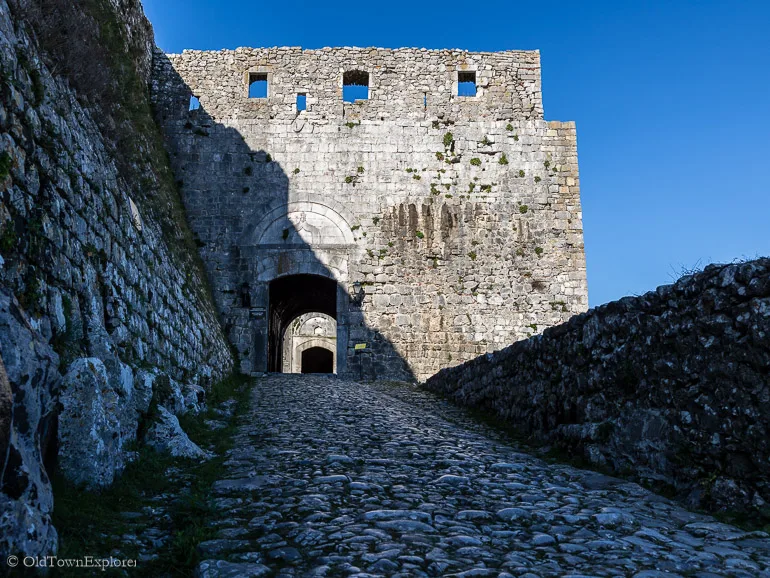
Barbakan
- Built: 15th century
- Style: Ottoman-Venetian military architecture
- Address: Main entrance of Rozafa Castle, Rruga Rozafa, Shkodër
The Barbakan is the heavily fortified main gate and defensive bastion of Rozafa Castle. It was constructed to control access and defend against invaders, showcasing typical Ottoman and Venetian military design elements.
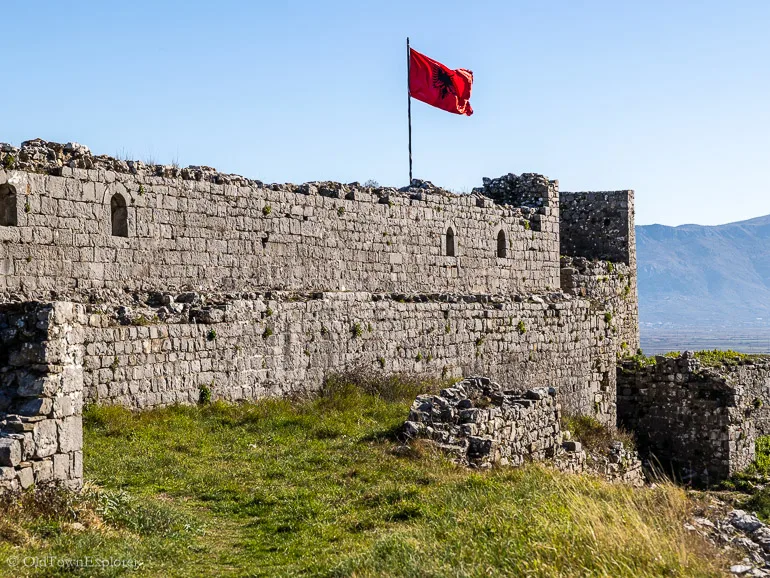
Balshaj's Tower
- Built: 14th century
- Style: Medieval defensive tower
- Address: Within Rozafa Castle complex, Rruga Rozafa
This tower is one of the oldest parts of the Rozafa Castle, named after the Balsha family who ruled the region during the medieval period. It served as a watchtower and defensive stronghold.
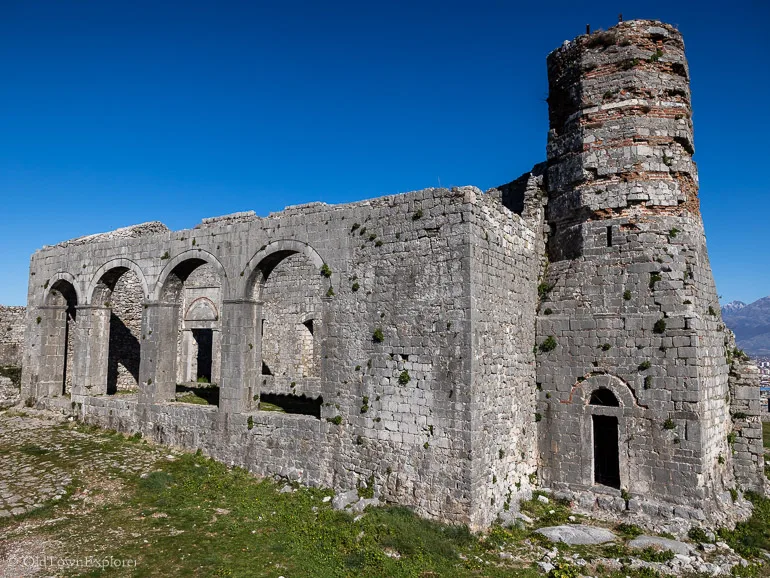
Fatih Sultan Mehmet Mosque
- Built: 1250–1300 (as a church); 1479 (converted to a mosque)
- Style: Ottoman Islamic architecture
- Address: Rruga Rozafa, Shkodër 4001
Named after Mehmed the Conqueror, this mosque is one of the oldest and most significant Islamic sites in Shkoder. It features classic Ottoman architectural elements such as a large central dome and tall minaret.
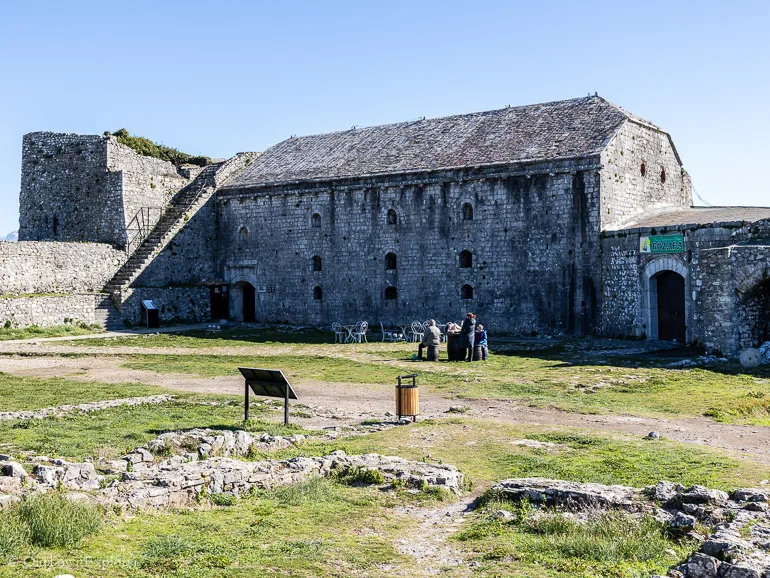
Kapiteneria (Capitol)
- Built: 15th century
- Style: Venetian administrative residence
- Address: Within Rozafa Castle, Rruga Rozafa
The Kapiteneria served as the residence and office for the Venetian captain who governed the castle and region during Venetian rule. The building combines defensive features with residential architecture.
Hydilaver Pasha's House
- Built: 17th century
- Style: Ottoman residential architecture
- Address: Shkodër
This historic house belonged to Hydilaver Pasha, an Ottoman official. It represents typical Ottoman-era domestic architecture in northern Albania.
Bushatlli's Palace
- Built: Late 18th to early 19th century
- Style: Ottoman Baroque
- Address: Rruga Marash, Shkodër
The palace was the seat of the Bushati family, local Ottoman rulers. It is notable for its ornate Baroque details blended with traditional Ottoman style, reflecting the wealth and power of the family.
Religious Buildings in Shkoder

The Ebu Beker Mosque
- Built: 1995
- Style: Modern Ottoman-influenced mosque
- Address: Rruga Fushë Cele 1, Shkodër
Known also as the New Fushë Çela Mosque, this is one of the largest mosques in Shkodër, serving the local Muslim community with contemporary Ottoman architectural influences.
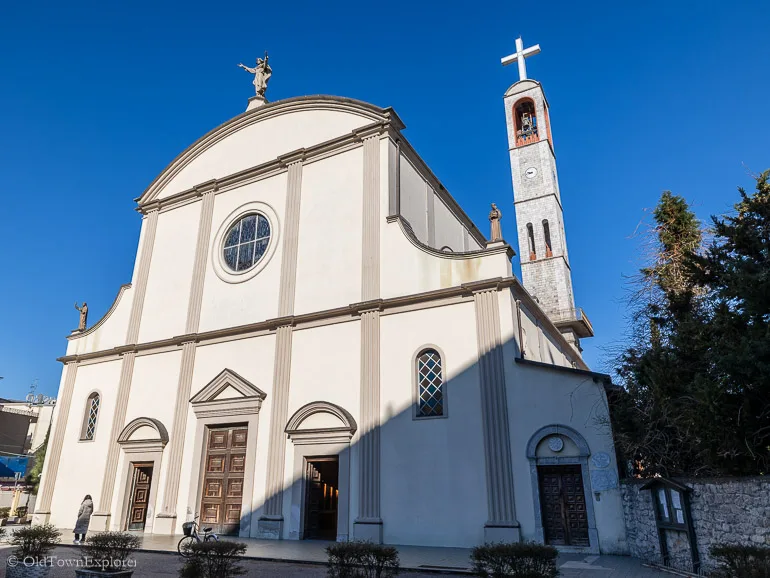
Franciscan Church
Aka Franciscan Catholic Church (Kisha Katolike Franceskane)
- Built: 1905
- Style: Neo-Gothic with Baroque elements
- Address: Rruga At Gjergj Fishta 42, Shkodër
This Catholic church features pointed arches and intricate stained glass, representing the religious and cultural diversity of the city.
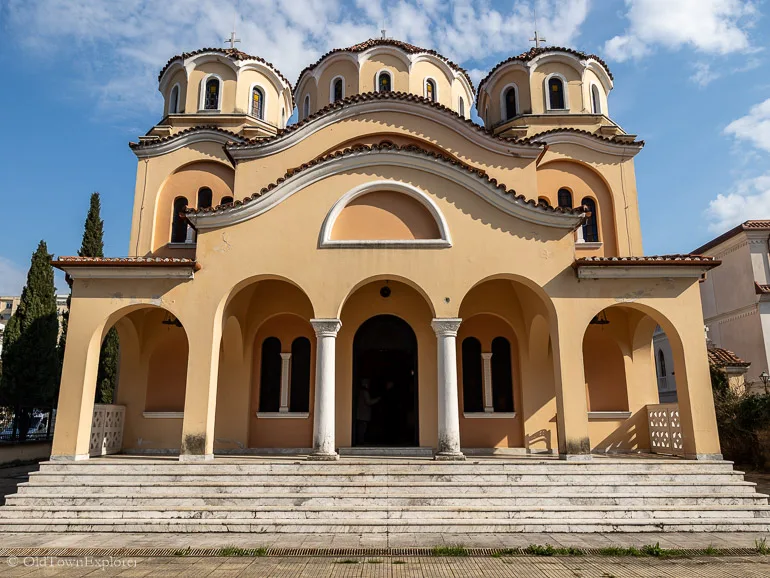
Holy Church Nativity of Christ
Nativity of Christ aka Orthodox Cathedral of the Nativity
- Built: Late 20th century
- Style: Modern Orthodox
- Address: Rruga Hasan Riza Pasha 39, Shkodër
This Orthodox cathedral serves Shkodër’s Eastern Orthodox community and was rebuilt after sustaining damage in a 1998 attack.
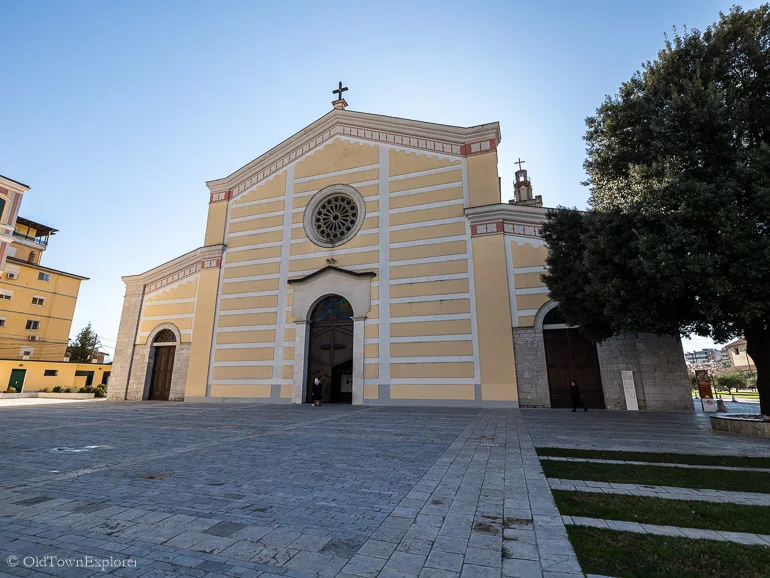
St. Stephen's Cathedral
Aka St. Stephen's Catholic Cathedral (Shkoder Cathedral)
- Built: 1858–1867
- Style: Romanesque Revival
- Architect: Josef Plenck
- Address: Sheshi “Gjon Pali II”, Shkodër 4000
The Roman Catholic cathedral is a landmark of Shkodër, known for its twin bell towers and richly decorated interior. It is dedicated to Saint Stephen.
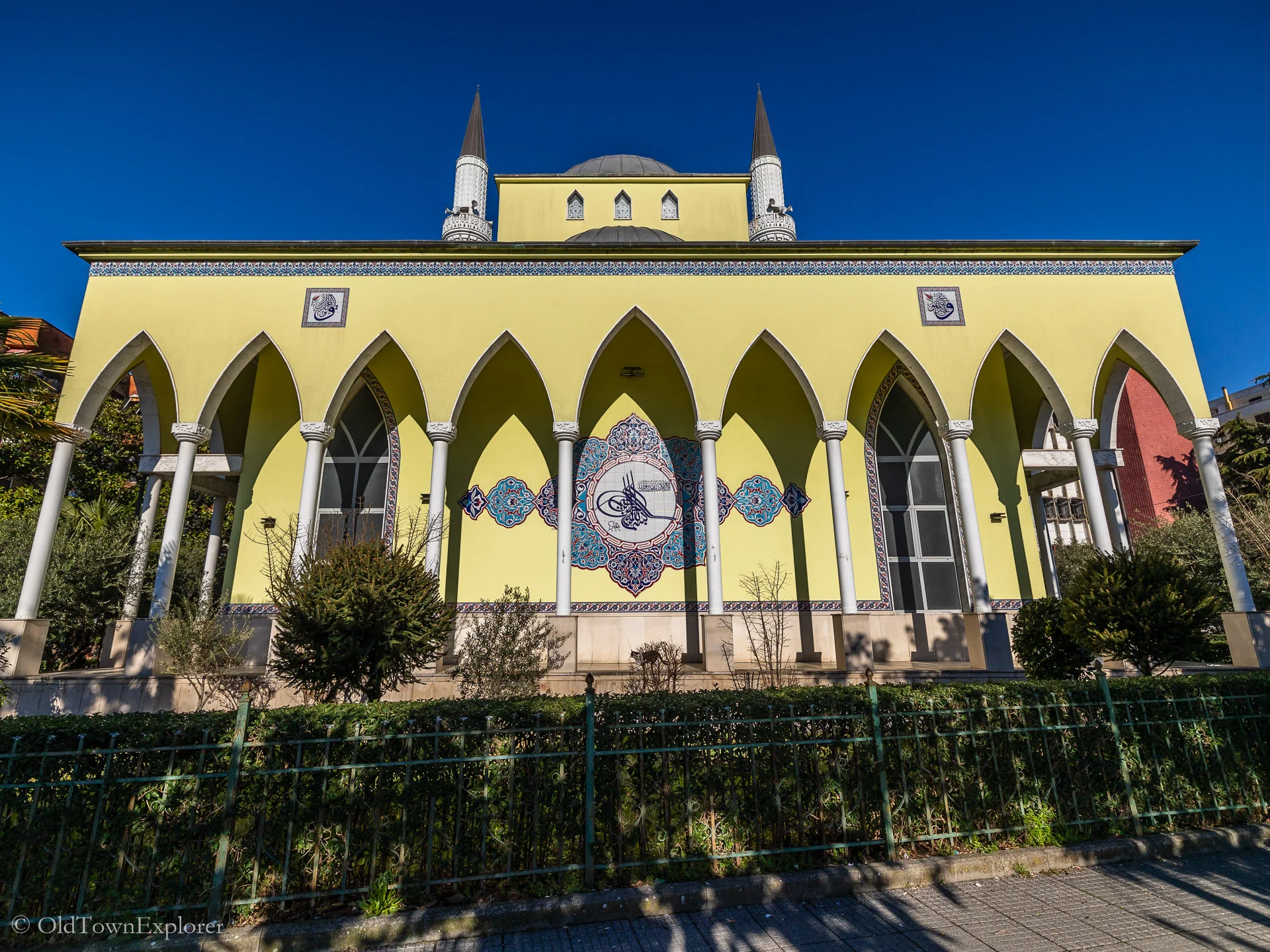
Mosque Of Parruca
aka el Zamil
- Built: 1937 (rebuilt 2007)
- Style: Ottoman Revival
- Address: Near city center, Shkodër
This mosque was destroyed during communist rule and later reconstructed, combining traditional Ottoman styles with modern materials.
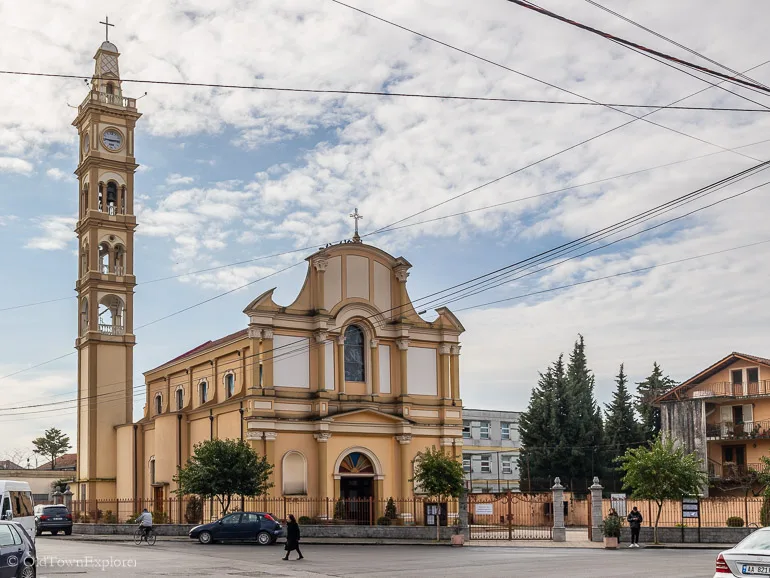
St. Coll's Church
Kisha e Shën Kollit
- Built: Unknown
- Style: Traditional Albanian Orthodox
- Address: 6, Shkodër
A small historic Orthodox church dedicated to Saint Nicholas, important to the local Orthodox community.
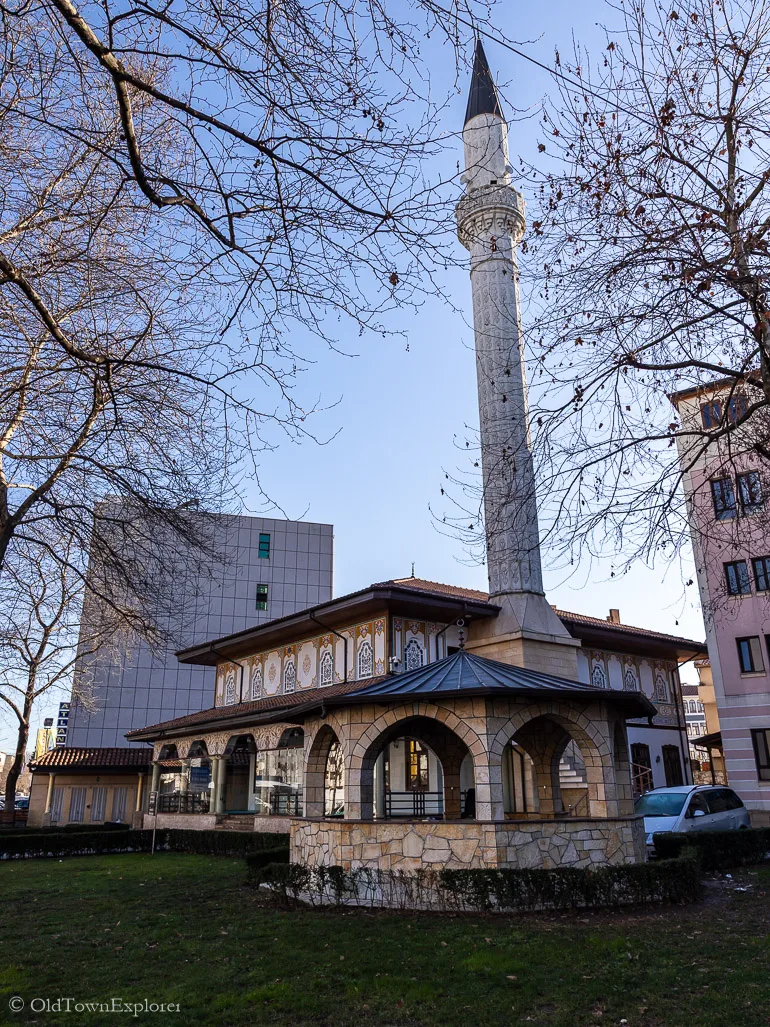
Madrasa Mosque
Xhamia e Medresesë sometimes referred to as Haxhi Sheh Shamia
- Built: 2009
- Address: 3G42+PRV, Shkodër, Albania
The mosque takes its name from Haxhi Sheh Shamia, a respected religious scholar and community leader in Shkodër. Renowned for his charity, he famously opened his family’s grain stores to feed the hungry during a time of famine. In addition to his humanitarian work, he was a teacher of theology and an active participant in important congresses in Istanbul.
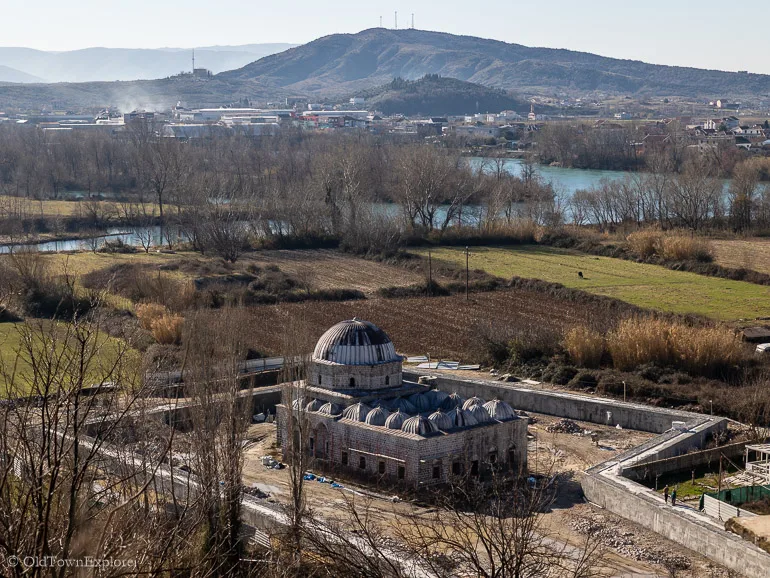
Lead Mosque
Xhamia e Plumbit
- Built: 1773
- Style: Ottoman
- Address: Rruga e Tabakëve 1, Shkodër
Named for its distinctive lead-covered domes, this historic mosque was built by Mehmet Bushati and remains a key religious site.
Other Attractions in Shkoder
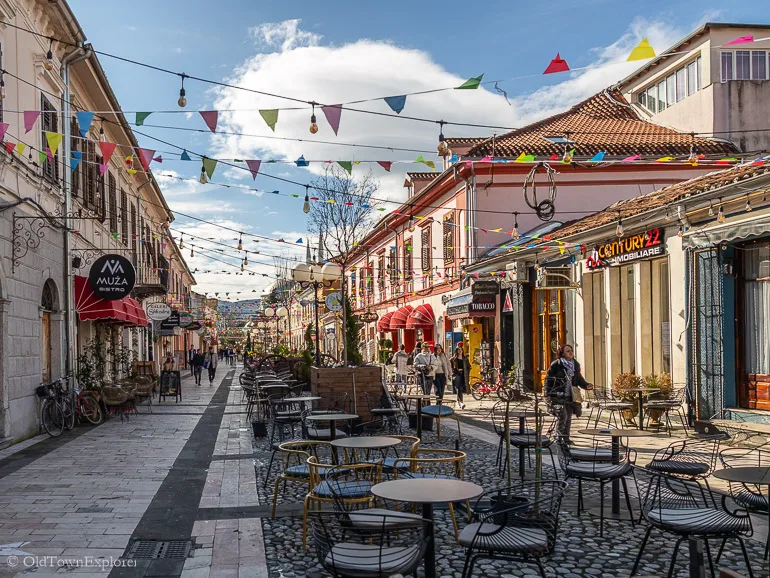
Kole Idromeno Street
aka Rruga Kole Idromeno
- Built: Late 19th to early 20th century
- Style: Balkan urban architecture
- Address: Rruga Kole Idromeno
Main pedestrian street featuring cobblestone paving and historic buildings named after the famous Albanian painter Kole Idromeno.
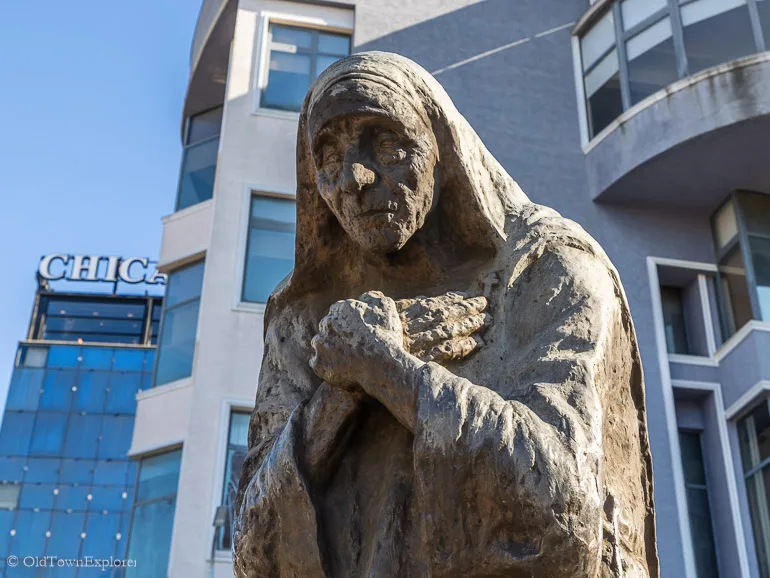
Monument to Mother Teresa
- Built: 2006
- Address: 3G87+QHM, Shkodër
Statue honoring the city’s native daughter, Mother Teresa, reflecting local pride and heritage.
Obelisk Heronjtë E Demokracisë
- Built: Early 1990s
- Address: Sheshi 2 Prilli, Shkodër
Monument commemorating those killed and injured during the 1991 protests against the communist regime.
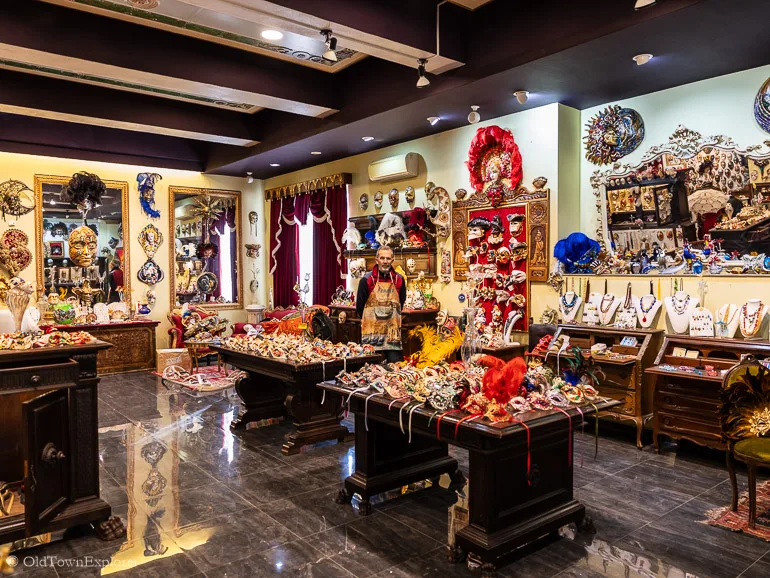
Venice Art Mask Factory
- Address: Rruga Inxh. Gjovalin Gjadri, Shkodër
The largest manufacturer of Venetian-style masks in the region, combining traditional craft with modern design.
Things to Know About Shkoder Architecture
Neoclassical Architecture in Shkodër
Shkodër’s urban core developed substantially during the late 19th and early 20th centuries, a period that saw the introduction of Neoclassical architecture into the city’s streetscape. This style is especially visible along Rruga Kole Idromeno, where facades feature symmetrical proportions, decorative pilasters, rounded windows, and corniced roofs—hallmarks of Neoclassical design.
A key figure in this architectural evolution was Kole Idromeno (1860–1939), an Albanian artist, architect, and urban planner. He introduced Italianate and Viennese influences to Shkodër’s civic and residential buildings. Idromeno’s contributions helped transform Shkodër from an Ottoman-style town into a modern Albanian city with European architectural sensibilities.
Many of the surviving buildings from this period were private residences, civic institutions, or mixed-use shops and dwellings. Their preservation offers insight into Shkodër’s transition into the modern era, reflecting both Western architectural trends and local adaptations.
For a deeper technical perspective on Shkodër’s neoclassical architecture, see this academic paper: Kole Idromeno and the Neoclassical Architecture in Shkodra.
Best Places To Stay In Shkoder
Hotels in Shkoder
For easy access to historic sites, we recommend staying near Kole Idromeno Street, Shkodër’s main pedestrian area. It places you within walking distance of many architectural landmarks and local amenities.
The castle marker on the map below is the center of Kole Idromeno Street. We suggest staying as close to it as possible, depending on your budget and preferences.
The below interactive map provides hotel and apartment options that can be filtered to meet your needs. Select your travel dates to get specific availability and prices.
City Tours in Shkoder
If you're interested in learning more about Shkoder's history, culture, and architecture, consider joining a local city tour. Guided walking tours are available daily and typically include Rozafa Castle, the main religious landmarks, and the historic pedestrian street.
FAQs About Shkoder Architecture
What does Shkoder mean?
The name “Shkoder” derives from the Latin “Scutari,” referencing the city’s ancient roots and its role as a strategic fortress.
What is the style of architecture in Albania?
Albania features a mix of Historicism, Ottoman, Venetian, Baroque, Neoclassicism, and socialist-era architecture, reflecting its complex history.
Who built Shkoder?
Founded in the 4th century B.C. as Scodra, Shkodër was originally the center of the Illyrian Labeat tribe and has been shaped by various rulers since.