
Avignon
Food | Wine | ArchitectureExplore Avignon: Food, Wine & Architecture
Avignon sits on the Rhône River in southeastern France, with a compact historic center enclosed by medieval walls and a larger modern city spreading outward. Its UNESCO-listed landmarks include the Palais des Papes, Notre-Dame des Doms Cathedral, the Petit Palais, and the Pont Saint-Bénézet (the Avignon Bridge). Most first-time sightseeing happens within or right along the walls, so it’s easy to plan your days on foot.
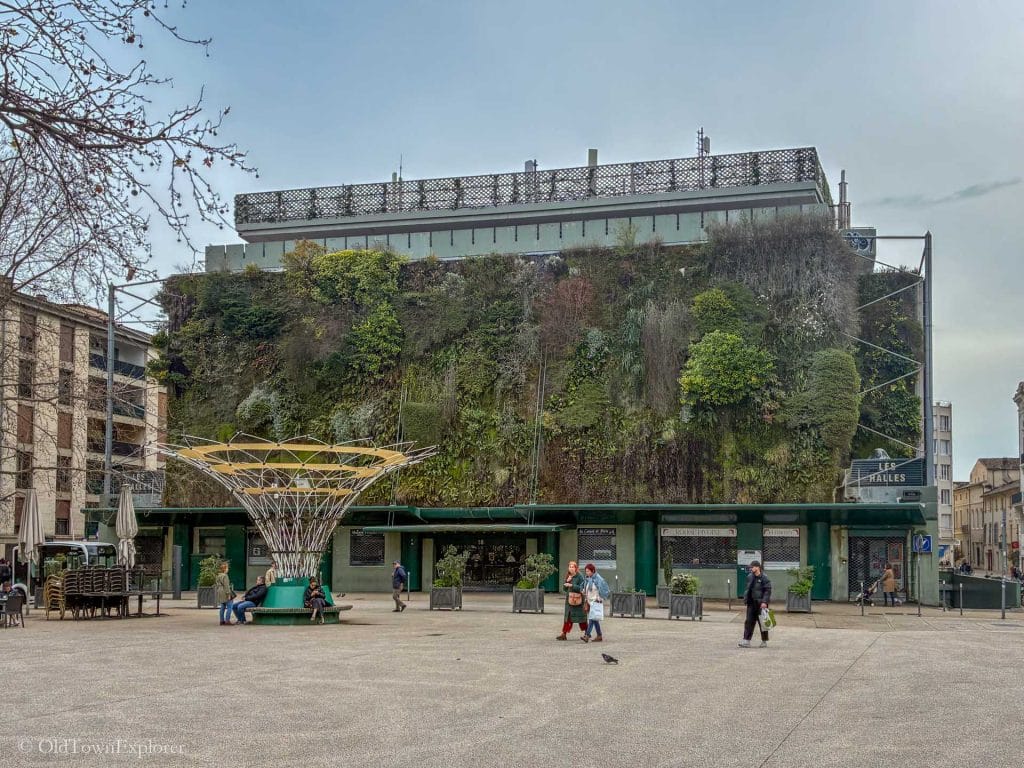
Food in Avignon is closely tied to Provençal and Rhône Valley cooking, with seasonal produce, olive oil, garlic, herbs, and market shopping shaping what you’ll see on menus. If you like choosing ingredients at the market and cooking at home, Les Halles is right inside the city walls.
Avignon is also a practical base for Southern Rhône wine country, with major appellations close enough for day trips. You can try regional wines in the old town’s wine bars, bottle shops, and restaurants.
We spent a month in Avignon. That gave us plenty of time to explore the city’s food, wine, and architecture. We’ve also researched the practical details to help you plan a visit, including where to stay, when to go, and how to get around.
This page contains affiliate links. We may earn a small commission at no extra cost to you.
Avignon at a Glance
Avignon’s historic center is easy to explore on foot, with the Palais des Papes, Les Halles, and the main squares inside the city walls.
For a first visit:
- Best for: Papal architecture, Provençal food, and Rhône wines.
- Best starting area: Place du Palais and nearby Place de l’Horloge, inside the city walls.
- Suggested stay: Two or three full days for Avignon, plus extra days for wine villages or nearby towns.
- Best timing: Spring or early fall for walking; July if the Festival d’Avignon is part of your trip.
You won’t need a car for the old town. If you want to visit the vineyards, book a guided outing or arrange your own transport.
Avignon Food
Provençal cooking shapes Avignon’s menus, with seasonal vegetables, olive oil, garlic, and herbs in many dishes. At Les Halles d’Avignon on Place Pie, you can buy picnic supplies or ingredients to cook at your apartment. Look for soupe au pistou, daube, aïoli, ratatouille, tian de légumes, and tapenade. You may also find brandade de morue, a specialty associated with nearby Nîmes. The papaline d’Avignon is the city’s own chocolate specialty, filled with herbal liqueur.
For restaurants, markets, and local specialties in more detail, see our Avignon Food page.
Avignon Wine
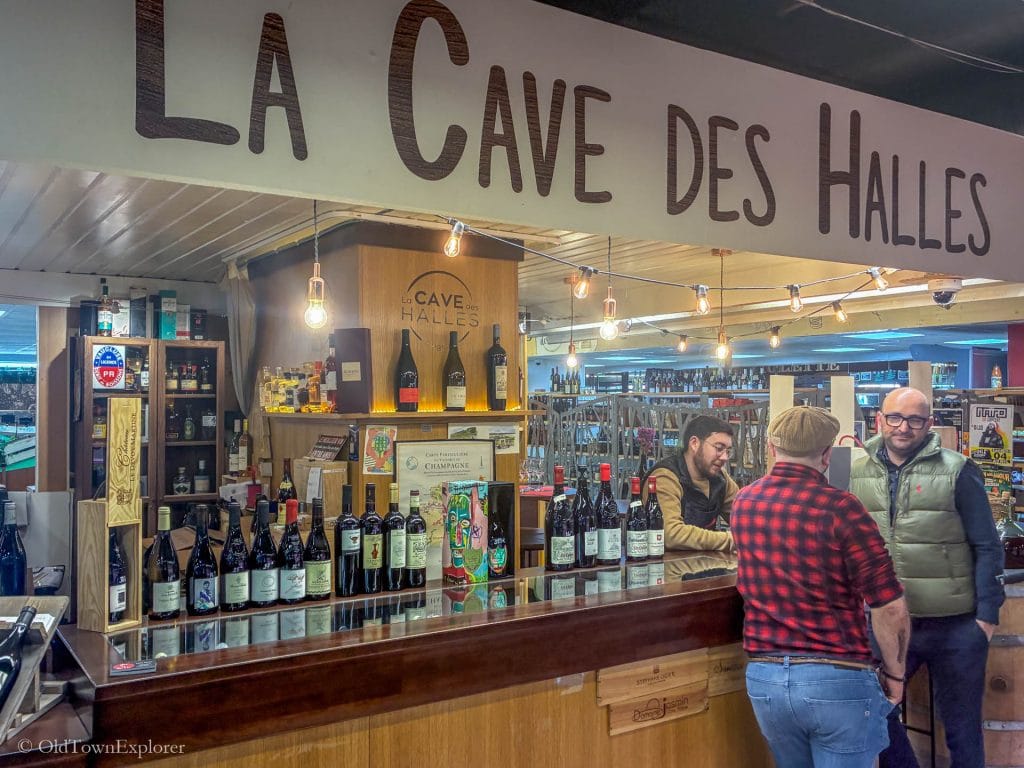
Avignon is a practical base for Southern Rhône wine because you can stay in a walkable historic city and still reach major wine villages on day trips. Nearby appellations include Châteauneuf-du-Pape, Gigondas, Vacqueyras, Tavel, and Lirac, alongside the wider Côtes du Rhône and Côtes du Rhône Villages. You can try regional wines in the city’s wine bars, bottle shops, and restaurants, or join a guided wine tour from Avignon to visit vineyards without driving. For a day of winery visits, choose one area and confirm tasting appointments and transport before setting out.
For wine bars, bottle shops, and nearby tasting routes, see our Avignon Wine page.
Avignon Architecture
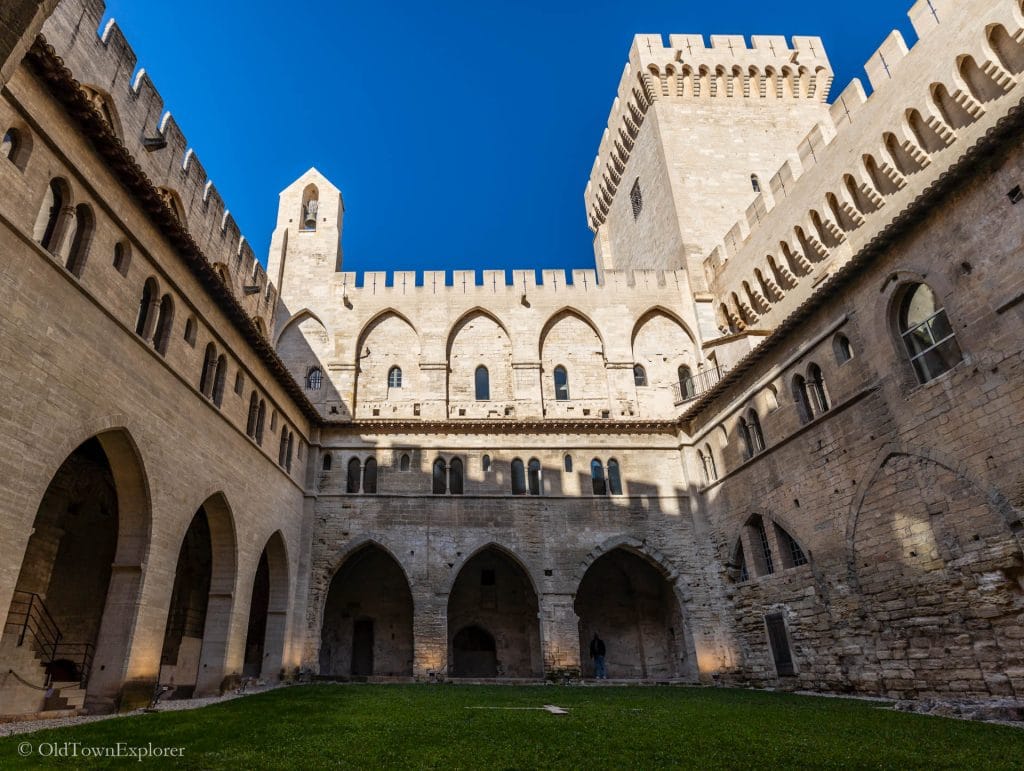
The Gothic Palais des Papes dominates Avignon’s old town. Notre-Dame des Doms Cathedral stands beside it, and the Petit Palais is nearby on Place du Palais. A walk down to the Rhône brings you to the medieval walls and the surviving arches of the Pont Saint-Bénézet.
The palace, episcopal ensemble, and bridge are included in the UNESCO World Heritage listing for Avignon’s historic center.
For the city’s major monuments, churches, walls, and historic streets in more detail, see our Avignon Architecture page.
Location of Avignon
Avignon is in southeastern France on the Rhône River, in the Vaucluse department of Provence-Alpes-Côte d’Azur. Its historic center sits within medieval walls, with Île de la Barthelasse and Villeneuve-lès-Avignon across the water.
Nearby Orange, Arles, and Nîmes are options for day trips by regional train. High-speed trains also connect Avignon with Paris, Lyon, and Marseille.
Best Time To Visit Avignon
We recommend spring or early fall for a visit focused on walking. July is hotter and busier, but it’s the time to come for the Festival d’Avignon.
Weather
Expect hot afternoons in summer, cooler days in spring and fall, and cold nights in winter. The mistral can make exposed walks near the river and along the walls feel colder.
These monthly weather averages help compare seasons; they are not a forecast for your dates. Temperatures and rain days are rounded.

Shoulder Season
April–May and September–October are usually cooler than midsummer, making longer walks more comfortable. Bring a layer for cool mornings and evenings, and allow for rain, particularly in fall. Choose July instead if attending the Festival d’Avignon is a priority.
Best Value
Start by comparing accommodation rates outside the July festival period. Check the same properties across several dates and include parking costs if you bring a car. A winter stay means shorter days and colder evenings, so weigh any saving against how much time you want to spend outdoors.
Best Places to Stay In Avignon
Avignon has hotels and apartments both inside the medieval walls and in the neighborhoods beyond them.
Hotels and Apartments in Avignon
We recommend staying inside the walls or near a gate so you can walk between sights, restaurants, and shops. Around Place du Palais and Place de l’Horloge, you’ll be close to the main monuments. An apartment with a kitchen near Place Pie is convenient for shopping at Les Halles and cooking at home. If you’re bringing a car, check parking and vehicle access with the property before booking.
Staying near Avignon Centre, just outside the southern walls, can shorten the walk from the station while keeping the old town close. Check room size, air-conditioning, and recent noise reviews when comparing properties.
Use the interactive map below to explore accommodations by date, budget, and amenities.
Other Things to Know About Avignon
Avignon’s historic center is easy to explore on foot, but check your arrival station and onward connections before booking accommodation.
Airport
Avignon–Provence Airport (AVN) currently serves private and business aviation, with no scheduled passenger flights. For scheduled services, compare Marseille Provence, Nîmes, and Montpellier airports. From Marseille Provence, one option is the airport shuttle to Vitrolles Aéroport Marseille Provence station, followed by a regional train to Avignon Centre. Check the official arrival information and connections for your travel date.
Train Station
Avignon Centre is just outside the southern walls, within walking distance of the historic center. Avignon TGV is about 6 km from the center and handles many high-speed services. A TER train connects the two stations; check which station is named on your ticket and allow time for the transfer.
Time Zone
Avignon uses Central European Time (CET, UTC+1:00) and switches to Central European Summer Time (CEST, UTC+2:00) for daylight saving time.
Currency
France uses the euro (€). Credit and debit cards are widely accepted, but cash is useful for small purchases, cafés, and local markets.
Language
French is the main language used in shops, markets, and restaurants.
Visa
France is in the Schengen Area. U.S. citizens generally do not need a visa for tourism or business stays of up to 90 days in any 180-day period across the Schengen Area. Requirements depend on nationality, residence status, and the purpose of travel, so check the official French short-stay rules before booking.
For current border procedures, check the official French EES and ETIAS update.
Electricity
France uses Type E sockets and 230V / 50Hz electricity. Bring a compatible plug adapter and check the voltage rating on every device. A travel power strip can reduce the number of adapters you need, but the strip and connected devices must be suitable for 230V and used within their load limits. An adapter changes the plug shape; it does not convert voltage.
SIM Card
For mobile data, travelers can use a local SIM or eSIM. We recommend Airalo eSIMs for convenience. Your phone must be unlocked and support eSIMs. Check when your package activates before installing it: some packages start immediately, while others start when they connect to a supported network.
Car Rental
You don’t need a car for day-to-day sightseeing in Avignon’s historic center. A car can make rural day trips and visits to wine villages easier, but confirm parking and vehicle access before driving inside the walls.
Sixt and Europcar have offices at Avignon TGV. We recommend Discover Cars for comparing rental offers from international and regional companies.
FAQs About Avignon
Why is Avignon famous?
Avignon is best known for the Palais des Papes, its papal-era history, and the walled historic center. The palace, cathedral, Petit Palais, and bridge are part of its UNESCO World Heritage site.
Is Avignon walkable?
Yes. Most major sights inside the walls are reachable on foot, and the main monuments are close together. Summer heat and wind near the river can make long walks less comfortable.
What should I prioritize in the UNESCO historic center?
Start with the Palais des Papes, then add Notre-Dame des Doms Cathedral, the Petit Palais, and the Pont Saint-Bénézet. Our Avignon Architecture page has details on the palace, churches, walls, and historic streets. The nearby Rocher des Doms gardens are partly open during renovation work, so check current garden access before visiting.
What’s the main food market in Avignon?
Les Halles d’Avignon is the central covered market on Place Pie, with dozens of vendors selling fresh food and regional products. It normally opens Tuesday to Sunday in the morning; check the market’s current information for festival-period exceptions. For other markets, food shops, and places to eat, see our Avignon Food page.
Is Avignon a good base for Rhône wine day trips?
Yes. You can stay in Avignon and visit Southern Rhône wine villages on day trips without changing accommodation. Guided outings are an option if you don’t want to drive; our Avignon Wine page introduces the regional wines and places to taste them.
When is the busiest time to visit?
July is a major peak because of the Festival d’Avignon, which brings performances and audiences into venues across the city. Check the programme before choosing your dates, and book accommodation early if you want to attend.
Do I need a car in Avignon?
Not for the historic center. A car is useful for combining rural stops, but nearby towns such as Orange, Arles, and Nîmes can be reached by regional train. If you rent one, arrange parking before returning to your accommodation.
How should I structure a first visit?
Spend your first two days on the Palais des Papes, cathedral, bridge, and walks through the historic center, fitting in Les Halles on an open morning. A third day gives you more time for food shopping, meals, and exploring the old town. Add further days for Southern Rhône wine outings or nearby towns, choosing one area for each day trip.
Avignon Blog Posts
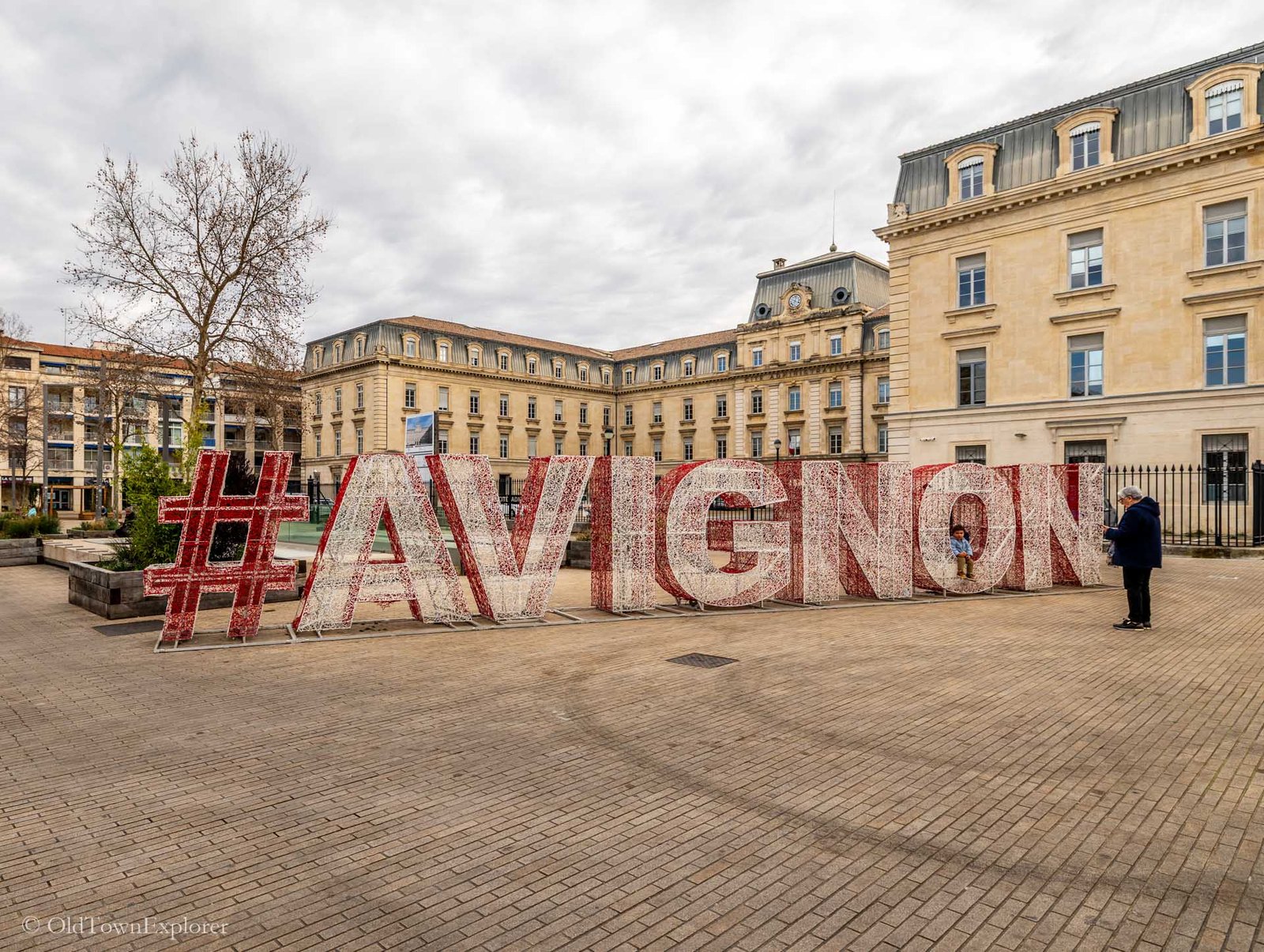
25 Pros and Cons of Living in Avignon, France
Explore Life in Avignon: Pros & Cons of Living in a Walled Rhône City Avignon is a city on the Rhône in southeastern France, with a historic center enclosed by medieval walls. The pros and cons of living in Avignon include easy access to...
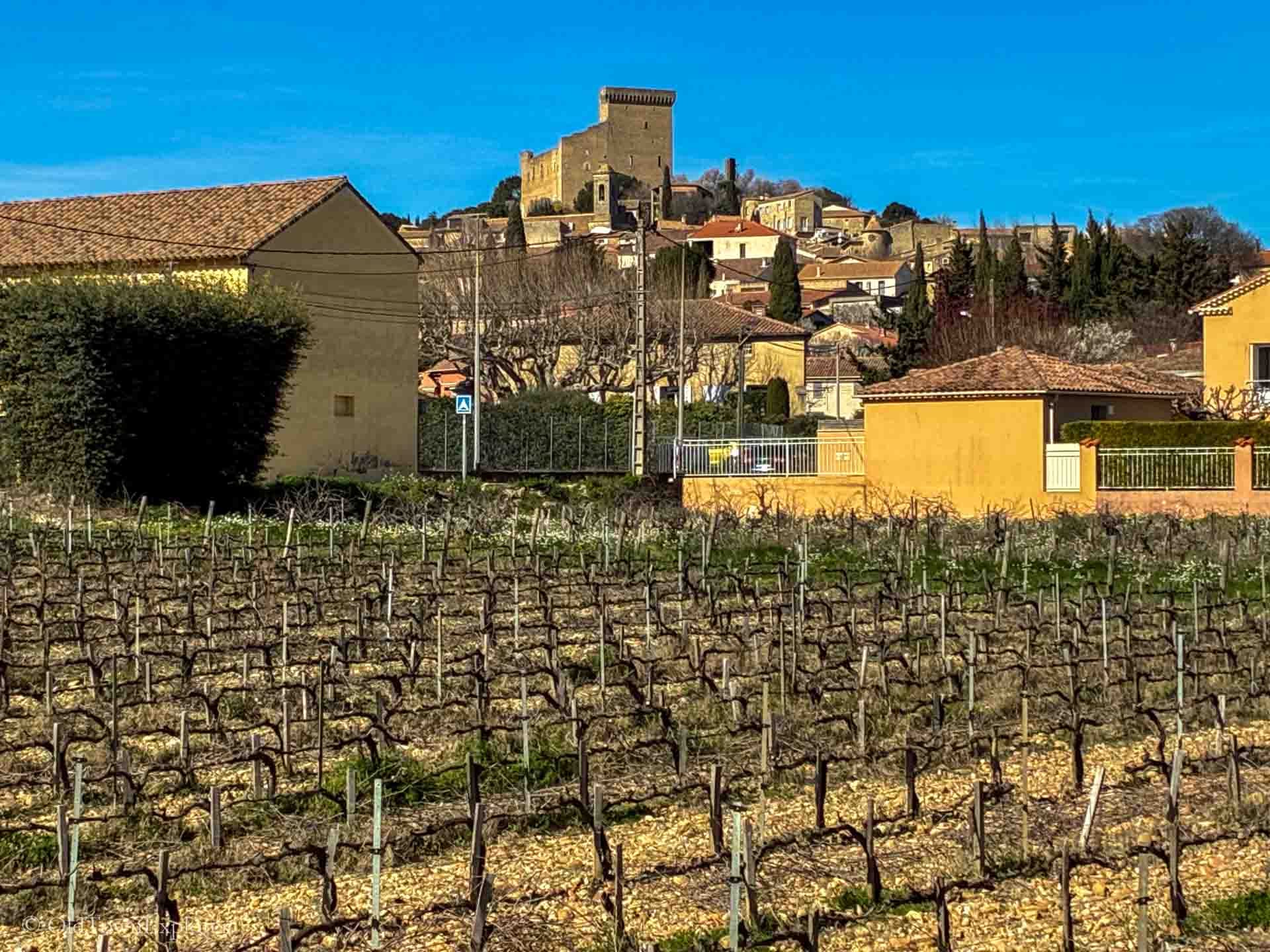
Explore Wineries in Chateauneuf-du-Pape, France
Discover Wineries in Châteauneuf-du-Pape: Wine Tastings, Tours & Tips Wineries in Châteauneuf-du-Pape range from tasting rooms in the compact hilltop village to estates scattered across the surrounding vineyards. The appellation lies in...
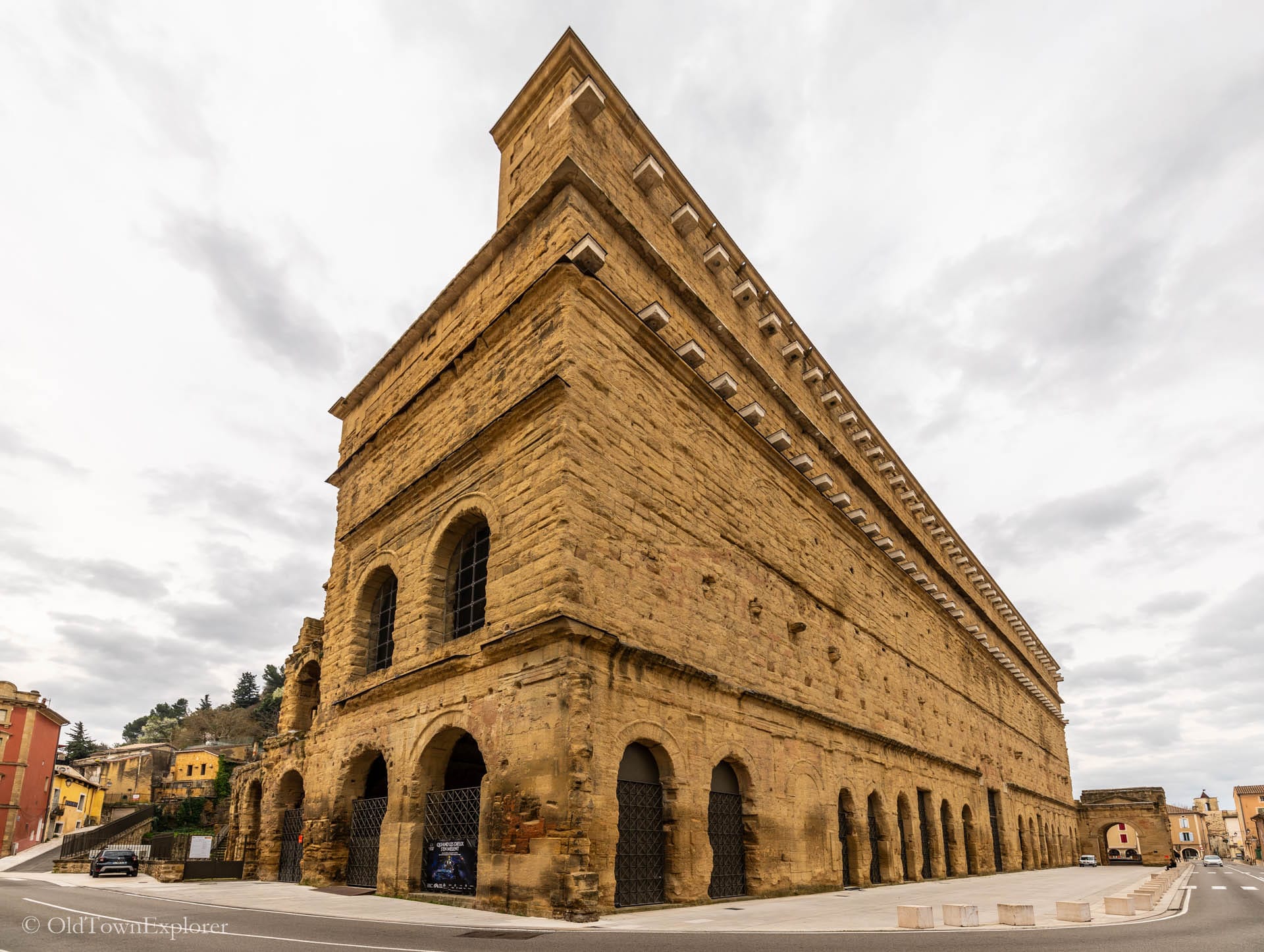
Explore Orange, France
Discover Orange: History, Architecture & Must-See Attractions Orange sits in the Rhône Valley in southern France, north of Avignon. The town is best known for major Roman monuments tied to the Roman colony of Arausio. Those sites still...