
Germany Wine
Explore Germany Wine: Wine Regions & Grape Varieties
Germany is internationally recognized for its cool-climate white wines, especially Riesling, and for producing a wide range of styles from dry to sweet. Thirteen wine regions stretch across the country, each with distinct soil types, microclimates, and traditions that shape how grapes are cultivated and vinified. Although white varieties dominate, red grapes like Spätburgunder (Pinot Noir) are increasingly prominent, especially in warmer areas such as Baden and Württemberg. To learn more about Germany’s official wine regions and wine styles, visit the German Wine Institute.
This guide introduces the major wine regions, key grape varieties, and typical wine styles found in Germany. It highlights protected designations, tasting culture, and regional differences that travelers are likely to encounter in vineyards, taverns, and wine festivals.
Wine Regions in Germany
Germany’s wine regions are primarily located in the southwest, where river valleys, varied soils, and temperate climates create ideal conditions for viticulture. The country is divided into 13 official wine-growing areas, each known for distinct grape varieties and styles. From the steep slopes of the Mosel to the sun-drenched terraces of Baden, these regions showcase the diversity and depth of German winemaking tradition. For official EU-recognized wine designations and region protections, see the EU PDO/PGI wine register.
Ahr
Location: Northern Rhineland–Palatinate, along the Ahr River.
Styles/Varieties: ~85% red wine, especially Spätburgunder (Pinot Noir) on steep slate slopes.
What makes it notable: Northern Germany’s premier red-wine region, scenic terraced vineyards, and intimate tasting experiences.
Baden
Location: Southwestern Germany near France and Switzerland.
Styles/Varieties: Germany’s warmest region—richer Spätburgunder, Grauburgunder, Müller‑Thurgau, but also some whites.
Notable for wine tourists: Sunny climate, full-bodied reds, and proximity to the Baden Wine Route.
Franconia
Franken
Location: Northern Bavaria along the Main River.
Styles/Varieties: Silvaner (dry and mineral-driven), Riesling, Pinot Noir, bottled in iconic Bocksbeutel bottles.
Tourist appeal: Medieval towns (e.g. Würzburg), centuries-old wineries, and distinctive shaped bottles.
Hessische Bergstraße
Location: Small valley east of the Rhine near Odenwald (Hesse).
Styles/Varieties: Riesling, Silvaner, Weiss- & Grauburgunder, and Spätburgunder.
Tourist appeal: Intimate scale, scenic vineyards with spring blossoms, and local gastronomy.
Mittelrhein
Location: Middle Rhine Gorge, between Koblenz and Bonn.
Styles/Varieties: 85% whites, mainly Riesling, some Pinot Blanc and Spätburgunder.
Tourist appeal: UNESCO-listed Rhine Gorge, steep terraced vineyards, and castle-lined riverbanks.
Mosel
Location: Along the Mosel, Saar, and Ruwer rivers in Rhineland‑Palatinate.
Styles/Varieties: World-class Riesling—light, acidic, mineral; some Elbling, Müller-Thurgau, and increasing Spätburgunder.
Tourist appeal: Dramatic steep vineyards (e.g. Bremmer Calmont), Riesling heritage, and riverside towns.
Nahe
Location: Along the Nahe River (Rhineland‑Palatinate).
Styles/Varieties: ~75% whites, led by Riesling, plus Silvaner, Pinot Blanc/Gris, and some reds.
Tourist appeal: Diverse soils from volcanic to slate, producing a range of styles, with boutique wineries.
Palatinate
Pfalz
Location: Below Haardt mountains near the French border.
Styles/Varieties: Second-largest region; Riesling, Dornfelder, Grauburgunder, Spätburgunder, plus aromatic whites.
Tourist appeal: Sunny climate, extensive vineyards, and a blend of German–French wine styles.
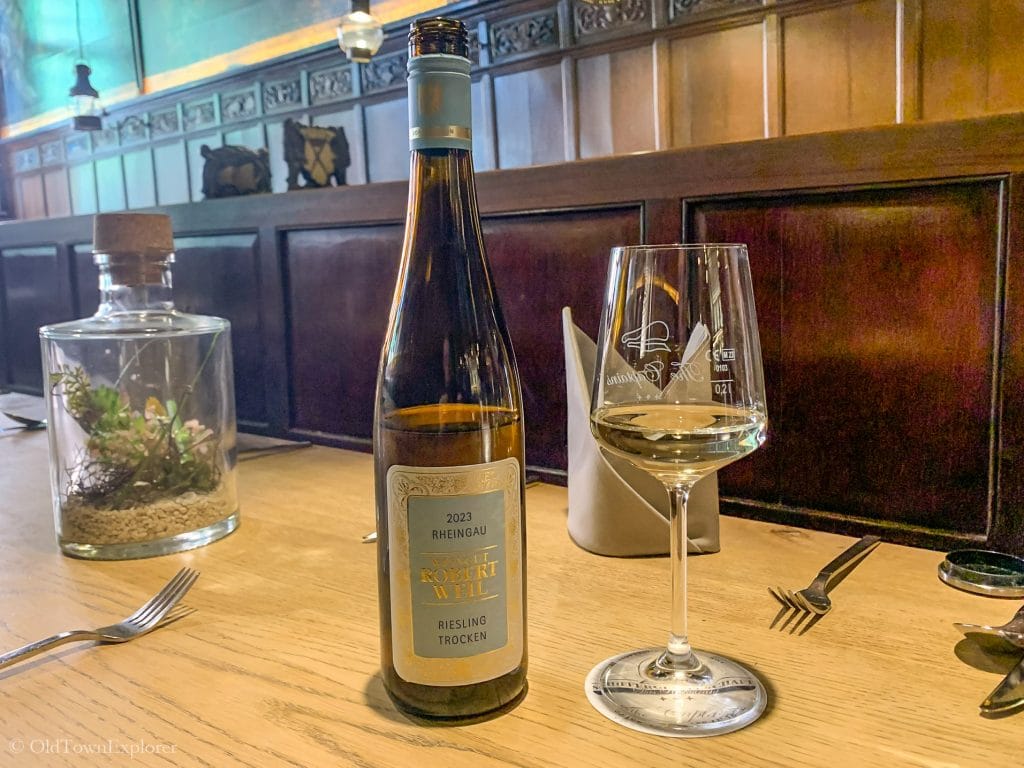
Rheingau
Location: West bank of the Rhine near Wiesbaden, Hesse.
Styles/Varieties: Dominated by Riesling (~78%), plus some Spätburgunder
Tourist appeal: Historic estates (e.g. Schloss Johannisberg), long Riesling traditions, and Rhine valley scenery.
Rheinhessen
Location: East of Rhine near Mainz.
Styles/Varieties: Germany’s largest region; Riesling, Silvaner, Müller‑Thurgau, Pinot Noir.
Tourist appeal: Diverse wine range, food & wine festivals, and easy access from Frankfurt.
Saale‑Unstrut
Location: Saxony‑Anhalt and Thuringia, northeastern Germany.
Styles/Varieties: Cooler-climate wines—mostly Riesling, Müller-Thurgau, Pinot Gris/Noir .
Tourist appeal: Historic eastern estates, scenic river valleys, and less crowded vineyards.
Saxony
Sachsen
Location: Along the Elbe River near Dresden.
Styles/Varieties: Small-scale region with Riesling, Pinot Blanc/Gris, Pinot Noir .
Tourist appeal: Charming terraced vineyards close to cultural cities like Dresden and Meissen.
Württemberg
Location: Southwest Germany near Stuttgart.
Styles/Varieties: Primarily red grapes—Lemberger, Trollinger, Spätburgunder .
Tourist appeal: Swabian taverns, red wine trails, and hearty local cuisine.
Grape Varieties in Germany
Germany’s vineyards are home to a mix of indigenous and international grape varieties shaped by cool-climate conditions and diverse soils. White grapes dominate, led by world-renowned Riesling, but red varieties like Spätburgunder (Pinot Noir) are gaining ground, especially in warmer southern regions. Each grape reflects the distinct terroir of its region, contributing to Germany’s reputation for precision, balance, and aromatic complexity in wine.
White Grapes

Riesling
Germany’s flagship white: highly aromatic, crisp acidity, and versatile from dry to sweet or sparkling. Widely grown in Mosel, Rheingau, Rheinhessen, Nahe, and more.
Müller‑Thurgau
Rivaner
A Riesling cross, early-ripening, mild and fruity; common in Rheinhessen, Baden, Franconia, Mosel.
Pinot Blanc
Weißburgunder
Smooth and elegant, used in dry or sparkling wines; found in Rheinhessen, Pfalz, Baden.
Pinot Gris
Grauburgunder
Richer style with peachy notes; increasing presence in Rheinhessen, Pfalz, Mosel.
Silvaner
Earthy, mineral-driven, especially in Franconia; often blended or made into dessert wine too.
Scheurebe
Aromatic with blackcurrant and grapefruit notes, ideal for sweet styles though also dry; grown in Rheinhessen and other regions.
Other Whites
Bacchus, Kerner, Chardonnay, Sauvignon Blanc, Elbling, and Huxelrebe are niche whites used in varietal or blended wines across various regions.
Black (Red) Grapes
Pinot Noir
Spätburgunder
Germany’s top red: elegant, sometimes oak-aged, best from Baden, Ahr, Rheinhessen, Württemberg, Rheingau.
Dornfelder
Deep-colored, fruity red developed in Württemberg; popular in Rheinhessen, Pfalz, and suited to oak aging.
Trollinger
Light, fresh red typical of Württemberg.
Blaufränkisch
Lemberger
Structured red with spice notes, grown primarily in Württemberg.
Pinot Meunier
Schwarzriesling
Light red/rosé grape, found in Württemberg.
Other Reds
Portugieser, Regent, Merlot, St. Laurent, and Cabernet varieties are gaining traction in blends and varietal reds across Rheinhessen, Pfalz, Baden.
FAQs About Germany Wine
What is the most popular wine in Germany?
Riesling is the most popular and widely planted wine grape in Germany. It produces a range of styles from dry to sweet and is especially known for its aromatic complexity and crisp acidity.
What is the traditional wine of Germany?
Germany’s traditional wine is Riesling, particularly from historic regions like the Mosel, Rheingau, and Pfalz. It has been cultivated for centuries and remains a symbol of German winemaking heritage.
Is wine popular in Germany?
Yes, wine is highly popular in Germany, especially in the 13 official wine regions where local consumption and wine tourism are deeply rooted in cultural traditions. Regional wine festivals and wine taverns (Weinstuben) are common throughout the year.
What is the signature wine of Germany?
The signature wine of Germany is Riesling. It thrives in the country’s cool-climate vineyards and is internationally recognized for its purity, balance, and ability to age gracefully.
What are the best wine regions to visit in Germany?
Top wine regions for visitors include the Mosel (steep Riesling vineyards), Rheingau (historic estates), Pfalz (sunny climate and variety), and Franconia (Silvaner and Bocksbeutel bottles). Each offers scenic landscapes, tastings, and regional wine culture.
What wines is Germany known for besides Riesling?
Besides Riesling, Germany is known for Spätburgunder (Pinot Noir), Silvaner, Grauburgunder (Pinot Gris), and Dornfelder. These varieties reflect Germany’s growing diversity in both white and red wines.
What is a German wine festival?
German wine festivals are regional celebrations where local wines are served with traditional foods and music. Notable examples include the Rheingau Wine Festival and Wurstmarkt in the Pfalz, one of the world’s largest wine festivals.
Can you do wine tasting in Germany?
Yes, wine tastings are available at wineries, wine taverns, and dedicated tasting rooms across Germany’s 13 wine regions. Many offer walk-in tastings, vineyard tours, or seasonal events for visitors.
What is the German wine classification system?
Germany uses a quality-based classification called Prädikatswein, which includes levels like Kabinett, Spätlese, and Auslese based on grape ripeness. It also uses Qualitätswein and the VDP classification for estate wines.
For details on the VDP classification and estate-level quality standards, visit the VDP official website.