
Discover Hamburg: History, Architecture & Must-See Attractions
Hamburg, Germany is a city where centuries of maritime trade, architectural transformation, and urban innovation are visible at every turn. Situated on the banks of the Elbe River, Hamburg’s skyline blends medieval churches, neo-Gothic warehouses, and cutting-edge modern icons like the Elbphilharmonie concert hall.
From its Hanseatic roots and merchant heritage to its post-war rebuilding and contemporary design, Hamburg’s architecture charts a fascinating timeline of resilience and reinvention.
We visited Hamburg during our month-long stay in Lübeck. In this post, we’ll explore the history, architectural highlights, and must-see attractions that make Hamburg one of Germany’s most dynamic urban landscapes.
This website contains affiliate links that may earn us a small commission at no additional cost to you.
History of Hamburg
Medieval Origins (9th–13th Century)
Hamburg began as a mission settlement called Hammaburg in the early 9th century, established by Charlemagne to Christianize northern Europe. Its strategic location at the confluence of the Alster and Elbe rivers helped it evolve into a fortified trading outpost. In 1189, Emperor Frederick I granted Hamburg tax-free trading rights on the Elbe—a pivotal moment that laid the foundation for its rise as a commercial hub.
Hanseatic Era (13th–17th Century)
By the 13th century, Hamburg had joined the Hanseatic League, a powerful network of merchant cities across northern Europe. As one of the league’s most influential members, Hamburg flourished as a port, building alliances across the North and Baltic Seas. The city developed laws, maritime codes, and trading protocols that established it as a center of shipping and finance.
Fire, Plague, and Rebuilding (17th–18th Century)
Hamburg endured several disasters during this period, including the Great Fire of 1842 and earlier outbreaks of the plague. Despite setbacks, the city continuously rebuilt. The 17th and 18th centuries saw the construction of new civic buildings and churches—including early versions of St. Michael’s and St. Catherine’s—that shaped Hamburg’s urban and architectural character.
Industrial and Imperial Growth (19th Century)
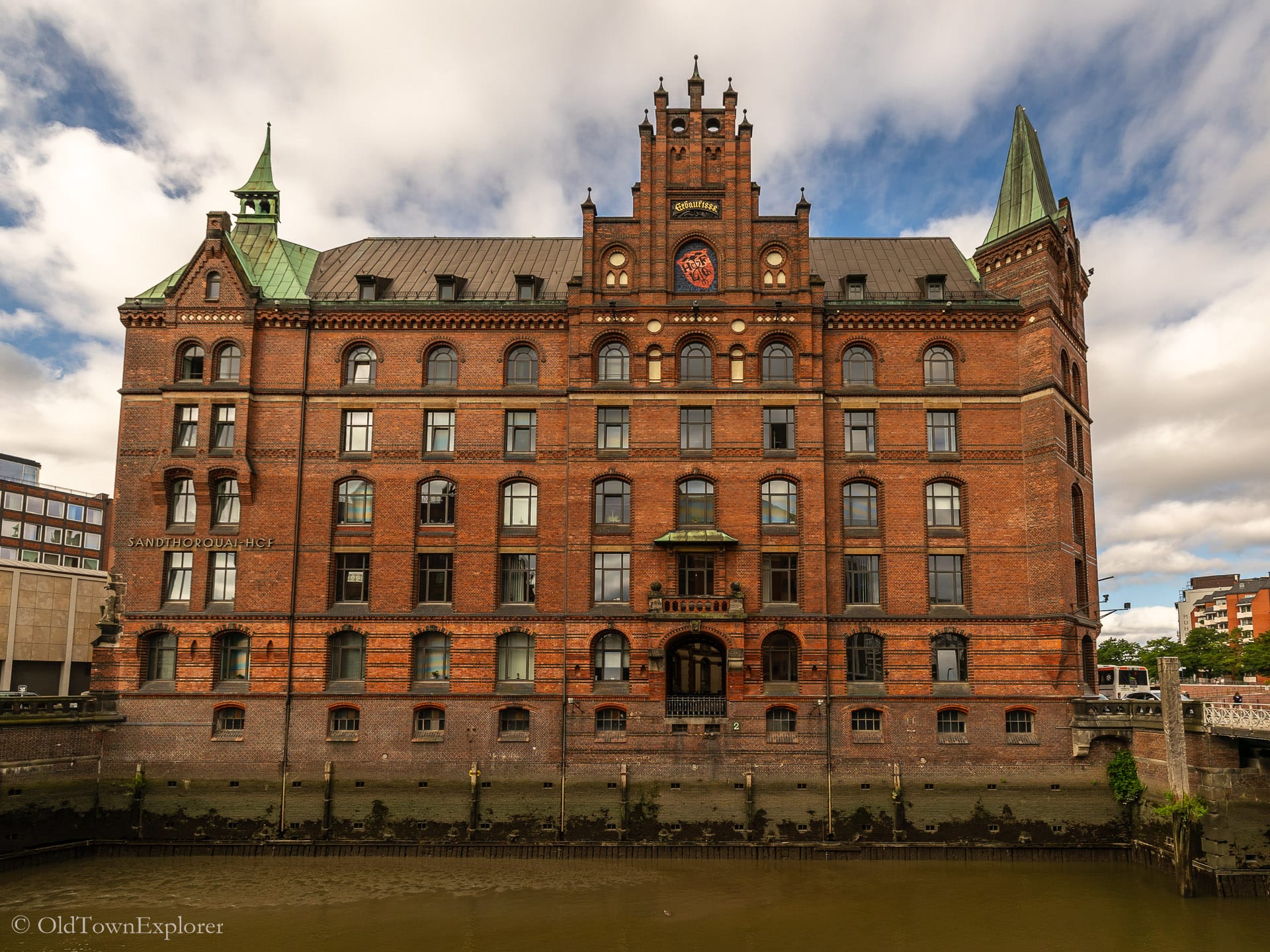
With German unification in 1871, Hamburg entered a new era of industrialization. Its port expanded dramatically, and the Speicherstadt warehouse district was constructed to handle increased trade, especially in coffee, spices, and textiles. Architectural styles such as Brick Gothic and Neo-Renaissance reflected Hamburg’s growing prosperity. By 1900, Hamburg was Germany’s busiest port and a key node in global commerce.
War and Destruction (20th Century)
During World War II, Hamburg suffered extensive damage from Allied bombing raids, particularly Operation Gomorrah in 1943, which left tens of thousands dead and large parts of the city destroyed. Post-war reconstruction prioritized modern infrastructure while preserving surviving landmarks such as St. Peter’s Church and the Town Hall.
Modern Transformation (21st Century)
Since the early 2000s, Hamburg has redefined its waterfront through ambitious projects like HafenCity and the Elbphilharmonie. The city has emphasized sustainable urban design, cultural institutions, and architectural contrast—mixing restored historic buildings with bold contemporary designs. Today, Hamburg remains one of Europe’s most influential port cities and a showcase of architectural resilience and reinvention.
Architecture of Hamburg
Hamburg’s architecture reflects the city’s history as a trade port, Hanseatic stronghold, and modern urban innovator. Its buildings span from medieval churches to expressionist office blocks and award-winning contemporary structures—often standing side by side in the same neighborhood.

Brick Gothic
One of Hamburg’s oldest architectural styles, Brick Gothic emerged during the Hanseatic era. Using locally made red bricks, this style defines many of the city's early churches, including St. Catherine’s and St. Peter’s, which feature pointed arches, tall spires, and buttressed facades typical of North German Gothic.
Baroque
Baroque architecture appears in landmark churches like St. Michael’s, rebuilt in the 18th century with elaborate stucco work, dramatic spatial compositions, and a soaring copper-clad spire. The Baroque style in Hamburg often reflected maritime prosperity and ecclesiastical grandeur.
Neo-Gothic
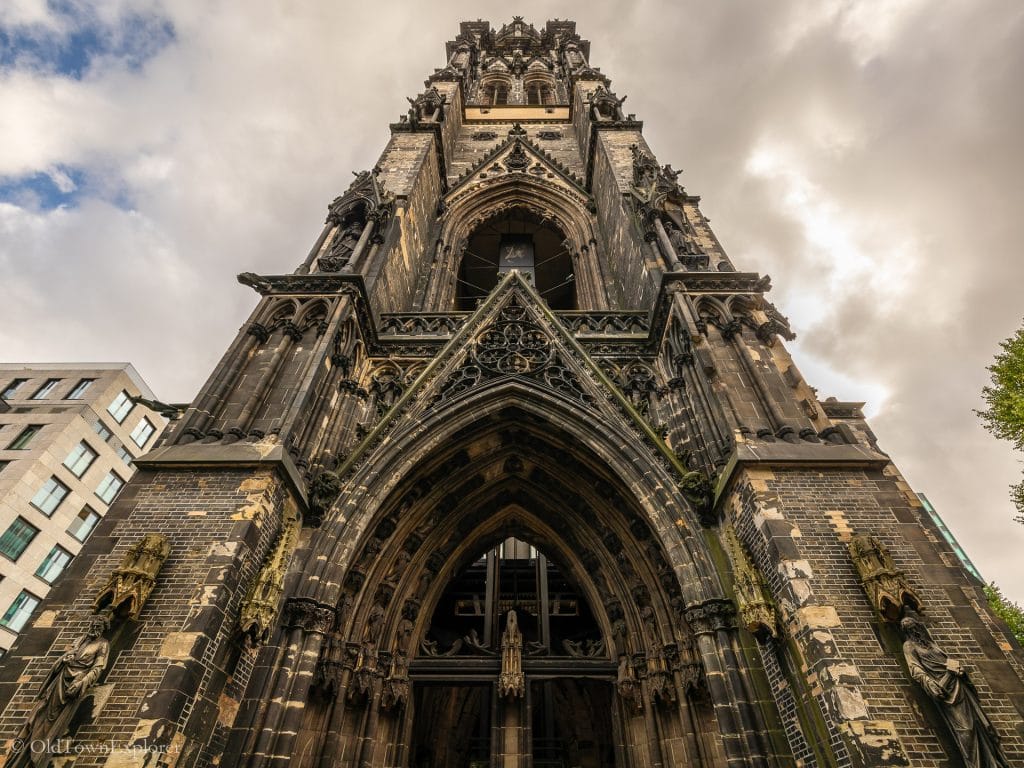
Rebuilding efforts in the 19th century gave rise to Hamburg’s Neo-Gothic phase. The Church of St. Nicholas, once the tallest building in the world, exemplifies this revivalist style with its vertical emphasis and elaborate stone ornamentation.

Renaissance Revival
Hamburg’s Town Hall (Rathaus), completed in 1897, is a prime example of Renaissance Revival architecture. Its richly decorated façade, arched colonnades, and ornate tower reflect the civic pride and independence of the late 19th century.
Brick Expressionism
Developed in the early 20th century, Brick Expressionism fused modernist abstraction with traditional materials. The Chilehaus, completed in 1924, is Hamburg’s most iconic example—featuring angular forms, vertical rhythms, and sculptural brickwork that evoke the shape of a ship.
Industrial Historicism
The Speicherstadt warehouse district combines Neo-Gothic aesthetics with 19th-century industrial engineering. Red-brick facades, gabled roofs, and iron bridges define this area, which was built to store goods like coffee and spices under customs control.
Modern and Contemporary
Post-war reconstruction introduced functionalist and modernist buildings across the city, while more recent decades have embraced architectural experimentation. The Elbphilharmonie, completed in 2016, crowns a former brick warehouse with a wave-shaped glass structure—symbolizing Hamburg’s maritime identity and cultural ambitions.
Architectural Attractions in Hamburg

St. Michael’s Church
Hauptkirche St. Michaelis
Architect: Ernst Georg Sonnin (rebuilt after 1750)
Style: Baroque
Year Built: Originally 1647–1669; rebuilt in 1750 and again in 1906 after fire and lightning
Address: Englische Planke 1, 20459 Hamburg
One of Hamburg’s most iconic landmarks, “Michel” features a copper-clad spire and a richly ornamented Baroque interior. Its tower offers panoramic views of the harbor and city skyline.

St. Peter’s Church
Hauptkirche St. Petri
Architect: Unknown
Style: Gothic Revival
Year Built: Original 12th century; current structure dates from 1878 after fire
Address: Mönckebergstraße 19, 20095 Hamburg
The oldest parish church in Hamburg, St. Petri boasts a tall copper spire, medieval bronze door handles, and remnants of its Gothic heritage amid a rebuilt 19th-century structure.
St. Catherine’s Church
Hauptkirche St. Katharinen
Architect: Unknown
Style: Brick Gothic
Year Built: 13th century; reconstructed in the 1950s
Address: Katharinenkirchhof 1, 20457 Hamburg
This medieval church, once a maritime landmark, stands near the Speicherstadt. Its spire was long used by sailors as a navigational aid.

St. James’s Church
Hauptkirche St. Jacobi
Architect: Unknown
Style: Gothic with Baroque elements
Year Built: Late 13th century; rebuilt 1826 and after WWII
Address: Jakobikirchhof 22, 20095 Hamburg
Home to the famous Arp Schnitger organ, this church blends Gothic architecture with Baroque musical history. Its wooden interior was lovingly restored after WWII damage.
St. Nicholas Church
Nikolaikirche
Architect: George Gilbert Scott (tower)
Style: Neo-Gothic
Year Built: Tower completed in 1874; bombed in WWII
Address: Willy-Brandt-Straße 60, 20457 Hamburg
Once the tallest building in the world, St. Nicholas’s ruined spire is now a poignant WWII memorial. An elevator brings visitors to a viewing platform overlooking the city.
Elbe Philharmonic Hall
Elbphilharmonie
Architect: Herzog & de Meuron
Style: Contemporary
Year Built: Completed 2016
Address: Platz der Deutschen Einheit 1, 20457 Hamburg
A modern icon, the Elbphilharmonie rises above the Elbe on the site of a historic warehouse. Its undulating glass façade and world-class acoustics have redefined Hamburg’s skyline and cultural scene.

Speicherstadt
Architect: Franz Andreas Meyer
Style: Neo-Gothic industrial
Year Built: 1883–1927
Address: Speicherstadt, 20457 Hamburg
A UNESCO World Heritage Site, this vast warehouse district features red-brick Gothic revival architecture lining narrow canals. Today, it houses museums, shops, and cafes.
Chilehaus
Architect: Fritz Höger
Style: Brick Expressionism
Year Built: 1922–1924
Address: Fischertwiete 2, 20095 Hamburg
Famed for its sharp angles and ship-like form, Chilehaus is a masterpiece of the 1920s Brick Expressionist movement, symbolizing Hamburg’s economic ambitions during the Weimar era.
Hamburg Town Hall
Rathaus
Architect: Martin Haller and team
Style: Neo-Renaissance
Year Built: Completed 1897
Address: Rathausmarkt 1, 20095 Hamburg
This grand civic building features a richly decorated façade, 647 rooms, and a towering clock tower. It stands as a symbol of Hamburg’s independence and civic pride.
Alter Elbtunnel
Architect: Otto Stockhausen
Style: Early 20th-century engineering
Year Built: 1911
Address: Bei den Sankt Pauli-Landungsbrücken, 20359 Hamburg
This pedestrian and vehicle tunnel runs beneath the Elbe, connecting St. Pauli with the port. Ceramic-tiled tunnels and original elevators are still in use.
Alster Arcade
Alsterarkaden
Architect: Alexis de Chateauneuf
Style: Venetian-influenced arcade
Year Built: 1843–1846
Address: Jungfernstieg 54, 20354 Hamburg
This elegant arcade, with white arches along the Alsterfleet canal, was inspired by Venetian architecture. Today, it hosts upscale cafes and boutiques.
International Maritime Museum Hamburg
Architect: Originally by Wilhelm Emil Meerwein and Bernhard Georg Hanssen (as Kaispeicher B)
Style: Neo-Gothic industrial
Year Built: 1878–1879; adapted as museum in 2008
Address: Koreastraße 1, 20457 Hamburg
Housed in the oldest surviving warehouse in the Speicherstadt area, the International Maritime Museum occupies the former Kaispeicher B. This monumental red-brick structure features pointed arches, gabled facades, and vertical window arrangements typical of 19th-century Neo-Gothic industrial design. Renovated to accommodate museum exhibits in 2008, it now spans ten floors dedicated to naval history, ship models, and seafaring artifacts—blending historic architecture with a modern cultural function.
Hamburg Walking Tour
Hamburg is easily walkable. If you have limited time, we suggest visiting the recommended sites in the following order:
- St. Peter’s Church
- Hamburg Town Hall
- Alster Arcade
- St. Michael’s Church
- Alter Elbtunnel
- Elbe Philharmonic Hall
- International Maritime Museum Hamburg
- Speicherstadt
- St. Catherine’s Church
- St. Nicholas Church
- Chilehaus
- St. James’s Church
Below is a map of this walking tour that starts and ends at the Hamburg Central Station (Hamburg Hauptbahnhof).
How to Get to Hamburg from Lübeck
Hamburg is easily accessible from Lübeck by both train and car:
By Train
Regional trains operated by Deutsche Bahn connect Lübeck Hauptbahnhof (main station) with Hamburg Hauptbahnhof in just under 45 minutes. Trains run frequently throughout the day, and tickets can be purchased online or at the station. Look for RE8 or RE80 services.
By Bus
FlixBus and other intercity buses run multiple daily services between Lübeck and Hamburg, typically taking 1.5 to 2 hours depending on stops and traffic.
By Car
The drive from Lübeck to Hamburg takes about one hour via the A1 autobahn. Expect moderate traffic near Hamburg during peak hours.
Tips for Visiting Hamburg
Start Early for Major Sights
Popular attractions like the Elbphilharmonie and Speicherstadt fill up quickly, especially in peak season. Book tickets and time slots in advance when possible.
Use a Hamburg Card
This city pass provides unlimited travel on public transportation and discounts to museums and attractions.
Walk or Take the Ferry
Hamburg is a city of waterways. Consider a short public ferry ride for scenic views of the harbor—it’s part of the local transit system.
Visit on a Sunday for the Fish Market
The Hamburg Fish Market (Fischmarkt) near St. Pauli is a local tradition, open early Sunday mornings with live music, food, and quirky vendors.
Weather Can Change Quickly
Pack layers and be ready for sudden rain—even in summer.
FAQs About Hamburg, Germany
Is Hamburg worth visiting for architecture?
Yes. Hamburg offers a wide architectural range, from Gothic churches and Renaissance revival public buildings to modern icons like the Elbphilharmonie and UNESCO-listed warehouse complexes.
What’s the best time to visit Hamburg?
Late spring (May–June) and early autumn (September) offer the best weather and fewer crowds. Winters can be damp, but the city’s Christmas markets and indoor attractions remain popular.
Is English widely spoken in Hamburg?
Yes. Most people working in tourism, hospitality, and public transport speak English well.
Can I see everything in one day?
You can visit 2–3 major sites in one day (e.g., Speicherstadt, Elbphilharmonie, and St. Michael’s Church), but a full weekend allows for a more relaxed and complete experience.
Is Hamburg walkable?
Yes. Many central landmarks are within walking distance of each other. The city also has a reliable U-Bahn and S-Bahn network.
