

Explore Life in Dubrovnik: Pros & Cons of Living on Croatia’s Adriatic Coast
Dubrovnik, Croatia is a historic coastal city where medieval walls, terracotta rooftops, and Adriatic sea views define the daily experience. Known for its UNESCO-listed Old Town and cultural landmarks, Dubrovnik attracts digital nomads, retirees, and long-term travelers seeking a scenic yet practical place to live.
However, living in Dubrovnik also comes with challenges. High tourism seasons, cost of living, and infrastructure considerations are important factors to weigh before deciding to relocate.
We spent a month in Dubrovnik, exploring its neighborhoods, markets, and daily rhythms. This guide outlines 18 pros and cons of living in Dubrovnik to help you assess whether this Adriatic city aligns with your lifestyle goals.
This website contains affiliate links that may earn us a small commission at no additional cost to you.
Quick Take: Living in Dubrovnik
This quick take summarizes who tends to do well in Dubrovnik, who tends to struggle, what’s most noticeable day to day, and the main trade-offs to expect.
Best for
People who want a walk-first routine inside or near the Old Town and don’t need to drive daily
Remote workers and retirees who can absorb higher housing costs in exchange for coastal access
Residents who like boating, swimming, and short ferry trips as a weekly routine
Harder for
Anyone who needs lower rent for more space, especially close to the walls
People who dislike peak-season crowding and noise in the Old Town corridor
Travelers who prefer rail travel, since Dubrovnik has no train connection
What stands out
The Old Town is pedestrian-only, so daily life is on foot once you’re inside the walls
Tourism is intense in peak months and concentrates in the Old Town’s main streets and the walls route
Cost pressure is driven most by housing and dining in the most visited zones
Top trade-offs
Walkable historic core, but crowding and pricing rise sharply in peak season
Strong outdoor and water access, but summer heat and humidity affect daily timing
Good airport/ferry options, but no train network for longer overland trips
Pros and Cons of Living in Dubrovnik

PRO: Large PEDESTRIAN-ONLY OLD TOWN
One of the biggest advantages of living in Dubrovnik is the pedestrian-only Old Town. Inside the walls, daily routes are built around walking—between cafés, small shops, services, and the waterfront. The main practical trade-off is logistics: parking, deliveries, and carrying groceries require a plan if you live within or right next to the walls.
CON: Crowds of TOURISTS
A major challenge of living in Dubrovnik is peak-season crowding, especially in the Old Town’s main corridor and along the walls route. At busy times, walking speeds drop, lines become more common, and noise runs later into the evening. Most residents manage this by timing errands earlier in the day, choosing housing a short distance from the highest-traffic streets, and using beaches and cafés outside the most visited areas when the center is at its busiest.
PRO: Interesting HISTORY AND Amazing ARCHITECTURE
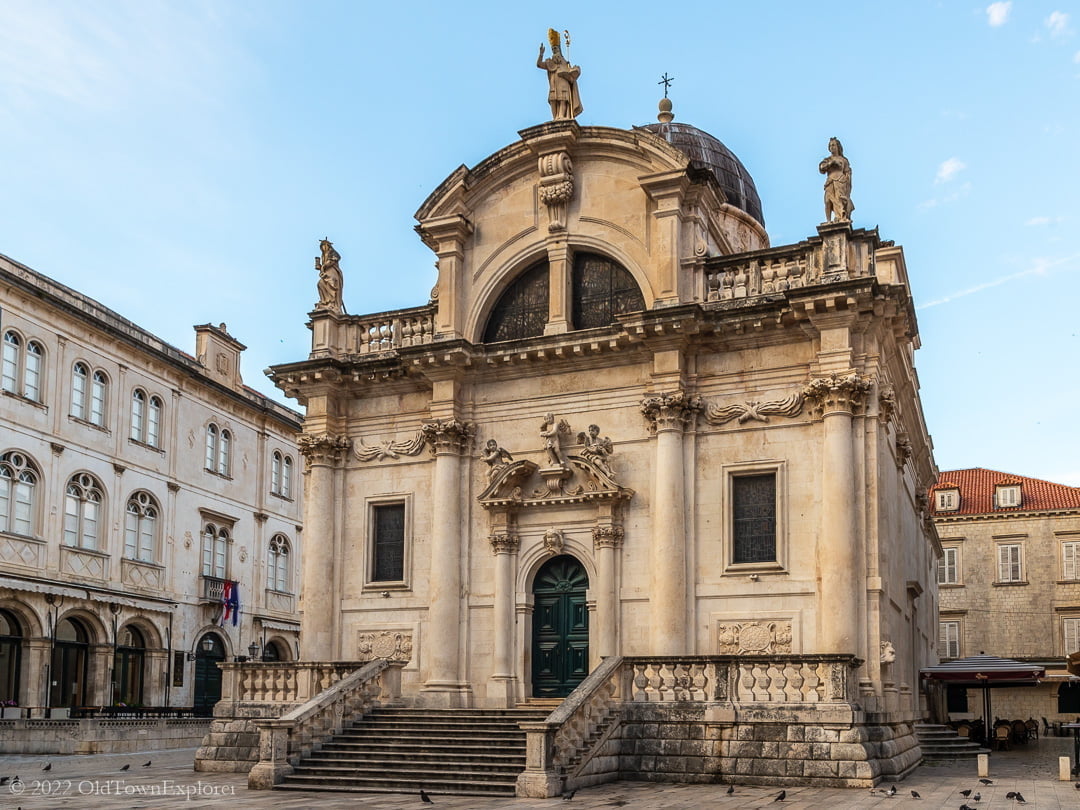
Another pro of living in Dubrovnik is its fascinating history and fantastic architecture. From its well-preserved medieval walls to its stunning Renaissance architecture, every corner of Dubrovnik tells a story of its past. As you stroll through the narrow cobblestone streets, you'll encounter charming churches, elegant palaces, and picturesque squares that transport you back in time. See our Dubrovnik Architecture guide.
But it's not just the city's physical beauty that captivates; it's also the history that enchants and intrigues. Dubrovnik has witnessed centuries of historical events from ancient times to today. The city's walls have stood firm against invasions, its buildings have housed noble families and merchants, and its streets have echoed with tales of trade, diplomacy, and culture.
Living in Dubrovnik allows you to immerse yourself in this history. You can take leisurely walks along the city walls, imagining the battles fought and won within their protective embrace. You can visit museums and galleries that showcase artifacts and artworks that bear witness to Dubrovnik's storied past.

PRO: STUNNING NATURAL BEAUTY
One of the undeniable advantages of living in Dubrovnik is the breathtaking natural beauty surrounding the city. With its crystal-clear turquoise waters, dramatic cliffs, and picturesque islands, the Adriatic Sea offers a stunning backdrop for daily life. Whether enjoying a leisurely walk along the city walls or taking a boat trip to nearby islands, you'll always be treated to panoramic views that will leave you in awe. The coastline's mesmerizing beauty is unparalleled, and it's a constant reminder of why Dubrovnik is often referred to as the "Pearl of the Adriatic."
CON: High COST OF LIVING
One drawback of living in Dubrovnik is the high cost of living, with housing usually the largest variable. Prices tend to be highest close to the Old Town and during peak months, and dining out in the most visited streets can raise weekly spending quickly. Costs are typically easier to manage with a long-term lease, more home cooking, and doing routine shopping outside the Old Town corridor.
PRO: Amazing seafood
Living in Dubrovnik means indulging in some of the best seafood you will ever taste. With its close proximity to the sea, the city offers an abundance of fresh and delicious seafood options. From succulent grilled fish to mouthwatering shellfish dishes, every meal becomes a culinary delight. Imagine dining at waterfront restaurants, enjoying panoramic sea views while savoring platters filled with prawns, mussels, octopus, and more. For what and where to eat, see our Dubrovnik Food guide.
PRO: Excellent local wine
The region of Dalmatia, where Dubrovnik is located, is known for its vineyards and produces some of Croatia's finest wines. From crisp white varieties to full-bodied reds, the local wine scene offers a wide range of options to suit every palate. Imagine strolling through the picturesque vineyards, sipping on a glass of Plavac Mali or Posip, and enjoying the breathtaking views of the surrounding countryside.
Living in Dubrovnik allows you to explore this wine culture, visit local wineries for tastings, and even participate in wine festivals showcasing the best Dalmatian wines. Whether you are a casual wine enthusiast or an avid connoisseur, Dubrovnik offers a wine experience like no other. Indulge in the flavors of the Mediterranean as you raise a glass to the vibrant and nuanced wines that have been perfected over generations. For more on what to drink and where to drink it, see our Dubrovnik Wine guide.

CON: HOT SUMMERS
One downside of living in Dubrovnik is the hot summers that the city experiences. As temperatures soar, reaching 90 degrees Fahrenheit or more, staying cool and comfortable can be challenging. Additionally, the high humidity levels can make it feel even hotter than it actually is. The heat and humidity can make outdoor activities difficult during the peak summer months.
However, there are ways to beat the heat in Dubrovnik. Many apartments and houses are equipped with air conditioning, providing residents with a cool refuge from the sweltering temperatures. The city also offers plenty of shaded areas, such as parks and gardens, where you can escape the sun's rays. Additionally, taking a refreshing dip in the Adriatic Sea is always an option to cool off during the summer months.

PRO: Beaches, Boating, and Other Water Activities
Living in Dubrovnik means having easy access to a wide array of beaches and water activities. The city boasts numerous sandy and pebble beaches, where you can bask in the sun or take a dip in the crystal-clear waters of the Adriatic Sea. Whether you prefer lounging on a beach chair with a good book or engaging in more adventurous water sports like snorkeling, kayaking, or even jet skiing, there is something for everyone's taste.
Additionally, Dubrovnik offers plenty of opportunities for boating excursions, allowing you to explore hidden coves, secluded islands, and charming coastal villages. From lazy beach days to exhilarating water activities, living in Dubrovnik ensures that there is never a dull moment when it comes to enjoying the beauty and excitement of the sea.
CON: NO TRAIN ACCESS TO THE REST OF EUROPE
Dubrovnik has no train station, so longer trips usually rely on driving, buses, ferries, or flights. If you prefer rail travel, you’ll need to start by reaching a city with train service.
Despite the absence of train access, plenty of travel options are still available. Dubrovnik is well-connected by road, making it convenient for those who prefer driving. The highways are well-maintained, and there are options to rent cars, providing flexibility and convenience for travel within Croatia and beyond. The city also has an international airport connecting to various destinations in Europe and beyond. Ferry services operate from Dubrovnik, allowing you to reach nearby islands, coastal cities, and Bari, Italy easily. For buses, FlixBus is available with many routes from Dubrovnik.
PRO: vibrant arts and entertainment scene
Living in Dubrovnik allows you to fully immerse yourself in the city's vibrant arts and entertainment scene. While tourists often attend well-known events and performances, residents can enjoy lesser-known cultural festivals, art exhibitions, and live music performances. Dubrovnik is known for its artistic heritage, and as a resident, you can indulge in the diverse range of cultural experiences the city offers. Whether attending a classical concert at the historic Rector's Palace or exploring contemporary art installations at one of the city's many galleries, there is always something exciting happening in Dubrovnik for art enthusiasts and culture lovers.
PRO: Very friendly LOCALS
One of the significant advantages of living in Dubrovnik is the warm and friendly locals. The people here are known for their hospitality and welcoming nature, making it easy to feel at home in this charming city. Whether you need help navigating the streets or recommendations for the best local restaurants, you can always count on the locals to lend a helping hand. They are more than happy to share their knowledge about the city's history, traditions, and hidden gems, ensuring that your Dubrovnik experience is authentic. Building connections with the locals not only enriches your stay but also gives you a deeper understanding of the local culture and way of life. You'll be able to form genuine friendships and create lasting memories with the people who call Dubrovnik their home.
PRO: MANY LOCALS SPEAK ENGLISH
One of the advantages of living in Dubrovnik is that many locals speak English. This makes communicating and integrating into the local community easier for expats and travelers. Whether you're seeking directions, ordering food at a restaurant, or simply conversing with a local, you can expect many people to be fluent in English. This language accessibility creates a welcoming environment for foreigners and ensures you can navigate daily life without significant language barriers. So, if you're considering moving to Dubrovnik, rest assured that communication will not be an issue in this cosmopolitan city.
PRO: Mild WINTERS
Another advantage of living in Dubrovnik is its mild winters, making it an ideal destination for those seeking a temperate climate. Unlike many other European cities where harsh winters are the norm, Dubrovnik experiences relatively mild temperatures during winter. The average temperature rarely drops below 50 degrees Fahrenheit, ensuring you won't have to bundle up in layers of heavy clothing or deal with freezing conditions.
Con: Only One Small grocery store in Old Town
If you live inside Dubrovnik’s Old Town, grocery shopping can take more planning because options are limited within the walls. Many residents do small top-up shops inside the Old Town and schedule regular trips to larger supermarkets outside the walls using the bus system, a taxi, or delivery. If you cook often, housing location matters: being near a bus stop or within an easy walk to stores outside the walls reduces friction.
Pro: Extensive Bus System
One of the many advantages of living in Dubrovnik is its extensive local bus system. The city boasts a well-connected network of buses that can take you to various destinations within and outside the city limits. Whether you need to commute to work, visit tourist attractions, or simply explore different neighborhoods, the local bus system offers a convenient and cost-effective mode of transportation. With numerous bus stops throughout the city, you will have no trouble finding a stop near your residence or desired destination. For current routes and times, use the Libertas city timetable.
PRO: Numerous Ferries and Catamarans during the High Season
One of the advantages of living in Dubrovnik is the availability of ferry services during the high summer season. Whether you're looking to visit the picturesque Elafiti Islands, such as Lopud or Sipan, or venture further to places like Mljet National Park or Korcula Island, there are options available to suit your preferences.
In addition to the ferry services, catamarans are available for those who prefer a faster mode of transportation. These sleek vessels whisk you away to your desired destination in no time, ensuring you make the most of your time exploring the islands or other coastal areas of Dubrovnik. With their speed and efficiency, catamarans are perfect for day trips or weekend getaways when time is limited. For sailings and tickets, check the Jadrolinija schedule.
CON: NO DIRECT FLIGHTS TO THE UNITED STATES
One potential drawback of living in Dubrovnik is that there are no direct flights to the United States. This can make traveling to and from America more time-consuming and potentially more expensive. If you need to visit or have family and friends in the United States, you'll likely have to transfer at another airport before reaching your final destination. This can add extra travel time and may require multiple layovers.
However, despite the lack of direct flights, Dubrovnik does have good connections to many major European cities. This means you can easily explore other parts of Europe or use alternative routes to reach the United States. While it may require some additional planning and layovers, the convenience of having accessible connections to major European cities can still make travel relatively easy.
Discover Dubrovnik Before Moving
If you're still on the fence after reading about the pros and cons, check out "Is Dubrovnik Worth Visiting." We review a list of factors you should consider before visiting Dubrovnik for a short or long stay.
Also, anyone considering a move to Dubrovnik would be well-advised to visit before relocating. If you plan a short trip to Dubrovnik, we recommend staying in the Old Town. The castle marker on the map below is in the Old Town and is the heart of the most beautiful area of Dubrovnik.
The below interactive map of hotels and short-stay apartments can be filtered to meet your needs. Select your travel dates to get specific availability and prices.
Tips for Living in Dubrovnik
LEARN the local language
One important tip for living in Dubrovnik is to learn the local language. While many locals speak English, knowing some basic Croatian will significantly enhance your experience and help you navigate daily life more easily. It will make communication with locals smoother and show respect for the local culture and make you feel more integrated into the community.
There are plenty of language schools and resources available in Dubrovnik where you can enroll in Croatian classes or find language exchange programs with native speakers. Additionally, immersing yourself in the local culture by participating in community events or joining social clubs can help you practice and improve your language skills.

GETTING AROUND the city
Another important aspect of living in Dubrovnik is navigating the city's transportation system. The Old Town, with its narrow streets and historical buildings, is best explored on foot. Walking not only allows you to appreciate the city's charm but also saves you from potential traffic congestion.
However, public transportation is readily available for longer distances or when you need to reach suburban areas. Dubrovnik has a well-connected bus network that covers the entire city and its surroundings. Buses are affordable and reliable, making them a popular choice among residents. It's essential to familiarize yourself with the bus routes and schedules, which can be easily obtained from the local transportation authority or online.
If you prefer a more independent mode of transportation, renting a bicycle or scooter is also a convenient option in Dubrovnik. The city has dedicated bike lanes and parking areas, making it cyclist-friendly. Just make sure to follow traffic rules and regulations for your safety.
EXPLORE the local cuisine
Living in Dubrovnik means indulging in the delicious local cuisine. From fresh seafood to traditional Croatian dishes, there is something for everyone's taste buds. The city is renowned for its seafood, as it is located right on the Adriatic coast. You can savor delicacies like grilled octopus, black risotto with squid ink, or Dalmatian-style fish stew. For meat lovers, dishes like Peka, a slow-cooked lamb or veal cooked under a bell-shaped lid with vegetables and herbs, are not to be missed.
In addition to traditional cuisine, Dubrovnik also offers a variety of international restaurants catering to different palates. Whether you crave Italian pizza, Asian fusion, or Mediterranean flavors, you can find it all in Dubrovnik. The city has embraced its role as a popular tourist destination and adapted to accommodate its visitors' diverse tastes. So, whether you're a fan of traditional Croatian cuisine or looking for something more international, there is no shortage of options to satisfy your cravings.
MAKE CONNECTIONS
Living in Dubrovnik allows you to connect with locals and expats from all over the world. The city has a vibrant community that welcomes newcomers with open arms. You can join various social groups, clubs, or organizations to meet like-minded individuals who share your interests.
Significantly, you should consider joining a Facebook group specifically for expats living in Dubrovnik. This will allow you to connect with individuals who share similar experiences, whether they currently reside in Croatia or have done so in the past. By joining such a group, you can establish a support network and gain valuable insights to help you navigate everyday life in the city.
Another great way to connect with locals is through language exchange programs. Many Croatians are eager to practice their English or other foreign languages, giving you the chance to improve your language skills while forming meaningful relationships.
FAQS About Living in Dubrovnik

Is Dubrovnik a good place to live?
Dubrovnik is often considered a great place to live due to its stunning natural beauty, interesting history, and vibrant culture. The city offers a high quality of life with its clean streets, low crime rates, and excellent healthcare facilities. Additionally, Dubrovnik's mild Mediterranean climate makes it an attractive location for those who enjoy warm summers and mild winters. The city also has a strong tourism industry, which provides employment opportunities in hospitality and related sectors. However, it is important to consider factors such as the cost of living, availability of housing, and job market before deciding to move to Dubrovnik. It may be helpful to visit the city or speak with locals or expats who have experience living there to get a better understanding of what it would be like to call Dubrovnik home.
Is it expensive to live in Dubrovnik?
Living in Dubrovnik can be pretty expensive compared to other cities in Croatia. The city is a popular tourist destination, which can drive up the cost of living. Housing prices, especially in the historic Old Town, tend to be high. Additionally, dining out and entertainment options can be pricey, particularly in tourist areas. However, it's worth noting that more affordable options are available outside of the city center. Overall, the cost of living in Dubrovnik will depend on your lifestyle choices and housing preferences. It's recommended to research and budget accordingly before deciding about living in Dubrovnik.
Do people speak English in Dubrovnik?
Yes, many people in Dubrovnik do speak English. English is widely spoken in tourist areas and by those in the tourism industry. However, it is always helpful to learn a few basic phrases in the local language, such as "hello," "thank you," and "goodbye," as a sign of respect for the local culture.
How long can an American live in Croatia?
There are different rules and regulations regarding how long an American can live in Croatia, depending on the purpose of their stay. For short-term visits, Americans can typically stay in Croatia for up to 90 days within a 180-day period without a visa. If you plan to stay longer or for other purposes, such as work or study, you may need to obtain the appropriate visa or permit. Checking with the Croatian embassy or consulate for the most up-to-date information and requirements based on your specific circumstances is recommended. Start with Croatia stay rules.
