
Explore Life in Vienna: Pros & Cons of Living in Austria’s Imperial Capital
Vienna is a large capital with a walkable core, strong public transport, and neighborhoods that feel very different depending on where you live. Most day-to-day trade-offs come down to housing costs by district, winter weather, and whether you plan to rely on transit instead of a car.
We spent a month in Vienna and got a feel for what’s easy day to day and what takes planning. Below are the pros and cons of living in Vienna, with a focus on housing, getting around, cultural access, and seasonal routines.
This website contains affiliate links that may earn us a small commission at no additional cost to you.
Quick Take: Living in Vienna
This quick take summarizes who tends to do well in Vienna, who tends to struggle, what’s most noticeable day to day, and the main trade-offs to expect.
Best for
People who want a city where daily errands can be done by U-Bahn, tram, and walking
Anyone who uses museums, concerts, and exhibitions regularly
Families who prioritize parks, safety, and predictable city services
Harder for
People who want beach access and a sea-side routine
Anyone who struggles with long, gray winter stretches
People who want fast, casual social integration (it can take time)
What stands out
Public transport coverage makes living without a car realistic in many districts
The city is built around big cultural institutions and a packed events calendar
Neighborhood choice matters for rent, noise, and daily commute time
Top trade-offs
Strong infrastructure and transport vs. higher rents in the most central districts
High cultural access vs. crowds at major sights in peak periods
Comfortable daily routine vs. winter weather that keeps you indoors more
Pros and Cons of Living in Vienna
Pro: Cultural Depth and World-Class Museums
Vienna has a large museum network, with more than 100 museums across art, history, design, and music. Big-name stops like the Kunsthistorisches Museum, the Albertina, and the Leopold Museum are part of normal city life if you live here, not just “special trip” destinations.
For residents, the practical benefit is consistency: exhibitions rotate, concerts and events run year-round, and you can build a routine around culture without needing weekend travel.
Pro: Major European Rail Hub
Vienna is one of the best-positioned cities in Central Europe for regional train travel. Direct, frequent, and affordable rail links connect it to Bratislava (just over an hour), Budapest (2.5 hours), and Prague (under 4 hours). These efficient connections make weekend trips and regional exploration simple, with no need for flights or long bus rides. For schedules and route planning, use the ÖBB timetable.
Con: Cold Winters
While not brutally frigid, winters in Vienna are long, gray, and often below freezing. Snowfall is light but frequent, and outdoor life slows down between December and March.

Pro: Monumental Churches and Imperial Palaces
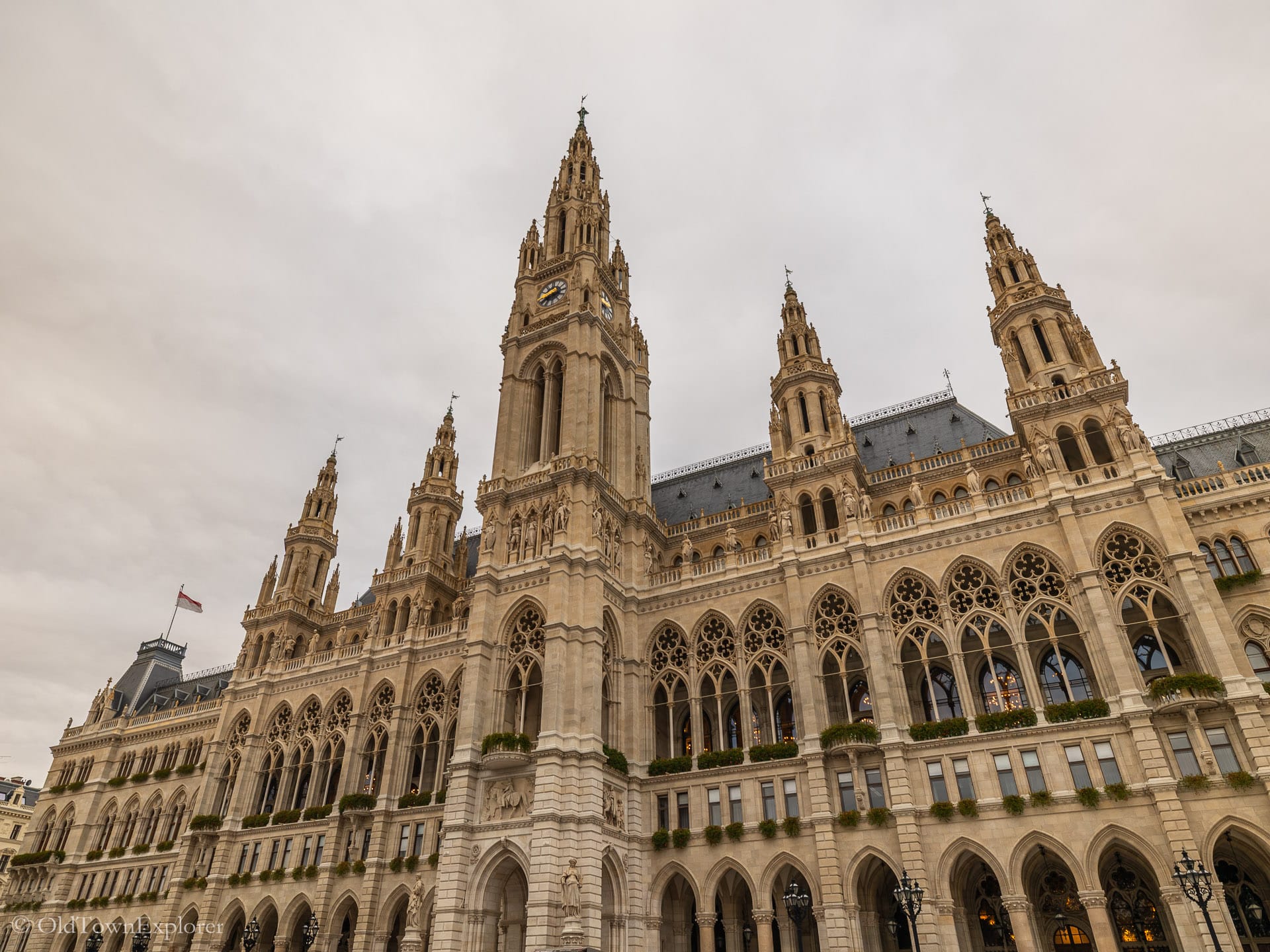
Vienna’s architecture is defined by its religious and royal landmarks. Highlights include the Gothic spires of St. Stephen’s Cathedral, the Baroque Karlskirche, and the ornate Votivkirche. On the imperial side, Schönbrunn Palace, the Hofburg complex, and the Belvedere reflect centuries of Habsburg wealth and political power—many open for tours, concerts, and seasonal events. For a longer list of landmarks and what to prioritize, see our Vienna Architecture guide.
Con: Not a Coastal City
Despite the Danube River, Vienna lacks a waterfront lifestyle. No beaches, surfing, or seaside promenades. Swimming options are limited to lakes and city pools.

Pro: Excellent Wine Culture
Vienna is the only capital city in the world with urban vineyards. Local white wines like Grüner Veltliner and Gemischter Satz are served in cozy wine taverns across the city. For heuriger spots, wine bars, and where to taste, see our Vienna Wine guide.
Pro: Excellent Restaurants and Food Markets
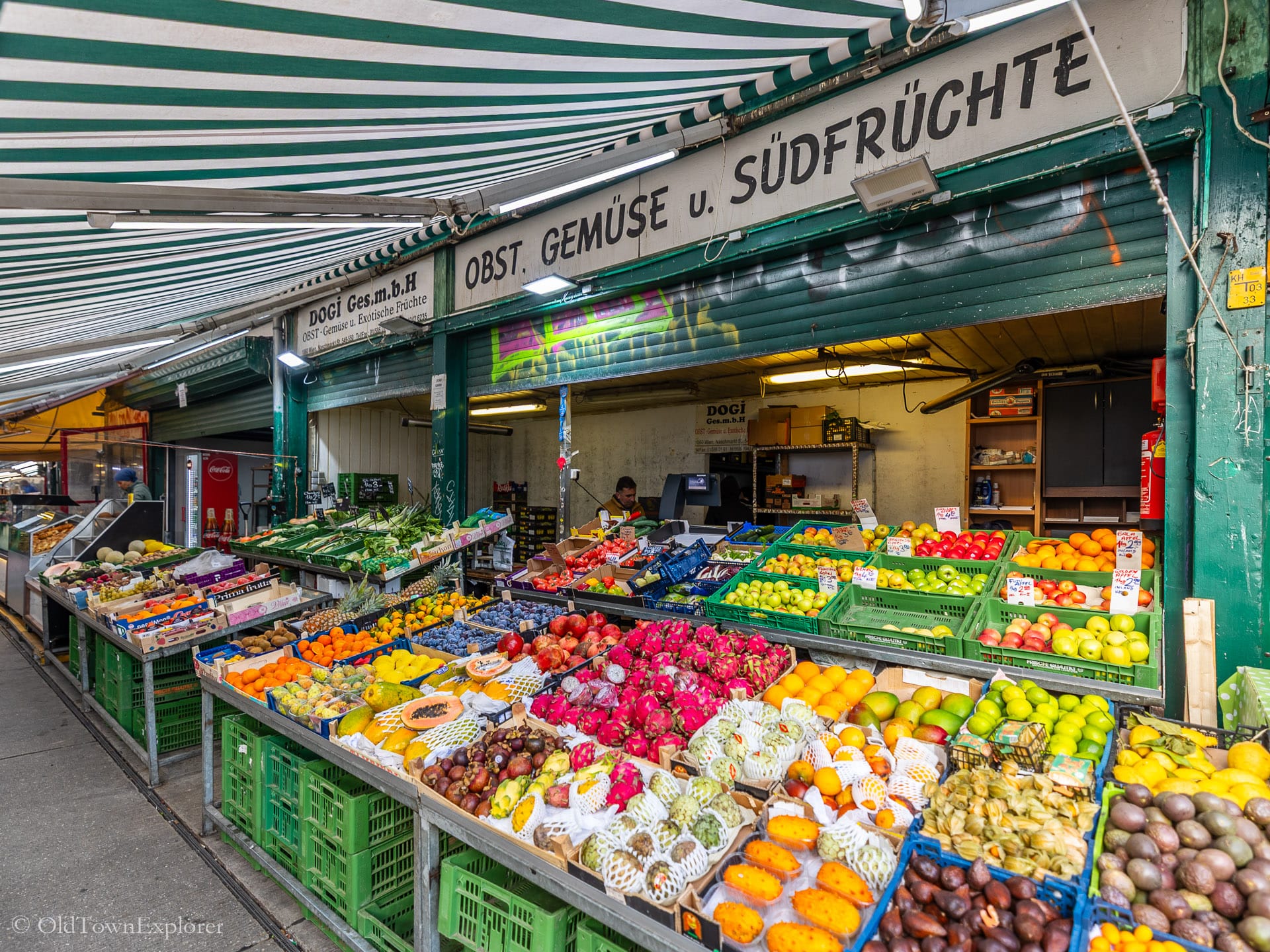
Vienna’s culinary scene includes Michelin-starred restaurants, Heuriger wine taverns, and multicultural street food. Markets like Naschmarkt and Karmelitermarkt offer everything from Turkish spices to Austrian cheeses. For dishes, markets, and neighborhood picks, see our Vienna Food guide.
Pro: Large Pedestrian Zones
Central Vienna has large car-light and pedestrian-heavy areas around places like Stephansplatz, Kärntner Straße, and MuseumsQuartier. If you live nearby, walking becomes the default for small errands, meeting friends, and short trips across the inner districts.
The trade-off is crowds in the most visited blocks, especially on weekends and during peak travel months.
Pro: Easy Day Trips
From Wachau’s vineyards to the Vienna Woods and Bratislava, Vienna is surrounded by scenic and historic destinations reachable by public transport in under two hours.
Con: Group Tourism Is Common
As one of Europe’s most visited cities, Vienna frequently hosts large tour groups. While less crowded than Paris or Rome, major sites like Schönbrunn Palace and St. Stephen’s Cathedral can still feel overrun during peak hours.
Pro: Clean Streets
Vienna consistently ranks among the cleanest cities in Europe. Street cleaning is regular, trash is minimal, and public hygiene is a clear priority.
Pro: Diverse Specialty Foods and Spirits
From schnapps to marillenknödel, Vienna excels in regional specialties. You’ll also find a wide range of international ingredients and fusion cuisine.
Pro: Excellent Public Transport System
Vienna’s public transport system (U-Bahn, trams, buses, and S-Bahn) covers most daily routes well enough that many people don’t need a car. The annual pass is also priced to encourage regular use. The main day-to-day advantage is simple: commuting, errands, and cross-city trips are usually predictable, even if you live outside the center. If you plan to use transit daily, the Wiener Linien annual pass is the main local subscription option.
Con: No Natural Beaches
Vienna has no beaches. Recreational spots like the Alte Donau or Gänsehäufel are fun but don’t offer a true beach environment.
Con: No Rocky Swim Spots
You won’t find cliffside swimming or Mediterranean-style rocky coves in Vienna. Most summer water activities are artificial or pool-based.
Pro: Good for Kids and Dogs
Vienna ranks among the safest cities in Europe. Parks, playgrounds, family-friendly museums, and dog-friendly cafes are everywhere. Pet travel is even permitted on public transport.
Pro: Direct Flights to the U.S.
Vienna International Airport (VIE) offers direct flights to cities like New York, Chicago, and Washington D.C., making it convenient for frequent transatlantic travelers.
Pro: Extensive Green Spaces
Beyond the Vienna Woods and Danube Island, the city itself is filled with well-maintained parks, courtyards, and garden cafés. The Prater alone offers 6 million square meters of green space.
Pro: Low Violent Crime Rate
Petty theft exists, but Vienna ranks as one of Europe’s safest major cities in terms of violent crime, making it suitable for families and solo travelers.
Con: Reserved Social Culture
While polite and civil, Viennese locals can come across as distant or formal—especially to newcomers from more openly expressive cultures. Making local friends can take time.
Discover Vienna Before Moving
If you’re still on the fence after reading about the pros and cons, check out “Is Vienna Worth Visiting.” We review a list of factors you should consider before visiting Vienna for a short or long stay.
Also, anyone considering a move to Vienna would be well-advised to visit before relocating. If you plan a short trip to Vienna, we recommend staying within or near Innere Stadt (Old Town) allows easy access to major attractions, public transit, and local restaurants. The central area around Stephansplatz is especially convenient for first-time visitors.
Here’s a map with hotel and short-stay apartment options that can be filtered to meet your needs. Select your travel dates to get specific availability and prices.
Tips for Living in Vienna
Living in Vienna comes with its own unique advantages and challenges. Here are some tips to make the most of your experience:
Expect Quiet Sundays
Most supermarkets, shops, and services close on Sundays due to legal regulations. Plan your grocery shopping and errands in advance, or locate nearby Billa or Spar shops at major train stations, which may stay open.
Learn Some Basic German
While English is widely spoken, especially in central areas, German is still necessary for bureaucracy, healthcare, and neighborhood life. For address registration (Meldezettel) and other basics, start with city registration info. Knowing basic phrases will improve your experience and help with integration.
Carry Cash for Small Purchases
Austria is not fully cashless. Many cafés, bakeries, and traditional markets still prefer or only accept cash (Bargeld), especially for small transactions.
Use Recycling and Waste Separation Correctly
Vienna has a detailed waste separation system. Learn to use the bins for paper, plastic, glass, and organic waste properly—it's taken seriously by locals and landlords alike.
Take Advantage of Free and Low-Cost Culture
Many museums have free admission on the first Sunday of each month. Summer brings open-air film nights and concerts, and there are discounted standing tickets at the Vienna State Opera for as little as €10.
FAQS About Living in Vienna
Is Vienna a good place to live for expats or digital nomads?
Yes. Vienna offers exceptional public services, cultural access, and safety. While the social culture can be reserved, the infrastructure, healthcare, and public transit are among Europe’s best—making it ideal for long-term stays.
Do I need to speak German to live in Vienna?
Not necessarily, but it helps. English is widely spoken in tourism, hospitality, and many workplaces, but German is needed for bureaucracy, medical appointments, and deeper integration into local life.
How affordable is Vienna compared to other European capitals?
Vienna is more affordable than cities like London or Paris but more expensive than Eastern European capitals. Public transport is cheap, groceries are moderately priced, but rent in the city center can be high.
Is Vienna safe?
Yes. Vienna has one of the lowest violent crime rates among European capitals. Petty theft can occur in tourist areas, but most residents feel safe walking alone at night.
What is healthcare like in Vienna?
Healthcare in Vienna is high-quality and accessible. Legal residents are usually covered by Austria’s public system (ÖGK). Private insurance is also available, offering faster access to specialists and private clinics.
Can I find international food and products in Vienna?
Yes. International grocery stores, Turkish and Asian markets, and specialty food sections in supermarkets are common. You’ll also find global cuisines in restaurants and takeaways across the city.
