
Rioja Wine
Explore Rioja Wine Region: Grape Varieties & Wine Varietals
Rioja, in northern Spain, is one of the country’s most celebrated wine regions and the first to receive Denominación de Origen Calificada (DOCa) status. Centered along the Ebro River, Rioja is divided into three sub-regions — Rioja Alta, Rioja Alavesa, and Rioja Oriental — each producing wines with distinct character.
Tempranillo is the cornerstone grape, supported by Garnacha, Graciano, and Mazuelo, while Viura leads the whites. Rioja is best known for its oak-aged reds, classified as Crianza, Reserva, and Gran Reserva, which showcase both tradition and modern innovation.
For a broader overview of Spanish wine regions, grapes, and aging terms, start with Spain Wine before comparing Rioja with other regions.
Wine Regions in Rioja
Rioja is divided into three sub-regions, each with its own geography, climate, and style. Together they form a diverse landscape along the Ebro River, stretching across La Rioja, Álava (Basque Country), and Navarra.
Rioja Alta
Located in the western part of the region, around Haro and Logroño. Rioja Alta has a cooler climate and higher elevations, producing wines with balance, freshness, and good aging potential.
Rioja Alavesa
Situated in the Basque Country, north of the Ebro River. The vineyards here are at higher altitudes and benefit from limestone-rich soils. Rioja Alavesa is known for elegant, aromatic wines with lively acidity and finesse.
For nearby txakoli regions and the broader Basque wine context, see Basque Country Wine.
Rioja Oriental (formerly Rioja Baja)
The easternmost sub-region, with a warmer, drier climate influenced by the Mediterranean. Rioja Oriental wines are typically fuller-bodied and fruitier, often dominated by Garnacha.
Grape Varieties in Rioja
Rioja is best known for its red blends, led by Tempranillo, but it also produces expressive whites and rosés. The DOCa regulations allow several grape varieties, though only a few dominate production.
For the regulated list of permitted red and white grapes, see the official DOCa Rioja grape varieties.
Black Grapes
Tempranillo
The cornerstone of Rioja wine. Produces structured, age-worthy reds with flavors of red fruit, tobacco, and spice. Particularly important in Rioja Alta and Rioja Alavesa.
Garnacha (Grenache)
Adds body, ripeness, and warmth, especially in Rioja Oriental. Used both in blends and in rosés.
Graciano
A traditional supporting grape, valued for its acidity and aromatic intensity. Often blended with Tempranillo in Reservas and Gran Reservas.
Mazuelo (Carignan)
Adds color, tannin, and structure. Usually used in small amounts to support Tempranillo blends.
Maturana Tinta
A minority variety, recently revived. Adds complexity and is used in modern blends.
White Grapes
Viura (Macabeo)
The main white grape of Rioja. Produces fresh, citrusy wines when young and can develop nutty, honeyed notes with oak aging.
Malvasía Riojana
Contributes body and aromatic richness to blends, often used in traditional oak-aged whites.
Garnacha Blanca
Adds fruit and weight, grown mainly in Rioja Oriental.
Tempranillo Blanco
A natural mutation of Tempranillo discovered in Rioja in 1988. Produces aromatic wines with floral and tropical notes.
Maturana Blanca & Turruntés
Lesser-known varieties permitted under DOCa rules, often used in small quantities for blending.
Wines of Andalusia
Rioja produces a wide range of wines, but it is best known for its oak-aged reds that balance fruit, spice, and structure. Whites and rosés are also part of the DOCa tradition, offering refreshing alternatives.
Red Wines
Crianza
Aged at least 2 years, with 1 year in oak. Fruity and approachable, with a balance of fresh red fruit and subtle oak.
For official aging requirements across Rioja labels, see the official DOCa Rioja classification.
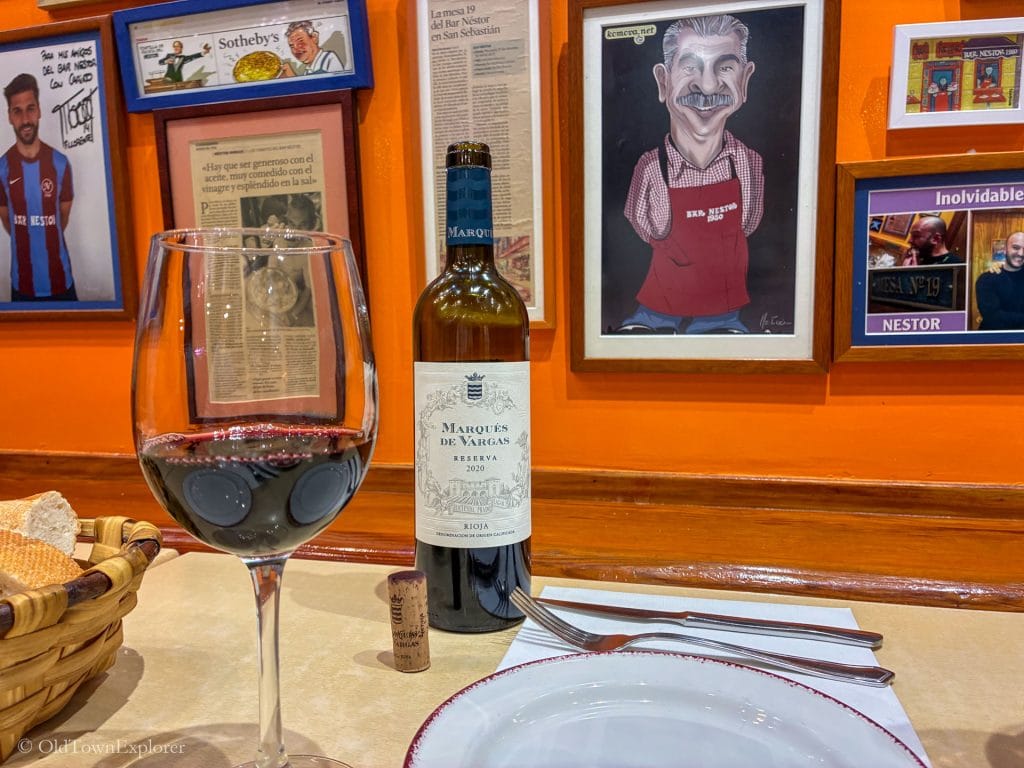
Reserva
Aged at least 3 years, with 1 year in oak. More complex, with flavors of dried fruit, spice, and leather.
Gran Reserva
Aged at least 5 years, with 2 years in oak and 3 in bottle. Structured and elegant, capable of long aging, with tertiary notes of tobacco, cedar, and balsamic.
Young/Joven Wines
Released without extended oak aging. Fresh, fruit-forward, and easy-drinking.
White Wines
Viura-based whites
Crisp and citrus-driven when young, with the potential to develop nutty, honeyed complexity when barrel-aged.
Blends with Malvasía and Garnacha Blanca
Fuller-bodied whites with floral and herbal character.
Tempranillo Blanco whites
Aromatic and modern, offering tropical fruit and floral notes.
Rosé Wines
Garnacha Rosés
Dry and vibrant, with red berry fruit and refreshing acidity. Popular in Rioja Oriental.
Tempranillo Rosés
Slightly fuller in body, with savory undertones alongside fresh fruit flavors.
FAQs About the Rioja Wine
What kind of wine is a Rioja?
Rioja refers to wines made in the Rioja DOCa region of northern Spain. Most Rioja is red wine based on Tempranillo, often blended with Garnacha, Graciano, and Mazuelo. The region also produces whites and rosés, though they are less common.
What are the three regions of Rioja?
Rioja is divided into three sub-regions: Rioja Alta, Rioja Alavesa, and Rioja Oriental. Each has different soils and climates, giving distinctive styles. Rioja Alta produces balanced, age-worthy wines; Rioja Alavesa is known for elegance and acidity; Rioja Oriental tends to make fuller-bodied, fruitier wines.
Is Rioja wine sweet or dry?
The majority of Rioja wines are dry. Most reds are dry blends of Tempranillo and other varieties, while whites are usually crisp and dry as well. The region is not known for producing sweet wines.
Is Rioja similar to Cabernet Sauvignon?
Rioja wines, based on Tempranillo, share some qualities with Cabernet Sauvignon, such as structure, aging potential, and flavors that can develop into cedar, leather, and tobacco with age. However, Rioja reds are typically softer in tannins, more restrained in alcohol, and often show red fruit character rather than the darker blackcurrant flavors associated with Cabernet Sauvignon.
Can you visit Rioja wineries?
Yes. Rioja is one of Spain’s most visitor-friendly wine regions, with wineries ranging from historic bodegas with underground cellars to modern architectural landmarks like Marqués de Riscal. Many offer tours, tastings, and food pairings, though reservations are often recommended.
For current winery-visit context and regional wine tourism information, use the official DOCa Rioja wine tourism information.
What food pairs best with Rioja?
Crianza and Reserva reds pair with lamb, roasted meats, stews, and tapas.
Gran Reserva reds complement game dishes, aged cheeses, and hearty casseroles.
White Rioja (Viura-based) is excellent with seafood, paella, and fresh salads.
Rosado Rioja works with charcuterie, grilled vegetables, and lighter meals.
When is the best time to visit Rioja?
The best times are spring (April–June) and autumn (September–October), when the weather is mild and the vineyards are active. The grape harvest in September brings lively activity, though some wineries may be busier. Summer offers festivals and long days, while winter provides a quieter, more intimate cellar experience.
Andalusia wine is easiest to understand once you connect the region to its core grapes and place names: Palomino for the dry fortified styles of Jerez and Manzanilla, Pedro Ximénez for deeply sweet wines in Montilla-Moriles and beyond, and Moscatel for many of Málaga’s traditional sweet bottlings. From there, the DO/DOP and IGP labels help you narrow down both origin and expected style, whether you’re ordering a chilled fino with seafood, choosing an amontillado for roasted dishes, or finishing with PX alongside dessert. Use this guide as a reference when reading menus and bottles, and you’ll be able to match Andalusia wine styles to the right setting, season, and food pairings across southern Spain.