
Beaune
Food | Wine | ArchitectureExplore Beaune: Food, Wine & Architecture
Beaune sits in eastern France in Burgundy, between Dijon and the southern Côte-d’Or vineyards. The part most visitors use first is the compact walled center around the Hospices de Beaune, the market area, and the main shopping streets, with later expansion spreading outside the old ramparts.
Food in Beaune is shaped by the town’s role as a market center for wine country. You will see classic Burgundy dishes, cheese, charcuterie, and produce from the surrounding countryside, with the main weekly market spreading through the covered hall and nearby squares on Saturday mornings.
Beaune sits in the heart of Burgundy, one of France’s best-known wine landscapes, and functions as one of the region’s main wine towns. It is closely tied to the Côte de Beaune and also works well for exploring the Côte de Nuits, with local wine institutions and tasting venues reinforcing that role.
We spent the last two weeks of April in Beaune. This page combines that stay with further research to compare when to visit, where to stay, and how easily you can explore Beaune and the surrounding wine villages without a car.
This page contains affiliate links. We may earn a small commission at no extra cost to you.
Beaune at a Glance
Beaune is compact enough for an easy old-town stay but works best when you leave room for at least one vineyard day.
These are the main choices to make before booking:
- Best for: Burgundy wine, a walkable historic center, regional food, and short vineyard trips.
- Best starting area: Inside or just outside the old walls near the Hospices de Beaune and Place de la Halle.
- Suggested stay: Two to three days for the center plus one or two vineyard outings; stay longer if winery appointments are a major part of the trip.
- Best timing: April through June or September through October for moderate walking weather; mid-November if the Hospices de Beaune Wine Auction is one of the reasons you are going.
- Main trade-off: The center is easy without a car, but independent winery days become less flexible once you leave Beaune.
For a first visit, base yourself near the old walls and decide separately whether vineyard days will be by tour, taxi, bike, train, or rental car.
Beaune Food
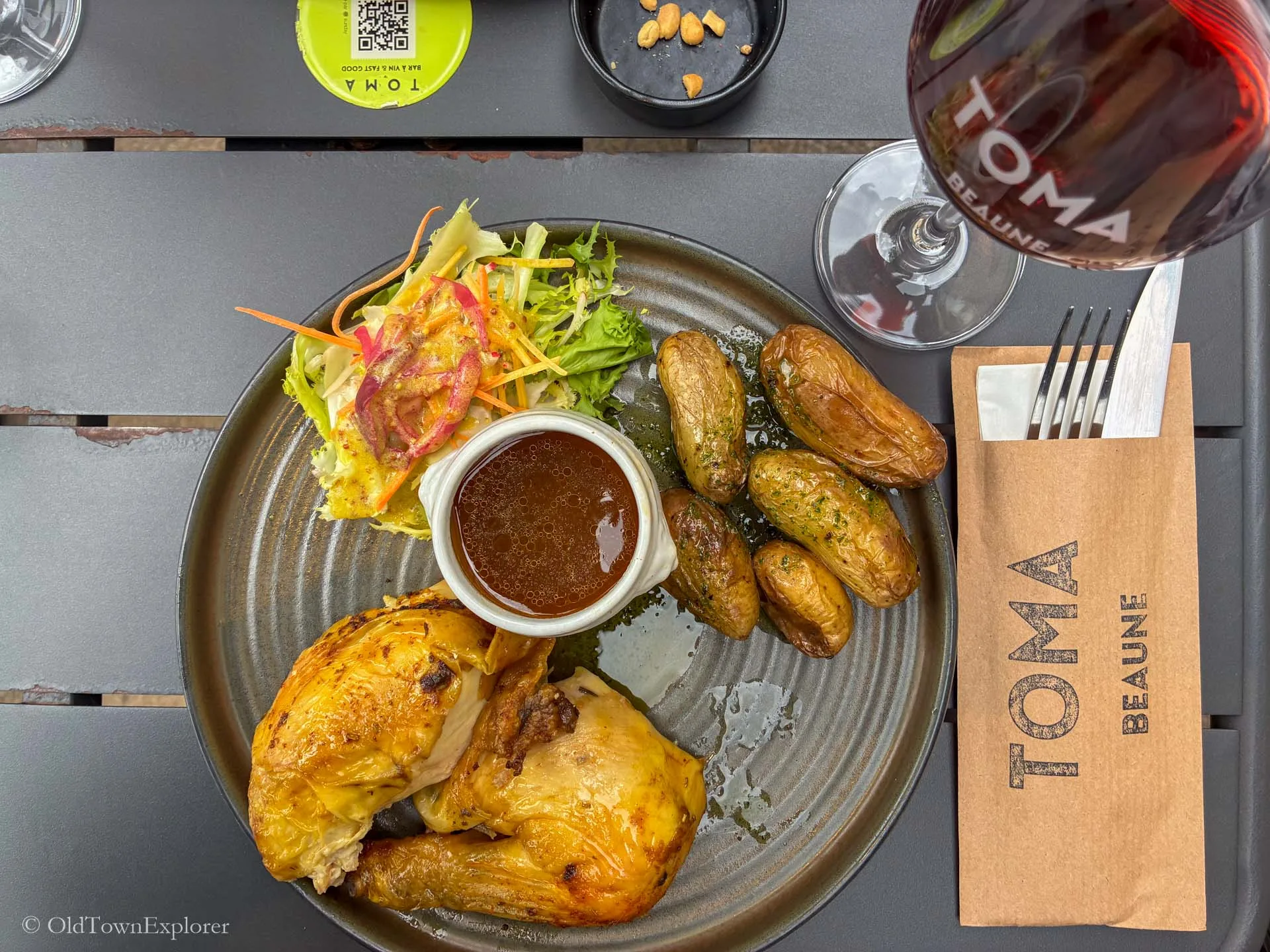
Beaune’s food identity comes from Burgundy cooking, wine-country ingredients, and its role as a trading town surrounded by vineyards and farms. Meals tend to lean toward classic regional dishes, market produce, mustard, cheese, eggs, beef, poultry, and sauces built for local red and white wine.
Local specialties to look for include:
- boeuf bourguignon
- oeufs en meurette
- jambon persillé
- gougères
- escargots de Bourgogne
- coq au vin
- Époisses
- pain d’épices
- Burgundy mustard
- blackcurrants in seasonal desserts or liqueurs
Beaune’s main market fills the covered Halles, Place de la Halle, Place Fleury, and nearby streets on Saturday mornings, with produce, meat, cheese, spices, and small local producers. The city also has a smaller Wednesday food market. If market browsing matters, plan it for Saturday morning; otherwise, the old center still works well for bistros, wine bars, and food shops throughout the week.
For restaurants, markets, dishes, and food shops in town, see our Beaune Food page.
Beaune Wine
Beaune is directly connected to Burgundy wine and serves as one of the main gateways to the region. The town itself is strongly associated with wine trade, tasting, education, and the surrounding vineyard landscape rather than with one single urban winery district.
Burgundy wine areas you will encounter on Beaune wine lists include:
- Côte de Beaune
- Côte de Nuits
- Chablis
- Mâconnais
- Côte Chalonnaise
Wine lists in Beaune usually range from village wines to more serious Burgundy bottles, with Pinot Noir and Chardonnay leading most selections. For day trips, the most practical directions are north toward the Côte de Nuits villages and south through the Côte de Beaune route toward villages such as Meursault, Pommard, and Santenay.
For wine bars, wine shops, tastings, and cellar visits in town, see our Beaune Wine page. For the vineyard villages immediately around Beaune, continue with Côte de Beaune Wine. For Burgundy’s wider grapes, appellations, and wine areas, use Burgundy Wine. For official Beaune appellation details and terminology, see the Bourgogne Wines Beaune appellation profile.
Beaune Architecture
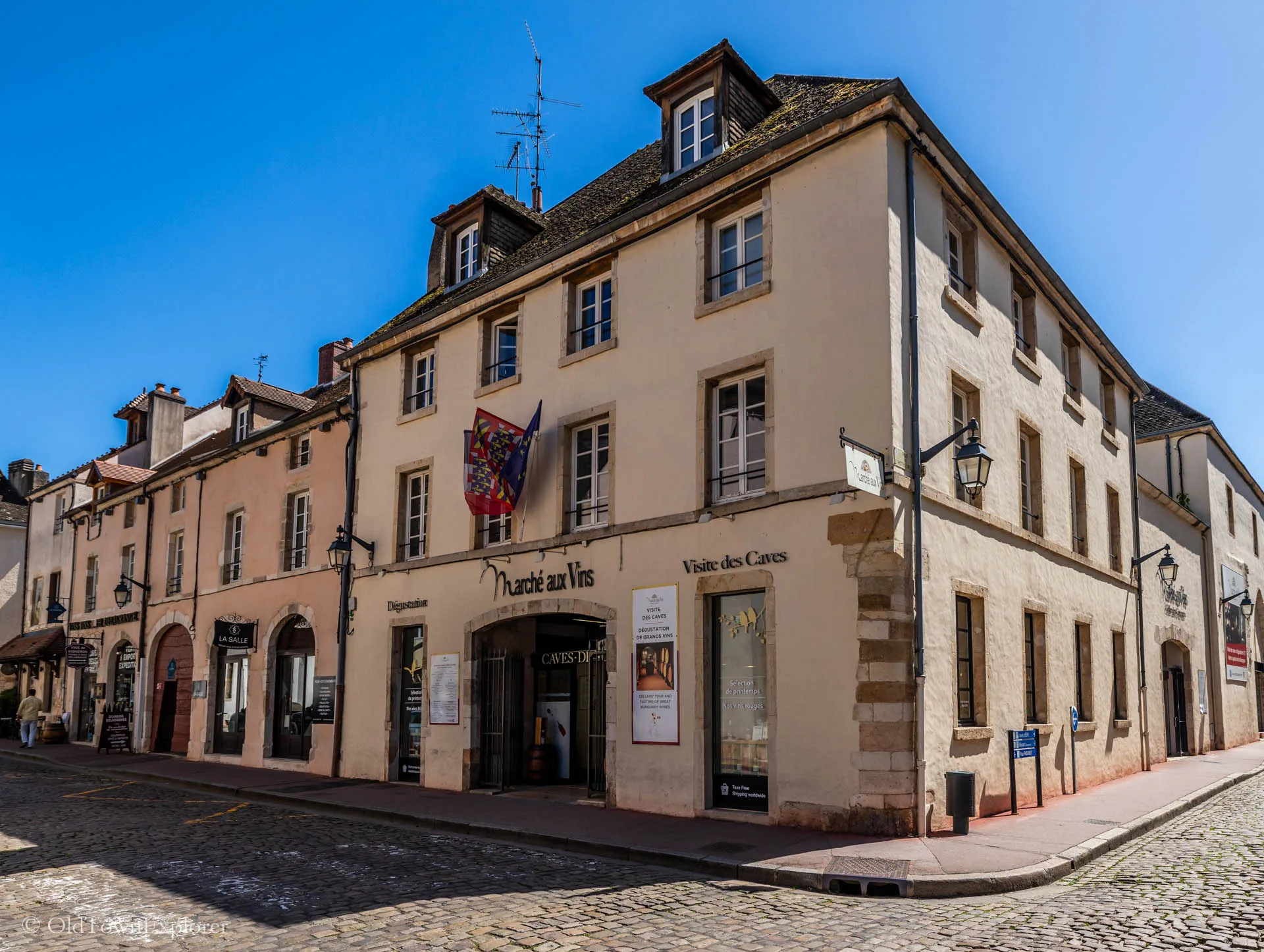
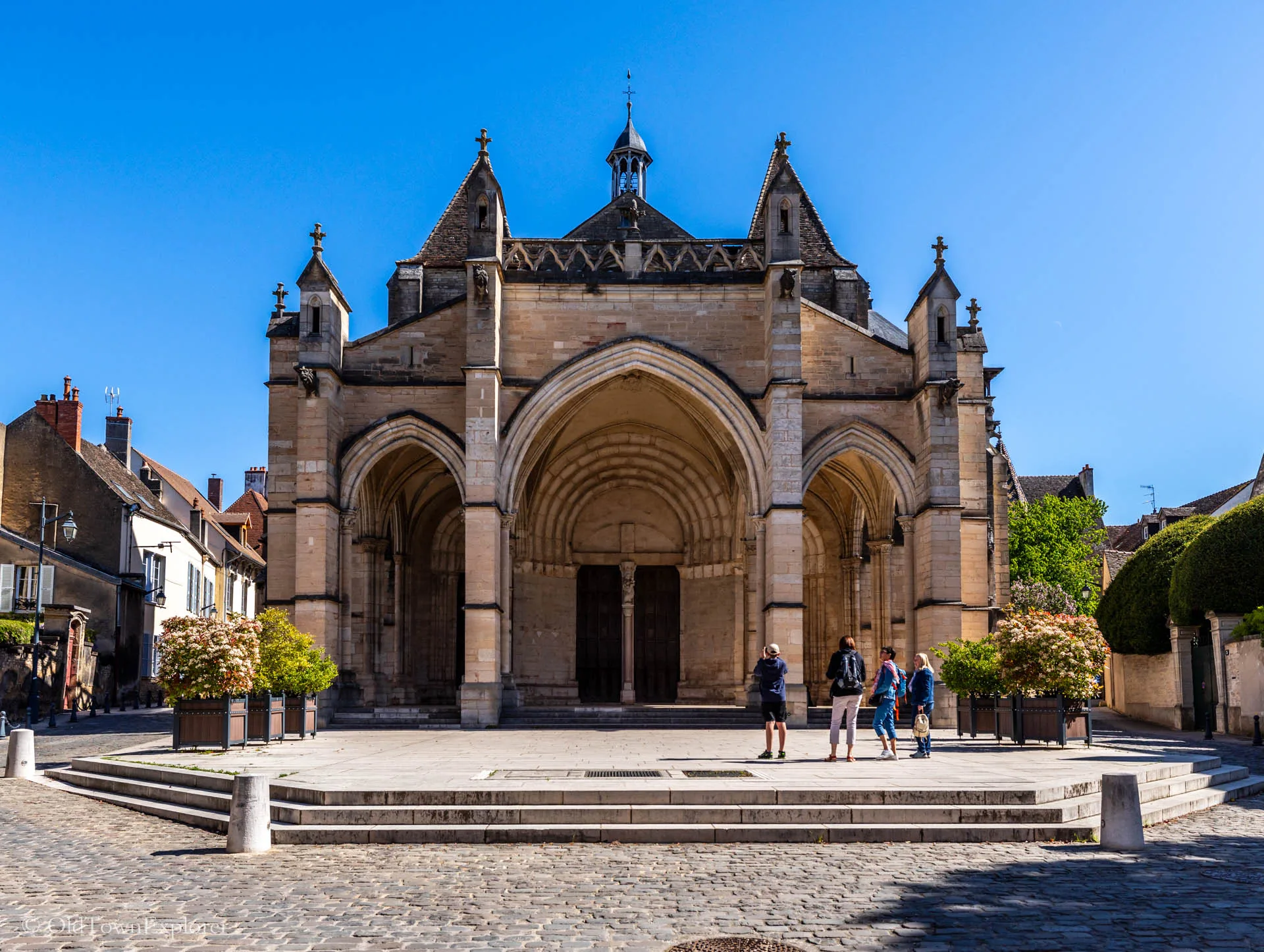
Most of Beaune’s main architecture is concentrated inside or close to the historic center, especially around the Hospices de Beaune, the Collegiate Church of Notre-Dame, and the surviving ramparts and bastions. The old core is compact enough that the main monuments and street patterns make sense on foot.
The city’s visible layers are mainly medieval and early modern, with religious, civic, and defensive elements still easy to read in the street plan. Notre-Dame combines Romanesque roots with Gothic additions and a Renaissance bell tower, while parts of the fortifications were reshaped again in the 17th century.
For more details about the Hospices de Beaune, Notre-Dame, ramparts, and other major sights, see our Beaune Architecture page. For ticketing, opening details, and current visitor information, check the official Hôtel-Dieu – Hospices de Beaune visitor information.
Location of Beaune
Beaune is in the Côte-d’Or department of eastern France, in the Burgundy region known today as Bourgogne-Franche-Comté. It sits in the middle of vineyard country and functions as one of the main urban centers for the vineyards stretching between Dijon and the southern part of the Côte de Beaune.
For onward travel, Beaune is well placed for movement through Burgundy by road and regional rail. It is a practical stop between Dijon and the southern wine villages, and it also works as a manageable base for reaching larger hubs such as Lyon and Paris through the regional and national rail network.
Best Time To Visit Beaune
April through June and September through October are strong all-around choices if you want to split your time between the old center and the vineyards. Summer gives you the warmest weather and longest outdoor days, while November is a special case if the Hospices de Beaune Wine Auction is one of the reasons for the trip.
Weather
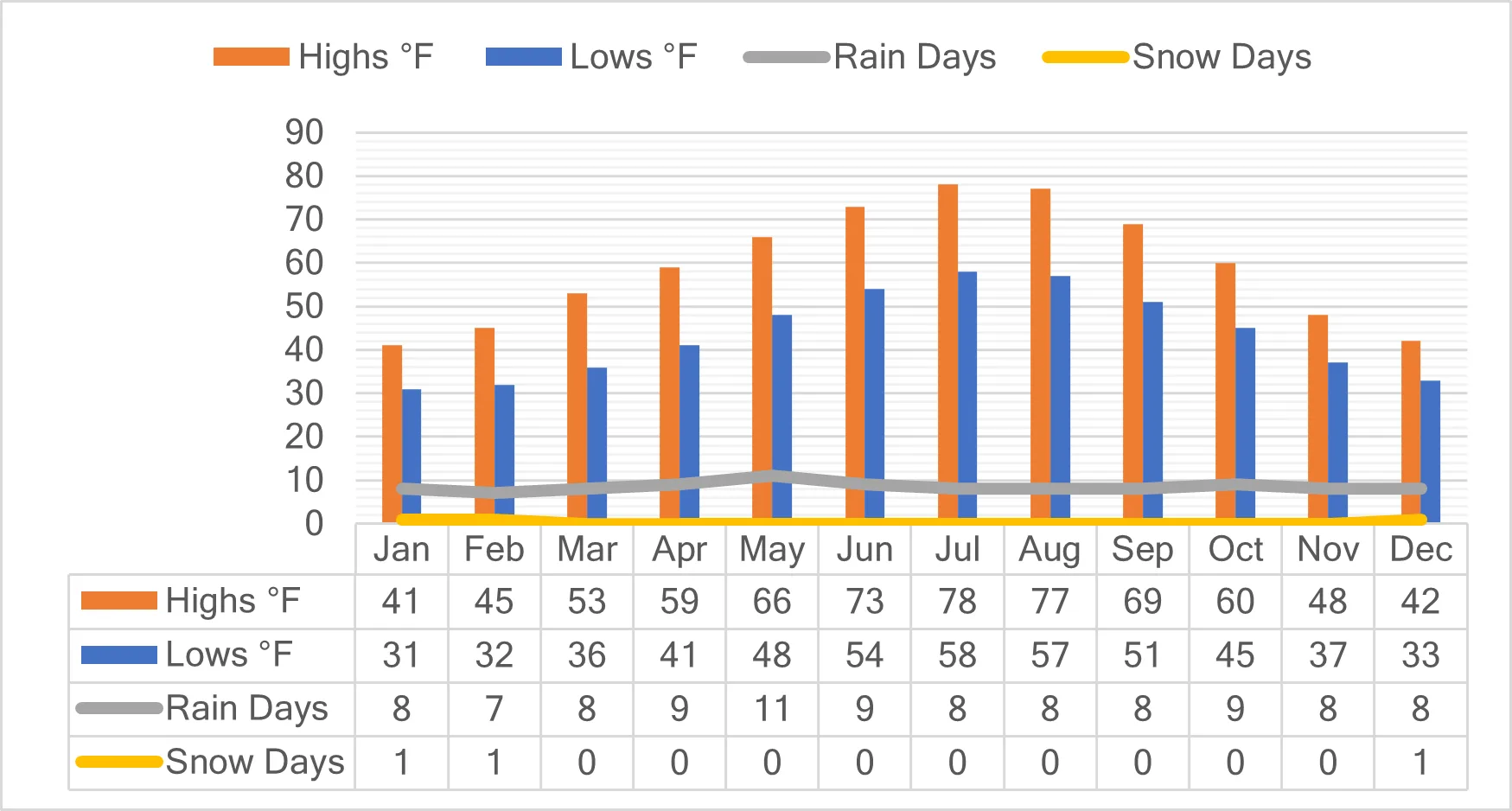
Beaune has cold winters, warm summers, and rain in every season. Typical highs run from about 41°F (5°C) in January to 78°F (26°C) in July; April averages around 59°F (15°C) and September around 69°F (21°C). Pack for changing conditions in spring and autumn rather than assuming a dry vineyard day.
Use the weather chart for a quick month-by-month comparison before choosing dates.
Shoulder Season
April and May give you cooler walking weather than midsummer. Late September and October are also cooler than midsummer, but harvest can change tasting availability at working estates, so confirm important appointments before building a day around them.
Best Value
Accommodation prices are too date-sensitive to name one cheapest month with confidence. Compare the same stay area across several dates and check Beaune’s event calendar before booking. The Hospices de Beaune Wine Auction takes place on the third Sunday in November and brings a full weekend of wine events into the center.
Best Places to Stay In Beaune
Choose your base by how you expect to leave Beaune each day: near the old walls for evenings on foot, toward the station for a rail-heavy trip, or farther out if road access matters more than walking back from dinner.
Hotels and Apartments in Beaune
For most first-time visitors, the best base is inside or just beside the old walled center. That keeps the Hospices, Notre-Dame, the market area, shops, and many tasting rooms within walking distance, which matters in a town where the main appeal comes from moving between short stops rather than commuting across districts.
Use an interactive map to compare hotels inside the walls, around the station, and on the edges of the center.
Other Things to Know About Beaune
The main practical choices are how you arrive, whether you need a car for vineyard days, and what to check before entering France.
Airport
Beaune has no major passenger airport. For an international trip, compare Lyon-Saint Exupéry Airport with Paris airports and continue to Beaune by rail or road. Dole-Jura is a smaller regional airport, so check its current route network before treating it as your gateway. Beaune Tourism’s arrival guide lists the main local access options.
Train Station
Gare de Beaune is on Avenue du 8 Septembre, close enough to the historic center to walk between the station and most central stays. Dijon is a useful interchange for many longer rail trips. Check SNCF for the timetable that applies to your travel day.
Time Zone
Beaune uses Central European Time (CET, UTC+1) and Central European Summer Time (CEST, UTC+2) during daylight-saving time.
Currency
France uses the euro (€). Carrying a little cash can still be convenient for markets and small purchases.
Language
French is the language to expect in Beaune. Basic French is useful at markets, smaller shops, and independent wine estates; do not assume English will be available everywhere.
Visa
France is in the Schengen Area. Many visa-exempt non-EU travelers can make short stays of up to 90 days in any 180-day period, but the rule that applies to you depends on nationality, residence status, and travel purpose. The EU’s Entry/Exit System (EES) is fully operational, while ETIAS is not yet in operation as of late 2026. Check the official EU information before travel.
Electricity
France uses Type E sockets with 230V / 50Hz power. If your plugs do not fit, bring an adapter; if a device is not rated for 230V, a plug adapter alone is not enough. If you carry several devices, a compact power strip can reduce the number of adapters you need when every connected device supports 230V.
SIM Card
For mobile data, compare your home carrier’s roaming plan with a French or EU SIM or an eSIM before the trip. If an eSIM fits your phone and data needs, Airalo eSIMs are one option; compare validity and data allowance before buying.
Car Rental
You do not need a car for day-to-day sightseeing in Beaune’s historic center. A car becomes more useful for winery appointments and rural day trips. Europcar has a Beaune location, while Sixt has nearby Burgundy pickup points such as Dijon, so compare pickup location as well as price. Beaune Tourism keeps a list of car parks and parking zones for the town.
If your trip needs a rental car, Discover Cars lets you compare several rental companies in one search.
FAQs About Beaune
What is Beaune best known for?
Beaune is best known for Burgundy wine and for the Hospices de Beaune, the former hospital with its patterned roof that anchors the historic center. It is also one of the main gateway towns for exploring the vineyards of Burgundy.
Is Beaune worth visiting if you are not deeply into wine?
Yes. Even without focusing on tastings, Beaune works well for architecture, markets, churches, short walks along the ramparts, and a compact old center that is easy to navigate. Wine is central to Beaune, but it is not the only reason to go.
Is Beaune walkable?
Yes. The old walled center is compact, and the Hospices, Notre-Dame, market area, shops, restaurants, and many tasting rooms are close enough to combine on foot. The station is also close enough to use the center as a walking base.
What foods should you try in Beaune?
Start with boeuf bourguignon, oeufs en meurette, gougères, jambon persillé, escargots, and Époisses. Our Beaune Food page introduces the dishes, market, restaurants, and food shops to look for in town.
Can Beaune be used for a wine day trip?
Yes. Beaune works well as a base for the Côte de Beaune, and the Côte de Nuits can also fit a longer wine day. A car gives you the most flexibility, but guided tours, bikes, taxis, and public transport work for some trips without one. Our Beaune Wine page compares in-town tasting with nearby winery options.
What wine is Beaune associated with?
Beaune is part of Burgundy and the Côte de Beaune. Pinot Noir dominates red Beaune, while Chardonnay is used for white Beaune. Our Beaune Wine page covers drinking and buying wine in town, while Côte de Beaune Wine explains the surrounding wine villages and appellations.
What architecture should you prioritize in Beaune?
Start with the Hospices de Beaune, then Notre-Dame, then the ramparts and bastions. That combination gives you the clearest view of Beaune’s civic, religious, and defensive history without needing to move far. Our Beaune Architecture page introduces the buildings, fortifications, and walking priorities.
Does Beaune have an old town?
Yes. The walled historic center contains the Hospices, Notre-Dame, market spaces, shops, restaurants, and many wine stops.
How many days do you need in Beaune?
Two to three days works well for most travelers who want time for the center plus one or two vineyard outings. Stay longer if you want Beaune to be a base for several Burgundy villages and winery appointments.
Is Beaune a good base without a car?
Yes, especially if most of your time is in Beaune itself. The station is close to the center and the main sights are walkable. Without a car, vineyard days need more planning, so choose among guided tours, taxis, bikes, and public transport according to the villages you want to reach.
Beaune Blog Posts
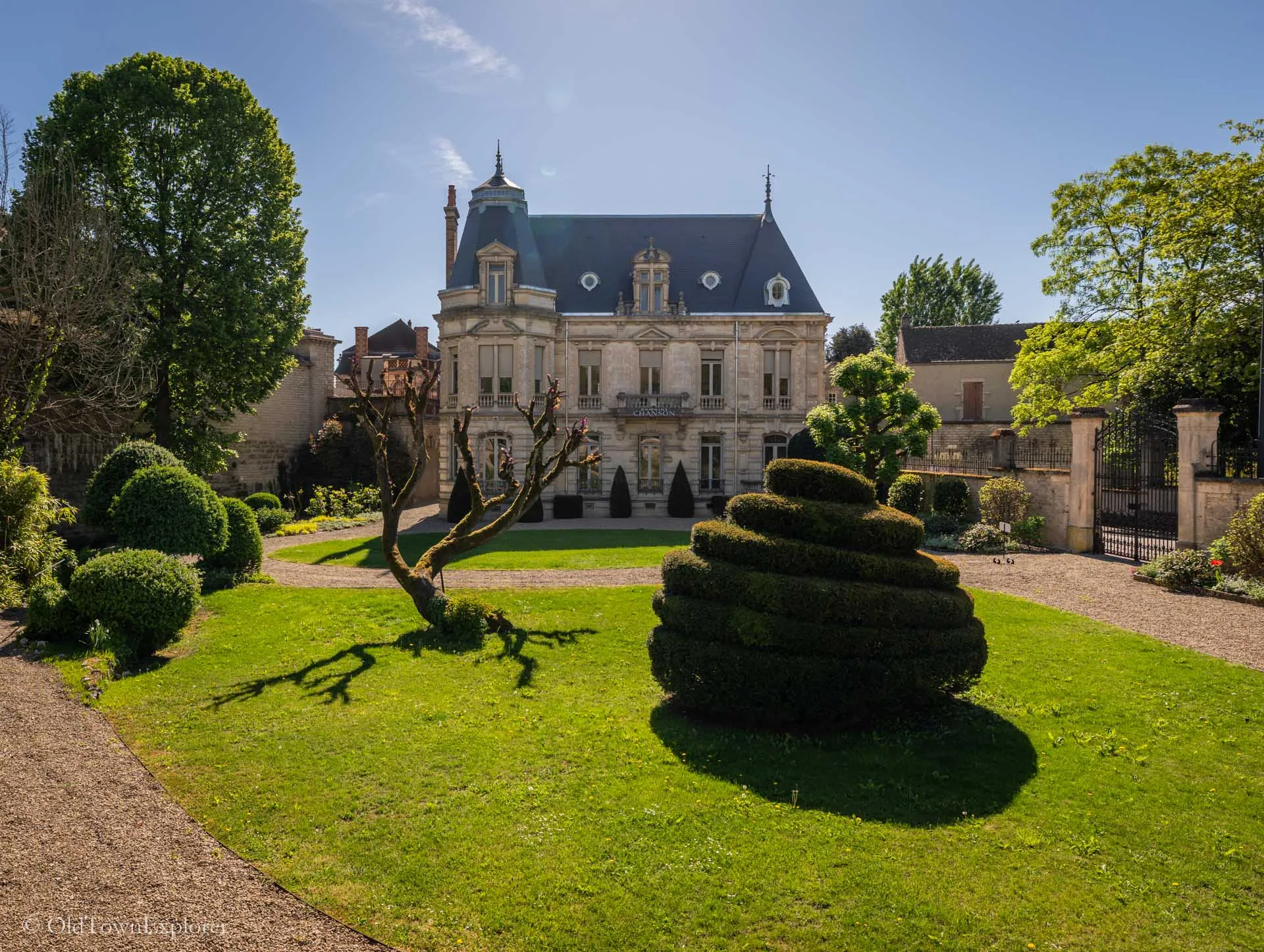
23 Pros and Cons of Living in Beaune, France
Explore Life in Beaune: Pros & Cons of Living in a Burgundy Wine Town Beaune is a small town in Burgundy, eastern France, with a compact historic center and vineyards rising into the surrounding hills. The pros and cons of living in...
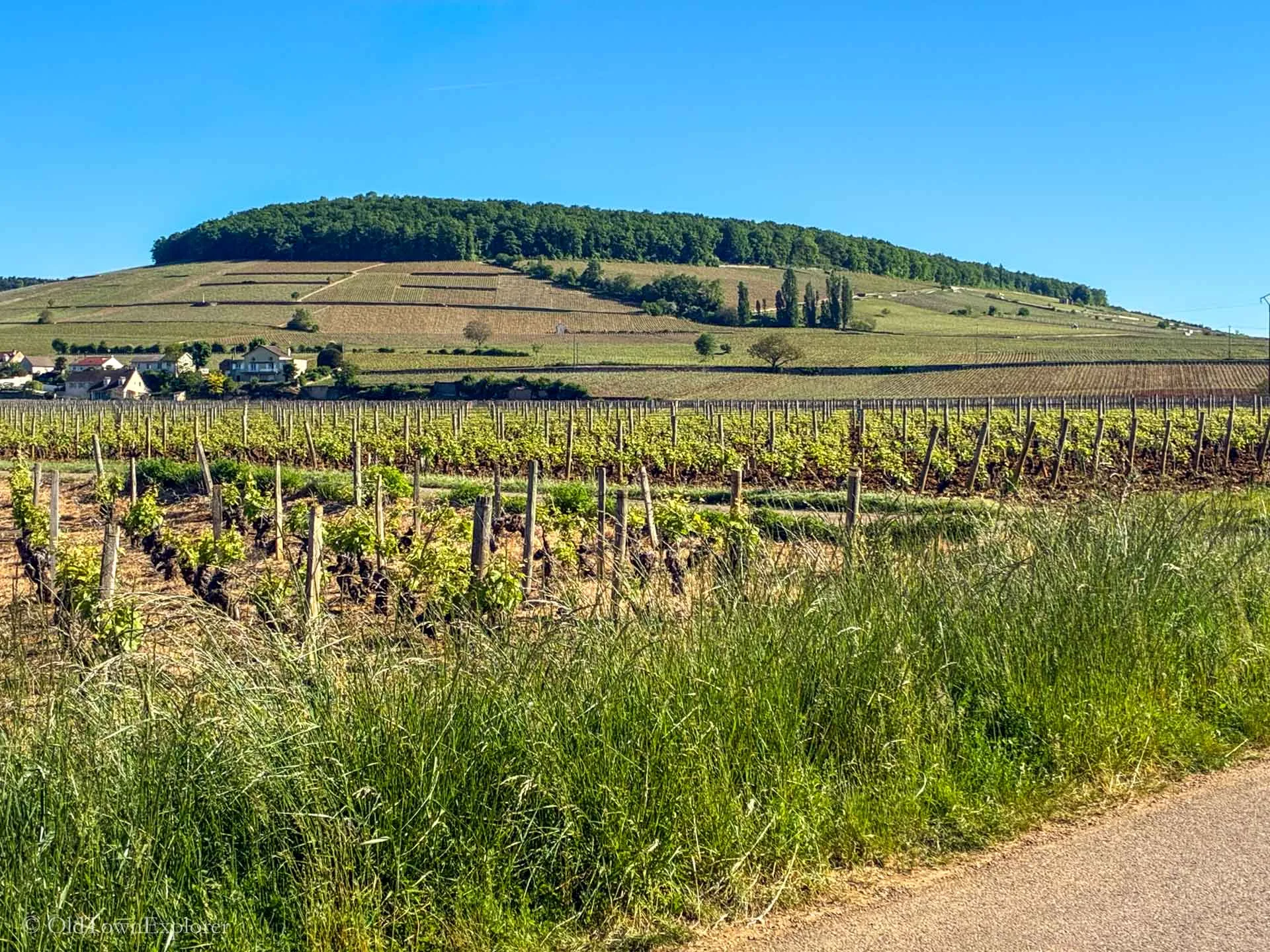
Explore Wineries Around the Hill of Corton, France
Discover Wineries Around the Hill of Corton: Wine Tastings, Tours & Tips The Hill of Corton brings together the wine villages of Aloxe-Corton, Ladoix-Serrigny, and Pernand-Vergelesses at the northern end of the Côte de Beaune. The...
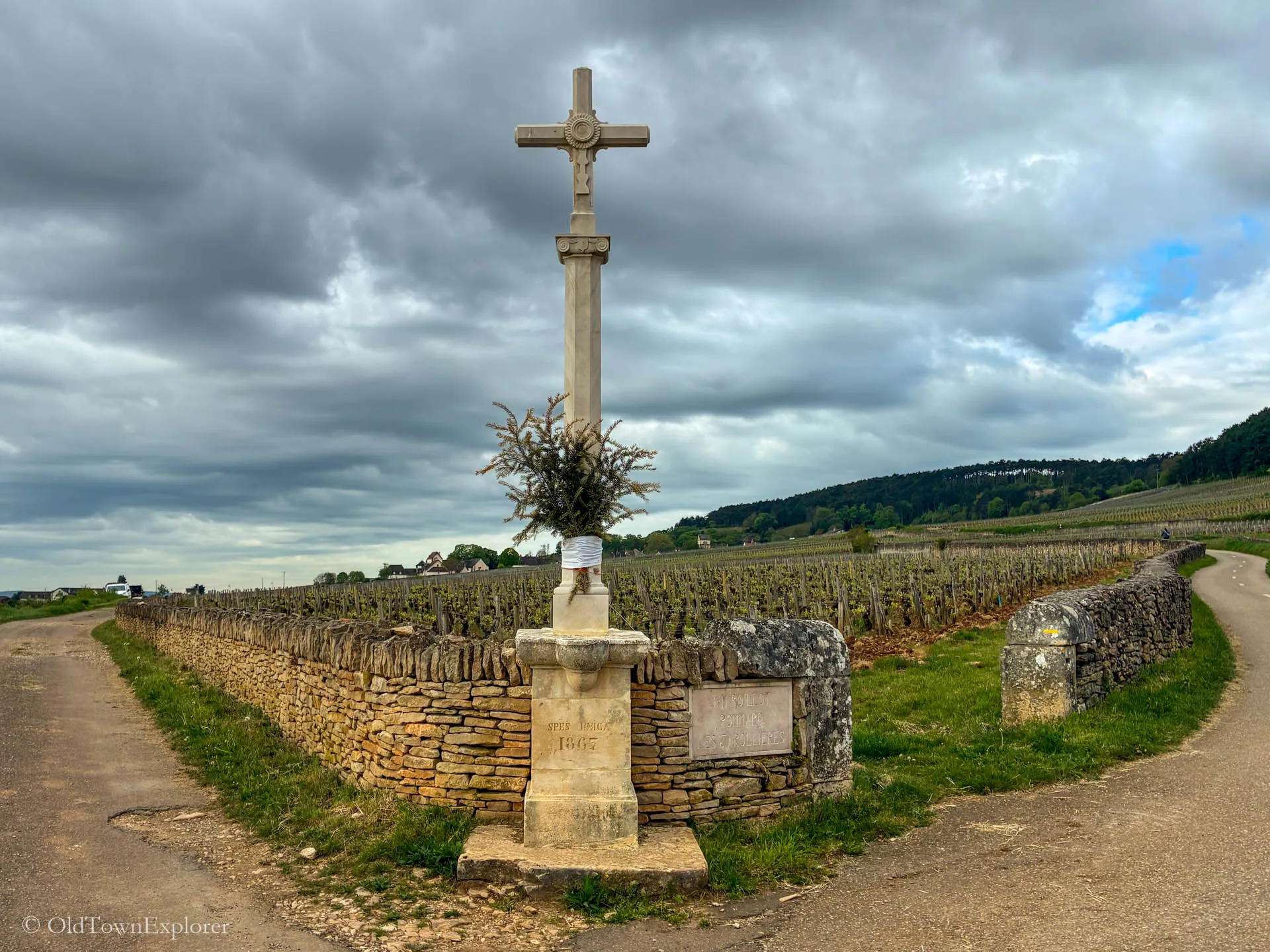
Explore Wineries in Pommard, France
Discover Wineries in Pommard: Wine Tastings, Tours & Tips Pommard is a Côte de Beaune wine village devoted to red Pinot Noir. Its appellation includes village wines and 28 Premier Cru climats, including Les Rugiens and Les Epenots. The...
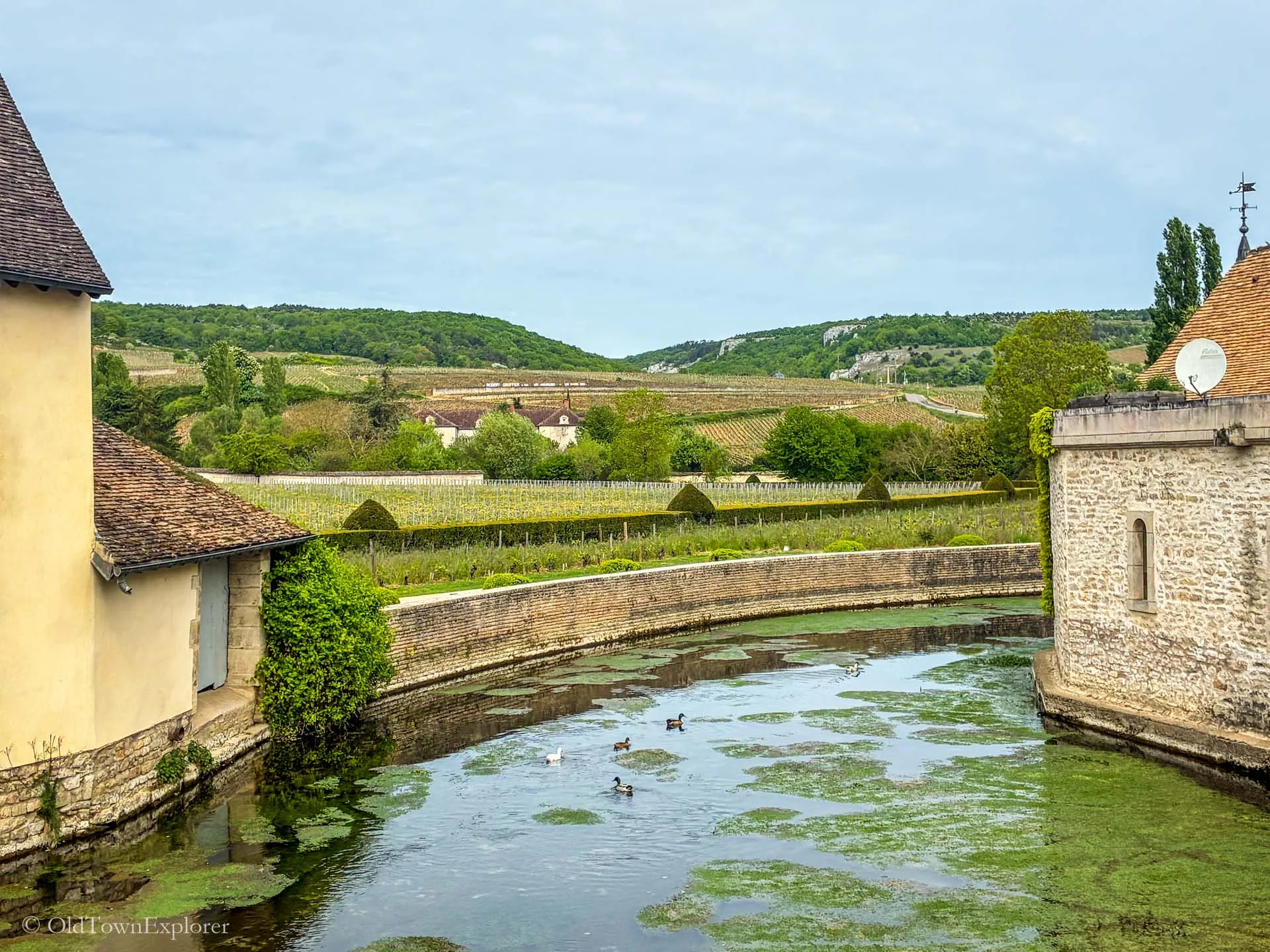
Explore Wineries in Vougeot, France
Discover Wineries in Vougeot: Wine Tastings, Tours & Tips Wineries in Vougeot include an estate tasting cellar, appointment-based tasting venues, and one of Burgundy’s most important wine landmarks. The village is compact, but the...
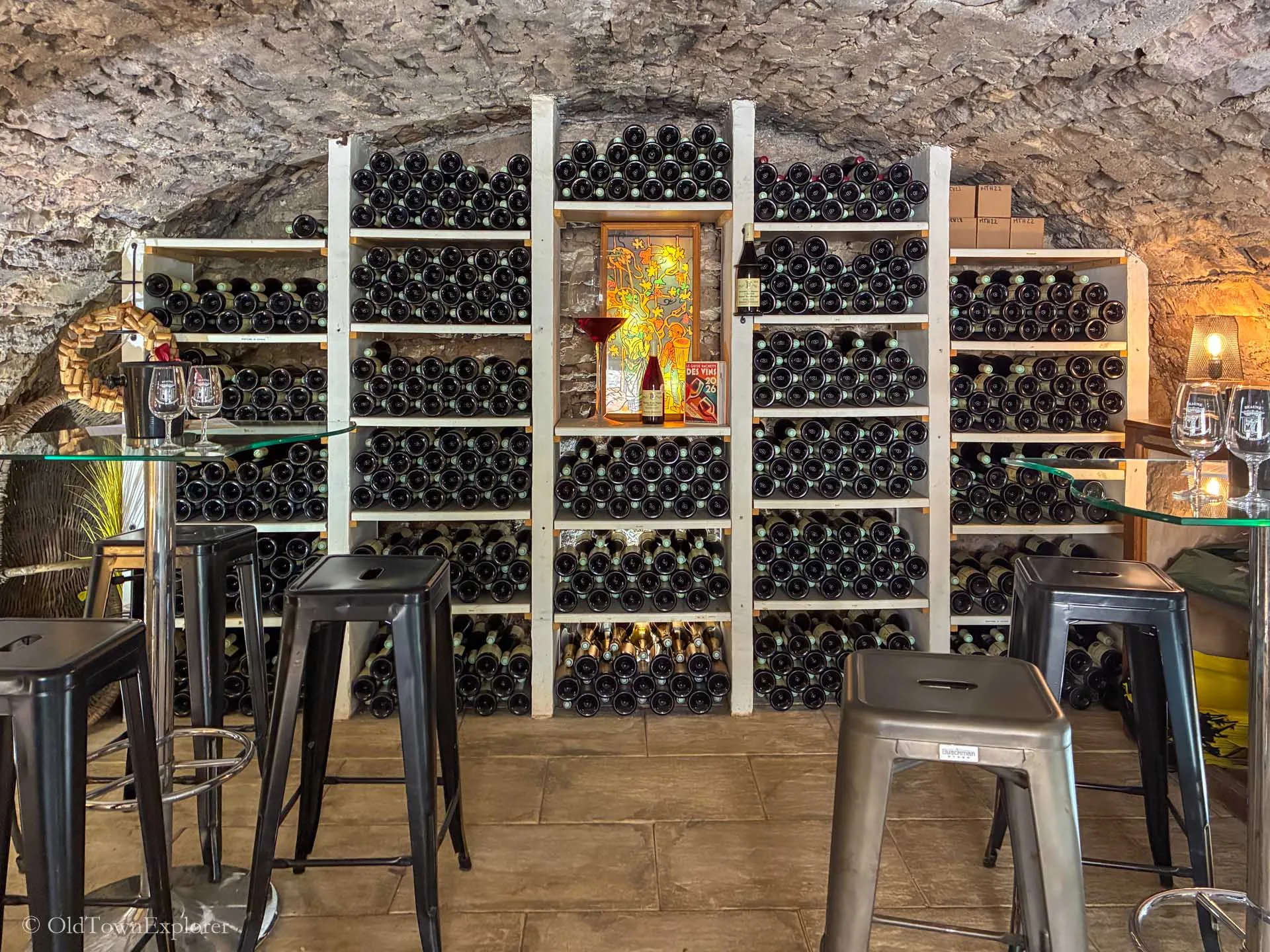
Explore Wineries in Beaune, France
Discover Wineries in Beaune: Wine Tastings, Tours & Tips Beaune is one of the easiest places in Burgundy to build a winery day around tastings, cellar visits, and historic wine houses. Instead of forcing a village-hopping itinerary, you...
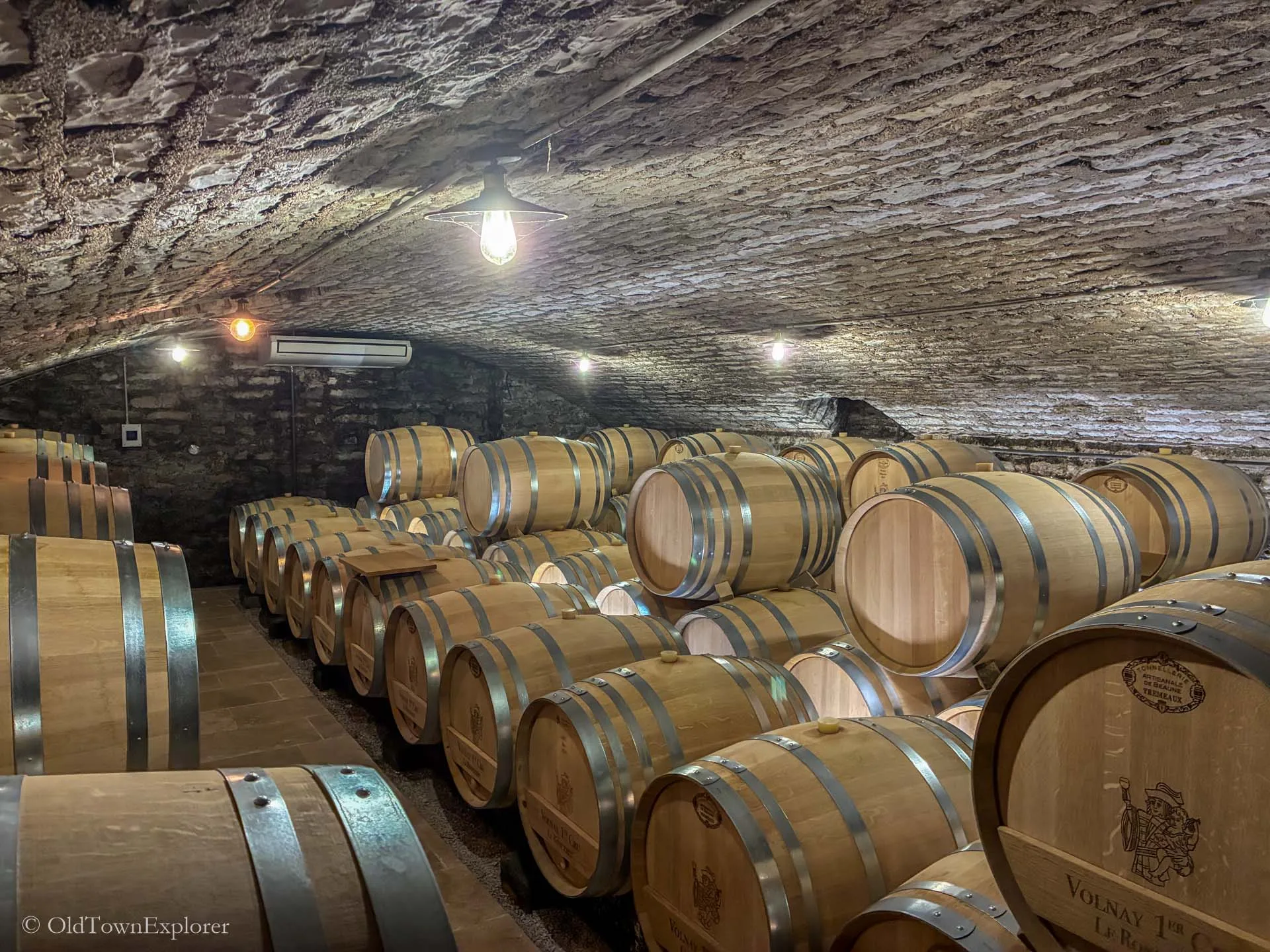
Explore Wineries in Volnay, France
Discover Wineries in Volnay: Wine Tastings, Tours & Tips Volnay is a small wine village in Burgundy’s Côte de Beaune, between Pommard and Meursault. Its producers are concentrated within the village, but many receive visitors only through...