
Catalonia Wine
Explore Catalonia Wine Region: Grape Varieties & Wine Varietals
Catalonia is one of Spain’s most diverse wine regions, shaped by a mix of Mediterranean coastline, inland plains, and mountain foothills near the Pyrenees. Wine production here spans traditional sparkling wines, structured reds, and a growing range of precise whites, reflecting both long-established practices and modern experimentation.
We spent a month in Barcelona tasting Catalan wines across bars, shops, and nearby wine regions, with regular day trips into Penedès and exposure to bottles from across the wider region. This guide brings together that research into a practical overview of Catalonia’s wine regions, grape varieties, and the styles you’re most likely to encounter when drinking locally or traveling through the region.
For broader context on Spanish wine classifications, grape varieties, and regional styles, see Spain Wine. For wine bars, bottle shops, and winery day trips based in the city, see Barcelona Wine.
Wine Regions in Catalonia
Catalonia has 12 Denominaciones de Origen (DO) and 1 Denominación de Origen Calificada (DOQ/DOCa), plus the separate Cava DO. Together, they represent one of Spain’s broadest ranges of wine styles.
For the official regional overview of Catalan wine denominations, see the official Catalan wine sector page.
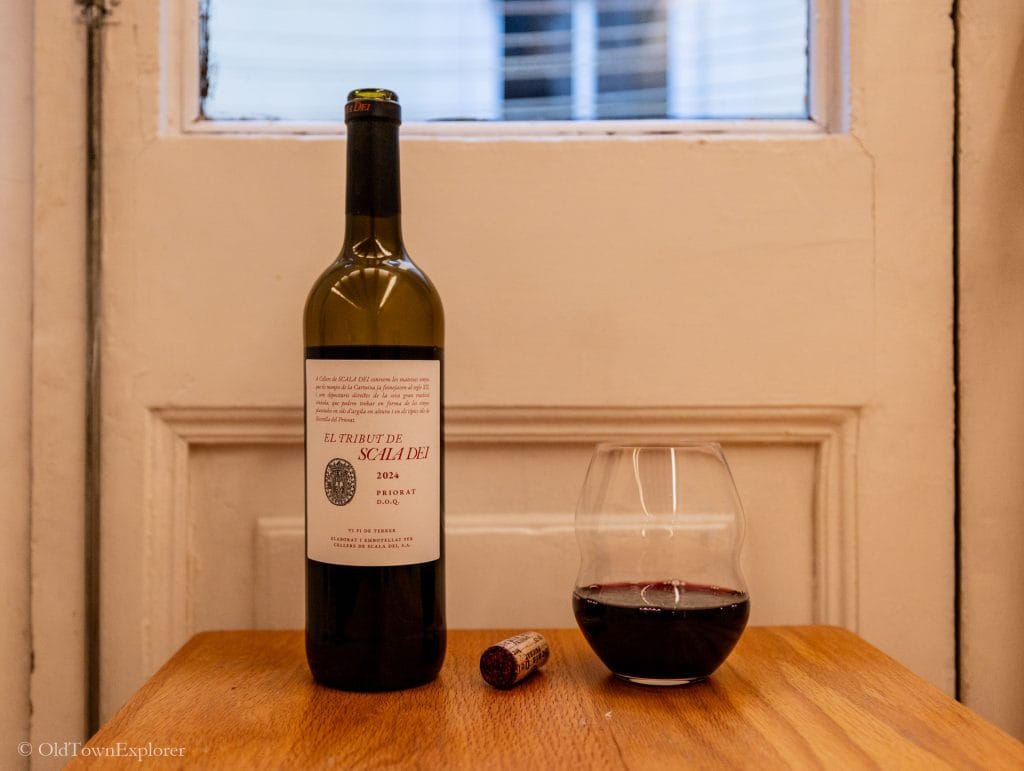
Priorat DOQ (DOCa)
One of only two DOQ/DOCa regions in Spain, Priorat is known for powerful, age-worthy red wines made primarily from Garnacha and Cariñena. Vineyards sit on steep slopes of dark slate soil known locally as llicorella, which contributes heat retention, structure, and mineral character. Wines are typically dense, concentrated, and built for aging.
For current appellation information, see the official DOQ Priorat council.
Cava DO
Spain’s flagship sparkling wine appellation, produced using the traditional method. While Cava vineyards extend into other Spanish regions, production is centered in Catalonia — especially in and around Penedès. Xarel·lo, Macabeo, and Parellada form the core of most blends, with styles ranging from fresh entry-level bottlings to long-aged Gran Reserva wines.
For current appellation rules and production context, see the official DO Cava information.
Penedès DO
The most versatile wine region in Catalonia and the heart of Cava production. Penedès produces sparkling wines alongside still whites, reds, and rosés. Native varieties like Xarel·lo remain central, while international grapes such as Chardonnay, Cabernet Sauvignon, and Merlot are widely planted, reflecting the region’s experimental reputation.
Montsant DO
Encircling Priorat, Montsant produces Garnacha- and Cariñena-based reds with similar Mediterranean character but typically softer structure and earlier drinkability. Prices are generally lower than in Priorat, making Montsant a frequent value alternative.
Alella DO
A small coastal DO just north of Barcelona. Alella is best known for crisp, mineral-driven white wines made from Pansa Blanca (the local name for Xarel·lo). Production is limited, and many wines are consumed locally.
Empordà DO
Located along the Costa Brava near the French border, Empordà produces reds, whites, and rosés influenced by strong Tramontana winds and a Mediterranean climate. Garnacha plays a central role, particularly in reds and rosés with bright acidity.
Terra Alta DO
An inland region in southern Catalonia, especially associated with Garnacha Blanca. Whites from Terra Alta tend to be structured and full-bodied, while red wines from Garnacha and Cariñena have gained wider recognition in recent years.
Conca de Barberà DO
Best known for reviving the Trepat grape, used for light, fresh red wines and rosés. The region also produces whites and reds from both traditional Catalan and international varieties.
Costers del Segre DO
A geographically scattered inland DO composed of several sub-zones with different climates and elevations. Known for experimentation, Costers del Segre produces a wide range of styles using both local and international grapes.
Tarragona DO
One of Catalonia’s oldest wine regions. Historically associated with sweet and fortified wines, Tarragona now produces a broad mix of red, white, and sparkling wines.
Pla de Bages DO
A small inland DO near Manresa focused on reviving local grape varieties, especially Picapoll. Wines tend to emphasize freshness and regional identity.
Catalunya DO
A broad, flexible appellation covering wines produced across Catalonia. Often used for blends or styles that don’t conform to stricter DO rules, allowing producers greater freedom in grape sourcing and winemaking approach.
Grape Varieties in Catalonia
Catalonia grows a mix of traditional Iberian grapes and widely planted international varieties, reflecting both regional identity and modern influences.
Black Grapes
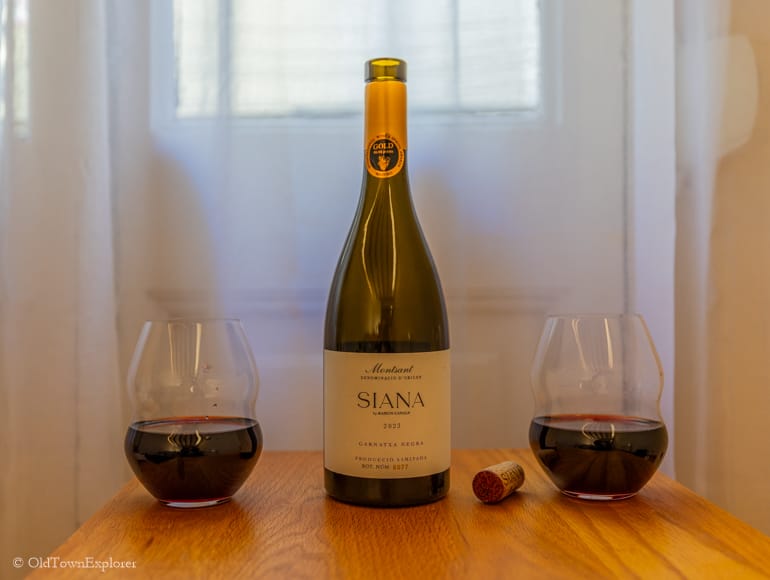
Garnacha
A cornerstone of Catalan reds, particularly in Priorat, Montsant, Terra Alta, and Empordà
Cariñena (Samsó)
Adds structure and acidity, especially important in Priorat and Montsant
Tempranillo (Ull de Llebre)
Used in blends and varietal wines, mainly in Penedès and Costers del Segre
Trepat
Native to Conca de Barberà, producing light, aromatic reds and rosés
International reds
Cabernet Sauvignon, Merlot, Syrah, Pinot Noir
White Grapes
Xarel·lo
Central to Cava and increasingly respected as a still wine
Macabeo (Viura)
Provides freshness and floral notes, especially in Cava
Parellada
Adds delicacy and acidity to sparkling blends
Garnacha Blanca
Key variety in Terra Alta
Picapoll
Revived in Pla de Bages, producing crisp, citrus-driven whites
Malvasía de Sitges
Historic local variety used in aromatic and dessert wines
International whites
Chardonnay, Sauvignon Blanc, Riesling, Gewürztraminer
Wine Styles in Catalonia
Catalonia’s wine styles reflect the region’s geographic range and its mix of traditional and modern production. Sparkling wines dominate in volume and visibility through Cava, while red wines—especially from inland regions—account for many of Catalonia’s most structured and age-worthy bottles. Whites and rosés play a smaller but increasingly defined role, often tied to specific grapes and microclimates.
Sparkling Wines
Cava
Traditional-method sparkling wine ranging from fresh and fruit-driven to long-aged Gran Reserva styles
Red Wines
Priorat DOQ
Structured, age-worthy Garnacha and Cariñena blends
Montsant DO
Similar varietal base with softer structure and earlier approachability
Empordà & Terra Alta DOs
Mediterranean reds showing ripe fruit and freshness
Conca de Barberà (Trepat)
Light, aromatic reds with high acidity
White Wines
Terra Alta (Garnacha Blanca)
Full-bodied, structured whites
Alella (Pansa Blanca/Xarel·lo)
Crisp, mineral whites near the coast
Penedès DO
Wide stylistic range, from native grapes to international varieties
Pla de Bages (Picapoll)
Fresh, citrus-focused whites
Rosé Wines
Trepat Rosé (Conca de Barberà)
Pale, fresh, and aromatic
Empordà Rosé
Bright Mediterranean styles
Cava Rosé
Traditional-method sparkling rosé
FAQs About Catalonia Wine
What wine is Catalonia best known for?
Catalonia is best known for Cava, Spain’s flagship sparkling wine, as well as powerful red wines from Priorat DOQ.
What is the most popular wine in Barcelona?
Cava is the most common local wine in Barcelona, followed by whites from Alella and reds from Penedès and Montsant.
Can you visit wineries near Barcelona?
Yes. Penedès is an easy day trip from Barcelona, and Alella is even closer, offering small-scale wineries just north of the city.
What food pairs well with Catalan wines?
- Cava pairs well with seafood and tapas
- Priorat and Montsant reds suit lamb, beef, and stews
- Garnacha Blanca works well with grilled fish and vegetables
For meal planning around regional dishes, markets, and local ingredients, use Catalonia Food alongside this wine guide.
When is the best time to visit Catalonia’s wine regions?
April–June and September–October offer the most comfortable weather. Harvest season in September is busy but rewarding.
Catalonia’s wine regions reflect one of Spain’s broadest and most flexible approaches to winemaking, shaped by varied geography, local grape varieties, and a long history of both tradition and experimentation. From Cava in Penedès to structured reds in Priorat and Montsant, and from coastal whites in Alella to inland Garnacha Blanca in Terra Alta, the region offers clear stylistic contrasts within a relatively compact area.
For travelers, this makes Catalonia especially approachable: many of its most important wine regions are easily explored from Barcelona, while others reward deeper trips inland. Whether you’re drinking locally in the city, visiting vineyards on a day trip, or planning a longer wine-focused itinerary, Catalonia provides a practical and varied entry point into Spanish wine.