
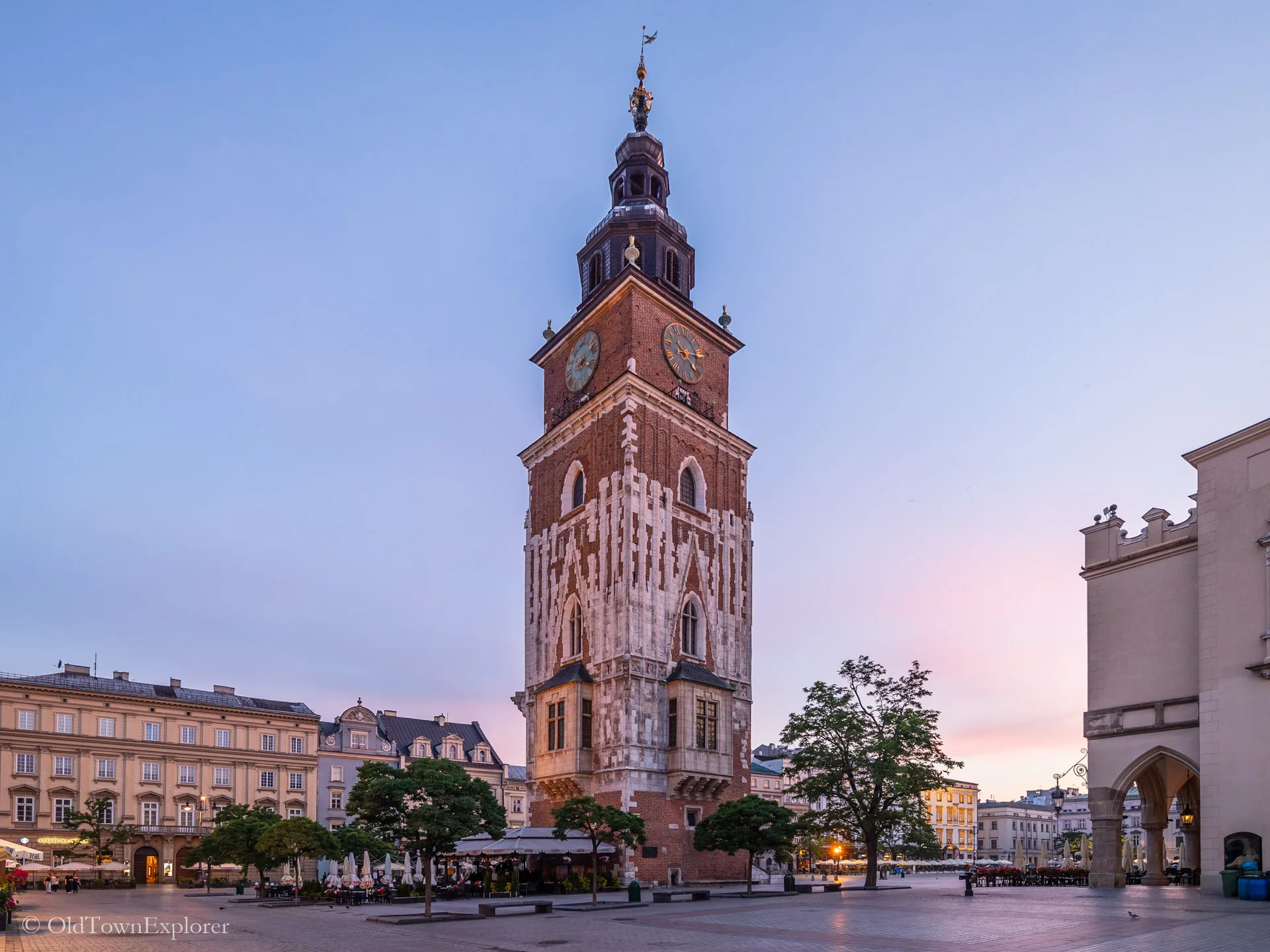
Discover Life in Krakow: Pros & Cons of Living in a historic university city on the Vistula River
Krakow is a historic city in southern Poland on the Vistula River, with a dense center that mixes medieval streets, 19th-century blocks, and large postwar districts. This guide covers the pros and cons of living in Krakow, focusing on what changes day to day: food and groceries, getting around, housing, weather, and the feel of the neighborhoods.
We spent a month in Krakow walking the center at different times of day, using trams and buses, shopping in normal supermarkets, and testing what “daily life” looks like beyond weekends. Below are the trade-offs that tend to matter most if you’re thinking about a longer stay.
This website contains affiliate links that may earn us a small commission at no additional cost to you.
Quick Take: Living in Krakow
This quick take summarizes who tends to do well in Krakow, who tends to struggle, what’s most noticeable day to day, and the main trade-offs to expect.
Best for
Walkers who want an active center with daily errands done on foot or by tram
People who cook at home and want affordable groceries plus strong bakeries and markets
Remote workers who want a lively city without needing a car
Harder for
Anyone sensitive to winter air quality or who needs consistent clear skies
People who want a brand-new apartment building with parking as the default
Light sleepers who plan to live right on busy tourist routes
What stands out
The Old Town and Kazimierz are compact, so daily routes stay simple
Food options run from milk bars and bakeries to modern Polish restaurants
Trams do a lot of the work, especially for commuting
Top trade-offs
You get a highly walkable core, but you share it with constant visitors
Housing can be good value, but older buildings bring noise and heating quirks
Winters are manageable, but grey weeks and smog days can wear you down
Pros and Cons of Living in Krakow
Krakow’s trade-offs show up fast once you settle into a weekly routine: where you buy groceries, how often you rely on trams, and how much the Old Town crowding affects your day. The list below mixes pros and cons in the order you’re likely to feel them—food, wine, architecture, weather, walkability, and rail access—plus the less obvious stuff like apartment comfort, noise, and paperwork.
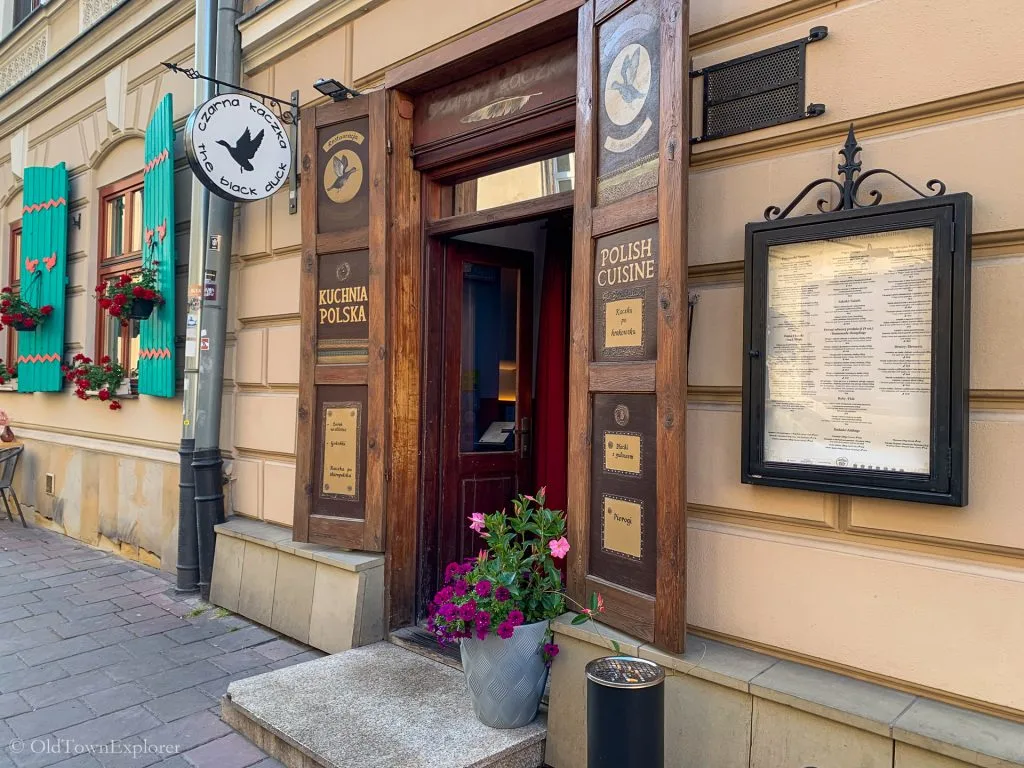
Pro: Food is easy to eat well
Polish staples like pierogi, soups, and roast meats are common, and you’ll also find modern Polish menus and international spots. Day to day, it’s simple to rotate between bakeries, milk bars, and casual restaurants—our Krakow Food guide is a useful starting point. Tourist zones cost more, and some places simplify menus in peak season.
Con: Old Town crowds are constant
The center stays busy for much of the year, especially around the Main Square and Wawel routes. That affects noise, queue times, and the “quick errand” feeling. If you live one or two tram stops out, the impact drops fast.
Pro: Everyday bread and pastries are strong
Bakeries are everywhere, and it’s normal to pick up fresh rolls, rye bread, and sweet pastries daily. This makes breakfast and packed lunches cheap and practical. Late afternoons can mean picked-over shelves in smaller shops.
Con: Winter air can be rough
On some winter days, smoke and haze can hang over the city and make outdoor time less comfortable. It’s most noticeable during longer cold spells when you want to walk a lot, so it helps to check the GIOŚ air quality portal before planning long walks. The difference between neighborhoods can be small, so you still need a plan.

Pro: Architecture is part of your routine
Medieval street patterns, Gothic churches, Renaissance courtyards, and Baroque interiors are not “special occasion” sights here, and the Krakow Architecture guide helps you map what’s where. You’ll pass them on the way to groceries or the tram. The trade-off is uneven paving, stairs, and older entrances.
Con: Apartments vary wildly by building
Two rentals with the same listing details can feel completely different in noise, insulation, and heat. Day to day, this shows up in sleep quality and utility bills. A quick viewing helps, but some issues only show up at night.
Pro: Trams make car-free life realistic
For many errands and commutes, tram lines cover what you need without complex transfers. That keeps routines predictable, especially in bad weather. For ticket types and where to buy them, see ZTP Kraków tickets. Service is less convenient late at night in some areas.
Con: Tourist pricing is real in hotspots
Cafés and restaurants near the Main Square and busiest lanes can price for visitors, not residents. This changes your “quick coffee” habits if you live in the core. A short walk into side streets usually fixes it.

Pro: Wine bars exist, even in a beer city
You can find wine bars and restaurant lists that include European bottles and some Polish producers—our Krakow Wine guide can help you narrow down where to start. It’s easy to make wine part of a weekly routine without planning a big night out. Selection can be narrower than major Western European wine cities.
Con: Grey stretches can drag
Late autumn through winter can bring weeks of flat light and early darkness. That affects mood and your willingness to walk as much. If you thrive on sun, the season can feel long.
Pro: Groceries are practical and affordable
Supermarkets, discount chains, and neighborhood shops make it easy to stock a kitchen without overspending. You’ll also find seasonal produce and a lot of dairy, cured meats, and pickled items. Some specialty imports cost noticeably more.
Con: Language can slow things down
Many people in service jobs speak English, but paperwork, building notices, and some clinics run in Polish. Day to day, that means more translating and a slower start. If you stay long-term, basic Polish pays off quickly.
Pro: The city center is built for walking
Large pedestrian areas and short blocks make it easy to combine errands into one loop. You can live with fewer “travel days” inside your week. Cobblestones and curbs are tough for strollers, wheels, and anyone with mobility limits.
Con: Cobblestones are hard on ankles and wheels
Older streets look great, but they can be tiring in bad shoes or after long days. It’s a real factor if you walk 15,000 steps daily. In winter, slick patches make it worse.
Pro: Strong café culture for workdays
It’s easy to find cafés where you can sit for a while and work between errands. This helps if your apartment is small or noisy. Some places limit laptops during busy hours.
Con: Short-term rentals can make your building noisy
In central neighborhoods, frequent guest turnover can mean hallway noise and late arrivals. That impacts sleep more than you expect. Buildings vary a lot, so the same street can feel calm or chaotic.
Pro: Train access supports weekends away
Kraków Główny is a major station, so you can plan trips without flying or driving. For train times across operators, use the Portal Pasażera timetable. That’s useful for quick breaks and visiting other Polish cities. Holiday weekends mean full trains unless you book early.
Con: Spring and summer can be loud late
Outdoor seating and street activity pick up fast once weather improves. If your windows face a busy lane, late-night sound can be a routine issue. Higher floors help, but heat can push you to open windows.
Pro: Neighborhoods feel distinct
Old Town, Kazimierz, Podgórze, and Nowa Huta each have different housing stock and daily rhythms. That makes it easier to pick what fits your routine. The downside is you may need a few visits to feel the differences.
Con: Parking is not simple in older areas
If you keep a car, central parking can be tight and rules can be confusing by block. That adds time to normal errands. Many residents do better with occasional rentals or car share instead.
Pro: Green space is easy to reach
Parks and river paths give you places to walk when the center feels crowded. That helps daily exercise without planning a “trip.” On peak weekends, popular paths can still feel busy.
Con: Summer storms can disrupt plans
Hot spells sometimes break with sudden heavy rain. That can change your walking routine and make tram platforms unpleasant. It’s manageable, but you’ll want a backup indoor plan.
Pro: The food range covers quick and slow
You can eat cheaply on weekdays and still have plenty of sit-down options for weekends. This helps if you’re watching budget without giving up variety. Some traditional spots close early, so timing matters.
Con: Healthcare navigation takes effort
Private clinics can be easier to schedule, while public options can involve longer waits and more Polish-only steps. Day to day, you may spend time comparing providers. The system can work well once you learn where to go.
Pro: Costs can be lower than many Western cities
Rent, transit, and basics often feel more manageable than in nearby Western European hubs. That gives you breathing room for travel, savings, or a larger apartment. Central rents have risen, so the best value is usually just outside the core.
Con: Heating and insulation can surprise you
Older buildings can be warm in some rooms and cold in others, depending on windows and layout. That affects comfort during long winter weeks. A newer build can fix this, but it often costs more.
Pro: The city is generally easy to live in solo
Errands, transit, and basic routines don’t require a car or a big support network. That’s helpful if you’re relocating alone. Social circles still take time if you don’t speak much Polish.
Con: Paperwork can be slow and appointment-based
If you’re dealing with residency steps, registrations, or long-term rental processes, timing and documents matter. It can feel like a lot at the start. Once set up, day-to-day admin becomes much lighter.
Visit Krakow Before Moving
If you’re considering a move, plan a scouting stay long enough to test routine, not just weekends. Pick one neighborhood as your base, then do “normal life” tasks: grocery run, pharmacy, a rainy-day walk, and a commute-hour tram ride.
Try the same routes at different times—morning, mid-day, and late evening—to see how noise and crowds change.
Use the map to choose a short-stay base near your likely daily routes, then test errands and transport at normal hours.
Tips for Living in Krakow
Daily life in Krakow is easiest when you treat the center as a place you visit, not the only place you live. A few practical choices early on make a bigger difference than chasing the “perfect” street.
Pick your neighborhood
Choose based on your routine: commute, grocery options, and noise tolerance. If you need calm, prioritize side streets and buildings with solid windows. Visit at night before committing if possible.
Learn the transit system
Get comfortable with trams first, then fill in the gaps with buses. Knowing two or three reliable lines near home saves time every week. Keep a backup route for late evenings or service changes.
Plan for winter air
Track air quality and have an indoor walking option for the worst days. A simple routine helps: quick errands outside, longer walks when conditions improve. If you’re sensitive, consider an air purifier at home.
Choose a rental carefully
Check noise, heating, and window seals, not just square meters. Ask how bills are handled and what “heating included” actually means. If the building has short-term rentals, expect more hallway noise.
Handle paperwork early
Start registrations and any long-stay tasks as soon as you arrive. Bring extra copies of documents and keep digital scans ready. It reduces stress when you need a quick appointment later.
FAQs About Living in Krakow
Is Krakow expensive?
Krakow can feel affordable day to day for groceries, transit, and simple meals compared with many Western European cities. The biggest swing factor is rent, especially if you want a newer building or a central address. If you cook often and live a few tram stops from the core, costs are usually easier to manage.
Can you get by in English?
In restaurants, cafés, and many services around the center, English is common enough for daily errands. The slowdowns show up with paperwork, building notices, and some clinics where Polish is the default. Learning basic Polish for directions, appointments, and forms makes routine tasks faster.
What is winter like?
Expect short days, long grey stretches, and cold spells that make walking less pleasant. You’ll lean more on trams, indoor plans, and weather-proof clothing, especially in January and February. If you choose an older apartment, also pay attention to insulation and heating consistency.
Do you need a car?
If you live near tram lines and work in the city, you can usually skip a car. Walking plus trams covers most routines, and parking in older areas can add stress and time. A car is more useful if you commute outside Krakow often or need frequent regional trips.
How is the air quality?
Air quality can dip in winter, and some days feel noticeably smoky or irritating when you’re outside for long walks. Most people handle it by watching air reports and shifting longer walks to better days. If you’re sensitive, consider an indoor air setup at home and keep errands short on the worst days.
