
Gdansk
Food | Wine | ArchitectureExplore Gdansk: Food, Wine & Architecture
Gdańsk is a historic port city located on the Baltic Sea in northern Poland, at the mouth of the Motława River and just inland from the Gulf of Gdańsk. Its strategic coastal position has long made it a hub of maritime trade, shaping its development as a major member of the Hanseatic League.
The city is best known for its beautifully restored Old Town, where Gothic, Renaissance, and Dutch Mannerist architecture line the Long Market (Długi Targ). Iconic landmarks include the Neptune Fountain, Artus Court, the medieval Gdańsk Crane, and St. Mary’s Basilica—the world’s largest brick church.
Gdańsk’s food culture blends Baltic and Kashubian traditions, with specialties like smoked fish, pierogi, and sour rye soup (żurek). The city is also known for its craft beer scene and Goldwasser, a historic herbal liqueur flecked with real gold.
We spent the entire month of July exploring Gdansk’s traditional food, local wine, and historic architecture. In this guide, we’re sharing our favorite finds in Gdansk’s food, wine, and architecture scenes—plus a few helpful travel tips we picked up along the way. If you’re considering a longer stay, see our pros and cons of living in Gdansk.
This page contains affiliate links. We may earn a small commission at no extra cost to you.
Gdansk Food
Gdańsk offers a unique culinary scene shaped by Baltic traditions and Kashubian heritage.
Local dishes feature hearty ingredients like smoked fish, sour rye soup, and pierogi, often served in historic taverns or modern Polish restaurants.
The city is also home to vibrant food markets such as Hala Targowa, where visitors can sample regional specialties, fresh produce, and street food in an authentic setting.
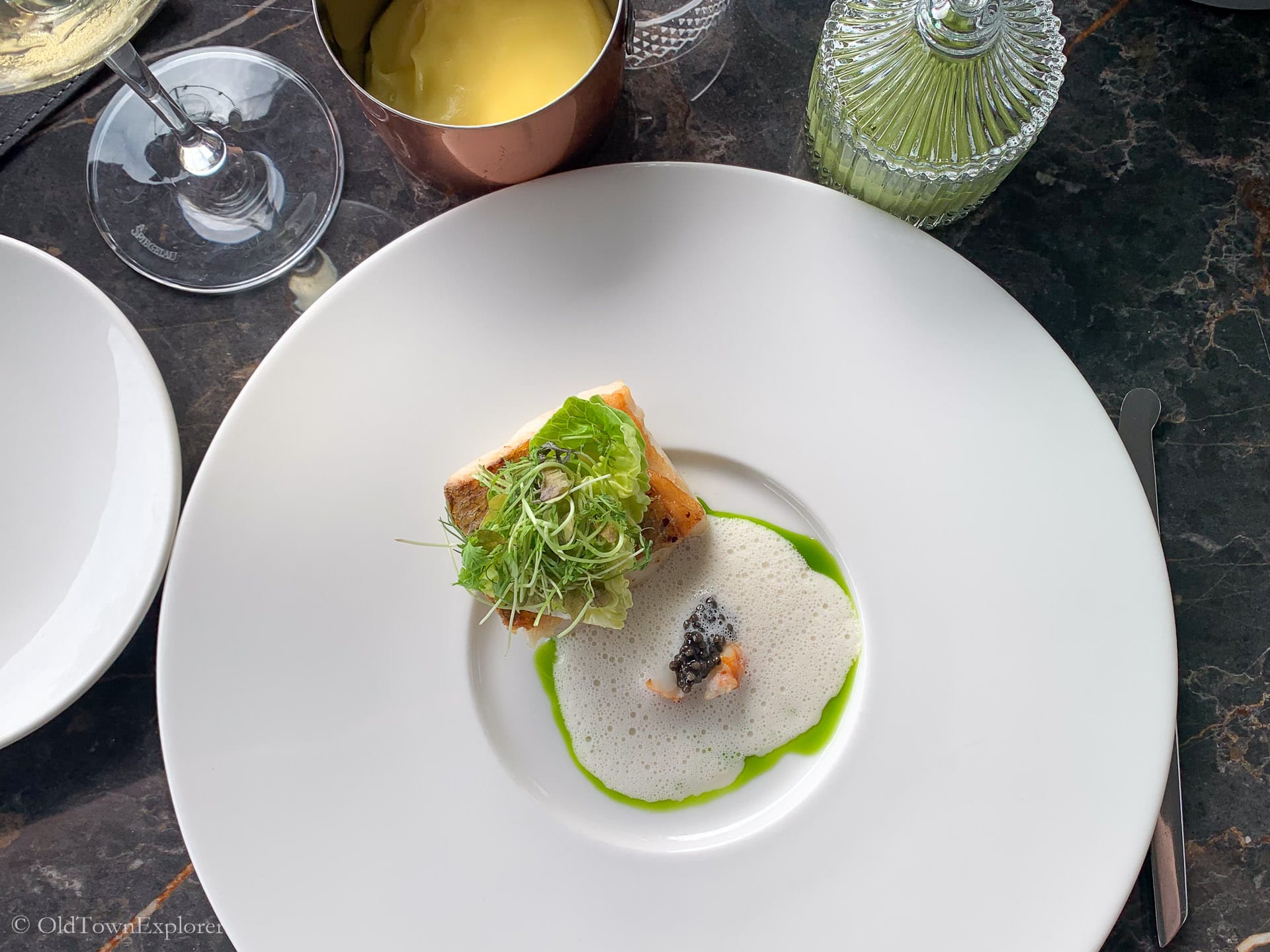
Gdansk Wine
Gdańsk is home to a growing wine scene, with cozy wine bars, well-curated wine shops, and restaurants offering selections from across Poland and beyond.
While the city itself doesn’t produce wine, nearby wineries in the Pomeranian and Kuyavian-Pomeranian regions are easily accessible for day trips or tastings.

Gdansk Architecture
Gdańsk boasts one of the most beautiful and historically rich urban landscapes in northern Europe. Rebuilt with great care after World War II, the city’s Old Town is a showcase of Gothic, Renaissance, and Dutch Mannerist architecture that reflects its Hanseatic past.
Grand merchant houses with ornate façades line the Royal Route, while iconic landmarks like the medieval Gdańsk Crane, Artus Court, and St. Mary’s Basilica tell the story of a powerful Baltic port shaped by centuries of trade, conflict, and cultural exchange.

Where Is Gdansk Located?
Gdańsk is located in northern Poland, on the southern coast of the Baltic Sea. It sits at the mouth of the Motława River, which flows into the Gulf of Gdańsk, part of the larger Baltic Sea basin.
What Is The Best Time To Visit Gdansk?
The best month to visit Gdansk depends on what you’re looking for. Do you want the best weather, fewer crowds, or the best value? Following are our suggestions for each.
Weather
The best weather is a personal preference. We find the best weather for exploring a city is around 55° to 60°F and sunny. The weather in Gdansk during the winter can be very cold, so plan accordingly if you’re visiting during the Holidays.
Below is a chart showing the average high and low temperatures for each month so you can decide what is best for you.

Shoulder Season
The time of the year with good weather and fewer crowds is often called the shoulder season. The shoulder season in Gdansk is April to May and September to October. For many, this is the best time of the year to visit. We spent the entire month of July in Gdansk. The weather was warm but comfortable, especially during the morning hours.
Best Value
May and September are good months to visit Gdansk for the best value with decent weather and fewer crowds. The weather during these months can be somewhat cold in Gdansk, but, if you dress appropriately, it can be comfortable for walking most of the day.
Best Places to Stay in Gdansk
Hotels in Gdansk
If you are planning a trip to Gdansk, there are plenty of excellent places to stay. However, for the best experience, we strongly recommend staying in the Old Town (Stare Miasto). The castle marker on the map below is the heart of the Old Town. We suggest staying as close to it as possible, depending on your budget and preferences.
Here’s a map with hotel and apartment options that can be filtered to meet your needs. Select your travel dates to get specific availability and prices.
Other Things to Know About Gdansk
Airport
The main airport serving Gdańsk and the entire Tricity area (Gdańsk, Sopot, and Gdynia) is Gdańsk Lech Wałęsa Airport (IATA: GDN). Located approximately 12 km northwest of downtown Gdańsk, it’s Poland’s third-busiest airport, handling around 6 million passengers annually
Train Station
The main train station in Gdańsk is Gdańsk Główny, the city’s primary rail hub and centerpiece of its regional and national rail network. Located on Podwale Grodzkie street, this striking Neo‑Gothic and Dutch Mannerist building opened in 1900 and was recently restored in 2023. It features 10 platforms serving local SKM commuter services, long‑distance PKP Intercity, and regional Polregio trains.
Gdańsk Główny sits within walking distance of the Old Town—around a 10‑ to 20‑minute stroll to the Long Market (Długi Targ)—and offers excellent connectivity to local trams, buses, and the intercity bus station, which is conveniently linked via an underground passage.
Time Zone
Gdansk is in the Central European time zone (CET = GMT / UCT + 1). Daylight saving time applies from the last Sunday in March to the last Sunday in October (CEST).
Currency
Polish złoty
Language
Polish is the official language, but English is widely spoken in Gdansk.
Visa
Citizens from the United States, United Kingdom, Canada, and Australia don’t need a visa to visit Poland if they stay 90 days or less. For more information on visa-free travel in Poland, check out our article on traveling visa-free.
Electricity
Poland’s electrical outlets are Type C and E. Plug type C is the plug which has two round pins and plug type E is the plug which has two round pins and a hole for the socket’s male earthing pin. They have a 230V supply voltage and 50Hz.
Travelers from the United States will need an adapter. If you have many items to plug in, we recommend a travel power strip with multiple USBs and standard plug-ins. Using a power strip, you will only need one adapter to plug the strip into the wall.
SIM Card
Travelers will want a SIM card for Poland. You can get either a local SIM card or an eSIM card.
To get a local SIM card, you have to find a local cellular service provider, often stand in line for assistance, show your passport, and complete some paperwork. The SIM cards work great, but purchasing them is somewhat inconvenient. This option is best if you need more than 5GB of data.
We use eSIMs exclusively because they can be purchased through an app prior to arrival in a new country and activated when you hit a cell tower in the country. We use Airalo eSIMs. They work great, and I recommend them if you plan to use less than 5 GB of data during your stay or if you need internet immediately on arrival.
Car Rental
The fantastic train system in Poland makes rental cars unnecessary for most destinations. However, rental cars are needed to reach smaller towns and explore the countryside. In addition to the major car rental companies found in the United States, Sixt and Europcar are common throughout Europe. For a comparison of rental car offers from large, international brands and smaller regional brands, we recommend Discover Cars.
FAQs About Gdansk
Is it worth visiting Gdańsk?
Yes, Gdańsk is absolutely worth visiting. This historic port city on Poland’s Baltic coast offers a unique mix of beautifully restored architecture, maritime heritage, vibrant food and drink culture, and significant historical sites. From the colorful streets of the Old Town to museums like the World War II Museum and the European Solidarity Centre, Gdańsk delivers a rich and rewarding travel experience for history lovers, culture seekers, and coastal explorers alike.
Why is Gdańsk famous?
Gdańsk is famous for its role as a major Hanseatic trading port and for its pivotal place in modern European history. It was here that the first shots of World War II were fired at Westerplatte in 1939, and later, the Solidarity movement emerged at the Gdańsk Shipyard, helping to end communist rule in Eastern Europe. The city is also known for its distinctive architecture, amber trade, and its location along the scenic Baltic Sea coast.
Is Gdańsk more Polish or German?
Gdańsk is historically Polish, but its identity has been shaped by both Polish and German influences over the centuries. Known as Danzig when under German control, the city changed hands multiple times due to its strategic location. Today, Gdańsk is fully part of Poland, with a strong sense of Polish heritage, while its architecture and layered history reflect centuries of multicultural exchange.
How do you pronounce Gdańsk?
Gdańsk is pronounced “guh-DANSK”, with a soft “g” at the beginning and a nasal “ń” (like the “ny” in “canyon”) before the final “sk.” The name is Polish, and the “ń” sound gives it a distinctive pronunciation not commonly found in English.
What food is Gdańsk known for?
Gdańsk is known for hearty northern Polish and Kashubian dishes, with a strong emphasis on fresh seafood, smoked meats, and traditional flavors. Popular local specialties include żurek (sour rye soup), pierogi (filled dumplings), and śledź (pickled herring). The city’s long-standing amber trade is also reflected in its historic Goldwasser liqueur, flavored with herbs and flecked with real gold.
Are there food markets in Gdańsk worth visiting?
Yes, Gdańsk is home to several lively food markets, the most notable being Hala Targowa, located just outside the Old Town. This indoor market offers everything from fresh produce and regional cheeses to local pastries and street food. It’s a great place to experience everyday life in Gdańsk and taste authentic Polish ingredients.
Can you drink wine in Gdańsk?
Absolutely. While Gdańsk is not a wine-producing city, it has a growing wine culture with wine bars, boutique wine shops, and restaurants offering both Polish wines and international selections. Nearby wineries in the Pomeranian and Kuyavian-Pomeranian regions are also accessible for day trips or tastings.
Where can I try Polish wine in Gdańsk?
You can try Polish wine at several local wine bars and specialty restaurants in Gdańsk. Places like Wine Bar Loft, Winne Grono, and Faktyczny Dom Kultury offer curated lists that often include bottles from emerging Polish wineries, particularly from Lower Silesia, Lesser Poland, and Pomerania.
What type of architecture is Gdańsk known for?
Gdańsk is famous for its Hanseatic and Dutch Mannerist architecture, particularly visible in the restored Old Town. Elegant townhouses with decorative façades, Gothic churches like St. Mary’s Basilica, and landmarks such as the Gdańsk Crane and Golden Gate reflect the city’s medieval prosperity and maritime power. Post-war reconstruction preserved much of its pre-war charm.
What are the must-see architectural sites in Gdańsk?
Key architectural highlights include the Royal Route (Długi Targ), Artus Court, the Neptune Fountain, St. Mary’s Basilica, and the Gdańsk Crane on the Motława River. Each structure reflects the city’s Hanseatic roots and centuries of influence from both Central and Northern Europe.
Gdansk Blog Posts

28 Pros and Cons of Living in Gdansk, Poland
Discover Life in Gdansk: Pros & Cons of Living in a Baltic Port City Gdansk (Gdańsk) is a historic port city on Poland’s Baltic coast, part of the Tri-City area with Sopot and Gdynia. Day to day, it feels like a working city with shipyard…

Explore Malbork Castle
Discover Malbork Castle, a 13th-century Teutonic fortress turned Polish royal seat. Learn about its history, architecture, and what to see at this UNESCO World Heritage Site.