
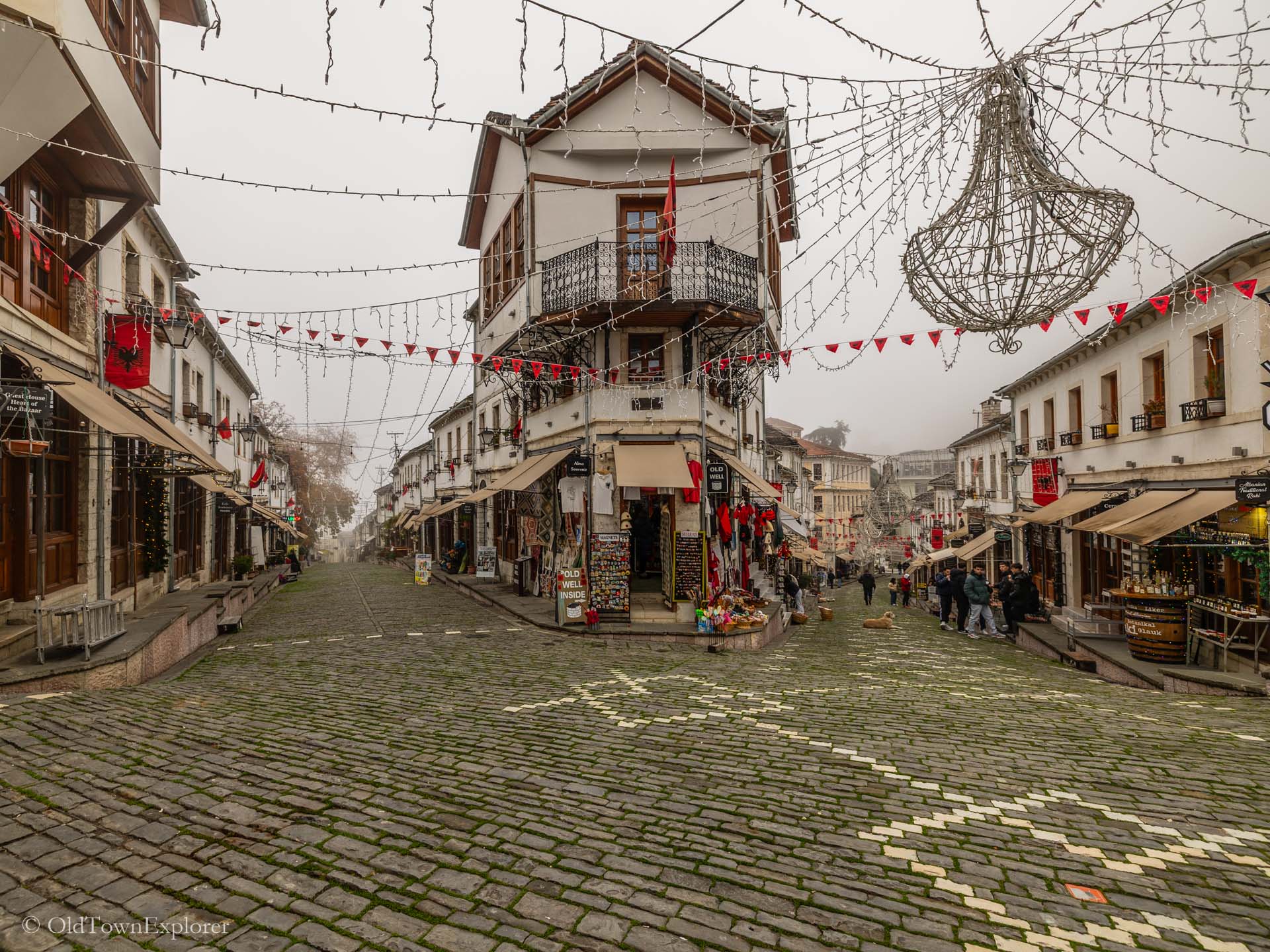
Discover Gjirokastër: History, Architecture & Must-See Attractions
Gjirokastër, Albania, is a hillside city in the Drino Valley and one of the strongest day trips from Saranda for Ottoman-era architecture, stone houses, steep streets, and castle views. A one-day visit works best when the old bazaar, fortress, traditional houses, religious buildings, and hillside lanes are treated as one connected walking route.
The Historic Centres of Berat and Gjirokastra are listed by UNESCO for Ottoman-period architectural character, and Gjirokastër shows that character through stone roofs, fortified houses, bazaar streets, mosques, churches, and the castle above town.
We visited Gjirokastër during our stay in Saranda. The practical question is not whether the city has enough to see, but how to pace the steep streets, castle climb, traditional houses, food stops, and return transport in one day.
This website contains affiliate links that may earn us a small commission at no additional cost to you.
Gjirokastër at a Glance
Gjirokastër is a day trip for architecture, hillside walking, fortress views, traditional houses, and Albanian food rather than a flat, easy old-town stroll. The city is compact, but the slope changes how much you can comfortably see in one day.
Key day-trip points:
- Best for: Ottoman-era stone houses, steep bazaar streets, castle views, traditional architecture, and a more complete historic-town experience than Saranda.
- Base city: Saranda is the natural base for this route, with Gjirokastër reached inland through southern Albania.
- Main sights: Prioritize Gjirokastër Castle, the Old Bazaar, Bazaar Mosque, Skenduli House, Zekate House, and one or two additional historic houses or churches.
- Walking difficulty: The old town is walkable but steep, with stone streets, uneven surfaces, and repeated climbs between the bazaar, castle, and house museums.
- Time needed: Allow a full day from Saranda if you want the castle, bazaar, traditional houses, lunch, and unhurried walking.
- Main trade-off: Gjirokastër gives more architecture and historic-town depth than Butrint, but it requires more uphill walking and a longer day from Saranda.
Choose Gjirokastër when Ottoman architecture and a lived-in historic town matter most; choose Butrint when archaeology is the priority.
History of Gjirokaster
From ancient Chaonian roots to UNESCO recognition, Gjirokastër’s place in history is etched in limestone and slate, making it an essential chapter in any exploration of Balkan history and architecture.
Ancient Chaonian Roots
Long before its stone rooftops glimmered under Ottoman eaves, the Drino Valley was home to the ancient Chaonian tribe of Epirus, whose main settlement at nearby Antigonea flourished in classical times. The fortress-crowned hill that would become Gjirokastër first surfaces in written records in 1336 under the Greek name Argyrokastron (“Silver Castle”), when it lay on the frontier between the Byzantine-successor Despotate of Epirus and rising Albanian feudal clans.
Ottoman Era
Ottoman forces seized the citadel in 1418, transforming the town into the seat of the Sanjak of Albania and kick-starting four centuries of imperial influence. During the 17th–19th centuries, wealthy landowners commissioned the renowned kullë tower-houses—fortified, multi-story dwellings whose white-washed façades and carved wooden interiors still define the skyline. The same period saw the layout of the bazaar and the construction of mosques and Orthodox churches that attest to a diverse, cosmopolitan society.
The Communist Era
In the late Ottoman era Gjirokastër became a hotbed of the Albanian National Awakening and, after the First Balkan War, passed definitively to the new Albanian state in 1913. Italian troops occupied the city in 1939; a brief Greek advance followed in 1940-41 before German forces and then Albanian partisans took control during World War II. Gjirokastër’s most famous native son, communist leader Enver Hoxha, elevated it to “museum city” status after 1944, sparing much of its historic core from modern redevelopment.
UNESCO Recognition
The turbulence of post-communist transition touched the city during the 1997 Albanian unrest, yet its stone heritage endured. Recognizing that legacy, UNESCO inscribed the Historic Centre of Gjirokastër on the World Heritage List in 2005 as “a rare example of a well-preserved Ottoman town.”
Architecture of Gjirokastër
Gjirokastër’s architecture is shaped by stone, slope, defensive houses, and the castle above the old town. The city does not sit on a flat grid; it climbs the hillside, so buildings, streets, views, and walking effort are all connected.
Stone Roofs and Walls
The stone roofs are one of Gjirokastër’s clearest visual features. They make the city read as a hillside stone settlement rather than a painted or stucco old town.
Steep Streets and Walking Lines
The streets climb between the Old Bazaar, castle, churches, mosques, and traditional houses. Short distances can feel longer because the route is steep and the stone surfaces require attention.
Fortified Houses
Gjirokastër’s traditional houses were built for status, family life, defense, storage, and views. Their high walls, upper living spaces, enclosed courtyards, and tower-like forms explain why the houses are central to the city’s architecture.
The Castle Above Town
Gjirokastër Castle controls the skyline and gives the clearest view of the old town’s hillside structure. It also helps explain why the city developed as a defensive settlement rather than a flat market town.
The Bazaar as the Civic Core
The Old Bazaar is the easiest place to understand Gjirokastër at street level. Shops, stone paving, rooflines, slopes, and street junctions concentrate the town’s daily and visitor movement in one compact area.
Religious Buildings in the Old Town
Mosques and Orthodox churches add another layer to the hillside layout. They are useful not only as individual buildings but also as markers within the old town’s streets and neighborhoods.
Old Bazaar and Civic Core in Gjirokastër
These stops sit in or near the main walking area of the old town. They work best at the beginning of the visit because they establish Gjirokastër’s street pattern, stone surfaces, and bazaar layout.
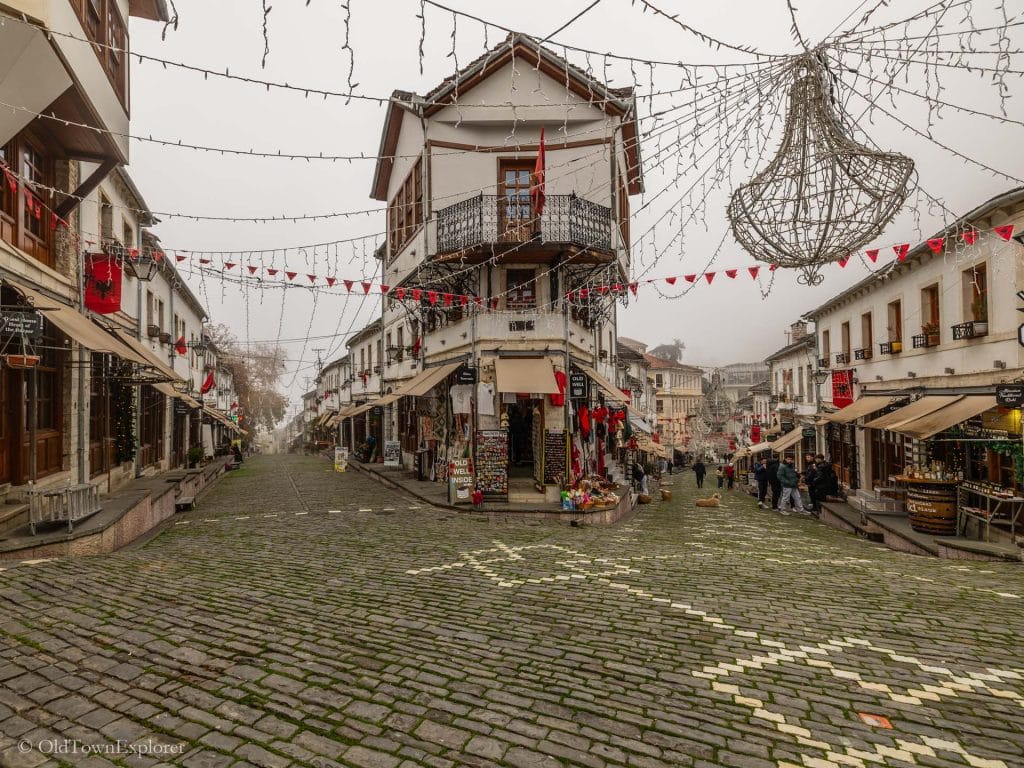
Old Bazaar
Qafa e Pazarit
- Architect: Unknown
- Architectural Style: Ottoman
- Year Built: Originally in the 17th century; rebuilt in the 19th century after a fire
- Address: Central Gjirokastër
The historic market area featuring traditional shops and architecture, serving as the heart of the old town.

Ruins of the Meçite Mosque
Xhamia e Meçites
- Architect: Hadji Murad
- Architectural Style: Ottoman
- Year Built: 17th century
- Address: Ruins of the Meçite Mosque, 6002 Gjirokastër, Albania
Once a prominent mosque, it was largely destroyed during the communist era and converted into a residential house.

Bazaar Mosque
Xhamia e Pazarit
- Architect: Unknown
- Architectural Style: Ottoman
- Year Built: 1757
- Address: Located in the Old Bazaar neighborhood, Gjirokastër
One of the few mosques that survived the communist era, it was designated a Cultural Monument in 1973.
Gjirokastër Obelisk
Mëmëdheu ABC
- Architect: Unknown
- Architectural Style: Monumental stone obelisk
- Year Built: Unknown
- Address: Situated near the first Albanian school in Gjirokastër
A 7-meter-high monument symbolizing education and the Albanian language, located at the city's highest point.

Street of the Mad
Sokaku i të Marrëve
- Architect: Not applicable
- Architectural Style: Traditional cobblestone street
- Year Built: Unknown
- Address: Located in Gjirokastër
A narrow, winding street known for its uneven stones and associated with various local legends, including references in Ismail Kadare's works.
Castle and Hilltop Views in Gjirokastër
Gjirokastër Castle sits above the old town and gives the clearest view of the city’s slope, stone roofs, bazaar streets, and Drino Valley setting. The climb also shows how the fortress, hillside houses, and lower civic core fit into one steep urban landscape.
Gjirokastër Castle
Kalaja e Gjirokastrës
- Architect: Unknown
- Architectural Style: Medieval fortress with Ottoman additions
- Year Built: Originally in the 12th century, with expansions in the 19th century
- Address: Rruga Evlia Celebi, Gjirokastër, Albania
Dominating the town, the castle has served various roles over centuries, including as a fortress and prison. It now houses a military museum and offers panoramic views.
Traditional Houses in Gjirokastër
These houses are the strongest architectural reason to spend more than a quick stop in Gjirokastër. They show how domestic architecture, defensive planning, social status, and hillside construction worked together.
Babameto House
- Architect: Unknown
- Architectural Style: Traditional Ottoman-style tower house
- Year Built: 19th century
- Address: Located in the historic center of Gjirokastër
A well-preserved example of Gjirokastër's architectural heritage, restored in 2013 to serve as a hostel and cultural center.

Fico House
- Architect: Unknown
- Architectural Style: Traditional Ottoman-style house
- Year Built: 1902
- Address: Located in Gjirokastër
A well-preserved example of early 20th-century architecture, showcasing Gjirokastër's unique building traditions.
Ismail Kadare House
- Architect: Unknown
- Architectural Style: Traditional Ottoman-style house
- Year Built: 1799; rebuilt after a fire in 1999
- Address: Rruga Fato Berberi 16, Gjirokastër, Albania
The birthplace of renowned Albanian writer Ismail Kadare, now serving as a museum dedicated to his life and work.

Skenduli House
- Architect: Unknown
- Architectural Style: Ottoman-era tower house
- Year Built: Originally around 1700; partially rebuilt in 1827
- Address: Rruga Sokaku i të Marrëve, Gjirokastër, Albania
One of the best-preserved examples of traditional Gjirokastër architecture, offering insights into 19th-century domestic life.
Zekate House
- Architect: Beqir Zeko
- Architectural Style: Ottoman-style tower house (kullë)
- Year Built: 1811–1812
- Address: Rruga Mazllem Shahu, Gjirokastër, Albania
Built by a local administrator under Ali Pasha, it's considered one of the grandest examples of Gjirokastër's architecture, featuring two towers and ornate
Churches in Gjirokastër
These sites add religious and modern civic context to the old town route. They should support the architecture walk rather than pull the post into a full religious-building guide.

Orthodox Cathedral of Gjirokastër
- Architect: Professor Papas
- Architectural Style: Traditional Orthodox
- Year Built: Construction began in 2009 and was completed in 2011
- Address: Located in Gjirokastër
A modern cathedral reflecting traditional Orthodox architectural elements, serving as a significant cultural and spiritual site.
Saint Sotiri Church
Kisha e Shën Sotirit
- Architect: Unknown
- Architectural Style: Orthodox
- Year Built: 1784
- Address: Located below the Clock Tower in the Old Bazaar neighborhood, Gjirokastër
An 18th-century Orthodox church situated on the slopes of Gjirokastër Castle.
Walking Tour in Gjirokastër
A walking tour in Gjirokastër should follow the slope rather than fight it. The strongest route starts around the Old Bazaar, climbs toward the castle for the city view, then uses the traditional houses and side streets to understand how the old town fits into the hillside.
Saint Sotiri Church
- Old Bazaar
- Bazaar Mosque
- Gjirokastër Obelisk
- Gjirokastër Castle
- Street of the Mad
- Skenduli House
- Zekate House
- Ismail Kadare House
- Saint Sotiri Church
This route works because it starts in the civic core, uses the castle as the main climb and viewpoint, then moves through the house-museum layer of the old town. With limited time, focus on the Old Bazaar, castle, and one traditional house instead of trying to visit every museum interior.
Where to Eat in Gjirokaster
Taverna Tradicionale Kardhashi
- Address: Rruga Bule Naipi Dunavat 1, Gjirokastër 6001, Albania
Taverna Tradicionale Kardhashi is known for qifqi (herbed rice balls), sarma (stuffed grape leaves), and shapkat (cornbread with greens).
Restorant Tradicional Odaja
- Address: Rruga Gjin Bue Shpata, Gjirokastër, Albania
Restorant Tradicional Odaja offers a variety of traditional dishes, including vegetarian options like stuffed eggplant and peppers.
Restorant Tradicional Urat
- Address: 34CP+XM5, Gjirokastër, Albania
Restorant Tradicional Urat is known for dishes like chicken and pork kebabs, stuffed aubergine, and moussaka.
Where to Drink in Gjirokaster
Gjirokaster is not Albania’s main wine center, but it has a few useful places to try Albanian wine during a short stay. Wine availability changes by venue, so ask which local bottles are open by the glass.
Vinoteca Wine Bar
- Address: Rruga Veli Harshova, 06105 Gjirokastër, Albania
Vinoteca Wine Bar is a central option for trying Albanian and regional wines near the old town. It works well as an evening stop after visiting the bazaar or castle.
The Barrels
- Address: Rruga Valere, Gjirokastër, Albania
The Barrels, also known as Te Fucite, is outside the city center and combines food, wine, and a rural setting. It is better treated as a planned meal or short trip rather than a quick old-town stop.
How to Get to Gjirokastër from Saranda
Gjirokastër is an inland day trip from Saranda, and the route is practical by car, bus, taxi, or tour. The main planning issue is not only reaching Gjirokastër, but also getting from the lower arrival area up into the steep old town.
By Car
A car gives the most flexibility if you want to control departure time, add stops, or avoid waiting for return transport. It also makes the uphill arrival easier, but parking close to the old town can still require planning.
By Bus or Minibus (Furgon)
Buses and minibuses connect Saranda with Gjirokastër, but current departure times should be checked before planning a day trip around a tight schedule. Visit Saranda notes that buses from Saranda may drop passengers below the old town, leaving a steep climb or local transfer up to the historic center.
By Taxi
A taxi is useful if you want a simpler door-to-door trip or are traveling with others. Agree on the fare, waiting time, and return plan before leaving Saranda, especially if you want the driver to wait while you visit the castle and old town.
By Tour
A tour can make sense if you want transport, old-town orientation, and historical context handled together. Check the current route before booking because some tours combine Gjirokastër with other southern Albania stops.
Where Is the Best Place To Stay In Gjirokaster
Hotels in Gjirokaster
For most first-time visitors, the most practical area to stay is near the Old Bazaar. This keeps you close to Gjirokastër Castle, the Ethnographic Museum, traditional houses, restaurants, cafés, and the main walking routes through the historic center.
The trade-off is terrain. Streets near the bazaar can be steep, uneven, and difficult with heavy luggage. If mobility or parking is a concern, check the exact hotel location before booking.
Making the Most of Your Day Trip to Gjirokastër
A day trip to Gjirokastër works best when the castle, Old Bazaar, and traditional houses are treated as the core plan. Food, wine, shopping, and extra museums can fit around that route, but they should not replace the main architecture sequence.
Morning — Start in the Old Bazaar
Begin in the Old Bazaar to understand the street pattern, stone paving, shops, mosque, and central walking area before the steepest climbs. This also gives you a practical base for coffee, cash, water, and route decisions.
Midday — Climb to the Castle
Use the middle of the visit for Gjirokastër Castle if the weather is manageable. The castle gives the best overview of the old town, stone roofs, hillside structure, and Drino Valley setting.
Afternoon — Visit the Traditional Houses
After the castle, choose one or two traditional houses rather than trying to see every interior. Skenduli House, Zekate House, Ismail Kadare House, Fico House, and Babameto House all support the architecture theme, but the day works better when you leave time for the streets between them.
Late Afternoon — Return Through the Bazaar
Finish by returning through the Old Bazaar for food, photos, or a slower walk before leaving town. This gives the day a natural loop instead of ending with a rushed downhill transfer.
Tips for Visiting Gjirokastër
Gjirokastër is compact, but the terrain makes planning important. Steep stone streets, uphill house museums, exposed summer walking, and transport from Saranda all affect how much you can comfortably see in one day.
Wear Comfortable Shoes
Gjirokastër is known for its steep, cobbled streets—some of which can be quite uneven. Sturdy, comfortable footwear is a must for exploring the Old Town and its historic sites.
Start Your Day Early
To avoid the midday heat (especially in summer) and catch the best light for photography, start your sightseeing early in the morning. Many attractions also tend to be quieter before 10 a.m.
Carry Cash
While some hotels and restaurants accept cards, many smaller shops, museums, and eateries prefer cash, especially in the bazaar. The Albanian lek (ALL) is the local currency, and ATMs are available in the town center.
Don’t Skip the Traditional Houses
Homes like the Zekate House, Skenduli House, and the Ismail Kadare House Museum offer a unique glimpse into Ottoman-era life and are often highlights of any visit.
Visit the Castle Before Sunset
Gjirokastër Castle offers breathtaking panoramic views of the city and valley below. Visiting in the late afternoon or early evening gives you the chance to enjoy golden-hour lighting and fewer crowds.
Try the Local Dishes
Don’t leave without tasting qifqi (herbed rice balls), shapkat (cornbread with greens), and other local specialties. Traditional taverns and family-run restaurants serve the most authentic versions.
FAQs About Gjirokaster
Is Gjirokastër worth visiting as a day trip from Saranda?
Yes. Gjirokastër is worth visiting from Saranda if you want Ottoman-era architecture, stone houses, a hilltop castle, old bazaar streets, and a stronger historic-town experience than Saranda itself offers.
How long should I spend in Gjirokastër?
Plan a full day from Saranda if you want the castle, Old Bazaar, one or two traditional houses, lunch, and time for the steep streets. A shorter visit should focus on the castle, bazaar, and one house museum.
How is Gjirokastër different from Butrint?
Gjirokastër is a lived-in historic city with Ottoman-era houses, bazaar streets, and a fortress above town. Butrint is an archaeological park, so it is stronger for ancient ruins while Gjirokastër is stronger for urban architecture.
Is Gjirokastër walkable?
Yes, the old town is walkable, but it is steep and uneven. Wear shoes with good grip and avoid stacking too many uphill sights back-to-back.
Can I visit Gjirokastër without a car?
Yes, but the day needs more planning. Bus or minibus travel from Saranda can work, but a taxi, tour, or car gives more control over the uphill arrival, return timing, and side stops.
When is the best time to visit Gjirokastër?
Spring and autumn are the easiest seasons for walking because the stone streets and castle climb are more comfortable in milder weather. In summer, start early and avoid the hottest part of the day when possible.
What should I see first in Gjirokastër?
Start with the Old Bazaar if you want the walking route to build naturally, or start with the castle if views and orientation matter most. Both choices work, but the castle climb should not be left until you are tired.
Can I do wine tasting without a car in Gjirokastër?
You can have Albanian wine in town, but Gjirokastër is not primarily a wine-tasting destination. Treat wine as an evening or meal add-on rather than the main reason for the day trip.
Should I stay overnight in Gjirokastër?
An overnight stay makes sense if you want slower house visits, dinner, evening streets, and less pressure around return transport. As a day trip from Saranda, prioritize the castle, bazaar, and traditional houses.
For the base city, start with Saranda. For a different day trip from Saranda, compare this route with Butrint, Albania.
For planning around the rest of your stay, use Saranda Architecture, Saranda Food, and Saranda Wine.
