

Discover Life in Kotor: Pros & Cons of Living in a Walled Coastal Town
Kotor is a fortified coastal town where daily life is shaped by the car-free Old Town, narrow streets, cruise-ship days, parking limits, bay weather, and a routine that works best on foot if you live near the center.
We spent over a month living in Kotor and saw what was easy day to day and what required planning. Below are the pros and cons of living in Kotor, focused on housing, errands, transport, summer crowding, off-season closures, weather, and travel connections.
This website contains affiliate links that may earn us a small commission at no additional cost to you.
Living in Kotor At a Glance
This overview summarizes who tends to do well in Kotor, who tends to struggle, what’s most noticeable day to day, and the main trade-offs to expect.
Best for
People who want a walkable routine and can live with summer crowd pressure
Remote workers or retirees who don’t need a deep local job market
Anyone who will use boats, hikes, and short drives as part of weekly life
Harder for
People sensitive to noise and crowds in peak season, especially near the Old Town
Anyone who needs big-city services and lots of shopping options nearby
Frequent flyers who want a wide set of nonstop routes year-round
What stands out
The Old Town is mostly on-foot, but moving, deliveries, and parking take planning
Cruise ship days can change the center quickly, even outside peak holidays
Off-season closures affect dining and services more than first-timers expect
Top trade-offs
UNESCO-level historic core vs. summer crowding and traffic congestion
Low day-to-day friction on foot vs. car and parking hassle near the walls
Great bay access vs. limited big-city amenities without leaving town
Pros and Cons of Living in Kotor
Pro: Large Pedestrian-Only Old Town
Kotor’s Old Town is largely on-foot, so if you live inside or close to the walls, many daily tasks are walkable: quick groceries, cafes, short errands, and evening walks along the waterfront.
The downside is access. Deliveries, loading, and moving day take more coordination, and parking near the Old Town can be a recurring hassle during busy months.

Pro: Walled Old Town with Well-Preserved Medieval Architecture
Kotor’s old town and bay region are part of the UNESCO listing for the Natural and Culturo-Historical Region of Kotor. For residents, the value is that the historic core is not a “day trip” location — it’s the backdrop for daily routines, walks, and meetups. For the main walls, churches, and key sights, see our Kotor Architecture guide.
The trade-off is that protected, older building stock can mean smaller layouts and more quirks (stairs, humidity, insulation, and renovation limits depending on the property).

Pro: Interesting History
Kotor boasts a rich history, with influences from Roman, Venetian, and Ottoman rule visible in its architecture and culture. The town’s fortifications, churches, and museums offer a glimpse into its storied past, and there are many historical landmarks to explore, including the Cathedral of Saint Tryphon and Kotor’s medieval city walls. For history enthusiasts, the town’s past is fascinating and ever-present in the streets.
Con: Few Museums
While Kotor has a rich history, it has few museums for those who are interested in exploring its cultural heritage through exhibitions. There is a museum of history and a maritime museum, but compared to larger cities, the cultural offerings are limited. This may be a downside for those used to having a wide variety of museums and galleries to visit.
Pro: Natural Beauty and Amazing Hiking Opportunities
Kotor is surrounded by stunning natural beauty, including the Boka Bay, mountains, and lush green landscapes. The area offers amazing hiking opportunities, such as the popular Kotor Fortress Trail, which takes you up the mountains for a panoramic view of the bay and Old Town. Whether you enjoy hiking, mountain biking, or simply exploring the wild beauty of Montenegro, Kotor is an ideal base.
Con: No Train Access To The Rest Of Europe
Kotor lacks train access to other parts of Europe, which can make it challenging for those who prefer to travel by train. The town is well-connected by bus and ferry, but if you’re hoping to take the scenic train routes through Europe, you’ll have to travel to nearby cities like Podgorica or Bar to catch a train.
Con: Hot Summers
Kotor’s summers can be extremely hot, with temperatures often rising to 30°C (86°F) or higher in July and August. The town, being nestled between the mountains and the sea, can feel humid, which may make outdoor activities challenging during the peak summer months. Those looking for cooler weather may find the summers a bit overwhelming.
Pro: Mild Winters
On the flip side, Kotor enjoys mild winters, with temperatures rarely dropping below freezing. While there may be some rain and cooler weather in the winter months, it’s much more comfortable than in many European cities. This makes Kotor an attractive destination for those who prefer a more temperate climate year-round.
Con: Crowds Of Tourists
Kotor is a popular tourist destination, especially during the summer months. The Old Town and waterfront can get crowded with visitors, leading to overcrowded streets and public areas. For residents, this influx of tourists can be disruptive, and certain attractions and restaurants may become too busy to enjoy fully during peak times.
Con: Crowded with Cruise Ship Passengers
Cruise ships can change the center quickly. On busy days, the Old Town streets and waterfront routes can fill up, and traffic around the bay can slow down. Local reporting has described strong growth in cruise arrivals and resident frustration with overcrowding and congestion.
If you’re choosing housing, this is one of the biggest “location matters” issues. Being a few streets away from the main Old Town lanes can make daily life quieter while still keeping walkability.
Pro: Boating, Sailing, and Water Sports
Kotor is a boating and sailing haven, situated on Boka Bay, one of the most beautiful bays in Europe. The calm waters are perfect for boating, sailing, kayaking, and even diving. Whether you’re a seasoned sailor or just enjoy spending time on the water, Kotor’s setting makes it a paradise for water sports enthusiasts.
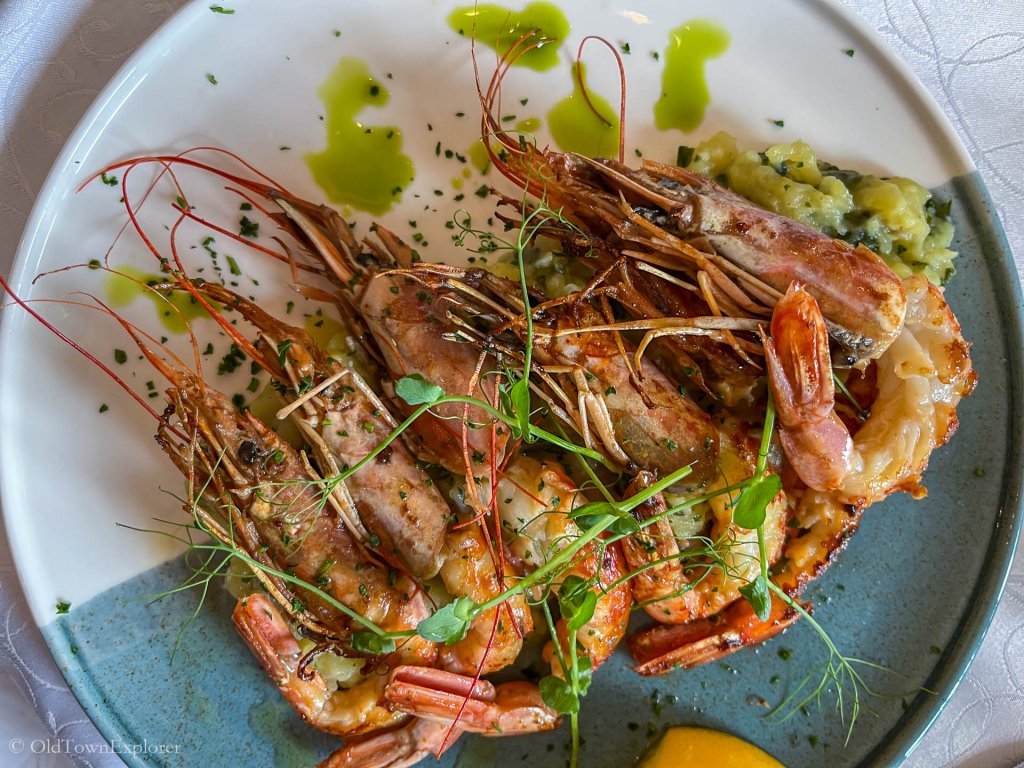
Pro: Amazing Fresh Seafood
Kotor is known for its amazing fresh seafood, thanks to its proximity to the Adriatic Sea. You can enjoy delicious local dishes like grilled fish, octopus salad, and black risotto at many of the town’s restaurants. The seafood is fresh, affordable, and widely available, making it a must-try for food lovers.
Pro: Several Good Restaurants Serving Traditional Food
Kotor has a variety of traditional Montenegrin restaurants that serve local specialties like cevapi (grilled minced meat), kacamak (cornmeal dish), and priganice (fried dough balls). The town’s seaside location ensures a focus on fresh ingredients, and you can enjoy many authentic, family-run eateries at reasonable prices. For specific spots and what to order, start with our Kotor Food guide.
Con: Limited Dining Options For Those Seeking International Cuisine
While Kotor has plenty of local restaurants, its options for international cuisine are relatively limited. If you’re craving Asian food, Mexican, or other global flavors, you might not find many choices, or the few options available may not meet the same standards as you’d find in larger cities.
Con: Limited Street Food Options
Kotor does not have a strong street food culture, and options for quick, on-the-go meals are more limited than in larger cities. While you can find some fast food or casual eateries, the variety and availability of street food may not satisfy those accustomed to eating on the move.
Pro: Relatively Large Farmer’s Market
Kotor has a relatively large farmer’s market that offers fresh, local produce, such as fruits, vegetables, cheeses, and cured meats. The market is a great place to shop for fresh, seasonal ingredients and experience the local food culture. It’s perfect for those who want to cook at home or try regional specialties.
Con: Limited Variety at Grocery Stores
The grocery stores in Kotor can feel limited in terms of variety, especially for those used to a wider selection of international products. While you’ll find the basics, more specialized items (such as international spices, specialty foods, or organic products) may not be readily available, and you may have to go to a larger town or city for these items.
Con: Limited Shopping Options
Kotor doesn’t have a large selection of shopping centers or retail outlets, and the range of international brands is fairly small. While there are boutique shops and local artisanal products, those looking for more mainstream or luxury shopping will likely have to go to Podgorica or Herceg Novi.
Pro: Many Locals Speak English
Many of the locals in Kotor, especially in the tourist-oriented businesses, speak English well, making it relatively easy for English-speaking expats to navigate daily life. It’s always helpful to know a bit of Montenegrin or Serbian, but English is widely understood.
Pro: Friendly Locals
The locals in Kotor are known for being warm and welcoming, especially to foreigners. Montenegrins are proud of their heritage and culture and are often happy to share their local knowledge and traditions with newcomers. This friendliness adds to Kotor’s charm and makes it easier for expats to feel at home.
Con: Limited Public Transportation
Kotor has limited public transportation, with few buses and no train connections. While the town is walkable, traveling to other parts of Montenegro or nearby countries without a car can be difficult. Most people rely on cars or taxis for longer trips.
Pro: Numerous Day Trip Options
One of the great advantages of living in Kotor is the numerous day trip options available. The town’s central location along the Bay of Kotor and close proximity to other popular destinations in Montenegro and neighboring countries provide plenty of opportunities to explore. You can easily visit the stunning coastal towns like Budva and Herceg Novi, or venture inland to explore the picturesque Lovćen National Park and the historic city of Cetinje. Additionally, the region offers easy access to Dubrovnik, Croatia, and other parts of the Adriatic coast, making Kotor a great base for travel.
Pro: Affordable Cost of Living
Kotor offers a relatively low cost of living compared to many European destinations. Housing, food, and services are more affordable than in larger cities, making it an attractive choice for expats, retirees, and those seeking a budget-friendly lifestyle by the sea.
Con: No Direct Flights to the United States
Kotor doesn’t have its own airport. Most flights route through nearby airports, and long-haul trips usually involve at least one connection.
The closest airport is Tivat Airport (TIV), with Podgorica (TGD) and Dubrovnik (DBV) also used depending on price and schedules.
Pro: Clean Streets
Kotor is known for its clean streets, with regular street cleaning and waste management services. The town is well-maintained and presents a neat and tidy appearance, which contributes to its charm and livability.
Con: Some Businesses Close During the Off-Season
Like many tourist towns, Kotor experiences a seasonal shift, and some businesses close during the off-season months (typically from November to March). This can limit the availability of restaurants, shops, and services, so it’s important to plan accordingly if you’re visiting or living in the area during the quieter months.
Discover Kotor Before Moving
A scouting stay in Kotor helps you test the parts that don’t show up in photos: night noise, how errands feel in heavy rain, and whether your daily routes work without a car. Daily life here is shaped by the tight footprint of the old town and the steep slopes around the bay.
If possible, base yourself in one area for 7+ nights and repeat the same walks at different hours. You’ll learn quickly whether crowds, stair climbs, and apartment light levels match what you can live with—especially on days when cruise ships are in port. The Port of Kotor posts cruise ship arrival information, which is useful for picking “busy day vs normal day” for your tests.
A simple “normal week” test
- Two grocery runs at normal hours, carrying what you’d actually buy
- One “commute walk” you repeat 3–4 times (home → work spot → pharmacy/ATM → home)
- One rainy-day schedule where you still do errands and dinner out (late autumn and winter are much wetter than summer)
- One late walk after 9–10 pm to check noise and how the streets feel
What to test in Kotor specifically
- Old town logistics: how often you enter/exit the walled core, and what that means for groceries and trash runs
- Stairs and slopes: do one “errand loop” that includes any uphill segments you’d face daily (and repeat it when you’re tired)
- Cruise-day reality: do the same loop on a ship day and a non-ship day to compare crowding and café/restaurant wait times
- Weather friction: time how much longer errands take in rain and wind off the bay (December is among the wettest months by rainfall totals)
Use the map to choose a short-stay base near your likely daily routes—grocery, ATM, work spot, and your preferred waterfront loop—then test errands and transport at normal hours for a full week. That’s the fastest way to learn whether Kotor’s day-to-day pace, hills, and crowd swings fit your routine.
Tips for Living in Kotor
These tips focus on the parts of Kotor that affect daily life: seasonality, errands, language, weather, transport, and how often you need to leave town for bigger services.
Plan Around Seasonal Pace
Kotor changes sharply between summer and winter. Summer brings crowds, traffic, and higher pressure on restaurants and parking. Winter is quieter, but some businesses reduce hours or close. Before moving, test the town in the season that worries you most.
Learn Basic Montenegrin
Although many locals speak English, especially in tourist areas, learning some basic Montenegrin or Serbian will enhance your experience. It shows respect for the local culture and makes it easier to navigate daily life, especially when dealing with local bureaucracy, grocery shopping, or chatting with your neighbors. It’s also a good way to connect deeper with the community.
Use the Bay, Trails, and Short Trips
Kotor works better for people who will use the bay, hiking routes, boats, and nearby towns as part of normal life. The old town is compact, so weekly variety often comes from walking routes, swimming spots, drives around the bay, or trips to Perast, Tivat, Budva, and Lovćen.
Prepare for Seasonal Changes
Kotor experiences hot summers and mild winters, with significant changes between the high and off-seasons. During the summer, the town can get crowded with tourists and cruise passengers, while winter is much quieter. Be prepared for fewer open businesses and a more isolated feeling during the off-season. Adjust your lifestyle to match the seasonal rhythms by stocking up on supplies in winter and embracing the busy summer vibe.
Explore the Local Food Scene
Kotor offers a wide range of local delicacies, especially fresh seafood. Be sure to explore the traditional Montenegrin dishes like cevapi, priganice, and black risotto. The farmer’s market is a great place to get fresh produce and regional specialties. While dining out is affordable, you may also want to try cooking at home using local ingredients. However, be aware that international cuisine options are limited in Kotor, so embracing the local food culture will make your experience easier.
FAQs About Living in Kotor
What is it like to live in Kotor?
Living in Kotor is practical if you want a walkable routine, bay access, historic surroundings, and a slower coastal base. The main trade-offs are summer crowding, limited parking, fewer big-city services, and some off-season closures.
Is Kotor a good place to live year-round?
Kotor can work year-round for remote workers, retirees, and people who do not need a large job market. It is harder for people who need frequent flights, broad shopping options, or a full range of services within town.
Can US citizens live in Montenegro?
US citizens can live in Montenegro but need a visa for long-term stays. A temporary residence permit is required for over 90 days. Montenegro provides various visa options, including temporary permits for work, study, or business. After residing in Montenegro for a while, foreigners may apply for permanent residency or citizenship. The process is generally straightforward, but consulting local immigration authorities or a lawyer is advised.
Is Montenegro a good place for Americans to retire?
Montenegro can appeal to retirees who want coastal scenery, lower day-to-day costs than many Western European countries, and a slower routine. The main things to check are residence options, healthcare access, winter comfort, and how often you need international flights.
How much money do you need to live in Kotor?
The amount depends on housing, season, location, transport, dining habits, and healthcare needs. Old Town and bay-view rentals usually cost more, especially in peak season, while longer leases outside the most central areas may reduce monthly costs.
