

Discover Life in Lyon: Pros & Cons of Living in France’s Rhône–Saône City
Lyon is France’s third-largest city, set where the Rhône and Saône rivers meet between Paris and the Alps. This guide covers the pros and cons of living in Lyon for day-to-day routines like getting around, grocery shopping, finding housing, and handling the seasonal changes that shape life here.
We spent a month in Lyon walking different neighborhoods, riding trams and métro lines, cooking at home, and testing what “normal life” feels like beyond a weekend visit. Below are the pros and cons of living in Lyon, focused on food, wine, architecture, transport, housing, and practical comfort.
This website contains affiliate links that may earn us a small commission at no additional cost to you.
Quick Take: Living in Lyon
This quick take summarizes who tends to do well in Lyon, who tends to struggle, what’s most noticeable day to day, and the main trade-offs to expect.
Best for
People who want strong food culture without relying on a car most days
Travelers who like quick rail access to Paris, the Alps, and nearby cities
Anyone who enjoys historic neighborhoods but still wants big-city services
Harder for
Drivers who need a car for work and don’t want to budget for parking
People sensitive to summer heat or short winter daylight
Renters who want a newer apartment in a central area at a lower price
What stands out
Daily life can be done on foot and by transit in many neighborhoods
Meals out range from simple local spots to high-end dining with lots in between
The city’s steep areas and river crossings shape walking routes more than you expect
Top trade-offs
Better location and transit often means smaller apartments and less outdoor space
Summer comfort improves with A/C, but many older flats don’t have it
Central neighborhoods are convenient, but noise and weekend crowds come with them
Pros and Cons of Living in Lyon
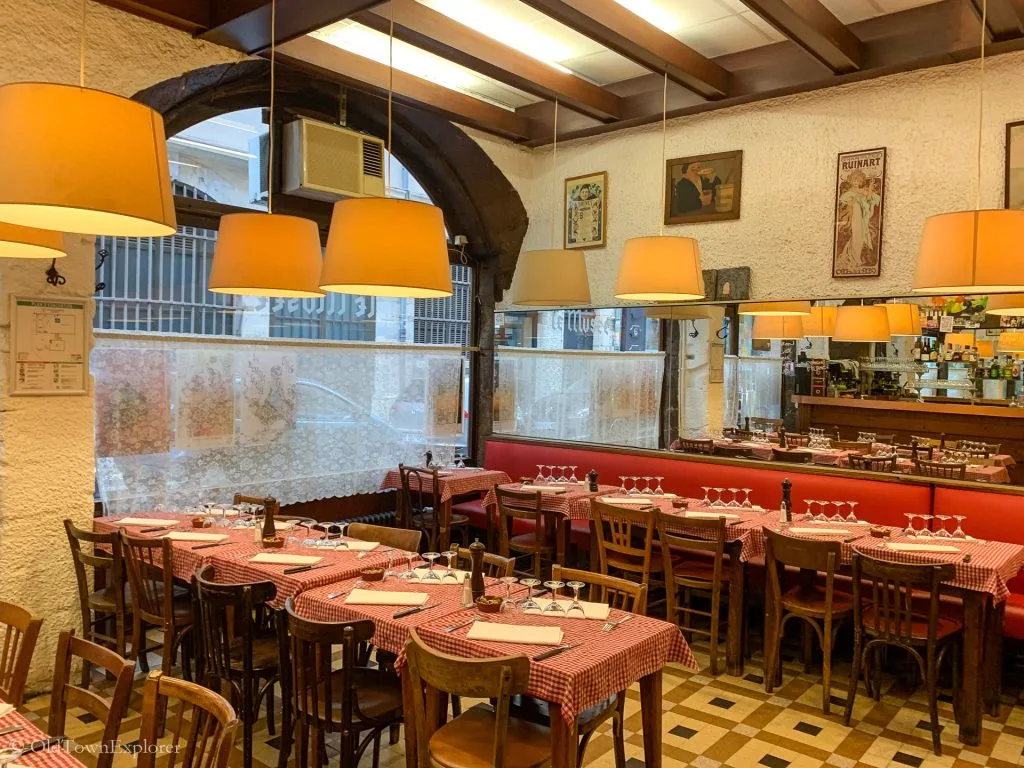
Pro: Excellent everyday food options
You can buy good bread, cheese, and produce without planning a special trip. That makes weeknight cooking easy and keeps food costs more predictable. The limitation is that some markets and small shops keep limited hours, especially on Sundays. See our Lyon Food guide for market and meal ideas.
Con: Sundays can feel “closed”
If you’re used to doing errands on Sunday, Lyon can be frustrating. Many shops shut down, and you may need to plan groceries ahead. Tourist-heavy areas still have options, but they’re not always the best value.
Pro: Strong public transit for daily routines
Commuting by métro, tram, or bus is realistic in many parts of the city. It reduces the need for a car and makes evening plans simpler. The edge case is late-night service, which can be thinner depending on the line and day. Check TCL timetables before you commit to a commute-heavy neighborhood.
Con: Driving and parking can be a constant hassle
If you drive regularly, you’ll deal with paid zones, garages, and traffic pinch points near river crossings. That adds cost and daily mental load. Living farther out helps, but then your commute time may rise.
Pro: Fast train access for weekends away
A normal Saturday can include a quick train trip to Paris or nearby towns. That makes Lyon feel well-connected without needing flights. The catch is that popular times book up and last-minute tickets can be expensive. Use SNCF timetables to sanity-check travel times before you plan regular weekend trips.
Con: Housing pressure in popular central areas
In-demand neighborhoods can move quickly for rentals. You may need to decide fast and accept trade-offs like smaller rooms or older building quirks. If you widen your search radius, value improves but convenience may drop.

Pro: Architecture with real day-to-day variety
You’ll pass Renaissance lanes in Vieux Lyon, 19th-century boulevards, and modern areas like Confluence in a single week. That keeps walks interesting and neighborhoods distinct. The limitation is that older buildings can mean stairs, weak insulation, or small lifts. For a site-by-site rundown, see our Lyon Architecture guide.
Con: Hills and stairs are part of the routine
If you live on or near Croix-Rousse or Fourvière slopes, grocery runs can feel like a workout. It’s manageable with transit and planning, but it changes your daily choices. Flat routes exist, yet they can add time.
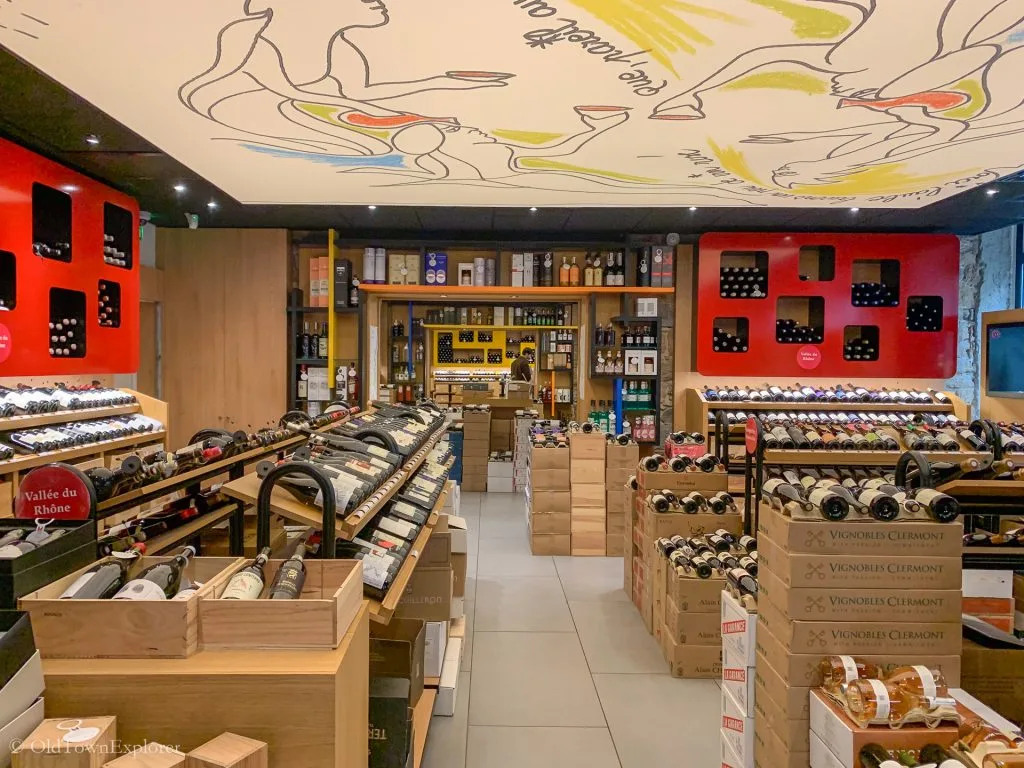
Pro: Wine culture is easy to access without a car
Wine bars and shops make it simple to learn Rhône and Beaujolais styles close to home. You can build a “house wine” habit without leaving the city. The edge case is that tastings and vineyard visits often require planning or a day trip. Start with our Lyon Wine guide for reliable places to taste and buy.
Con: Tourist season raises crowd levels in specific zones
Vieux Lyon and the riverfront areas can get busy, especially on weekends. That can make simple errands slower and restaurants harder to book. Outside the hotspots, daily life feels calmer.
Pro: Walkable riverfronts for everyday breaks
A quick walk along the Rhône or Saône can fit into a lunch break or evening routine. It’s one of the easiest ways to get outside without leaving the city. The limitation is wind and heat exposure on open stretches.
Con: Summer heat can be uncomfortable in older apartments
Hot spells are harder if your place lacks A/C or has large sun-facing windows. Sleep quality can take a hit, and you may change your schedule to avoid midday heat. Newer buildings help, but they often cost more.
Pro: Good base for car-free living
Many residents manage daily life with transit, bikes, and walking. That reduces monthly expenses tied to a car and parking. The edge case is if your work location is in an industrial zone with weaker transit coverage.
Con: Noise can be real in lively neighborhoods
If you live near bars, plazas, or major roads, late-night sound can carry into the apartment. That affects sleep and open-window comfort in warmer months. Better windows help, but not every older unit has them.
Pro: Distinct neighborhoods make it easier to “choose your routine”
Some areas feel residential and quiet, others are built around cafés and nightlife. That lets you match your day-to-day pace to where you live. The downside is you may pay more to get the exact vibe you want.
Con: Short winter days can feel heavy
Winter isn’t extreme, but gray days and early darkness can affect mood and outdoor habits. You may spend more time indoors and rely on cafés or gyms. If you’re sensitive to low light, planning helps.
Pro: Everyday eating out can be practical, not just occasional
There are plenty of simple meals you can fit into a normal week. That helps when your kitchen is small or your schedule is busy. The limitation is that the best-value places can fill up, and reservations become routine.
Con: Some administrative tasks can be slow
Setting up certain services or getting appointments may take patience. That can be stressful if you’re on a tight timeline after moving. Having documents ready and starting early makes a big difference. Keep a checklist of Service-Public moving steps so you don’t miss time-sensitive admin.
Pro: Good balance of big-city services without the scale of Paris
You get universities, hospitals, shopping, and cultural events without feeling swallowed by the city. That makes daily logistics simpler for many people. The edge case is that some niche services or international options are still more limited than the capital.
Con: Older buildings can mean higher heating needs
In winter, drafty apartments can raise bills and reduce comfort. You may rely on space heaters or stricter routines around heating. Newer housing improves this, but it’s not always central.
Pro: Easy access to green spaces for regular exercise
Parks and river paths support simple habits like running or long walks. That makes staying active doable without planning a “trip.” The limitation is that the most popular paths can feel busy at peak times.
Con: Cyclists deal with pinch points and traffic mix
Biking can be fast, but some areas force you into close traffic or crowded intersections. That can be stressful if you’re not confident on a bike. Choosing calmer routes helps, though it can add distance.
Pro: Strong café and bakery culture for daily rhythm
A quick espresso, a pastry, or a sandwich run fits naturally into the day. It’s an easy way to break up remote work or errands. The trade-off is the temptation to spend more than planned if it becomes a daily habit.
Con: Grocery prices vary a lot by neighborhood
Some areas have more budget-friendly supermarkets and markets than others. If you shop close to home, your monthly costs can shift noticeably by location. You can balance it with planned trips, but that takes time.
Pro: Seasonal food is noticeable and useful for home cooking
Menus and market stands change with the season, which keeps cooking varied. It can also help you eat well without complicated recipes. The edge case is that if you want out-of-season items, you’ll pay more.
Con: Some central apartments trade space for location
You may accept smaller rooms, fewer closets, or no balcony in exchange for walkability. That affects storage and daily comfort, especially for couples or families. Moving one or two stops out can improve space.
Pro: Good “everyday architecture” even outside headline areas
Even normal routes pass stone facades, courtyards, and older streets that give the city a strong sense of place. It makes daily errands less monotonous. The limitation is that preservation can restrict renovations, so interiors may not match expectations.
Con: Finding the right neighborhood can take trial and error
Lyon’s feel changes quickly between districts, and what sounds good online may not match your routine. You might need to test commute routes and grocery options before committing. A short scouting stay helps reduce mistakes.
Visit Lyon Before Moving
A scouting stay works best when you copy your normal routine: commute at your usual hour, shop for a week of groceries, and check noise levels after 10 pm. Try two different neighborhoods so you can compare hills, river crossings, and how long errands actually take on foot.
If you’re planning a longer move, build time for practical tasks like apartment viewings, phone reception inside older buildings, and testing summer comfort in the late afternoon.
Use the map to choose a short-stay base near your likely daily routes, then test errands and transport at normal hours.
Tips for Living in Lyon
Daily life in Lyon gets easier once you match your neighborhood to your routine and plan around the city’s weekly rhythms. These tips focus on comfort, errands, and habits that come up fast after you arrive.
Choose housing based on your commute route first
Run your exact route at peak time before signing a lease. A “short distance” can still be slow if transfers or crowded crossings are involved.
Plan your grocery routine around market and Sunday hours
Pick one main supermarket option and one backup. Stock basics before Sunday so you’re not forced into convenience prices.
Budget for summer comfort in older apartments
Ask about insulation, window exposure, and whether A/C is installed. If not, plan for fans and a heat routine that protects sleep.
Treat hills as a daily cost
If you’re on a slope, test a grocery run with real weight. It’s fine for many people, but it changes how often you shop and what you carry.
Use rail trips as pressure relief, not a packed schedule
Keeping one simple weekend escape in your back pocket can make the city feel more spacious. Just remember ticket prices jump when you book late.
FAQS About Living in Lyon
Is Lyon a good city for living without a car?
Yes in many neighborhoods, especially if you live near métro or tram lines. The main exception is work or family needs that pull you into areas with weaker transit.
What’s the biggest day-to-day downside for many newcomers?
Housing trade-offs are common: you often choose between space and central convenience. Noise and summer heat in older apartments also surprise people.
How hard is it to find an apartment in Lyon?
It varies by neighborhood and season, but popular areas can move fast. Having documents ready and being flexible on size or floor level helps.
Does Lyon feel crowded?
Some areas do, especially around Vieux Lyon and big riverfront spots on weekends. Many residential areas feel calmer once you’re a few streets away from the main routes.
How does the weather affect daily life?
Summer heat can change your schedule, and winter days can feel short. Planning your apartment for comfort and building outdoor habits around the seasons helps a lot.
