
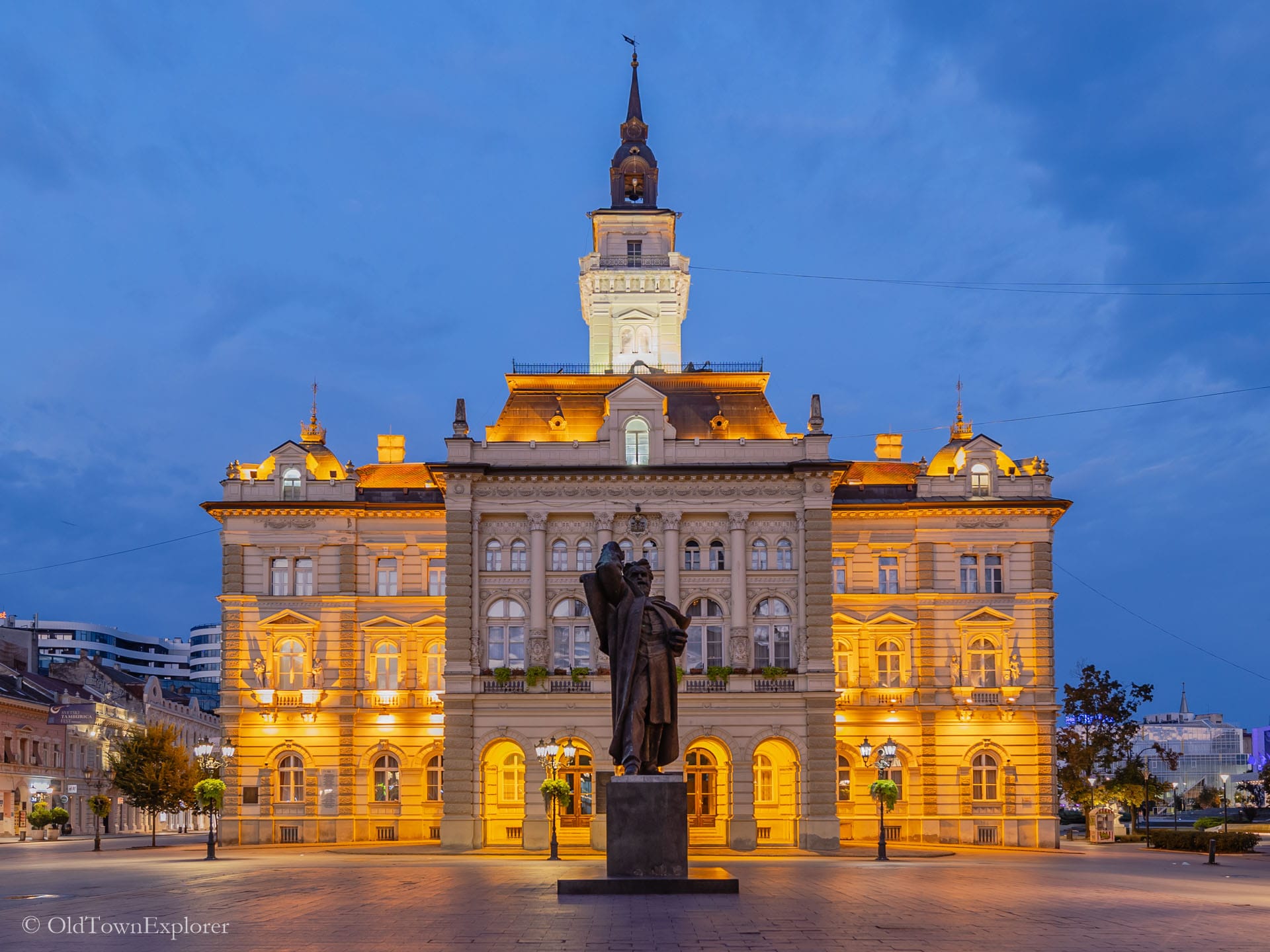
Explore Life in Novi Sad: Pros & Cons of Living in Serbia’s Danube City
Novi Sad is Serbia’s second-largest city, set on the Danube in the northern province of Vojvodina, with a compact center and mostly flat neighborhoods that spread outward. If you’re weighing the pros and cons of living in Novi Sad, daily life often comes down to walkability, local food habits, winter apartment comfort, and whether you like a quieter rhythm than the capital.
We spent a month in Novi Sad living day to day—groceries, cafés, errands, and testing transport at different times of the week. Below are the pros and cons focused on food, wine, architecture, weather, pedestrian areas, train access, crowd levels, and the small practical details that shape routines.
This website contains affiliate links that may earn us a small commission at no additional cost to you.
Quick Take: Living in Novi Sad
This quick take summarizes who tends to do well in Novi Sad, who tends to struggle, what’s most noticeable day to day, and the main trade-offs to expect.
Best for
People who want a mid-size city where most daily errands can be done on foot or by a short bus ride
Anyone who likes a calm café routine and regular eating out without constant crowds
Remote workers who want a simpler week but still want fast access to Belgrade when needed
Harder for
People who need a large local job market with many specialized roles in one place
Anyone who is picky about apartment quality and wants modern insulation on a tight budget
Drivers who rely on easy parking close to the center every day
What stands out
The center is compact, with pedestrian streets that make errands feel straightforward
The city is mostly flat, so walking and everyday cycling feel more realistic than in hillier towns
The fast rail link makes Belgrade feel close enough for routine trips, not just occasional ones
Top trade-offs
A calmer daily rhythm vs less variety than a capital in food, shopping, and work options
Good walkability vs parking pressure and traffic pinch points near the center
Easy Belgrade access vs limited international connections compared with EU rail hubs
Pros and Cons of Living in Novi Sad
The points below focus on day-to-day life rather than a short visit. Each item explains what you’ll notice, how it affects your routine, and where the trade-off shows up.

Pro: Easy everyday eating
Novi Sad has plenty of practical food options for regular days, including bakeries and simple sit-down places. It’s easy to grab lunch without planning. Late-night food is thinner outside the busiest streets and peak weekends. For specific places to eat and local staples, see our Novi Sad Food guide.
Con: Smaller job market
Local job options can feel narrower than in Belgrade, especially for specialized roles. That can shape long-term plans if you depend on local employers. Remote work helps, but it is not available to everyone.

Pro: Local wines are close by
Wines from the nearby Fruška Gora area show up often on lists and in shops. It makes it easy to try local bottles without spending big. Quality varies, so you end up learning which producers you actually like. For bars, shops, and what to try first, see our Novi Sad Wine guide.
Pro: A real pedestrian center
The pedestrian zone supports daily life, not just weekends, so errands and meetups feel simple on foot. It reduces traffic stress in the core. During event weekends, the same streets can feel packed and noisy.
Con: Hot summers can drag on
Summer heat can be intense, and warm evenings can make apartments feel stuffy. Your routine may shift toward early errands and late walks. Units with strong afternoon sun can push up cooling costs.
Con: Winter comfort depends on the building
Winters can feel fine outdoors but uncomfortable indoors if windows are old or heating is weak. That affects sleep, laundry drying, and damp corners. A warm, dry apartment changes the season more than any coat does.
Pro: Crowds stay manageable most days
Outside peak weekends, the city often feels calmer than the capital in cafés and on sidewalks. It’s easier to get a table and keep a steady routine. The exception is major event periods when the center fills quickly.
Con: Parking near the center is a hassle
Parking can mean circling, timed zones, and longer walks back to the car. It adds time to small errands if you drive daily. A dedicated space is a big quality-of-life upgrade, but it costs more.
Pro: Fast trips to Belgrade
The train connection makes day trips and some commutes realistic without a car. It helps for flights, appointments, and meetings in the capital. Late-night timing can be the deciding factor depending on your schedule. For current departure times, check Serbian rail timetables before you plan a routine.
Con: International connections take planning
Cross-border travel can be slower and less direct than in many EU cities with dense rail networks. Buses are often the practical option for some routes. Timetables can shift, so you need to re-check before booking.
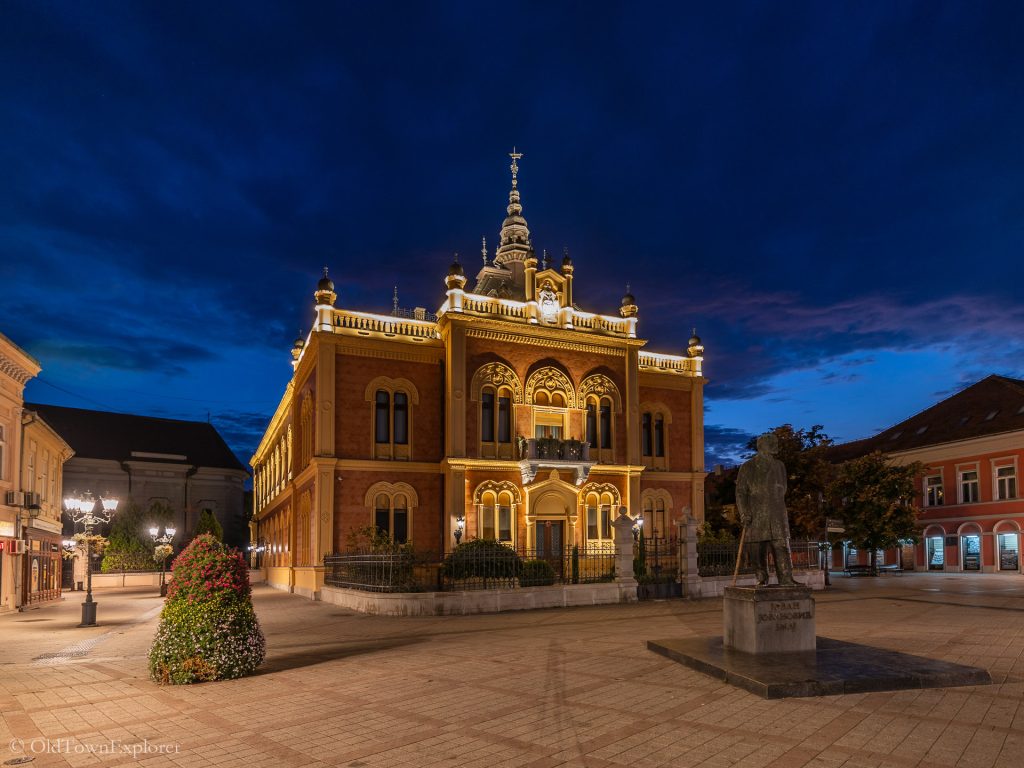
Pro: Architecture feels coherent in the core
Central streets include many consistent block faces and older façades that make everyday walks visually interesting. It gives the center a clear character. Outside the core, upkeep varies more, and the look changes quickly street to street. For a walkable list of key buildings and streets, see our Novi Sad Architecture guide.
Con: Some streets feel patched up
You can run into uneven repairs, cracked paving, and messy corners even near good blocks. It does not stop daily life, but it affects the feel of short walks. After rain, puddles and broken edges become more noticeable.
Pro: Danube paths fit routines
Flat river paths and park edges make it easy to walk or run several times a week. You do not need a car to get a long, uninterrupted route. On warm weekends, the busiest stretches can feel crowded.
Con: Public transport is simple
Buses cover most neighborhoods, but delays happen when traffic builds up. If your commute is strict, the same route can vary day to day. Late-night frequency can be thinner than people expect.
Pro: Daily errands feel close
If you live near the center, pharmacies, small markets, cafés, and services are often within a short radius. That reduces the need for cross-town trips. Bigger shopping runs can still be easier with delivery or a car.
Con: Apartment quality varies a lot
You will see everything from renovated units to older stock with drafts or loud plumbing. It can take time to find the right balance of comfort, location, and price. A quick daytime viewing often misses night noise and heating issues. If you’re staying in private accommodation, review Serbia’s registration of stay requirement and deadlines.
Pro: A big student presence
Novi Sad’s university shapes daily life, from busy weekdays to affordable food near campus. It keeps the city active outside summer, even without big-city scale. The edge case is noise in streets that cluster student rentals.
Con: Event weekends change the center
On certain weekends, the center can feel like a different city, with crowds, noise, and full cafés. That can disrupt errands and sleep if you live close in. The edge case is that it’s predictable if you learn the calendar.
Pro: Biking feels doable in many areas
Because the city is mostly flat, short bike trips can fit into daily errands. It can be faster than driving for local hops. Comfort depends on the street and traffic, so it is not relaxed everywhere.
Pro: Wine country is close
Fruška Gora wine villages sit near the city, so local bottles and tastings are part of the local “weekend routine” for many residents. It makes trying regional wine easy without long trips. The limitation is that you still need transport planning to reach specific wineries.
Pro: Cross-town trips stay short
Because the city is smaller, many commutes and errands take less time than you’d expect if you’re coming from a capital. That changes how you schedule your day and reduces “buffer time.” The limitation is that a few pinch-point roads can still slow things down at peaks.
Con: It can feel repetitive over time
If you are used to constant new openings and endless options, Novi Sad may feel like it rotates through the same places. That is the trade-off for a calmer pace. Many people solve it with regular Belgrade trips.
Pro: English works in many daily situations
In the center, many younger locals and service staff can communicate in English. It reduces stress when you are new. For repairs, landlords, and paperwork, Serbian can matter more than people expect.
Pro: Flat streets make biking easier
Much of Novi Sad is flat enough that short bike trips can replace buses for errands. It’s practical for commuting short distances. The edge case is comfort in traffic, which depends on your route and time of day.
Pro: Quieter nights in many areas
Compared with a capital, many residential streets settle earlier on weeknights. That helps if sleep and early mornings matter to you. Central streets can still be lively on weekends, especially around busy corridors.
Con: Healthcare choices can feel narrower
Depending on your needs, you may find fewer specialist options than in a larger city. That can mean traveling to Belgrade for certain appointments. For routine care, many people do fine locally once they find the right clinic.
Con: Specialist services can mean Belgrade
For certain specialist healthcare and niche services, people sometimes plan a Belgrade day rather than searching locally. It’s manageable if you’re organized, but it adds planning. Routine needs are usually fine once you find your regular places.
Visit Novi Sad Before Moving
A scouting stay helps because Novi Sad changes a lot by neighborhood, even over short distances. Live like you would after moving: do groceries on foot, test bus timing at peak hours, and check noise with windows open and closed. If you’re considering stays beyond a short visit, start with the government portal’s temporary residence info.
If you can, try two bases—one near the center and one farther out—so you can compare walk time, parking pressure, and winter comfort. Bring a simple checklist for heating type, drafts, and damp marks.
Use the map to choose a short-stay base near your likely daily routes, then test errands and transport at normal hours.
Tips for Living in Novi Sad
Novi Sad is easiest when you set up a simple routine around walkability, weather, and a few checks before signing a lease. Small choices about heating, noise, and location make the biggest difference.
Pick the right street
Choose based on night noise, traffic, and your daily routes. Visit the block at night and early morning before committing.
Check heating costs
Ask how the unit is heated and what January bills look like. Look for drafts, damp corners, and older windows.
Test your commute
Ride your real route at the time you would travel. A trip that looks short on a map can vary a lot during peak traffic.
Buy local staples
Start with local groceries and local wine and see what fits your routine. Imported items can add up fast if they become your default.
Plan Belgrade days
If you need big-city services or more variety, schedule regular trips instead of trying to do everything locally. It keeps your week calmer while still giving you access when needed.
FAQs About Living in Novi Sad
Is Novi Sad walkable for daily errands?
In and near the center, many people can handle groceries, cafés, pharmacies, and appointments on foot. The pedestrian streets make this easier than in many car-heavy cities. Farther out, you may rely more on buses or longer walks.
Do you need a car to live comfortably?
Not if you live near the center and keep most routines local. A car becomes more useful if you live farther out, shop in bulk, or cross town often. Parking near the core can add hassle and extra time to simple errands.
What is the train link to Belgrade like?
For many people, the train makes Belgrade close enough for routine trips, not just occasional visits. It helps for flights, paperwork, and meetings in the capital. The key detail is timing, so check the schedule against your real week.
What is public transport like day to day?
Buses cover most areas and are usable for regular life. Delays happen when traffic is heavy, and late-night frequency can be thinner. If your commute is strict, test the route at peak time before choosing housing.
What is winter like in apartments?
Winter comfort depends on the building more than the city itself. Some older units feel cold indoors or develop damp, which changes daily routines. Before signing, check windows, heating type, and signs of moisture in corners and around frames.
