

Discover Life in Perugia: Pros & Cons of Living in a Hilltop University City
Perugia is the capital of Umbria in central Italy, set on a high hill above the Tiber Valley with lower neighborhoods spreading into the surrounding slopes. For anyone weighing the pros and cons of living in Perugia, daily life is shaped by steep streets, a compact historic center, and a steady student calendar.
We spent a month in Perugia paying attention to the practical stuff: groceries, walking routes, transit links, noise at night, and how fast the city empties out between events. Below are the pros and cons of living here, with an emphasis on day-to-day routine, not sightseeing.
This website contains affiliate links that may earn us a small commission at no additional cost to you.
Quick Take: Living in Perugia
This quick take summarizes who tends to do well in Perugia, who tends to struggle, what’s most noticeable day to day, and the main trade-offs to expect.
Best for
People who want an Italian city with a real historic center and a daily life that still runs on foot
Students, language learners, and remote workers who like a university rhythm and weekday structure
Drivers who are happy to park outside the center and walk or ride up
Harder for
Anyone with knee or mobility issues who can’t handle stairs, slopes, and uneven paving most days
People who need fast, frequent long-distance trains without transfers
Night-shift sleepers who live near student streets or late bars
What stands out
The “two-level” feeling: flat-ish outer areas, then a steep historic core
A lot of daily movement happens through escalators, ramps, and the MiniMetrò, not by car
A strong calendar of events that changes crowd levels by week
Top trade-offs
You can live car-light, but you’ll plan around hills and access rules
The center is convenient, but apartments can be older and harder to heat in winter
It’s central in Italy, but you may connect through regional hubs for longer trips
Pros and Cons of Living in Perugia
These are the main pros and cons of living in Perugia as they affect daily life: how walkable it feels in practice, how food and wine fit into normal weeks, what the historic center adds (and complicates), and how trains and driving work when you need to leave town. Each point includes a real-world limitation so you can judge whether it matters for your situation.

Pro: Everyday Umbrian food is easy to find
You can eat well without planning, especially if you like simple pasta, legumes, pork, and seasonal vegetables. For a deeper look at what shows up on menus and in shops, see our Perugia Food guide. The practical upside is lots of low-effort meals out. The edge case is that some menus look similar across the center.
Con: Grocery runs can mean stairs and steep streets
If you live inside the hilltop core, carrying heavy bags is a routine problem. It affects how often you shop and what you buy. The limitation is that choosing a place near flatter routes can reduce the hassle a lot.
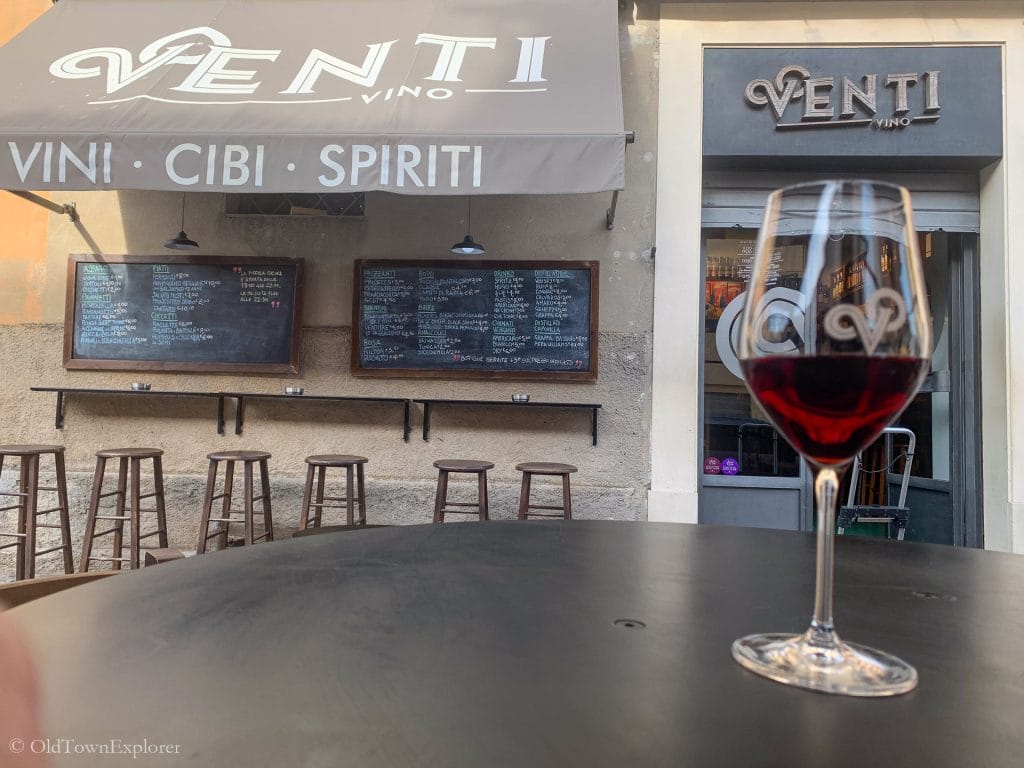
Pro: Good access to regional wines
Umbria’s main red and white areas are close enough that wine shops and restaurant lists often include local bottles (Montefalco, Torgiano, Orvieto). If you want a short list of wine bars, shops, and nearby tastings, start with our Perugia Wine guide. The impact is better by-the-glass variety. The edge case is you’ll still travel for winery visits.
Con: “Wine country” is nearby, not in town
Perugia isn’t a vineyard town, so most tastings require a car, bus planning, or a hired tour. That can limit spontaneous winery afternoons. The limitation is that day trips are doable, just not plug-and-play.
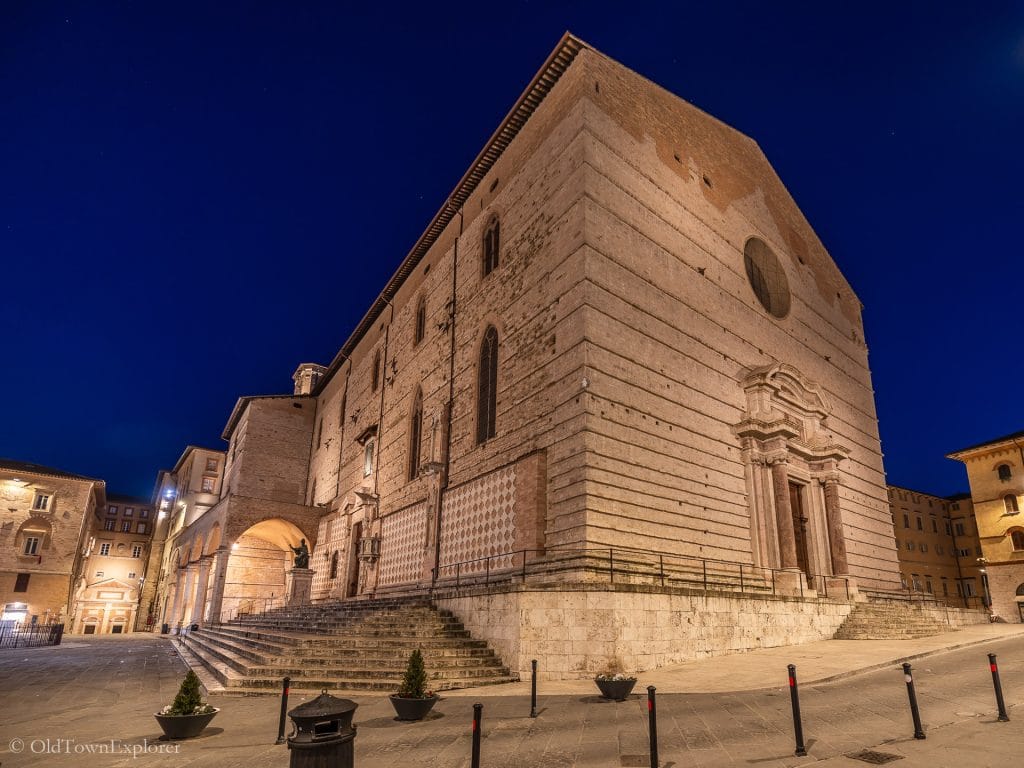
Pro: Medieval streets and civic architecture are part of errands
You cross piazzas, stone lanes, and big public buildings on normal routes, not just on weekends. For a quick orientation to the main buildings and streets, see our Perugia Architecture guide. It makes the center feel cohesive and walk-first. The edge case is that the same layout also creates bottlenecks.
Con: Older apartments can be drafty and dark
Many central buildings have thick walls, small windows, and odd layouts. This affects winter comfort and energy bills. The limitation is that newer buildings outside the core can solve this, but you trade away the “walk everywhere” feel.
Pro: A strong pedestrian core
Large parts of daily life in the center work best on foot: quick coffee, pharmacy, produce, and small shopping. The practical impact is fewer “drive across town” errands. The edge case is that deliveries and taxis need planning.
Con: ZTL rules complicate driving in the center
Limited-traffic zones restrict who can enter, when, and under what permits, and cameras enforce it. The impact is stress if you rely on a car. The limitation is that many residents adapt by parking outside.
Pro: MiniMetrò makes the hill easier
The MiniMetrò links parking and rail-side areas up to the center and reduces uphill slog on hot days. It’s especially useful for commutes that start in Fontivegge. The edge case is that service hours and strikes can change your plan.
Con: The city’s topography affects everything
Perugia’s elevation and slopes shape your route choices, footwear, and how you time errands. The practical impact is slower movement than the map suggests. The limitation is that flatter neighborhoods exist, but they feel less central.
Pro: A real university town rhythm
The main university dates to 1308, and the language-focused University for Foreigners adds an international student layer. That means weekday energy and lots of language exchange. The edge case is more late-night noise near student streets.
Con: Student demand can tighten housing
In peak academic periods, apartments near the center and campuses can go quickly. This affects price and availability more than many newcomers expect. The limitation is that looking just outside the core often improves your options.
Pro: Festivals add variety to the calendar
Some weeks feel calm, then an event fills the center with stalls and visitors (for example Eurochocolate). The practical upside is a lively public space without leaving town. The edge case is crowding and noise.
Con: Festival weeks can be exhausting
Crowds make basic errands slower, and some buses or streets feel clogged. It can also affect short-term rentals in surrounding areas. The limitation is that you can time your routines earlier in the day or stay in quieter districts.
Pro: Rail links work for regional travel
Perugia sits on lines that connect toward Rome/Florence corridors via regional routes, with useful access to nearby cities like Assisi and Foligno. For basic station details and accessibility notes, see Perugia station info. The impact is more day-trip flexibility. The edge case is longer travel times versus mainline cities.
Con: Long-distance trains often mean connections
Perugia is not on Italy’s main high-speed spine, so you may transfer to reach fast services. That affects weekend trips and airport connections. The limitation is that planning ahead reduces the pain, but spontaneity drops.
Pro: An airport exists, but it’s small
Perugia’s airport can be convenient when routes line up, especially for specific seasonal or low-cost flights. Check Umbria airport for live flights and ground transport options before you plan around it. The impact is less backtracking to Rome in some cases. The edge case is limited destinations and schedules.
Con: Many flights still require Rome
If you travel often, you may default to Rome airports for frequency and timing. That adds transfers, early starts, and extra cost. The limitation is that occasional direct flights from Perugia can still be a nice bonus.
Pro: The center stays lively without mega-tourism
Outside peak event weeks, the historic core can feel like a working city: locals shopping, students moving between classes, and steady café traffic. The practical impact is calmer daily routines. The edge case is that summer can still be busy.
Con: Some streets get loud at night
Student nights and event seasons bring late voices, scooters, and music in pockets of the center. The impact is sleep quality if your windows face the wrong lane. The limitation is that street choice matters more than building choice.
Pro: Architecture spans Etruscan to Renaissance
You can still see Etruscan-era gates like the Arch of Augustus (3rd century BC, restored in Roman times). The impact is that “old city” isn’t a theme—it’s physical evidence. The edge case is that preservation can limit renovations.
Con: Road access and parking take practice
The center’s layout is not car-friendly, and parking can feel like a daily puzzle if you don’t have a routine. This affects errands, guests, and moving day. The limitation is that park-and-ride plus MiniMetrò can solve most of it.
Pro: Underground routes help in heat and rain
The Rocca Paolina area and connected passages give you sheltered, cooler routes between levels of the city. It’s a practical benefit on very hot afternoons. The edge case is that it’s easy to get turned around at first.
Con: Wayfinding takes time
Perugia’s streets are layered and sometimes indirect, with steps that don’t show well on maps. The impact is extra walking until you learn “your” routes. The limitation is that routine paths become second nature after a few weeks.
Pro: Four-season weather is manageable
Summers are warm to hot, and winters are cool, with real seasonal change. The impact is easier year-round walking than in more extreme climates. The edge case is occasional cold snaps and damp apartments.
Con: Winter comfort depends on your building
Cold months feel colder in poorly insulated places, especially if heating is limited or expensive. This affects home routines and clothing choices. The limitation is that choosing a newer unit or better exposure matters more than floor space.
Pro: A compact daily radius
If you live near the center or on a good transit line, many essentials fit into a small loop: market, pharmacy, café, and basic services. The impact is less time spent commuting. The edge case is that specialized shopping may be outside town.
Con: Bureaucracy and appointments can move slowly
Residency steps, utilities, and service appointments can take longer than you expect, especially in busy periods. If you’re registering a move, start with the Comune’s change of residence page so you know what they ask for and how to submit it. The impact is more follow-up and paperwork time. The limitation is that starting early and keeping copies reduces repeat trips.
Visit Perugia Before Moving
A scouting stay in Perugia works best when you treat it like a test month: practice your grocery route, try the walk to the bus or MiniMetrò in bad weather, and see how loud your street gets after 10 pm. Focus on the basics—heat, stairs, parking routine, and where you’ll actually spend weekday time.
Use the stay to compare two neighborhoods with different trade-offs (center vs. flatter outer areas). Make note of how often you leave town, how easy the station feels, and whether you’re fine planning around ZTL access and uphill walking.
Use the map to choose a short-stay base near your likely daily routes, then test errands and transport at normal hours.
Tips for Living in Perugia
Perugia is easiest when you build a simple routine around hills, access rules, and a few reliable routes. These tips are about daily comfort and time saved.
Learn the ZTL
Check which streets are restricted, what hours apply, and how permits work before you drive into the center. One wrong turn can become a fine. If you host visitors, give them clear parking instructions.
Pick your neighborhood
Choose based on slope, noise, and access to groceries, not just the view. Walk the route from your front door to a supermarket with full bags. Do it once in the daytime and once at night.
Plan for hills
Expect stairs and uneven paving to shape your footwear and timing. Keep a “flat route” option for rainy days. If mobility is a concern, prioritize areas with ramps, escalators, or easier transit access.
Use the MiniMetrò
If your routine touches Fontivegge or park-and-ride areas, the MiniMetrò can save time and sweat. Learn the nearest stations and the last-run timing. Always have a backup plan for disruptions.
Handle paperwork early
Start residency, healthcare, and utility steps early in your stay. Keep printed copies and photos of documents on your phone. If a clerk asks for one more page, you’ll save yourself a repeat trip.
FAQs About Living in Perugia
Is Perugia walkable?
Mostly yes—if you’re comfortable with hills. In the centro storico, many daily errands are doable on foot, but steep grades, stairs, and uneven paving can turn a “10-minute walk” into something slower. If you have knee or mobility issues, pick a flatter area or a route that avoids long stair sections.
Do you need a car in Perugia?
Not necessarily. Many people manage day to day with walking, buses, and the MiniMetrò, especially if they live near the center or near a practical transit link. A car becomes more useful for work commutes outside town, big grocery runs, and regular countryside trips.
Is Perugia noisy at night?
It depends heavily on your street. Areas with student housing and late bars can stay loud later than you’d expect, especially on weekends or during event weeks. If quiet matters, visit the exact street after 10 pm on a Friday or Saturday before you commit to a lease.
How are train connections from Perugia?
Good for regional travel, less convenient for long-distance trips. You can reach nearby Umbrian towns fairly easily, but many longer routes require a connection to faster services in larger hubs. If you’ll travel often, test a sample run to Rome, Florence, and your usual airport to see how the transfers feel.
What is Perugia’s weather like across the year?
You get four clear seasons, with warm to hot summers and cool winters. The bigger day-to-day factor is your building: older apartments can feel colder and damper indoors than the outside temperature suggests. Before signing, ask about heating type, window condition, and typical winter utility costs.
Is Perugia expensive compared to other Italian cities?
It’s often cheaper than major hubs like Rome or Milan, but costs vary a lot by neighborhood and whether you rent inside the historic center. If you’re comparing options, price out rent plus winter heating and your commute costs, not just the monthly lease.
