

Discover Life in Rome: Pros & Cons of Living in the Eternal City
Rome is a large capital where ancient sites, working neighborhoods, and modern commutes overlap in daily life. The biggest day-to-day trade-offs are heat in summer, crowds in central areas, and how much you rely on public transport versus a car.
We spent two months in Rome and got a feel for what’s easy day to day and what takes more planning. Below are the pros and cons of living in Rome, with a focus on housing, getting around, seasonal routines, and the practical side of living in a major tourist city.
This website contains affiliate links that may earn us a small commission at no additional cost to you.
Quick Take: Living in Rome
This quick take summarizes who tends to do well in Rome, who tends to struggle, what’s most noticeable day to day, and the main trade-offs to expect.
Best for
People who want big-city life and will use metro, buses, and walking more than driving
Anyone who uses museums, sites, and events regularly rather than as “one-time” visits
Remote workers or professionals who can handle crowds and admin steps without burning out
Harder for
People who need quiet streets and easy parking near home
Anyone who struggles with hot summers and older apartments without strong cooling
People who want predictable public services with minimal disruptions
What stands out
The city is layered: daily errands can involve stairs, cobblestones, and long walks
Crowds are not just at landmarks; they affect commuting routes and reservations
Neighborhood choice changes everything: noise, commute time, and rent
Top trade-offs
- Culture and food access vs. crowds and lines in central areas
- Transit coverage vs. service reliability and station/elevator issues
- International connectivity vs. day-to-day friction (traffic, trash, paperwork)
Pros and Cons of Living in Rome
PRO: Interesting History
Rome is often called the "Eternal City" for a reason—its history spans over 2,500 years, making it one of the most historically significant cities in the world. From the legendary founding of the city by Romulus and Remus to its role as the heart of the Roman Empire and the Renaissance, history lovers will never run out of fascinating landmarks to explore.
Pro: Beautiful Historic Churches
Rome is home to some of the most breathtaking churches in the world, including St. Peter’s Basilica, Santa Maria Maggiore, and the Pantheon. Whether you are religious or simply appreciate stunning architecture, these churches offer an awe-inspiring experience with their intricate frescoes, sculptures, and domed ceilings.
Pro: Excellent Museums
For art and history enthusiasts, Rome boasts world-class museums such as the Vatican Museums, the Capitoline Museums, and Galleria Borghese. These museums house some of the most famous artworks and artifacts in the world, from Michelangelo’s Sistine Chapel frescoes to ancient Roman sculptures.
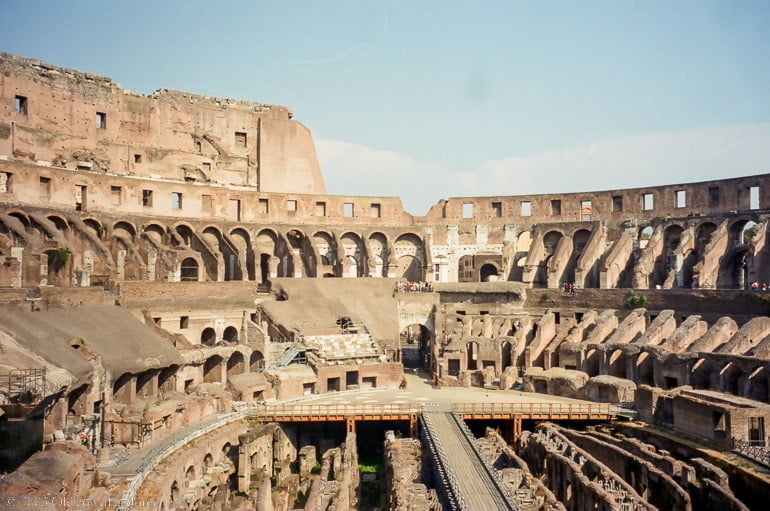
PRO: Extensive Archaeological Sites from Antiquity
Rome is a paradise for archaeology lovers, with iconic sites like the Colosseum, Roman Forum, and Palatine Hill providing a direct connection to the ancient world. Unlike many cities where ruins are confined to museums, Rome’s historical sites are woven into the urban landscape, making it feel like an open-air museum. If you want a structured list of key sites and what to look for, see our Rome Architecture guide.
Con: Hot Summers
Summer in Rome is hot and can be humid, and it affects routines more than many people expect. July and August are typically the hottest months, and it’s common to plan errands early in the day, avoid long walks at midday, and lean on shaded streets and indoor spaces.
For long-term living, summer comfort often comes down to your apartment: sun exposure, insulation, and whether you have reliable air conditioning.
Con: Crowds of Tourists
Rome draws heavy tourism year-round, and the effect isn’t limited to the big sights. Crowds can slow down common walking routes, fill buses and metro lines near the center, and push up demand for restaurants in the busiest zones.
Where you live matters. Being a few stops or a short walk outside the most visited blocks can make daily routines feel calmer while keeping the center accessible.
Con: Long Lines at Attractions
Due to its popularity, Rome’s major landmarks often have long queues, sometimes requiring hours of waiting. Even with skip-the-line tickets, places like St. Peter’s Basilica and the Vatican Museums can be packed, making it harder to fully enjoy the experience.
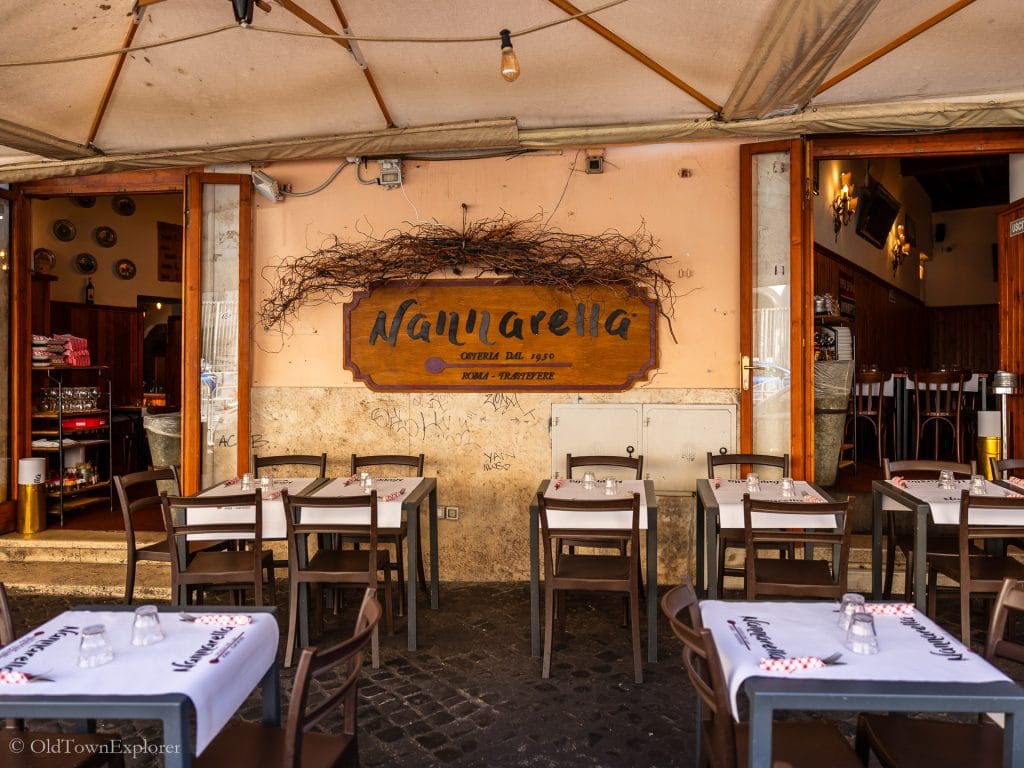
Pro: Delicious Food and Culinary Delights
Roman cuisine is simple yet flavorful, featuring beloved dishes like cacio e pepe, carbonara, amatriciana, and supplì (fried rice balls). With a focus on fresh ingredients and traditional recipes, food lovers will be in paradise with the city’s incredible culinary offerings. For a deeper overview of what to eat and where to eat it, see our Rome Food guide.
Pro: Many Excellent Restaurants Serving Traditional Food
Rome is filled with trattorias and osterias serving authentic Roman cuisine, especially in neighborhoods like Testaccio and Trastevere. Whether you prefer high-end dining or cozy family-run spots, there’s no shortage of excellent places to enjoy a meal.
Pro: Large Farmer’s Market
Rome has fantastic farmers' markets, the most famous being Campo de' Fiori and Testaccio Market, where you can buy fresh produce, cheeses, cured meats, and local specialties. These markets offer high-quality ingredients for home cooking and a taste of Rome’s vibrant food culture.
CON: Not a Beach City
Rome itself isn’t on the coast. The nearest beaches, such as Ostia or Fregene, are about 30–45 minutes away by train or car, so spontaneous ‘walk-to-the-beach’ living isn’t an option.
Pro: Easy Train Access to the Rest of Europe
Rome is a major railway hub with high-speed trains to cities like Milan, Florence, Venice, and Naples, and convenient connections to France, Switzerland, and Germany via northern Italian hubs. Check Trenitalia timetables and tickets when you’re planning day-to-day travel.
Pro: Excellent Public Transportation System
Rome’s transit network (metro, buses, and trams) can cover most daily routes without a car, especially if you live near a metro stop or a frequent bus corridor. For current ticket options and passes, use ATAC tickets and passes.
The trade-off is reliability. Service quality has been a long-running issue, and Italy’s competition authority has investigated Atac over poor service standards in past years; Atac has also committed to refunds tied to that period.
PRO: Lots of Great Day Trip Options
Rome’s location makes it an ideal base for day trips to historic and scenic destinations, including Tivoli (Villa d’Este and Villa Adriana), Orvieto, Florence, Naples, and the Castelli Romani wine region. You can explore a wide variety of landscapes and historical sites just a short train ride away.
Con: Lack of Water Sports
Since Rome is not a coastal city, it lacks easy access to water sports like surfing, sailing, and scuba diving. Those looking for aquatic activities will need to travel to the coast.
Con: Limited Hiking Opportunities
Unlike Turin or the Dolomite region, Rome doesn’t have easy access to major hiking trails. While there are some green spaces and nearby countryside areas for walking, serious hikers may need to travel outside the city to find challenging trails.
Pro: Great Running Paths
Despite its urban layout, Rome offers great running routes, particularly along the Tiber River, Villa Borghese, and the Appian Way. Early mornings are the best time to enjoy a run before the city gets crowded.
PRO: Great Shopping
Rome is a fantastic shopping city, offering everything from luxury boutiques in Via Condotti to local artisan shops and bustling markets. Whether you're looking for high-end fashion or unique handcrafted goods, the city has something for everyone.
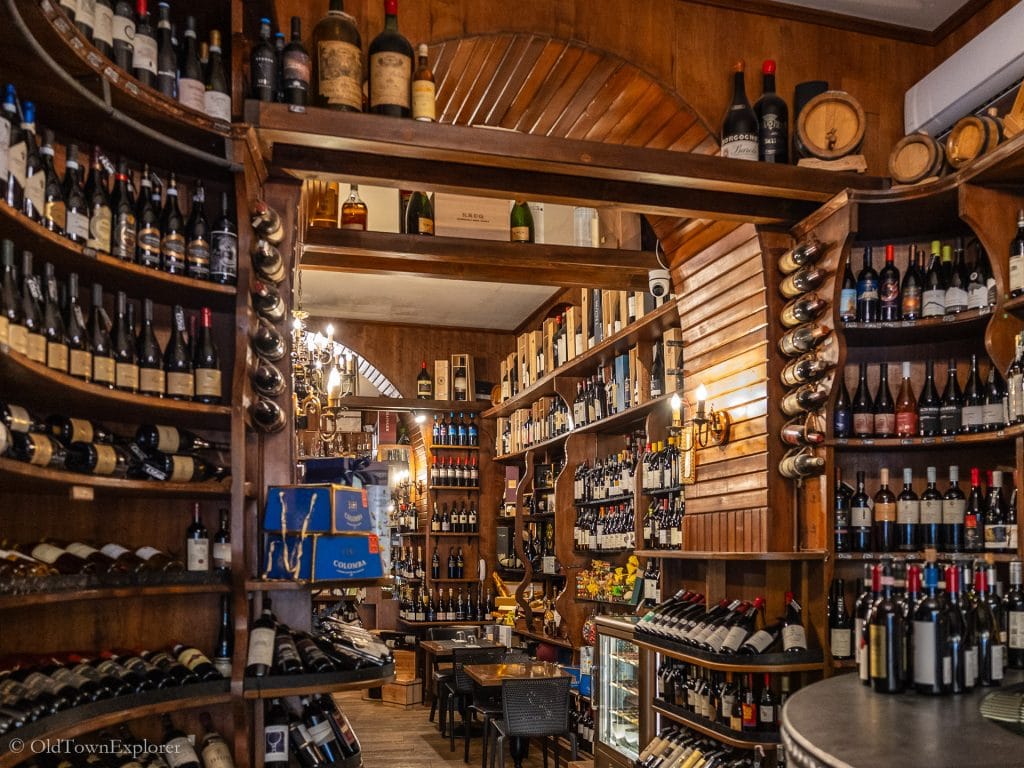
Con: Lack of High-Quality Local Wines
Unlike Turin or Florence, Rome is not located in a major wine-producing region. While Lazio wines are available, they are not as famous or high-quality as those from Tuscany, Piedmont, or Sicily. For Lazio bottles, wine bars, and day trips to nearby producers, see our Rome Wine guide.
Pro: Good Nightlife
Rome has a lively nightlife scene, with wine bars, cocktail lounges, rooftop terraces, and late-night clubs. Areas like Testaccio, Trastevere, and Campo de' Fiori are popular nightlife hubs where both locals and visitors gather.
Pro: Numerous Festivals and Events
Rome hosts a variety of cultural festivals throughout the year, including the Rome Film Festival, Estate Romana (summer cultural events), and the Festa di Noantri. These events celebrate film, music, food, and history, making the city an exciting place to live.
PRO: Dog Friendly
Rome is very dog-friendly, with many parks, pet-friendly cafés, and even restaurants that welcome dogs. There are also dedicated dog areas in public parks, and locals often bring their furry friends everywhere.
PRO: Great Grocery Stores
Rome has an excellent selection of grocery stores, including local markets, specialty food shops, and well-stocked supermarkets that offer fresh and high-quality ingredients.
PRO: Good Selection of International Ingredients at the Grocery Store
For those who enjoy cooking international cuisine, Rome has a growing selection of foreign ingredients available at larger supermarkets and specialty stores, making it easier for expats and food lovers to find what they need.
Pro: Many Locals Speak English
While Italian is the primary language, many Romans speak English, particularly in tourist areas, restaurants, and professional settings. This makes it easier for expats and visitors to communicate without being fluent in Italian.
Con: Dirty Streets
One of the biggest complaints about Rome is its lack of cleanliness. Many areas, especially outside the city center, struggle with overflowing trash bins, graffiti, and litter, which can be frustrating for residents.
Con: Limited Parking Space
Finding parking in Rome can be a nightmare. Streets are narrow, parking spots are scarce, and traffic is chaotic, making it challenging to own a car in the city. Most residents rely on public transportation or scooters to get around.
Pro: Direct Flights to the United States
Rome’s main airport, Fiumicino (FCO), has nonstop flights to several U.S. cities, which can make long-haul travel simpler than flying from smaller Italian airports.
Even with nonstop options, airport planning still matters in daily life: travel time from your neighborhood, early departures, and how often you need to fly.
Discover Rome Before Moving
Anyone considering a move to Rome would be well-advised to visit before relocating. If you plan a short trip to Rome, we recommend staying near the Historic Center (the castle marker on the map below). The area around the Historic Center is the most pedestrian-friendly, filled with historical landmarks, many of the main streets and squares are closed to vehicles, making it more pedestrian-friendly than other areas.
Here’s a map with hotel and short-stay apartment options that can be filtered to meet your needs. Select your travel dates to get specific availability and prices.
Tips for Living in Rome
Living in Rome comes with its own unique advantages and challenges. Here are five essential tips for living in Rome, Italy:
Master the Art of Getting Around
Rome’s public transportation can be unreliable, so it’s important to plan ahead. The metro is faster and more reliable than buses, but it only has three lines. Buses and trams can be crowded and delayed, so use apps like Moovit or Roma Mobilità to check schedules in real time. Many locals rely on scooters (Vespas) or bicycles to navigate traffic more efficiently.
Be Prepared for Bureaucracy and Paperwork
Italy is known for slow-moving bureaucracy, and Rome is no exception. Whether you’re applying for residency, a visa, or a work permit, expect delays and extra paperwork. Patience is key! If you’re planning a long stay, hiring a relocation consultant can help you navigate the system. For change-of-address requests, start with the Rome change of residence service.
Avoid Tourist Traps for Food
Rome has incredible food, but many restaurants near major tourist attractions (like the Trevi Fountain or Vatican) serve overpriced, low-quality meals. Instead, eat where the locals go! Neighborhoods like Testaccio, Trastevere, and Pigneto have authentic, high-quality Roman cuisine at reasonable prices. Rule of thumb: If a menu has pictures or a waiter is trying to pull you in, it’s probably a tourist trap.
Learn Basic Italian (Even Though Many Speak English)
Many people in Rome speak some English, especially in touristy areas, but learning Italian will make life easier. Basic phrases will help when shopping at markets, handling bureaucracy, or dealing with landlords. Plus, locals appreciate the effort and may be more welcoming if you try to speak their language.
Embrace the Roman Lifestyle and Its Quirks
Rome operates on its own rhythm—life moves slower, meal times are later, and things don’t always go as planned. Shops often close in the afternoon (riposo), public transport can be chaotic, and people drive aggressively. Instead of getting frustrated, adapt to the relaxed, spontaneous Roman way of life—take long lunches, enjoy late dinners, and embrace the beauty of living in one of the world’s most historic and vibrant cities.
FAQS About Living in Rome
Here are the five most frequently asked questions about living in Rome, Italy:
Is Rome an expensive city to live in?
Rome is more affordable than cities like Milan, Paris, or London, but it’s still a major European capital with varying costs depending on lifestyle and location. Rent in the city center can be expensive, but living in outer neighborhoods is more budget-friendly. Eating out can be affordable if you avoid tourist traps, and public transport is cheap compared to other big cities.
Do I need to speak Italian to live in Rome?
While many locals speak English, especially in tourist areas, learning basic Italian is essential for daily life—especially when dealing with bureaucracy, grocery shopping, and local businesses. It’s highly recommended to take an Italian course or practice regularly to integrate better into the culture.
What is public transportation like in Rome?
Rome has buses, trams, and a metro system. The metro is the fastest and most reliable option, but it has only three lines and doesn’t cover the whole city. Buses can be unreliable and overcrowded, especially during rush hour. Many locals prefer scooters, bicycles, or walking to avoid traffic. Apps like Moovit help track bus and metro times.
Is Rome a safe place to live?
Rome is generally safe, but like any big city, it has some issues with pickpocketing, especially in crowded areas like Termini Station, the Metro, and major tourist attractions. Violent crime is rare, but it's always good to stay alert in public transport and tourist-heavy areas. Some outer neighborhoods can be less safe at night, so it's best to research areas before moving.
What is the best neighborhood to live in Rome?
It depends on your lifestyle! Some popular neighborhoods include:
- Trastevere – Lively, historic, and full of nightlife.
- Testaccio – A foodie paradise with a strong local feel.
- Prati – Near the Vatican, quieter, and well-connected.
- San Giovanni – More affordable, well-connected by metro.
- Pigneto – Trendy, artsy, and popular with young professionals.
- Monti – Central, charming, and full of small boutiques and cafés.
