

Discover Life in Turin: Pros & Cons of Living at the Foot of the Alps
Turin (Torino) is a major city in northwest Italy, set on the Po River with the western Alps close by and Piedmont’s wine country within easy reach. If you’re weighing the pros and cons of living in Turin, daily life tends to revolve around walkable neighborhoods, strong food traditions, and practical rail connections.
We spent a month in Turin and focused on what changes day to day: grocery routines, getting around without a car, winter comfort, and how the city feels outside peak visitor season. Below are the pros and cons of living in Turin, with the small limitations that usually come up after the first week.
This website contains affiliate links that may earn us a small commission at no additional cost to you.
Quick Take: Living in Turin
This quick take summarizes who tends to do well in Turin, who tends to struggle, what’s most noticeable day to day, and the main trade-offs to expect.
Best for
People who want a big city that still feels manageable on foot in central neighborhoods
Food-first routines: markets, cafés, long lunches, and aperitivo culture
Anyone who likes day trips by train and doesn’t want to rely on a car
Harder for
Anyone sensitive to winter damp, fog, or gray stretches in the Po Valley
People who need fast English service for paperwork, repairs, or medical admin
Drivers who want door-to-door convenience in the center (ZTL rules add steps)
What stands out
Baroque-era city planning, long arcades, and big piazzas that make walking practical even in rain
Strong rail access via Porta Nuova and Porta Susa, including fast trips to Milan
A “live your normal life” pace compared with Italy’s heaviest-tourism cities
Top trade-offs
You gain everyday convenience in the center, but apartments can be darker and noisier on main streets
Winters are workable, but indoor humidity and heating costs can surprise you
Great location for Piedmont, but air quality can be an issue in the wider Po Valley in colder months
Pros and Cons of Living in Turin
Turin is a practical city to live in once your basics are set: groceries are easy, walking is realistic in many neighborhoods, and trains work for regular trips. The list below mixes pros and cons in the order you’re likely to notice them, with the day-to-day impact and the main edge case to keep in mind.
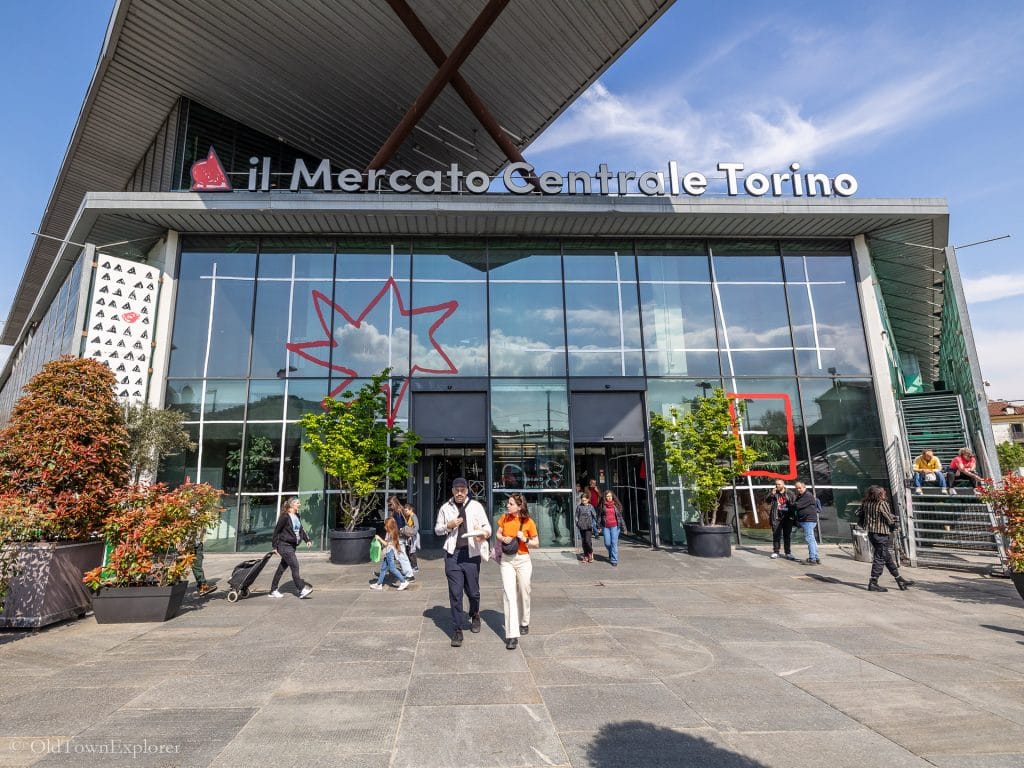
Pro: Easy daily eating
Good food is easy to find in Turin, so weekday meals don’t require much planning. If you want a shortlist of markets and everyday dishes, start with our Turin Food guide. Many places close mid-day, so you’ll time errands around opening hours.
Con: Winter feels gray
Winter can be damp and overcast for long stretches, which changes how much time you spend outdoors. You may feel it most on morning commutes and early sunsets. When the weather clears, the nearby Alps can make the city feel much lighter.

Pro: Piedmont wine is nearby
Turin sits close to major Piedmont wine areas, so tastings can be day trips instead of full weekends. For bottle styles and what to order in town, see our Turin Wine guide. Popular labels can be expensive by the glass in central enoteche.
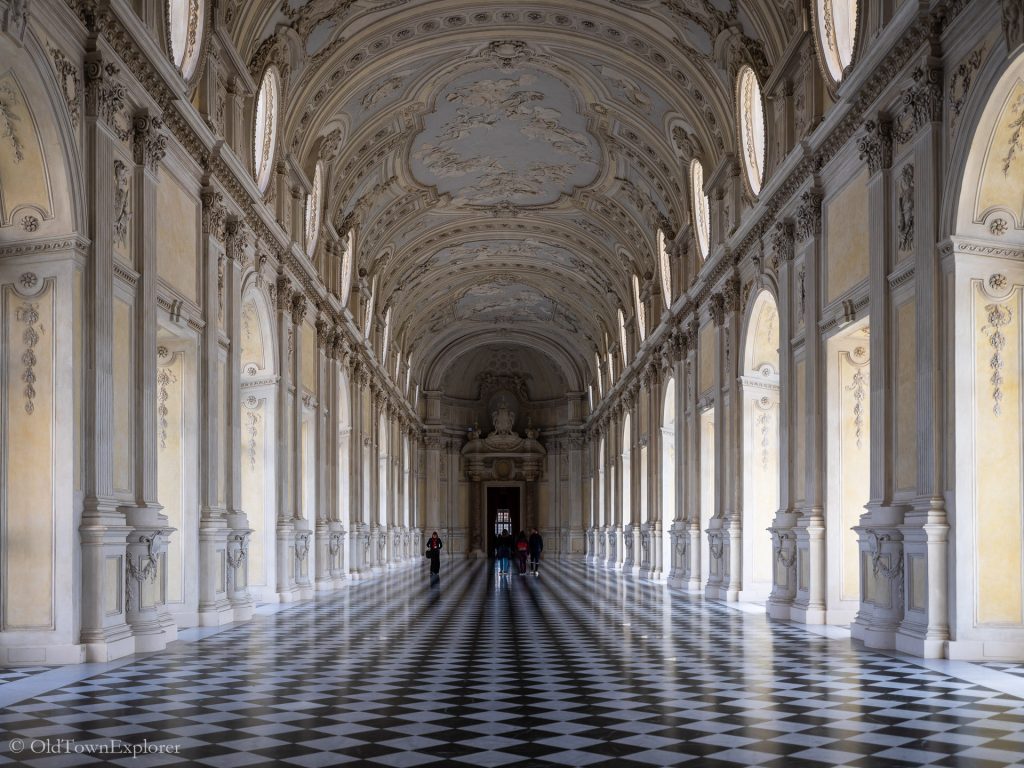
Pro: Covered walkways help
Long arcades make walking practical in rain and summer sun, so you keep your routine in more weather conditions. If you’re picking a neighborhood, our Turin Architecture guide breaks down the main historic areas and street patterns. Main streets under the arcades can be noisy late at night.
Con: Air quality can dip
In colder months, still weather can make the air feel heavy, especially if you run or bike regularly. You may start checking conditions before long outdoor workouts. A quick trip to nearby hills often feels noticeably fresher.
Pro: Trains are genuinely useful
Rail connections make day trips and work travel realistic without a car. You can check schedules and buy ahead on Trenitalia tickets before busy weekends. Strikes and delays happen, so time-sensitive travel needs a buffer.
Pro: Big market for groceries
Porta Palazzo makes weekly shopping easier because produce, meat, and pantry staples are concentrated in one area. It can lower food costs if you cook at home. It gets crowded on weekends, so going early helps.
Con: Car rules add steps
Driving near the center can mean restricted zones, camera enforcement, and limited parking. You may plan errands around where you can legally enter and stop. If you don’t need a car daily, life is simpler.
Pro: City layout is learnable
Wide streets and a clear grid make Turin easier to navigate than many Italian cities. After a week, most people build reliable walking routes to shops and transit. Some blocks look similar at first, which can be disorienting early on.
Con: Some apartments run cold
Older buildings can feel chilly indoors due to high ceilings, older windows, or uneven heating. This affects comfort more than the outdoor temperature suggests. A well-upgraded unit can cost more, but it often pays off in winter.
Pro: Public transit covers basics
Buses, trams, and the metro handle most daily trips when you don’t want to walk. For fares, passes, and where to buy, use GTT tickets and passes. In outer neighborhoods, frequency can drop and transfers can add time.
Pro: Less tourist pressure
Turin often feels more resident-focused than Italy’s heaviest-tourism cities, so daily errands aren’t shaped by tour groups. You’ll notice it in calmer weekdays and fewer “tourist-only” streets. Big events can still make the center feel packed for a few days.
Con: The sea isn’t close
Beach days aren’t spontaneous the way they are in coastal cities. You’ll often need a full day block and a plan for trains or traffic. Lakes and mountains are closer, but they’re not a substitute if you want salt water.
Pro: Culture works year-round
Turin has strong museums and a film culture, which gives you indoor options without long travel. This matters most in winter when you want plans close to home. Some festivals are seasonal, so the calendar isn’t equally busy every month.
Con: English is uneven
In cafés and restaurants you may manage fine, but rentals, repairs, and offices often run in Italian. This can slow down basic tasks like scheduling a technician or disputing a bill. You’ll feel more independent after learning practical Italian phrases.
Pro: Restaurants fit real routines
You can eat well without turning every meal into a special outing, because there are dependable neighborhood places. That supports a normal weeknight rhythm when you’re tired. Popular spots can book up on weekends, especially in smaller dining rooms.
Con: Noise on main streets
Trams, scooters, and late-night voices can echo through older buildings, especially on main roads. Light sleepers may need better windows or a quieter position in the building. Courtyard-facing units can be much calmer even in central areas.
Pro: Running and walking paths
Riverside routes and large parks make it easy to keep a daily walk or run without driving. You can fit exercise into a lunch break or after work. In winter fog or poor-air days, you may prefer shorter sessions or indoor options.
Con: Limited shop hours
Many smaller businesses close mid-day and on Sundays, which changes how you plan errands. You may end up shopping in shorter, more frequent bursts. Supermarkets and train-station services cover basics, but not everything.
Pro: Alps are close for resets
Weekend escapes to mountain towns and ski areas are realistic from Turin. It helps when you want colder air, hiking, or snow without taking time off work. Weather can flip quickly, so flexible plans help.
Con: Low light in some homes
Some apartments are deep or face tight courtyards, which cuts daylight in winter. It affects mood and heating needs more than many people expect. Higher floors or open exposure can feel dramatically different.
Pro: Aperitivo suits schedules
Social plans often mean an early-evening drink and small bites instead of a late, long dinner. It makes meeting friends easier on work nights. Doing it often can quietly raise your monthly spending.
Con: Housing search takes effort
Listings don’t always show heating quality, noise levels, or building upkeep clearly. Seeing a place at different times of day helps if you can. A cheap rent can stop feeling cheap if you end up paying for comfort fixes.
Pro: Day trips stay varied
Turin works well as a base for wine areas, lakes, and smaller towns without exhausting travel days. It keeps weekends interesting even when work is busy. Some rural stops are easier with a car.
Con: Driving out of town can drag
Even when places look close on a map, traffic and mountain routes can stretch travel times. Trains often beat cars for city-to-city trips. A car helps most for remote wineries and small villages.
Pro: Daily life feels orderly
Compared with some large Italian cities, Turin can feel more predictable in traffic, queues, and basic routines. That matters if you value calm mornings and straightforward errands. Student areas and event nights can still get loud.
Pro: International groceries exist
Larger supermarkets and specialty shops cover many non-Italian staples, which helps if you cook a mix of cuisines. It makes longer stays easier when you miss specific ingredients. For very specific items, online ordering may still be needed.
Con: Paperwork can be slow
Setting up residency, health coverage, or utilities can take multiple appointments and repeated documents. The city’s residence change service shows the official steps and options. Once you’re fully set up, weekly admin usually drops sharply.
Visit Turin Before Moving
A scouting stay in Turin works best when you treat it like normal life, not a checklist. Try living in one area, doing groceries locally, and testing your commute times in the hours you’d actually travel.
Give yourself a few days in different neighborhoods to compare noise, light, and daily convenience. Walk your likely routes, take a tram or metro at rush hour, and note how winter air and indoor humidity feel if you’re visiting in colder months.
Use the map to choose a short-stay base near your likely daily routes, then test errands and transport at normal hours.
Tips for Living in Turin
Turin rewards simple routines: walk when you can, use trains for regional trips, and set up your home for winter comfort. A few small choices early on can save you time all month.
Pick a neighborhood
Choose based on your daily routes, not just the look of the streets. Test groceries, a pharmacy run, and your nearest transit stop. If you’re noise-sensitive, prioritize side streets or courtyard-facing units.
Learn the transit pass
Figure out whether you’ll use single tickets, day passes, or a monthly option. Do a week of real rides before deciding. If you’re mostly walking, you may only need transit for bad-weather days.
Check winter humidity
Look for signs of damp indoors and ask about heating type and average winter bills. A small dehumidifier can change comfort fast. If the apartment is dark, good lighting matters more than you think.
Plan for ZTL rules
If you keep a car, learn the central LTZ timing and where cameras are common. Decide early whether you’ll park outside the center and walk in. For many people, that’s the simplest setup.
Set up paperwork early
Book appointments as soon as you can and keep digital copies of documents. Expect a few repeat visits for signatures or stamps. Once you’re registered and set up, daily admin drops off sharply.
FAQs About Living in Turin
Is Turin a good city to live without a car?
Yes in many central neighborhoods, where walking and transit cover most needs. A car is more useful for frequent trips to small towns or remote areas.
What is winter like in Turin?
Winters can be cold and damp, with foggy periods in the Po Valley. Indoor heating quality makes a big difference in comfort.
How easy is it to travel from Turin to other cities?
Turin has major rail stations and strong long-distance connections. High-speed trains make trips like Turin–Milan quick on the fastest services.
Do I need to worry about traffic restrictions in the center?
If you drive, yes—Turin uses a Limited Traffic Zone in the center at set times. If you don’t drive, it mostly affects taxis, deliveries, and guests.
Is it hard to do daily life in Turin without Italian?
You can manage basics, but Italian helps a lot for rentals, repairs, and paperwork. For most people, routine phrases cover the majority of day-to-day situations.
