

Explore Life in Vlora: Pros & Cons of Living on Albania’s Southern Coast
Vlora (also written Vlorë or Vlore) is a coastal city where daily routines depend on three things: how close you live to the promenade, what season it is, and whether you drive. If you’re researching living in Vlore Albania, those details matter more than the headline “beach town” label.
We spent a month in Vlora and got a feel for what’s easy day to day and what takes planning. Below are the pros and cons of living in Vlora, focused on housing, getting around, seasonal changes, and how travel works in practice (airport routes, buses, and seasonal ferries).
This website contains affiliate links that may earn us a small commission at no additional cost to you.
Quick Take: Living in Vlora
This quick take summarizes who tends to do well in Vlora, who tends to struggle, what’s most noticeable day to day, and the main trade-offs to expect.
Best for
People who want daily sea access and a simple routine near the promenade
Remote workers or retirees who don’t need a deep local job market
Anyone who plans seasonal travel and will use ferries in high season
Harder for
People who struggle with very hot summers and need strong AC at home
Anyone who depends on rail for regional travel (Vlora has no train service)
People who want a “big city” level of shopping, museums, and services
What stands out
Summer changes the city fast: more people, more traffic, and higher pressure on rentals
Winter is quieter, and some beachfront businesses reduce hours or close
Travel is workable, but it often involves buses/car to Tirana airport or seasonal ferry routes
Top trade-offs
Seafront living and lower costs vs. weaker infrastructure in some buildings (power/water)
Beach access vs. summer heat and crowding
Italy access by ferry in season vs. slower travel chains the rest of the year
Pros and Cons of Living in Vlora
PRO: Long Seafront Promenade
Vlora boasts a vibrant and extensive seafront promenade that stretches along the Adriatic and Ionian coasts. Lined with palm trees, cafes, and modern restaurants, it’s a lively hub for locals and visitors alike. Whether you're out for a morning jog or an evening stroll, the promenade offers stunning coastal views and a relaxing atmosphere.
CON: No Train Access To The Rest Of Europe
Albania's outdated rail infrastructure means Vlora has no functional train connections to the rest of Europe. Long-distance travel requires buses, private cars, or ferries. While domestic road travel is improving, the lack of direct train service can be a limitation for those used to Europe's extensive rail networks.
PRO: Numerous Ferries Run During the High Season
In high season, Vlora has ferry connections to Italy (including Brindisi), which can make international travel simpler than relying only on long bus rides to Tirana. Typical crossings are several hours and schedules vary by operator and season.
Outside peak months, ferry frequency can drop. If you plan to use ferries regularly, check the Starlines timetable before picking a long-term rental.

CON: Small Historic Old Town
Vlora does have a historic center, but it’s relatively small and less developed compared to other Balkan cities. While it offers a glimpse into Ottoman and early Albanian heritage, it lacks the charm and size of more famous European old towns, and much of the city has a more modern feel.
CON: Less Attractive Architecture Than Many European Destinations
Much of Vlora’s architecture is utilitarian or the result of rapid post-communist development. While new construction is improving, much of the cityscape consists of bland apartment blocks and commercial buildings that lack the charm found in older European cities. For the main sites that do stand out, see our Vlora Architecture guide.
PRO: Mild Winters
Vlora enjoys a Mediterranean climate, with mild, wet winters that rarely see freezing temperatures. Even in the coldest months, the city often sees sunshine, making it a pleasant place to live year-round—especially for those escaping harsher northern climates.
CON: Hot Summers
Summers in Vlora can be intensely hot, with temperatures often reaching 35°C (95°F) or more. The heat can be overwhelming without air conditioning, particularly in inland areas or during heatwaves. Planning activities around the cooler parts of the day becomes essential.

PRO: Sandy Beaches with Calm Water for Swimming
The beaches near Vlora—especially in the north toward the Adriatic—tend to be sandy with shallow, calm waters, ideal for families and casual swimmers. The Ionian side offers more variety, with pebbly coves and clearer waters. The combination makes Vlora a versatile beach destination.
PRO: Boating, Sailing, and Water Sports
Vlora’s position at the meeting point of the Adriatic and Ionian seas makes it a prime location for boating, sailing, and water sports. The marina area and coastal tours provide plenty of options for sea lovers, from relaxed boat trips to adrenaline-filled jet skiing.
PRO: Stunning Sunsets and Coastal Views
Living near the bay means evening walks are an easy default. The promenade and higher viewpoints above town give you open west-facing horizons, so sunset time becomes a normal part of the daily schedule for many residents.
The trade-off is that the most convenient viewpoints are also the most popular areas in summer, and traffic/parking can be slower near the waterfront at busy hours.
PRO: Natural Beauty and Outdoor Activities
Surrounded by the sea, mountains, and national parks, Vlora is a gateway to outdoor adventures. Hike through the nearby Llogara Pass, explore Karaburun Peninsula by boat, or enjoy coastal biking routes. Nature lovers will find no shortage of scenic places to explore.
PRO: Proximity to Llogara Pass and Riviera
Vlora is the gateway to Albania’s breathtaking southern Riviera. The nearby Llogara Pass offers dramatic mountain and sea views, and beyond it lie some of the country’s most beautiful beaches like Dhermi, Himara, and Jale—perfect for weekend getaways.
PRO: Affordable Cost Of Living
Living in Vlora is cost-effective, especially compared to Western Europe. Rent, groceries, dining, and services are all budget-friendly, making it attractive for expats, retirees, and digital nomads looking for a high quality of life at a lower cost.
PRO: Budget-Friendly Traditional Restaurants
Local eateries serve traditional Albanian cuisine at very reasonable prices—see our Vlora Food guide for specific places to start. From grilled meats and fresh salads to hearty stews and pastries, dining out is affordable and often feels like a home-cooked experience. You can enjoy generous meals without stretching your budget.
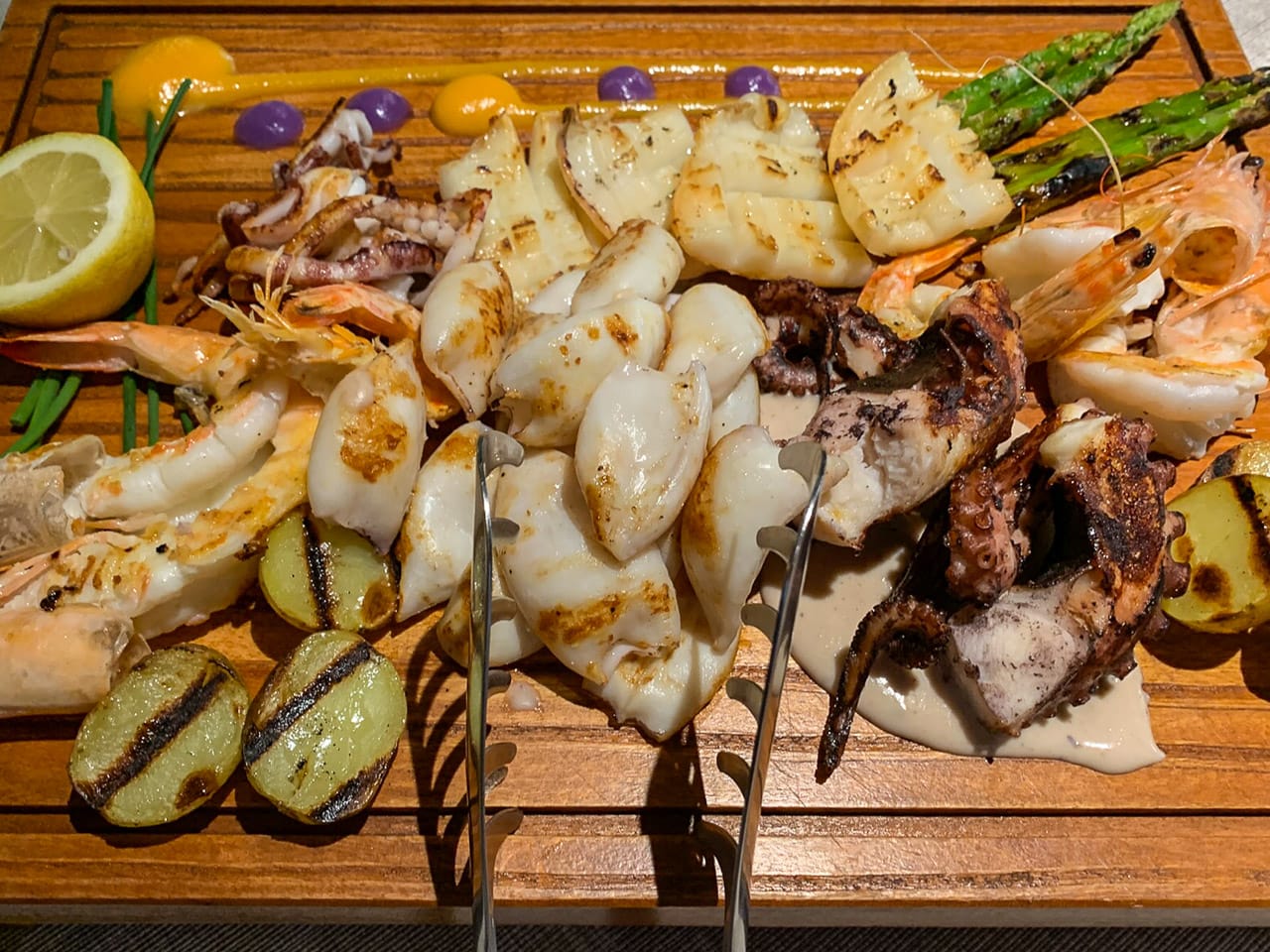
PRO: Amazing Fresh Seafood
Thanks to its coastal location, Vlora has abundant fresh seafood. Local taverns and beachside restaurants serve everything from grilled fish and calamari to mussels and octopus, often caught the same day. Quality and prices are hard to beat, even compared to other Mediterranean towns.
PRO: Local Markets with Fresh Produce
The city’s daily markets offer an abundance of local fruits, vegetables, herbs, olives, and cheeses at very low prices. It's easy to eat healthy and seasonal, especially if you enjoy cooking at home with fresh ingredients.
CON: Lack of Quality Local Wines
While Albania has a growing wine industry, Vlora’s local selection can be hit or miss. Quality wines are available, but many are not up to the standards of more established wine regions. If you’re picky about what you drink, use our Vlora Wine guide to find the better bars and shops.
CON: Stray Animals
Like many Albanian cities, Vlora has a visible population of stray dogs and cats. While many are harmless, their presence can be off-putting, and there's ongoing debate about how to manage the issue humanely. Some areas also lack consistent animal welfare services.
PRO: Friendly Locals
The people of Vlora are known for their hospitality and friendliness. Locals often go out of their way to help newcomers, and a warm smile or helpful gesture is never far away. This welcoming attitude helps create a sense of community and belonging.
PRO: Fast Internet and Growing Digital Infrastructure
Vlora has benefited from Albania’s growing investment in digital infrastructure. Fast and reliable internet is available in most homes and cafes, making it an appealing base for remote workers and digital nomads. Co-working spaces are also beginning to emerge.
CON: Occasional Power and Water Outages
Although infrastructure is improving, occasional disruptions in power and water supply still occur—especially in summer when demand is high. It’s a good idea to have backup options like water tanks or power banks, particularly in older buildings.
PRO: Low Crime Rates
Vlora is generally a safe place to live, with low rates of violent crime and petty theft. Residents and expats often feel secure walking alone at night, and the overall atmosphere is relaxed and peaceful. Police presence is visible and responsive.
CON: Lack of World-Class Museums
While Vlora has some cultural sites, including a few small museums and historical landmarks, it lacks the kind of internationally renowned museums found in major European cities. Those seeking deep cultural and artistic experiences may need to travel to Tirana or abroad.
CON: Seasonal Business Closures in Winter
Much like Saranda, Vlora slows down outside of summer. Many beachfront restaurants and tourism-dependent businesses close or reduce hours in the off-season, which can limit dining and entertainment options.
PRO: Family-Friendly Environment
Vlora is considered safe and quiet, with a slower pace of life that’s well-suited for families. There are public parks, beaches for kids, and decent access to basic education and healthcare. It’s less hectic than Tirana, making it easier to raise children.
CON: No Direct Flights To The United States
Vlora does not have a commercial airport today, so most flights start with a drive or bus to Tirana International Airport. For trips to the United States, expect at least one connection through a European hub.
Discover Vlora Before Moving
Anyone considering a move to Vlora would be well-advised to visit before relocating. If you plan a short trip to Vlora, we recommend staying on the Promenade near Boulevard Ismail Qemali (the castle marker on the map below). The Promenade and the area along Boulevard Ismail Qemali are the most pedestrian-friendly with numerous restaurants and shops.
Here’s a map with hotel and apartment options that can be filtered to meet your needs. Select your travel dates to get specific availability and prices.
Tips for Living in Vlora
Living in Vlora comes with its own unique advantages and challenges. Here are some tips to make the most of your experience:
Choose Your Neighborhood Carefully
Vlora has a mix of newly developed coastal areas and older, more residential neighborhoods. If you want to be near the beach and cafes, the Lungomare (promenade) area is ideal—but it’s busier in summer. For quieter living, consider areas just inland or toward the university district. Check for winter heating and reliable infrastructure before signing a lease.
Learn Basic Albanian (Even Just a Little)
While younger locals and tourism workers often speak some English, daily tasks—like dealing with landlords, public offices, or the e-Albania portal for government services—can be smoother with a bit of basic Albanian vocabulary. Even greetings and common phrases go a long way in showing respect and building trust with locals.
Prepare for Seasonal Changes
Summer in Vlora is vibrant, crowded, and hot—while winter is calm, cool, and much slower. Plan your lifestyle accordingly: enjoy the energy and events in summer, but use the off-season for quieter pursuits like writing, remote work, or travel. Keep in mind that many cafes and restaurants reduce hours or close completely in the winter months.
Take Advantage of Nature and Weekend Trips
One of Vlora’s biggest perks is its access to nature. Spend weekends hiking in Llogara Pass, exploring Karaburun Peninsula, or taking short trips to Dhermi, Himara, or Apollonia. A car can make these getaways easier, though some are accessible by bus or organized tours.
FAQS About Living in Vlora
Is Vlora a good place to live year-round?
Yes—with some seasonal trade-offs. Vlora is lively and full of activity in spring and summer, with beach life, events, and tourism driving the economy. In winter, it's much quieter, with fewer open restaurants and a more laid-back pace. If you enjoy peace in the off-season and can handle summer heat and crowds, Vlora is a great year-round option.
How affordable is life in Vlora compared to other European cities?
Very affordable. Rent, dining, groceries, and local services are all significantly cheaper than in Western Europe. A modest lifestyle can cost around €800–€1,200/month for a single person. Even sea-view apartments can be found at reasonable prices compared to coastal cities in Italy or Greece.
Is Vlora safe for foreigners and expats?
Yes, Vlora is generally very safe. The crime rate is low, and both locals and expats report feeling secure walking around town, even at night. Petty theft is rare but, like anywhere, basic precautions are wise. The community is welcoming, and locals are known for their hospitality.
Do people speak English in Vlora?
Some do—especially younger locals and those working in tourism. However, outside of hotels, cafes, and tourist-facing businesses, many residents speak only Albanian. For navigating banks, healthcare, or local administration, it helps to learn basic Albanian or go with a translator.
How easy is it to travel from Vlora to other countries?
Moderately easy, but it depends on season. Many international trips start with Tirana’s airport, which is a few hours away by road. In high season, ferries from Vlora to Italy can be a practical option for certain routes, but schedules change through the year.
If you plan frequent international travel, it helps to choose housing with easy road access out of town and to check ferry/flight schedules before signing a long lease.
