
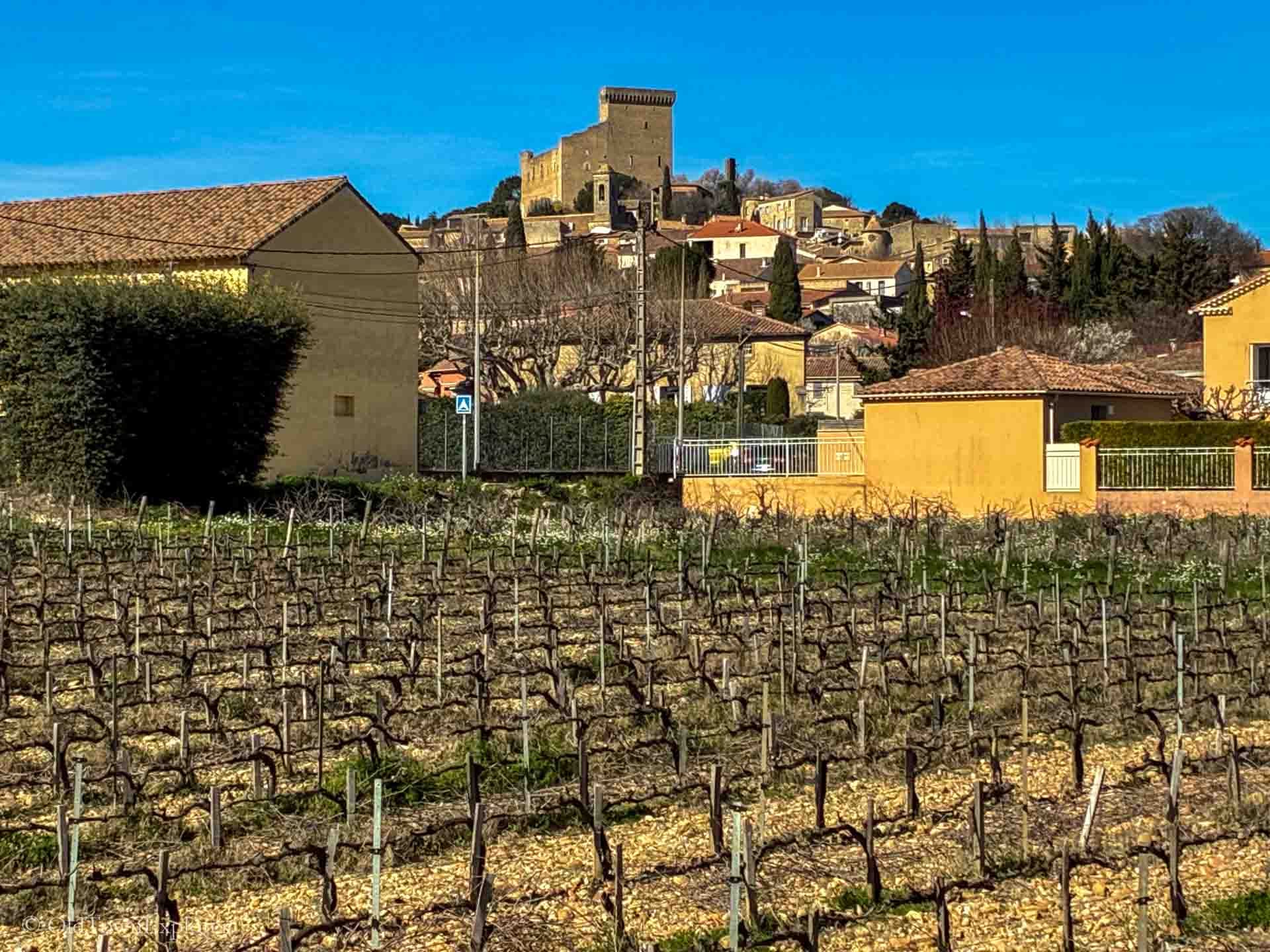
Discover Wineries in Châteauneuf-du-Pape: Wine Tastings, Tours & Tips
Wineries in Châteauneuf-du-Pape range from tasting rooms in the compact hilltop village to estates scattered across the surrounding vineyards. The appellation lies in the Southern Rhône Valley, between Avignon and Orange, and produces both red and white Châteauneuf-du-Pape.
The village works well for a focused day trip, but transport determines the shape of the day. You can combine several central tasting rooms on foot, while estates beyond the village are easier to reach by car, private driver, or guided tour. Reserve any essential visit before finalizing the route.
We visited Châteauneuf-du-Pape from Avignon by bus and arranged three tastings in the village. That experience showed us how much appointment length, lunch hours, and the return connection matter when planning a wine day without a car.
This website contains affiliate links that may earn us a small commission at no additional cost to you.
Châteauneuf-du-Pape Wineries at a Glance
Châteauneuf-du-Pape can support anything from one introductory tasting to a full day built around a cellar visit and a second estate appointment.
Key winery-planning points:
- Half-day plan: Choose one longer appointment and one shorter village tasting, or stay entirely within the walkable village cluster.
- Full-day plan: Combine two reserved visits with lunch and enough time to reach the château ruins or walk through the village.
- Transport fit: The village core can work without a car; the vineyard estates around Châteauneuf-du-Pape, Courthézon, and Bédarrides are much easier with a car, driver, or tour.
- Reservation note: Book any visit that would be difficult to replace, even when a tasting room also accepts walk-ins.
- Main trade-off: Staying in the village reduces driving, while a car-based day gives you a wider choice of estate settings.
For a first visit, two well-spaced tastings usually leave more room for conversation, lunch, and the village than a tightly packed three- or four-winery schedule.
Top Wineries You Can Visit in Chateauneuf-du-Pape
The most practical choices depend on whether you want to remain in the village or travel between vineyard estates. Visit formats, opening periods, and reservation policies can change, so confirm the current details directly before building a day around a particular winery.
The Châteauneuf-du-Pape winemakers directory is a useful starting point for checking producers across the five communes of the appellation.
Wineries in and near the village
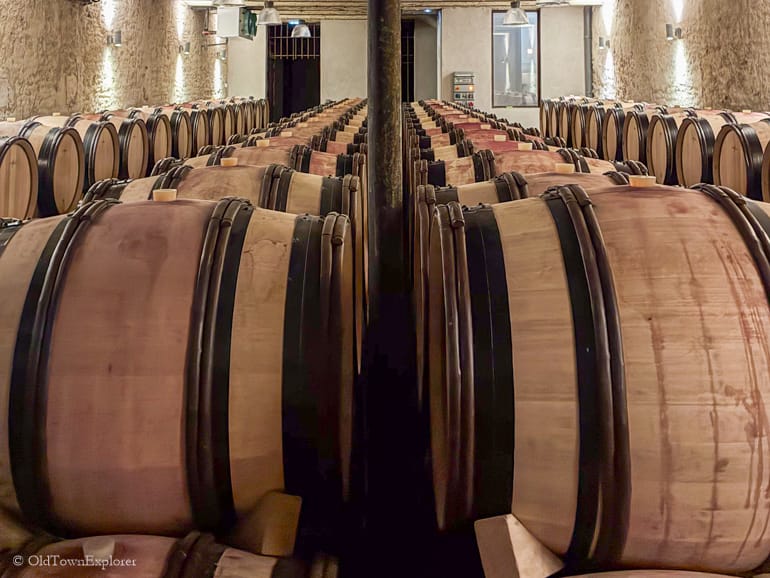
Clos Saint-Jean
Planning details:
- Address: Rue du Moulin à Vent, 84230 Châteauneuf-du-Pape
- Visit format: Cellar visit and tasting during our visit
- Booking: Arrange directly in advance
Our visit lasted about two hours and included the cellar before the tasting. That made Clos Saint-Jean the anchor appointment of our morning rather than a quick stop between other wineries.
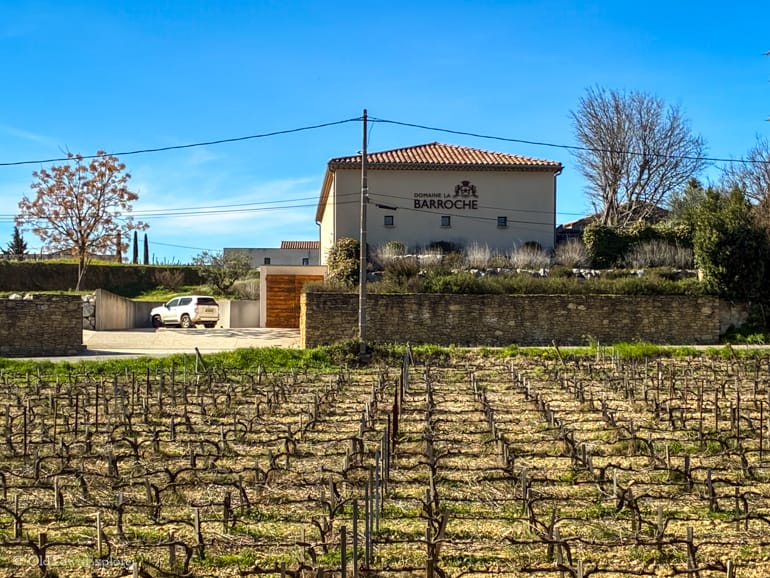
Domaine La Barroche
Planning details:
- Address: 16 Chemin du Clos, 84230 Châteauneuf-du-Pape
- Visit format: Producer tasting during our visit
- Booking: Arrange directly in advance
We scheduled Domaine La Barroche immediately after Clos Saint-Jean. Confirm the expected length before repeating that sequence, because a longer first appointment can quickly compress the rest of the morning.
Domaine Durieu
Planning details:
- Address: 10 Avenue Baron le Roy, 84230 Châteauneuf-du-Pape
- Visit format: Village tasting cellar
- Booking: Confirm current walk-in availability directly
We used Domaine Durieu as a shorter final tasting before returning to Avignon. Do not rely on the lunch-hour opening or walk-in arrangement from our visit without checking it again for your date.
Domaine de Beaurenard – Paul Coulon & Fils
Planning details:
- Address: 10 Avenue Saint-Pierre de Luxembourg, 84230 Châteauneuf-du-Pape
- Visit format: Commented tasting, guided visit and tasting, or private visit
- Booking: Reserve guided and private visits; summer reservations are advisable for tastings
Domaine de Beaurenard is a strong choice when you want more structure than a simple counter tasting. Its visitor program distinguishes between a commented tasting and longer guided formats, so check which experience you are reserving.
Ogier
Planning details:
- Address: 10 Avenue Louis Pasteur, 84230 Châteauneuf-du-Pape
- Visit format: Tasting, guided cellar visit and tasting, or self-guided electric-bike experience
- Booking: Guided visits and bicycle experiences require reservations
Ogier’s visitor program makes the soils and grape varieties of the appellation part of the experience. The central address also makes the tasting room easier to combine with a village walk than an estate in the outer vineyards.
La Cave Famille Perrin – Château de Beaucastel (tasting room)
Planning details:
- Address: 2 Place du Portail, 84230 Châteauneuf-du-Pape
- Visit format: Famille Perrin village tasting room
- Booking: Confirm current tasting arrangements directly
This village location is separate from Château de Beaucastel itself. It can be paired with other central stops without driving, but check the current tasting format with Famille Perrin before treating it as a timed appointment.
Maison Brotte – Musée du Vin
Planning details:
- Address: Avenue Pierre de Luxembourg, 84230 Châteauneuf-du-Pape
- Visit format: Wine museum and tasting
- Booking: Check the current museum and tasting options directly
Maison Brotte adds appellation context before the tasting, which makes it a practical opening stop for newcomers. Allow enough time for the museum rather than treating it as a quick tasting-room call.
Domaine du Banneret
Planning details:
- Address: 35 Rue Porte Rouge, 84230 Châteauneuf-du-Pape
- Visit format: Confirm directly
- Booking: Confirm directly
Treat Domaine du Banneret as a contact-first stop and arrange the visit before assigning it a place in a timed itinerary.
Domaine Pierre Usseglio et Fils
Planning details:
- Address: 10 D68, 84230 Châteauneuf-du-Pape
- Visit format: Confirm directly
- Booking: Confirm directly
Confirm both the meeting point and the type of visit before going, since the address lies outside the tightest cluster of village tasting rooms.
Wineries outside the village center
Château de Beaucastel
Planning details:
- Address: Chemin de Beaucastel, 84350 Courthézon
- Visit format: Confirm directly
- Booking: Obtain written confirmation before traveling to the estate
Do not confuse the Courthézon estate with the Famille Perrin tasting room in the village. Check Château de Beaucastel directly before including the estate in your route.
Domaine du Vieux Télégraphe
Planning details:
- Address: 3 Route de Châteauneuf-du-Pape, 84370 Bédarrides
- Visit format: Confirm directly
- Booking: Confirm directly
Treat Vieux Télégraphe as a contact-first stop. Confirm the visit format and appointment before making the drive to Bédarrides.
Château La Nerthe
Planning details:
- Address: 4213 Route de Sorgues, 84230 Châteauneuf-du-Pape
- Visit format: Estate boutique and reservable visit
- Booking: Reserve the estate visit directly
Château La Nerthe lies about two kilometers south of the village and offers a more formal estate setting than the central tasting rooms. Its location makes it easiest to add by car, taxi, or driver.
Château de Vaudieu
Planning details:
- Address: Route de Courthézon, 84230 Châteauneuf-du-Pape
- Visit format: Confirm directly
- Booking: Confirm directly
Château de Vaudieu is an eighteenth-century estate north of the village. Its vineyard location suits a car-based day, but arrange the visitor details before adding it to a fixed route.
Domaine de la Janasse
Planning details:
- Address: 27 Chemin du Moulin, 84350 Courthézon
- Visit format: Confirm directly
- Booking: Confirm directly
Domaine de la Janasse is in Courthézon rather than the village center. Confirm the visit and combine it with other car-accessible stops on the same side of the appellation.
Clos du Caillou
Planning details:
- Address: 1600 Chemin Saint-Dominique, 84350 Courthézon
- Visit format: Confirm directly
- Booking: Confirm directly
Clos du Caillou is another Courthézon-side producer outside the village. Confirm the appointment and access details before grouping it with Domaine de la Janasse or another rural estate.
Wine Tours & Experiences
The right format depends on whether you want to choose every winery yourself or hand the transport and appointment planning to someone else.
Self-Booked Tastings
A self-booked day gives you the most control over the producers and tasting formats. It works especially well in the village, where several tasting rooms can be reached on foot, but rural estates require more travel time and firmer scheduling.
Small-group tours from Avignon
A small-group tour is the simplest choice if you are staying in Avignon and do not want to drive after tasting. Check the departure point, number of winery visits, tasting fees, lunch arrangement, group size, and return time before booking.
Private Driver and Custom Itinerary
A private driver makes the most sense when particular estates matter more than price. Ask whether the driver only provides transport or also confirms winery appointments, and make sure the proposed route does not crisscross the appellation unnecessarily.
Museum and Tasting Format
Maison Brotte combines a wine museum with tasting, making it a useful introduction before producer visits. This format is particularly helpful if you want to understand the appellation before comparing individual domaines.
Electric-Bike Vineyard Experience
Ogier offers a reservable electric-bike experience through the appellation, followed by a cellar visit and tasting. Check availability, weather, what equipment is included, and the current route before reserving.
Self-Guided Wine Tasting Tour in Chateauneuf-du-Pape
These two plans solve different problems. The first uses a car for one outer-estate visit; the second follows the village sequence we used on our bus day from Avignon.
Option 1: Museum, Village Tasting and One Estate
Start at Maison Brotte for the museum and tasting, then move into the village for La Cave Famille Perrin. If you have a car, taxi, or driver and a confirmed reservation, finish at Château La Nerthe south of the village.
Suggested sequence:
- Stop 1: Maison Brotte – Musée du Vin
- Village break: Walk through the center and continue to the château ruins viewpoint if time and weather allow.
- Stop 2: La Cave Famille Perrin – Château de Beaucastel
- Optional Stop 3: Château La Nerthe, with the visit confirmed in advance
Keep Château La Nerthe optional unless its reservation time fits comfortably after the two village stops.
Option 2: The Bus Day We Used from Avignon
On our visit, we traveled through Sorgues and arranged three village tastings around the bus schedule. These times record how our day worked; they are not a current schedule for future travel.
Our outbound journey:
- 07:52: Bus 902 from Université in Avignon
- 08:07: Arrival at Château Saint Hubert in Sorgues
- 08:32: Bus 922 from Château Saint Hubert
- 08:45: Arrival at Louis Pasteur in Châteauneuf-du-Pape
Our tasting sequence:
- 09:00: Clos Saint-Jean, with about two hours for the cellar visit and tasting
- 11:00: Domaine La Barroche
- 12:30: Domaine Durieu
Our return journey:
- 13:23: Bus 922 from Pierre de Luxembourg
- 13:33: Arrival at Château Saint Hubert in Sorgues
- 13:43: Bus 902 from Château Saint Hubert
- 14:11: Arrival at Université in Avignon
Check the official ZOU! journey planner for your date, then reconfirm every tasting. A current itinerary may use different routes, stops, transfer points, or times.
How to Get to Chateauneuf-du-Pape from Avignon
Châteauneuf-du-Pape has no passenger railway station, so the practical choices from Avignon are bus, car, taxi or private driver, or an organized wine tour.
By Bus
Zou! Proximité: 902 + 922 via Sorgues
Before booking tastings, check the ZOU line 902 timetable and the ZOU line 922 timetable.
Outbound (Avignon → Sorgues → Châteauneuf-du-Pape)
Take Line 902 from Avignon toward Sorgues, then transfer at Château Saint Hubert (Sorgues) to Line 922 to reach Châteauneuf-du-Pape. This is the key connection point to plan around when you’re booking winery appointment times.
Example outbound connection (Avignon → Châteauneuf-du-Pape via Sorgues)
- 07:52 — Bus 902 departs Université (Avignon)
- 08:07 — Arrives Château Saint Hubert (Sorgues) (transfer stop)
- 08:32 — Bus 922 departs Château Saint Hubert (Sorgues)
- 08:45 — Arrives Louis Pasteur (Châteauneuf-du-Pape)
- Return (Châteauneuf-du-Pape → Sorgues → Avignon)
Return the same way: take Line 922 from Châteauneuf-du-Pape to Château Saint Hubert (Sorgues), then transfer to Line 902 back to Avignon.
Example return connection (Châteauneuf-du-Pape → Avignon via Sorgues)
- 13:23 — Bus 922 departs Pierre de Luxembourg (Châteauneuf-du-Pape)
- 13:33 — Arrives Château Saint Hubert (Sorgues) (transfer stop)
- 13:43 — Bus 902 departs Château Saint Hubert (Sorgues)
- 14:11 — Arrives Université (Avignon)
By Car or Taxi
A car or prearranged taxi gives you access to estates outside the village, including those toward Courthézon, Bédarrides, and Sorgues. Confirm parking and the exact visitor entrance with each winery, since a postal address does not always identify where a tasting begins.
If anyone in your group will be driving after the tastings, decide in advance who will abstain or spit throughout the day.
By Private Driver
A private driver adds flexibility without requiring anyone in the group to drive after tasting. Give the driver your confirmed appointments and ask for a route check before the day, especially when combining village tasting rooms with rural estates.
By Wine Tour
Tours from Avignon bundle transport with a planned tasting route. They are the easiest option when you do not have a car and do not want the bus timetable to control the day, though you usually give up some choice over the wineries.
Tips for Visiting Wineries in Chateauneuf-du-Pape
A successful wine day depends less on fitting in the greatest number of stops than on matching appointments to the transport, lunch break, and distances between wineries.
Book the Essential Visit First
Reserve the winery you would be most disappointed to miss, then build the rest of the day around it. A walk-in tasting room can fill a gap more easily than an appointment-only cellar visit.
Limit the Number of Tastings
Two wineries are enough when one visit includes a cellar tour or extended tasting. Add a third only when it is short, nearby, and easy to remove if the earlier appointments run long.
Protect the Lunch Window
Do not assume a tasting room stays open through lunch. Check each appointment, restaurant, and transport time before deciding whether lunch belongs between tastings or after the final stop.
Check the Exact Meeting Point
A producer may have a village tasting room, an administrative address, and vineyards or cellars elsewhere. Confirm where visitors should arrive rather than navigating only to the winery name.
Separate Tasting from Driving
Use a designated driver, spit during tastings, hire a driver, or take a tour. Rural roads and short distances do not make drinking and driving safe.
Ask About the Language
Request an English-language visit when booking if it matters to you. Smaller domaines may not be able to provide every language at every time.
Allow Time for the Village
The château ruins above the village add a worthwhile viewpoint between tastings, but the uphill walk takes time. Leave it out if the detour would put a fixed appointment or bus connection at risk.
Plan Bottle Purchases Before the Final Stop
Ask about shipping destinations, minimum quantities, delivery timing, and protective packaging before buying. If you are carrying bottles onward, consider their weight and storage conditions during the rest of the trip.
Best Time to Visit Wineries in Châteauneuf-du-Pape
Spring and autumn usually give the best balance for combining tastings with time outdoors. Summer brings heat and heavier visitor demand, while winter can work well if every important stop is confirmed in advance.
Spring (April–June)
Spring is well suited to walking through the village and adding a viewpoint or vineyard stop between tastings. Reserve ahead around holidays and confirm seasonal opening days.
Summer (July–August)
Plan outdoor time early and use the hottest part of the day for a cellar or indoor tasting. Reserve the essential visits and check whether your accommodation and transport have air-conditioning.
Harvest Season (September–Early October)
Harvest timing changes each year. Some producers reduce or suspend visits while the cellar team is focused on picking and fermentation, so obtain direct confirmation before arranging the rest of the day.
Autumn (Mid–October–November)
After the busiest harvest work, cooler weather can make village walks and longer appointments more comfortable. Opening days and visitor availability still vary by producer.
Winter (December–March)
Winter offers a quieter village but fewer reliable walk-in options and shorter daylight. Confirm every tasting, lunch plan, and return connection rather than assuming published seasonal hours apply on your date.
Where to Stay for Châteauneuf-du-Pape Wineries
We recommend staying in Avignon for most winery trips to Châteauneuf-du-Pape. It has a much wider choice of accommodation and restaurants, while guided tours, private drivers, rental cars, and carefully planned bus journeys make the wine village accessible as a day trip.
Apartments and Hotels
Look for an apartment or hotel inside Avignon’s medieval walls or near one of the gates. Staying near the historic center keeps restaurants and evening walks close while giving you convenient pickup options for many wine tours. An apartment works especially well if you want more space or plan to prepare some meals, while a hotel may simplify an early tour departure.
If you will have a rental car, confirm overnight parking and vehicle access before booking. Otherwise, prioritize accommodation near the pickup point for your tour or driver rather than choosing a property solely because it appears closer to Châteauneuf-du-Pape.
FAQs About Wineries in Chateauneuf-du-Pape
Do I need reservations for winery tastings?
Reserve every winery that is essential to your plan. Some village tasting rooms accept walk-ins, but guided visits, private tastings, rural estates, and small domaines often require advance arrangements.
Are wine tastings free?
Policies vary by winery and by experience. A simple tasting may be complimentary, while cellar tours, private visits, larger flights, and vineyard activities may have a fee. Confirm the price and whether bottle purchases affect it when booking.
How many wineries can I visit in one day?
Plan two substantial visits or two tastings plus one short village stop. Three fixed appointments leave little room for delays, lunch, conversation, or the château viewpoint.
Can I visit Châteauneuf-du-Pape wineries without a car?
Yes, if you focus on the village or join a tour from Avignon. A bus day requires careful schedule checks, while rural estates are difficult to combine without a taxi, driver, or tour.
Which stops are most useful if I’m arriving by bus?
For the village, Louis Pasteur and Pierre de Luxembourg are the most practical stops to know, because they keep you close to tasting rooms and an easy walk through town. If your appointment is outside the village core, confirm walking time (and whether the road has shoulders) before you commit.
What’s the best time of day to schedule tastings?
Morning slots are usually easier for calm, unrushed visits—especially in warmer months. Many wineries pause for lunch, so a common rhythm is one morning visit, lunch in the village, then one afternoon tasting. If you’re taking the bus back to Avignon, keep a buffer so you’re not racing the connection in Sorgues.
What wines should I expect to taste in Chateauneuf-du-Pape?
Most visits focus on reds, with a smaller set of whites depending on the producer. Flights often include multiple cuvées rather than just one bottling, and styles vary a lot—some tastings lean fresher and more aromatic, others are riper and more structured. If you’re new to the appellation, starting with a guided tasting (or a museum + tasting format) helps you calibrate quickly.
Is Chateauneuf-du-Pape good for beginners?
Yes—if you keep the plan simple. Start with a reliable, visitor-oriented stop (or a village tasting room) and schedule only one “deep” appointment that includes a tour. Beginners usually get more out of two calm tastings than four rushed ones.
Do wineries offer tours in English?
Often yes, but not always on demand. If English is important, request it when you book and confirm the language in writing—especially for smaller domaines where staffing can be limited.
What should I wear and bring?
Closed-toe shoes are smart for cellar visits, and a light layer helps because cellars can feel cool even in summer. Bring water and snacks if you’re doing back-to-back tastings, and carry a small notebook if you want to compare cuvées without relying on memory.
Can I buy wine and ship it home?
Many producers can arrange shipping, but destinations and costs vary by country and winery. If you’re traveling onward, ask about protective sleeves or shippers for packing bottles safely. If you plan to buy multiple bottles, it’s worth asking about case options and shipping timelines before you commit.
Is there anything I should confirm before the day of my visit?
Yes—confirm your appointment time, the address, and the exact visit format (tasting only vs. tour + cellar). If you’re going by bus, also confirm which village stop is closest and build in buffer time for the Sorgues transfer on the return trip.
Use our Southern Rhône Valley Wine page for appellations, grapes, wine styles, and route choices. For wine bars, shops, and tastings in your base city, continue with Avignon Wine.
