
Montenegro Wine
Explore Montenegro Wine: Wine Regions & Grape Varieties
Montenegro wine is centered on Vranac, Kratošija, Krstač, Lake Skadar, Crmnica, Podgorica, Ćemovsko Polje, the Montenegrin Coast, and small family wineries near Bar, Virpazar, Kotor, Budva, and Herceg Novi. Vranac is the main red grape, Kratošija gives an older local red-wine line, and Krstač is the main native white grape to know first.
Plantaže is the easiest producer to find in restaurants, grocery stores, and wine shops, but Montenegro wine is not only a Plantaže story. Smaller wineries around Crmnica, Lake Skadar, Podgorica, Bar, Ulcinj, Boka Kotorska, and Herceg Novi make Vranac, Kratošija, Krstač, Chardonnay, Sauvignon Blanc, Merlot, Cabernet Sauvignon, Marselan, and local blends.
We spent extended time in Montenegro, including month-long stays in Bar, Budva, Herceg Novi, and Kotor. The main wine questions are what to drink first, how Lake Skadar and the coast differ, where to taste without a car, and when a winery visit needs a driver, reservation, or day trip.
Montenegro Wine at a Glance
Best Starting Points
- Podgorica and Ćemovsko Polje: Plantaže, Šipčanik cellar, Vranac, Krstač, Kratošija, large-scale production, and easy access to the country’s most visible producer
- Lake Skadar and Crmnica: Vranac, Kratošija, family wineries, Virpazar, Rijeka Crnojevića, cellar tastings, lake fish, and traditional food pairings
- Bar and the southern coast: Coastal restaurants, wine shops, nearby Crmnica wineries, Vranac, Krstač, local rosé, seafood, olive oil, and inland village routes
- Kotor and Budva: Wine bars, restaurants, shops, Montenegrin bottles by the glass, and winery trips that usually need transport
- Herceg Novi and Boka Kotorska: Coastal wine bars, Savina Winery, Vinarija Delić, Krstač with seafood, and local bottles near the bay
Start with Vranac and Krstač by the glass in a coastal town, then add Lake Skadar, Crmnica, Podgorica, or Herceg Novi when transport and tasting times are clear.
Core Wine Identity
- Main red identity: Vranac, Kratošija, Lisičina, Cabernet Sauvignon, Merlot, Marselan, Petit Verdot, Syrah, and local red blends
- Main white identity: Krstač, Chardonnay, Sauvignon Blanc, Pinot Blanc, Žilavka, Malvasia, Žižak, and selected international whites
- Main producer cue: Plantaže is the easiest label to find, while smaller wineries give a better comparison of Lake Skadar, Crmnica, coastal, and family-cellar wines
- Main tasting split: Lake Skadar and Crmnica are stronger for vineyard routes, while Kotor, Budva, Bar, and Herceg Novi are stronger for wine bars, restaurants, and bottle shops
Montenegro wine is easiest to approach through grape first, then producer, region, and tasting base.
Main Wine Regions
- Skadar Lake Basin: Montenegro’s main wine area, with Podgorica, Crmnica, Kuči, Rijeka, Piperi, Katun, Bjelopavlići, Vranac, Kratošija, Krstač, and winery routes
- Montenegrin Coast: Boka Kotorska, Budva-Bar, Ulcinj, Adriatic hinterland, coastal reds, international grapes, seafood pairings, and small vineyard areas
- Nudo: Small inland region near the Zaslapnica River, with Vranac in mixed plantings and other Balkan grapes
- Montenegrin North: Colder northern area with limited traditional vineyard production and future potential for fresher white wines
The Skadar Lake Basin gives the clearest wine-region route, while the coast gives the clearest town-based tasting route.
Main Grapes
- Vranac: Main Montenegrin red grape for full-bodied dry reds, blends, grilled meats, lamb, beef, prosciutto, and aged cheese
- Kratošija: Older local red grape related to the Zinfandel and Primitivo family, often bottled alone or blended with Vranac
- Krstač: Main native white grape for dry white wines with seafood, cheese, grilled fish, salads, and coastal meals
- Lisičina, Žižak, Žilavka, and Malvasia: Smaller regional grapes that appear in selected vineyards and producer-led bottlings
- International grapes: Cabernet Sauvignon, Merlot, Marselan, Petit Verdot, Chardonnay, Sauvignon Blanc, Pinot Blanc, Syrah, and others
A first Montenegrin tasting should compare Vranac, Kratošija, Krstač, one Plantaže bottle, and one smaller-producer bottle.
Key Wine Styles
- Dry reds: Vranac, Kratošija, Cabernet Sauvignon, Merlot, Marselan, Petit Verdot, Syrah, and red blends
- Dry whites: Krstač, Chardonnay, Sauvignon Blanc, Pinot Blanc, Žilavka, Malvasia, and selected local whites
- Rosé: Usually made from Vranac, Kratošija, or international red grapes and suited to seafood, salads, grilled vegetables, and warm-weather meals
- Sparkling: Present through larger producers and selected winery bottles, but secondary to still red and white wines for a first tasting
- Dessert wine and rakija: Medun, late-harvest styles, grape brandy, and fruit brandies often appear with cheese, nuts, dried fruit, or small sweet courses
The main bottle choice is between Vranac-based reds, Krstač-based whites, smaller-producer wines, coastal bottles, and a Plantaže comparison flight.
Wine Tasting Notes
- City tasting: Kotor, Budva, Bar, and Herceg Novi give the easiest access to Montenegrin wine through restaurants, wine bars, grocery stores, and bottle shops
- Winery routes: Lake Skadar, Crmnica, Podgorica, Virpazar, Rijeka Crnojevića, Bar, Ulcinj, and Herceg Novi usually need advance contact, a driver, or an organized route
- Plantaže tasting: Šipčanik near Podgorica gives the most structured large-producer tasting path for Vranac, Krstač, Kratošija, and selected cellar wines
- Food pairing: Krstač fits Adriatic seafood and cheese, while Vranac and Kratošija fit grilled meat, lamb, beef, prosciutto, smoked meats, and aged cheese
The simplest plan is to taste by the glass in town first, then add one winery route when transport and reservations are clear.
Wine Regions in Montenegro
Montenegro wine is no longer best explained as only Lake Skadar and the coast. A more complete frame uses four main regions: the Skadar Lake Basin, the Montenegrin Coast, Nudo, and Montenegrin North. For most travelers, the Skadar Lake Basin and the coast remain the practical starting points.
The Wine of Montenegro region directory outlines four main regions and eleven subregions. The official Montenegro Travel wine roads page highlights Crmnica, Nahije, Komani, Bjelopavlići, Skadar Lake, Vranac, Kratošija, Krstač, and Plantaže’s large Ćemovsko Polje vineyard near Podgorica.
Skadar Lake Basin Wine Region
The Skadar Lake Basin is the center of Montenegrin wine production. It includes Podgorica, Crmnica, Kuči, Rijeka, Piperi, Katun, and Bjelopavlići, with Vranac as the main red grape and Kratošija, Krstač, Chardonnay, Cabernet Sauvignon, Merlot, Marselan, and other grapes also appearing in the wider region.
Crmnica and the Lake Skadar villages are the clearest areas for smaller winery visits, especially around Virpazar, Rijeka Crnojevića, Godinje, Limljani, and nearby villages. Podgorica and Ćemovsko Polje bring the Plantaže side of Montenegro wine, including Šipčanik cellar tastings, Vranac, Krstač, Kratošija, and larger-production bottles.
Montenegrin Coast Wine Region
The Montenegrin Coast wine region includes Boka Kotorska, Budva-Bar, Ulcinj, and the Adriatic hinterland. This region is much smaller in vineyard area than the Skadar Lake Basin, but it matters for travelers because it includes Herceg Novi, Kotor, Budva, Bar, Ulcinj, and several coastal tasting bases.
Coastal bottles may include Vranac, Kratošija, Merlot, Syrah, Cabernet Sauvignon, Sauvignon Blanc, Chardonnay, Lisičina, and smaller producer-led wines. The strongest food pairings are Adriatic fish, shellfish, black risotto, octopus, grilled vegetables, lamb, pršut, local cheese, olives, and olive oil.
Nudo Wine Region
Nudo is a small inland wine region in the Zaslapnica River valley within the Nikšić area. It is far less visible to most visitors than Lake Skadar, Crmnica, Podgorica, or the coast, but it belongs in the country wine map because it is part of Montenegro’s newer regional frame.
Look for Nudo as a specialist or producer-led reference rather than a first wine route. Vranac appears in mixed plantings, along with grapes such as Žilavka, Prokupac, and Smederevka.
Montenegrin North Wine Region
Montenegrin North is a colder area with limited traditional vineyard production. It is better read as a potential future region for fresher white wines and higher-altitude experiments than as a first tasting route.
For now, most travelers will taste northern Montenegro through food rather than wine: mountain cheese, lamb, veal, kačamak, cicvara, river fish, mushrooms, and dairy products pair better with bottles from Lake Skadar, Podgorica, the coast, or regional wine bars.
Grape Varieties in Montenegro
Montenegro wine is easier to read when grape names are tied to region, producer, wine style, and food. Many bottles are labeled by grape, which makes Vranac, Kratošija, Krstač, Chardonnay, Sauvignon Blanc, Merlot, Cabernet Sauvignon, Marselan, and Pinot Blanc easier to recognize in restaurants, grocery stores, wine bars, and bottle shops.

Red Grapes
Red grapes define much of Montenegro wine. Vranac is the first grape to know, Kratošija gives an older local line, and international grapes such as Cabernet Sauvignon, Merlot, Marselan, Petit Verdot, and Syrah appear in varietal wines and blends.
- Vranac: Main Montenegrin red grape for full-bodied dry reds, especially around Lake Skadar, Crmnica, Podgorica, Ćemovsko Polje, and coastal producer lists, with pairings for lamb, beef, grilled meats, pršut, smoked meats, and aged cheese
- Kratošija: Older local red grape related to the Zinfandel and Primitivo family, often bottled alone or blended with Vranac, suited to grilled meats, pork, lamb, sausages, and dishes with spice
- Lisičina: Smaller local red grape found around Bar, Ulcinj, Podgorica, Virpazar, and Crmnica, usually a specialist bottle rather than a first restaurant-list choice
- Cabernet Sauvignon: International red grape grown in Montenegro and used for varietal wines or blends with meat dishes, aged cheese, and grilled food
- Merlot: International red grape found in both inland and coastal areas, often used in blends or softer red wines with pork, veal, lamb, and tomato-based dishes
- Marselan: Cabernet Sauvignon and Grenache crossing used by selected Montenegrin producers for red blends and deeper red-wine styles
- Petit Verdot and Syrah: International grapes that appear in blends, especially where producers want more color, tannin, spice, or body
Start red-wine tasting with Vranac first, then compare Kratošija, a Vranac blend, and one smaller-producer red.

White Grapes
White grapes are less dominant than Vranac, but they are important for coastal meals and warm-weather tasting. Krstač is the main local white grape, while Chardonnay, Sauvignon Blanc, Pinot Blanc, Žilavka, Malvasia, and selected smaller varieties appear in producer lists.
- Krstač: Main native white grape of Montenegro, usually made as a dry white wine for Adriatic fish, shellfish, white cheese, salads, grilled vegetables, poultry, and coastal meals
- Chardonnay: Widely planted international white grape used for dry whites and blends, with pairings for fish, chicken, cheese, vegetables, and richer seafood dishes
- Sauvignon Blanc: International white grape found in inland and coastal producer lists, suited to salads, herbs, goat cheese, grilled fish, and lighter seafood dishes
- Pinot Blanc: White grape used as a varietal wine or in blends, often a good choice for fish, vegetables, soft cheese, and lighter restaurant meals
- Žilavka: Regional white grape that appears in selected Montenegrin producer lists, especially near the coast and Herceg Novi area
- Malvasia, Žižak, and other local whites: Smaller-production or producer-led grapes that are more likely to appear in winery tastings than standard restaurant lists
Start white-wine tasting with Krstač, then add Chardonnay, Sauvignon Blanc, Pinot Blanc, or Žilavka when the meal is built around seafood, cheese, vegetables, or poultry.
Rosé, Sparkling, Dessert Wine, and Rakija
Montenegro’s specialty styles are easiest to add after the main red and white grapes are clear. Rosé, sparkling wine, dessert wine, and rakija often depend on producer, tasting room, meal, or season.
- Rosé: Usually made from Vranac, Kratošija, or international red grapes, suited to grilled fish, salads, shellfish, vegetables, and warm-weather meals
- Sparkling wine: Available from larger producers and selected wineries, suited to fried foods, cheese, seafood, opening courses, and casual celebrations
- Dessert wine: Medun, late-harvest styles, and sweet producer bottles can work with dried figs, nuts, cheese, honey desserts, and small sweet courses
- Rakija: Grape brandy and fruit brandies often appear before or after meals, especially during winery visits and traditional hospitality
Specialty styles are easiest to add after the first tasting: Vranac, Kratošija, Krstač, and one smaller-producer bottle should come first.

Plantaže Wines in Montenegro
Plantaže winery is a partially state-owned operation that produces over 95% of Montenegro's wine. Their vineyard is in the Ćemovsko polje, a flat and sunny area located south of Podgorica. It's the largest vineyard in Europe, with over 2,310 hectares (5708 acres) and over 11 million grapevines.
Plantaze categorizes its wines into four tiers: Classic, Premium, Ultra Premium, and Selection Stari Podrum ("Old Cellar Selection"). Over two months in Montenegro, we drank most of them, including the red, white, rose, and sparkling selections. We concluded that, when it comes to Plantaže wines, you generally get what you pay for. In other words, the more expensive wines are better quality than the introductory level. Given that the best wines are very affordable, we strongly recommend them to anyone who enjoys good wine.
RED WINES
Stari Podrum Vranac
SELECTION STARI PODRUM ("Old Cellar Selection")
This wine has a specific, intense flavor of prunes, cherries, and licorice that is well-balanced with spicy notes, giving it class and complexity. It's a full-bodied wine with soft and sweet tannins, and a long-lasting fruity finish, supported by the delicate notes of vanilla and roasted coffee. It is a superb wine with a highly harmonious taste.
Food Pairing
The wine pairs well with hams and all red meat, game meat, and saltwater fish dishes. It's also well-matched with spicy dishes and grilled meat.
Stari Podrum Cuvee Terroir
SELECTION STARI PODRUM ("Old Cellar Selection")
The unique cuvee of two grape varieties, Vranac and Petit Verdot, was produced from the selected harvest of a small vineyard block. The wine was fermented in big oak barrels and aged in the best French barriques and in the bottle.
The wine is a violet color. The flavor is the ripe plum, black cherry, and blackberry with spicy notes of licorice interwoven in the aftertaste. It has a subtle, tannin structure.
Food pairing
It pairs well with beef steaks, stewed and roasted red meat, and game meat. It also goes perfectly with aged cheese.
Stari Podrum Merlot
SELECTION STARI PODRUM ("Old Cellar Selection")
The grapes for this Merlot are grown on a 2.5-acre plot in Cemovsko polje. They absorb the best sunshine and show the hallmark of the Montenegrin terroir.
The wine is full, juicy, and soft, with velvety tannins. The notes of chocolate and mocha are interwoven in the aftertaste. This wine has a luxurious, aromatic structure, led by fruity notes of cherry, currant, and blueberry.
Food Pairing
It goes well with beef steak in red wine sauce, grilled red meat, roasted lamb, and turkey.
Stari Podrum Cabernet Sauvignon
SELECTION STARI PODRUM (“Old Cellar Selection”)
The wine has an intense red-ruby color. The scent is deep and multi-layered, with ripe blackcurrants, blueberries, and blackberries interlaced with mint, dark chocolate, coffee, and cedar. This taste is sweet, succulent, and full, with pleasant notes of prune, blueberry, and a mild touch of spice. It is well-balanced with vibrant acid and a long, fruity aftertaste.
Food Pairing
The wine pairs well with dishes made of veal and lamb prepared with creamy sauces or with spices such as rosemary, basil, and thyme.
Stari Podrum Cuvee Petit Verdot – Vranac – Merlot
SELECTION STARI PODRUM ("Old Cellar Selection")
This blend is a modern wine with a fruity character. It has flavors of sour cherry, blackberry, and forest fruit, with spicy tones in the background. It is a powerful, balanced wine with soft tannins and a long-lasting finish that prevails over the flavors of the sour cherry and small forest fruit.
Food Pairing
This wine pairs well with grilled steak, stewed and fried red meat, pork, lamb, veal, and all meats prepared in red sauce. It also matches perfectly with the mature cheese.
Stari Podrum Cuvee Merlot – Marselan – Petit Verdot
SELECTION STARI PODRUM ("Old Cellar Selection")
Similar to the Petit Verdot-Vranac-Merlot blend, this is a modern wine with a fruity character. It has flavors of sour cherry, blackberry, and forest fruit, with spicy tones in the background.
Food Pairing
It pairs well with grilled, stewed, and fried red meat, pork, lamb, veal, and all meats prepared in red sauce. It also goes well with mature cheese.
Premijer
ULTRA PREMIUM
Premijer is the selection of the best Vranac Reserves from the Plantaže cellars.
It's a dry wine with a deep, purple-red color and a distinct purple reflection on the rim. The wine has layered, complex, and developed scents of black, forest berry fruit with sweet layers of licorice and dark chocolate. It is robust and jammy on the palate, with prevailing blueberry, blackberry, and prune flavors. The aftertaste is extremely long, with alternating fruity and spicy flavors. It's a robust wine of rich tannins, vibrant acids, and outstanding balance, but the developed and rich bouquet and subtlety of the flavors and aromas give a specific charm to it.
Food Pairing
The wine pairs well with noble, mature semi-fat cheese, prosciutto, and chocolate and walnut desserts.

Vranac Reserve
ULTRA PREMIUM
This Vranac wine is only produced during the best harvests. The wine develops its recognizable bouquet due to aging in wooden vats and then in the bottle for 3 to 5 years. On the nose, it is ripe and has intense forest fruit aromas. The taste of the wine is rich, warm, and ripe, with prevailing jammy notes of the forest fruit meshed with coffee, tobacco, sweet vanilla, and dried figs. It has an impressive, long, strong, and pleasant aftertaste.
Food Pairing
This wine pairs well with beefsteak, pork, prosciutto, smoked meat, semi-hard cheese, cheese with noble mold, and many chocolate desserts.

Vranac Barrique
PREMIUM
Vranac Barrique is made from grapes grown on the best parcels of Ćemovsko polje. The grapes are picked when fully ripe with the best polyphenolic complex and high sugar content.
The wine has a dark ruby-red color with purple hues. It has multi-layered aromas of red fruits, black currant, and blackberry, followed by chocolate, caramel, and licorice notes. The taste is complex, full of fruity cherry, prune, chocolate, and creamy caramel tones. It's rounded and soft, with toasted oak and smoke aromas.
Food Pairing
The wine pairs well with well-seasoned red meat, game meat, prosciutto, and high-fat cheese.

Vladika
PREMIUM
This wine was made for Plantaže's 50th anniversary and to celebrate the great jubilee – the 200th anniversary of the birth of Montenegrin ruler and Bishop Petar II Petrović Njegoš.
A genuine blend, the wine is dominated by Vranac with lower percentages of Cabernet Sauvignon and Merlot. It's a complex, intense wine aged in the best oak barrels.
The wine has a dark ruby-red color. It has deep and multi-layered aromas of ripe cherries and blackberries, with mild notes of vanilla that mix into a soft, fruity palette. The wine is flavorful, with a strong taste of cherry, accompanied by chocolate, toasted hazelnuts, and vanilla tones. It also has fruity flavors of blackberries, blueberries, and cranberries in the aftertaste.
Food Pairing
It goes well with freshwater and saltwater fish, grilled turkey and chicken, and veal dishes with various toppings.

Epoha
PREMIUM
The wine was made in honor of Plantaže's 55th anniversary. It has aromas of black and blue fruit, with spicy tones of licorice and hints of dark chocolate and coffee. It is complex and full-bodied, with soft tannins and pleasant acids.
Food Pairing
The wine pairs perfectly with fish dishes from Lake Skadar and the Adriatic. It also goes well with Montenegrin specialties made of red meats (slowly roasted beef under the bell and stewed lamb shoulder with rosemary).
Vranac Pro Corde
PREMIUM
In 1993, Vranac, with the name “Pro Corde” (meaning “for the heart”), was introduced to the market. The wine was produced using new vinification technology designed at the beginning of the ’90s. These special procedures result in increased levels of natural ingredients in the grapes that benefit the human body.
The wine is a dark, ruby color. On the nose, it expresses fruity aromas with blackberry and cherry aromas. It’s a well-balanced wine with tannins that are finely harmonized with the tones of the ripe red fruit. The wine is full-bodied and long-lasting.
Food Pairing
Pro Corde pairs well with beefsteaks, roasted lamb, game meat, roasted goose or duck, and grilled tuna. It also goes well with mature, hard cheese.

Montenegrin Kratošija
PREMIUM
The wine is a very likable ruby red varietal. Fruity prunes, blackberries, sweet apricots, dried herbs, and toasted almonds dominate the aroma, with fresh pomegranate in the finish. It's a full-body wine with velvety tannins due to aging for two years in the highest quality French oak barrel.
Food Pairing
The wine pairs well with juicy beef steak or a spicy seafood salad if fish is on the menu. In short, the wine pairs well with more robust flavors.

Montenegrin Vranac
CLASSIC
The color of the wine is intense red ruby. The nose has distinct aromas of small, berry fruit, blackberry, and blueberry with discreet, dry spices. The wine is fruity on the palate, with a prevailing blackberry aroma, balanced acids, and a moderate tannin structure. The aftertaste is intense with a fruity-spicy character.
Food Pairing
Vranac pairs well with red meat, game meat, spicy dishes, and fatty, mature cheese. In Montenegro, it is traditionally served with Njeguši prosciutto and dishes made of sea and lake fish, particularly with smoked carp and all types of roasted and grilled dishes.

Montenegrin Cabernet
CLASSIC
The wine is a dark red ruby color. On the nose, it has noticeable sweetish aromas of blackberry, blackcurrants, sour cherry, and cherry, complemented with the black pepper notes. The wine is well-rounded on the palate with distinct fruitiness of ripe, mature, red fruit, giving it a sweetish, fresh aftertaste. Soft tannins provide fullness to the wine, and lively acids make it very crispy.
Food Pairing
It pairs well with dishes made of red meat, smoked prosciutto, fatty river and lake fish, all types of grilled and roasted meat, and mature hard cheese.

Montenegrin Merlot
CLASSIC
The wine is dark red ruby color. The nose has distinct aromas of dark berry fruit with prevailing blackcurrant. It's easy-drinking, full-bodied, and rounded with good acids. The black cherry and blueberry notes are pronounced in the intense fruity aftertaste.
Food Pairing
It goes well with not-too-spicy dishes made of white and red meat, beefsteak, pork, prosciutto, smoked meat, and hard cheese, as well as with poppy seed and walnut cakes.
ROSE WINES

Regina Jelena Savojska
PREMIUM
The wine is light pink with orange nuance. It has a fragrance of white flowers, citrus fruit, and ripe strawberry. It is succulent, refreshing, mineral, silky, and full-bodied with a sweet, fruity aftertaste.
Food Pairing
It pairs well with dishes made with red meat, smoked prosciutto, and fatty river and lake fish. It also goes well with ripe, hard cheese.

Montenegrin Rose
CLASSIC
The light pink wine has intense raspberry, currant, and wild rose aromas. It's a vibrant yet elegant dry wine with a soft and harmonious taste. The acids are mild and fruity and leave a pleasant freshness. It has a long aftertaste of raspberries.
Food Pairing
Rose makes an ideal aperitif but pairs well with light summer salads, fish pates, and dried meat.
WHITE WINES

Chardonnay Barrique
PREMIUM
This wine is made from carefully selected Chardonnay clones from the best localities of Ćemovsko polje. It was aged for a year in the best French barrique barrels.
It has a light yellow color. The aromas are green apples, pears, and pineapple, with vanilla, marzipan, and almond tones originating from the wood. The flavor is rounded and full-bodied, smooth, with depth and refreshing grapefruit notes in the finish.
Food Pairing
The wine pairs well with fish, seafood, chicken, turkey, veal, risotto, pasta, spicy chowders, and dishes with mushrooms.

Luča
PREMIUM
This wine was made for Plantaže's 50th anniversary and in celebration of the great jubilee – the 200th anniversary of the birth of the Montenegrin ruler and Bishop, Petar II Petrović Njegoš. The wine was named after his brilliant poetic work, "Luča mikrokozma."
It has a light yellow color. The intense aromas of peaches, citrus, pineapple, and honey create a rich, aromatic, and energetic white wine. The taste is complex with dryness and spicy-fruity notes, leaving a long, refreshing aftertaste.
Food Pairing
It goes great with homemade cheese, smoked carp, trout, and seafood.

Montenegrin Malvazija
PREMIUM
This light yellow wine has a greenish reflection. The aroma is dominated by refreshing green lemon. The primary flavors are grape, peach, and apricot, with a long finish of citrus fruit.
Food Pairing
It goes well with smoked carp, trout, grilled sea bream or sea bass, octopus, salads with chicken, and pasta with parmesan and olive oil. It also pairs well with homemade cheeses.

Pro Anima Pinot Blanc
PREMIUM
The color of the wine is light yellow with a green reflection. It has a discreet aroma of green apples and pineapple. The taste is refreshing, with mineral and fruity acids in the finish.
Food Pairing
This wine pairs well with fish, seafood, white meat, and other light dishes.

Pro Anima Chardonnay-Sauvignon
PREMIUM
This wine is a blend of Chardonnay and Sauvignon Blanc. It has aromas of citrus fruits and pineapple with spicy notes in the finish. The wine has a pale yellow color with green reflection. It has an aroma of ripe pears and quinces. The taste is fresh and well-balanced, with a fruity herbal character and a mineral finish.
Food Pairing
It goes well with saltwater and freshwater fish, grilled turkey and chicken, and veal dishes with various toppings.
Nota
PREMIUM
Nota is a blend of Pinot Blanc 80% and Sauvignon Blanc 20%. It has a pastel yellow color with greenish nuances. The nose has aromas of ripe pear, acacia flower, and toasted almonds. The taste is full and creamy, with an aftertaste featuring the crispness of citrus fruit.
Food Pairing
The wine pairs well with various fish and seafood dishes. It also goes well with cheese and fruity, creamy desserts, such as cheesecake, cream tart, and creme brulee.

Montenegrin Krstač
CLASSIC
This wine has a light golden color with a green reflection. It's characterized by its fruity aroma, reminiscent of ripe peaches and pears. It's light with fresh mineral tones and very pleasant, refreshing acid.
Food Pairing
It pairs well with fish and seafood appetizers, light chowders, saltwater, freshwater fish, less spiced chicken, and soft white cheese.

Montenegrin Chardonnay
CLASSIC
The wine has a bouquet of fresh fruity green apples and tropical fruits. The taste is fruity with acids that give it a distinctive freshness.
Food Pairing
It pairs well with spring and summer salads, fish appetizers, seafood dishes, chicken, pasta, risotto, chowders, and soft to semi-soft cheese.

Montenegrin Sauvignon
CLASSIC
The Sauvignon Blanc grapes used to produce this wine are grown on the gravelly terrain of the vineyard in the coastal area of Lake Skadar. These grapes make a refreshing, aromatic white wine with marked minerality. The wine has a straw yellow color with greenish hues. It tastes of green pepper and elderflowers with notes of spicy herbs. It has mineral and citrus tones in the aftertaste. The wine is balanced, full-bodied, nicely rounded, and very refreshing.
Food Pairing
This wine pairs well with salads, fish, seafood, chicken and turkey with spicy sauces, and all types of goat cheese.
SPARKLING WINES

Montenegrin Val – Dry
PREMIUM
Montenegrin Val is a sparkling white wine. It is produced by the traditional champagne method of secondary fermentation in a bottle. It has dominant ripe apples, litchi, pears, and white cherry flavors with aromas of toasted almonds and hazelnuts.
Very smooth and fresh in taste, complemented by yeast notes. It has fine pearly bubbles, which makes it lively and fresh.
Food Pairing
It goes well at the end of the meal and with dessert or hard cheese.
Montenegrin Val – Brut
PREMIUM
Montenegrin Val is a sparkling white wine. Its produced by the classical method of subsequent fermentation in the bottle.
The wine has a straw-yellow color with golden reflections. It has aromas of green apples, peaches, and toasted bread. It has fine, pearly bubbles that make it lively and fresh.
Food Pairing
The wine is recommended as an aperitif because it contains less residual sugar.

Montenegrin Val Rose
PREMIUM
The wine has a light golden color with a green reflection. It’s characterized by its fruity aroma, reminiscent of ripe peaches and pears. It is light and fresh with mineral tones and pleasant, refreshing acid.
Food Pairing
This wine pairs well with smoked meat, fish pate, salads, scallops, duck, and pork. It also goes well with many berries and chocolates.
DESSERT WINES

Medun
PREMIUM
This sweet wine is made from partly dried, late-harvest Vranac grapes. It is a dark ruby-red color. It is extraordinarily full, with a rounded and rich bouquet interwoven with the aromas and flavors of chocolate, coffee, dry sour cherries, figs, and dry black grapes. It has a distinct and warm chocolate aftertaste.
Food Pairing
This wine is best served as a digestive or with luscious chocolate desserts.
Other Wineries in Montenegro

Winery Lipovac
- Address: Građani 81250, Montenegro
Winery Lipovac offers several wine tasting and tour options.

Buk Winery
Buk Winery is a family winery with a long tradition of producing top-quality wines. The vineyards are located in the village of Bukovik in Crmnica. Crmnica, the home of Vranac, is the most famous wine-growing region in Montenegro. The family vineyard has a total of 8,000 vines in fields of stepped terraces. The influence of the Mediterranean climate give the wines a special and distinctive quality.
The Buk Winery produces four wines: two reds (Vranac and Marselan), a rose, and a white (Chardonnay).
Radevic Estate
- Address: Rogami-Piperi bb, Podgorica, Montenegro
Radevic Estate is located in Rogami, Montenegro, approximately 10 minutes from Podgorica.
The winery is open to visitors for tours and tastings by appointment only. A tour of the vineyards and winery takes approximately one hour. It includes tastings of three wines, including their “Renee” dessert wine, a glass of grappa, and assorted small bites.

Vinarija Vukićević
- Address: Beri II br. 24, 81000, Montenegro
Vinarija Vukićević is located in Beri, Montenegro, approximately 8 miles (20 minutes) from Podgorica.
Winery Bogojevic
- Address: Staniseljici, 81000, Montenegro
Winery Bogojevic (Vinarija Bogojevic) offers tastings by appointment only. They have two tasting locations:
- At the winery and vineyards in Stanišeljići, about 30 minutes drive from the capital of Podgorica. This option includes the "true Montenegrin experience" because it shows how the Montenegrins lived, introduces the history of the old Montenegrin region (the so-called "Nahija"), tastes all their brandy and wine selections, and includes several courses of traditional Montenegrin meal. After the meal, guests will visit the vineyards and the nearby hill to view Skadar Lake.
- Tastings with small Montenegrin appetizers are offered in the gallery Bogojević Wine in Rijeka Crnojevića near Skadar Lake.
Milović-Winery
This vineyard and olive plantation produces around 20,000 bottles of wine a year and is nestled just outside Ulcinj, the Southernmost town in Montenegro.
The winery produces several Barrique-stored wines. The Vranac wines are rich and dark ruby-colored, combining forest fruit, cranberry, and vanilla flavors.

Vinarija Krgovic Arhonto
The Krgović winery is located in the village of Rogami, approximately 2 miles north of Podgorica. The winery covers about 5 acres and has the perfect combination of soil, climate, location (between the Morača and Zeta rivers), and weather that enables it to produce exceptional quality wines. The vineyard consists of 12,000 grape vines of many varieties, including Vranac, Cabernet Sauvignon, and Sangiovese red grapes, as well as Moscato Bianco, Pinot Grigio, Viognier, and Sauvignon Blanc white grapes.
Winery Mašanović
Winery Mašanović produces limited quantities of exclusively top-quality red barrique wines from six grape varieties: Vranac, Kratošija, Marselan, Petit Verdot, Cabernet Sauvignon, and Sangiovese. The wines are aged in the best quality French oak barrels.
The winery is open to everybody who wants to visit and has many different wine-tasting offerings.
Sjekloća Winery
Sjekloća Winery is the first registered private wine production facility in Montenegro. The winery is situated in Crmnica (Tsrmnitsa), the heart of Montenegrin wine country, surrounded by estate vineyards in which one third of the vines are over one hundred years old.
The Vranac wine is aged 12 months before distribution, has a ruby red color, and emanates fruity undertones. The wine cellar boasts many vintage bottles.
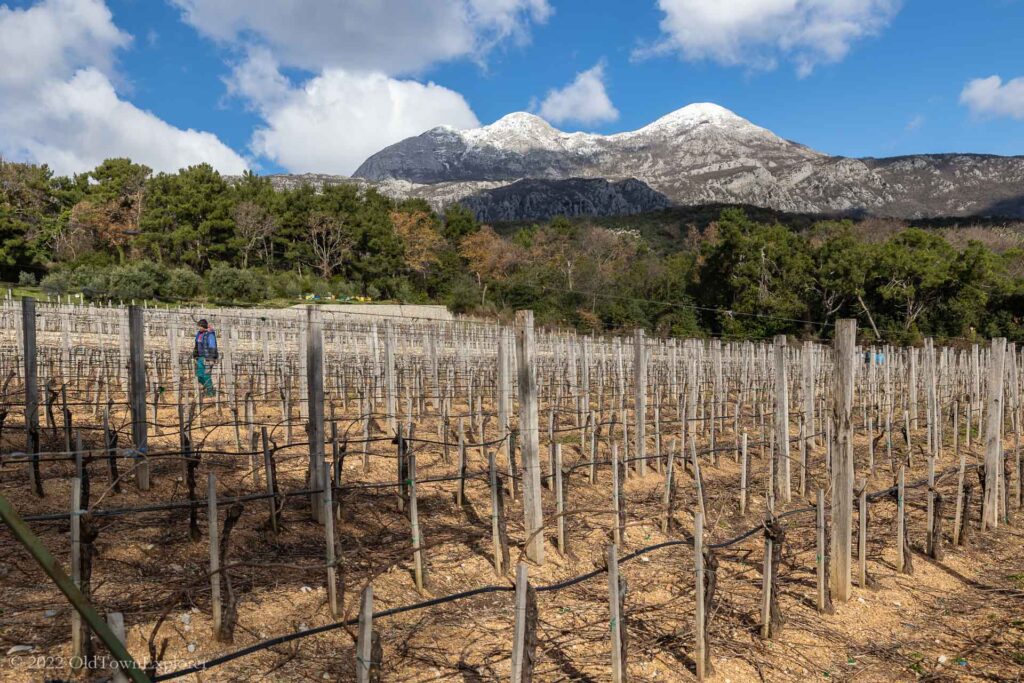
Savina Winery
- Address: 43 Braće Grakalić, Herceg - Novi, Montenegro
Savina Winery offers private tours of the vineyards and winery, accompanied by wine tasting and matching local bites.
Vinarija Delic
- Address: 17 3 Trebjesinska, Herceg Novi 85340, Montenegro
Vinarija Delic produces four red wines, including Vranac, Merlot, Cabernet Sauvignon, and a blend; two white wines, Žilavka and Chardonnay; and a rose rosé wise.
The winery is located less than 2 miles from Herceg Novi's historic center.
How to Choose and Taste Montenegro Wine
Choosing Montenegro wine is usually easiest by starting with grape and producer. Vranac, Kratošija, and Krstač give the clearest first tasting, while Plantaže gives the easiest national baseline and smaller wineries give a better comparison of place, cellar style, and food pairings.
Wine Labels, PDO, PGI, and Producer Cues
Montenegro has a geographical-origin system using PDO and PGI terms. Protected wine-origin names include Crmnica, Podgorica Subregion, Ulcinj Subregion, Kuči, Riječka Nahija, Katunska Nahija, Piperi, Bjelopavlići, Nudo, and Boka Kotorska, along with geographical indications for the Montenegrin Basin of Lake Skadar and Montenegrin Coast.
The Wine of Montenegro geographical-origin overview explains the PDO and PGI frame used for Montenegrin wines. In practice, most travelers will still choose faster by grape, producer, town, and tasting route.
Plantaže and Smaller Wineries
Plantaže is Montenegro’s largest and easiest producer to find. Its wines appear widely in restaurants, grocery stores, wine shops, and tasting rooms, including Vranac, Vranac Pro Corde, Kratošija, Krstač, Chardonnay, Sauvignon Blanc, rosé, sparkling wine, dessert wine, and cellar selections.
The Plantaže tasting program includes Šipčanik cellar visits with Montenegrin Krstač, Kratošija, Vranac Pro Corde, and food pairings. This is the most structured large-producer tasting option near Podgorica.
Smaller wineries give a different view of Montenegro wine. Around Lake Skadar and Crmnica, look for family producers near Virpazar, Godinje, Limljani, Rijeka Crnojevića, and Bar-area villages. Around the Bay of Kotor and Herceg Novi, Savina Winery and Vinarija Delić give a coastal counterpoint to inland Vranac and Krstač.
Winery visits usually need advance contact. Plan a driver, private transfer, or organized tour for Crmnica, Lake Skadar, Podgorica, Bar, Ulcinj, and Herceg Novi winery days.
Food Pairings with Montenegro Wine
- Vranac: Lamb, beef, grilled meats, veal, game, pršut, smoked meats, aged cheese, and dishes cooked under the bell
- Kratošija: Pork, sausages, grilled meats, lamb, paprika dishes, spicy seafood, and mixed meat plates
- Krstač: Adriatic fish, shellfish, grilled squid, octopus, white cheese, salads, vegetables, and poultry
- Chardonnay and Pinot Blanc: Fish, poultry, cheese, creamier seafood dishes, and vegetable plates
- Sauvignon Blanc: Goat cheese, salads, herbs, grilled fish, and lighter seafood dishes
- Rosé: Grilled fish, salads, shellfish, vegetables, pork, and warm-weather coastal meals
- Dessert wine and rakija: Dried figs, walnuts, honey desserts, priganice, cheese, fruit, and small sweet courses
Food makes Montenegro wine easier to choose: Krstač fits fish and cheese, Vranac fits grilled meat and aged cheese, Kratošija fits spiced meat dishes, and rosé fits seafood, vegetables, and mixed plates. Montenegro Food covers the dishes and local products that shape those pairings.
FAQs About Montenegro Wine
What wine is Montenegro known for?
Montenegro is known first for Vranac, a full-bodied red grape used for dry reds and blends. Kratošija is another important local red grape, while Krstač is the main native white grape to try first.
What are the main wine regions in Montenegro?
The main Montenegro wine regions are the Skadar Lake Basin, the Montenegrin Coast, Nudo, and Montenegrin North. For most travelers, the Skadar Lake Basin, Crmnica, Podgorica, Bar, Kotor, Budva, and Herceg Novi are the clearest starting points.
Where should I start with Montenegro wine?
Start with Vranac, Kratošija, and Krstač. Taste one Plantaže bottle as a baseline, then compare it with a smaller-producer bottle from Lake Skadar, Crmnica, Bar, Ulcinj, Boka Kotorska, or Herceg Novi.
What is Vranac?
Vranac is Montenegro’s main red grape. It usually makes full-bodied dry reds with dark fruit, firm tannins, and enough structure for lamb, beef, grilled meats, pršut, smoked meats, and aged cheese.
What is Kratošija?
Kratošija is an older local red grape related to the Zinfandel and Primitivo family. In Montenegro, it can be bottled alone or blended with Vranac and other red grapes.
What is Krstač?
Krstač is Montenegro’s main native white grape. It usually makes dry white wines for seafood, white cheese, grilled fish, salads, vegetables, and poultry.
Is Plantaže the only winery in Montenegro?
No. Plantaže is the largest and easiest producer to find, but Montenegro also has smaller wineries around Lake Skadar, Crmnica, Podgorica, Bar, Ulcinj, Herceg Novi, and the Bay of Kotor.
Where should I taste wine in Montenegro without a car?
Start in Kotor, Budva, Bar, or Herceg Novi for restaurants, wine bars, shops, and Montenegrin bottles by the glass. Winery visits usually need a driver, private transfer, or organized tour.
Can you visit wineries in Montenegro?
Yes. Winery visits are possible around Lake Skadar, Crmnica, Podgorica, Bar, Ulcinj, Herceg Novi, and other areas. Confirm tasting times, reservations, route timing, and transport before planning a winery day.
What food pairs with Montenegro wine?
Vranac pairs well with lamb, beef, grilled meats, pršut, smoked meats, and aged cheese. Krstač pairs well with Adriatic fish, shellfish, white cheese, salads, and vegetables. Kratošija works with pork, sausages, grilled meats, and spiced dishes.