
Wroclaw
Food | Wine | ArchitectureExplore Wroclaw: Food, Wine & Architecture
Wroclaw is one of Poland’s strongest city bases for travelers who want a walkable old town, layered architecture, and a food scene that reaches beyond the main square. Market Square, Ostrów Tumski, the Odra River islands, and the UNESCO-listed Centennial Hall give the city several different areas to explore without leaving the center for long.
We spent a month in Wroclaw researching food, wine, and architecture across the old town, river islands, market areas, churches, museums, and residential streets. This guide introduces the city as a whole, with separate sections below for what to eat, where to drink wine, and what architecture to see first.
This page contains affiliate links. We may earn a small commission at no extra cost to you.
Wroclaw at a Glance
Wroclaw is easiest to plan as a compact old-town stay with separate walks for the river islands, Ostrów Tumski, and the Centennial Hall district. Most first-time visitors should start around Market Square, then use the Odra River crossings to understand how the city is laid out.
- Best base: Old Town or the streets just north and east of Market Square
- Main areas: Market Square, Salt Square, the university quarter, the Odra islands, Ostrów Tumski, and Centennial Hall
- Good first walk: Market Square to the university quarter, Sand Island, Ostrów Tumski, and the Cathedral
- Food focus: Polish classics, milk bars, pierogi, soups, market halls, bakeries, and contemporary restaurants
- Wine focus: Wine bars, Polish wines from Lower Silesia, and Central European bottles rarely seen outside the region
- Architecture focus: Gothic churches, postwar reconstruction, Baroque university buildings, market-square facades, and modernist concrete at Centennial Hall
- Planning note: Save Centennial Hall for a separate tram or long-walk outing rather than folding it into a short Old Town route
This overview gives the main planning frame. The sections below break Wroclaw into food, wine, architecture, and practical travel choices so you can decide how much time to give each part of the city.
Wroclaw Food
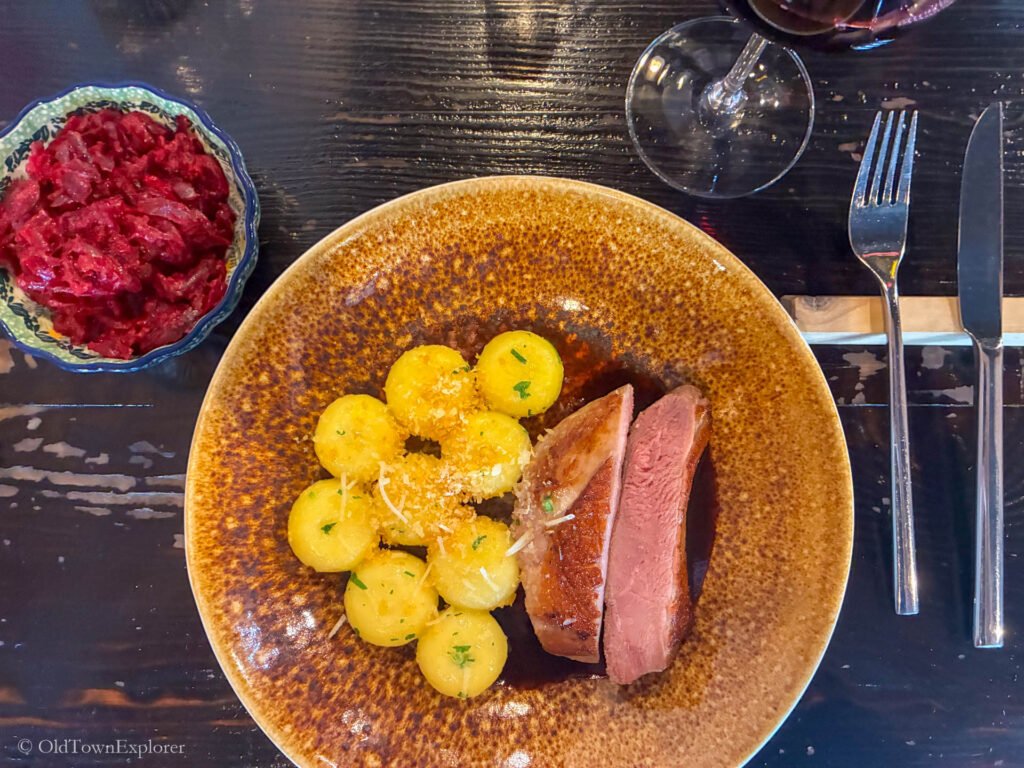
Food in Wroclaw is easiest to approach in three layers: traditional Polish meals, everyday market stops, and newer restaurants around the old town and nearby neighborhoods. For a first visit, start with pierogi, żurek, bigos, cutlets, potato dishes, cabbage, mushrooms, and seasonal soups, then add bakeries, milk bars, cafes, and market-hall shopping as you learn the city.
Hala Targowa is the most practical food stop to pair with sightseeing. It sits near the university quarter, Sand Island, and Ostrów Tumski, so it can fit into a walking route without turning lunch into a separate trip. The hall also adds an architecture stop because of its early concrete structure.
For a deeper guide to dishes, market stops, casual meals, restaurants, and planning notes, use our Wroclaw Food page.
Wroclaw Wine
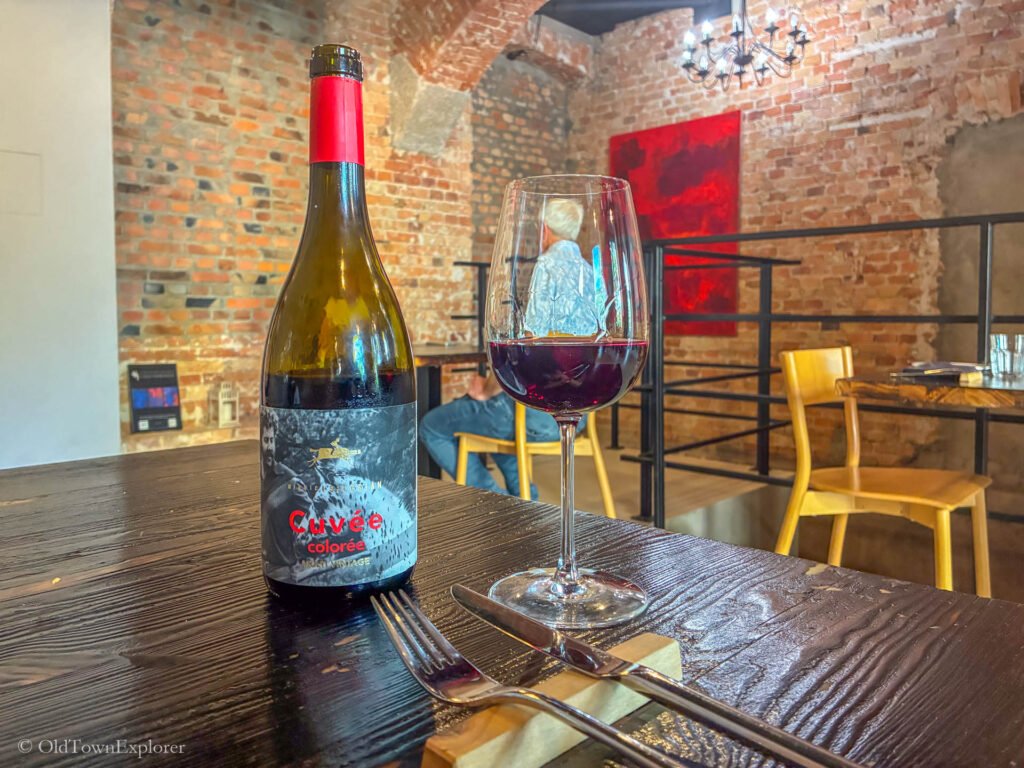
Wroclaw is not a vineyard town, but it is one of the better Polish cities for tasting regional wine. Lower Silesian vineyards give local wine bars and restaurants a nearby source to feature, especially for travelers who want to try Polish bottles instead of defaulting to familiar French, Italian, or Spanish labels.
For a first visit, treat Wroclaw as a tasting base rather than a vineyard stop. Look for Polish white wines, cool-climate reds, sparkling wines, and bottles from nearby Lower Silesian producers. Wine bars are also a good place to find Central European labels from Czechia, Slovakia, Austria, Hungary, and Slovenia.
For more detail on Polish wine, Lower Silesian bottles, wine bars, and what to order by the glass, use our Wroclaw Wine guide.
Wroclaw Architecture
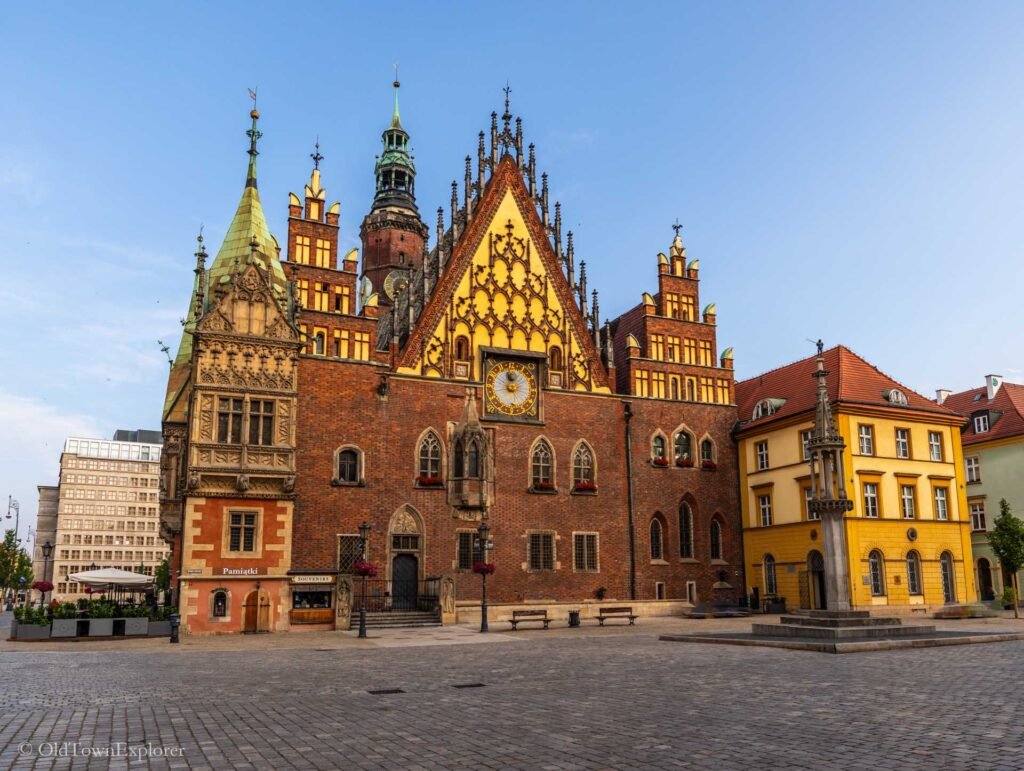
Architecture in Wroclaw is one of the main reasons to slow down here. The city moves from Gothic churches and brick island routes to Baroque university interiors, reconstructed market-square facades, 19th-century streets, postwar rebuilding, and early modernist concrete.
Start with Market Square and the Old Town Hall, then walk toward the university quarter, Sand Island, and Ostrów Tumski. That route gives you a clear sequence: civic architecture, academic buildings, river crossings, church towers, and cathedral views.
Centennial Hall belongs on a separate outing because it sits east of the old town and changes the focus from medieval and Baroque streets to 20th-century engineering. Centennial Hall is listed by UNESCO as a World Heritage Site and is one of Wroclaw’s most important modernist landmarks. For official background, see the UNESCO listing for Centennial Hall in Wroclaw.
For a deeper route through major buildings, churches, squares, and modernist sites, use our Wroclaw Architecture guide.
Where Is Wroclaw Located?
Wroclaw is in southwestern Poland, in Lower Silesia, on the Odra River. The old town sits within a city shaped by river channels, islands, bridges, and former defensive edges, which is why many first-time walking routes move from Market Square toward the university quarter, Sand Island, and Ostrów Tumski.
For trip planning, Wroclaw works best as a Lower Silesia base rather than a quick add-on to northern Poland. It pairs naturally with other Polish city stays, especially Krakow, but it also fits longer Central European routes that include Czechia or eastern Germany.
For the broader country route, start with our Poland guide before choosing how Wroclaw fits with Krakow, Gdansk, or other stops.
What Is The Best Time To Visit Wroclaw?
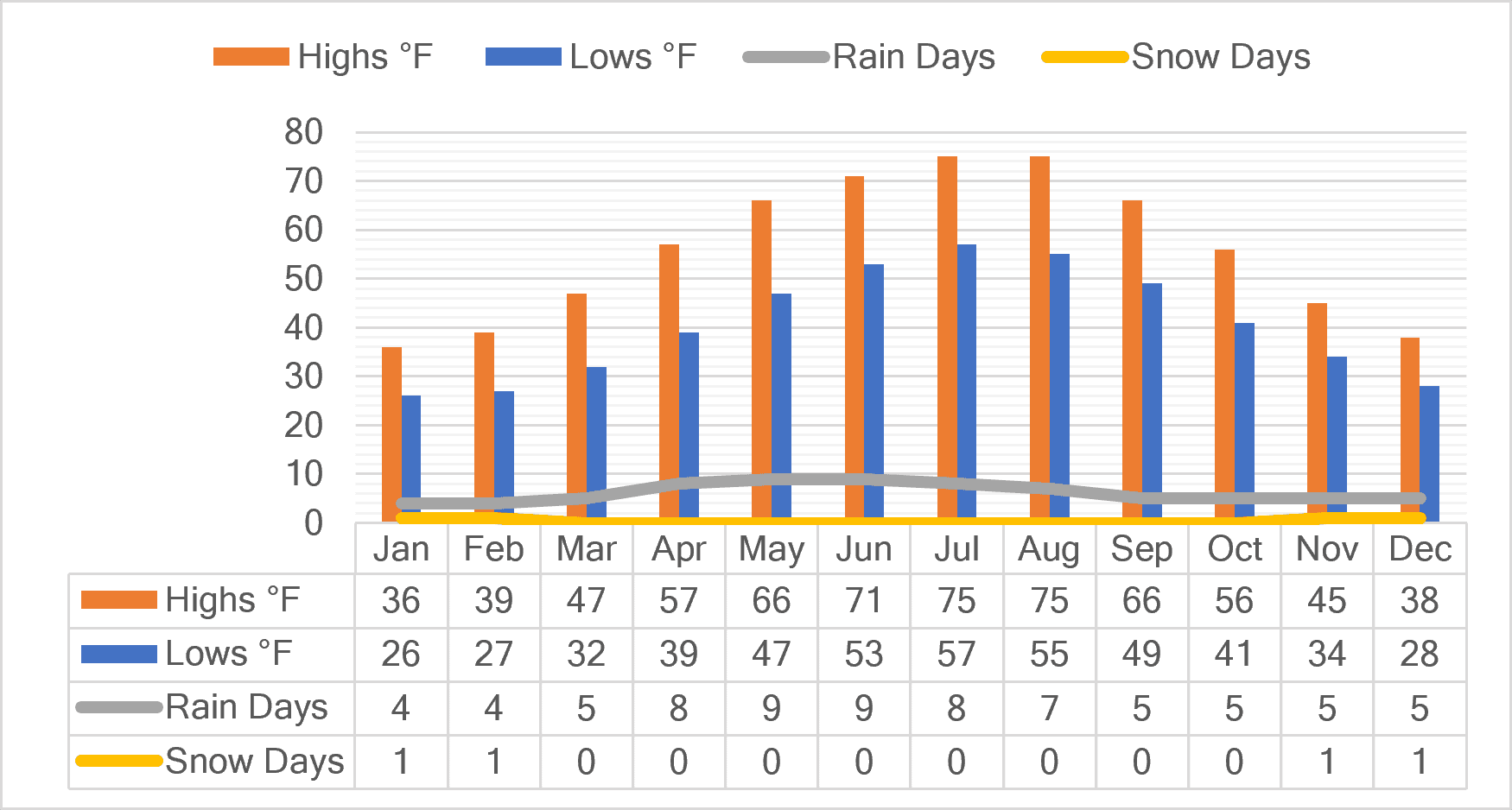
The best time to visit Wroclaw depends on how you want to use the city. Spring and early fall are the easiest months for food, wine, architecture, and long walks, while summer gives longer days and winter shifts the trip toward cafes, museums, churches, wine bars, and seasonal events.
Weather
Wroclaw has warm summers, cold winters, and changeable weather in spring and fall. July and August bring the longest days and the warmest temperatures, which can work well for outdoor dining, river walks, and late evenings around Market Square. The trade-off is stronger heat, busier streets, and more demand for central lodging.
Winter is colder and darker, so the trip needs a slower pace. Plan shorter outdoor walks, more indoor stops, and extra time for meals, cafes, museums, churches, and wine bars.
Shoulder Season
May, June, September, and early October are the strongest months for most Wroclaw trips. These months usually give enough daylight for Market Square, Ostrów Tumski, river crossings, Hala Targowa, and Centennial Hall without the busiest summer feel.
Shoulder season also works well for architecture because you can spend more time outside without planning every route around heat, cold, or short winter daylight. For a first visit focused on food, wine, and architecture, this is the easiest window to recommend.
Best Value
The best value time to visit Wroclaw is usually outside the summer peak and outside the busiest Christmas market dates. Late spring and early fall often give the best balance of weather, restaurant access, walking conditions, and lodging choice.
Best Places to Stay in Wroclaw
Hotels in Wroclaw
The best place to stay in Wroclaw for a first visit is the Old Town or the streets just north and east of Market Square. This area keeps you close to restaurants, wine bars, the university quarter, Hala Targowa, Sand Island, Ostrów Tumski, and most of the walks covered in this guide.
Staying directly on or beside Market Square puts you closest to the main restaurants, cafes, and evening activity. The trade-off is more noise, especially on weekends and during event periods. A few blocks away from the square usually gives a better balance for longer stays.
- Old Town: Best for a first visit, short stays, restaurants, wine bars, and easy walking routes
- East of Market Square: Good for Hala Targowa, the university quarter, Sand Island, and Ostrów Tumski
- North of the Old Town: Good for longer stays, quieter evenings, and access to Nadodrze
- Near the main railway station: Practical for early trains, late arrivals, and day trips, but less convenient for evening old-town walks
- Near Centennial Hall: Better for zoo, park, and exhibition-area visits than for a first old-town stay
For most food, wine, and architecture trips, choose the Old Town edge rather than the exact center of Market Square. You will still be close to the main sights, but daily walks, meals, and quiet evenings are easier to manage.
Other Things to Know About Wroclaw
Wroclaw Airport
Wrocław Nicolaus Copernicus Airport is west of the city center, about 10 km from central Wroclaw. Public buses, taxis, and road transport connect the airport with the city, so most visitors do not need a rental car for a central stay.
For current arrivals, departures, airport services, and passenger information, check the official Wrocław Airport website.
Wroclaw Train Station
Wrocław Główny is the main railway station and one of the city’s most practical arrival points. It sits southeast of the Old Town and is close enough to Rynek for a walk if you are traveling light.
The station area is better for transport than atmosphere. Stay nearby if train timing is your top concern. For a food, wine, and architecture trip, the Old Town edge usually gives a better daily base.
Public Transport in Wroclaw
Wroclaw has a tram and bus network that covers the center, outer neighborhoods, Centennial Hall, the zoo area, and the airport route. Walking is still the best way to understand the old town, but public transport is practical for longer cross-city trips.
Ticket types, route numbers, and prices can change. Check MPK Wrocław’s official buses and trams information before relying on a specific tram, bus, fare, or airport connection.
Rental Cars in Wroclaw
You do not need a rental car for a central Wroclaw stay. Market Square, Salt Square, Hala Targowa, the university quarter, Sand Island, and Ostrów Tumski are easier to handle on foot, and trams or buses cover longer city trips such as Centennial Hall.
A rental car makes more sense if you plan to explore Lower Silesia beyond Wroclaw, especially castles, mountain towns, countryside wineries, or smaller villages with limited public transport. Check license and permit rules before renting, and avoid choosing a central old-town hotel only to spend the stay dealing with parking.
Time Zone in Wroclaw
Wroclaw is in Poland’s time zone: Central European Time in winter and Central European Summer Time during daylight saving time. This is the same time zone used in cities such as Warsaw, Prague, Berlin, Vienna, and Budapest.
For travelers arriving from the United States, the time change can affect the first day more than the city layout. Keep the first afternoon simple with Market Square, a short old-town walk, and dinner near your lodging.
Currency and Payments in Wroclaw
Poland uses the Polish złoty, not the euro. Card payments are common in central Wroclaw, but carrying some cash can still make smaller purchases easier, especially at markets, small bakeries, public toilets, and older casual restaurants.
Use bank ATMs or well-marked exchange offices if you need cash. Avoid assuming that euros will be accepted for everyday purchases.
Language in Wroclaw
Polish is the official language in Wroclaw. In central areas, hotels, major attractions, restaurants, cafes, and wine bars often have some English support, but smaller shops and local services may be easier with a few basic Polish phrases.
Place names can appear with Polish characters, including Wrocław and Ostrów Tumski. Search tools and maps usually understand simplified spellings, but the Polish spelling is more reliable for official sites, tickets, and transport searches.
Visa Requirements for Poland
Poland is part of the Schengen Area, so short-stay visa rules are tied to Schengen entry limits rather than Wroclaw specifically. Many visitors can stay in Poland and the wider Schengen Area for up to 90 days in any 180-day period, but requirements depend on nationality, passport type, trip length, and the purpose of travel.
For more information on visa-free travel in Poland, check out our article on traveling visa-free. For current Schengen visa rules, use the European Commission’s official Schengen visa policy page. For longer itineraries, the official Schengen short-stay calculator can help check the 90/180-day limit.
Electricity in Poland
Poland uses 230V electricity at 50Hz. The main socket type is Type E, which has two round pins and a grounding pin. Travelers from North America usually need a plug adapter, and some older devices may also need a voltage converter.
Most modern phone, laptop, tablet, and camera chargers are dual voltage, but check the label before plugging in. Devices marked 100–240V usually need only the correct adapter.
SIM Cards in Poland
Prepaid SIM cards in Poland must be registered before activation. Visitors buying a local SIM card should expect to show a passport or another accepted identity document at the time of registration.
An eSIM can be easier for short stays if your phone supports it, especially when you want data ready before arrival. A local Polish SIM may be better for longer stays, heavier data use, or trips that include smaller towns outside the main tourist route.
FAQs About Wroclaw
Is Wroclaw worth visiting?
Yes. Wroclaw is worth visiting if you want a walkable Polish city with old-town squares, river islands, Gothic churches, market halls, wine bars, and major architecture in a compact central area. It works especially well for travelers who prefer slower city stays over one-day sightseeing stops.
What is Wroclaw known for?
Wroclaw is known for Market Square, the Old Town Hall, Ostrów Tumski, the Odra River islands, bridges, and Centennial Hall. Food, student life, public art, and Lower Silesian history also shape the city’s day-to-day character.
How many days should you spend in Wroclaw?
Two full days is enough for Market Square, Ostrów Tumski, Hala Targowa, and a focused architecture route. Three or four nights is better if you want time for restaurants, wine bars, museums, Centennial Hall, and slower walks across the river islands.
Where should first-time visitors stay in Wroclaw?
First-time visitors should usually stay in the Old Town or on the quieter streets just north or east of Market Square. This keeps restaurants, wine bars, river walks, Hala Targowa, and Ostrów Tumski close without making every day depend on transport.
Is Wroclaw good for food and wine?
Wroclaw is good for traditional Polish food, casual restaurants, bakeries, milk bars, market stops, and newer dining rooms. For wine, the main draw is not vineyard sightseeing inside the city but wine bars and Polish bottles from Lower Silesia and other Central European regions.
Do you need a car in Wroclaw?
No. You do not need a car for a central Wroclaw stay. Market Square, Salt Square, the university quarter, Hala Targowa, Sand Island, and Ostrów Tumski connect well on foot, and trams or buses cover longer trips such as Centennial Hall and the airport route.
Wroclaw Blog Posts
27 Pros and Cons of Living in Wroclaw, Poland
Explore Life in Wroclaw: Pros & Cons of Living in Lower Silesia’s River City Wroclaw is a large city in southwestern Poland, where the Odra River divides into channels around central islands. The pros and cons of living in Wroclaw start...