
Dijon
Food | Wine | ArchitectureExplore Dijon: Food, Wine & Architecture
Dijon is in eastern France, in the Burgundy region. Its historic center is compact and largely pedestrian, with the Palace of the Dukes and Estates of Burgundy, major churches, museums, Les Halles, and the main shopping streets within an easy walking area.
Food is part of everyday sightseeing here. Dijon mustard, pain d’épices, crème de cassis, Les Halles, and the Cité internationale de la gastronomie et du vin provide several ways to explore the city’s culinary identity.
Dijon is also a practical base for Burgundy wine. Wine bars and shops provide an introduction in the city, while the Route des Grands Crus leads south through the Côte de Nuits toward Beaune and the Côte de Beaune.
We spent a month in Dijon during March and April, using the city as a daily base while researching its food, wine, architecture, and connections to the surrounding region. This guide explains when to visit, where to stay, how to get around, and how Dijon fits into a wider Burgundy trip.
This page contains affiliate links. We may earn a small commission at no extra cost to you.
Dijon at a Glance
Dijon combines a walkable historic center with direct access to Burgundy’s food and wine culture. These points cover the main decisions for a first visit.
- Best for: Traditional food, Burgundy wine, historic architecture, museums, and car-free sightseeing
- Best starting area: Place de la Libération, the Palace of the Dukes, and Notre-Dame
- Suggested stay: Two to three days, plus more time for vineyard trips
- Best timing: May, June, September, and early October for generally comfortable walking conditions
- Main trade-off: The center is easy without a car, but many wine estates and smaller vineyard villages require advance planning, a guided tour, or a car
Dijon works as a short city break, but it becomes more useful as a Burgundy base when at least one additional day is reserved for the wine route.
Dijon Food
Dijon’s best-known specialties include Dijon mustard, pain d’épices, and crème de cassis. Restaurant menus and specialty shops also connect the city to wider Burgundy dishes and products such as boeuf bourguignon, oeufs en meurette, escargots de Bourgogne, jambon persillé, gougères, Époisses, and coq au vin.
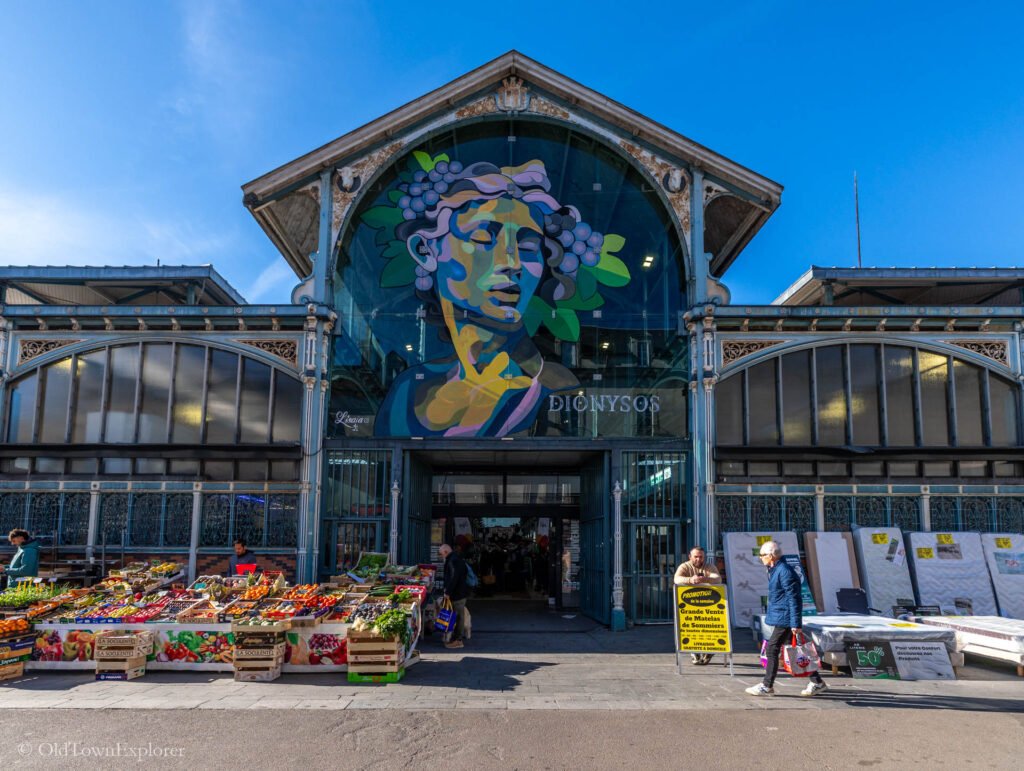
Les Halles is the main food market to know in the historic center, while the Cité internationale de la gastronomie et du vin combines exhibitions, shops, tastings, and restaurants near the southern edge of the old town. See our Dijon Food guide for local specialties, markets, shops, bakeries, and places to eat.
Dijon Wine
Dijon has its own winegrowing history and renewed vineyard activity, but most wine-focused visitors use the city as a base for the Côte de Nuits and Côte de Beaune. Wine lists also provide access to Chablis, the Côte Chalonnaise, the Mâconnais, and neighboring Beaujolais, with Pinot Noir and Chardonnay dominating Burgundy selections.
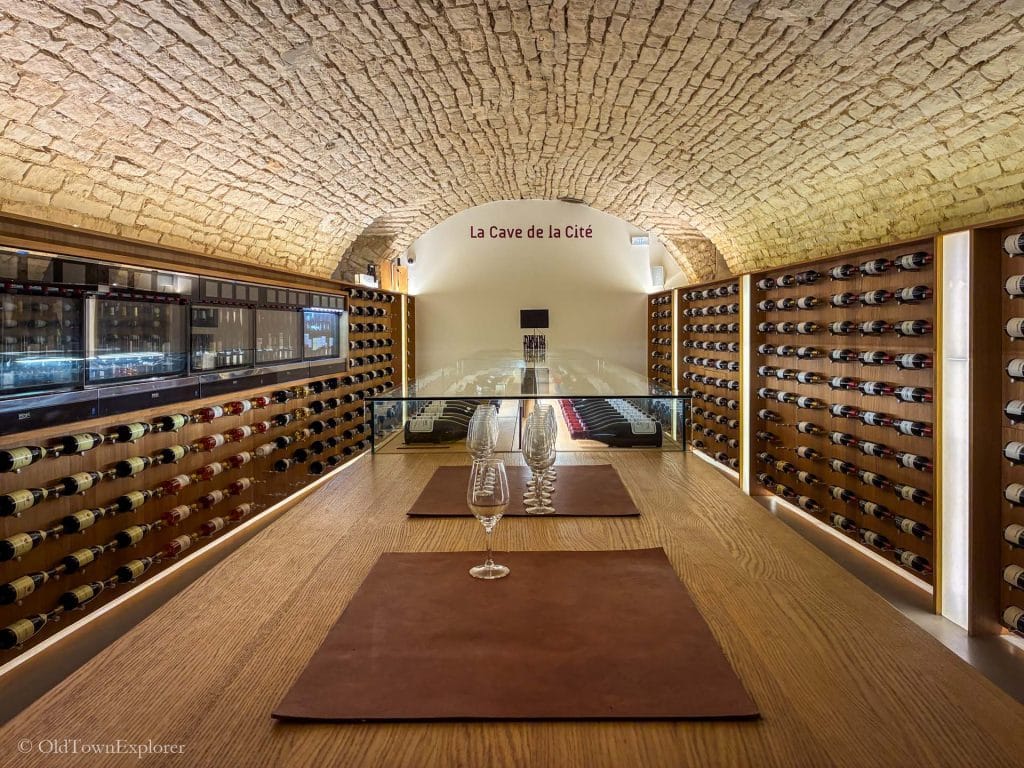
Start with wine bars, shops, and tastings in the city, then travel south along the Route des Grands Crus for vineyard visits. Our Dijon Wine guide covers local tasting options, while the Burgundy Wine guide explains the wider region.
Dijon Architecture
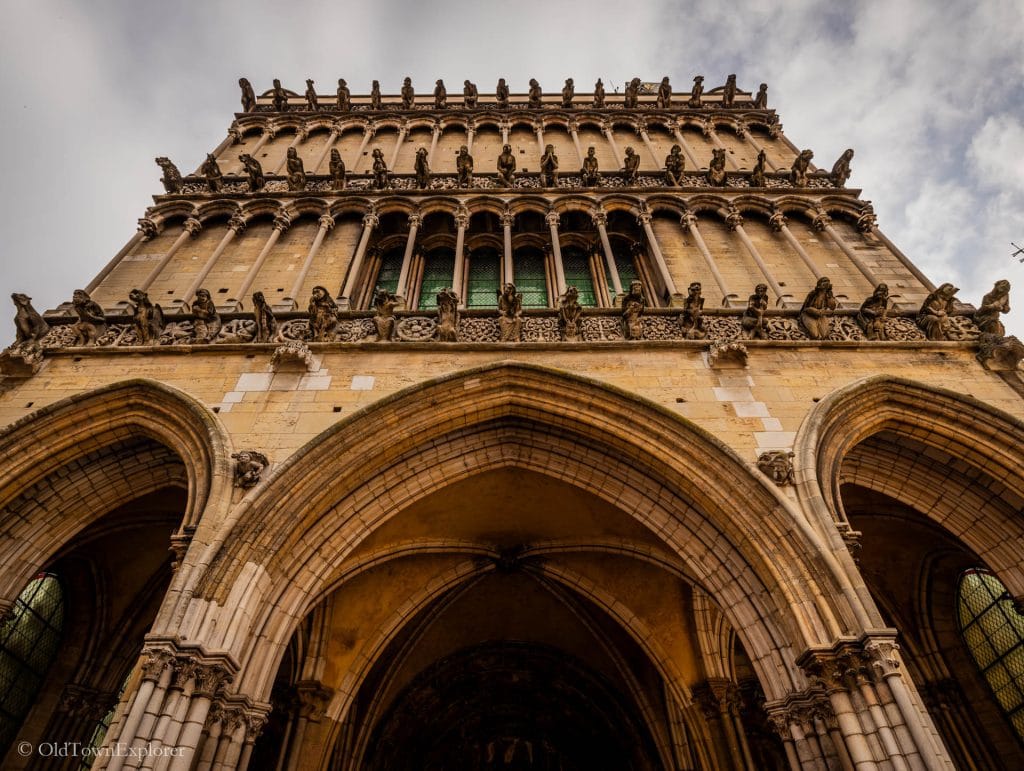
Dijon’s main architectural landmarks are concentrated in the historic center. The Palace of the Dukes and Estates of Burgundy, Notre-Dame, Saint-Bénigne Cathedral, Saint-Michel, Les Halles, and the streets around Place de la Libération show the city’s medieval, Gothic, Renaissance, classical, and 19th-century development.
The Owl’s Trail links many central sights on a self-guided walking route. The historic center also forms one component of the UNESCO-listed Climats, terroirs of Burgundy, connecting Dijon’s urban history to the vineyard landscape south of the city. See our Dijon Architecture guide for churches, civic buildings, squares, streets, and other landmarks.
Location of Dijon
Dijon is in the Côte-d’Or department of the Bourgogne-Franche-Comté region in eastern France. The city lies north of Beaune and at the northern end of the main vineyard corridor formed by the Côte de Nuits and Côte de Beaune.
Gare de Dijon-Ville connects the city with Paris and other major French and European rail hubs. The station is close enough to the historic center for an easy walk, tram ride, or short local transfer, making Dijon especially practical for a car-free city stay.
Best Time To Visit Dijon
May through October is the easiest period for combining old-town walks with vineyard trips. Late spring and early autumn generally offer a better balance of daylight and comfortable temperatures than midsummer, while March and April can suit travelers who accept cooler, less predictable weather.
Weather
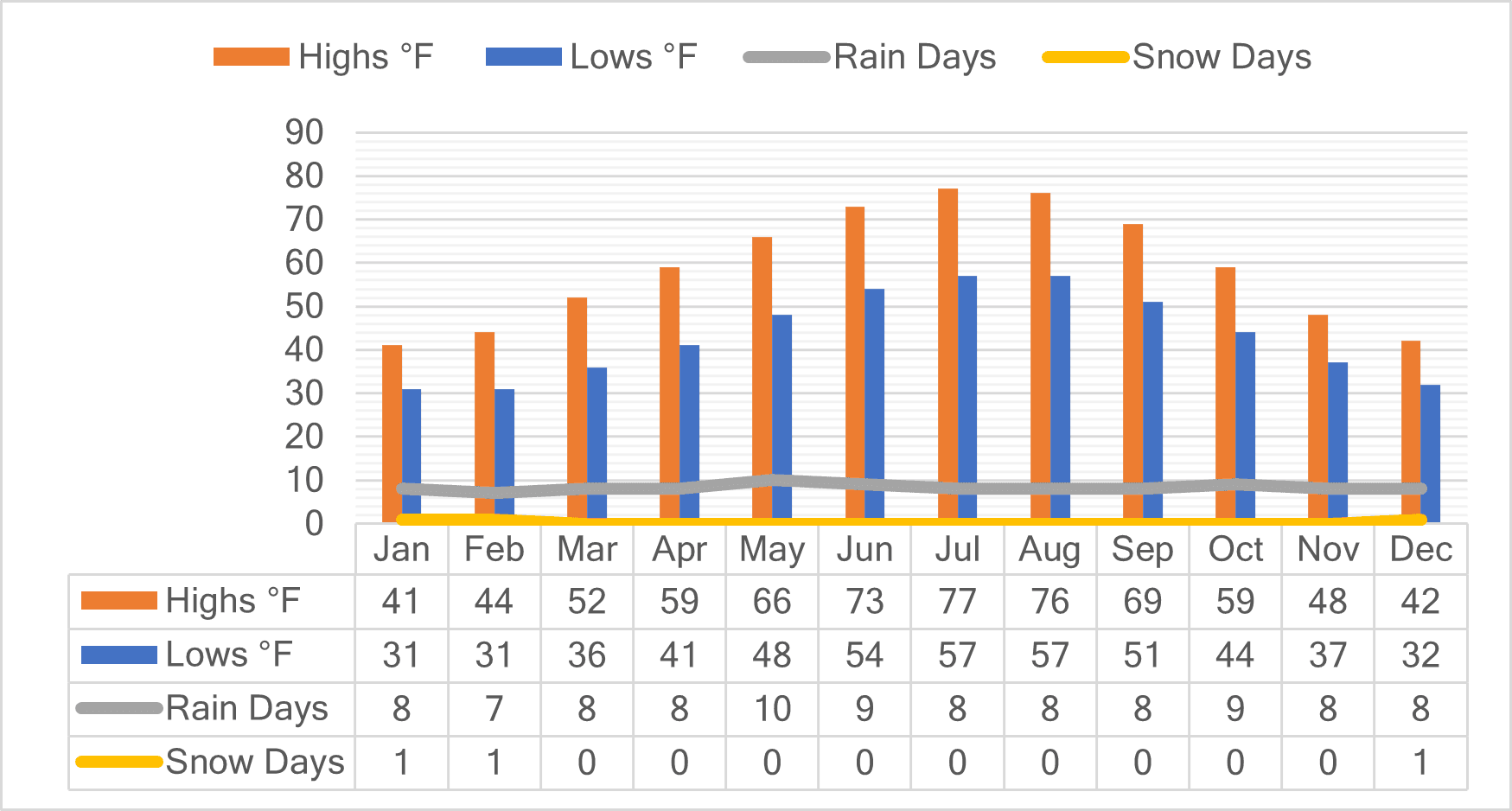
Dijon has warm summers, cold winters, and rain throughout the year. Spring and autumn conditions can change quickly, so layers and a compact umbrella are useful even when the forecast looks favorable.
The weather graphic below shows typical monthly temperature and precipitation patterns for planning purposes.
Shoulder Season
May, June, September, and early October are strong choices for walking the center and visiting the surrounding wine country. March and April are cooler alternatives with fewer visitors, while late October brings shorter days and a greater chance of unsettled weather.
Best Value
Accommodation can offer better value outside summer and major event periods. November through March is usually the quieter window, but shorter days, cold weather, and reduced seasonal activity make it better for museums, food, and a city-focused stay than for a vineyard-heavy itinerary.
Best Places to Stay In Dijon
The historic center is the best base for most first-time visitors. It places the main architecture, museums, restaurants, wine bars, Les Halles, and pedestrian streets within walking distance.
Hotels and Apartments in Dijon
Look around Place de la Libération, Notre-Dame, Les Halles, or the streets between the center and Place Darcy for the most convenient sightseeing location. This area works especially well for travelers who want to return to their accommodation between museum visits, meals, and evening drinks.
The station-to-center corridor is practical for early departures, heavy luggage, or frequent regional train trips. It is less central than the streets around the palace, but the old town remains accessible on foot or by tram.
Drivers may prefer accommodation outside the most pedestrianized streets or a property with confirmed parking. Before booking, compare the route to the property, parking conditions, and any restricted-access instructions rather than relying only on straight-line distance.
Use the map below to compare hotels and apartments in the historic center, near Gare de Dijon-Ville, and along the main routes out of the city.
Other Things to Know About Dijon
Airport
Dijon-Bourgogne Airport serves business, on-demand, and recreational aviation rather than functioning as a major scheduled passenger airport. Most international visitors arrive through another French airport and continue to Dijon by train, or use Dole-Jura Airport when its limited route schedule is suitable.
Train Station
Gare de Dijon-Ville is the city’s main passenger station. High-speed and regional trains connect Dijon with Paris, Lyon, Beaune, and destinations across eastern France; schedules and direct services vary by date.
For local trams, buses, parking, and pedestrian information, consult the Dijon Métropole Tourist Office transport guide.
Time Zone
Dijon uses Central European Time (CET), UTC+1, and Central European Summer Time (CEST), UTC+2, during daylight saving time.
Currency
France uses the euro (€). Cards are widely accepted, but some cash can be useful for small purchases and market stalls.
Language
French is the official language. English is used in many tourism businesses, but basic French phrases are helpful in markets, smaller shops, and restaurants.
Visa
France is part of the Schengen Area. Many non-EU visitors, including U.S. passport holders, may visit the Schengen Area without a visa for up to 90 days in any 180-day period, subject to nationality and passport requirements. See our guide to traveling visa-free for an overview.
The Entry/Exit System applies to many non-EU short-stay travelers, and the planned ETIAS authorization will add a separate pre-travel requirement for many visa-exempt visitors. Because implementation details can change, check the latest France Diplomatie guidance on EES and ETIAS before departure.
Electricity
France uses Type E sockets with a standard supply of 230V at 50Hz. Travelers with other plug types need an adapter, and devices that do not support 230V also require a voltage converter.
A travel power strip can reduce the number of plug adapters needed, but it does not convert voltage. Check the input range printed on each device before connecting it.
SIM Card
Visitors can use a French prepaid SIM, an eligible home-provider roaming plan, or an eSIM. We recommend Airalo eSIMs for travelers who want mobile data without visiting a local phone shop; coverage, data allowances, and activation terms should be checked for the selected plan.
Car Rental
A car is unnecessary for sightseeing in central Dijon. It becomes more useful for rural destinations and winery appointments that are not convenient by train, bus, bicycle, or guided tour.
Confirm parking and access rules before driving into the historic center. We recommend Discover Cars for comparing offers from international and regional rental companies.
FAQs About Dijon
What is Dijon most known for?
Dijon is best known for mustard, Burgundy food and wine, and its history as the capital of the Dukes of Burgundy. Its main visitor landmarks include the Palace of the Dukes, Notre-Dame, the Owl’s Trail, and Les Halles.
Is Dijon worth visiting for food?
Yes. Dijon combines well-known products such as mustard, pain d’épices, and crème de cassis with Les Halles and restaurants serving Burgundy dishes. See our Dijon Food guide for specific foods and places to eat.
Is Dijon a good base for Burgundy wine?
Yes. Dijon has wine bars, shops, and tastings in the city, plus rail, road, cycling, and tour connections toward the Côte de Nuits and Beaune. Our Dijon Wine guide explains the main options.
Can you explore Dijon on foot?
Yes. The largely pedestrian historic center contains most major churches, museums, markets, and squares within a compact area. Local trams and buses are useful for destinations beyond the center.
What food should I try first in Dijon?
Start with Dijon mustard, pain d’épices, crème de cassis, and gougères. For a full meal, oeufs en meurette, jambon persillé, escargots de Bourgogne, and boeuf bourguignon provide a broader introduction to Burgundy cooking.
Does Dijon have a wine region of its own?
Dijon has a long winegrowing history, and vines are again cultivated within the metropolitan area, including at Domaine de la Cras. For most visitors, however, the principal nearby wine route begins south of the city through Marsannay and the Côte de Nuits.
What is the best wine day trip from Dijon?
The Côte de Nuits is the most direct first choice. Gevrey-Chambertin and Nuits-Saint-Georges provide access to wine villages and producers south of Dijon; compare our winery guides for Gevrey-Chambertin and Nuits-Saint-Georges before planning appointments.
What architecture should I prioritize in Dijon?
Start with the Palace of the Dukes and Estates of Burgundy, Place de la Libération, Notre-Dame, Saint-Bénigne Cathedral, and the streets covered by the Owl’s Trail. Our Dijon Architecture guide provides a more detailed list.
Is Dijon’s old town large?
Dijon’s designated historic area covers about 97 hectares, but the main visitor sights are close enough to explore on foot. Allow at least a full day for the central route and more time for museums, churches, markets, and food stops.
What are the main old town stops in Dijon?
The main anchors are the Palace of the Dukes, Place de la Libération, Notre-Dame and its owl carving, Les Halles, Saint-Bénigne Cathedral, and the streets marked by the Owl’s Trail. The Cité internationale de la gastronomie et du vin is just south of the historic core.
Is Dijon better by car or train?
Train is generally easier for a city-focused visit because the station is close to the center and a car is unnecessary for daily sightseeing. A car is more useful for rural wine estates and villages with limited public transport.
How many days do you need in Dijon?
Two days allows time for the historic center, food stops, and one or two museums. Three days works better if you want a slower pace or a wine-country excursion; add further time for multiple vineyard days.
Dijon Blog Posts

25 Pros and Cons of Living in Dijon, France
Explore Life in Dijon: Pros & Cons of Living in Burgundy’s Historic Capital Dijon is a city in Burgundy, eastern France, with a largely pedestrian historic center and vineyards stretching south toward Beaune. The pros and cons of living...

Explore Wineries in Nuits-Saint-Georges, France
Discover Wineries in Nuits-Saint-Georges: Wine Tastings, Tours & Tips Nuits-Saint-Georges is one of the principal wine towns of the Côte de Nuits, with family domaines, merchant houses, tasting rooms, and longer visitor experiences in and...
Explore Wineries in Gevrey-Chambertin, France
Discover Wineries in Gevrey-Chambertin: Wine Tastings, Tours & Tips Wineries in Gevrey-Chambertin range from estates with published tasting programs to small producers that receive visitors only after direct contact. The village belongs...