
Como
Food | Wine | ArchitectureExplore Como: Food, Wine & Architecture
Como, Italy sits at the southwestern end of Lake Como in Lombardy, close to the Swiss border and well connected to Milan. The city is easy to understand on foot: a lakefront edge, a compact walled historic center, and later districts spreading outward beyond the old core.
Food in Como is shaped by the lake, the Po plain, and the nearby mountains. Local eating leans toward freshwater fish, rice, butter, cheese, and polenta, with Lombard patterns that feel more inland and alpine than coastal.
Como is not one of Italy’s main urban wine capitals, but it works well as a base for drinking regional wine with food. In practice, wine lists are more likely to feature bottles from wider Lombardy than wine made inside the city itself.
We spent the month of May in Como. This guide covers when to visit, where to stay, and how to get around.
This page contains affiliate links. We may earn a small commission at no extra cost to you.
Como Food
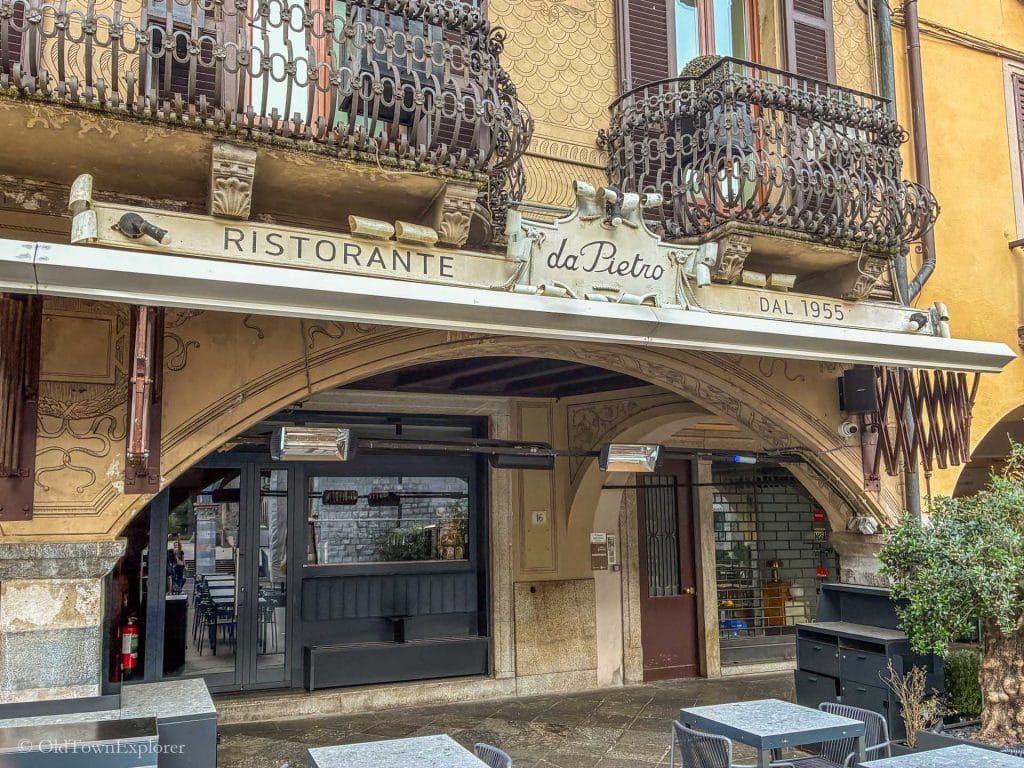
Como’s food identity is tied to lake fish, rice dishes, mountain cheeses, butter, and polenta. Menus often move between risotto, freshwater fish, braised meat, and cold-weather staples rather than the olive-oil-heavy patterns common in southern Italy.
Local specialties to look for include:
- Risotto con pesce persico
- Polenta e missoltini
- Polenta uncia
- Missoltini
- Lavarello
- Brasato con polenta
- Local alpine cheeses
- Salumi from Lombardy
- Northern Italian pastries
- Seasonal risotto dishes
In Como, food shopping is usually more about bakeries, salumerie, cheese shops, and weekly market buying than one single dominant market hall. The center mixes everyday food shopping with visitor traffic, especially near the historic core and lakefront.
Como Wine
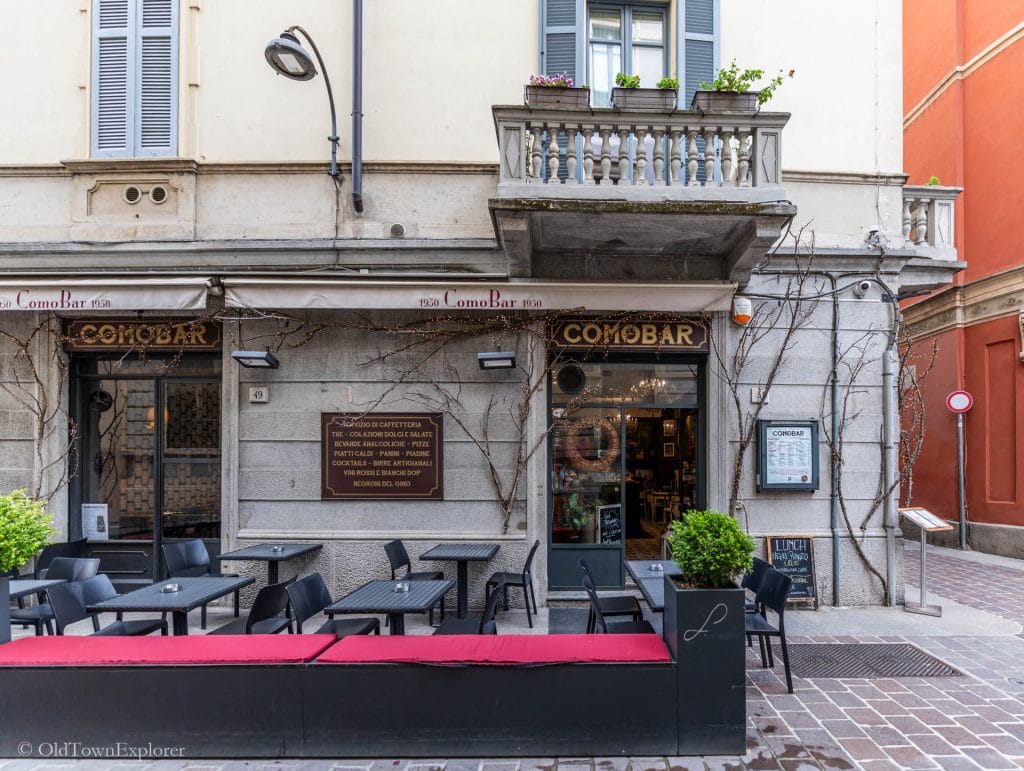
Como is connected to wine through Lombardy more than through major production inside the city itself. It is a practical place to drink regional bottles with local food and use as a base for wider wine-focused day trips.
Nearby regions that show up often on Como menus include:
- Valtellina
- Franciacorta
- Lugana
- Oltrepò Pavese
- Garda
- San Colombano al Lambro
Wine lists in Como usually work best when read through the local food context: sparkling wine with aperitivo, fresher whites with lake fish, and structured reds with meat and polenta. For wine day trips, the clearest direction is outward into wider Lombardy rather than around central Como itself.
Como Architecture
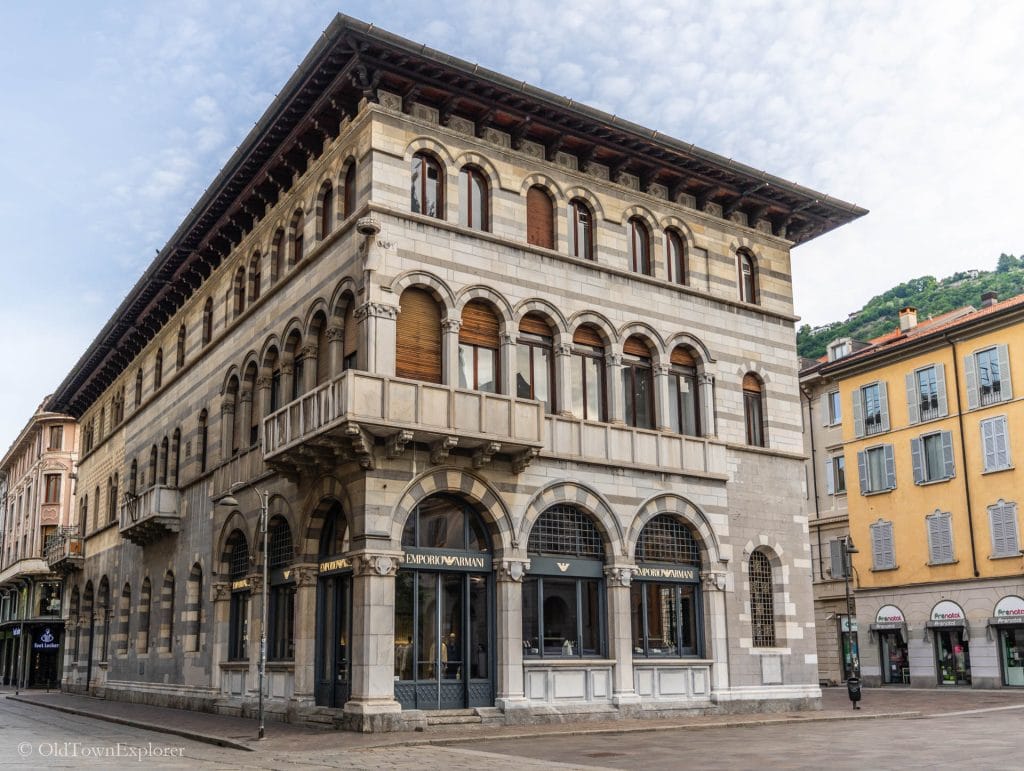
The main concentration of architecture in Como is in and around the walled historic center and the lakefront. This is where you find the Duomo, Broletto, city gates, church facades, civic buildings, and several of the city’s best-known public spaces within a short walking radius.
Como’s main historic layers are Roman, medieval, Renaissance, and modern. The street layout still reflects the Roman plan, the walls and gates show the medieval phase, the cathedral records later architectural development, and the city is also known for important 20th-century rationalist buildings.
Where Is Como Located?
Como is in northern Italy, in the region of Lombardy, at the southwestern tip of Lake Como. The city sits between the lake and the foothills of the Alps, which is why the center feels compact at water level and steeper as you move uphill.
For onward travel, Como is well placed between Milan and southern Switzerland. It works well as a short-stop city, a lake base, or a transit point if you are combining northern Italy with Lugano or other cross-border destinations.
Best Time To Visit Como
Late spring and early autumn are usually the best times to visit Como. May, June, September, and early October tend to offer a good balance of walkable weather, active ferry service, and less pressure than peak summer.
Weather
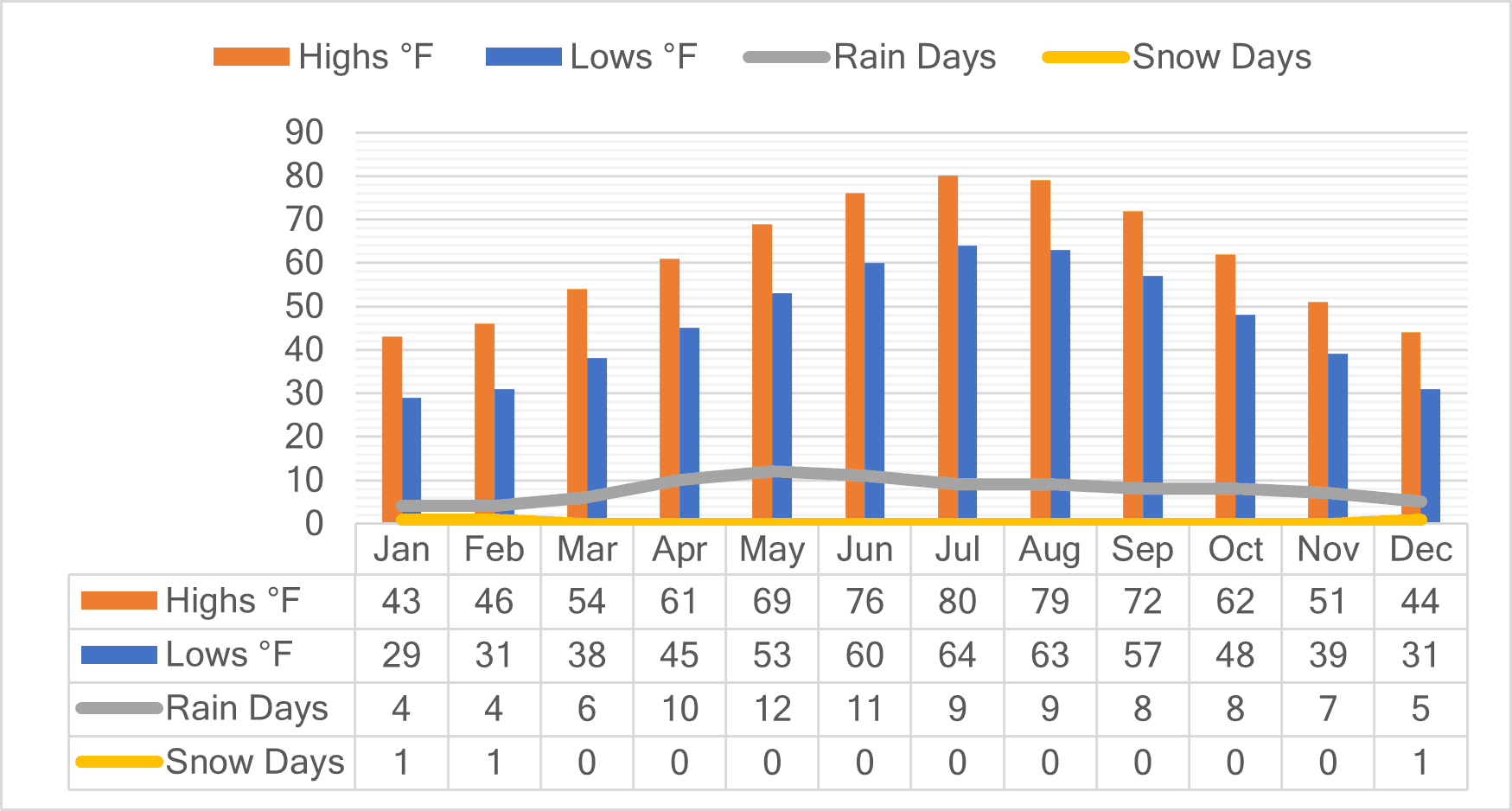
Como has a temperate climate shaped by the lake and nearby mountains. Summers are warm and busiest, while winters are cooler and quieter.
Rain can show up in several seasons, so it is better to expect variable conditions than a long dry stretch. The lake can soften extremes, but cloud and showers still affect visibility and walking plans.
Shoulder Season
Shoulder season is often the best fit for Como because the city center, lakefront, and most major sights are best explored on foot. You usually get better walking conditions and more space around the historic center than in the height of summer.
Best Value
The best value usually comes outside peak summer. Prices often ease in the colder months and at the edges of the season, though the trade-off is less predictable weather and a quieter overall atmosphere.
Best Places to Stay In Como
Hotels in Como
For a first visit, the best base is usually the historic center or the lakefront edge near it. That puts you within walking distance of the Duomo, ferry access, shops, restaurants, and the funicular area while keeping the city easy to navigate without a car.
The trade-offs are mainly noise, parking pressure, and luggage logistics. Some streets in the old center are narrower and busier, and hotels farther uphill or farther from the waterfront can involve more walking than the map suggests.
If you want easier rail access, staying between the historic center and Como San Giovanni can make arrivals and departures simpler. This area may feel slightly less atmospheric than the old core, but it can be more practical for short stays.
Use the interactive map below to compare hotels in the historic center, lakefront, and station area.
Other Things to Know About Como
Airport
Como does not have its own commercial airport. Most travelers arrive through Milan Malpensa, though Milan Linate and Bergamo can also work depending on route and schedule.
Train Station
Como San Giovanni is the main station for most intercity arrivals and departures, especially from Milan. Como Lago is also useful for some regional routes and is closer to the waterfront.
Time Zone
Como uses Central European Time, with daylight saving time observed during the warmer part of the year.
Currency
The currency in Italy is the euro. Credit and debit cards are widely accepted, but cash is useful for small purchases, cafés, and local markets.
Language
The main language is Italian. In visitor-facing parts of Como, English is often possible, but basic Italian is still useful for hotels, transport, and smaller shops.
Visa
Italy is part of the Schengen Area. Visa requirements depend on your nationality and the length of your stay. For more details, check out our article on traveling visa-free.
For border procedures, the EU’s Entry/Exit System (EES) applies to U.S. travelers as of October 12, 2025, and ETIAS is scheduled to start in the last quarter of 2026.
Electricity
Italy uses 220V to 240V electricity. Travelers commonly encounter plug types C, F, and L.
We recommend a travel power strip with multiple USBs and standard plug-ins if you have many items to plug in. Using a power strip, you will only need one adapter to plug the strip into the wall.
SIM Card
A local SIM or eSIM is usually the simplest option for mobile data. This matters even more if you plan to move between Italy and nearby Switzerland, where roaming terms may differ.
We recommend Airalo eSIMs for convenience—they activate automatically on arrival and are ideal for short-term stays with modest data needs (under 5GB).
Car Rental
A car is not necessary for staying in Como itself. The center is walkable, train access is good, and parking can add friction. A car can still help if your plan focuses on scattered lake villages or upland stops beyond the main transport routes.
In addition to the major car rental companies found in the United States, Sixt and Europcar are common throughout Europe. For a comparison of rental car offers from large international brands and smaller regional brands, we recommend Discover Cars.
FAQs About Como
What is Como best known for?
Como is best known for its position at the southwestern end of Lake Como. It is also known for its walled center, cathedral, silk history, and role as a transport base for the lake and nearby Switzerland.
Is Como, Italy walkable?
Yes, central Como is very walkable. The lakefront, Duomo area, walled center, and main civic sights sit close together, though routes become steeper as you move uphill.
Does Como have an old town?
Yes. Como has a compact historic center shaped by the old Roman street plan and later medieval walls and gates.
What food should I try first in Como?
A good starting point is risotto con pesce persico, polenta e missoltini, and polenta uncia. Those dishes show the lake-and-mountain character of local food more clearly than a generic pasta order.
Is Como a good base for wine tasting?
Yes, but mainly as a base for drinking Lombardy wines and planning regional day trips. The city itself is more useful as a hub than as a major production center.
What wine should I look for in Como?
Look for Franciacorta if you want sparkling wine, Valtellina if you want alpine reds, and Lugana if you want a fresher white. Oltrepò Pavese is also a useful name to know on regional wine lists.
What architecture should I prioritize in Como?
Start with the Duomo, the Broletto, Porta Torre, and the surviving wall system. After that, add one of the city’s rationalist landmarks for a broader view of Como’s architectural range.
Is Como Cathedral important architecturally?
Yes. The cathedral is one of the city’s main landmarks and one of the clearest architectural priorities in the center.
What are the main historic stops inside the center?
The clearest short route includes the Duomo, Broletto, Piazza del Duomo, Porta Torre, and the surviving line of the old walls. These stops explain the city structure well without requiring a long itinerary.
Is Como only a day trip from Milan?
No. It works as a day trip, but it also works well for a short stay because it combines a substantial historic center, lake access, and easy onward transport.
Is Como a good base for Lake Como?
Yes. It is one of the most practical bases on the lake for travelers who want rail access, ferry connections, and a real city center rather than a smaller resort town.
What is the main district to stay in for a first visit?
For most first-time visitors, the best area is the historic center or the lakefront edge next to it. That gives you the easiest combination of walkability, food access, and transport.
Como Blog Posts
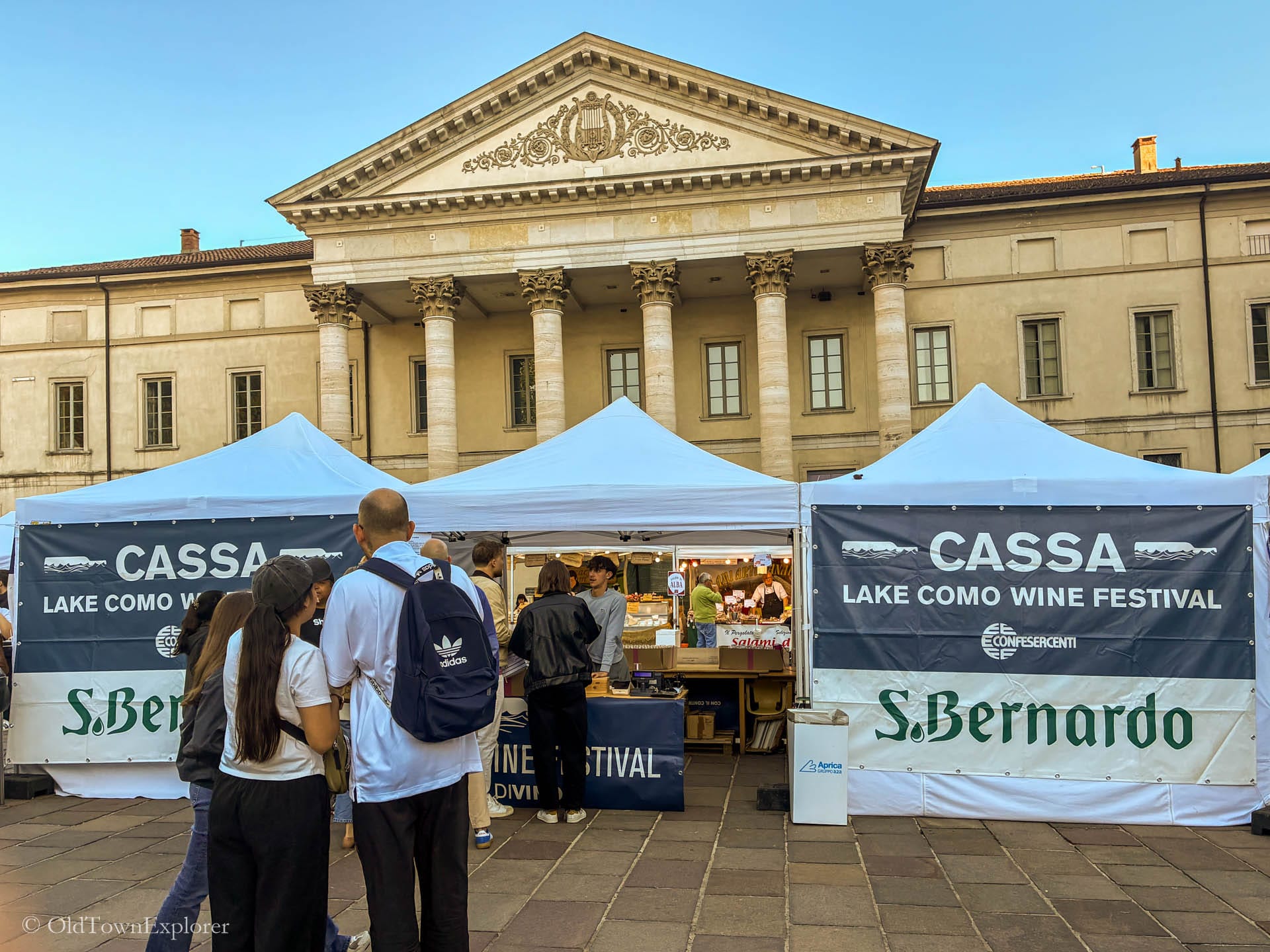
Explore the Lake Como Wine Festival
Discover the Lake Como Wine Festival: Lombardy Wineries and Top Producers to Know The Lake Como Wine Festival is worth noting for wine lovers planning a trip to Como because it shows how the city can bring together wineries from different...
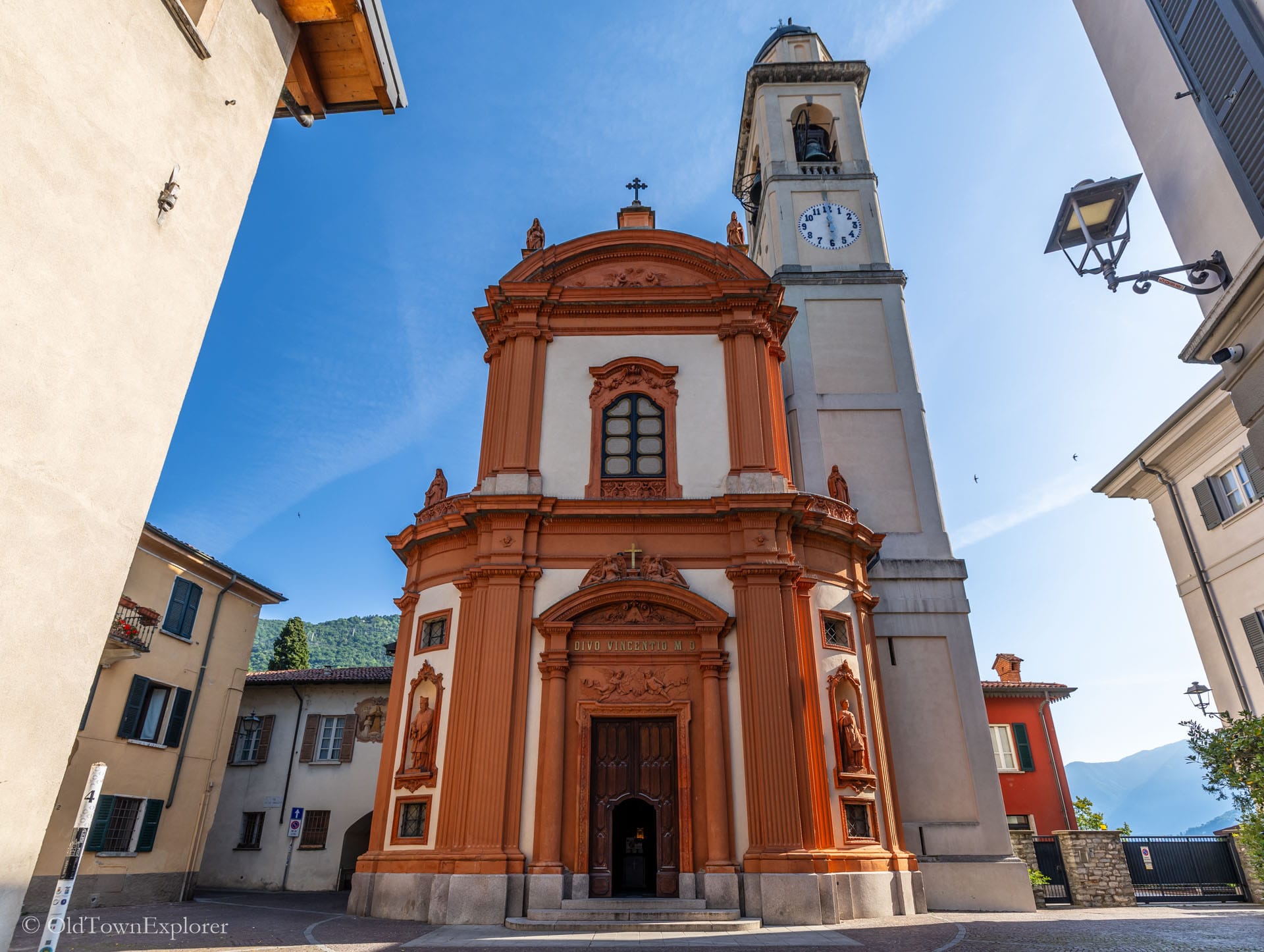
Explore Cernobbio, Italy
Discover Cernobbio: History, Architecture & Must-See Attractions Cernobbio, Italy sits on Lake Como’s western shore, just northwest of Como. Its position made it useful for short lake travel, road movement along the Via Regina, and villa...
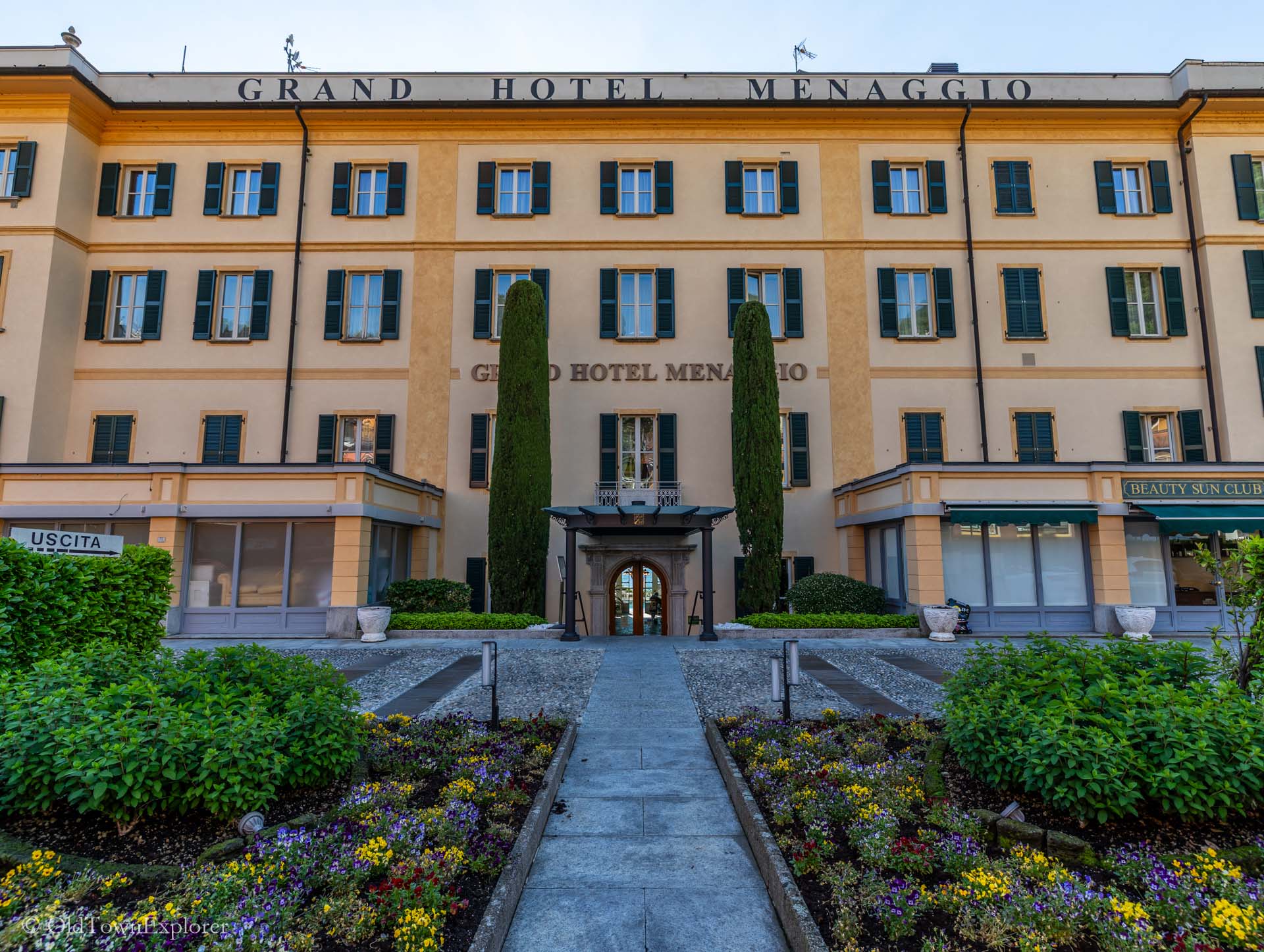
Explore Menaggio, Italy
Discover Menaggio: History, Architecture & Must-See Attractions Menaggio, Italy sits on Lake Como’s western shore, near the mouth of the Senagra valley. Its position mattered because the town connected lake travel with routes toward the...
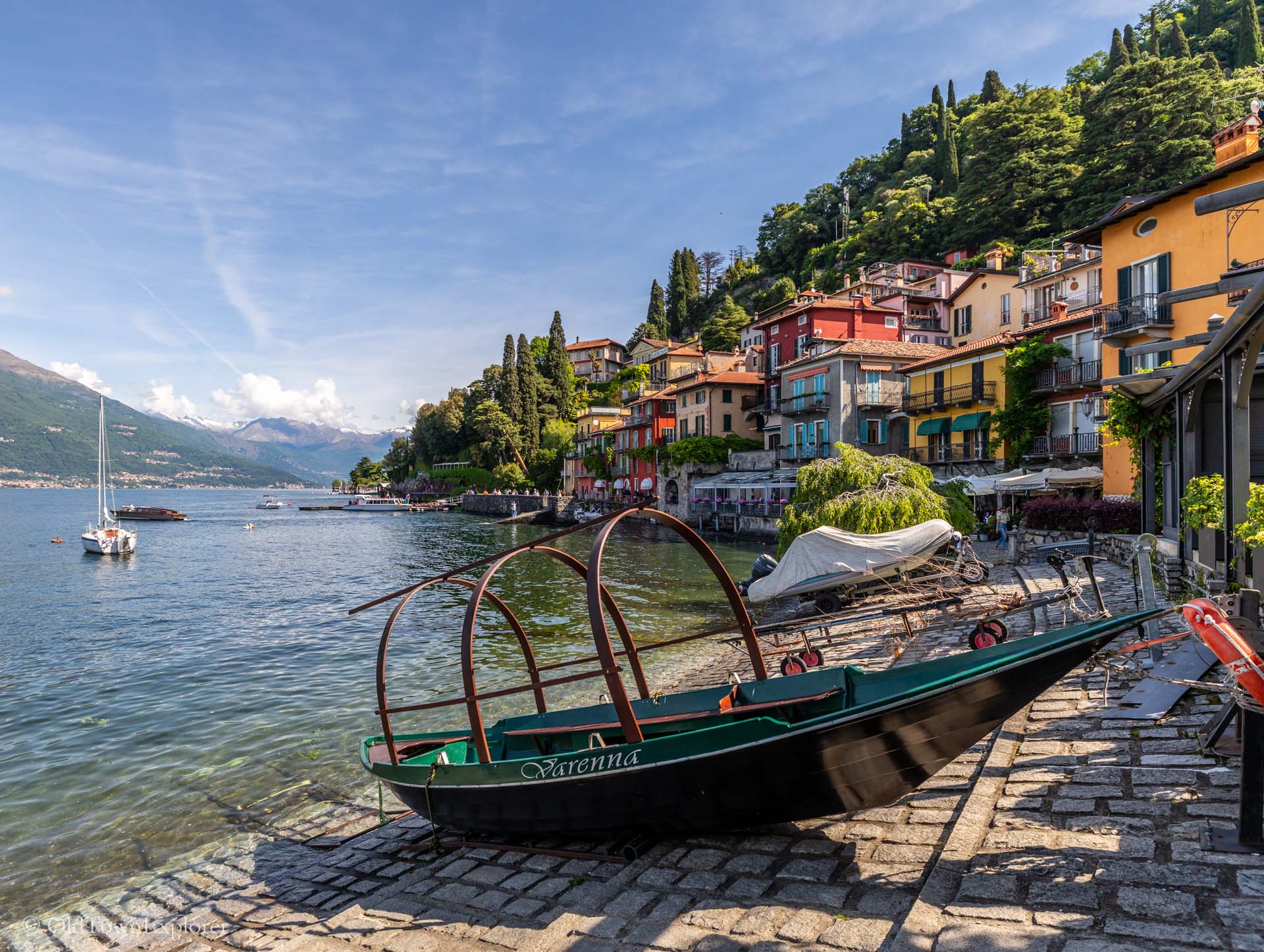
Explore Varenna, Italy
Discover Varenna: History, Architecture & Must-See Attractions Varenna, Italy sits on the eastern shore of Lake Como, along the Lecco branch of the lake. Its position gave the town access to water routes, hillside paths, and later rail...
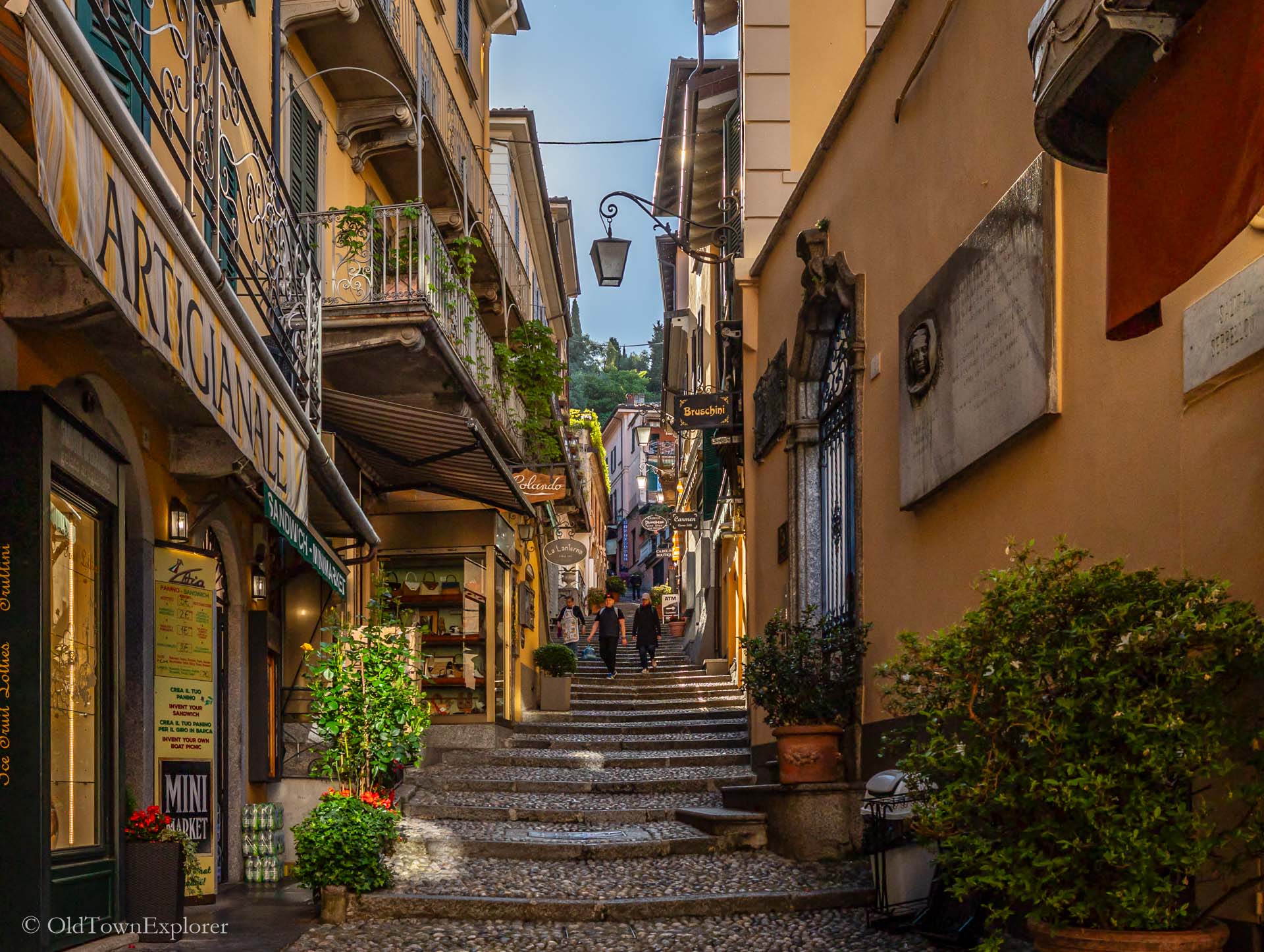
Explore Bellagio, Italy
Discover Bellagio: History, Architecture & Must-See Attractions Bellagio, Italy sits on the promontory where Lake Como divides into three branches. Its position made it useful for lake travel, local defense, and later tourism. The town...
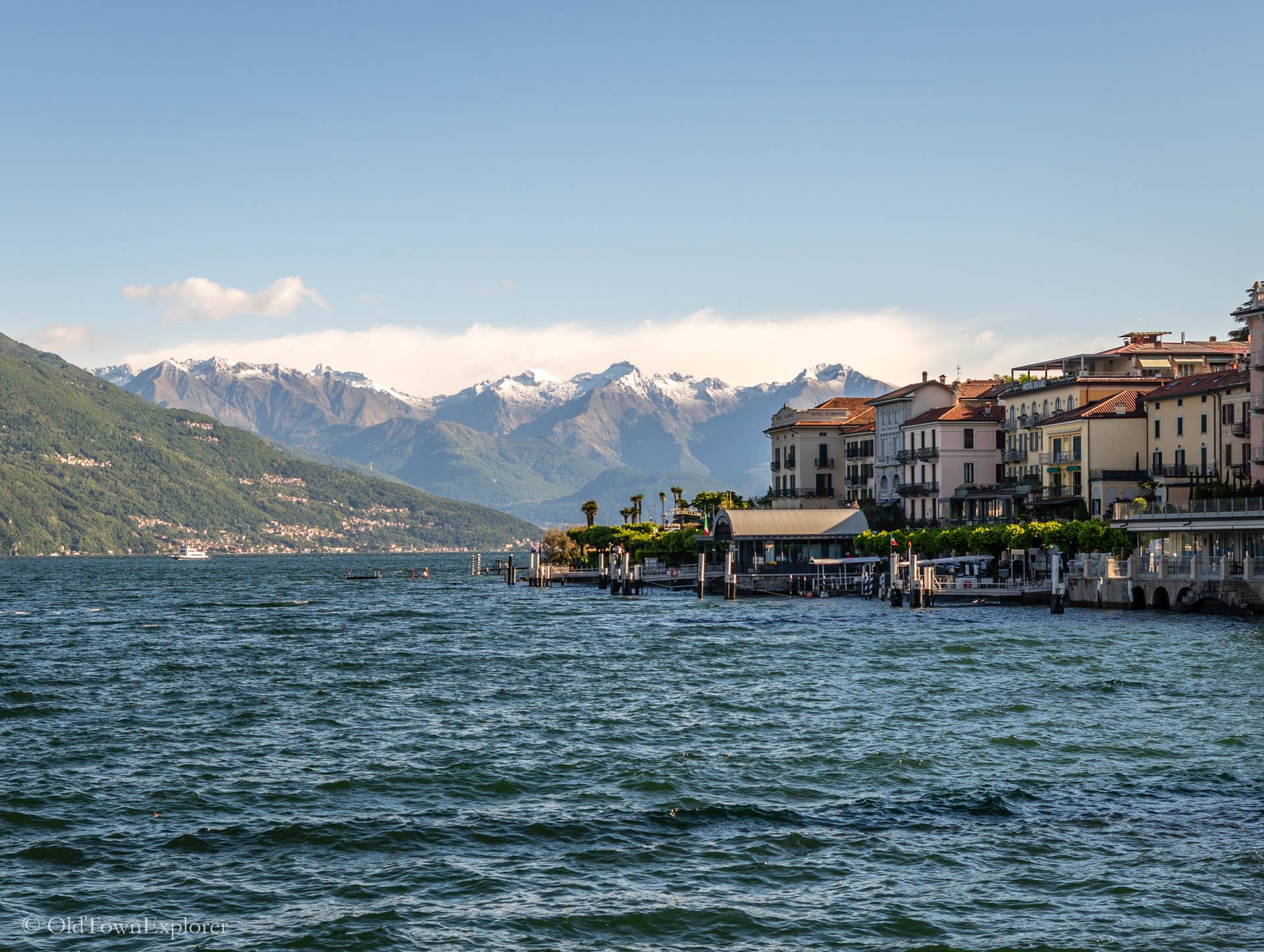
Explore Lake Como Villages
Discover Lake Como Villages: Ferry Routes, Historic Centers & What to See Lake Como villages are easiest to understand in four broad areas: the Central Lake, the Branch of Como, the Branch of Lecco, and the Upper Lake. That is the same...