

Explore Life in Budapest: Pros & Cons of Living in Hungary’s Danube Capital
Budapest is Hungary’s capital city, spread across both sides of the Danube River with Buda’s hills on one side and Pest’s flat grid on the other. If you’re weighing the pros and cons of living in Budapest, daily life tends to come down to how you handle seasons, crowds in the center, and apartment realities in older buildings.
We spent a month in Budapest walking neighborhoods, using public transport for errands, and paying attention to what felt easy versus what took planning. Below are the pros and cons of living in Budapest, focused on food, wine, architecture, transport, housing, and day-to-day routines.
This website contains affiliate links that may earn us a small commission at no additional cost to you.
Quick Take: Living in Budapest
This quick take summarizes who tends to do well in Budapest, who tends to struggle, what’s most noticeable day to day, and the main trade-offs to expect.
Best for
Car-free households that want trams, metro, and walkable errands
People who like four-season cities and don’t mind winter grey weeks
Remote workers who want cafés, coworking, and lots of neighborhoods to rotate through
Harder for
Anyone sensitive to noise from late-night streets or busy tram corridors
People who need consistent indoor temperatures without managing old-building quirks
Drivers who expect easy parking near the center
What stands out
The river split makes neighborhoods feel distinct within a short commute
Thermal baths and indoor wellness culture are part of regular life, not a once-a-year thing
Historic streetscapes sit next to fast transit and big-city services
Top trade-offs
Great transit and nightlife, but also weekend crowds in central areas
Beautiful older apartments, but more maintenance surprises
Warm summers and cold winters, with a noticeable shoulder-season swing
Pros and Cons of Living in Budapest
Budapest can feel easy day to day once you pick the right district and learn a few routines. You can shop, commute, and meet friends without a car, and the city’s food and café culture supports regular weeknights, not just special occasions. At the same time, older apartments, summer heat, and winter grey spells can shape how comfortable daily life feels.
The pros and cons below focus on practical situations you’ll run into often: grocery runs, transit at rush hour, noise at night, heating and cooling at home, and how crowds change by season and neighborhood. Not every point applies everywhere, so treat them as prompts to test during a scouting stay.
Pro: You can live well without a car
On a normal weekday you can run errands by tram or metro and skip parking entirely. That saves time and stress in the center. The trade-off is that some outer areas still feel easier with a car, especially for bulky shopping.
Con: Central neighborhoods get loud at night
If your windows face a nightlife street, sleep can be inconsistent on weekends. The practical impact is earplugs, window upgrades, or choosing a courtyard-facing unit. It’s less of an issue outside the inner districts.
Pro: Night transport makes late evenings simpler
You can stay out late and still get home on public transport, including round-the-clock service on major lines and extensive night buses. That reduces taxi reliance after dinner or concerts, and BKK’s Night Services page is the quickest place to check how late lines run. Coverage thins out the farther you live from the center.
Con: Older apartments can mean higher upkeep
In many neighborhoods, day-to-day living includes uneven heating, drafty windows, or plumbing surprises. The impact is higher utility bills or more landlord coordination. Renovated units exist, but they cost more and go fast.
Pro: The city is built for long walks
A lot of daily life works on foot, especially in the inner districts and along the river. That makes routines like grocery runs and meeting friends feel straightforward. Hills in Buda add stairs and steep streets, which can be tiring with groceries.
Con: Summers can feel hot in top-floor flats
In July and August, hot days can make a top-floor apartment uncomfortable without good shading or AC. The practical impact is planning errands early and investing in fans or cooling. Ground-floor units can be cooler but may have less light.
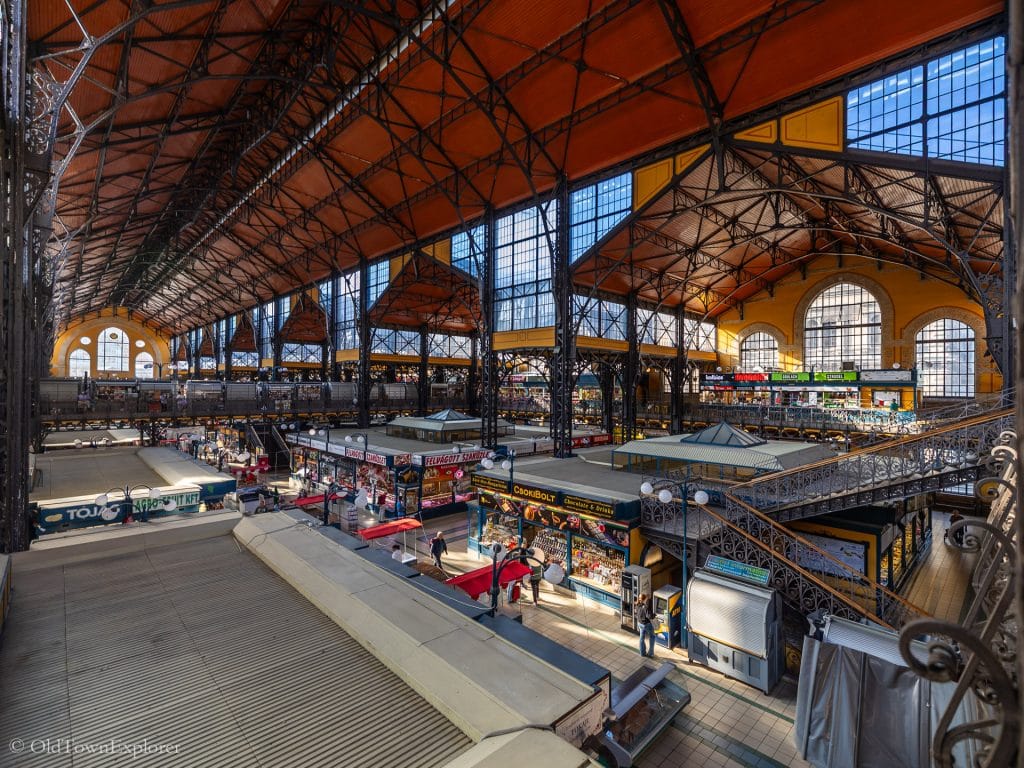
Pro: Big-city food options are easy to access
You can mix local restaurants, international groceries, and quick lunches without crossing town. That’s helpful for everyday meals when you don’t want to cook. The limitation is that the most popular market and restaurant areas can feel packed at peak hours. For local staples and where to eat them, see our Budapest Food guide.
Con: Grocery shopping varies a lot by neighborhood
Some areas have multiple supermarkets and specialty shops within minutes, while others require a longer walk or a tram ride. That affects how often you can shop fresh versus stocking up. It’s less noticeable if you live near a major transit hub.

Pro: Wine culture is easy to explore casually
It’s simple to have a glass with dinner or try Hungarian regions without making it a “wine trip.” That’s good for low-effort weeknights. Selection can be more limited in small corner bars compared with specialist shops. For bars and shops to try first, see our Budapest Wine guide.
Con: Tourist pricing shows up in obvious zones
In parts of the center, everyday costs can jump in restaurants and bars aimed at visitors. The impact is that locals learn which streets to avoid for regular nights out. A few blocks away, pricing often normalizes.

Pro: Architecture is part of your normal commute
You pass historic facades, bridges, and landmark avenues on basic errands. That makes the city visually engaging even on routine days. Some streets also mean narrow sidewalks and rough paving that can slow you down with a stroller or suitcase. For the main streets, landmarks, and styles, see our Budapest Architecture guide.
Con: Crowds concentrate in a few corridors
Weekends can bring heavy foot traffic near the riverfront and central nightlife areas. The practical impact is slower walking and more noise. If you live farther out, you can opt in rather than dealing with it daily.
Pro: There’s a real “two cities” feeling across the river
Living in Buda versus Pest changes your daily rhythm, from hills and quieter streets to flatter grids and more late-night activity. That helps you pick a setup that matches your routine. Crossing the river is easy, but it still adds a mental “switch” to plans.
Con: Winters can feel long and grey
From late fall into early spring, you’ll likely deal with cold stretches and short daylight. The impact is spending more time indoors and planning social life around cozy places. Sunny winter days happen, but you can’t count on them every week.
Pro: Thermal baths support an indoor routine
When it’s cold or you’re sore from walking, baths and wellness facilities fit into a normal week. That makes winter coping easier. The edge case is that popular baths can be crowded at peak times.
Con: Air can feel heavy during heat and traffic periods
On hot days with lots of cars, some streets feel stuffy, especially in dense areas. The practical impact is choosing greener routes or timing walks. Breezier river areas can feel better.
Pro: Airport access is straightforward without a car
You can reach the airport with the 100E Airport Express bus to major central hubs. That’s useful for early flights and visitors. Traffic can still slow it down, so you need buffer time.
Con: Short-term rentals can affect building culture
In some central buildings, neighbors rotate often and shared spaces get more wear. That impacts noise and security habits. It’s less common in more residential outer districts.
Pro: Trams are practical for daily life
Trams connect a lot of useful areas, not just sights, so errands and meetups feel simple. Frequent service helps you travel without planning your whole day around a timetable. Crowded trams happen at rush hour and on key lines.
Con: Some commutes involve stairs and long transfers
Depending on where you live, you may have a daily routine of stairs, underpasses, and station changes. That matters if you carry groceries or have mobility needs. Choosing a home near a single line can reduce the hassle.
Pro: The metro network is easy to understand
The city’s metro is built around a small number of lines, so it’s quick to learn and use for regular commutes. That helps newcomers settle in fast. Some stations are deep, which adds time if you’re in a rush.
Con: Apartment hunting can be competitive in popular districts
Well-located, updated flats get taken quickly, especially near major transit and nightlife zones. The impact is needing documents ready and moving fast. If you expand your search radius, choices improve.
Pro: UNESCO-listed areas are part of everyday routes
Many daily paths overlap with protected historic zones, especially along the Danube, the Buda Castle area, and Andrássy Avenue. That gives the city a strong sense of place even outside tourist activities. Preservation rules can also limit renovations in some buildings.
Con: Street surfaces can be tough on wheels
Cobblestones, tram tracks, and uneven paving can make cycling, scooters, and strollers more demanding. The practical impact is choosing smoother routes and better tires. Main boulevards are usually easier than side streets.
Pro: District life makes the city feel manageable
Budapest is big, but daily life can shrink to your district once you have a routine. That helps with time, budgeting, and social life. The edge case is that friends in distant districts can still feel “far” in winter.
Con: Language gaps show up in admin tasks
For paperwork, repairs, or official appointments, English may not cover everything. The impact is needing a Hungarian-speaking friend, translation help, and extra time for online forms on the Enter Hungary portal if you’re applying for residence permissions. In everyday shopping and cafés, it’s often easier.
Pro: Regional travel by rail and bus is convenient
You can use Budapest as a base for weekend trips without needing a car. That’s helpful if you like variety but want one home. Some peak travel days mean crowded stations and higher ticket demand.
Visit Budapest Before Moving
A scouting stay helps you test routines that matter more than sightseeing: grocery runs, laundry, pharmacy trips, and your commute at the hours you’d actually travel. Try weekdays in two different neighborhoods so you can compare noise, walkability, and how fast you can reach the places you use most.
Aim to do “normal life” tasks on purpose: buy a week of food, take public transport in rain, and sit in your apartment during a hot afternoon or cold morning. That’s when you notice whether the building, street, and district fit you.
Here’s a map with hotel and short-stay apartment options that can be filtered to meet your needs. Select your travel dates to get specific availability and prices.
Tips for Living in Budapest
Budapest rewards simple routines: a neighborhood base, a few reliable shopping streets, and a plan for extreme weather weeks. These tips focus on what changes day to day once the novelty wears off.
Choose an apartment orientation, not just a district
A courtyard-facing unit can be quieter even in busy areas. A street-facing unit can be brighter but louder. Visit at night before committing.
Build a “bad weather” route
Have a short loop for groceries, pharmacy, and transit that works in rain, heat, or icy sidewalks. You’ll use it more than you expect in winter and during summer heat.
Time your errands around peak crowd hours
Central areas can swing from calm to packed fast. Do shopping and admin tasks earlier in the day, then keep evenings for social plans.
Start with one reliable transit route
Pick one tram or metro line you use constantly and get fluent with it first. It reduces decision fatigue while you learn the rest of the network.
Treat summers and winters like different cities
Plan for shade and cooling in summer and for indoor comfort in winter. Your apartment setup matters more than a long list of neighborhood pros.
FAQS About Living in Budapest
Is Budapest walkable for daily errands?
Yes in many inner and middle districts, where groceries, pharmacies, and cafés cluster close together. In outer areas, you may walk farther or rely more on transit.
Do you need a car in Budapest?
Most people can manage without one if they live near tram or metro lines. A car becomes more useful for outer suburbs or frequent weekend trips outside the city.
What are winters like in Budapest?
Winters are cold, with shorter daylight and stretches of grey weather. Many people adapt by leaning into indoor routines and planning walks on clearer days.
Is it easy to get to the airport from the city?
A direct airport express bus connects the airport with major central transport hubs. You still need extra time for traffic and early-morning timing.
What’s the biggest housing surprise for newcomers?
Older buildings can look great but come with heating, insulation, or maintenance quirks. Seeing the apartment during a cold or hot week can reveal issues fast.
