

Discover Life in Ljubljana: Pros & Cons of Living in Slovenia’s Compact Riverside Capital
Ljubljana is Slovenia’s capital, set along the Ljubljanica River with a small, walkable core and neighborhoods that don’t sprawl far before you’re back at the center. If you’re weighing the pros and cons of living in Ljubljana, daily life often comes down to pedestrian streets, apartment quality in older buildings, winter fog and damp, and how much you’ll use trains for regional trips.
We spent a month in Ljubljana living day to day—groceries, cafés, errands, and testing bus and bike routines at different hours. Below are the pros and cons focused on food, wine, architecture, weather, pedestrian areas, train access, crowd levels, and the practical details that shape routines.
This website contains affiliate links that may earn us a small commission at no additional cost to you.
Quick Take: Living in Ljubljana
This quick take summarizes who tends to do well in Ljubljana, who tends to struggle, what’s most noticeable day to day, and the main trade-offs to expect.
Best for
Walkers who want a car-light routine and can handle most errands on foot in and near the center
People who travel regionally and like having useful rail options instead of relying on flights
Renters who are patient and can wait for a good apartment rather than grabbing the first listing
Harder for
- Anyone who needs lots of housing choice at once, especially for newer insulation on a mid-range budget
- People who struggle with low-light weeks, fog, or damp winter air indoors
- Drivers who want simple parking and direct routes through the center
What stands out
The city center has a large pedestrianized area, so walking is the default for many daily routes
Plečnik’s bridges and riverfront details show up in normal errands, not only on special walks
Bikes and buses matter more than a metro, and the “payment setup” is part of daily life early on
Top trade-offs
A walk-first center vs pressure on central housing and higher rents for renovated units
Easy regional rail and bus travel vs a smaller airport and fewer direct flight choices
Compact city convenience vs a smaller job market and less “big-city” variety over time
Pros and Cons of Living in Ljubljana
Below is a list of pros and cons of living in Ljubljana, written for day-to-day reality rather than a short visit. Each point explains what you’re likely to notice, how it affects your routine, and where the exception or trade-off shows up.

Pro: Good everyday restaurants
Ljubljana has plenty of reliable spots for simple meals, plus bakeries and quick lunches you can repeat weekly. It’s easy to eat out without making it an occasion. The edge case is peak times near the river, when tables fill quickly. For specific places to eat and what to order, see our Ljubljana Food guide.
Con: Rents move fast
Because the city is small, good apartments get taken quickly, especially near the center. That can force trade-offs on space, noise, or building age. If you need newer insulation and quiet windows, you may wait longer.

Pro: Slovenian wine is easy to try
Wine lists and shops often include bottles from different Slovenian regions, so trying local styles is straightforward. It works well for casual weeknight bottles without a long drive. The limitation is that specific producers can be inconsistent across shops. For bars, shops, and what to drink, see our Ljubljana Wine guide.
Con: Winter fog can drag on
Cold-season fog and low clouds can hang around for days in the basin. It changes how much time you want outdoors and how bright the city feels. Some winters are easier than others, but it’s a real factor for mood and routines.
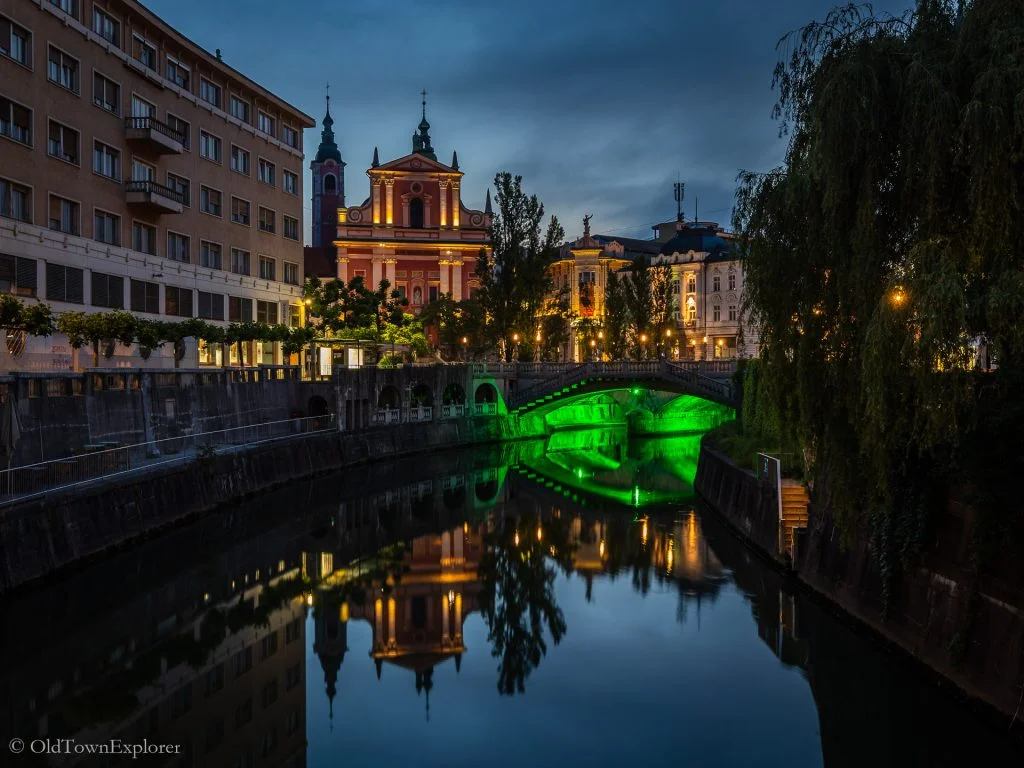
Pro: Architecture shows up daily
River crossings and central streets include a lot of recognizable design details, so your normal routes feel visually distinct. It’s not something you have to “go see.” The trade-off is crowding at the same few bridges and river paths. For key sites and styles you’ll see on daily routes, use our Ljubljana Architecture guide.
Con: The center gets busy in bursts
Warm weekends and event periods can make the pedestrian core feel packed. That changes errands, grocery timing, and how loud it feels at night. Living one or two neighborhoods out often feels noticeably calmer.
Pro: A walk-first city center
A large part of central Ljubljana is pedestrianized, so walking is often faster than driving for short trips. It reduces noise and stress on daily errands. Deliveries still happen at set hours, so mornings can be busier.
Con: Buses do most of the transit work
There’s no metro, so buses carry the load for commuting and cross-town trips. It’s workable, but traffic can stretch travel times. If your commute is time-sensitive, test it at the exact hour you’d travel.
Pro: Trains help you travel regionally
Rail connections make it realistic to base in Ljubljana and still do regional trips without flying. It’s useful if you travel often for work or family. Timetables can shift seasonally, so you still need to check the train timetable.
Con: The airport is not always direct
For some routes, flights mean connections rather than nonstop options. That matters if you travel frequently and hate layovers. Many people lean on rail for nearby cities and save flying for longer distances.
Pro: Groceries work without a car
Many neighborhoods support smaller, frequent grocery runs because shops are close. It keeps weekdays simple and reduces “big shop” planning. Bulk shopping is the edge case, where delivery or a car saves time.
Con: Damp and insulation vary by building
Older apartments can have drafts, cold exterior walls, and damp corners in winter. That changes comfort, laundry drying, and heating costs. Renovated units help, but they’re usually pricier and go fast.
Pro: Bike-share makes short trips easy
BicikeLJ stations cover much of the wider center, which is handy for errands that are too far to walk quickly. It works well for short, regular trips. Rainy weeks and winter weather are the limitation.
Con: Cycling comfort depends on the route
Even if distances are short, some corridors feel stressful in traffic. It can push you onto quieter parallel streets or into buses. If cycling is core to your routine, you need to choose housing with a safe route in mind.
Pro: The river creates easy walking routes
The Ljubljanica naturally gives you flat, continuous paths through the city. It’s an easy way to add steps without planning a workout. In very busy periods, the narrowest stretches can feel crowded.
Con: Eating out costs more by the river
Central restaurants and river seating often cost more than neighborhood places. That can shift you toward cooking or eating a few blocks away. The upside is that “good value” options are usually still within walking distance.
Pro: Café routines are easy to keep
It’s simple to build a routine around coffee breaks and quick meetups, especially near the center. That helps social life feel low-effort. The limitation is indoor noise when weather pushes everyone inside.
Con: Everyday errands still take office hours
Some tasks still require weekday timing and in-person visits. That can be hard if you work standard hours without flexibility. Planning one dedicated errand block each week usually makes it manageable.
Pro: A calm city pace most weekdays
Outside specific peak periods, daily life often feels steady rather than constantly crowded. That helps with groceries, fitness routines, and getting a seat in cafés. The edge case is summer and event weekends, when the center changes character.
Con: The city can feel small fast
Because Ljubljana is compact, you may settle into the same routes and places quickly. That’s fine if you like repeat routines, but some people miss constant variety. Regional trains and nearby towns can break it up.
Pro: Students keep weekdays active
Ljubljana’s university presence shows up in weekday rhythms, affordable lunch spots, and busy study cafés in term time. It keeps the city feeling used outside tourist peaks. The edge case is noise in streets with heavy student rentals.
Con: Student calendar affects housing and noise
Demand and noise can shift during term time, move-in periods, and exam seasons in certain areas. It’s not city-wide, but it’s real near student-heavy blocks. If you’re sensitive to noise, choose your street carefully.
Pro: English often works for basics
In many central shops, cafés, and services, English is often enough for everyday transactions. It reduces early stress when you’re new. For contracts, repairs, and official steps, Slovene support still helps.
Con: Paperwork can be slower than you expect
Some admin tasks take extra steps, extra documents, or repeat visits. That can be frustrating if you plan tight deadlines. Buffer time and local-language help usually improve outcomes. For official requirements and categories, start with entry and residence rules.
Pro: Short distances reduce commute stress
Even when you use buses, the city’s scale can keep many commutes relatively short. That changes how you schedule mornings and errands. The limitation is peak-hour traffic on a few main corridors.
Con: Driving into the core is inefficient
Between pedestrian zones, one-ways, and parking rules, driving near the center can feel like extra work. It matters if you live farther out and rely on a car for errands. Many people solve it by keeping needs local and walking more.
Pro: Bus payment is simple once set up
Using the Urbana card system makes buses straightforward once you’ve got the card or app in place. It’s reliable for day-to-day hopping around. The edge case is arriving unprepared on day one, since cash payment isn’t the default.
Con: Housing noise is block by block
One street can be quiet, and the next can be loud from terraces, deliveries, or foot traffic. It’s easy to miss this in a daytime viewing. If sleep matters, check the block after 10 p.m. before signing.
Visit Ljubljana Before Moving
A scouting stay matters in Ljubljana because noise, sun exposure, and damp vary a lot by street and building. Live like you would after moving: do groceries on foot, ride your bus route at peak time, and check the apartment early morning and late night.
If possible, try two bases—one near the pedestrian core and one outside it—so you can compare daily walking time, parking pressure, and winter comfort. Use a checklist for heating type, window quality, and moisture marks near frames and exterior walls.
Use the map to choose a short-stay base near your likely daily routes, then test errands and transport at normal hours.
Tips for Living in Ljubljana
Ljubljana works best when you set up a walk-first routine and make a few smart checks before committing to a lease. Small choices about apartments and transport matter more than long-distance planning.
Pick the right block
Walk the street at night and early morning before you commit. One block can mean quiet sleep, the next can mean terrace noise and deliveries.
Check for damp
Look closely at window corners, exterior walls, and behind wardrobes. Ask how the place is heated and whether anyone used a dehumidifier in winter.
Set up Urbana early
Get your Urbana card or app set up in the first day or two so buses are easy. Keep a backup plan for rain days when walking and cycling feel worse.
Try bike-share routes
Test a few BicikeLJ trips between your likely errands and your home area. If the route feels stressful, plan quieter side streets or use buses instead.
Choose shops nearby
Pick a neighborhood where groceries, pharmacy, and a basic café are within a short walk. It reduces reliance on buses and keeps weekdays smooth.
FAQs About Living in Ljubljana
Is Ljubljana walkable for daily errands?
Yes, especially in and around the pedestrianized center where walking is the default for many routes. You can often combine groceries, pharmacy, and a few appointments in one loop. Outside the core, walkability depends on how close your daily needs are and whether you’re comfortable adding buses.
Is public transport enough without a car?
For many residents, yes, because the city is compact and buses cover most areas. The main limitation is that buses share road space with traffic, so travel times can vary at peak hours. Payment is usually done through the Urbana system rather than cash, so setup matters early.
Is winter fog and damp a real issue?
Fog and low light can be common in the colder part of the year, and some apartments feel damp if insulation and ventilation are poor. This affects comfort more than the temperature outside. If you’re sensitive to gray weeks, a winter scouting stay is worth considering. If you rent, check windows, exterior walls, and corner moisture before committing.
Are trains useful for regional trips?
Trains can be a practical option for regional travel, especially to nearby cities and across borders depending on schedules. They work best when you live with an easy route to the station and you’re flexible on departure times. Timetables can change seasonally, so it helps to verify the options for your most common trips. If you travel often, rail can reduce reliance on flights.
Is English enough for living tasks?
For everyday basics in central areas, English often works in cafés, shops, and many services. It can be enough while you settle in and learn routines. For leases, repairs, and official steps, Slovene support can still make things smoother and reduce misunderstandings. If you plan to stay long-term, learning basic Slovene phrases usually pays off quickly.
