

Discover Life in Strasbourg: Pros & Cons of Living in a Franco-German River City
Strasbourg is a midsize city in eastern France, set on the River Ill near the German border. This post covers the pros and cons of living in Strasbourg for day-to-day life, with a focus on food routines, getting around, housing comfort, weather, and crowds. If you’re comparing bases in the region, start with our Explore Strasbourg page and the France guide for city-by-city context.
We spent a month in Strasbourg walking the central districts, riding trams to errands, and testing what feels easy versus what takes planning. Below are the pros and cons of living in Strasbourg, focused on what changes your routine week to week—commutes, groceries, noise, and costs—more than short-stay sightseeing.
This website contains affiliate links that may earn us a small commission at no additional cost to you.
Quick Take: Living in Strasbourg
This quick take summarizes who tends to do well in Strasbourg, who tends to struggle, what’s most noticeable day to day, and the main trade-offs to expect.
Best for
People who want a walkable center with reliable trams for errands and commuting
Anyone who likes Alsace cooking and a “market + bakery + lunch special” routine
Cross-border commuters or frequent Germany day-trippers (Kehl and the Rhine side are easy)
Harder for
Drivers who need daily parking near the center
Anyone who struggles with grey winter days and damp cold
Renters who need large space in central neighborhoods on a tight budget
What stands out
A UNESCO-listed historic core plus a planned 19th–early 20th century district that changes the feel street to street
“European institutions city” weeks that change security, crowds, and traffic patterns
Daily life that works well without a car if you pick the right neighborhood for your routine
Top trade-offs
You gain strong transit and a compact center, but you give up easy driving and cheap parking
You get clear seasonal food culture, but you deal with winter damp and summer heat spikes
You can live locally in many districts, but the most central areas carry higher rents and more visitor noise
Pros and Cons of Living in Strasbourg
Strasbourg can be an easy city to run day to day if you like walking, trams, and having most basics close by. At the same time, your experience depends a lot on your exact block, your building, and how you handle winter damp, December crowds, and car logistics.
Pro: Most errands are walkable in the center
If you live in or near the central island, you can handle groceries, pharmacies, and basics on foot. That saves time and makes routines simpler. The catch is that busy weekends and peak seasons slow you down and add street noise.
Pro: The tram is a real day-to-day option
The tram isn’t just for occasional trips—it can cover commuting, appointments, and weekly errands. If you’re budgeting a car-free routine, check CTS fares and passes before you choose a neighborhood. The downside is that late-night service and off-peak gaps can push you toward walking or taxis.
Pro: Germany is close for regular trips
You can pop over the border for shopping, meeting friends, or a change of pace without turning it into a whole travel day. It’s useful when you want more options than one city provides. The limitation is that strikes, events, or schedule changes can make “quick trips” less predictable.
Con: Parliament weeks can mean detours and delays
When European institutions are in session, some areas get more security, traffic, and rerouted movement. In daily life, that can mean leaving earlier and avoiding certain stops or routes. If you live and work away from those zones, you may barely feel it.
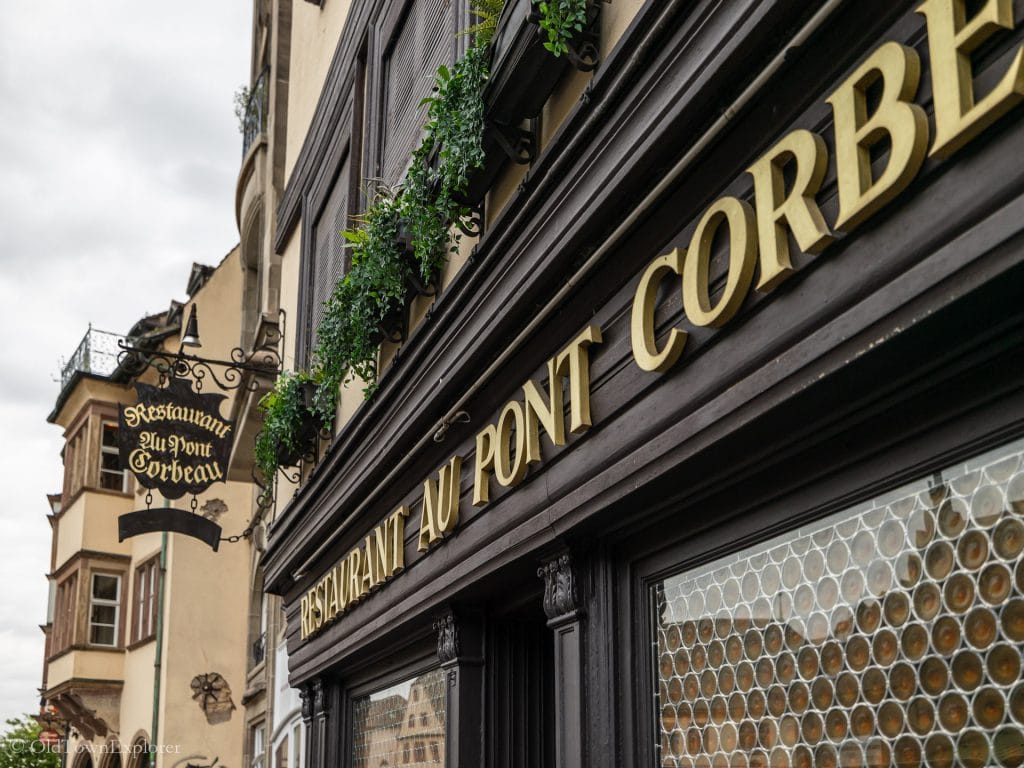
Pro: Easy weekday food routine (bakeries + markets)
Daily eating can be straightforward if you like bread, produce, and simple lunch options. You can build a reliable routine without planning every meal, especially if you stick to the same markets and neighborhood spots. For specific dishes and where locals usually go, see the Strasbourg Food guide.
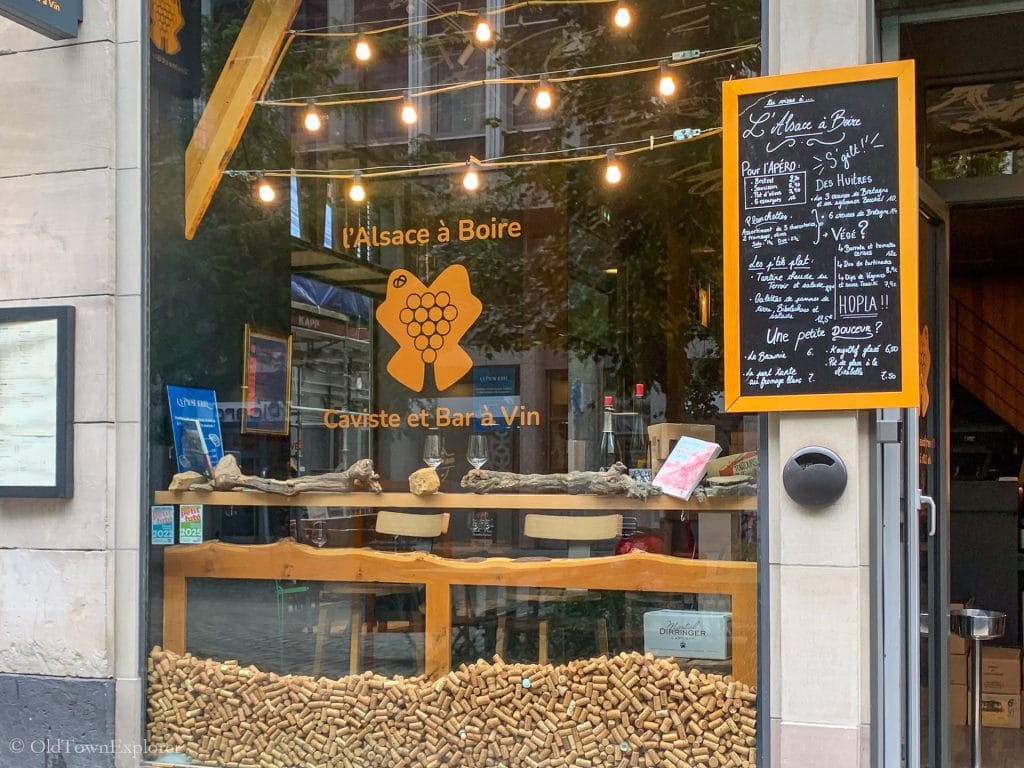
Pro: Local wine is easy to find with meals
Wine from the region shows up on everyday menus and in local shops, so it’s easy to keep things simple at dinner. You don’t need a special night out to drink well, and many places pour Alsace whites by the glass. For wine bars and bottle-shop ideas, see the Strasbourg Wine guide.
Con: Living in the center means steady tourist noise
If you’re close to the cathedral and canal routes, you’ll hear and see visitors most days. It can be convenient for walking everywhere, but it changes how “quiet home life” feels. A courtyard-facing apartment can help, but it won’t fix everything in peak months.

Pro: Different neighborhoods feel distinct right away
Street layouts and building styles change quickly from area to area, so neighborhoods are easy to tell apart. That helps you choose where to live based on the feel you want, not just a map pin. If you want a quick rundown of what you’re seeing as you walk, see the Strasbourg Architecture guide.
Pro: Biking is fast for short trips
Many everyday trips are quicker by bike than by tram or walking, especially if you’re crossing districts. It can make commuting time more consistent. The limitation is wet winter weather, when slick streets make biking less comfortable.
Con: Winter feels damp and grey
Even when it’s not extremely cold, the damp air can make it feel colder than you expect. Day-to-day, that affects mood, clothing, and how much you rely on indoor heat. Better-insulated apartments help, but you still feel the grey stretches outside.
Pro: Summer evenings make daily life easier
Long evenings support after-work walks, outdoor meals, and later errands. It can make the week feel less compressed. The downside is heat spikes—upper floors can get uncomfortable if you don’t have good airflow or shading.
Pro: You can usually avoid the busiest streets
Crowds tend to cluster in a few central corridors, so locals can route around them. That makes daily errands feel normal even when the city is busy. In December and on weekends, the busy zone spreads and avoidance gets harder.
Con: December crowds slow down normal errands
Holiday season can mean queues, packed sidewalks, and longer travel times in central areas. It can be fun, but it also adds friction to basic tasks like groceries or picking up a parcel. If you shop early and stick to weekdays, it’s more manageable.
Con: Older apartments can be awkward and noisy
Historic buildings can mean small kitchens, uneven rooms, and more sound coming through walls or floors. That matters if you work from home or sleep lightly. Renovated units reduce the problems, but they’re usually pricier and harder to get.
Con: Heating bills can be higher than expected
Drafty windows and older insulation can push winter heating costs up. The practical impact is a bigger monthly bill during cold spells. Two apartments on the same street can perform very differently, so you need to ask specific questions before signing.
Con: Street noise depends on your exact block
A calm neighborhood can still have a loud street if you’re above a bar, a busy corner, or a popular walking route. That affects sleep and call quality day to day. The edge case is summer, when open windows make any noise feel louder.
Pro: Trains make weekends away simple
You can reach other cities without needing a car, which makes short trips easier to plan. For real-time times and platforms, use Strasbourg station departures when you’re timing a morning train. The catch is peak times—crowds and higher prices show up quickly around holidays.
Pro: Life works well with tram + walking
If you set up your routine around trams and walking, daily life can feel straightforward. You spend less time thinking about traffic and parking. The limitation is bulky shopping or trips outside the network, where delivery or car share becomes more practical.
Con: Parking near the center is a headache
Driving often means circling for space, dealing with restrictions, and walking farther than you planned. That adds stress to simple tasks like groceries or school drop-off. Parking is easier farther out, but then you trade away central walkability.
Con: Cobblestones can be slippery in rain
Old paving looks great, but it can be uneven and slick when wet. That matters if you use a stroller, have mobility issues, or carry heavy bags. Main routes are usually fine, but shortcuts can be awkward in bad weather.
Pro: Cafés work well for a “break + laptop” routine
If you work remotely, it’s easy to step out for a change of scene and get a focused hour done. That helps break up the day without long travel. The limitation is lunchtime noise and seating pressure in popular places.
Con: Shop hours can force you to plan ahead
Some services and shops keep predictable hours that don’t match last-minute errands. That pushes you to batch tasks and shop earlier in the day. Tourist-heavy areas can stay open longer, but your local street may not.
Con: Paperwork is much easier with French
Daily errands might work with basic French, but leases, utilities, and official tasks usually don’t. The impact is slower setup and more back-and-forth. Strasbourg’s city site has a starting point for administrative formalities for foreign residents, but you’ll still move faster if you can handle phone calls and forms yourself.
Pro: Pharmacies and routine care are easy to access
It’s generally easy to find pharmacies and basic medical services across many districts. That’s helpful for day-to-day needs like prescriptions and minor issues. The limitation is specialist care, where waiting times can vary a lot.
Pro: Cooking seasonally can keep food costs steady
If you cook at home and buy what’s in season, weekly grocery spending can feel predictable. That’s useful if you want to control costs without giving up quality meals. Imported items and convenience foods can push the total up fast.
Con: Some districts feel quiet after work
Certain areas are busy in office hours and then calm down sharply in the evening. That can feel restful, or it can feel empty, depending on what you want. If you like lively streets at night, you’ll want to choose your area carefully.
Con: The best-located rentals go fast
Places that combine a quiet street, good tram access, and an easy walk to errands tend to move quickly. In practice, you may need to respond fast and compromise on one feature. Going one or two tram stops farther out often improves space and availability.
Visit Strasbourg Before Moving
If you’re considering a move, plan a scouting stay that matches your normal routine. Do a weekday tram commute at the hour you’d actually travel, run a full grocery shop, and walk home after dark to see what the streets feel like when it’s quiet.
Try two bases: one close to the central island and one a few tram stops out. Use the map to pick a place within an easy walk of a tram stop and a grocery store, then test the routes you’d repeat every week.
Use the map to choose a short-stay base near your likely daily routes, then test errands and transport at normal hours.
Tips for Living in Strasbourg
Daily life is simplest when your neighborhood matches your routine. Small distance differences matter more than they look on a map, especially in winter weather and busy seasons.
Pick your district by errands, not landmarks
Choose based on your grocery store, tram stop, and a walkable route you’ll use three times a week. The impact is fewer “it’s only 15 minutes” trips that add up.
Test winter comfort before signing a lease
Check windows, heating type, and damp risk, and visit at night if possible. Older buildings vary a lot, and comfort changes your monthly budget.
Build a tram-and-walk default
Set up your normal week assuming you won’t drive for most trips. If you later add a car, it feels optional instead of essential.
Plan around the December surge
If you live central, adjust shopping times and routes during the holiday season. Simple errands can take twice as long at peak hours.
Keep a simple cross-border plan
If you expect to hop into Germany, learn the easiest tram or rail option you’ll actually use. It prevents last-minute confusion when you’re tired or the weather is bad.
FAQS About Living in Strasbourg
Is Strasbourg a good city to live without a car?
Yes for many people, especially if you live near a tram line and do most errands locally. The main exceptions are households with frequent bulky trips or work locations outside the transit grid.
What is winter like in Strasbourg?
Winters can feel damp and grey, with cold spells that make indoor comfort important. Good heating and windows matter more than newcomers often expect.
Do crowds affect daily life year-round?
Crowds concentrate in the central UNESCO areas and spike during major seasonal periods. If you live outside the core, you can often avoid the busiest zones on normal weekdays.
Does the European Parliament presence change day-to-day life?
It can, especially in nearby districts during plenary periods when security and visitor volume rise. Many residents notice it mainly as localized congestion and detours.
Is housing in Strasbourg expensive?
It depends heavily on neighborhood and building condition. Central, renovated units tend to cost more, while going a few tram stops out often improves space and price.
