
Bordeaux
Food | Wine | ArchitectureExplore Bordeaux: Food, Wine & Architecture
Bordeaux sits on the Garonne River in southwestern France. Its broad historic center extends from Saint-Michel and Saint-Pierre to the Golden Triangle and Chartrons, with long quays beside the river.
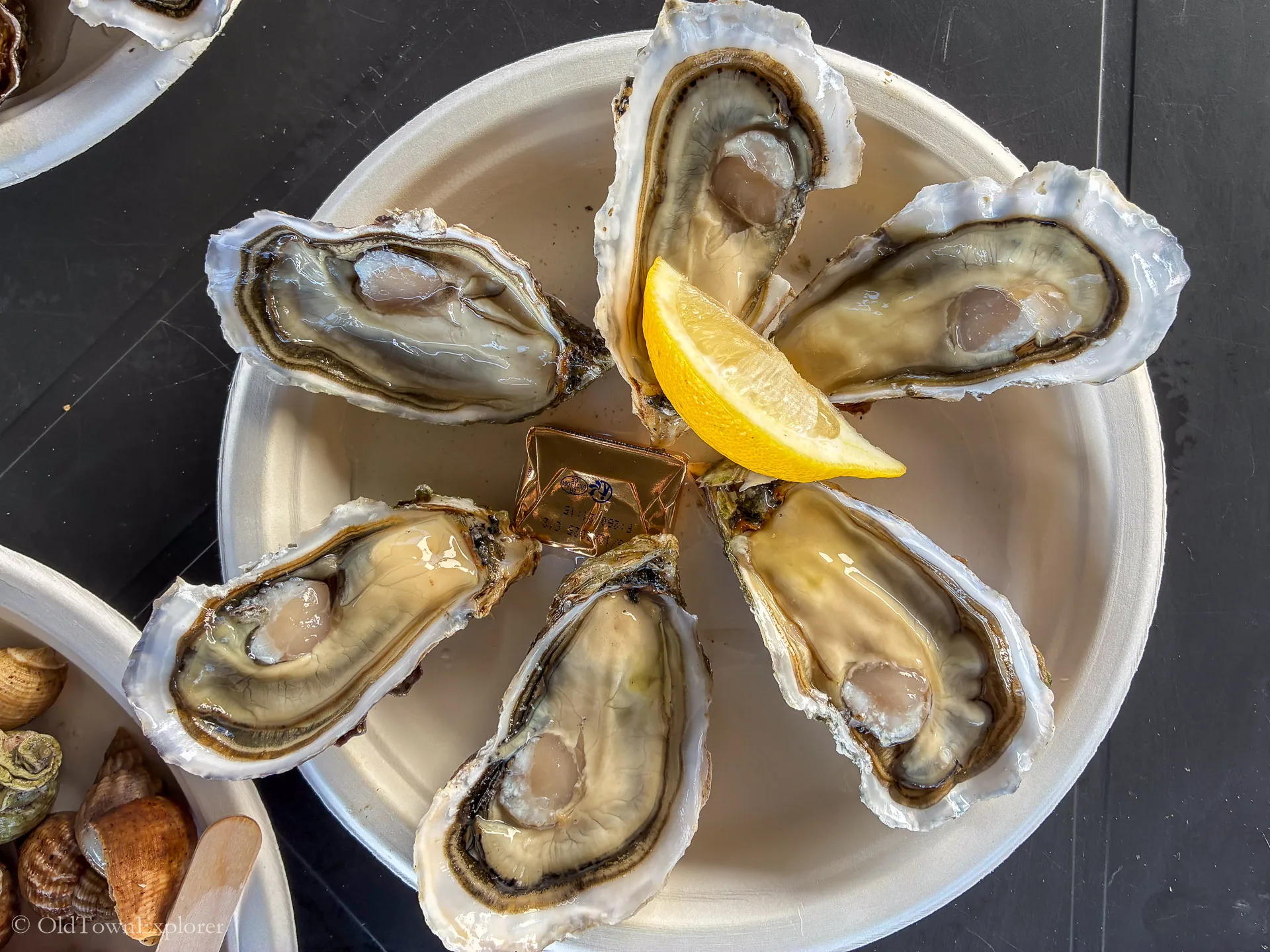
Menus in Bordeaux draw from southwestern France and the nearby Atlantic coast. Canelés, duck, entrecôte à la bordelaise, seasonal mushrooms, lamprey, and oysters from Arcachon Bay are among the foods most closely associated with Bordeaux and its surrounding region.
Bordeaux is both a city for drinking wine and the main base for visiting the surrounding vineyards. Wine bars and shops make regional bottles easy to compare in the center, while visits to estates in the Médoc, Graves, Sauternes, Saint-Émilion, and Pomerol require a separate trip outside the city.
We spent the entire month of November in Bordeaux. During that stay, we walked different neighborhoods and experienced cool mornings that warmed up during the day. Use this guide to compare Bordeaux’s food, wine, architecture, seasons, places to stay, and transportation options.
This page contains affiliate links. We may earn a small commission at no extra cost to you.
Bordeaux at a Glance
Bordeaux has a large walkable historic center, many places to taste wine in the city, and several of France’s best-known vineyard areas within day-trip distance.
These are the main planning points:
- Best for: Wine, 18th-century architecture, riverside walks, markets, and a mostly car-free city break
- Best starting area: Place de la Bourse and Saint-Pierre for the historic center, quays, restaurants, and tram connections
- Suggested stay: Three full days for the city; add at least one more day for Saint-Émilion, the Médoc, or another wine area
- Best timing: Late April through June or September through October for moderate temperatures and enough daylight for long walks
- Main trade-off: The city is easy without a car, but many wine estates require advance reservations and separate transport
Central Bordeaux is easy to explore without a car. If visiting wine estates is a priority, plan a separate vineyard day and arrange transportation before your trip.
Bordeaux Food
Bordeaux is a good city for southwestern French cooking and products from the nearby Atlantic coast. Look for entrecôte à la bordelaise, duck, lamprey cooked in red wine, cèpes, canelés, and oysters from Arcachon Bay; Marché des Capucins is the main central food market for finding several of these regional foods in one place.
For traditional dishes, restaurant choices, market stops, and specialist food shops, see our Bordeaux Food guide.
Bordeaux Wine
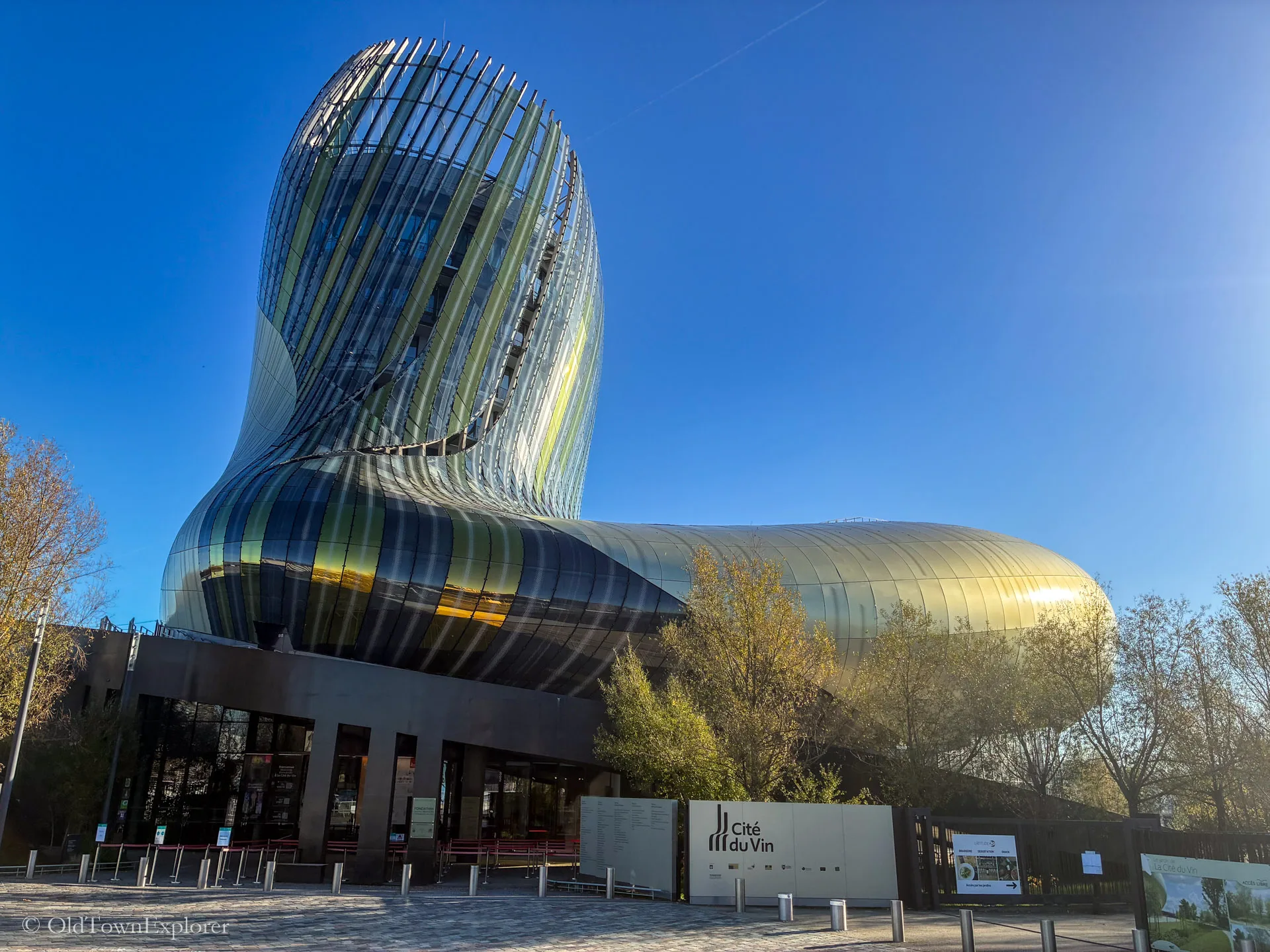
You can taste wines from across the Bordeaux region without leaving the city, but the vineyards and most châteaux lie outside it. Bars, bottle shops, and restaurants pour wines from the Left Bank and Right Bank, along with dry white Bordeaux, Sauternes, and other regional styles. La Cité du Vin, beside the Garonne in Bacalan, covers wine regions and drinking cultures from Bordeaux and around the world.
Start with our Bordeaux Wine Region overview to compare the main vineyard areas, then use our Bordeaux Wine guide for wine bars, shops, tastings, and winery trips from the city.
Bordeaux Architecture
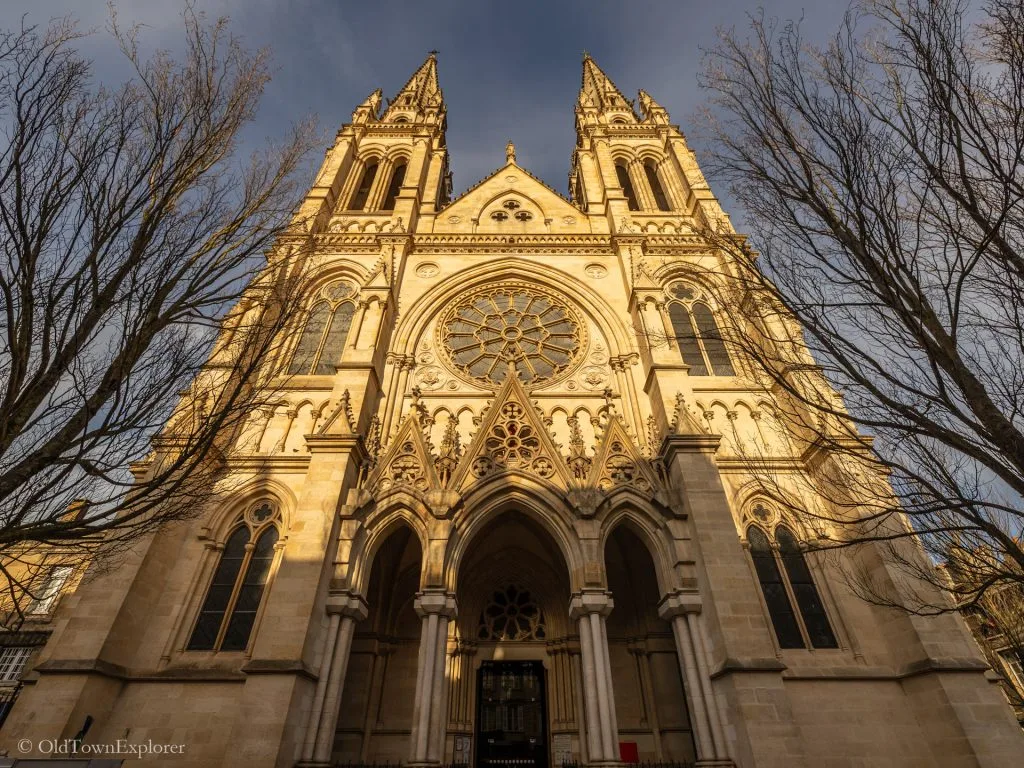
Bordeaux’s main architecture walk starts at Place de la Bourse and the Miroir d’Eau, then follows the Garonne quays before turning into the streets and squares of Saint-Pierre. This area forms part of Bordeaux, Port of the Moon, the UNESCO-listed historic port city. Bordeaux Cathedral, the Grosse Cloche, and surviving medieval gates date from earlier periods, while La Cité du Vin and MÉCA stand outside the old center as prominent contemporary additions.
Plan a longer architecture walk with our Bordeaux Architecture guide, which includes the main streets, squares, churches, civic buildings, gates, and modern landmarks.
Location of Bordeaux
Bordeaux is the capital of Nouvelle-Aquitaine in southwestern France. The city stands on both banks of the Garonne River, inland from the Atlantic coast; the historic center and Chartrons are on the left bank, while La Bastide lies across the river on the right bank.
Bordeaux Saint-Jean has fast trains to Paris and regional services toward Arcachon, Libourne, and other towns in Nouvelle-Aquitaine. From Bordeaux, you can continue to the vineyards around Saint-Émilion, the Médoc, Graves, Sauternes, and Entre-Deux-Mers, although the best transport choice varies by wine area.
Best Time to Visit Bordeaux
Late April through June and September through October usually work well for walking around Bordeaux and planning a vineyard day. Summer brings longer daylight and more heat, while late fall and winter are cooler and wetter.
Weather
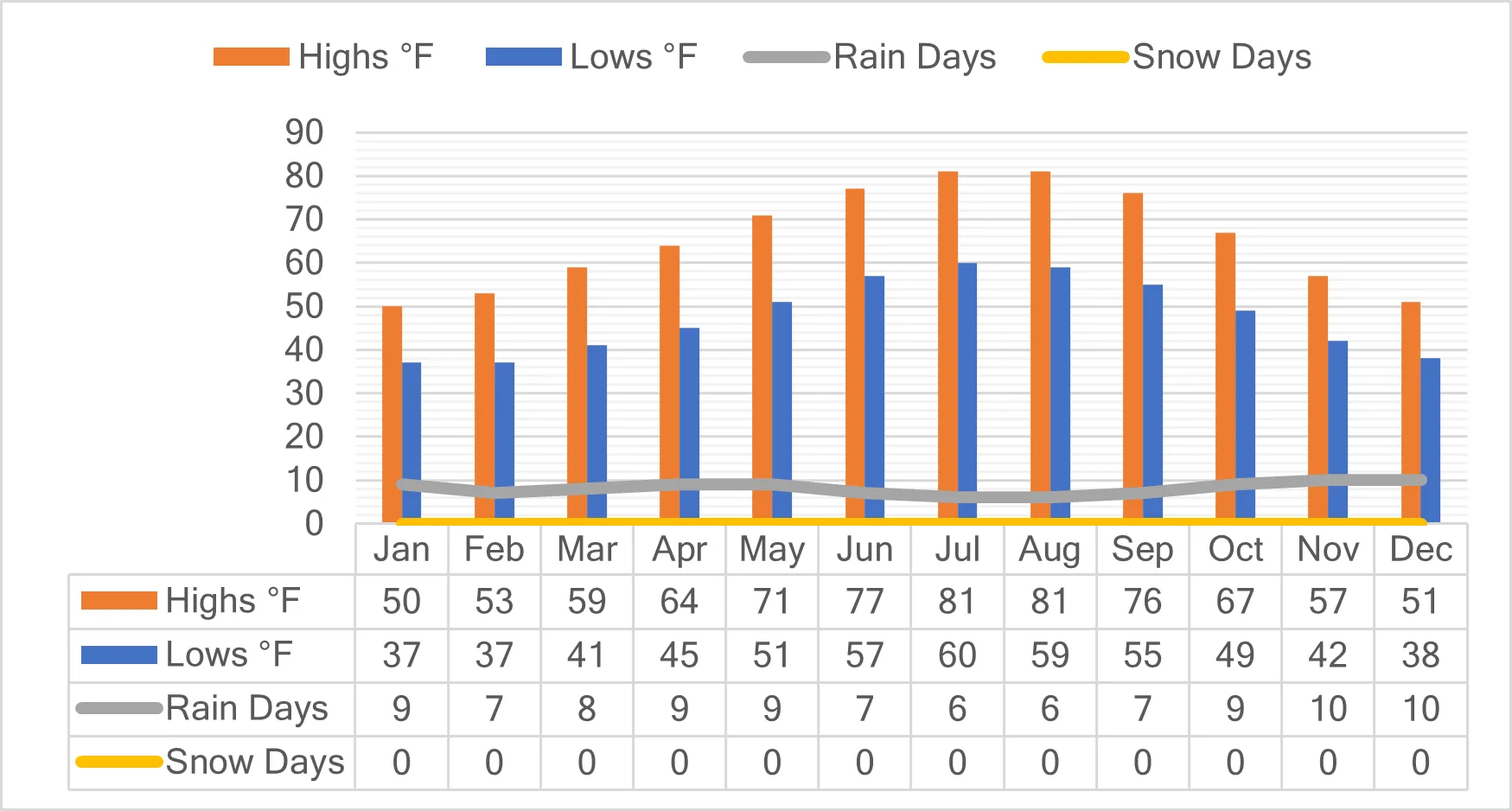
Bordeaux has a temperate oceanic climate with rain in every season. Average afternoon highs reach about 80°F (27°C) in July and August and fall to around 50°F (10°C) in winter, so summer heat and winter rain both affect long walking days.
The monthly chart below compares average high and low temperatures throughout the year.
Shoulder Season
April through June and September through October usually give you a better balance of temperature and daylight than midsummer or winter. The grape harvest often falls between August and October, but timing changes by year, grape, and estate. We spent November in Bordeaux and found the mornings cool, with warmer conditions later in the day.
Best Value
Hotel and flight prices vary too much by event and booking date to name one reliable cheapest season. Compare late-April, May, and October dates with June through September, then check rainfall, daylight, and winery availability before choosing the lower rate.
Best Places to Stay In Bordeaux
For a first visit, choose the historic center for the shortest walks, Chartrons for the northern quays, or Saint-Michel for the market and easier station access. All three areas connect to the tram network, but street noise and the distance to your main sights vary by block.
Hotels and Apartments in Bordeaux
Centre-Ville: Stay here for the shortest walks to Place de la Bourse, Saint-Pierre, Bordeaux Cathedral, the Golden Triangle, restaurants, and central tram stops. The busiest restaurant streets and squares can be noisy, so check whether a room faces the street or an interior courtyard.
Chartrons: This district extends north from the center along the river and works well for the quays, wine bars, antique shops, and access toward Bacalan. Saint-Michel: This area places you near the basilica, Marché des Capucins, and Bordeaux Saint-Jean, with a busier market-and-restaurant atmosphere than quieter residential streets farther west.
Use the map below to compare hotels and apartments near Centre-Ville, Chartrons, Saint-Michel, Bordeaux Saint-Jean, and the tram lines, then choose a location that fits your walking, luggage, and sightseeing plans.
Other Things to Know About Bordeaux
Airport
Bordeaux Airport is in Mérignac, west of the city. Tram Line F runs from the terminals through central Bordeaux to Bordeaux Saint-Jean; the airport’s tram information lists current operating times, frequency, and fares.
Train Station
Bordeaux Saint-Jean, south of the historic center, is the city’s main station. TGV and OUIGO trains connect Bordeaux with Paris in about two hours on the fastest services, while regional trains run to Arcachon, Libourne, and other destinations; check SNCF Connect for current schedules.
Time Zone
Bordeaux uses Central European Time (CET; UTC+1) and Central European Summer Time (CEST; UTC+2), the same time system used elsewhere in mainland France.
Currency
France uses the euro (€). Cards are accepted at most hotels, restaurants, and shops, but some cash is convenient for small market purchases.
Language
French is the official language. English-speaking staff are often available at major hotels and visitor attractions, while a few basic French phrases help at markets and smaller businesses.
Visa
France is part of the Schengen Area. Short stays for many non-EU travelers are limited to 90 days in any 180-day period, but visa requirements depend on nationality; check the European Commission’s visa information and our guide to traveling visa-free before your trip.
Electricity
France uses Type C and Type E plugs with a 230V, 50Hz supply. Check the voltage label on each device before using an adapter; single-voltage 120V appliances also need a converter.
SIM Card
A French SIM or an eSIM gives you mobile data in Bordeaux. We use Airalo eSIMs; compare the available data amounts, validity periods, and network coverage before buying a plan.
Car Rental
You do not need a car for central Bordeaux because the historic center, quays, and main neighborhoods are connected by tram, bus, and walking routes. A car gives you more flexibility for estates spread across the Médoc, Graves, and other rural wine areas; compare rental options through Discover Cars, and confirm parking with your accommodation before booking.
FAQs About Bordeaux
Why is Bordeaux famous?
Bordeaux is famous for the surrounding wine region, its historic port on the Garonne, and the 18th-century streets and squares in its UNESCO-listed center. Place de la Bourse, the riverfront, and La Cité du Vin are among its best-known sights.
How do you pronounce Bordeaux?
In French, Bordeaux is pronounced approximately “bor-DOH,” with the final “x” silent.
Is Bordeaux worth visiting?
Yes, especially if you want to combine wine, historic architecture, markets, and riverside walks. The historic center, riverfront, museums, and wine venues can fill several days before you add a vineyard trip.
Is Bordeaux walkable?
The historic center, Saint-Pierre, Saint-Michel, the Golden Triangle, and the southern part of Chartrons are easy to explore on foot. Use trams for Bordeaux Saint-Jean, Bacalan, the airport, or longer trips between neighborhoods.
How many days do you need in Bordeaux?
Allow three full days for the historic center, markets, museums, architecture, and urban wine tasting. Add at least one more day if you want to visit Saint-Émilion, the Médoc, or another vineyard area.
What can you do in Bordeaux in one day?
Start around Bordeaux Cathedral and the Pey-Berland area, continue through Saint-Pierre to Place de la Bourse, and walk north along the Garonne quays. Choose either La Cité du Vin or more time in the historic center rather than trying to fit the city and distant vineyards into the same day.
What food should you try in Bordeaux?
Start with canelés, entrecôte à la bordelaise, duck, seasonal cèpes, and oysters from Arcachon Bay. Find lamprey, markets, restaurants, and specialist food shops in our Bordeaux Food guide.
Which wine regions can you visit from Bordeaux?
Saint-Émilion, Pomerol, the Médoc, Graves, Sauternes, and Entre-Deux-Mers all lie within the wider Bordeaux wine region. Compare their locations and wine styles in our Bordeaux Wine Region guide before choosing a day trip.
Where can you taste wine in Bordeaux?
You can taste regional wines at central wine bars, shops, restaurants, and La Cité du Vin without leaving the city. Compare city venues and trips to nearby wineries in our Bordeaux Wine guide.
What architecture should you see in Bordeaux?
Start with Place de la Bourse, the Garonne quays, Saint-Pierre, Bordeaux Cathedral, and the Grosse Cloche. Cour Mably forms part of a former Dominican convent, and the Flèche Saint-Michel stands apart from its basilica. Darwin Ecosystem occupies former military barracks, while La Cité du Vin and MÉCA are major contemporary buildings. Find addresses and building histories in our Bordeaux Architecture guide.
Where should you stay in Bordeaux for a first visit?
Centre-Ville is the easiest base for first-time visitors who want short walks to the historic center and several tram lines. Chartrons suits the northern quays and Bacalan, while Saint-Michel is convenient for Marché des Capucins and Bordeaux Saint-Jean.
Does Bordeaux have a main train station?
Yes. Bordeaux Saint-Jean is the main station for high-speed trains to Paris and regional services to Arcachon, Libourne, and other destinations in Nouvelle-Aquitaine.
Bordeaux Blog Posts
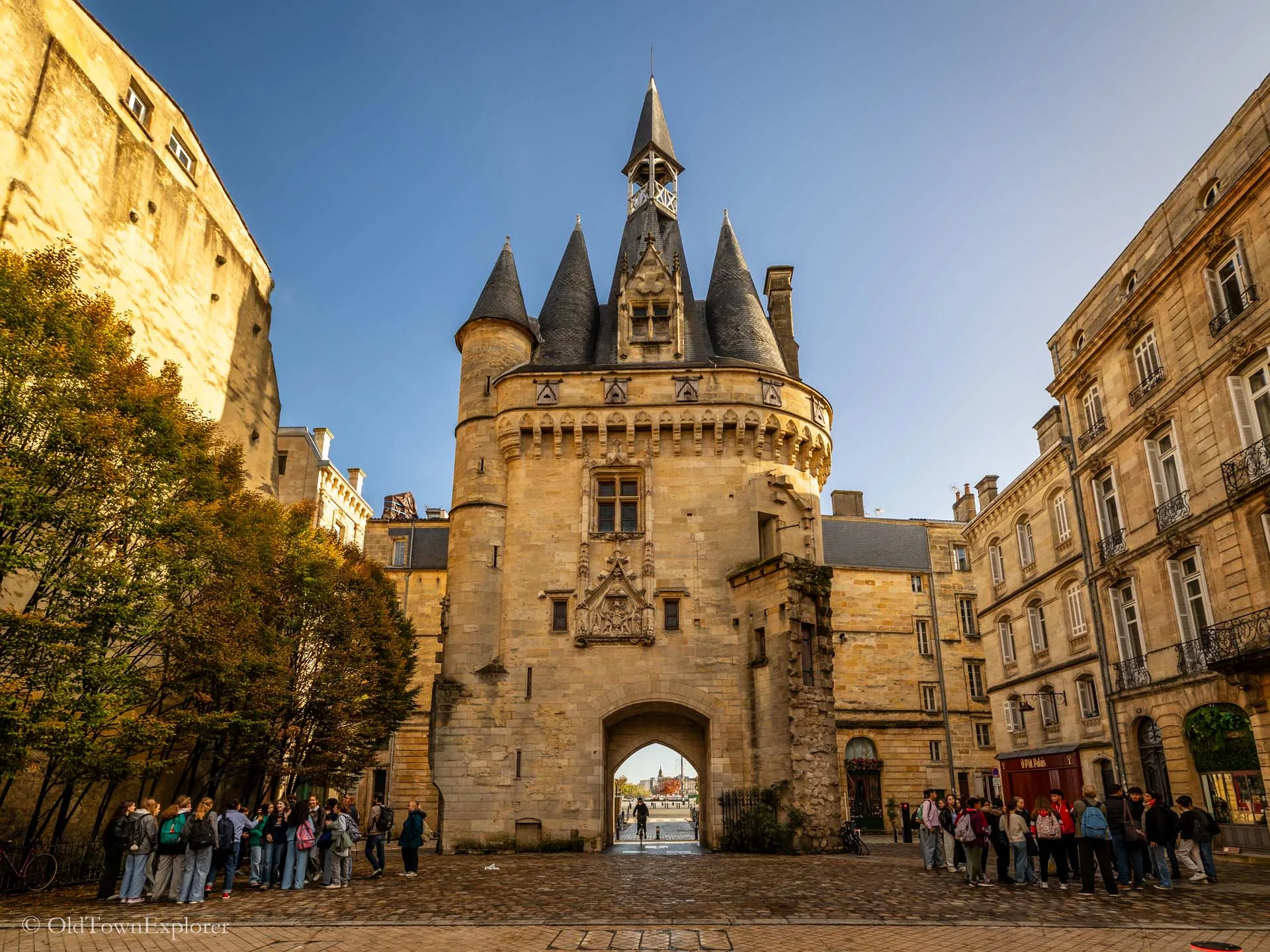
28 Pros and Cons of Living in Bordeaux, France
Explore Life in Bordeaux: Pros & Cons of Living in a French Wine City Bordeaux is a large city on the Garonne River in southwestern France. The pros and cons of living in Bordeaux center on its walkable historic core, tram network, food...

Explore Wineries in Margaux, France
Discover Wineries in Margaux: Wine Tastings, Tours & Tips Margaux, located in the Haut-Médoc region of Bordeaux's Left Bank, is one of the most prestigious names in French wine. Known for its elegance, complexity, and age-worthy reds, the...
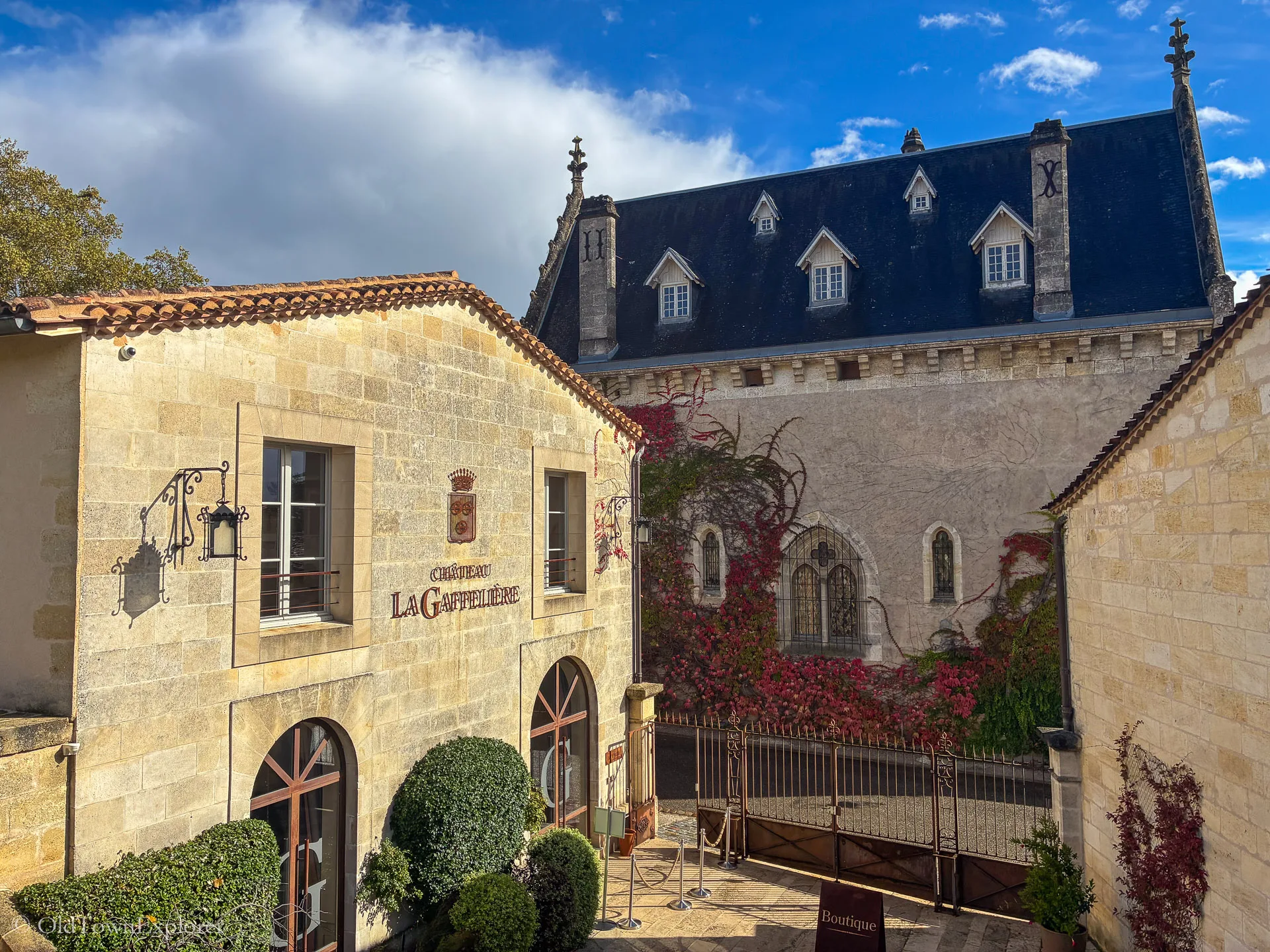
Explore Wineries in Saint-Emilion, France
Discover Wineries in Saint‑Émilion: Wine Tastings, Tours & Tips Nestled atop a limestone plateau in southwestern France, Saint-Émilion is one of the world’s most celebrated wine villages—and a UNESCO World Heritage Site. Known for its...