
Shkoder Architecture
Explore Shkoder Architecture: Top Buildings & What to See
Shkoder architecture is split between the fortified hill of Rozafa Castle and a low, walkable center shaped by religious buildings, traditional houses, civic streets, and cultural institutions. The result is different from an Albanian town built around one continuous old quarter.
Stone fortifications dominate Rozafa, while the center brings together mosque domes and minarets, Catholic and Orthodox churches, traditional Shkodran houses behind high courtyard walls, late Ottoman and early 20th-century streets, and several buildings shaped by the city’s long contact with Central and Western Europe.
We spent a month in Shkoder photographing and exploring its historic architecture. Give the center a separate walk from Rozafa Castle, then decide whether traditional houses, religious buildings, museums, or a nearby stop such as Mesi Bridge deserve more time.
This page contains affiliate links. We may earn a small commission at no extra cost to you.
Shkoder Architecture at a Glance
Shkoder’s main architecture is divided between Rozafa Castle, the central pedestrian streets, religious buildings, and a smaller group of traditional houses and cultural buildings.
Key architecture points:
- Defensive architecture: Rozafa Castle has stone walls, gates, towers, cisterns, religious ruins, residential remains, and views across the Buna and Drin river landscape.
- Central landmarks: St. Stephen’s Cathedral, Ebu Beker Mosque, the Nativity of Christ Cathedral, Franciscan Church, and Kole Idromeno Street are close enough to combine on foot.
- Traditional houses: Oso Kuka House, Pashko Vasa House, and the Filip Çeka Family House preserve the courtyard walls, stonework, woodwork, verandas, and interior organization of older Shkodran homes.
- European influences: Inglizi Tower and the historic building occupied by the Marubi National Museum of Photography add a different layer to the Ottoman and religious architecture.
- Castle versus center: The center suits a short architecture walk. Rozafa Castle needs separate time for the climb, ruins, walls, and viewpoints.
A half day can cover the center and Rozafa Castle; a full day leaves time for the historic houses or an additional architecture stop outside the center.
What to See in Shkoder
Shkoder has three main architecture areas to prioritize: Rozafa Castle above the rivers, the religious and residential buildings around the center, and the pedestrian streets around Kole Idromeno. They show different periods of the city rather than forming one continuous historic district.
Castle Hill
Rozafa Castle is the main place for defensive architecture. Its gateways, walls, towers, former church and mosque, residential ruins, and later Ottoman structures sit inside a fortress shaped by medieval Balshaj rule, Venetian control, and Ottoman occupation.
Religious Buildings and Historic Houses
The center brings mosques, Catholic churches, and an Orthodox cathedral within a relatively small area. Nearby traditional houses add a domestic layer that is easy to miss if you see only the castle and major religious landmarks.
Oso Kuka House, Pashko Vasa House, and the Filip Çeka Family House are especially valuable for their courtyards, high boundary walls, stone construction, verandas, carved wood, and traditional rooms.
Central Streets and Cultural Buildings
Kole Idromeno Street ties together pedestrian paving, historic façades, cafés, museums, and several of Shkoder’s cultural landmarks. Inglizi Tower introduces a late-19th-century Western architectural influence, while the Marubi museum pairs a historic Kolë Idromeno building with a contemporary museum adaptation.
Rozafa Castle
Rozafa Castle rises on the rocky hill at Shkoder’s southern entrance above the Buna and Drin river landscape. Its surviving architecture spans ancient foundations, medieval Balshaj fortifications, extensive Venetian construction, and later Ottoman additions.
The castle is large enough that the individual ruins matter. Fortified gateways lead through successive defensive spaces before the interior opens to former religious buildings, residences, administrative structures, cisterns, and the remains of the Bushatlli period.
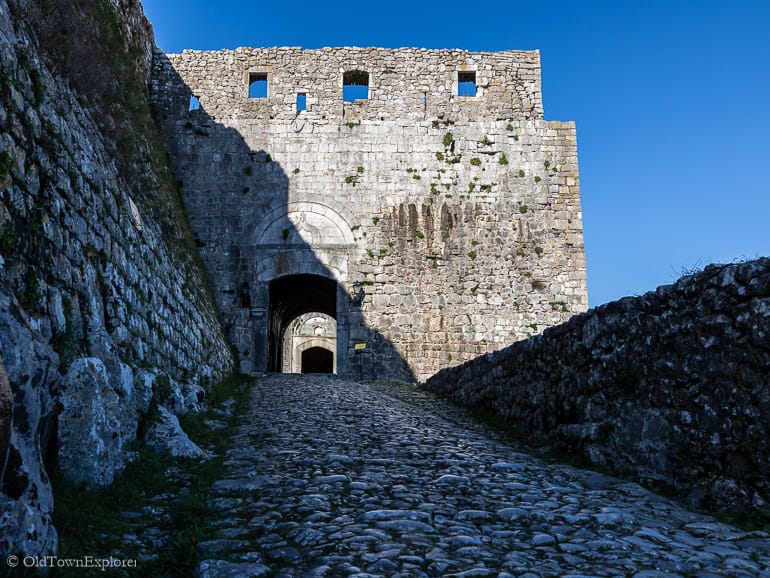
Barbakan
- Style: Venetian military architecture
- Built: 15th century
- Location: Main fortified entrance, Rozafa Castle, Rruga Rozafa, Shkodër 4001, Albania
The Barbakan protects the principal approach into the fortress. Look at the narrow passage, heavy stone construction, and successive defensive barriers rather than treating it simply as the castle entrance.
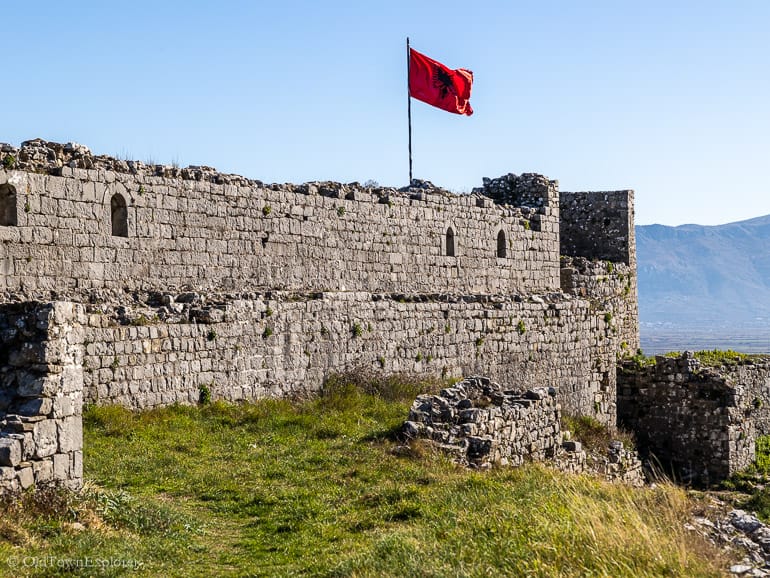
Balshaj's Tower
- Style: Medieval defensive architecture
- Built: 14th century
- Location: Rozafa Castle, Rruga Rozafa, Shkodër 4001, Albania
The tower belongs to the medieval phase associated with the Balshaj family, whose rule helped give the fortress much of its later basic form. Its position within the defensive system makes the transition from medieval to Venetian Rozafa easier to see.
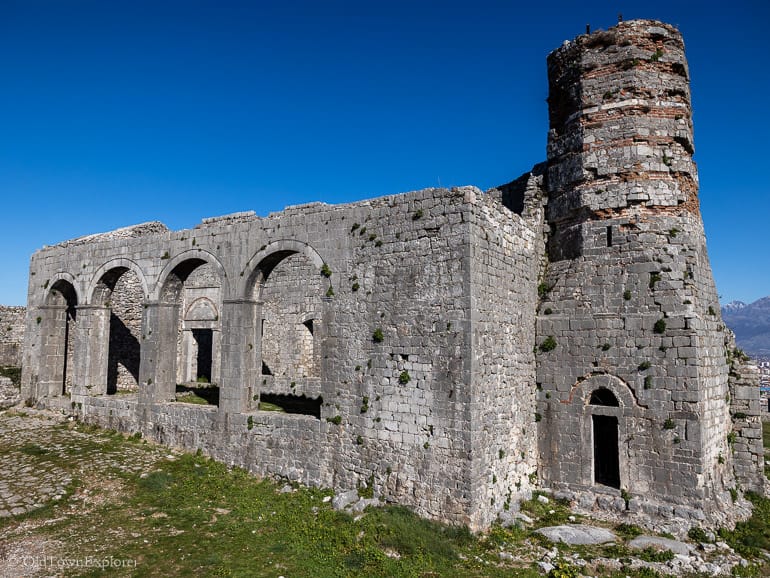
Fatih Sultan Mehmet Mosque
- Style: Medieval church with later Ottoman adaptation
- Built: 13th century as St. Stephen’s Cathedral; later adapted as a mosque
- Location: Rozafa Castle, Rruga Rozafa, Shkodër 4001, Albania
The surviving ruins began as the medieval Cathedral of St. Stephen and were later adapted for Islamic worship after Ottoman rule. The partial walls and surviving minaret remains make the building particularly valuable because the same structure records two different religious uses of the castle.
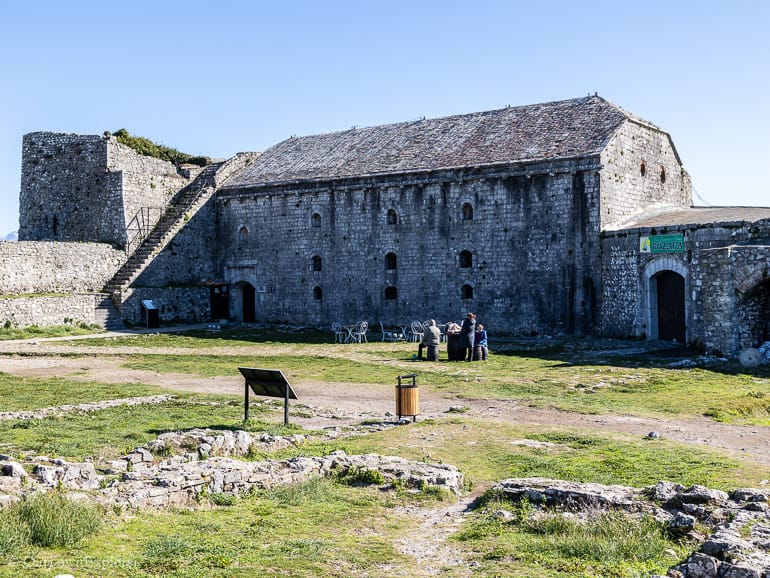
Kapiteneria (Captaincy)
- Style: Venetian administrative architecture
- Built: Venetian period
- Location: Rozafa Castle, Rruga Rozafa, Shkodër 4001, Albania
The Kapiteneria housed the castle’s Venetian captain and administration. The restored building now contains the Rozafa Castle museum, continuing the structure’s public role inside the fortress.
Hydilaver Pasha's House
- Style: Ottoman residential architecture
- Built: 17th century
- Location: Interior of Rozafa Castle, Rruga Rozafa, Shkodër 4001, Albania
The ruins of Hydilaver Pasha’s House belong to the Ottoman residential layer inside the castle. Foundations and surviving masonry show that Rozafa functioned as more than a defensive enclosure; residences and administrative life continued inside the walls.
Bushatlli's Palace
- Style: Ottoman residential and administrative architecture
- Built: 18th–19th century
- Location: Interior of Rozafa Castle, Rruga Rozafa, Shkodër 4001, Albania
The palace ruins belong to the Bushatlli period, when Shkoder was the center of an influential Ottoman pashalik. The remaining walls occupy the castle’s later residential and governmental layer and sit close to several other Ottoman-period structures.
Religious Buildings in Shkoder
Shkoder’s central mosques, Catholic churches, and Orthodox cathedral form one of the city’s most visible architectural groups. Domes, minarets, bell towers, broad church façades, and rebuilt places of worship stand within or close to the pedestrian center, while the Lead Mosque sits farther south below Rozafa Castle.

The Ebu Beker Mosque
- Architect: ARC Architectural Consultants
- Built: 1994–1995
- Address: Rruga Fushë Çelë 1, Shkodër 4001, Albania
The Ebu Beker Mosque, also called the New Fushë Çela Mosque, replaced an earlier mosque destroyed during the communist period. Its large central dome and pair of tall minarets make it one of the strongest skyline markers in the pedestrian center.
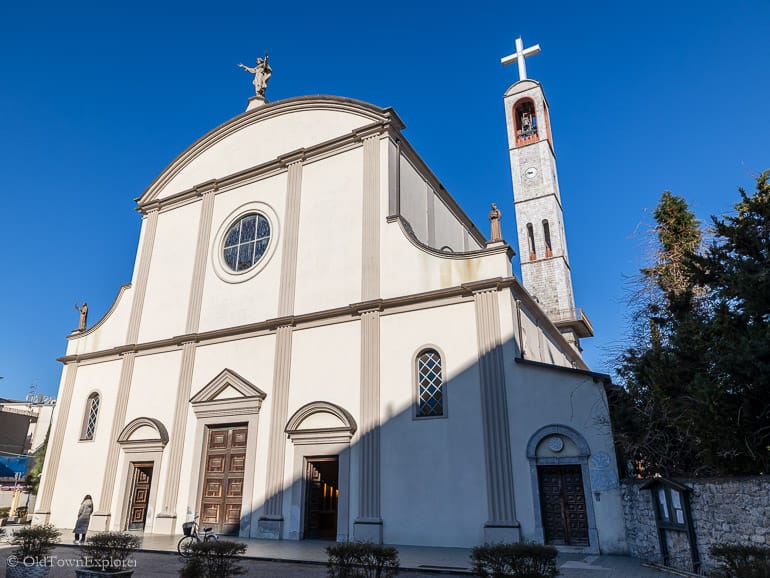
Franciscan Church
- Built: 1902–1905
- Address: Rruga At Gjergj Fishta 42, Shkodër 4001, Albania
The Franciscan Church was completed in 1905 after the Franciscan mission received permission to build in the city. Its church façade and tower form part of the Catholic institutional architecture around the historic center.
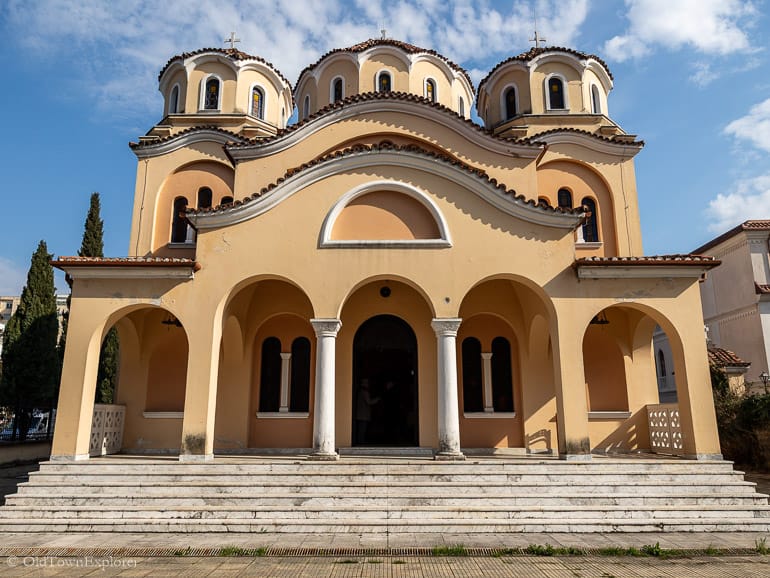
Holy Church Nativity of Christ
- Style: Modern Orthodox
- Built: Modern church; consecrated in 2014
- Address: Rruga Hasan Riza Pasha 39, Shkodër 4001, Albania
The Nativity of Christ Orthodox Cathedral uses a central dome, smaller cupolas, and a separate bell tower to create a distinctly Orthodox profile close to the city center.
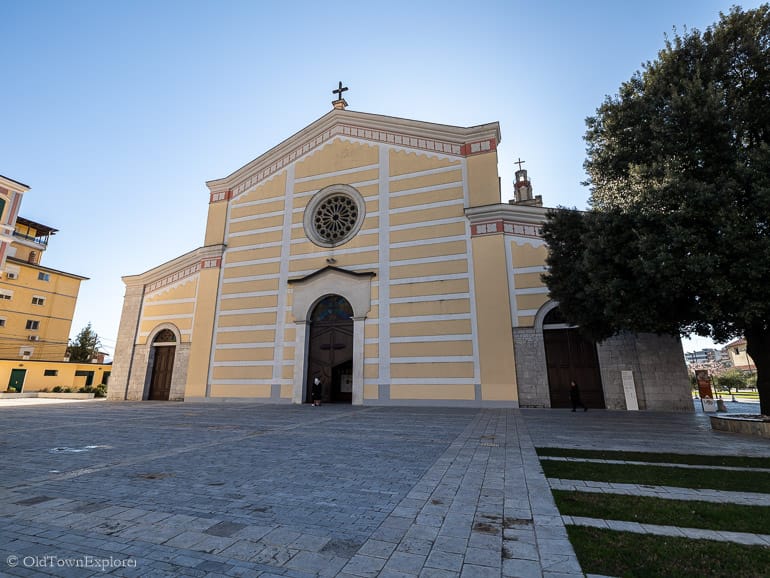
St. Stephen's Cathedral
- Built: 1858–1867
- Address: Sheshi Gjon Pali II, Rruga Marin Beçikemi, Shkodër 4001, Albania
St. Stephen’s Cathedral, also called Shkoder Cathedral or Kisha e Madhe, is the city’s principal Roman Catholic cathedral. Its broad façade, twin bell towers, long nave, and large interior volume give it a very different scale from the smaller churches nearby.
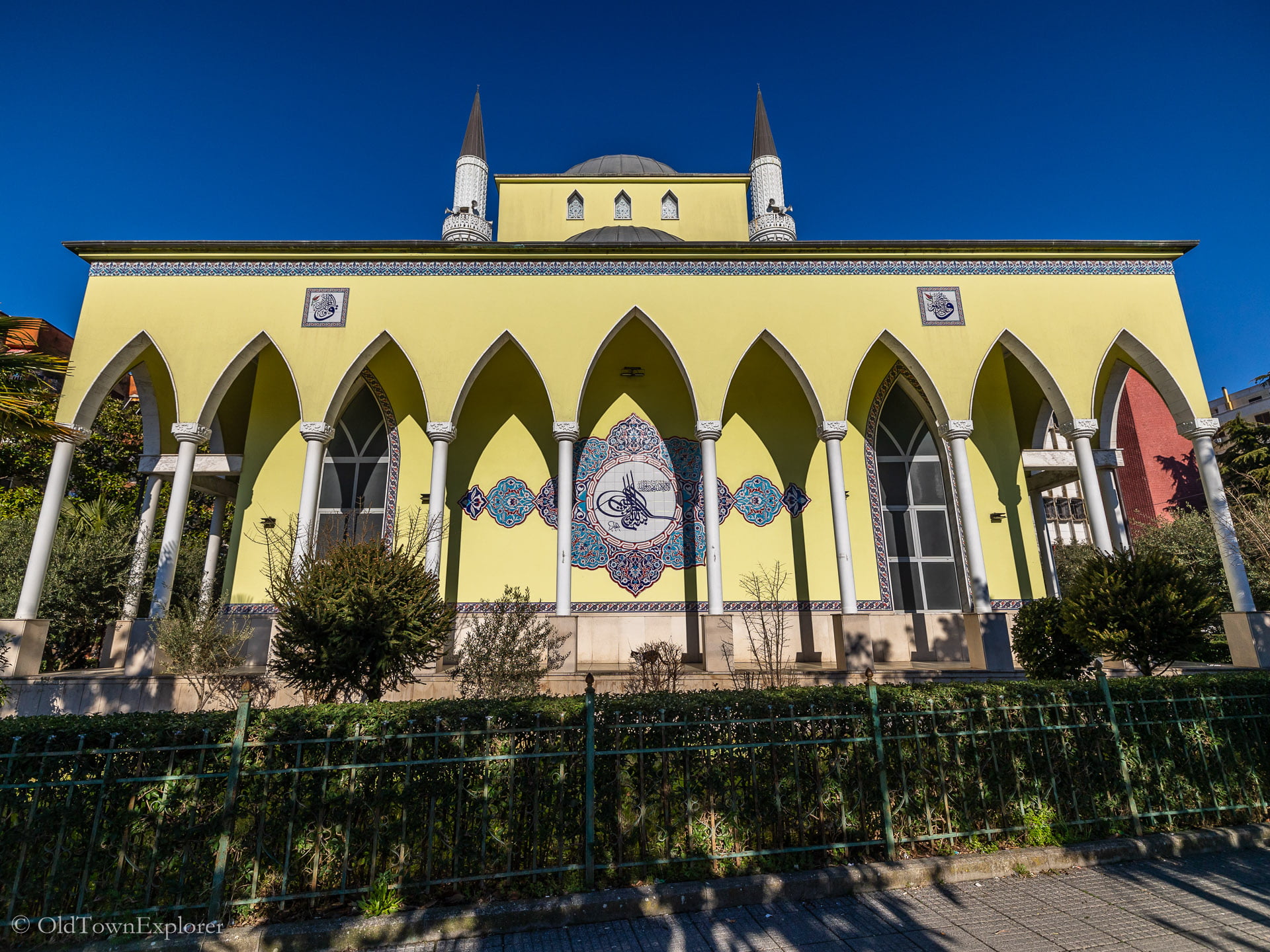
Mosque Of Parruca
- Style: Ottoman-influenced mosque
- Built: Original mosque 1937; rebuilt 2006
- Address: Rruga Studenti 40, Shkodër 4001, Albania
The original Parrucë Mosque was demolished in 1967, and the present mosque was completed in 2006. Multiple domes and twin minarets give the rebuilt structure a strong Ottoman reference within the Parrucë neighborhood.
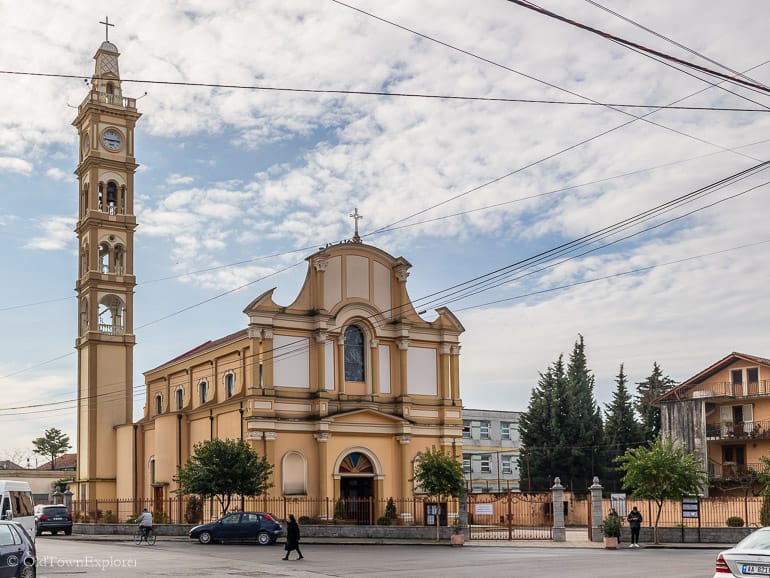
St. Coll's Church
- Denomination: Roman Catholic
- Built: Present church completed after the restoration of religious practice
- Address: Rruga Lin Delia 6, Shkodër 4001, Albania
St. Coll’s Church, or Kisha e Shën Kollit, is a Catholic church in the Rus area of Shkoder. The present building replaced a church lost during the communist campaign against religious institutions, so its architecture belongs to the city’s modern revival of Catholic parish life rather than to a surviving medieval or Ottoman structure.
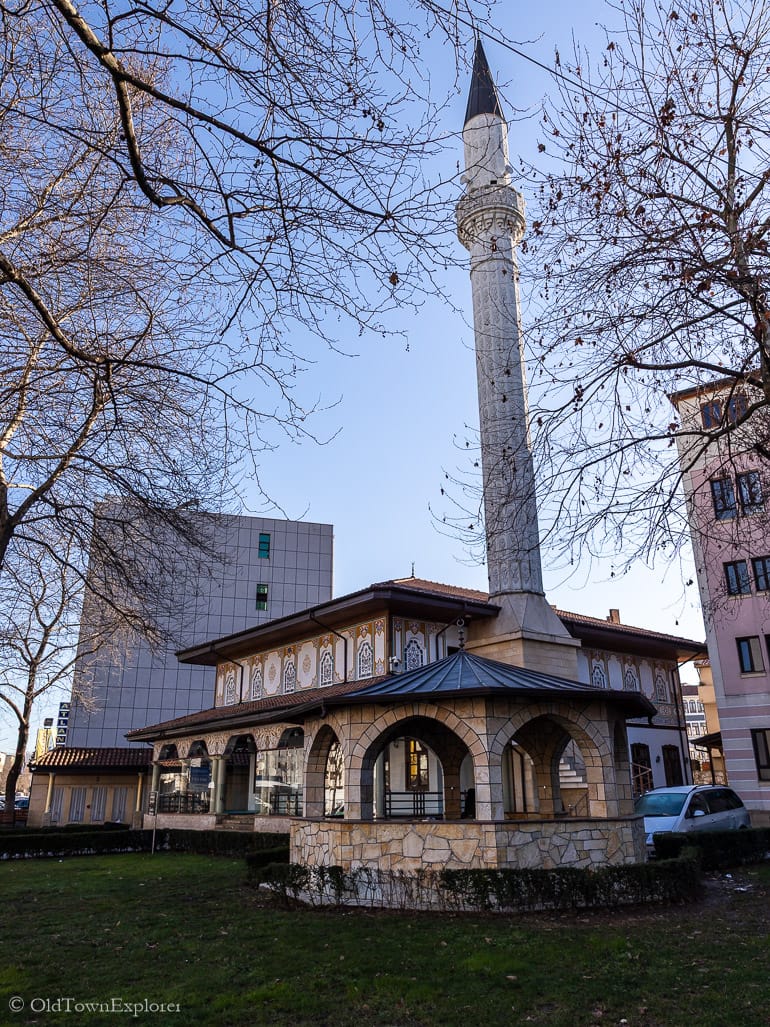
Madrasa Mosque
- Built: 2009
- Address: Rruga Mbreti Gent 7, Shkodër 4001, Albania
The Madrasa Mosque, or Xhamia e Medresesë, stands beside the Haxhi Sheh Shamia madrasa complex. Its position south of the main pedestrian center connects the mosque with one of Shkoder’s modern Islamic educational institutions.
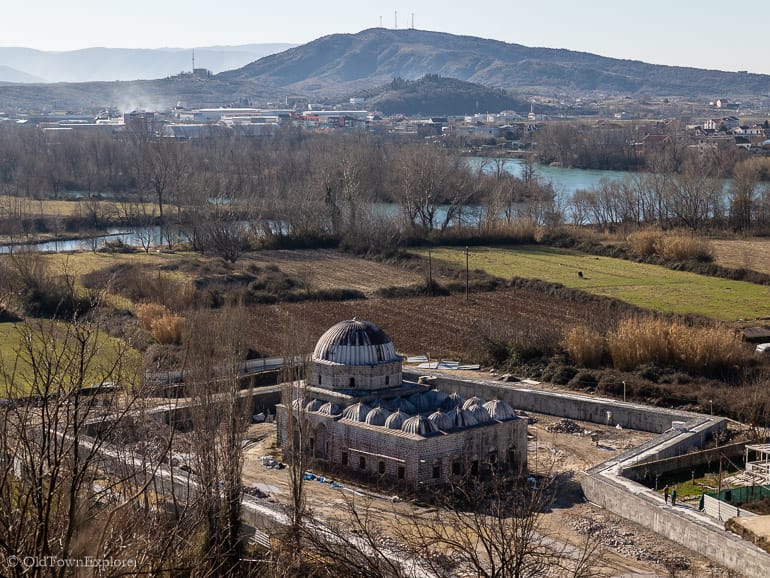
Lead Mosque
- Style: Classical Ottoman
- Built: 1773–1774
- Address: Rruga e Tabakëve 1, Shkodër 4001, Albania
The Lead Mosque, or Xhamia e Plumbit, was built for Mehmet Pasha Bushati below Rozafa Castle. Its stone construction, arcaded courtyard, and group of domes distinguish it from the later mosques in the center; the name comes from the lead that once covered its domes.
Historic Houses in Shkoder
Traditional Shkodran houses add an architectural layer that the castle and religious buildings cannot show. High perimeter walls protect courtyards and gardens, while stone ground floors, timber details, verandas, carved ceilings, fireplaces, and formal guest rooms reveal how established urban families lived.
Oso Kuka House – Historical Museum of Shkodra
- Style: Traditional Shkodran residential architecture
- Built: 19th century
- Address: Rruga Oso Kuka 32, Shkodër 4001, Albania
The Historical Museum of Shkodra occupies Oso Kuka House, a restored traditional residence. The courtyard, timber veranda, stone construction, and domestic scale make the building itself as relevant to an architecture visit as the museum collections inside.
Pashko Vasa House
- Style: Traditional Shkodran house
- Built: Approximately 18th century
- Address: Rruga Pashko Vasa, Shkodër 4001, Albania
The Pashko Vasa House stands behind the high walls typical of older Shkodran residences. Inside the compound are a stone courtyard, well, stone stairs, broad veranda, carved wooden ceilings, large windows with iron grilles, and rooms arranged around traditional domestic life.
Filip Çeka Family House
- Style: Traditional Oriental-influenced Shkodran house
- Built: Approximately 18th century
- Address: Rruga Vaso Pasha, Shkodër 4001, Albania
The Filip Çeka Family House is a protected traditional residence with two floors, extensive stone walls, a large courtyard, carved wooden ceilings, decorated fireplaces, and formal guest spaces. Its surviving domestic details make it one of the clearest places to see the architecture of an established Shkodran household.
Other Attractions in Shkoder
Shkoder’s secondary architecture stops fill in the civic and cultural story between the major religious buildings and historic houses. The group includes the pedestrian street that organizes the center, two public memorials, a working craft building, a late-19th-century clock tower, and a historic building adapted as a contemporary photography museum.

Kole Idromeno Street
- Period: Late Ottoman and early 20th-century urban fabric
- Location: Rruga Kolë Idromeno, central Shkodër, Albania
Kole Idromeno Street is Shkoder’s principal pedestrian promenade and the easiest place to see the scale of the historic center. Look above the cafés and shopfronts for narrow façades, upper-story windows, cornices, balconies, and the close spacing of buildings along the paved street.
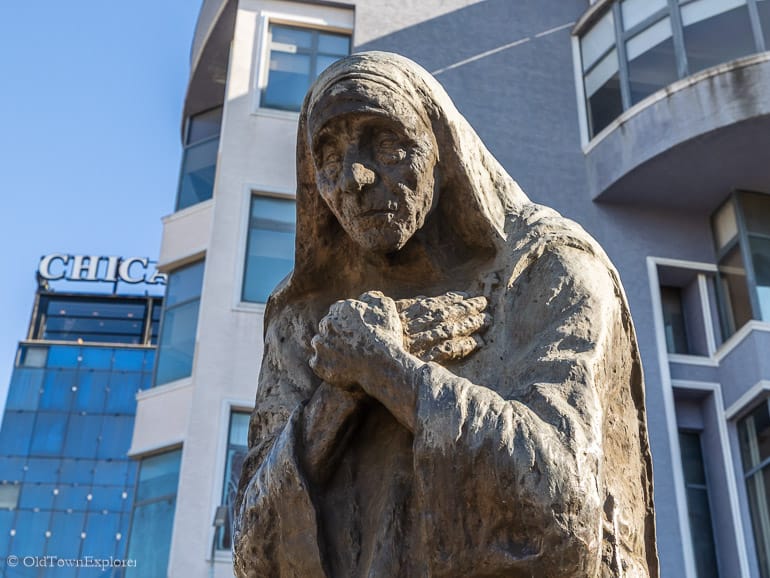
Monument to Mother Teresa
- Built: 2006
- Address: Sheshi Nënë Tereza, Shkodër 4001, Albania
The Mother Teresa monument stands where the central pedestrian area meets the surrounding streets. Its open-square placement makes it as much an urban marker at the entrance to Kole Idromeno Street as a freestanding commemorative sculpture.
Obelisk Heronjtë E Demokracisë
- Period: Post-1991 memorial
- Address: Sheshi 2 Prilli, Shkodër 4001, Albania
The memorial consists of four white vertical elements commemorating the four people killed during the demonstrations of 2 April 1991. Its position in Sheshi 2 Prilli ties the monument directly to the civic space where Shkoder remembers the event.
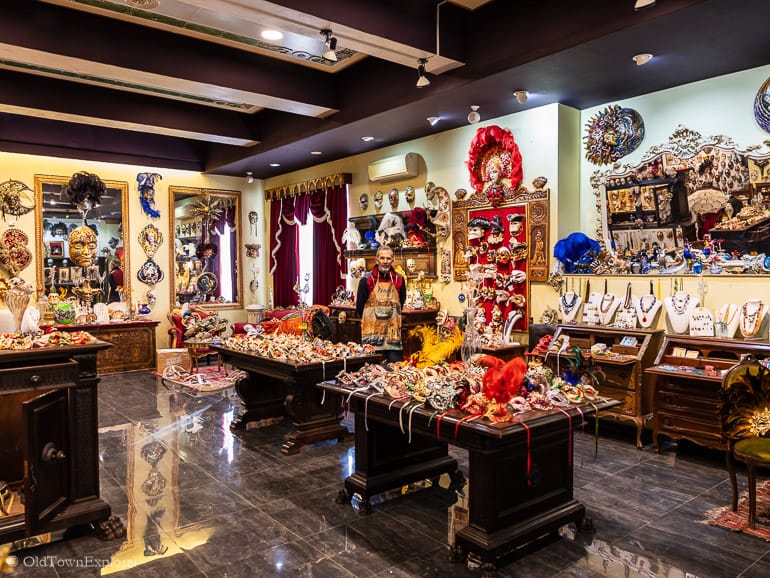
Venice Art Mask Factory
- Type: Working craft workshop and showroom
- Address: Rruga Inxh. Gjovalin Gjadri, Shkodër 4001, Albania
The Venice Art Mask Factory is more relevant for its working craft space than for historic architecture. Inside, the production and display areas show how a contemporary workshop accommodates the making, decorating, and exhibition of elaborate papier-mâché and ceramic masks.
Inglizi Tower
- Style: Western European castle-inspired architecture
- Built: Late 19th century
- Address: 3G97+54F, Rruga Teuta, Shkodër 4001, Albania
Inglizi Tower, also called the Englishman’s Clock Tower, was built for the Englishman Lord Paget. Its stone tower, castle-like silhouette, and former clock distinguish it sharply from the mosques, churches, and traditional houses nearby.
Marubi National Museum of Photography
- Original architect: Kolë Idromeno
- Museum adaptation: Casanova + Hernandez Architects
- Adaptation completed: 2016
- Address: Rruga Kolë Idromeno, No. 32, Shkodër 4001, Albania
The Marubi National Museum of Photography occupies a historic building designed by Shkoder-born architect and artist Kolë Idromeno. The 2016 adaptation restored the old structure while adding contemporary exhibition elements, making the museum one of the clearest examples in the center of old architecture reused for a modern cultural function.
Things to Know Before You Go
The Central Pedestrian Area Covers the Shortest Walk
Kole Idromeno Street and the surrounding center put several religious buildings, historic façades, museums, monuments, and traditional houses within a compact area. Stay here when you have only a couple of hours and want to do most of the architecture sightseeing on foot.
Rozafa Castle Needs Separate Time
Rozafa Castle sits away from the central pedestrian streets and changes the character of the visit completely. Allow separate time for the ascent, gateways, walls, ruins, museum area, and viewpoints rather than treating it as another stop on the city-center walk.
Castle Stone and Slopes Change the Footwear
The center is largely flat, but Rozafa has stone paving, slopes, steps, and uneven ruins. Shoes with decent grip make more difference at the castle than they do around Kole Idromeno Street.
Religious Interiors Need Flexible Timing
Churches and mosques can all be appreciated from outside through their façades, towers, domes, and minarets. Interior access can change around services, prayer, events, or restoration, so check locally before planning the day around a particular interior.
Morning and Late Afternoon Suit Rozafa Castle
The castle hill is exposed to sun, wind, and changing weather in a way the center is not. Earlier or later light also brings out the stone walls and gives clearer views across the rivers, lake, and city without spending the hottest part of a summer day on the hill.
Kole Idromeno Street Works Well After Dinner
The pedestrian center remains easy to walk in the evening. Street lighting, café activity, and illuminated façades make Kole Idromeno and nearby streets a simple second look after the daytime architecture stops have closed.
The Center Is Easier for Limited Mobility
The flat pedestrian area is more predictable than Rozafa Castle for anyone avoiding slopes and uneven ground. Castle ruins, steps, stone surfaces, and changes in level make the hill more demanding.
Two Hours Covers the Central Core
With two hours, concentrate on Kole Idromeno Street, Ebu Beker Mosque, St. Stephen’s Cathedral, the Orthodox cathedral, and nearby civic or cultural buildings. Leave Rozafa Castle for another visit unless transport and extra time are already available.
A Half Day Can Add Rozafa Castle
A half day is enough to combine the central architecture with the castle without turning the visit into a long checklist. Keep the center compact, then give the fortress its own block of time.
A Full Day Can Add Mesi Bridge
A full architecture day can continue beyond the city to Mesi Bridge, the 18th-century stone bridge over the Kir River northeast of Shkoder. It works better as a separate outing after the center and castle than as another stop on a continuous walking route.
Architecture Tours in Shkoder
The central streets are straightforward to explore independently. A guide adds more value when you want the religious buildings, traditional houses, late Ottoman city, European influences, and political changes of the 20th century explained together rather than seen as isolated landmarks.
Guided Tours
Shkoder city walking tours can add historical context to the pedestrian center, especially around the religious buildings and the city’s Ottoman, Austro-Hungarian, Italian, and early-20th-century architectural layers. Check the current route, duration, meeting point, and included sites before booking if a particular building matters to you.
Where to Stay for Architecture Walks
The center is the simplest base for repeated architecture walks because the pedestrian streets, religious buildings, traditional houses, museums, restaurants, and evening walks remain close together. Staying near Rozafa shortens the castle trip but puts more of the central architecture farther away.
- Kole Idromeno Street and the center: Shortest walking distances to the pedestrian architecture, Ebu Beker Mosque, Marubi Museum, monuments, cafés, and nearby religious buildings.
- Gjuhadol and nearby side streets: Still central, with easy walking access to Kole Idromeno Street and several historic houses and cultural buildings.
- Parrucë and surrounding streets: Convenient for Parrucë Mosque and everyday city streets, but slightly farther from the main pedestrian architecture cluster.
- Near Rozafa Castle: Shortens the trip to the fortress and Lead Mosque but requires more travel back to the central pedestrian streets.
Stay near Kole Idromeno or Gjuhadol when repeated walking is the priority. The castle side makes more sense when Rozafa, parking, or the southern approach matters more than evenings in the center.
Hotels and Apartments in Shkoder
Use the interactive map below to compare hotels and apartments near Kole Idromeno Street, Gjuhadol, Parrucë, Rozafa Castle, and other practical areas for architecture-focused stays.
FAQs About Shkoder Architecture
What architecture is Shkoder known for?
Shkoder is known for Rozafa Castle, its Catholic, Muslim, and Orthodox religious buildings, traditional Shkodran houses, Kole Idromeno Street, and several cultural buildings influenced by the city’s connections with Western Europe.
Is Shkoder architecture easy to see with limited time?
Yes. Two hours is enough for Kole Idromeno Street and several central religious and cultural buildings. Rozafa Castle needs additional time because it sits outside the central walking area.
Which buildings should I see first?
In the center, prioritize St. Stephen’s Cathedral, Ebu Beker Mosque, the Nativity of Christ Cathedral, and Kole Idromeno Street. Add Rozafa Castle when fortifications, ruins, and panoramic views are a priority.
Are the key sites inside one old town?
No. Shkoder does not have one enclosed historic center containing all of its major architecture. The central pedestrian streets form one group, Rozafa Castle stands south of the center, and the Lead Mosque and several traditional houses sit outside the main pedestrian spine.
What architectural styles will I see in Shkoder?
You will see medieval and Venetian fortification architecture, Ottoman mosques, 19th- and early-20th-century Catholic buildings, modern Orthodox architecture, traditional Shkodran houses, European-influenced civic architecture, and contemporary adaptations of historic buildings.
Can I understand the main architecture from outside?
Yes. Castle walls, mosque domes and minarets, church towers, historic-house walls and verandas, street façades, memorials, and cultural buildings all give substantial architectural value from outside. Interior visits add detail but are not necessary for every stop.
Where can I see traditional Shkodran houses?
Oso Kuka House, Pashko Vasa House, and the Filip Çeka Family House are the strongest examples on this page. Look for high courtyard walls, stone construction, verandas, carved woodwork, and rooms organized around private domestic courtyards.
Where is the main architecture viewpoint?
Rozafa Castle gives the broadest view over Shkoder’s urban form because the fortress stands above the low city, rivers, and approaches to Lake Shkodra. The view also explains why the defensive site occupied the hill while the later city spread across flatter ground below.
Where should I stay for architecture walks?
Stay near Kole Idromeno Street or Gjuhadol for the shortest repeated walks to religious buildings, museums, monuments, historic houses, cafés, and evening streets. Stay closer to Rozafa only when castle access matters more than the central pedestrian area.
How much time do I need for Shkoder architecture?
Allow about two hours for the central core, a half day for the center plus Rozafa Castle, and a full day if you also want traditional houses, museums, or nearby architecture such as Mesi Bridge.
For the wider stay, use our Shkoder guide. For the national background behind the castle, Ottoman buildings, traditional houses, and later civic architecture, see Albania Architecture. For restaurants and local dishes between architecture walks, continue with Shkoder Food; for Kallmet, wine bars, shops, and nearby wineries, see Shkoder Wine.