
Warsaw
Food | Wine | ArchitectureExplore Warsaw: Food, Wine & Architecture
Warsaw sits in east-central Poland on the Vistula River, with the reconstructed Old Town and Royal Castle on the west bank and Praga across the river on the east bank. The city is spread out, so most visits combine Old Town walks, Royal Route stops, Śródmieście transit, and short metro, tram, bus, or taxi rides.
Warsaw food starts with Polish staples and local names. Look for Praga pyzy, Warsaw-style herring, pork knuckle in jelly, borscht, żurek, pierogi, tripe, Wuzetka cake, and Wedel chocolate before choosing a first milk bar, café, or traditional restaurant.
Wine in Warsaw is strongest in restaurants and wine bars rather than vineyards. Choose the city for Polish bottles by the glass, Central European wine lists, and dinner pairings in the Old Town or Śródmieście, then plan winery travel elsewhere in Poland if wine becomes a larger part of the trip.
We spent a month in Warsaw. For a first stay, the main planning decisions are food, wine, architecture, location, timing, where to stay, and basic logistics.
This page contains affiliate links. We may earn a small commission at no extra cost to you.
Warsaw at a Glance
Warsaw works best when you give it more than one Old Town walk. A strong first visit pairs Castle Square and the Royal Route with Praga, Łazienki Park, the Vistula boulevards, and at least one major museum.
The main choices are simple:
- Best for: Reconstructed old-town streets, royal palaces, Praga brick streets, 20th-century museums, Polish food, wine bars, and strong rail connections.
- Best starting area: Castle Square and the Old Town for a first walk; the Old Town edge or Śródmieście for a first stay.
- Suggested stay: Three nights for the Old Town, Royal Route, Łazienki, Praga, and one or two museums; four nights or more for Wilanów, slower meals, wine bars, and extra Vistula time.
- Best timing: May, June, September, and early October for walking; summer for long evenings by the river; winter for cafés, museums, restaurants, and illuminated streets.
- Main trade-off: Warsaw is spread out, so a good trip combines walking with metro, tram, bus, or taxi rides instead of treating the whole city as one walkable old town.
Choose Warsaw if you want a capital with several distinct neighborhoods and full-day plans. Choose a smaller Polish city first if you want nearly every major sight inside one short historic-center walk.
Warsaw Food
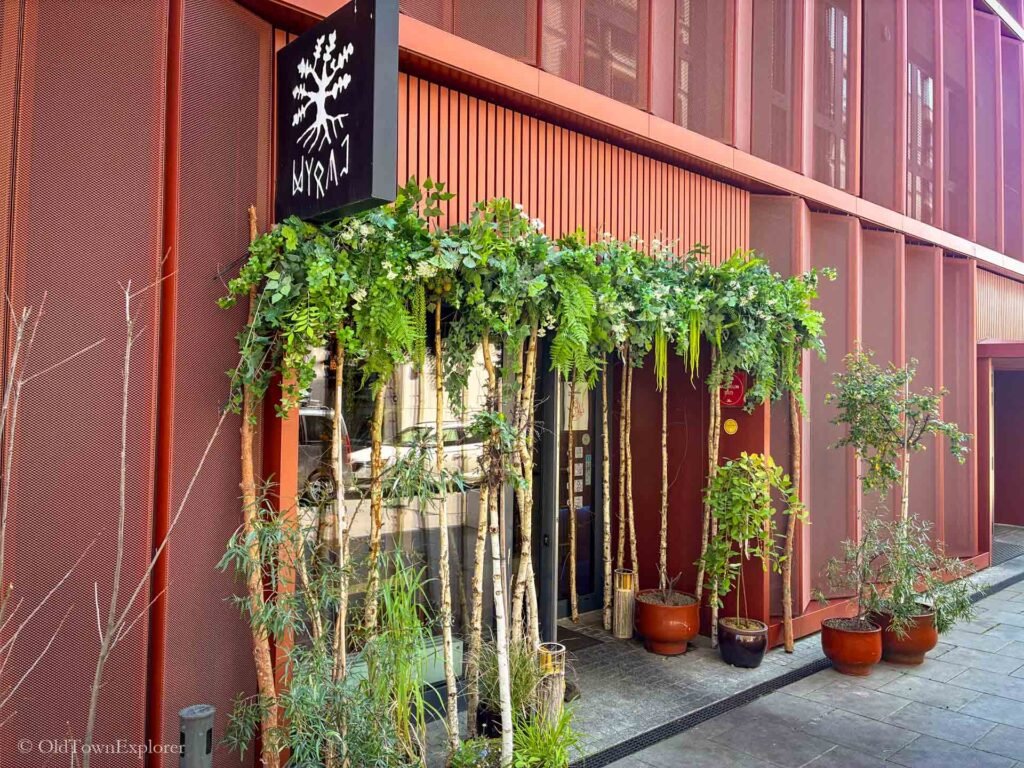
Warsaw is a good city for traditional Polish cooking, milk bars, cafés, and dishes with local names. A first food plan can include pyzy in or near Praga, Warsaw-style herring, żurek, pierogi, tripe, Wuzetka cake, and Wedel chocolate, with one casual milk bar lunch and one traditional restaurant meal.
Our Warsaw Food page introduces the local dishes, restaurants, milk bars, markets, and practical information for eating in the city.
Warsaw Wine
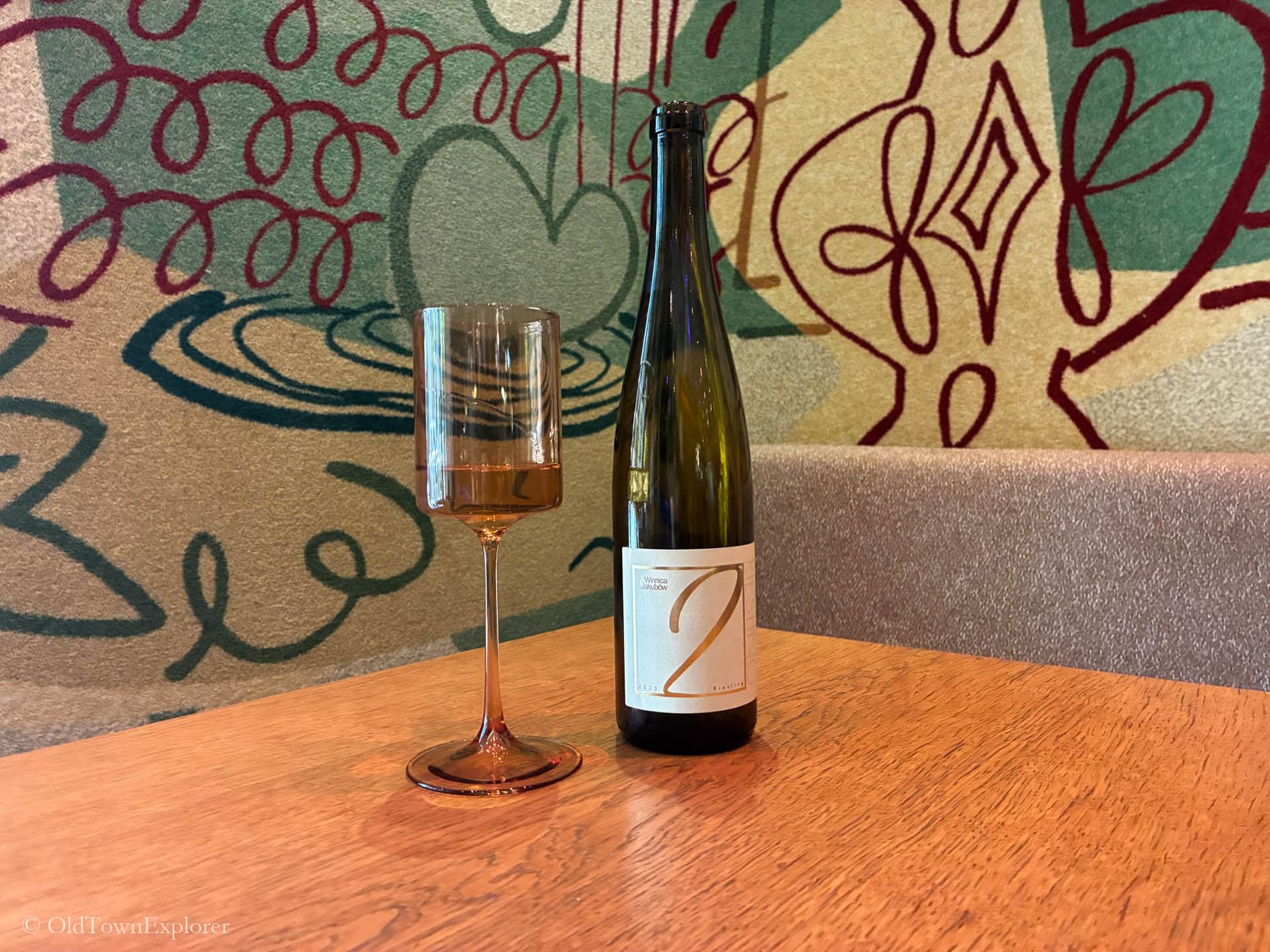
Warsaw is a tasting-base city for wine, not a vineyard town. In the centre, wine usually fits dinner, wine-bar evenings, and shops with Polish and Central European bottles; plan winery travel outside the capital if you want vineyard visits.
Our Warsaw Wine page introduces Polish wines, wine bars, shops, and practical information for drinking wine in the city.
Warsaw Architecture
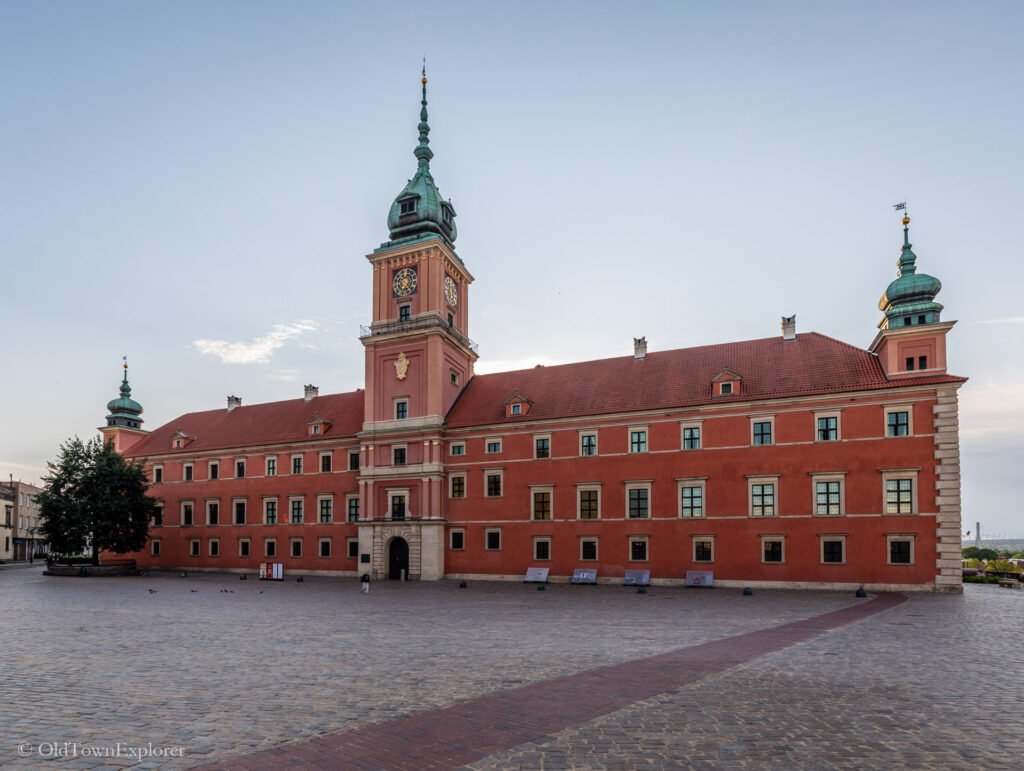
Warsaw architecture starts with the Historic Centre of Warsaw, where the Old Town, churches, palaces, market square, and Royal Castle were rebuilt after World War II. For a first architecture walk, start at Castle Square, cross the Old Town Market Square and Barbican, then continue toward Krakowskie Przedmieście on the Royal Route.
Our Warsaw Architecture page introduces the Old Town, Royal Route, Praga brick streets, the Palace of Culture and Science, and practical information for seeing the city’s architecture.
Where Is Warsaw Located?
Warsaw is in east-central Poland, in the Masovian Voivodeship, on the Vistula River. The Old Town, New Town, Royal Route, Śródmieście, Łazienki, and Wilanów sit on the west side of the river; Praga sits across the bridges on the east side.
The city works well as a starting point, final stop, or rail base on a longer Poland route. Add Warsaw when you want a capital stop with museums, food, wine bars, reconstructed streets, and strong airport or train access rather than only a small historic-center stay.
When Is The Best Time To Visit Warsaw?
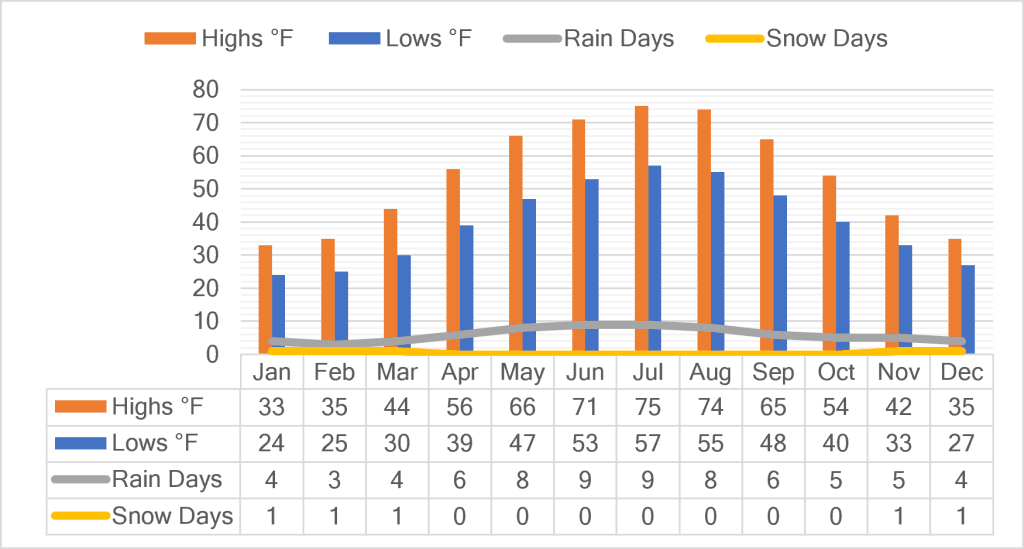
The best time to visit Warsaw is late spring or early fall, especially May, June, September, and early October. Those months give the best balance for Old Town walks, the Royal Route, Łazienki Park, Praga, Vistula evenings, and outdoor meals.
Weather
Warsaw has warm summers, cold winters, and changeable spring and fall days. July and August bring long evenings for the Vistula boulevards, parks, outdoor tables, and summer events, but central hotels and Old Town streets can feel busier.
Winter shifts the trip toward cafés, restaurants, museums, churches, and shorter walks. Pack for cold weather if Łazienki Park, Praga streets, and Vistula paths are still part of the plan.
Shoulder Season
May, June, September, and early October are the easiest months for a first Warsaw trip. Castle Square, the Royal Route, Praga walks, and river time are easier to plan when daylight is still useful and summer heat is less likely to shape the day.
Best Value
Late fall and late winter can bring better lodging value away from holiday dates. Choose those months if museums, cafés, restaurants, wine bars, and shorter architecture walks matter more than long park afternoons.
Best Places to Stay In Warsaw
The main first-time stay decision in Warsaw is Old Town edge versus Śródmieście. The Old Town edge gives more evening character; Śródmieście gives easier trains, metro rides, shopping, and cross-city movement.
Hotels and Apartments in Warsaw
Stay near the Old Town edge if Castle Square, New Town, the Royal Route, cafés, and evening walks are the trip’s priority. Avoid sleeping directly on the busiest Old Town squares if quiet nights and easier luggage movement matter.
Stay in Śródmieście if Warszawa Centralna, metro access, museums, Nowy Świat, the Palace of Culture and Science, and cross-city logistics matter more. Praga can suit longer stays or repeat visits, but first-time visitors usually get better balance from the west-bank centre and visit Praga by tram, metro, bus, or taxi.
Use the map below to compare hotels and apartments near the Old Town edge, Śródmieście, Warszawa Centralna, Nowy Świat, and Praga, then choose a location that fits your walking, transit, luggage, and sightseeing plans.
Other Things to Know About Warsaw
These practical details affect airport arrival, train access, money, phone data, electricity, and whether a rental car belongs in your Warsaw plan.
Wroclaw Airport
Warsaw Chopin Airport is the main airport for most visitors and sits closer to the city centre. Warsaw Modlin Airport can matter for some low-cost flights, but it sits farther northwest, so check the airport name before choosing a hotel or transfer.
Train Station
Warsaw has three large long-distance railway stations: Warszawa Centralna, Warszawa Zachodnia, and Warszawa Wschodnia. Warszawa Centralna is usually the easiest station for first-time visitors staying in Śródmieście or near the Palace of Culture and Science; check current long-distance train times with PKP Intercity before departure.
Time Zone
Warsaw uses Central European Time (CET; UTC+1:00) and Central European Summer Time (CEST; UTC+2:00), the same time system used elsewhere in Poland.
Currency
Poland uses the Polish złoty (PLN), not the euro. Cards are common in central Warsaw, but cash is still useful for markets, small bakeries, cloakrooms, lockers, and older casual restaurants.
Language
Polish is the main language in Warsaw. English is common in central hotels, major museums, airport services, and many restaurants, but markets, bakeries, taxis, and small shops are easier with the Polish spelling of streets, stations, and districts.
Visa Requirements for Poland
Poland is in the Schengen Area, so many short visits follow Schengen rules rather than Warsaw-specific rules. For current Schengen visa rules, use the European Commission’s official Schengen visa policy page. For longer itineraries, the official Schengen short-stay calculator can help check the 90/180-day limit.
For more information on visa-free travel in Poland, check out our article on traveling visa-free.
Electricity in Poland
Poland uses 230V electricity at 50Hz. The main socket type is Type E, which has two round pins and a grounding pin. Travelers from North America usually need a plug adapter, and some older devices may also need a voltage converter.
Most modern phone, laptop, tablet, and camera chargers are dual voltage, but check the label before plugging in. Devices marked 100–240V usually need only the correct adapter.
SIM Cards in Poland
Prepaid SIM cards in Poland must be registered before activation. Visitors buying a local SIM card should expect to show a passport or another accepted identity document at the time of registration.
An eSIM can be easier for short stays if your phone supports it, especially when you want data ready before arrival. A local Polish SIM may be better for longer stays, heavier data use, or trips that include smaller towns outside the main tourist route.
Car Rental
Do not rent a car for central Warsaw. The Old Town, Śródmieście, Praga, Łazienki Park, and the Royal Route are easier by walking, metro, tram, bus, or taxi; consider a car only for smaller towns or countryside stops outside the city.
FAQs About Warsaw
Is Warsaw worth visiting?
Yes. Warsaw is worth visiting if you want a Polish capital with a reconstructed Old Town, royal palaces, Praga brick streets, 20th-century museums, Vistula river walks, Polish food, and wine bars. It works best with at least three nights rather than a quick overnight stop.
What is Warsaw known for?
Warsaw is known for the reconstructed Old Town, the Royal Castle, the Royal Route, Łazienki Park, Wilanów Palace, Praga, the Vistula boulevards, and the Palace of Culture and Science. Food travelers should also know pyzy, Wuzetka, Warsaw-style herring, żurek, pierogi, and Wedel chocolate.
How many days do you need in Warsaw?
Two full days is the minimum for the Old Town, Royal Route, Łazienki Park, and one major museum. Three nights is better for Praga, the Vistula, wine bars, and a slower food plan. Four nights or more lets you add Wilanów without rushing across a spread-out city.
What is the historic center of Warsaw?
The historic center is the reconstructed Old Town around Castle Square, the Royal Castle, Old Town Market Square, churches, city walls, and nearby New Town streets. It is the best first walk in Warsaw, but it is only one part of the city.
Is Warsaw walkable?
Warsaw is walkable by district, not as one small old town. Walk the Old Town and New Town together, walk the Royal Route in sections, and use metro, tram, bus, or taxi for longer jumps to Praga, Wilanów, or outlying hotel areas.
Where should first-time visitors stay in Warsaw?
First-time visitors should usually stay near the Old Town edge or in Śródmieście. The Old Town edge is better for evening walks, cafés, and reconstructed streets, while Śródmieście is better for Warszawa Centralna, metro access, museums, shopping, and cross-city logistics.
What food should I try first in Warsaw?
Start with pyzy, Wuzetka, żurek, pierogi, Warsaw-style herring, borscht, tripe, and Wedel chocolate. Warsaw Food compares those dishes with milk bars, markets, restaurants, and menu terms before you choose where to eat.
Is Warsaw a good city for wine?
Warsaw is good for wine bars and Polish bottles, but it is not a vineyard city. Choose the capital for Polish wine by the glass, Central European labels, and restaurant pairings, then use Warsaw Wine to decide whether a wine bar, shop, or wider Polish wine route fits your trip.
What architecture should I prioritize in Warsaw?
Prioritize the Old Town and Royal Castle first, then follow the Royal Route toward churches, palaces, university buildings, Łazienki, and Wilanów. Warsaw Architecture is the better place to sort the Old Town, Royal Route, Praga, and Palace of Culture and Science into a walking plan.
Does Warsaw have a train station?
Yes. Warszawa Centralna is the most practical station for many visitors because it sits in Śródmieście near the Palace of Culture and Science. Warszawa Zachodnia and Warszawa Wschodnia also matter for some rail, bus, and cross-city connections.
When is the best time to visit Warsaw?
May, June, September, and early October are the best months for most Warsaw trips. Summer gives long evenings and riverside time, while winter works better for museums, cafés, restaurants, and illuminated streets than for long outdoor walks.
Can you visit Krakow, Gdansk, or Wroclaw from Warsaw?
Warsaw pairs well with Krakow, Gdansk, and Wroclaw on a longer Poland route. Plan them as separate city stops rather than quick same-day add-ons if you want time for old towns, food, architecture, and evening walks in each place.
Warsaw Blog Posts
28 Pros and Cons of Living in Warsaw, Poland
Explore Life in Warsaw: Pros & Cons of Living in Poland’s Capital Warsaw is Poland’s capital, spread across both banks of the Vistula River. The pros and cons of living in Warsaw depend on how much you value restaurant choice, city...