
Romania Wine
Explore Romania Wine: Wine Regions & Grape Varieties
Romania wine is easiest to approach through its seven official wine regions and native grape varieties. Fetească Neagră leads the red side, while Fetească Regală, Fetească Albă, and Tămâioasă Românească give Romanian white wine a distinctive vocabulary of its own.
Transylvania is a strong starting point for dry whites and sparkling wine, while Moldova adds native whites, aromatic wines, and Cotnari. Dealu Mare is the clearest red-wine destination, and Drăgășani adds Crâmpoșie Selecționată, Negru de Drăgășani, and Novac. Dobrogea shifts toward warmer vineyards between the Danube and Black Sea.
We spent extended time in Romania, including month-long stays in Brasov and Sighisoara. Those stays gave us a practical base for learning which Romanian grapes to recognize, how the major regions differ, what DOC and IG mean on labels, and when winery tasting requires a separate trip.
Romania Wine at a Glance
Romania combines native grapes with familiar international varieties across seven official wine regions, from the cooler Transylvanian Plateau to the warmer vineyards of Dobrogea and the Danube.
Key wine points:
- Best starting points: Transylvania for white and sparkling wine, Dealu Mare for reds, Moldova for native whites and sweet wines, and Drăgășani for distinctive Romanian grapes.
- Main wine regions: Transylvanian Plateau, Moldovan Hills, Muntenia and Oltenia Hills, Banat, Crișana and Maramureș, Dobrogea, and the Danube Terraces.
- Main grapes: Start with Fetească Neagră, Fetească Regală, Fetească Albă, Tămâioasă Românească, Grasă de Cotnari, and Crâmpoșie.
- Key wine styles: Dry whites, structured reds, aromatic wines, rosé, traditional-method sparkling wines, and sweet or late-harvest wines all have a meaningful place in Romania.
- Label cues: Look for the grape, region, producer, sweetness level, and DOC or IG designation before worrying about individual winery names.
- Tasting: Brasov and Sighisoara work well for trying Romanian wine in town; rural winery visits are better treated as planned outings because visitor policies differ by producer.
For a first tasting, compare a Fetească Neagră red, a Fetească Regală or Fetească Albă dry white, an aromatic Tămâioasă Românească, and either a Romanian sparkling or sweet wine.
Wine Regions in Romania
Romania’s official wine framework divides the country into seven viticultural regions. The useful travel distinction is broader than the legal names: Transylvania leans toward cooler whites and sparkling wines, Moldova has an unusually strong native-white tradition, Muntenia and Oltenia include the country’s major red-wine and native-grape areas, and the southern and western regions broaden the range further.
Transylvanian Plateau Wine
The Transylvanian Plateau is the clearest Romanian region for cooler-climate white wines and sparkling wine. Târnave is particularly important, while the wider plateau also includes smaller historic vineyard areas.
- DOC, subdesignation, and IG names: Târnave, Jidvei, Alba Iulia, Aiud, Sebeș-Apold, Lechința, and Dealurile Transilvaniei
- Main grapes: Fetească Regală, Fetească Albă, Sauvignon Blanc, Chardonnay, Riesling, Pinot Gris, Muscat Ottonel, Traminer, and Gewürztraminer
- Styles to try: Dry whites, aromatic whites, sparkling wines, fresh rosé, and lighter blends
- Tasting bases: Sighisoara for Târnave-area bottles and Brasov for a broader in-town Romanian wine selection
Transylvania is a natural first choice when white or sparkling wine matters more than a red-wine winery route. For practical in-town tasting, see Sighisoara Wine and Brasov Wine.
Moldovan Hills Wine
The Moldovan Hills stretch across eastern Romania and contain many of the country’s most recognizable native white-wine names. Cotnari, Huși, Odobești, and Panciu lead to very different bottle choices, from sweet and aromatic wine to fresh dry whites and sparkling wine.
- DOC and IG names: Cotnari, Iași, Huși, Bohotin, Odobești, Panciu, Cotești, Nicorești, Dealul Bujorului, Dealurile Tutovei, Dealurile Moldovei, and Dealurile Vrancei
- Main grapes: Grasă de Cotnari, Fetească Albă, Fetească Regală, Tămâioasă Românească, Galbenă de Odobești, Șarbă, Busuioacă de Bohotin, Sauvignon Blanc, Muscat Ottonel, and Riesling
- Styles to try: Dry whites, aromatic whites, sweet Cotnari wines, rosé, sparkling wines from Panciu, and regional blends
Moldova deserves attention when native white grapes, aromatic wines, or sweet wine are a bigger priority than structured reds.
Muntenia and Oltenia Hills Wine
Muntenia and Oltenia contain several of Romania’s most important wine areas. Dealu Mare is the clearest destination for Fetească Neagră and structured red blends, while Drăgășani stands apart for native grapes that are much less common elsewhere.
- DOC and IG names: Dealu Mare, Drăgășani, Sâmburești, Ștefănești, Mehedinți, Banu Mărăcine, Segarcea, Pietroasa, Dealurile Munteniei, and Dealurile Olteniei
- Main red grapes: Fetească Neagră, Negru de Drăgășani, Novac, Băbească Neagră, Merlot, Cabernet Sauvignon, Pinot Noir, Syrah, and Cabernet Franc
- Main white grapes: Crâmpoșie Selecționată, Fetească Regală, Fetească Albă, Sauvignon Blanc, Chardonnay, Muscat Ottonel, and Tămâioasă Românească
- Styles to try: Dealu Mare reds, Drăgășani native-grape wines, southern whites, rosé, and structured blends
Start with Dealu Mare when red wine is the priority. Choose Drăgășani when Crâmpoșie Selecționată, Negru de Drăgășani, and Novac are the reason for the wine trip.
Banat Wine
Banat sits in western Romania near Serbia and Hungary. Recaș is the most familiar name, but the broader region produces white, red, rosé, and sparkling wines from both Romanian and international grapes.
- DOC, subdesignation, and IG names: Banat, Recaș, Silagiu, Viile Timișului, and Viile Carașului
- Main grapes: Fetească Regală, Fetească Albă, Sauvignon Blanc, Chardonnay, Muscat Ottonel, Pinot Noir, Merlot, Cabernet Sauvignon, Syrah, and Cadarcă
- Styles to try: Dry whites, rosé, international-variety reds, sparkling wines, and blends
Banat works particularly well when you want Romanian grapes and familiar international varieties from the same western wine region.
Crișana and Maramureș Wine
Crișana and Maramureș cover Romania’s northwestern wine country. Miniș and the wider Crișana area bring a stronger Central European influence and grapes that appear less often in the better-known southern regions.
- Protected names and route areas: Crișana, Miniș, Diosig, Șimleu Silvaniei, Valea lui Mihai, Dealurile Crișanei, Dealurile Zarandului, and Dealurile Sătmarului
- Main grapes: Cadarcă, Mustoasă de Măderat, Fetească Regală, Fetească Albă, Riesling, Traminer, Pinot Noir, Merlot, Cabernet Sauvignon, and Muscat Ottonel
- Styles to try: Western Romanian reds, dry whites, aromatic whites, sparkling wines, and Central European-style bottles
This region makes the most sense as part of a western Romania wine route rather than as the default starting point for a first Romanian tasting.
Dobrogea Wine
Dobrogea lies between the Danube and Black Sea. Its warmer, drier conditions support reds, whites, rosé, aromatic wines, and dessert styles that contrast clearly with Transylvania.
- Protected names and route areas: Murfatlar, Sarica-Niculițel, Babadag, Istria-Babadag, Adamclisi, and Colinele Dobrogei
- Main grapes: Fetească Neagră, Cabernet Sauvignon, Merlot, Pinot Noir, Syrah, Sauvignon Blanc, Chardonnay, Muscat Ottonel, Fetească Regală, and Tămâioasă Românească
- Styles to try: Warm-climate reds, dry whites, rosé, aromatic wines, dessert wines, and regional blends
Dobrogea is the natural wine region to add to a route through Constanța, Tulcea, the Danube Delta, or the Black Sea coast.
Danube Terraces Wine
The Danube Terraces form the seventh official region and follow the lower Danube toward the Bulgarian border. Warmer conditions favor reds, rosé, fuller dry whites, and aromatic varieties.
- Protected names and route cues: Oltina, Însurăței, Adamclisi in neighboring Dobrogea, Terasele Dunării, and the Ostrov producer area
- Main grapes: Fetească Neagră, Merlot, Cabernet Sauvignon, Pinot Noir, Sauvignon Blanc, Chardonnay, Muscat Ottonel, Fetească Regală, and Tămâioasă Românească
- Styles to try: Southern reds, rosé, fuller dry whites, aromatic whites, and Danube-region blends
Winery tasting along the lower Danube usually works better as a planned driving or arranged-transport day than as an improvised stop.
Grape Varieties in Romania
Romanian labels become much easier to read once you recognize a small group of native grapes and know where familiar international varieties fit. The existing grape sequence below is preserved, but the distinction between red and white grapes is clearer.
Red Grapes
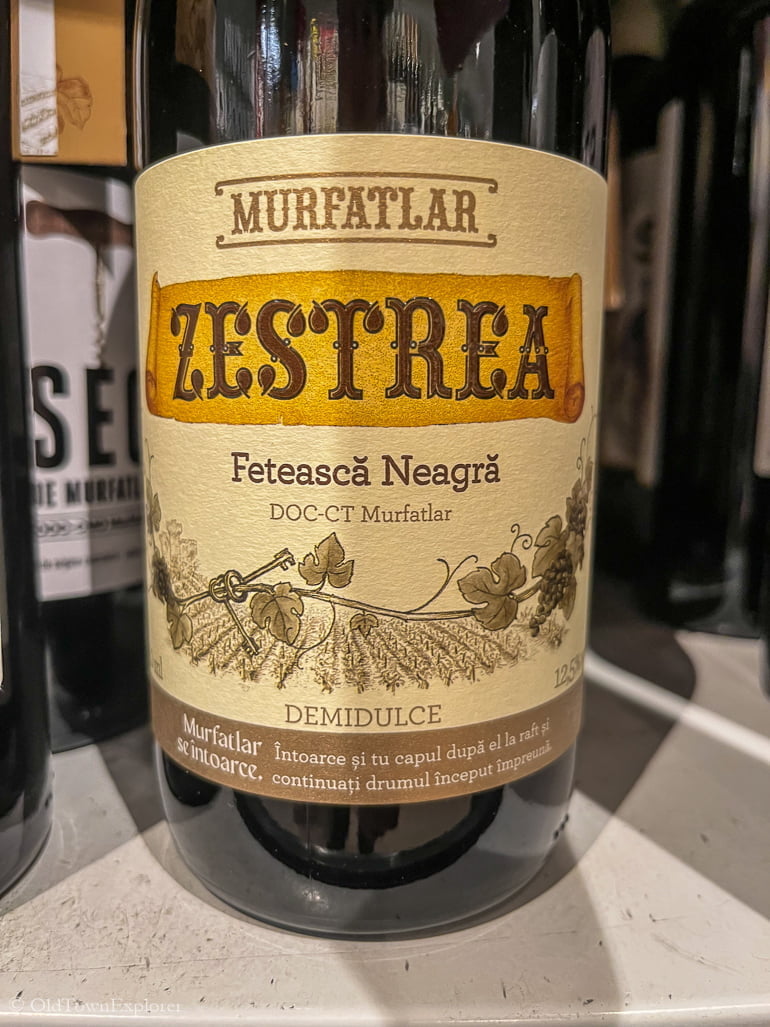
Fetească Neagră
Fetească Neagră is the main Romanian red grape to know first. It appears in Dealu Mare, Moldova, Dobrogea, Muntenia, Oltenia, and several other regions, where it can make dry reds, blends, and fuller restaurant-list bottles.
Expect dark fruit, spice, firm tannin, and enough body for grilled meats, lamb, beef, pork, stews, smoked meats, sarmale, mushrooms, and aged cheese. For a first Romanian red, compare one Fetească Neagră from Dealu Mare with one bottle from Moldova, Dobrogea, or another warm region.
Băbească Neagră
Băbească Neagră is a native red grape linked especially with eastern Romania and Moldova. It is usually lighter and fresher than Fetească Neagră, which makes it a good second red grape after the country’s fuller native reds.
Look for red fruit, moderate tannin, and a food-friendly style that fits sausages, pork, poultry, mushrooms, cabbage dishes, and mixed plates. It is a strong choice when a meal needs a Romanian red without the weight of Cabernet Sauvignon, Merlot, or a structured Dealu Mare blend.
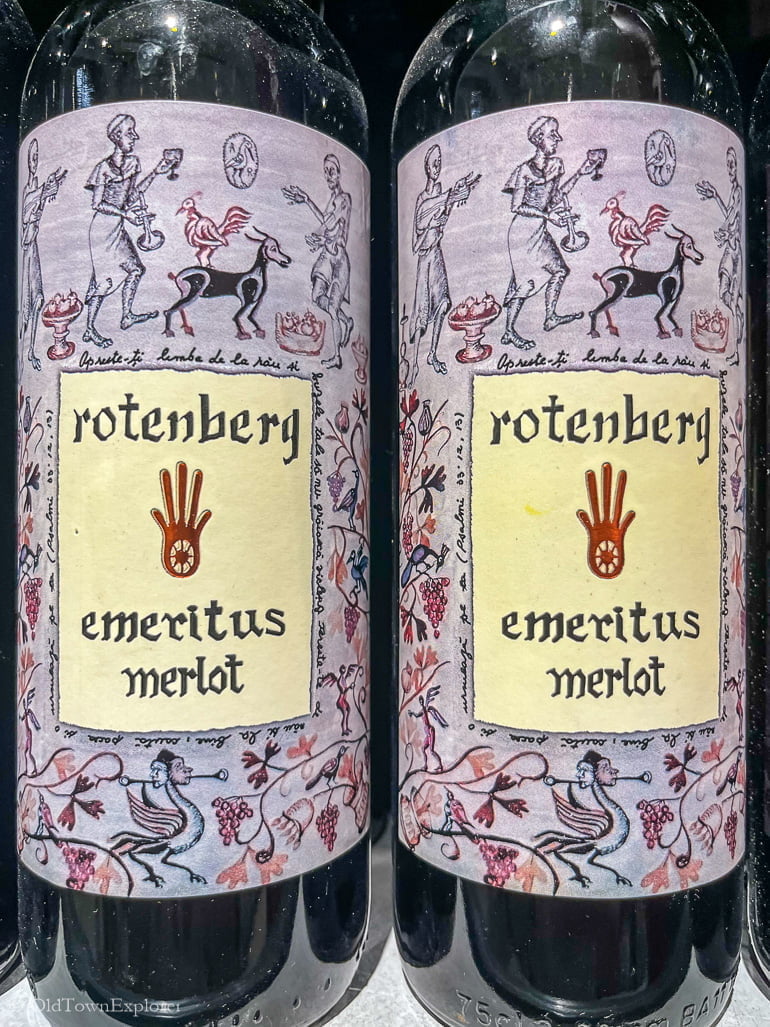
Merlot
Merlot is one of the main international red grapes in Romania. It appears in Dealu Mare, Dobrogea, Banat, Muntenia, Oltenia, and other regions, both as a varietal wine and in blends with Fetească Neagră, Cabernet Sauvignon, Pinot Noir, or Syrah.
Romanian Merlot is often a practical restaurant choice with pork, veal, beef, lamb, tomato-based dishes, grilled meats, stews, and aged cheese. It also gives an easy comparison point for readers who want to taste familiar grapes alongside native Romanian varieties.
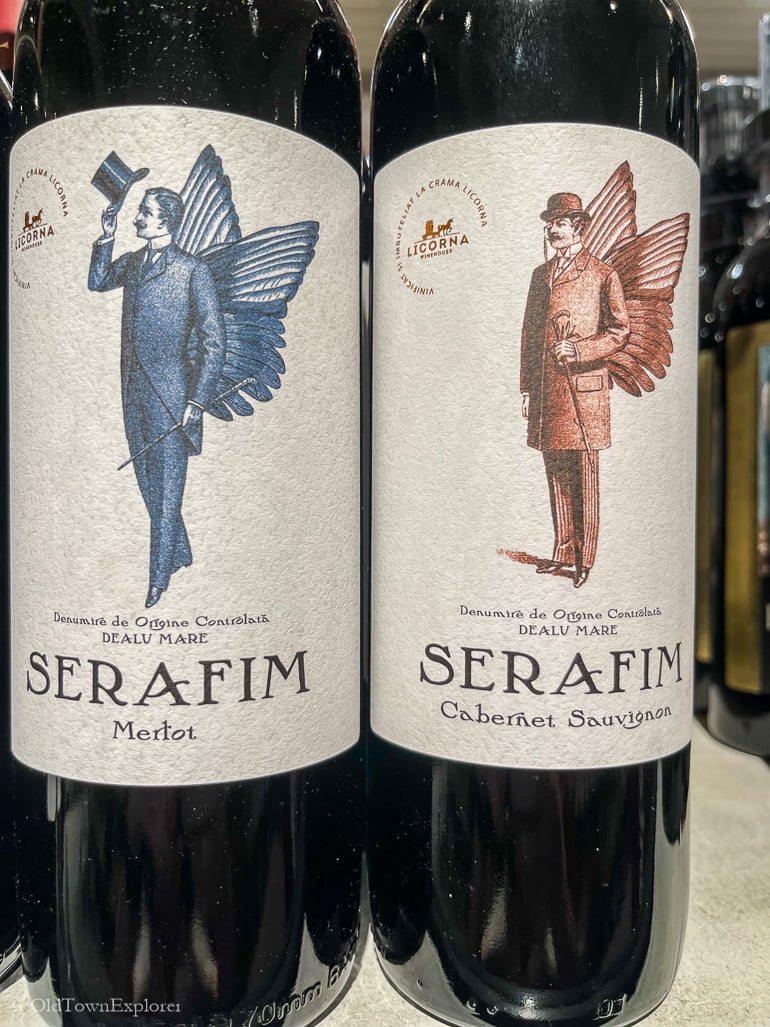
Cabernet Sauvignon
Cabernet Sauvignon is widely used in Romania for structured reds and blends, especially in warmer areas such as Dealu Mare, Dobrogea, Banat, Muntenia, Oltenia, and the Danube Terraces. It often appears beside Merlot, Fetească Neagră, Syrah, or Cabernet Franc.
Choose Cabernet Sauvignon or a Cabernet-based blend with beef, lamb, grilled meats, stews, smoked meats, aged cheese, and heavier winter dishes. It is a better match for meat-focused meals than for lighter fish, cheese, or vegetable dishes.
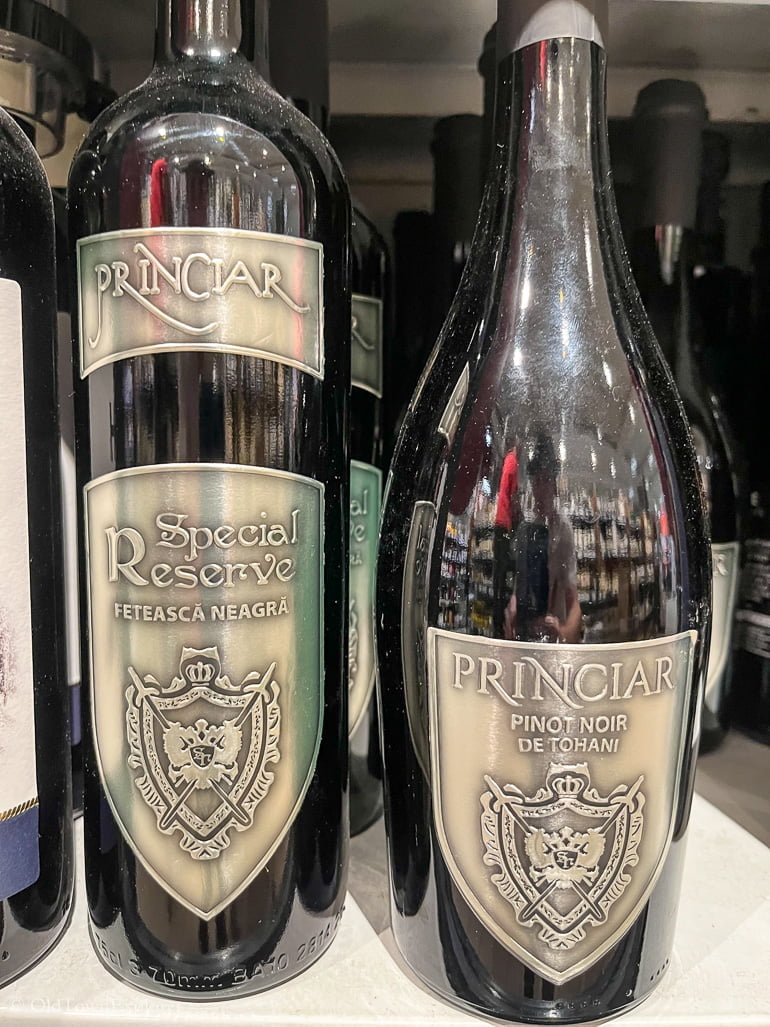
Pinot Noir
Pinot Noir appears in cooler Romanian sites and producer-led bottlings, including Transylvania and selected areas of Dealu Mare, Banat, and Dobrogea. It gives a lighter red-wine option than Fetească Neagră, Merlot, or Cabernet Sauvignon.
Look for red fruit, lower tannin, and a style that fits poultry, duck, pork, mushrooms, beet dishes, lighter grilled meats, and cheese. Pinot Noir is a good Romanian red to try when the table includes mixed dishes rather than one heavy meat course.
White Grapes
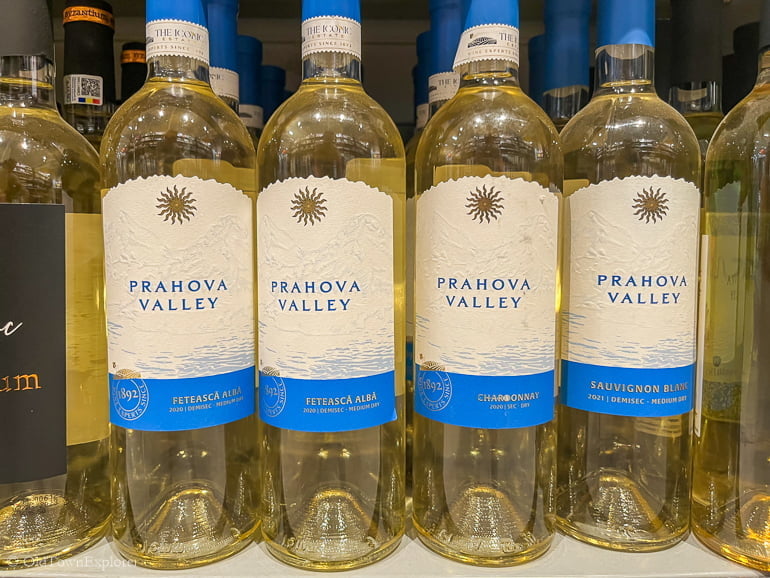
Fetească Albă
Fetească Albă is one of Romania’s main native white grapes. It appears in Moldova, Transylvania, Muntenia, Dobrogea, and other regions, where it is used for dry whites, blends, and some sparkling wines.
Expect fresh acidity, light body, citrus, orchard fruit, flowers, and a clean finish rather than heavy texture. It fits fish, white cheese, poultry, salads, vegetable dishes, soups, and lighter restaurant meals.
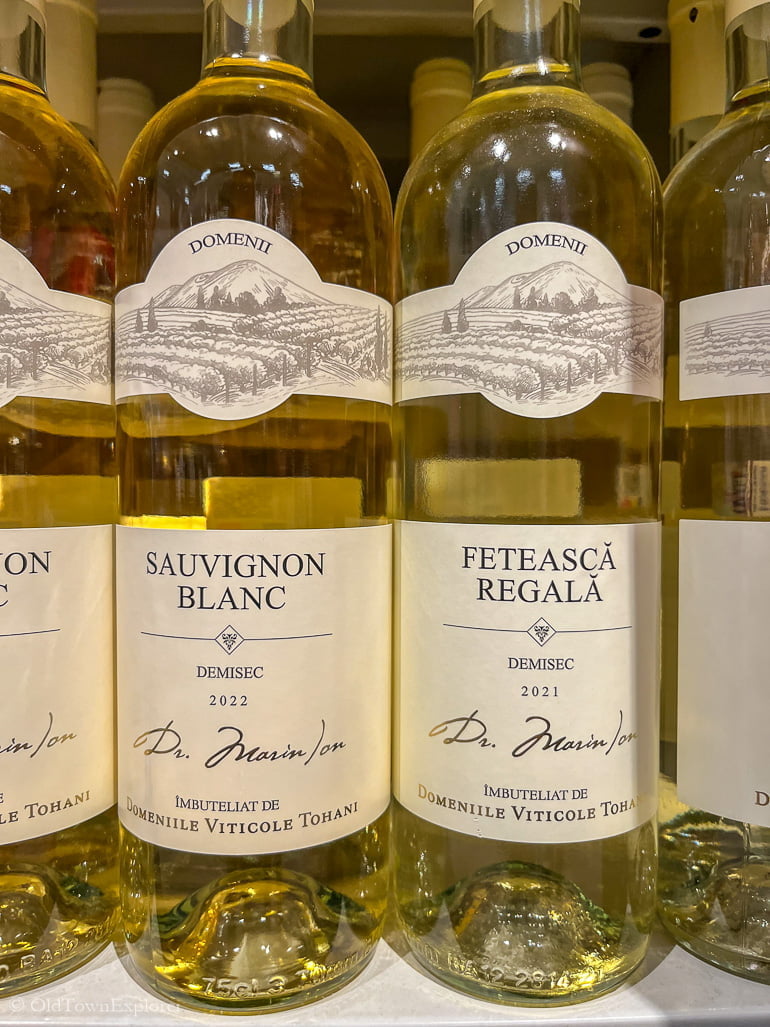
Fetească Regală
Fetească Regală is one of Romania’s most widely planted native white grapes and is especially important in Transylvania. It is used for dry whites, blends, sparkling wines, and everyday food wines.
Look for fresh acidity, green apple, citrus, pear, flowers, and a straightforward dry-white profile. It pairs well with fish, pork, poultry, cheese, vegetables, fried foods, appetizers, and casual restaurant dishes.
Crâmpoșie
Crâmpoșie is an old Romanian white grape closely tied to Drăgășani. Crâmpoșie Selecționată is the name most likely to appear on modern labels, usually as a dry, fresh white wine.
Expect acidity, citrus, orchard fruit, and a lighter body that fits fish, poultry, cheese, salads, vegetables, and warm-weather meals. It is a strong grape to try when comparing Romanian native whites beyond Fetească Albă and Fetească Regală.
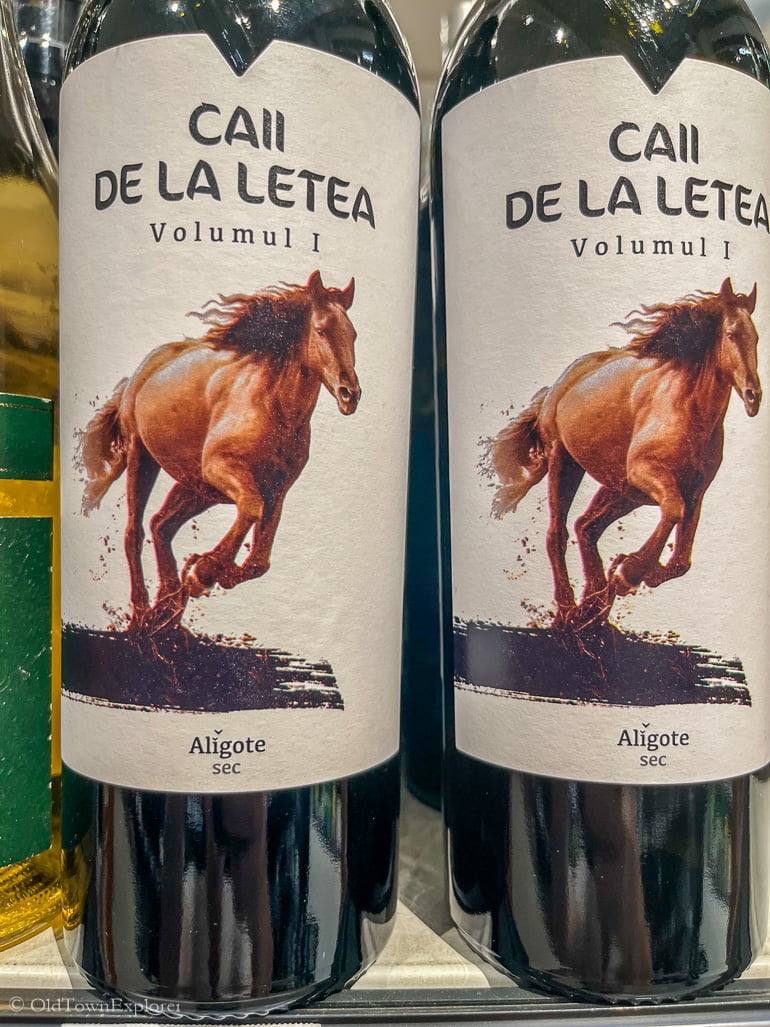
Aligoté
Aligoté is an international white grape with a long presence in parts of Romania, especially in Moldova and other areas where fresh dry whites are common. It is usually lighter, crisp, and direct rather than full-bodied.
Look for citrus, green apple, acidity, and a dry finish. Aligoté fits fish, fried foods, young cheese, salads, vegetables, poultry, and simple restaurant meals that need a fresh white wine.
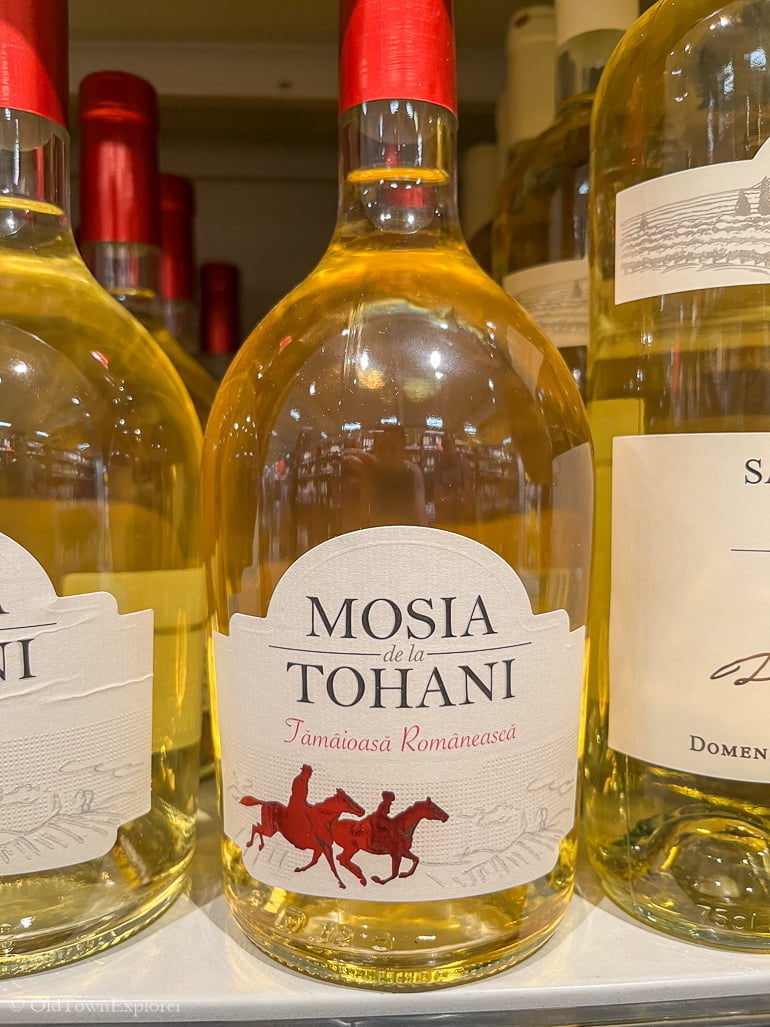
Tămâioasă Românească
Tămâioasă Românească is one of Romania’s main aromatic native grapes. It can be made dry, semi-dry, semi-sweet, sweet, or dessert-style, so sweetness level matters when reading the label.
Expect floral aromas, honey, grape, basil, stone fruit, and spice depending on producer and style. Dry versions can work with cheese, poultry, and spiced dishes, while sweet versions fit blue cheese, fruit desserts, honey, nuts, pastries, and small final courses.

Muscat Ottonel
Muscat Ottonel is an aromatic white grape grown in several Romanian regions, including Transylvania, Moldova, Banat, Dobrogea, and southern areas. It can appear as dry, semi-dry, sweet, or sparkling wine.
Look for floral aromas, orange blossom, grape, peach, apricot, and soft texture. Dry styles fit salads, soft cheese, poultry, and lightly spiced dishes, while sweeter styles fit fruit desserts, pastries, honey, and cheese.
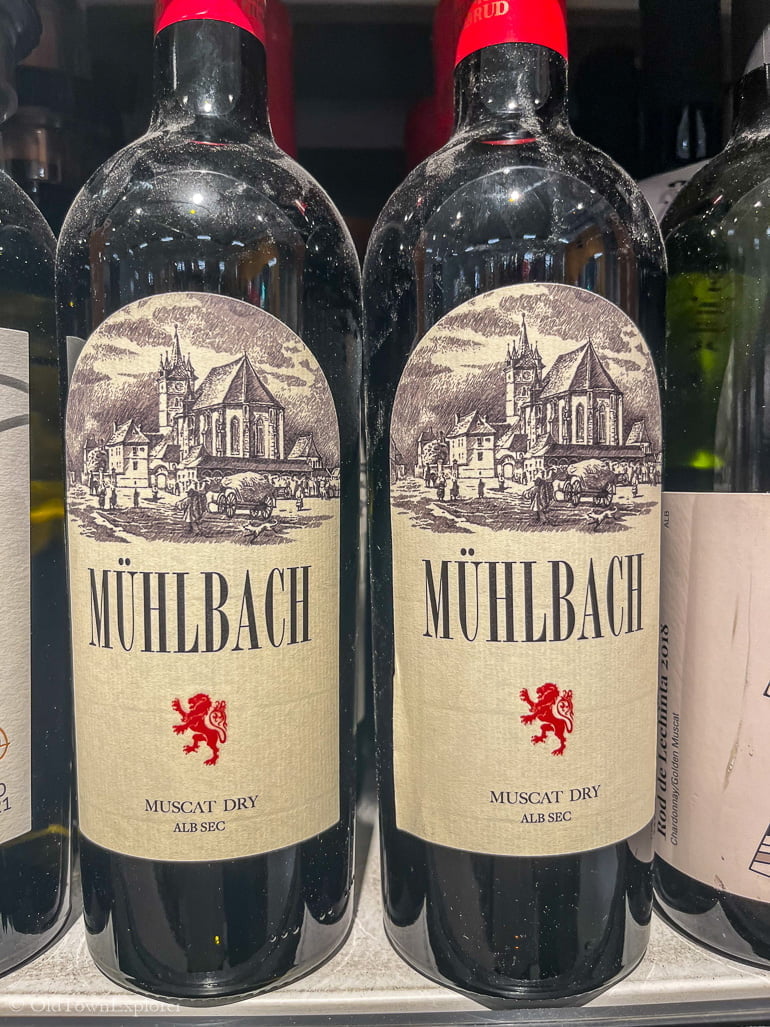
Muscat
Muscat on a Romanian label may refer to aromatic Muscat-family wines rather than one single tasting profile. Check the producer, region, and sweetness level before assuming the wine is dry or sweet.
Most Muscat-style Romanian wines are built around fragrance: flowers, grape, citrus peel, stone fruit, and honey. They pair well with soft cheese, fruit desserts, pastries, nuts, honey desserts, and mild spicy dishes.
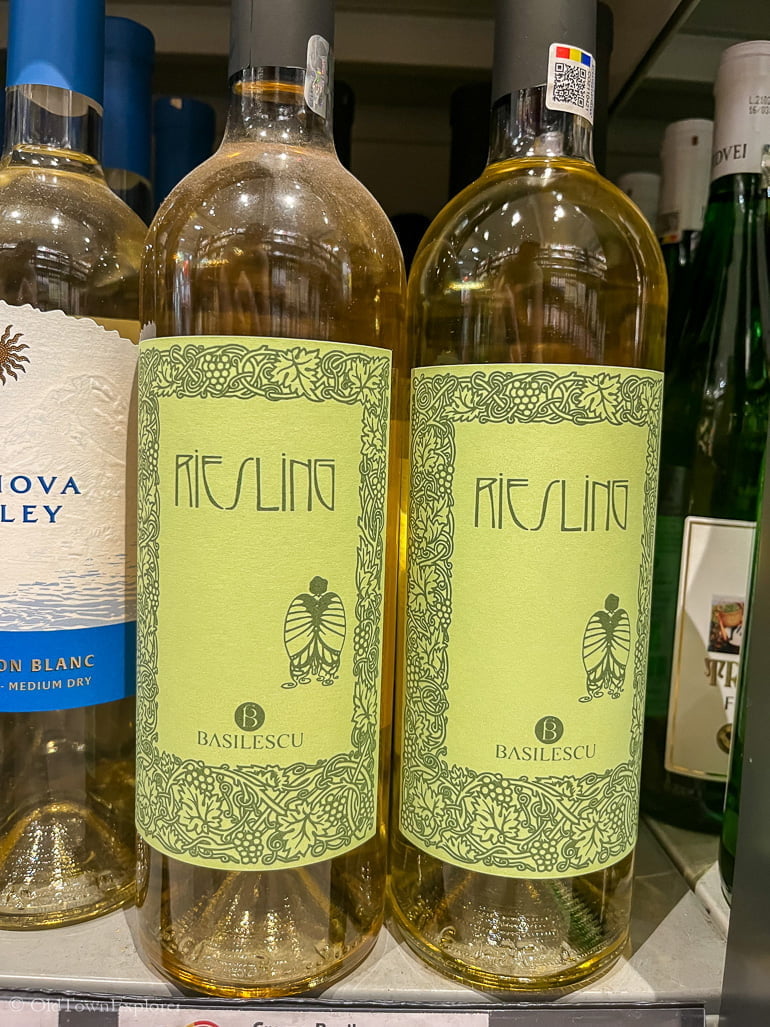
Riesling
Riesling appears in Romania under several label patterns, including Rhein Riesling and Italian Riesling depending on producer and region. It is especially common in cooler areas and white-wine regions such as Transylvania, Moldova, Banat, and selected hill sites.
Romanian Riesling can be dry, semi-dry, or sweeter, so check the label before ordering. Dry bottles fit fish, pork, cheese, salads, poultry, and fried foods, while off-dry or sweeter bottles work better with spice, fruit desserts, and salty cheese.
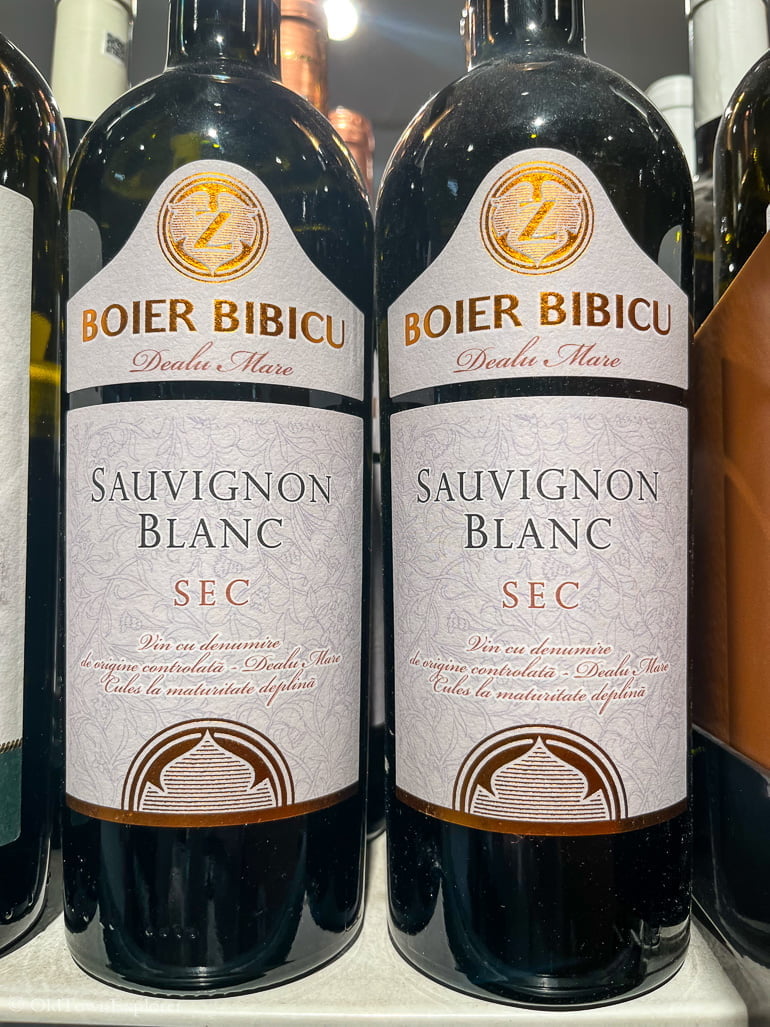
Sauvignon Blanc
Sauvignon Blanc is widely planted in Romania and appears in Transylvania, Moldova, Dealu Mare, Banat, Dobrogea, and other regions. It is one of the easiest international white grapes to find in Romanian restaurants, wine bars, and shops.
Expect citrus, herbs, green fruit, acidity, and a dry profile in most bottles. It fits goat cheese, salads, herbs, fish, vegetables, poultry, and lighter meals, especially when the table needs a familiar dry white wine.
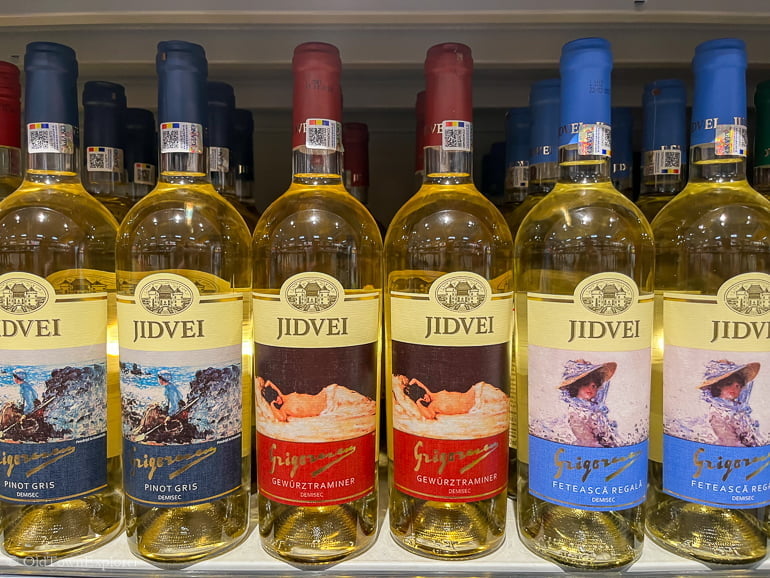
Pinot Gris
Pinot Gris is common in Romanian white-wine regions, especially Transylvania, Moldova, Banat, and selected producer-led sites. It can be made as a fresh dry white or a fuller textured wine depending on region and cellar style.
Look for pear, apple, citrus, melon, and sometimes a rounder body than Fetească Regală or Sauvignon Blanc. It fits fish, poultry, pork, cheese, vegetables, cream sauces, and mixed restaurant plates.
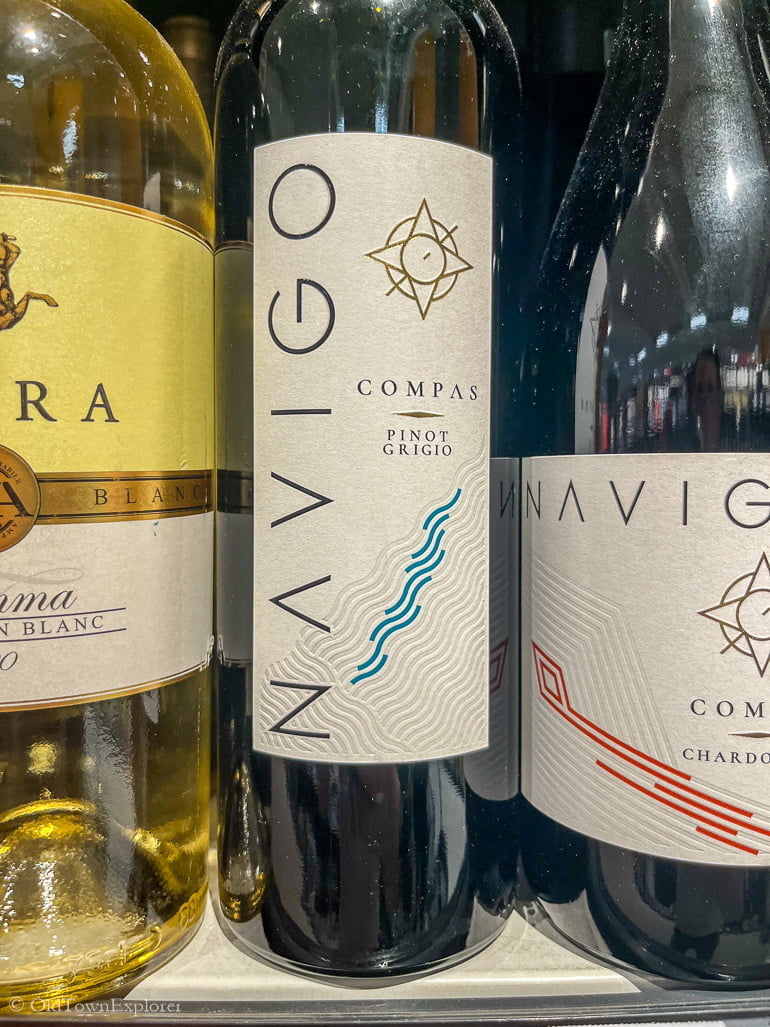
Pinot Grigio
Pinot Grigio is the same grape as Pinot Gris, but the label often signals a lighter, fresher style. In Romania, it may appear as an easy dry white for restaurants, terraces, and warm-weather meals.
Expect citrus, apple, pear, light body, and clean acidity. It pairs with seafood, salads, poultry, white cheese, vegetables, fried foods, and casual meals where a simple dry white is the safest bottle choice.
Chardonnay
Chardonnay is widely planted in Romania and appears in still white wines, blends, and sparkling wines. It is found in Transylvania, Moldova, Dealu Mare, Banat, Dobrogea, and other regions.
Romanian Chardonnay can be fresh and unoaked or fuller and barrel-influenced, so producer style matters. Lighter bottles fit fish, poultry, cheese, and salads, while fuller bottles fit cream sauces, richer seafood, roast chicken, pork, and aged cheese.
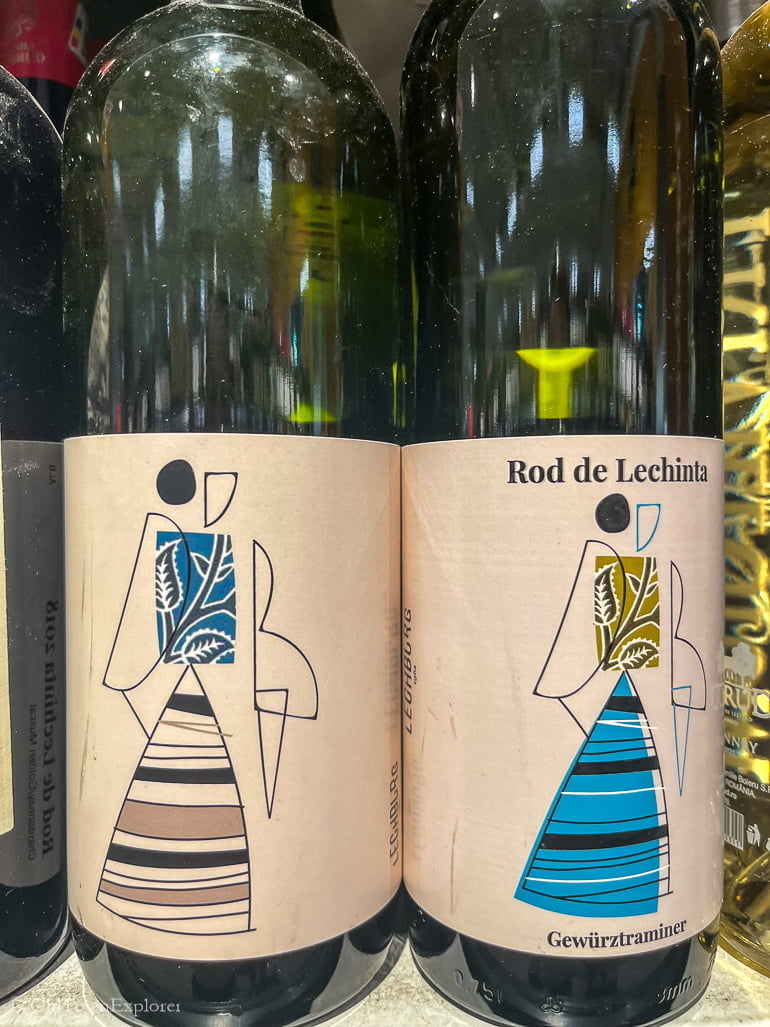
Gewurztraminer
Gewurztraminer appears in Romania mainly through cooler or aromatic-white regions, especially Transylvania and selected producer lists. It is usually chosen for fragrance rather than acidity.
Expect rose, lychee, spice, ripe stone fruit, and a fuller aromatic profile. It fits soft cheese, pork, poultry, mildly spicy dishes, fruit desserts, and aromatic starters, especially when the wine is dry or only lightly sweet.
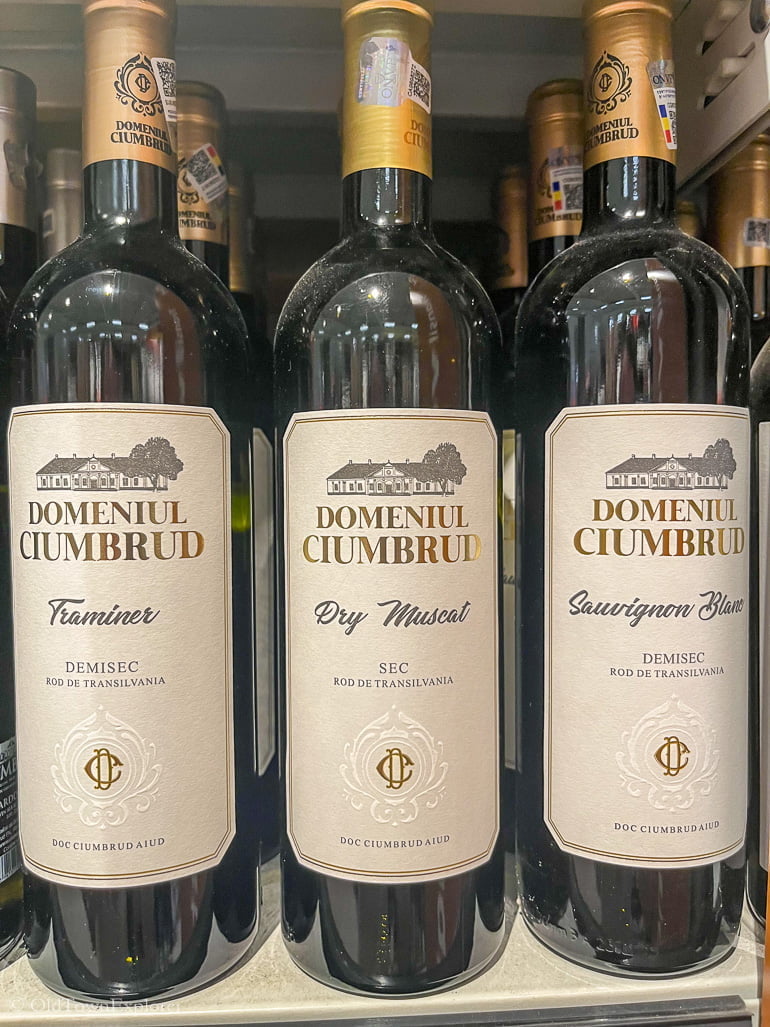
Traminer
Traminer is an aromatic white grape found in Romanian regions such as Transylvania, Moldova, Banat, and selected western sites. It can overlap in style with Gewurztraminer but is not always as intensely perfumed.
Look for flowers, spice, citrus peel, pear, and stone fruit. Traminer fits cheese, poultry, pork, salads with herbs, mildly spiced dishes, and fruit-based desserts when the wine has noticeable sweetness.
Grasă de Cotnari
Grasă de Cotnari is a native Romanian white grape closely tied to Cotnari in Moldova. It is best known for sweet and late-harvest styles, although producer choices can vary.
Expect honey, dried fruit, stone fruit, nuts, and acidity that keeps the wine from feeling flat. It pairs well with blue cheese, walnuts, honey desserts, cozonac, fruit pastries, and small sweet courses.
Galbenă de Odobești
Galbenă de Odobești is a native Romanian white grape from the Odobești area in Moldova. It is usually a regional dry white rather than a widely exported bottle.
Look for citrus, flowers, orchard fruit, moderate body, and fresh acidity. It fits fish, cheese, poultry, salads, vegetables, pork, and Moldovan dishes, and it is a good grape to try when comparing Romania’s local white varieties beyond Fetească Albă and Fetească Regală.
Wine Styles in Romania
Romania is not defined by one wine style. Cooler Transylvania favors fresh whites and sparkling wines, Dealu Mare is strongest for structured reds, Moldova brings aromatic and sweet traditions, and southern regions add warmer-climate reds, rosé, and fuller whites.
Dry White Wines
Dry whites are one of the easiest ways into Romanian wine. Fetească Regală and Fetească Albă appear across several regions, while Crâmpoșie Selecționată points toward Drăgășani and Galbenă de Odobești toward Moldova. Sauvignon Blanc, Riesling, Pinot Gris, and Chardonnay provide familiar comparisons.
Start in Transylvania when freshness and white wine are the priority; move toward Moldova or Drăgășani when regional native grapes matter more.
Red Wines
Fetească Neagră is the central native red, but Romanian red wine ranges from lighter Băbească Neagră and Pinot Noir to structured Merlot, Cabernet Sauvignon, Syrah, and blends. Dealu Mare is the clearest first region for a red-focused tasting.
Drăgășani adds a different native-red vocabulary through Negru de Drăgășani and Novac, while Dobrogea and the Danube side bring warmer-climate styles.
Sparkling Wines
Romania produces both traditional-method and other sparkling wines. Transylvania has an important sparkling tradition, and Panciu in Moldova is another name worth recognizing. Fetească Regală, Fetească Albă, Chardonnay, Pinot Noir, and other grapes may all appear in sparkling blends.
A Romanian sparkling wine is particularly useful when you want to compare the country’s native grapes without committing to either a full-bodied red or an aromatic sweet wine.
Rosé and Aromatic Wines
Rosé appears across many regions from both native and international red grapes. Aromatic wines are a separate strength: Tămâioasă Românească, Muscat Ottonel, Traminer, and Gewürztraminer may be dry, off-dry, or sweet depending on the bottle.
Check sweetness before ordering an aromatic wine with food; the grape name alone does not tell you whether the bottle will be dry.
Sweet and Dessert Wines
Cotnari gives Romania its clearest traditional sweet-wine reference through Grasă de Cotnari and other local grapes. Tămâioasă Românească, Muscat varieties, and Busuioacă de Bohotin also appear in sweeter styles, while late-harvest wines are made in several regions.
Choose these bottles with blue cheese, walnuts, honey desserts, fruit pastries, or a small dessert course rather than treating them as substitutes for the dry whites that dominate many restaurant meals.
Wineries in Romania
Romania’s wineries are spread across very different wine landscapes, from the cooler vineyards of Transylvania and Moldova to Dealu Mare, Drăgășani, Dobrogea, Banat, and the lower Danube. The most useful way to choose a winery is to decide which region, grape, or wine style matters most before selecting an individual producer.
For red wine, start with Dealu Mare or the warmer southern regions. Transylvania is stronger for white and sparkling wine, Moldova adds aromatic and sweet-wine traditions, and Drăgășani is particularly useful for native grapes such as Crâmpoșie Selecționată, Negru de Drăgășani, and Novac. Winery visits vary considerably, so confirm tasting arrangements directly with the producer before making a special trip.
Transylvanian Plateau Region
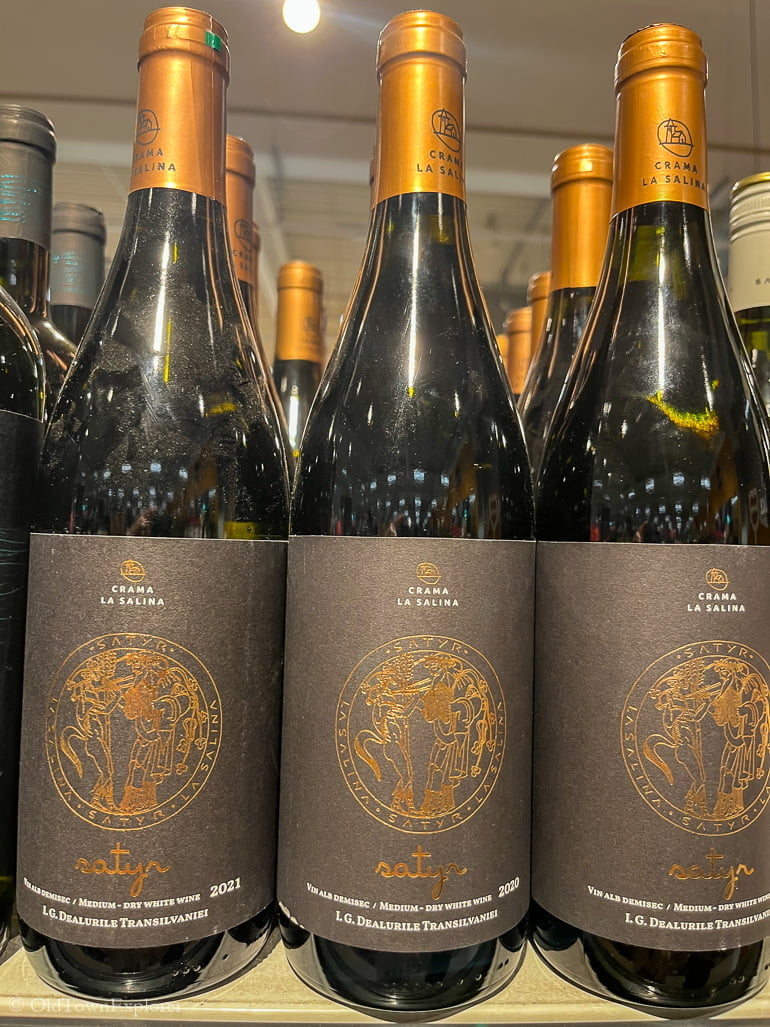
Crama La Salina
- Address: Str. Clujului 88, Turda, Romania
Crama La Salina is a Turda-area winery in Transylvania, a strong place to frame Romanian white wines, local blends, and cellar visits outside the better-known Târnave route. Its bottles fit the page’s Transylvanian section through dry whites, aromatic whites, and food pairings with fish, cheese, poultry, and lighter restaurant dishes.
Crama Jelna
- Address: 4H5P+W8, Jelna, Satu Nou 427042
Crama Jelna adds a northern Transylvanian reference point to the winery list, away from the larger Jidvei and Târnave names. It is a good entry for showing how Romania’s Transylvanian wine map extends through smaller producers and village wineries.
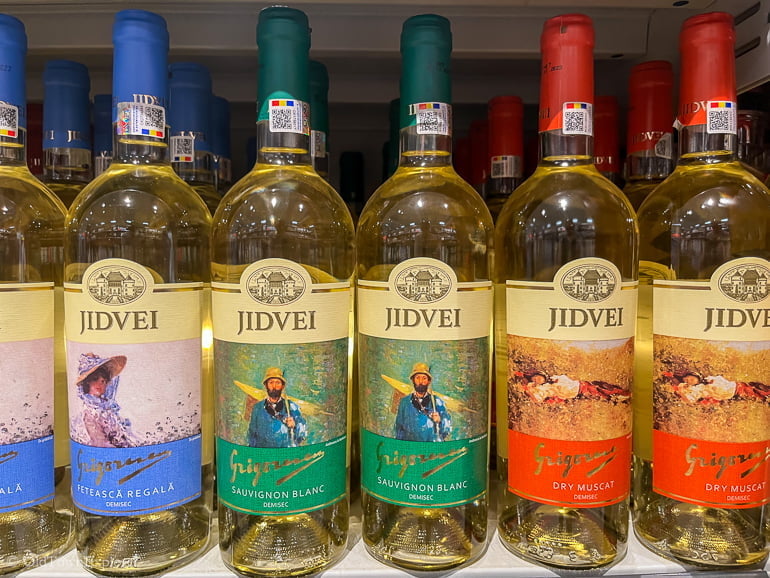
Crama Jidvei
- Address: DJ107, Jidvei 517389, Romania
Crama Jidveiis one of the major names in the Târnave area of Transylvania, especially for white wines and sparkling wines. Look for Fetească Regală, Sauvignon Blanc, Muscat Ottonel, Traminer, Pinot Gris, Riesling, and bottle-fermented sparkling wines when comparing Transylvanian styles.
Crama Teaca
- Address: Teaca 427345
Crama Teaca belongs to the northern Transylvanian side of the Romania wine map. It gives the section another small-producer point between Bistrița-area vineyards, Teaca, and the wider plateau wine route.
Casa de Vinuri Zaig
- Address: DN15A, Teaca 427345
Casa de Vinuri Zaig is another Teaca-area producer and pairs naturally with Crama Teaca in the Transylvanian Plateau section.
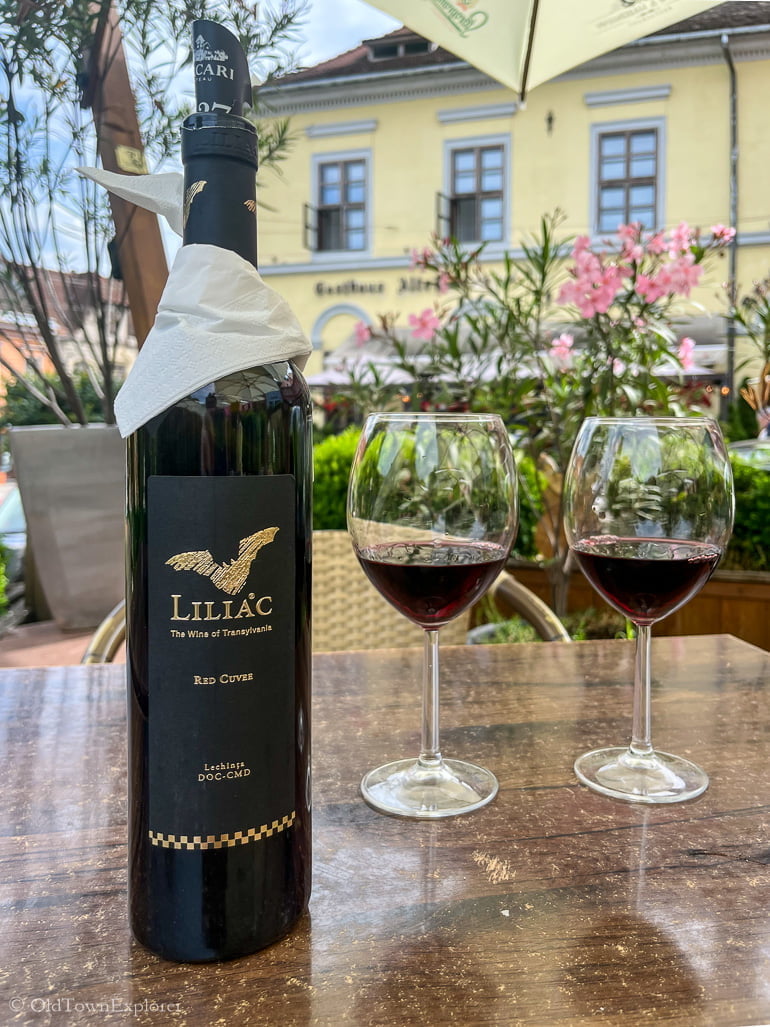
Crama Liliac
- Address: Strada Principala 41, Batoş 547085, Romania
Crama Liliac is a Transylvanian producer from the Lechința area, with red, white, rosé, and dessert wines that broaden the section beyond Târnave. Its bottles are a good comparison point for Fetească Regală, Sauvignon Blanc, Pinot Gris, Pinot Noir, and red blends.
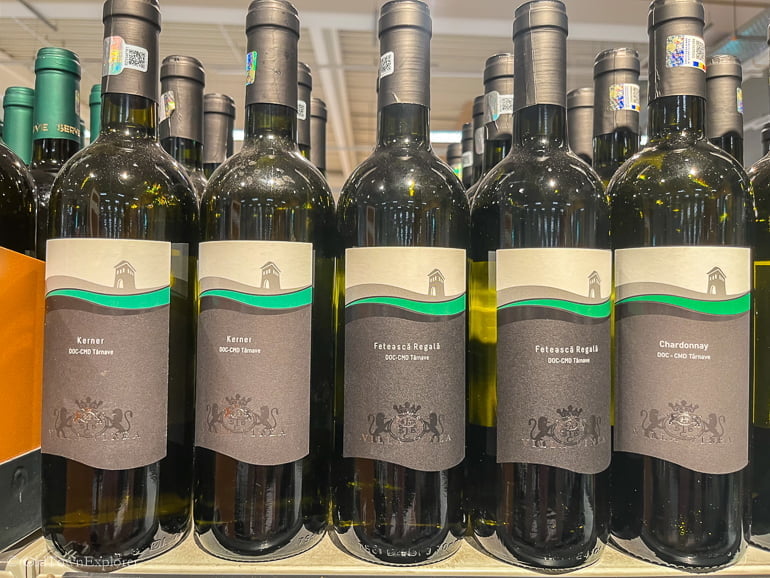
Crama Villa Vinea
- Address: 547400, Romania
Crama Villa Vinea is a Târnave producer near Sighisoara and one of the clearest winery names for a stay in the old town. Look for Transylvanian whites, aromatic grapes, rosé, and lighter reds when comparing Sighisoara-area wine with Brasov or Dealu Mare bottles.
Domenile Boieru
Domenile Boieru is a small-producer in Transylvanian.
Moldovan Hills Region
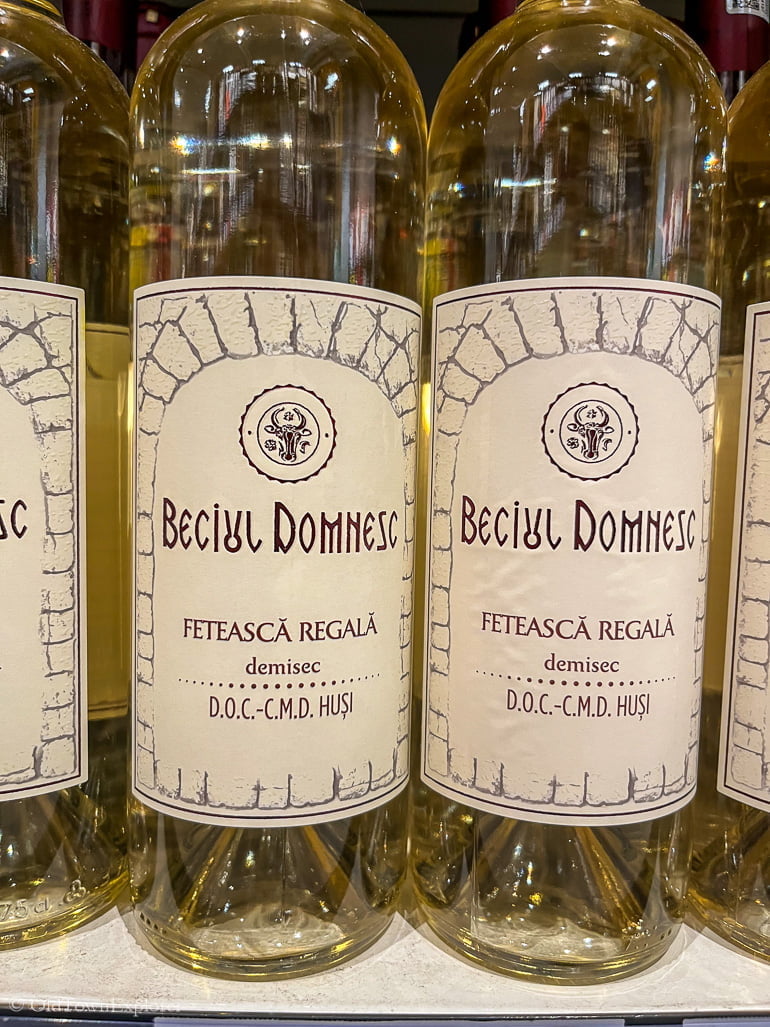
Beciul Domnesc
Beciul Domnesc is tied to Moldovan Hills vineyards such as Cotești, Odobești, Panciu, and Huși. It is a strong name for comparing Fetească Regală, Fetească Albă, Busuioacă de Bohotin, Merlot, Cabernet Sauvignon, and regional Moldovan styles.
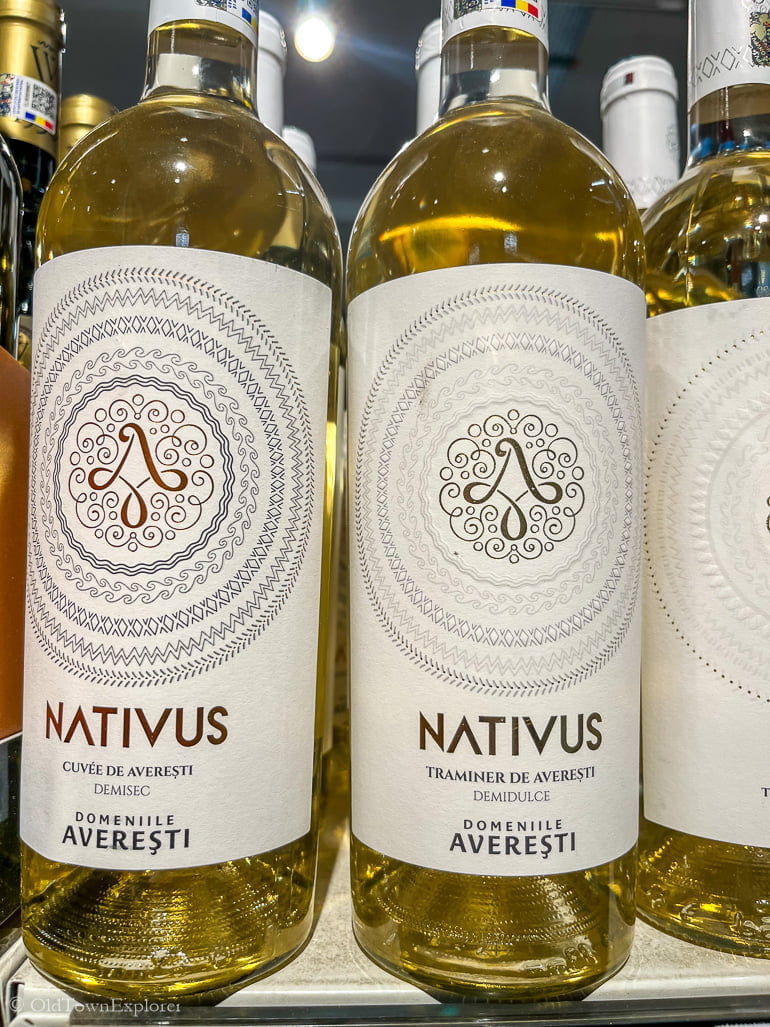
Crama Averesti
Crama Averesti is a Huși-area producer in Moldova, with wines that point toward aromatic whites, native varieties, rosé, and lighter food-pairing bottles. Look for Zghihară, Busuioacă de Bohotin, Fetească Regală, Sauvignon Blanc, Traminer, and rosé when tasting Moldovan Hills wines.
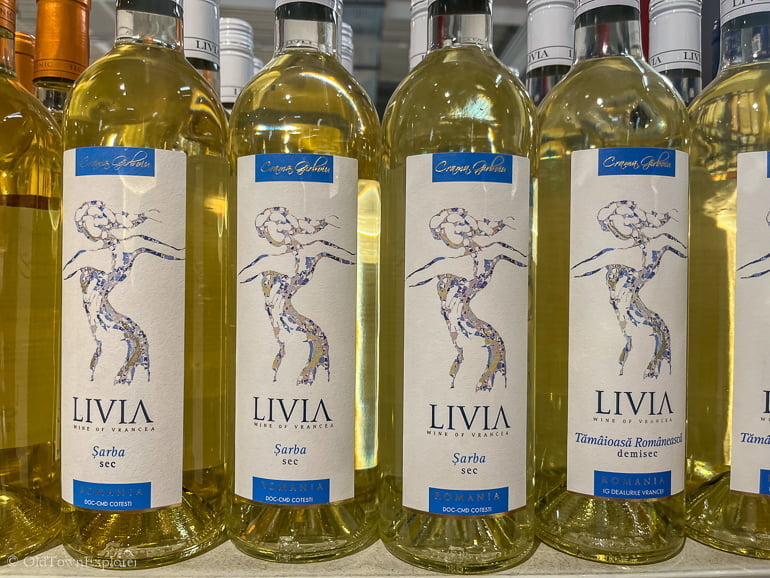
Crama Girboiu
Crama Girboiu is a Vrancea-area producer in the Moldovan Hills, with bottles that work well for comparing native whites, aromatic wines, and international varieties. Șarbă, Plăvaie, Fetească Regală, Sauvignon Blanc, Merlot, and Cabernet Sauvignon are the main names to watch.
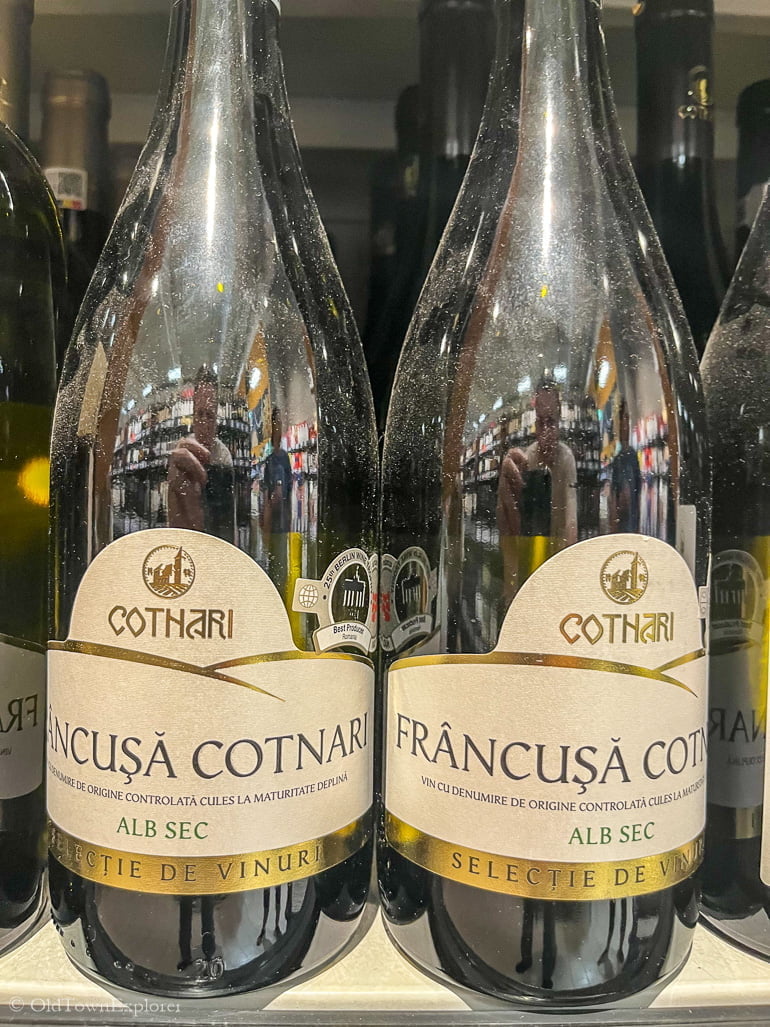
Crama Cotnari
Crama Cotnari is one of Romania’s best-known historic wine names, especially for Grasă de Cotnari and sweet or aromatic white wines. It belongs in a first Romanian tasting when the goal is to compare Moldova’s traditional white grapes with Transylvanian dry whites.
Casa de Vinuri Cotnari
Casa de Vinuri Cotnari keeps the Cotnari focus on Moldovan white grapes, sweet wines, and aromatic styles. It is a natural follow-up to Crama Cotnari for Grasă de Cotnari, Fetească Albă, Tămâioasă Românească, Frâncușă, and Cotnari-area blends.
Crama Hermesiu
Crama Hermeziu adds an Iași-area producer to the Moldovan Hills section. It fits the page through native whites, aromatic grapes, regional blends, and food pairings with fish, poultry, cheese, and Moldovan dishes.
Crama Bucium
Crama Bucium is an Iași-area winery name to keep with the Moldovan Hills group. Its place on the page strengthens the Moldova route through Iași, Cotnari, Huși, Odobești, Panciu, and the region’s white-wine tradition.
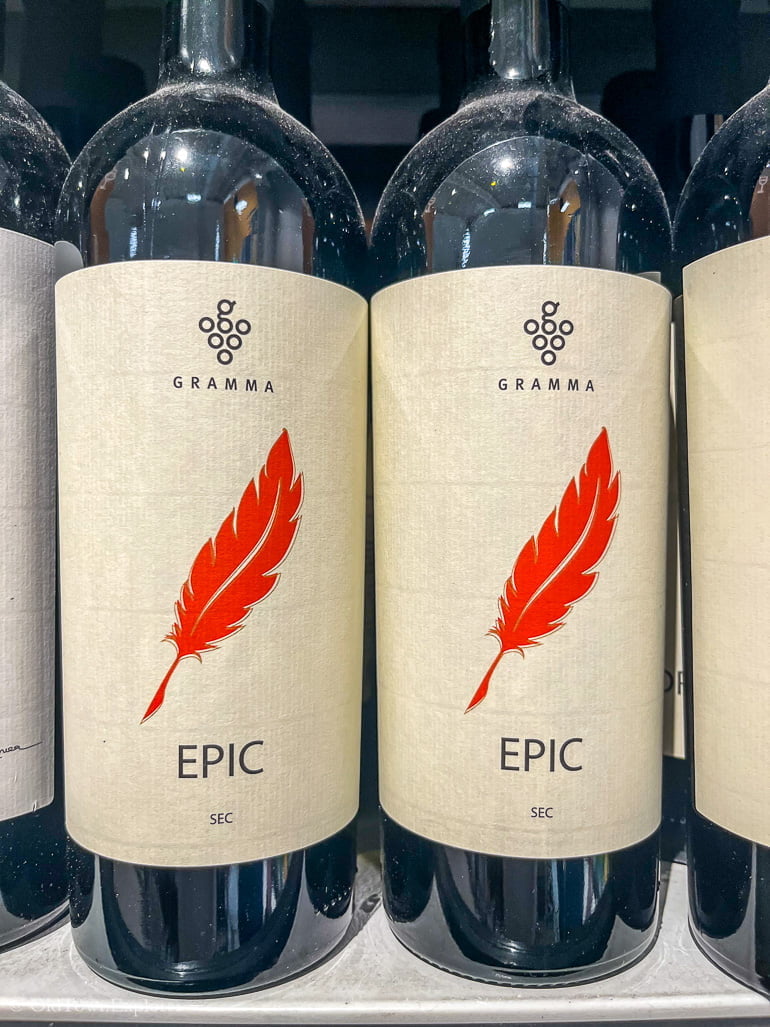
Crama Gramma
Gramma is an Iași-area producer that gives the Moldovan Hills section a modern white-wine counterpoint. Look for Fetească Regală, Fetească Albă, Aligoté, Sauvignon Blanc, and fresh dry whites with fish, cheese, vegetables, and lighter restaurant meals.
Domeniul Viticol Tibu
Domeniul Viticol Tibu is a small Moldovan Hills producer.
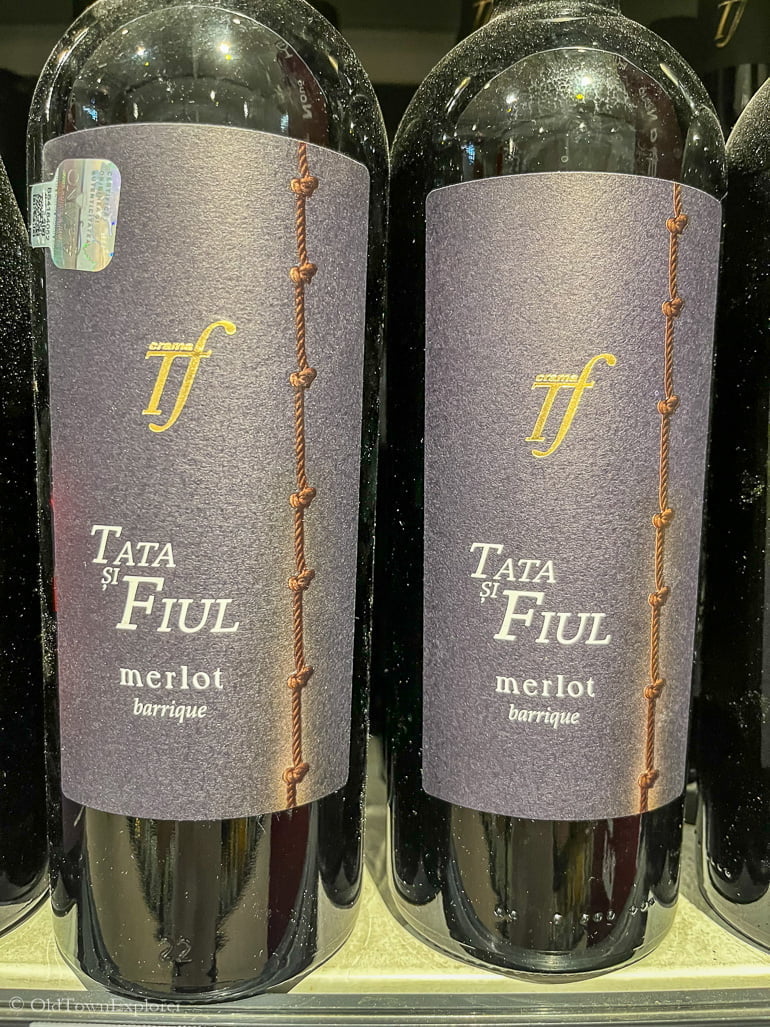
Crama Tata si Fiul
Crama Tata si Fiul adds a family-winery entry to the Moldovan Hills group. Its bottles can sit beside Gramma, Gîrboiu, Panciu, and Averești when comparing Moldova’s native whites, rosé, and food wines.
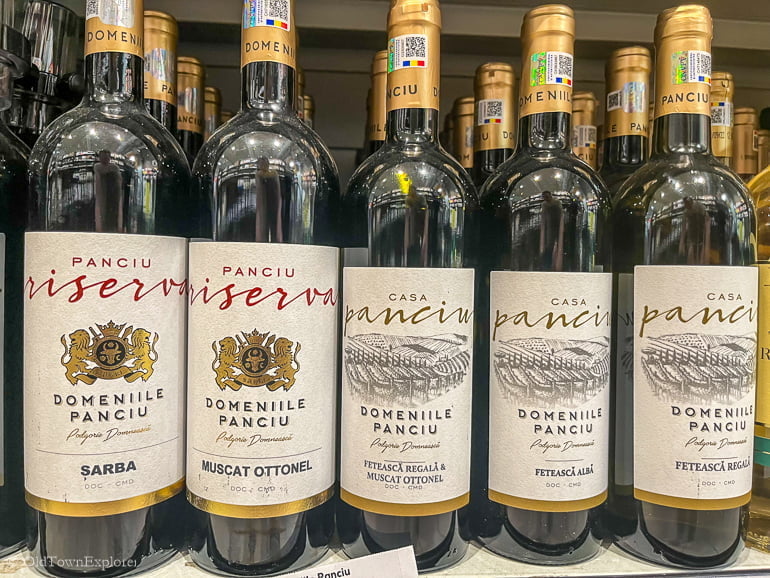
Domeniile Panciu
Domeniile Panciu is tied to the Panciu area in Moldova, a region known for white wines and sparkling wines. Its bottles are a good place to compare Șarbă, Fetească Regală, Sauvignon Blanc, sparkling wine, and Moldovan food pairings.
Casa de Vinuri Vingex
Casa de Vinuri Vingex adds another Moldovan Hills winery entry to the page. Keep it grouped with Panciu, Odobești, Cotești, and nearby Vrancea-area producers for regional white wines, rosé, and local blends.
Crama Ochean
Crama Ochean belongs with the Moldovan Hills listings and broadens the page’s small-producer coverage in eastern Romania. It is a good entry for local bottles, regional blends, and winery-route planning beyond the larger Cotnari and Panciu names.
Munteniei & Olteniei Hills Regions
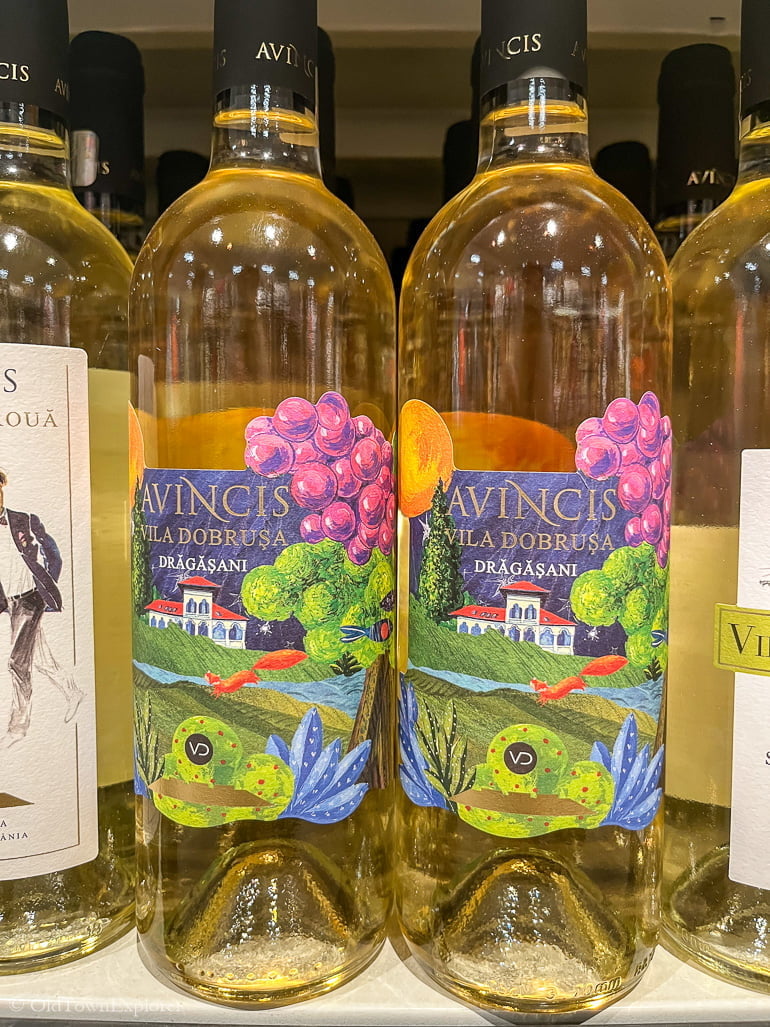
Crama Avincis
- Address: Strada Valea Caselor 1A, Drăgășani 245700, Romania
Crama Avincis is a Drăgășani producer and one of the clearest winery names for native-grape comparison in Oltenia. Look for Crâmpoșie Selecționată, Negru de Drăgășani, Novac, Fetească Regală, Sauvignon Blanc, and red blends.
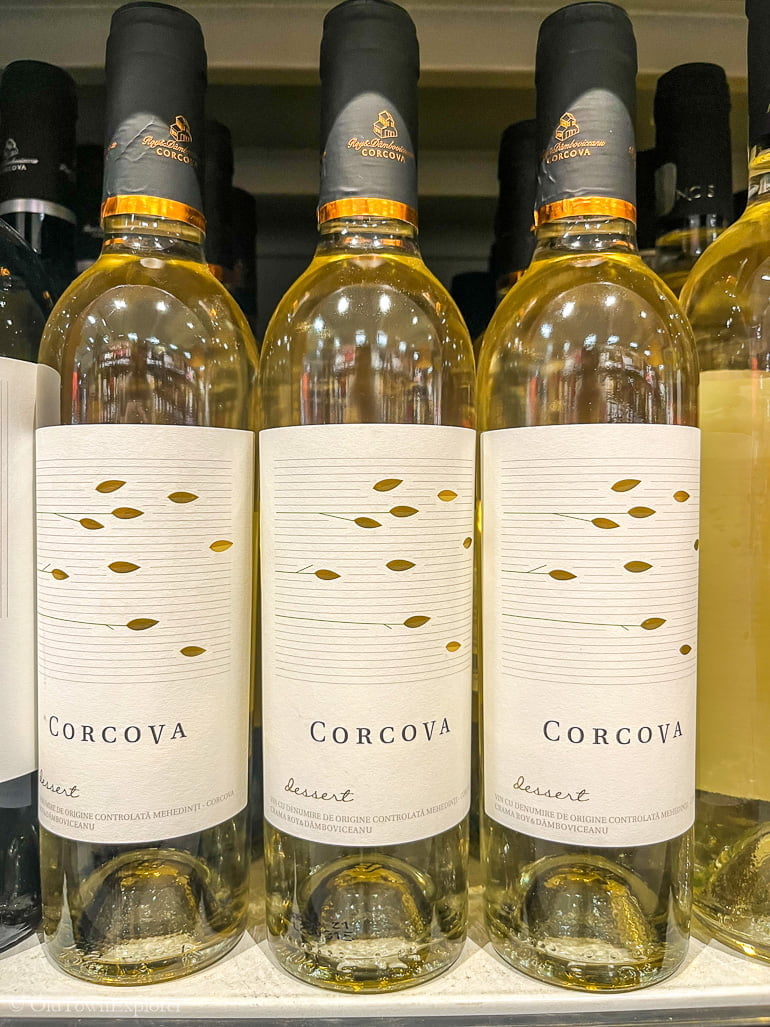
Corcova Winery (Roy & Dâmboviceanu)
- Address: Corcova, 227125, Jud Mehedinți, Romania
Corcova Winery is a Mehedinți producer in southwestern Romania, with red, white, rosé, and dessert wines from both native and international grapes. It gives the Muntenia and Oltenia section a warmer southern counterpoint to Transylvania and Moldova.
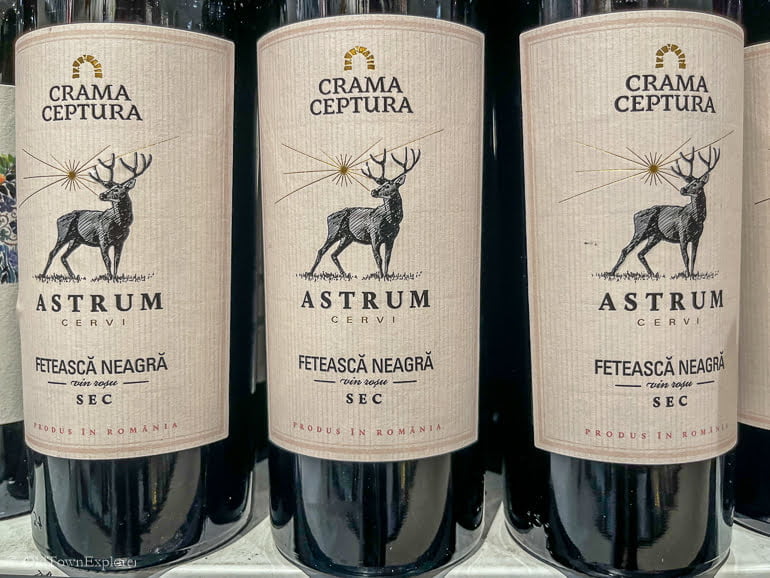
Crama Ceptura
Crama Ceptura sits in Dealu Mare, Romania’s clearest first region for Fetească Neagră and red blends. Look for Fetească Neagră, Merlot, Cabernet Sauvignon, Sauvignon Blanc, and Dealu Mare DOC bottles with grilled meats, stews, and aged cheese.
Domeniul Catleya
- Address: Strada Principala, Corcova 227125
Domeniul Catleya is a Corcova-area producer in Mehedinți, close to the southwestern side of the Romania wine map. It fits this section through warm-region reds, rosé, whites, and food pairings with grilled meats, pork, cheese, and stews.
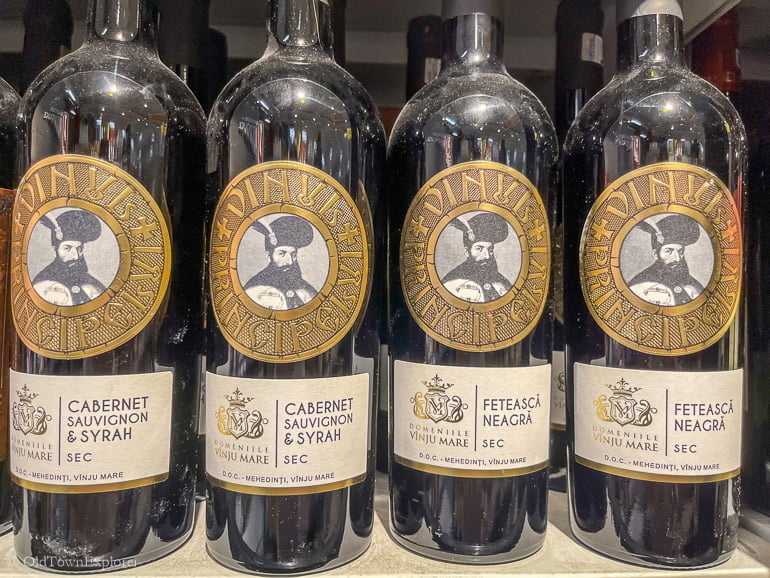
Vie Vin Vanju Mare
- Address: Piata Agroalimentara, Vânju Mare
Vie Vin Vanju Mare adds another Mehedinți and Oltenia reference point to the winery section. Its place on the page helps separate southwestern Romania from Dealu Mare and Drăgășani while keeping the focus on native reds, international varieties, and warm-region food wines.
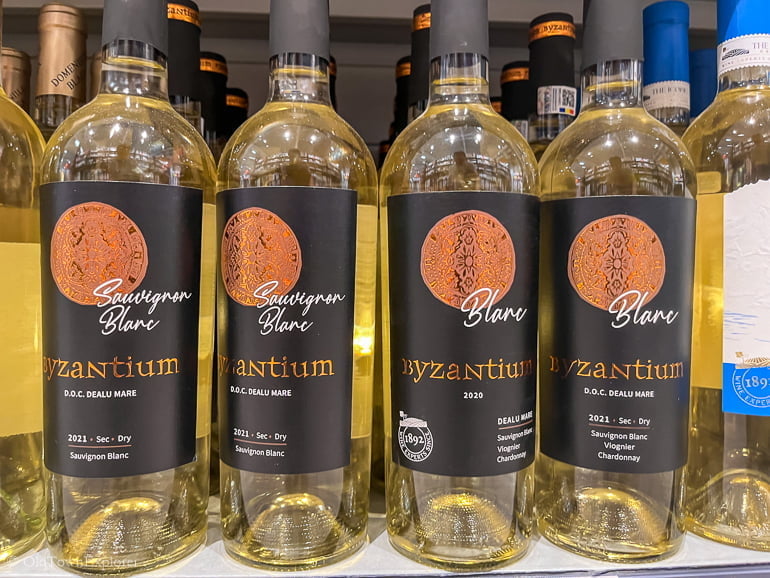
Domeniile Alexandrion Rhein 1892 - Winery Dealu Mare
- Address: Gura Vadului, Romania
Domeniile Alexandrion Rhein 1892 brings the Dealu Mare section back to red blends, white blends, and established winery production near Gura Vadului. The entry is strongest when paired with Fetească Neagră, Sauvignon Blanc, Chardonnay, Merlot, Cabernet Sauvignon, and Dealu Mare food pairings.
Crama Oprisor
- Address: Oprișor 227335
Crama Oprisor is a Mehedinți producer and one of the warmer southern names in the Muntenia and Oltenia group. Its bottles fit the section through fuller reds, rosé, white blends, and pairings with grilled meats, pork, lamb, cheese, and stews.
Vinul lui Dinescu
Dinescu's Wine adds a southern Romanian producer entry to the Oltenia side of the page. Keep the focus on regional bottles, local food, and winery-route planning rather than treating it as a standard city tasting stop.
Crama Vinc
Crama Vinc belongs with the Muntenia and Oltenia listings and gives the section another small-producer entry. It can sit beside Oprișor, Corcova, Avincis, and Vânju Mare in the southern Romania wine map.
Casa de Vinuri Negrini
Casa de Vinuri Negrini adds another southern Romanian winery name to the country-level list. Keep it grouped with the Oltenia and Muntenia entries for local reds, white wines, and regional producer comparison.
Casa de Vinuri Fordache
Casa de Vinuri Fordache is another small winery entry in the Muntenia and Oltenia group. It adds depth to the southern regional list without needing a full separate winery profile.
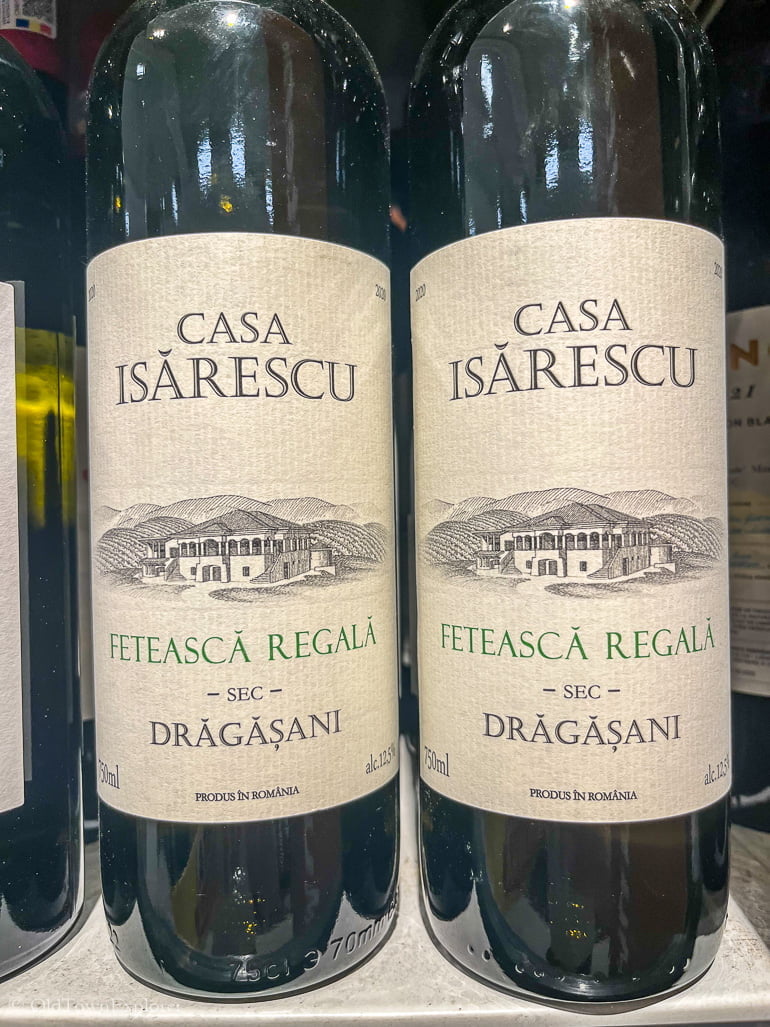
Casa de Isărescu
Casa de Isărescu belongs to the Drăgășani side of the Romania wine map, an area tied to Crâmpoșie Selecționată, Negru de Drăgășani, Novac, and fresh white wines. It is a good place to frame native-grape comparison in Oltenia.
Crama Bauer
Crama Bauer is a Drăgășani producer and fits naturally beside Avincis, Știrbey, Domeniul Drăgași, and Casa de Isărescu. The entry should focus on local grapes, producer-led bottles, and Drăgășani’s role in native Romanian wine.
Domeniul Drăgaşi
Domeniul Drăgași strengthens the Drăgășani cluster on the page. Keep the focus on Crâmpoșie Selecționată, Negru de Drăgășani, Novac, Fetească Regală, Sauvignon Blanc, and local wine routes in Oltenia.
Crama Stirbey
Crama Știrbey is a key Drăgășani name for native Romanian grapes and regional identity. It belongs with the page’s strongest Oltenia entries because of its association with Crâmpoșie, Novac, Negru de Drăgășani, and other local varieties.
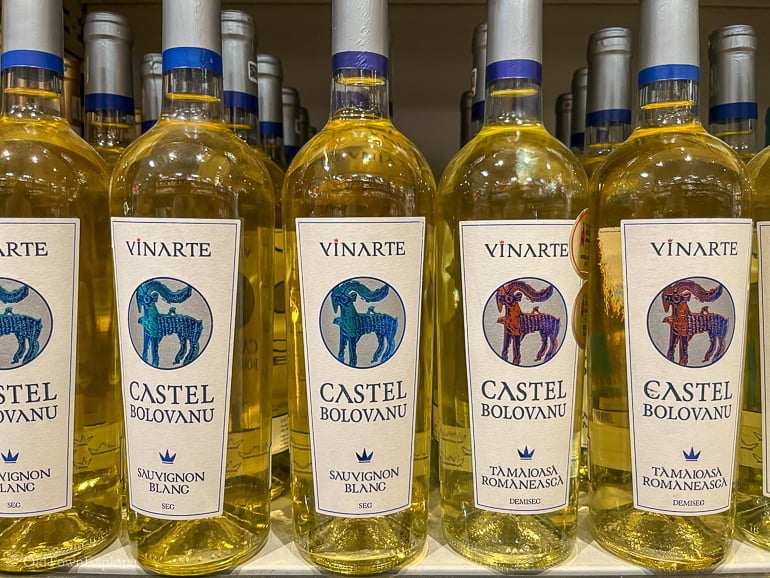
Crama Vinarte – Bolovanu
Vinarte – Bolovanu adds a southern Romanian producer with bottles that fit the page through reds, whites, and regional food wines. Keep it with the Muntenia and Oltenia group as part of the warmer southern wine route.
Ștefăneşti Wine House
Ștefăneşti Wine House belongs to the Ștefănești area, one of the named wine areas in the Muntenia and Oltenia group. It gives the section another historic southern wine reference beyond Dealu Mare, Drăgășani, and Mehedinți.
Domeniile Anastasia
Domeniile Anastasia adds another Muntenia and Oltenia producer entry to the winery list. Keep the description centered on regional bottles, red blends, white wines, and tasting routes that need advance planning.
Conacul Domnitei Ralu
Conacul Domnitei Ralu adds an estate-style entry to the Muntenia and Oltenia winery group. It is best framed as part of the southern Romania route rather than as a general city wine-bar stop.
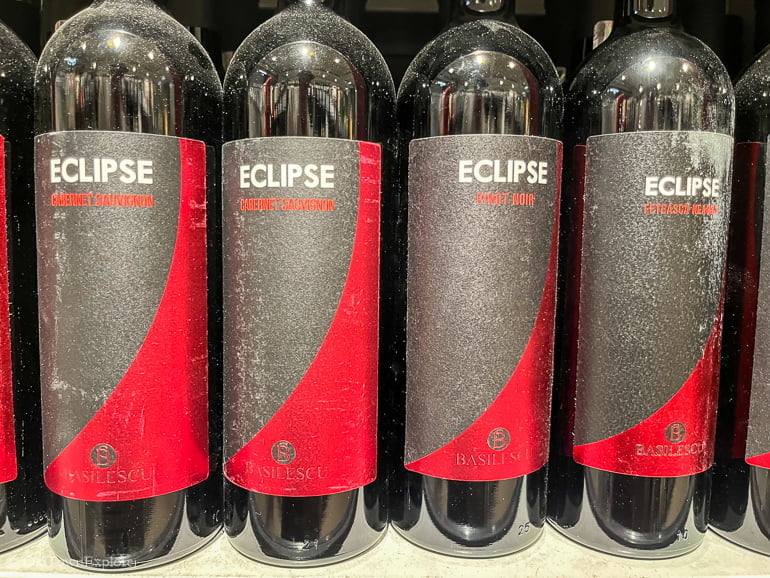
Crama Basilescu
Basilescu is a Dealu Mare producer with bottles that help compare Fetească Neagră, Cabernet Sauvignon, Pinot Noir, and Romanian red blends. It is a strong name to keep in the winery section because Dealu Mare is one of the first Romanian regions to understand.
Cramele Halewood Urlati – Azuga
Cramele Halewood Urlați – Azuga adds both Dealu Mare and Prahova Valley weight to the winery section. Keep the focus on accessible Romanian bottles, red blends, white wines, sparkling wine, and winery routes between Bucharest, Dealu Mare, and the mountains.
Domeniul Coroanei Segarcea
Domeniul Coroanei Segarcea is an Oltenia estate name and gives the section a southern counterpart to Dealu Mare and Drăgășani. Its bottles fit pairings with grilled meat, pork, lamb, stews, cheese, and fuller Romanian restaurant meals.
1000 de Chipuri
1000 de Chipuri is a Dealu Mare producer for readers comparing Romanian reds from the Ceptura and Urlați side of the region. Fetească Neagră, Merlot, Cabernet Sauvignon, Sauvignon Blanc, and Dealu Mare blends fit grilled meat, stews, aged cheese, and fuller restaurant meals.
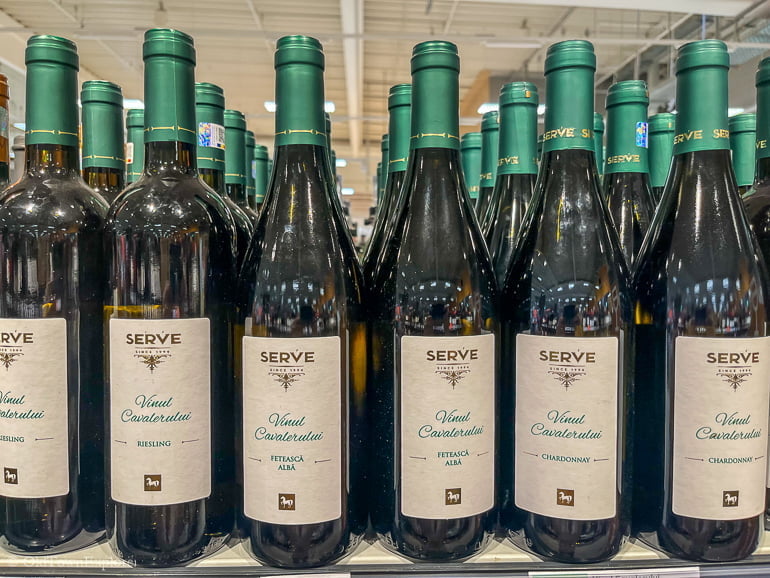
Crama SERVE Ceptura
SERVE is a Ceptura producer in Dealu Mare, with Romanian grapes and international varieties across red, white, and rosé wines. Fetească Neagră, Fetească Albă, Sauvignon Blanc, Cabernet Sauvignon, Merlot, and rosé are the main bottle cues for comparing Dealu Mare styles.
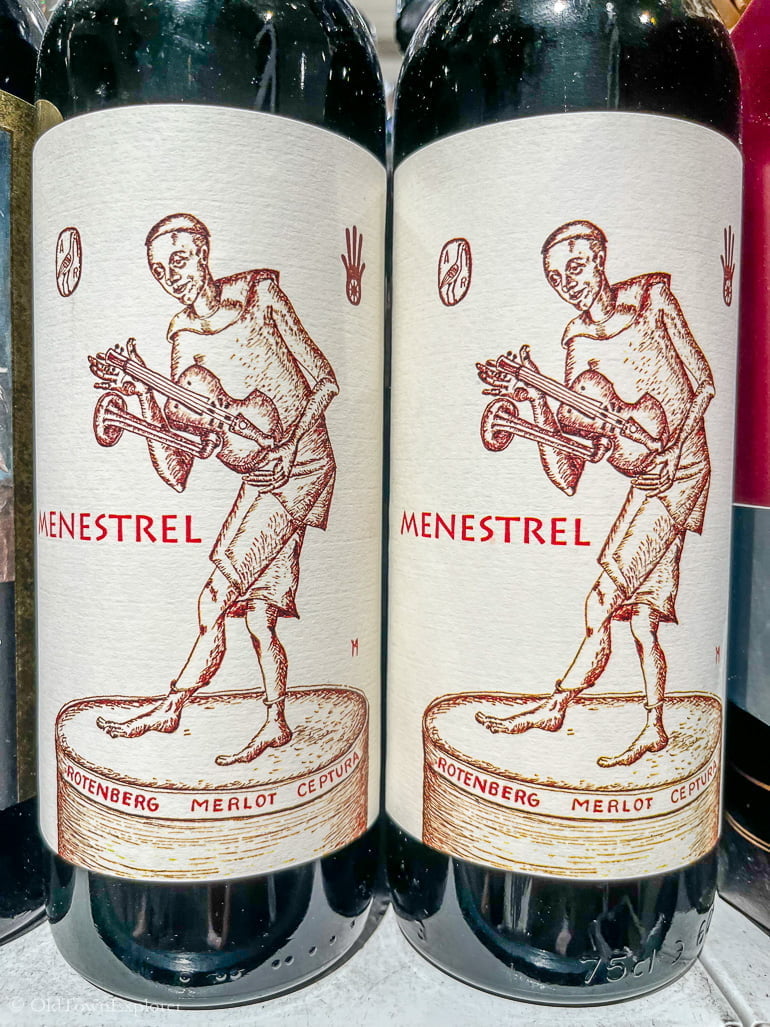
Crama Rotenberg
Rotenberg is a Dealu Mare producer closely associated with Merlot. It works well as a focused Romanian Merlot comparison beside Fetească Neagră, Cabernet Sauvignon, and other Dealu Mare reds.
Crama Vinalia
Crama Vinalia is a Dealu Mare producer on the same red-wine route as Ceptura, Urlați, and nearby Prahova-area wineries. Choose it when comparing Fetească Neagră, Merlot, Cabernet Sauvignon, Sauvignon Blanc, and Dealu Mare food wines.
Crama Dagon
Crama Dagon is a Dealu Mare producer for Fetească Neagră, red blends, and small-production bottles from one of Romania’s main red-wine areas. Its wines fit meat-focused meals, stews, aged cheese, and tastings built around Dealu Mare reds.
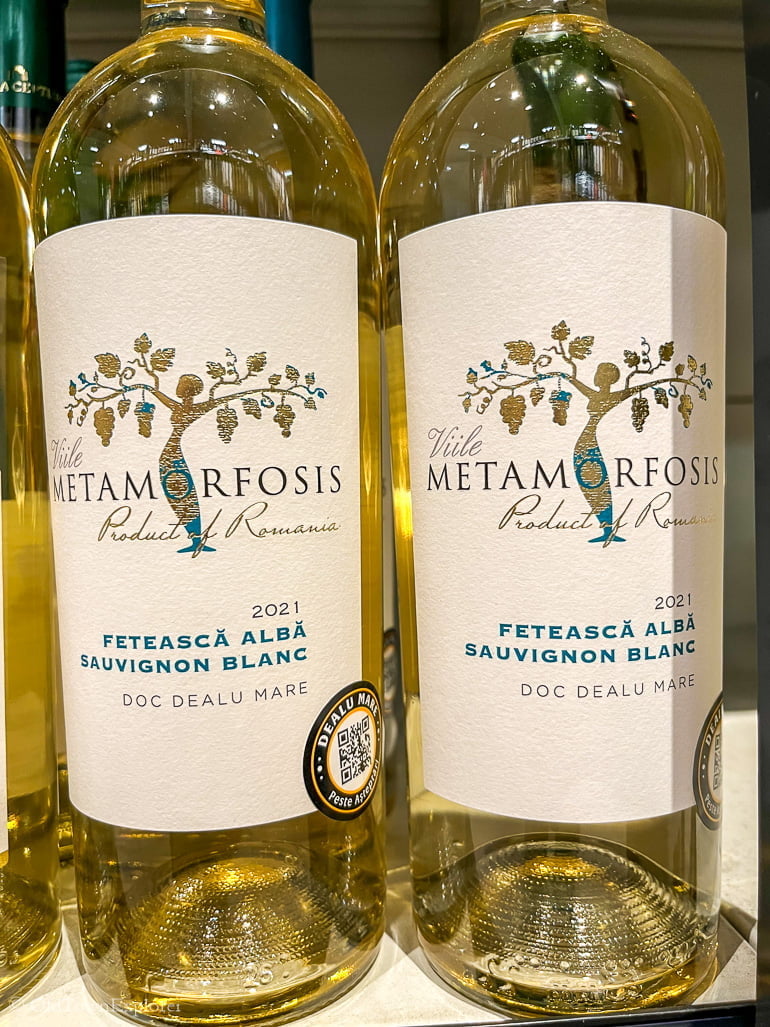
Crama Viile Metamorfosis
Viile Metamorfosis is a Dealu Mare producer with Romanian and international varieties, including Fetească Neagră, Fetească Albă, Sauvignon Blanc, Merlot, Cabernet Sauvignon, and blends. The white and red bottles give a clean comparison between food-friendly Dealu Mare whites and structured regional reds.
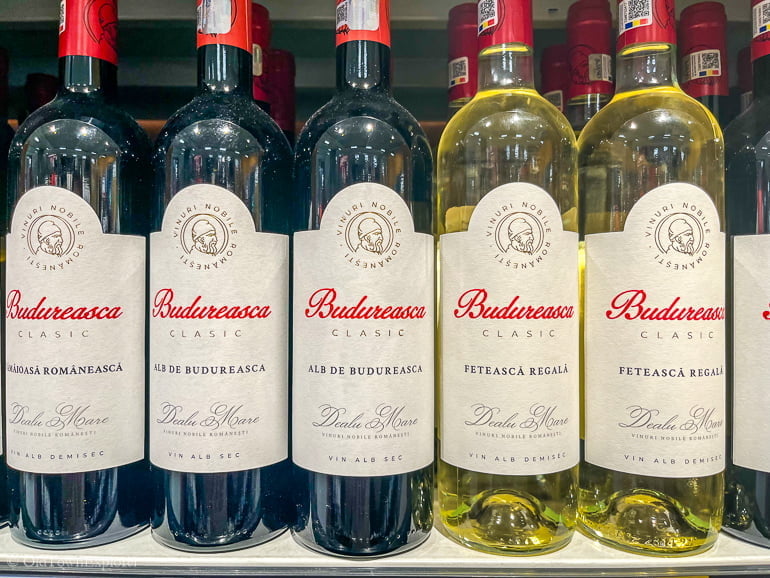
Crama Budureasca
Budureasca is one of the more visible Dealu Mare producers, with native grapes, international varieties, rosé, and blends. Fetească Neagră, Fetească Regală, Sauvignon Blanc, Merlot, Cabernet Sauvignon, and Dealu Mare red blends are the main names to compare.
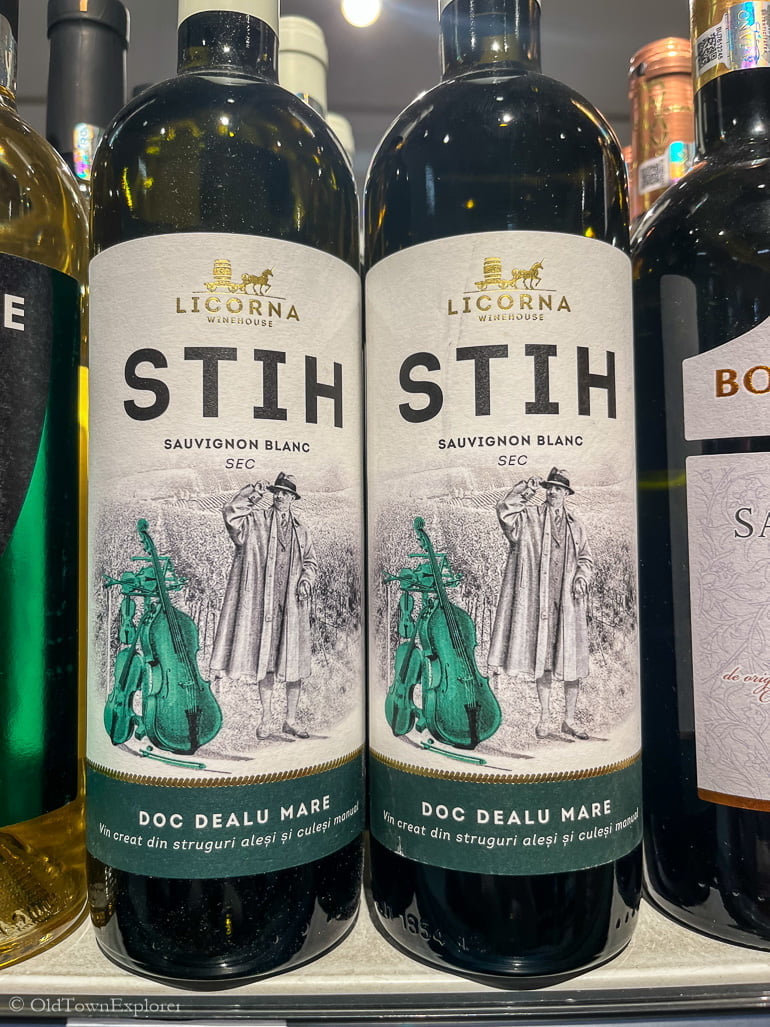
Licorna Winehouse
Licorna Winehouseis a Dealu Mare producer near Gura Vadului, with historic cellars and a red-wine focus. Fetească Neagră, Merlot, Cabernet Sauvignon, Sauvignon Blanc, and fuller food-pairing wines fit the Dealu Mare route well.
Crama Lacerta
Crama Lacerta is a Dealu Mare winery for Fetească Neagră, Merlot, Cabernet Sauvignon, Pinot Noir, Sauvignon Blanc, and producer-led blends. It is a natural stop when comparing red-wine producers around Dealu Mare, Ceptura, and nearby Prahova villages.
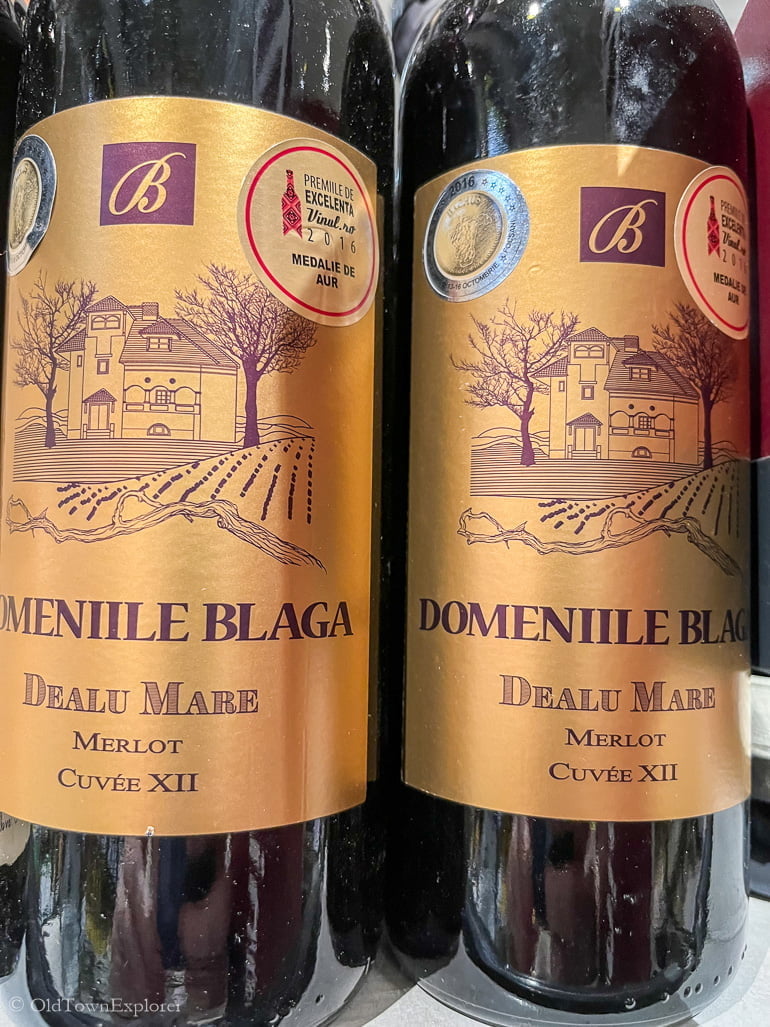
Domeniile Blaga
Domeniile Blaga is a Dealu Mare producer to compare with Budureasca, Licorna, Lacerta, and Aurelia Vișinescu. Merlot, Fetească Neagră, Cabernet Sauvignon, and Dealu Mare blends fit grilled meats, pork, stews, mushrooms, and aged cheese.
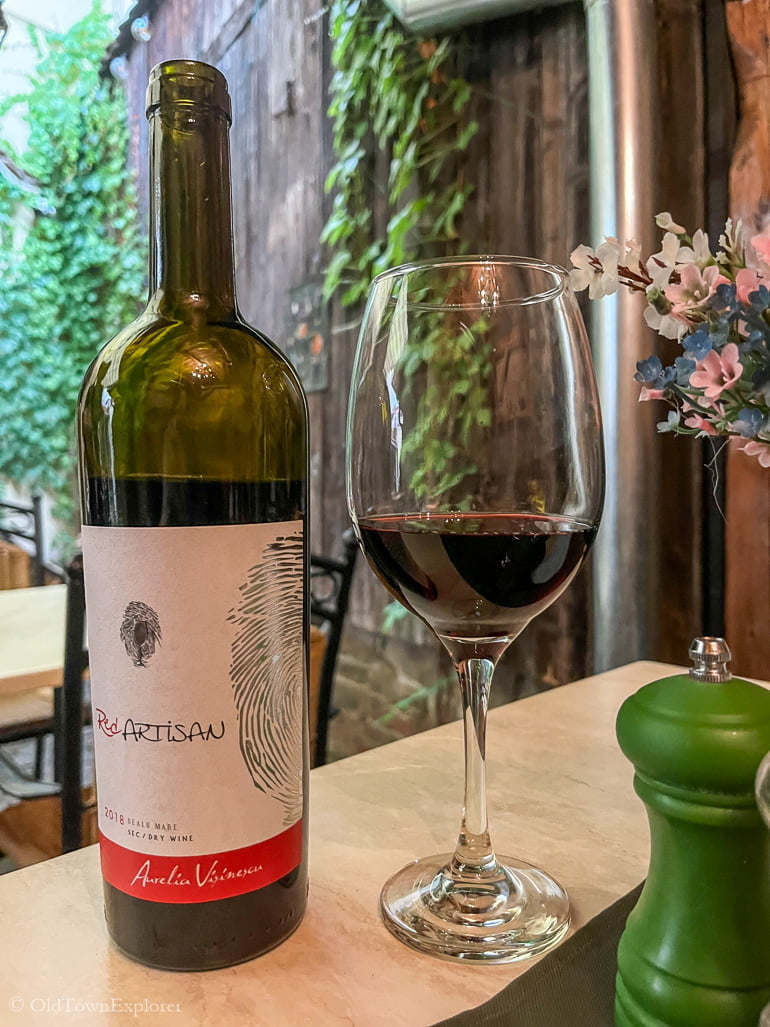
Crama Aurelia Vişinescu
Aurelia Vișinescu is a Dealu Mare producer associated with native grapes and international varieties. Fetească Neagră, Fetească Albă, Merlot, Cabernet Sauvignon, Pinot Noir, Chardonnay, and red blends are the main bottle cues for modern Dealu Mare wines.
Domeniile Samburesti
Domeniile Samburesti is tied to the Sâmburești area in southern Romania. Fetească Neagră, Cabernet Sauvignon, Merlot, and structured red blends fit beef, lamb, grilled meats, stews, and aged cheese.
Domeniile Franco-Romanian
Domeniile Franco-Romanian sits on the southern Romania side of the wine map, near the red-wine routes of Muntenia and Oltenia. Its bottles are best read through regional reds, white wines, producer blends, and meals built around grilled meat, pork, cheese, and stews.
Crama La Butoaie
Crama La Butoaie is a southern Romanian winery for local reds, white wines, and producer-led bottles. Keep it in the tasting sequence with Dealu Mare, Sâmburești, Drăgășani, and other Muntenia-Oltenia producers.
Banat Hills Region
Cramele Recas
- Address: Wineshop and Tours, Complex de Vinificatie CP1 Office, Recaș 307340
Cramele Recas is the most visible Banat producer for many travelers, with Romanian grapes, international varieties, rosé, and widely available bottles. Fetească Regală, Fetească Albă, Sauvignon Blanc, Chardonnay, Muscat Ottonel, Pinot Noir, Merlot, Cabernet Sauvignon, Syrah, and rosé make it a clear western Romanian comparison point.
Crama Petro Vaselo
Petro Vaselois a Banat producer with estate wines from western Romania. Try it beside Recaș, Aramic, Dealul Dorului, and Thesaurus when comparing Banat whites, reds, rosé, and producer-led blends.
Crama Aramic
- Address: Sat Silagiu, oraș, Buziaș 305102
Crama Aramic is a Silagiu-area producer in Banat. The winery fits a western Romania route through dry whites, rosé, red blends, and food pairings with pork, poultry, cheese, paprika-seasoned dishes, and stews.
Crama Dealul Dorului
Crama Dealul Dorului is another Silagiu-area producer near Buziaș. Its wines belong with Banat’s local vineyard route, where dry whites, reds, rosé, and producer blends are easier to understand with food than as isolated bottle names.
Crama Thesaurus
- Address: Strada Semenicului, Buziaș 305100
Crama Thesaurus is a Buziaș-area producer in Banat. Taste it beside Recaș, Aramic, Petro Vaselo, and Dealul Dorului for a broader view of western Romanian whites, reds, rosé, and food wines.
Crișana Hills and the Maramureș Regions
Crama Nachbil
- Address: Beltiug 447040
Nachbil Winery is a Beltiug-area producer in northwestern Romania. It fits the Crișana and Maramureș route through village wineries, western Romanian bottles, and tastings that usually need more planning than city wine bars.
Crama Familia Hetei
- Address: DN19A, Beltiug 447040
Hetei Family is a family winery in the Beltiug area. It works well beside Nachbil for travelers comparing northwestern Romanian producers, local whites, reds, rosé, and small-cellar tasting routes.
Crama Fort Silvan
- Address: Camăr 457060
Crama Fort Silvan is a Sălaj-area producer near Camăr, on the cooler northwestern side of Romania. Its wines fit the route through Șimleu Silvaniei, Beltiug, Camăr, and nearby villages, with regional whites, reds, and food-pairing bottles.
Crama Carasetelec
Crama Carasetelec is a northwestern Romanian producer with a strong place in the Crișana wine route. It is especially relevant for sparkling wine, cool-climate whites, rosé, and local bottles from the Sălaj area.
Podgoria Silvanlei
- Address: Adresa: Nr. 45Simleul-, Strada Partizanilor, Șimleu Silvaniei 455300
Podgoria Silvanlei is tied to Șimleu Silvaniei and the Sălaj side of northwestern Romania. Its bottles fit a route built around regional whites, reds, village wineries, and tastings away from the better-known southern regions.
Crama Elite Wine
- Address: DJ 709A nr 385, Mâsca 317342
Crama Elite Wine is a Miniș-Măderat producer in western Romania. It sits naturally beside Balla Géza and Daiconi when comparing Arad-area reds, dry whites, local grapes, and regional food wines.
Crama Daiconi
- Address: DJ708B 49, Miniș 317137
Crama Daiconi is a Miniș-area winery in western Romania. Cadarcă, Mustoasă de Măderat, Fetească Regală, and regional reds are the key reference points when comparing Miniș-Măderat with Banat or Transylvania.
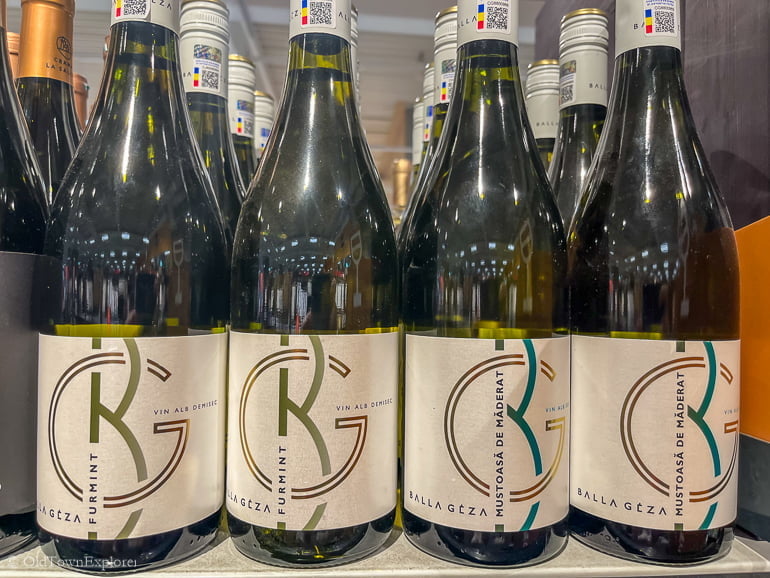
Crama Balla Geza
- Address: DJ708B, Miniș 317230
Balla Géza is one of the key Miniș-Măderat producers in western Romania. Cadarcă, Mustoasă de Măderat, Furmint, Fetească Regală, Blaufränkisch, and red blends make it one of the strongest Crișana names for grape comparison.
Dobruja Hills Region
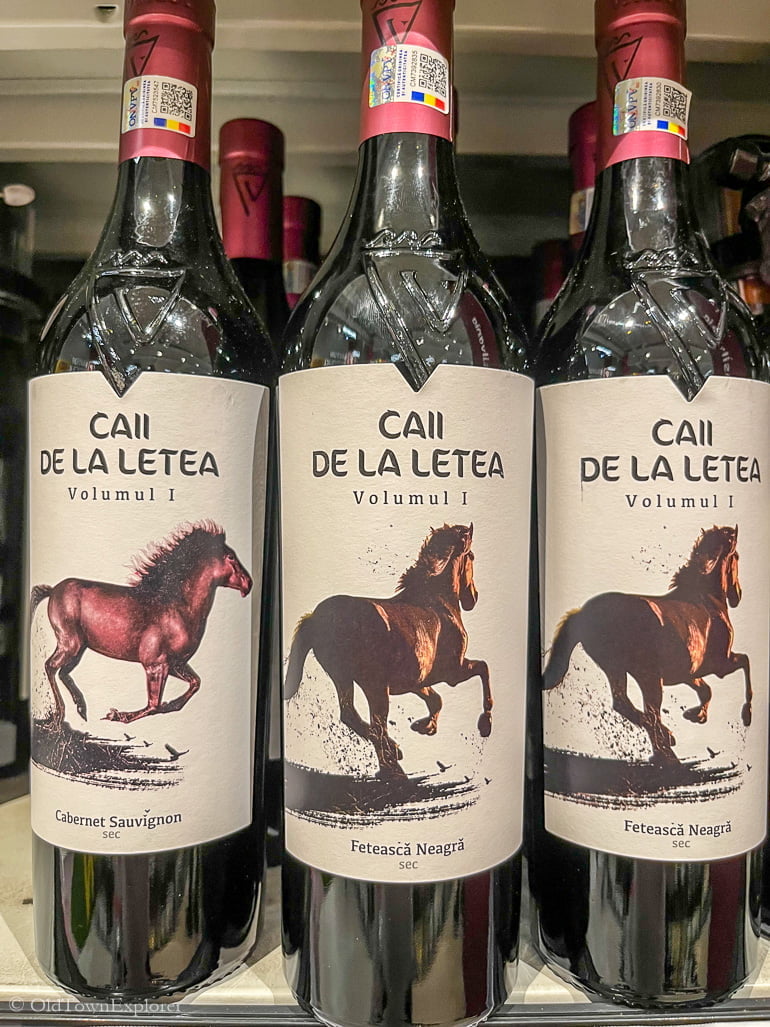
Caii de la Letea
Caii de la Letea is a Dobrogea producer tied to the Danube Delta side of Romania’s wine map. Fetească Neagră, Aligoté, Sauvignon Blanc, Chardonnay, and rosé show the warmer coastal and delta-influenced side of Romanian wine.
Vinuri de Macin
Vinuri de Măcin is a northern Dobrogea producer near the Măcin hills and Danube-influenced landscapes. Its wines fit fish, vegetables, sheep cheese, grilled meat, and Dobrogean food pairings.
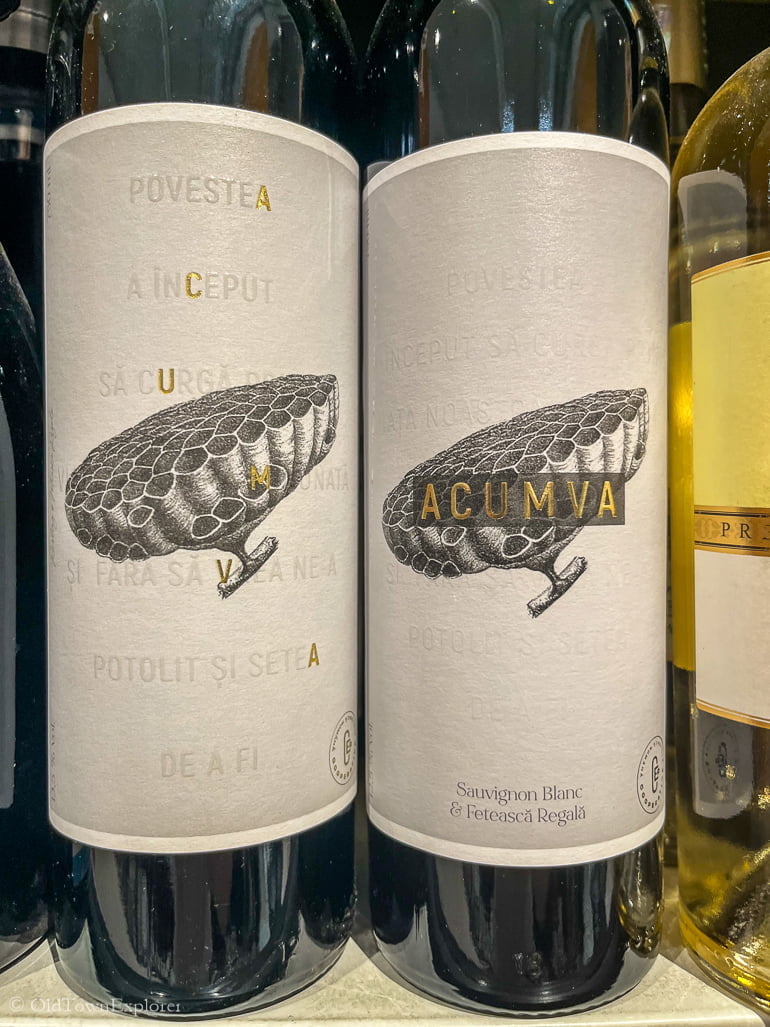
Acumva
Acumva is a Dobrogea producer for Black Sea and Danube-influenced wines. Sauvignon Blanc, Fetească Regală, white blends, rosé, and warm-climate food wines fit fish, vegetables, cheese, and coastal dishes.
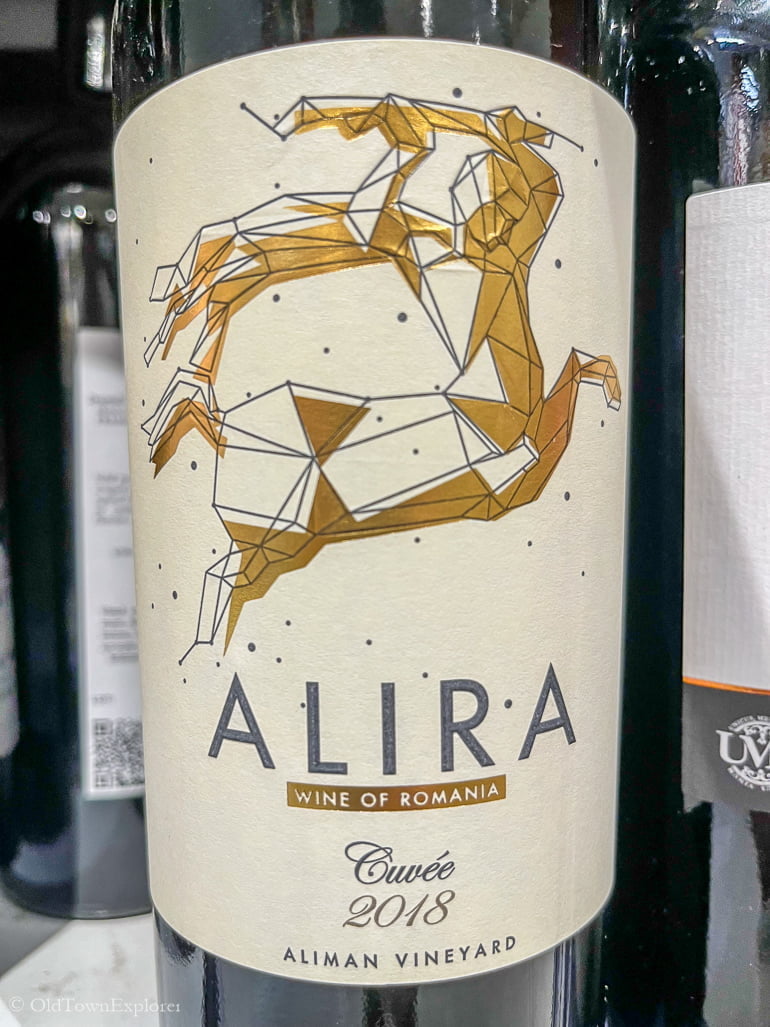
Alira Winery
Alira is a Dobrogea producer near Aliman, close to the Danube side of the region. Merlot, Cabernet Sauvignon, Fetească Neagră, rosé, and warm-climate reds fit grilled meats, river fish, aged cheese, and Danube-side meals.
Crama Histria
Crama Histria is a Dobrogea producer near the Black Sea side of the region. Its wines fit coastal whites, rosé, reds, fish, seafood, vegetables, sheep cheese, and warm-weather tasting.
Crama Darie
Crama Darie is a Dobrogea producer for southern and coastal Romanian wines. Pair its bottles with Danube fish, Black Sea seafood, grilled meats, vegetables, and sheep cheese.
Crama Rasova
Crama Rasova sits on the Danube and Dobrogea side of Romania. White blends, rosé, red blends, and warm-region bottles make it a practical producer for comparing southern Romanian styles.
Domeniul Vladoi
Domeniul Vlădoi is a Dobrogea producer near the coastal route. Whites, rosé, reds, and warm-climate blends fit Black Sea fish, grilled vegetables, cheese, poultry, and lighter meat dishes.
Crama Clos des Colombes
Clos des Colombes is a small winery in 23 August, near Romania’s Black Sea coast. Founded by Anne Marie Rosenberg, the estate produces limited quantities of wine from vineyards planted around the property.
Danube Terraces Region
Domeniile Ostrov
Domeniile Ostrov is one of the clearest Danube Terraces names, with wines from a warmer southern area near the Bulgarian border. Muscat Ottonel, Fetească Neagră, Merlot, Cabernet Sauvignon, Sauvignon Blanc, Chardonnay, and river-food pairings are the main cues.
How to Choose and Taste Romania Wine
A Romanian bottle becomes easier to choose when you read it in this order: grape, region, sweetness, producer, and then classification. Native grapes tell you what is distinctive; DOC and IG tell you where the wine is tied geographically.
Wine Labels, Classifications, and Appellations in Romania
ONVPV maintains Romania’s official DOC and IG wine specifications. DOC means Denumire de Origine Controlată and identifies wine made under the specification of a controlled geographical origin. IG means Indicație Geografică and identifies wine tied to a broader geographical indication.
Romanian DOC labels may also carry traditional harvest terms. DOC-CMD means grapes harvested at full maturity, DOC-CT indicates late-harvest grapes, and DOC-CIB refers to grapes harvested after noble development of the berries. Terms such as these matter most when comparing bottles from the same region or when sweetness and ripeness are part of the choice.
For an everyday bottle, start with the grape and region. Fetească Neagră from Dealu Mare, Fetească Regală from Transylvania, Grasă de Cotnari from Cotnari, Crâmpoșie from Drăgășani, and Galbenă de Odobești from Odobești already tell you a great deal about what is in the bottle.
Wine Tasting in Romania
City tasting is the easiest first step when you do not want to organize rural transport. Brasov Wine covers wine bars, shops, and winery planning from Brasov, while Sighisoara Wine is more closely tied to Târnave and Transylvanian white wines.
For winery visits, confirm the visit directly before building the day around a producer. Romanian wineries vary from properties with regular visitor programs to estates that require advance reservations, and rural wine areas often make more sense with a car, driver, or arranged transport.
Dealu Mare is the clearest choice for a red-wine winery day, Târnave for Transylvanian whites and sparkling wine, Drăgășani for native grapes, and Cotnari or the wider Moldovan Hills for aromatic and sweet-wine traditions.
Food Pairings with Romania Wine
Romanian food gives the main wine styles clear roles at the table:
- Fetească Neagră: mici, grilled pork, lamb, beef, tochitură, stews, smoked meats, sarmale, mushrooms, and aged cheese
- Băbească Neagră: sausages, poultry, pork, mushrooms, cabbage dishes, and lighter grilled meats
- Fetească Regală: fish, white cheese, salads, poultry, pork, vegetables, and fried foods
- Fetească Albă: fresh cheese, fish, chicken, soups, salads, vegetables, and lighter meals
- Tămâioasă Românească: soft cheese, blue cheese, fruit desserts, pastries, honey, and nuts
- Grasă de Cotnari: blue cheese, walnuts, honey desserts, cozonac, and fruit pastries
- Crâmpoșie: fish, poultry, cheese, vegetables, and salads
- Galbenă de Odobești and Șarbă: fish, cheese, salads, pork, poultry, and Moldovan dishes
- Transylvanian sparkling wine: fried foods, cheese, appetizers, smoked fish, and pastries
- Merlot and Cabernet Sauvignon blends: beef, lamb, grilled meats, stews, aged cheese, and heavier winter dishes
For the dishes themselves, Romania Food covers the regional foods, meats, cheeses, soups, vegetables, and desserts behind these pairings.
FAQs About Romania Wine
What wine is Romania known for?
Romania is known for Fetească Neagră, Fetească Albă, Fetească Regală, Băbească Neagră, Tămâioasă Românească, Grasă de Cotnari, Crâmpoșie Selecționată, Galbenă de Odobești, Șarbă, Busuioacă de Bohotin, Transylvanian whites, Dealu Mare reds, Cotnari sweet wines, and sparkling wines.
What are the main Romania wine regions?
The main Romania wine regions for travelers are the Transylvanian Plateau, Moldovan Hills, Muntenia and Oltenia Hills, Banat, Crișana and Maramureș, Dobrogea, and the Danube Terraces. Târnave, Cotnari, Huși, Odobești, Panciu, Dealu Mare, Drăgășani, Recaș, Miniș-Măderat, Murfatlar, Sarica-Niculițel, and Ostrov are key names inside that map.
Where should I start with Romanian wine?
Start with Fetească Neagră, Fetească Regală, Fetească Albă, Tămâioasă Românească, Grasă de Cotnari, Băbească Neagră, one Transylvanian sparkling wine, and one Dealu Mare red blend. That tasting set gives a clear first comparison of native red, native white, aromatic, sweet, sparkling, and blended styles.
What Romanian red wine should I try first?
Start with Fetească Neagră, especially from Dealu Mare, Moldova, Dobrogea, or another warm region. Add Băbească Neagră for a lighter native red, Negru de Drăgășani for a regional bottle, and Merlot or Cabernet Sauvignon blends for comparison.
What Romanian white wine should I try first?
Start with Fetească Regală, Fetească Albă, Tămâioasă Românească, Grasă de Cotnari, Crâmpoșie Selecționată, and Galbenă de Odobești. Add Sauvignon Blanc, Riesling, Pinot Gris, Chardonnay, Muscat Ottonel, Traminer, or Gewürztraminer from Transylvania or Moldova after that first comparison.
What is Fetească Neagră?
Fetească Neagră is Romania’s main native red grape. It usually makes dry red wines and blends with dark fruit, spice, tannin, and enough body for grilled meats, pork, lamb, stews, smoked meats, and aged cheese.
What is Fetească Regală?
Fetească Regală is a widely planted Romanian white grape, especially important in Transylvania. It usually makes dry white wines, blends, and sparkling wines for fish, cheese, poultry, pork, vegetables, and fried foods.
What is Grasă de Cotnari?
Grasă de Cotnari is a Romanian white grape closely tied to Cotnari in Moldova. It is best known for sweet and late-harvest styles that pair with blue cheese, walnuts, honey desserts, fruit pastries, and small sweet courses.
Where should I taste wine in Romania?
Brasov and Sighisoara are the clearest current city bases for this Romania cluster. Brasov works well for wine bars, shops, and Dealu Mare winery planning, while Sighisoara works well for Transylvanian bottles, Târnave wines, Villa Vinèa, and nearby winery visits.
Can you visit wineries in Romania?
Yes. Winery visits are possible in Târnave, Dealu Mare, Drăgășani, Cotnari, Huși, Panciu, Odobești, Recaș, Miniș-Măderat, Murfatlar, Sarica-Niculițel, Ostrov, and other regions. Confirm tasting times, reservations, transport, route timing, and language before planning a winery day.
What food pairs with Romania wine?
Fetească Neagră pairs well with mici, grilled pork, lamb, beef, tochitură, stews, smoked meats, and aged cheese. Fetească Regală and Fetească Albă fit fish, cheese, poultry, salads, and lighter dishes. Tămâioasă Românească and Grasă de Cotnari fit blue cheese, honey desserts, walnuts, fruit pastries, and small sweet courses.