
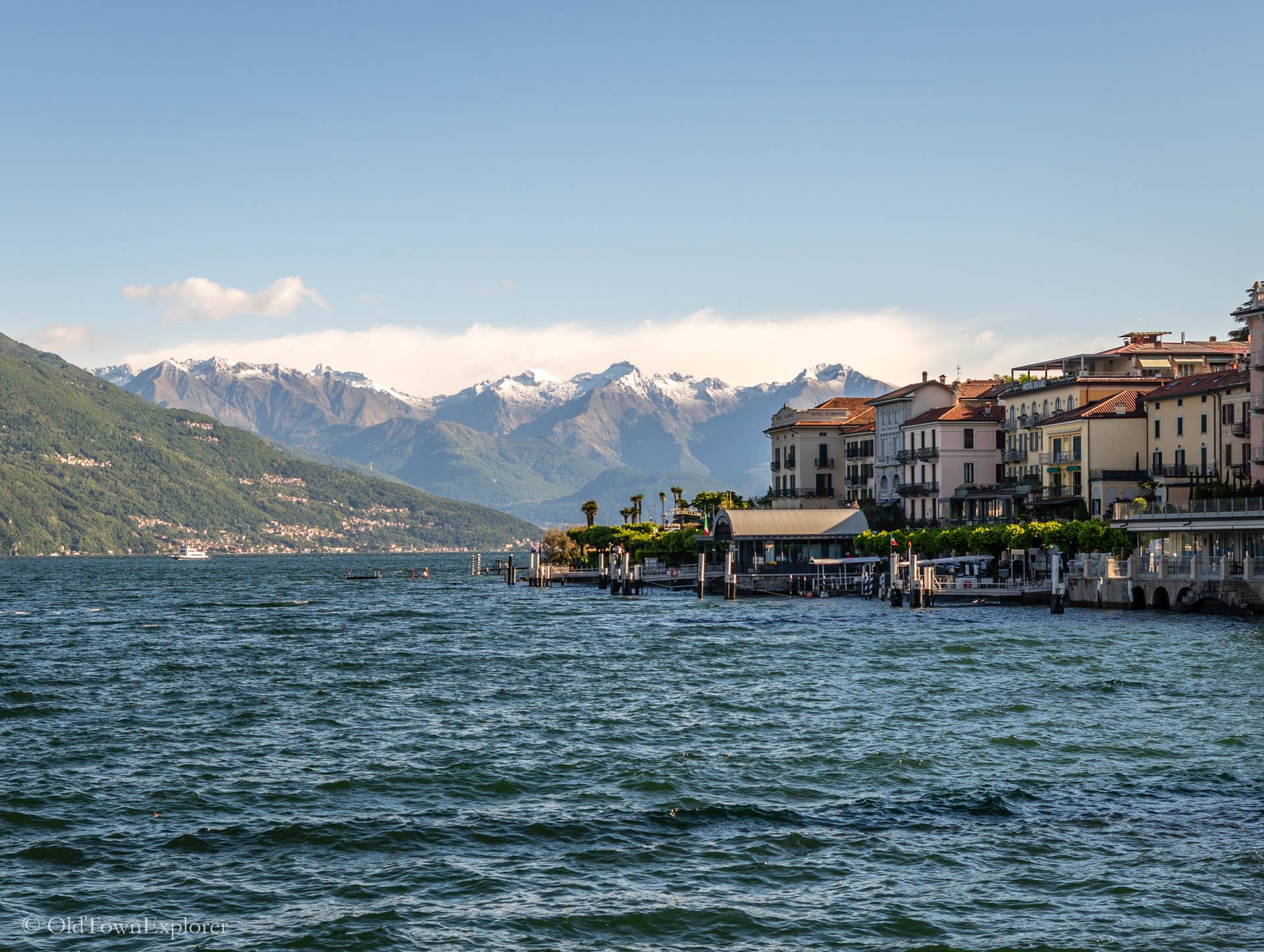
Discover Lake Como Villages: Ferry Routes, Historic Centers & What to See
Lake Como villages are easiest to understand in four broad areas: the Central Lake, the Branch of Como, the Branch of Lecco, and the Upper Lake. That is the same basic geography used by local destination sites, and it is the clearest way to plan a first visit without turning the trip into a long sequence of transfers.
What makes the villages worth seeing is not just the lake itself, but how differently the settlements developed around it. Some villages are defined by steep stone lanes and church-led upper streets, some by promenades and ferry docks, some by villa grounds and formal gardens, and some by gorges, beaches, or military sites near the north end of the lake.
During our stay in Como we spent a month visiting villages around Lake Como. In this guide, we focus on the villages that matter most for a first-time overview of Lake Como, starting with the core circuit of Bellagio, Varenna, and Menaggio, then widening to villages closer to Como such as Cernobbio, Blevio, Torno, Nesso, and Argegno, and finally moving north to Bellano, Gravedona ed Uniti, and Domaso.
This website contains affiliate links that may earn us a small commission at no additional cost to you.
History of the Lake Como Villages
The Lake Como villages were shaped by steep terrain, lake transport, and long settlement history. Because movement by water was often easier than movement by road, many settlements developed as tight waterfront centers with harbors, church squares, stepped lanes, and short routes climbing into the upper streets. That settlement pattern still explains much of what visitors see today.
Early Settlement Around the Lake
Lake Como is a glacial lake, and its shape still explains a great deal about where villages formed. Settlement clustered where there was enough flat ground for a landing place, a road connection, a stream mouth, or access to a valley behind the shore. That basic pattern helps explain why some villages feel compact and vertical, while others spread more broadly along the waterfront.
The lake also sat between the Po Valley and Alpine routes, so even small settlements had a reason to matter. Villages were never just scenic points on a shoreline. They were landing places, parish centers, agricultural communities, and local connectors between water routes and inland roads.
Medieval Villages and Water Routes
For centuries, the lake functioned as a transport corridor as much as a place to live. That is one reason so many village centers still face the water first. The dock or landing point often sits below, while the church, older houses, and upper lanes climb behind it. This is still easy to read in villages such as Torno, Varenna, and Bellagio.
Because roads around the lake were historically slower and less direct than water travel, village life developed around short internal lanes rather than broad street grids. Even now, the layout of many historic centers makes more sense if you think of the boat landing as the original front door.
Churches, Harbors, and Steep Street Layouts
One of the defining features of Lake Como villages is the lack of flat land. In many places, the historic center is compressed between the lake and the slope behind it. That is why the villages are full of stairways, retaining walls, stepped lanes, and short passages rather than long straight streets.
This kind of layout creates much of the visual identity of the lake. Bellagio rises sharply from the waterfront, Nesso is split by its gorge, Torno climbs away from the shoreline, and Varenna feels tightly fitted between the mountain and the water. These are not accidental features. They are the physical result of how settlement had to adapt to the edge of the lake.
Villas and Seasonal Residences
From the early modern period onward, parts of Lake Como also became associated with villas and seasonal residences. Around the Central Lake in particular, the older village fabric was joined by formal gardens, lakeside estates, and villas that still shape how visitors experience places such as Bellagio, Tremezzo, and Lenno today.
That villa layer matters because it changes the rhythm of a village visit. In some places, the village itself is the main attraction. In others, the village and the villa estate are part of the same stop. Tremezzo and Lenno are the clearest examples of that overlap.
Villages of Lake Como
The easiest Lake Como village itinerary for most first-time visitors centers on the Central Lake, especially Bellagio, Varenna, and Menaggio. These three villages give a clear first look at the lake’s main settlement types: steep lanes, compact waterfront centers, ferry-linked promenades, and village streets built into the slope.
After those core stops, the next villages to consider depend on your route. Cernobbio, Blevio, Torno, Nesso, and Argegno fit naturally into trips from Como. Bellano works well on the Lecco branch, while Gravedona ed Uniti and Domaso introduce the broader, less compressed character of the Upper Lake.
Bellagio
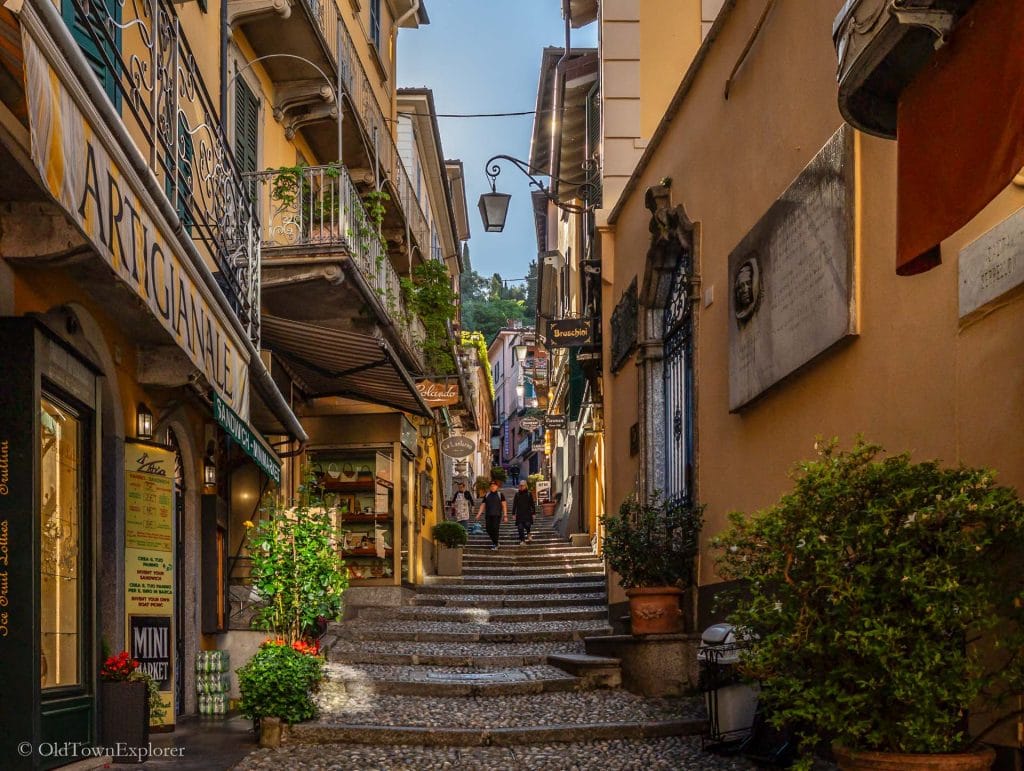
Bellagio sits on the promontory where Lake Como divides into the Como and Lecco branches. That position is the main reason it matters so much in a first itinerary. It is central, visually distinctive, and directly tied to the best-known ferry circuit on the lake.
The village is defined by steep lanes rising from the waterfront, shop-lined passages, and easy access to other major stops. Bellagio works best for visitors who want a busy village with strong transport links and enough activity to fill either a short stop or a longer day.
It is also one of the clearest places to see how Lake Como’s village fabric and villa culture overlap. The historic center is the immediate draw, but the wider Bellagio area is also tied to villa grounds and lakefront gardens, which gives the stop more range than a simple ferry landing.
Varenna
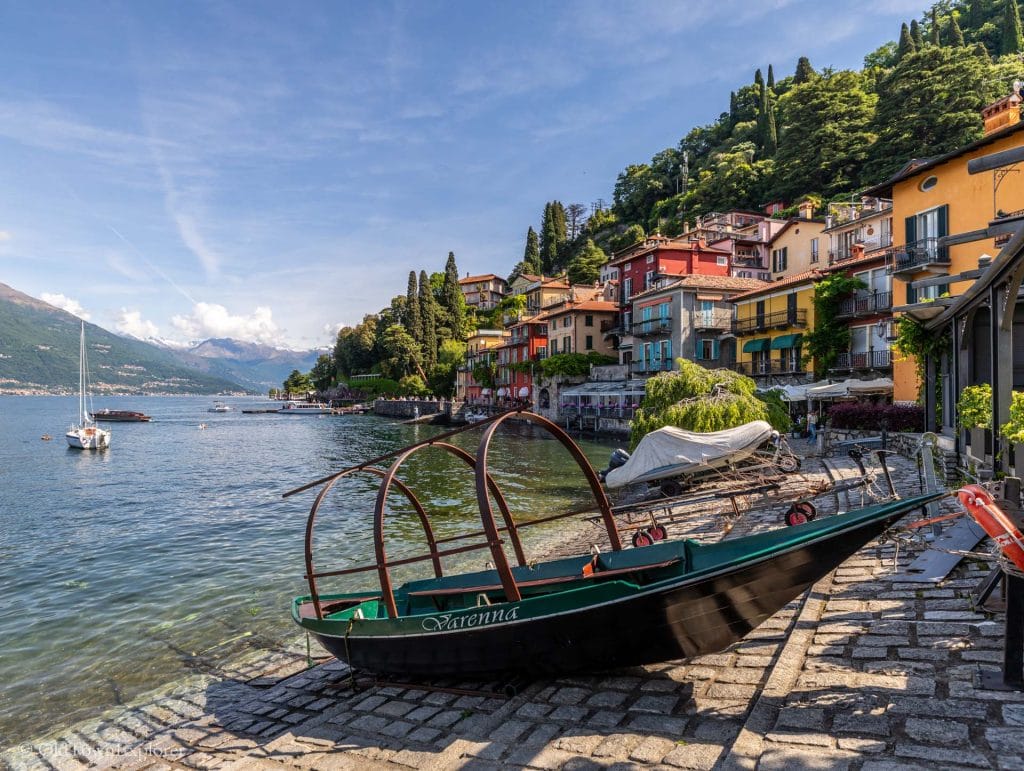
Varenna is one of the strongest villages on the east side of Lake Como and one of the easiest to pair with Bellagio. Its center feels tighter and more compact than Bellagio’s, and that is part of its appeal. It is one of the villages that works well even if you only have a shorter visit.
The waterfront setting is a major part of the experience, but the village is not just about the shoreline. Varenna also draws visitors for Villa Monastero and its gardens, which give the stop more depth than a quick promenade walk.
Compared with Bellagio, Varenna usually feels more contained and easier to cover on foot. It is a strong choice for travelers who want direct lake access, a compact old center, and a stop that fits naturally into a ferry-based day.
Menaggio
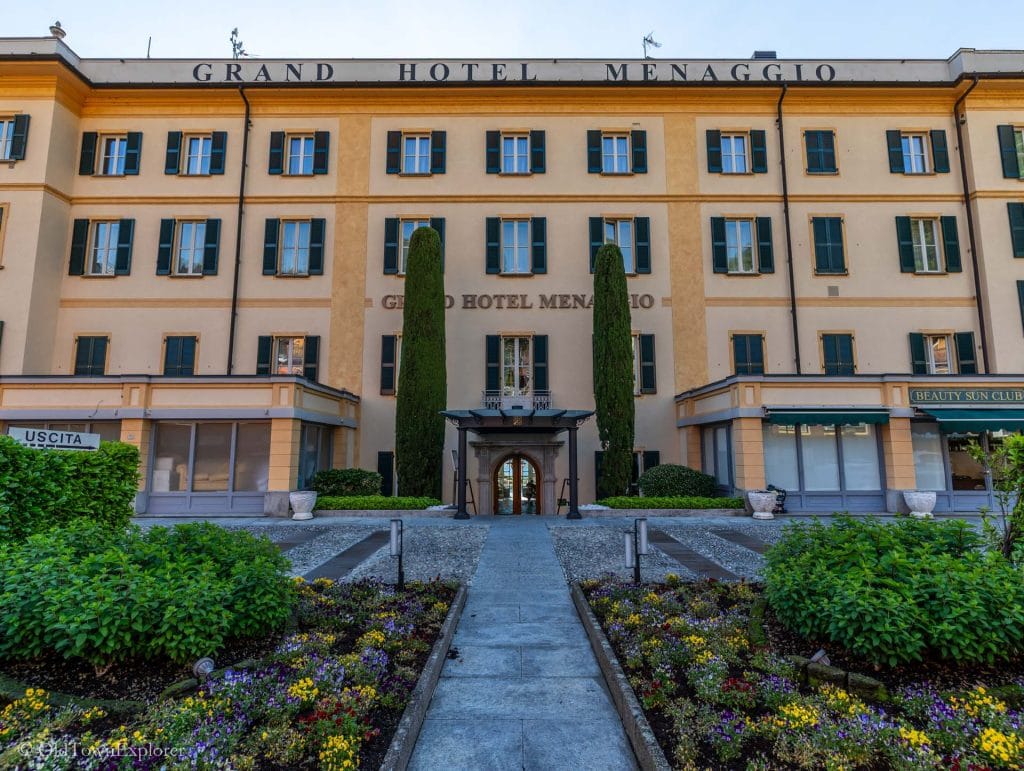
Menaggio is the western anchor of the core three-village circuit. Its central position on the lake makes it practical, but what stands out on the ground is the broader waterfront and the more open relationship between the lakeside promenade and the upper streets.
This is one of the villages that can work either as a stop or as a base. It has enough transport value to support repeated day trips, but it also has enough village structure to feel like a destination in its own right. That combination is why Menaggio stays useful even after the first visit.
Menaggio also gives good contrast within the Central Lake. After Bellagio’s steep lanes and Varenna’s tighter village plan, Menaggio feels easier to read from the waterfront and more spread out along the shore.
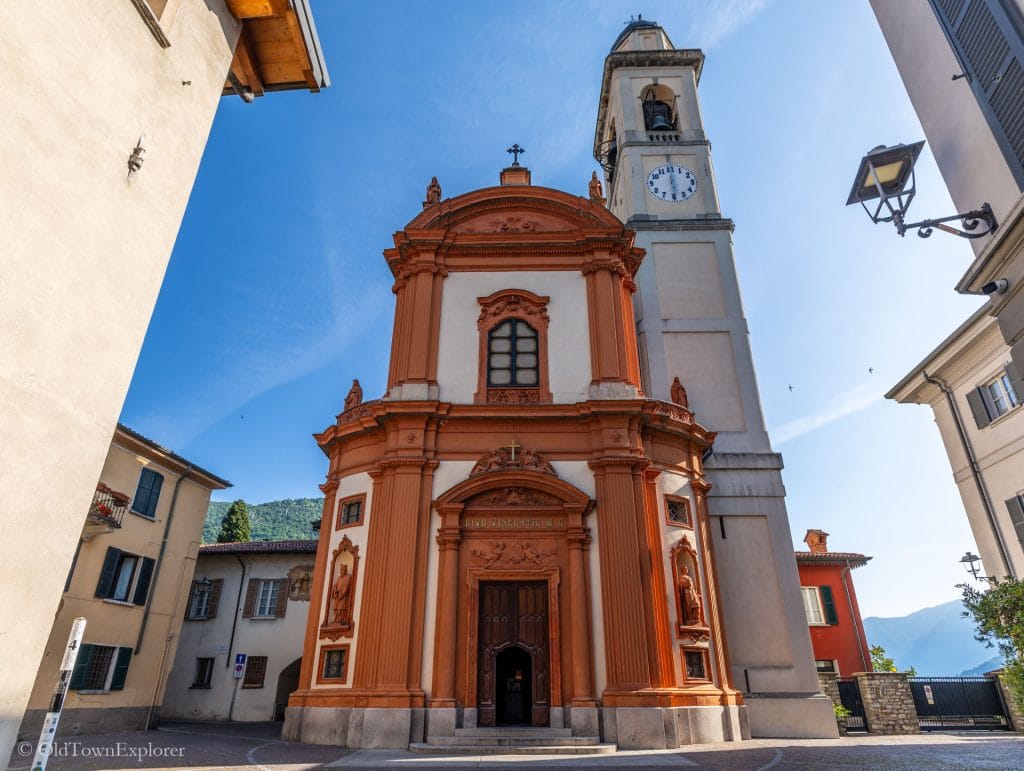
Cernobbio
Cernobbio is one of the simplest village-style stops to add from Como. It sits very close to the city on the west side and works well when you want a shorter outing without committing to a full ferry day into the Central Lake.
The village is closely tied to the villa-and-hotel belt on this part of the lake, especially around Villa Erba. That gives it a more polished lakeside feel than some of the steeper historic villages farther north.
Cernobbio is not the village to choose for medieval lanes or dramatic terrain. It is better for readers who want a nearby lake stop from Como, a clean waterfront setting, and an easy addition at the beginning of a longer Lake Como itinerary.
Blevio
Blevio sits on the east side of the Como branch and is much quieter in feel than the core Central Lake villages. It is made up of small hamlets spread up the slope, which immediately gives it a different texture from places built around one tight central waterfront.
Because of that layout, Blevio works less like a classic ferry-hopping stop and more like a nearby extension of Como. It suits visitors who want to see how the south branch changes once you leave the city rather than those looking for the most famous village center on the lake.
Blevio shows a quieter, more residential side of Lake Como close to the city. It is not a major sightseeing stop in the same way as Bellagio or Varenna, but it helps show how village life changes along the south end of the lake.
Torno
Torno is one of the strongest traditional village stops on the Como branch. It sits directly on the water, but the village does not flatten into a promenade-only experience. The older core still climbs away from the shore, and that gives it the layered look that many readers want from a Lake Como village.
It is one of the best villages to add early if you are staying in Como and want something more atmospheric than the city-edge stops. The transfer is shorter than going all the way to Bellagio, but the village still feels distinct enough to stand on its own.
Torno works especially well for visitors who like a clear historic center, church-led upper streets, and a south-branch stop that feels more like a village than a suburb of Como.
Nesso
Nesso is one of the most topographically defined villages on Lake Como. It is best known for the Orrido di Nesso, where streams cut through the settlement before reaching the lake. That landscape feature is not a side attraction. It shapes the village itself.
The village is steep and narrow, and the descent toward the gorge and bridge area is a major part of the visit. Because of that, Nesso feels very different from the central ferry villages. It is less about a promenade and more about terrain, stone lanes, and the dramatic meeting of water and rock.
Nesso is one of the best villages to visit after the core ferry stops. It adds a different kind of Lake Como experience, shaped by steep lanes, water, rock, and the descent toward the gorge.
Tremezzo
Tremezzo is one of the most important west-shore stops in the central part of the lake because of its close association with Villa Carlotta. This is one of the clearest places where a village visit and a villa visit belong together in the same stop.
The village itself has a pleasant lakefront setting, but the larger reason to come is the combination of architecture, sculpture, gardens, and west-shore position. Tremezzo makes sense once you want to move beyond the Bellagio–Varenna–Menaggio triangle without leaving the Central Lake.
It is especially useful for readers whose interests lean more toward formal gardens and historic properties than toward ferry-hopping alone.
Lenno
Lenno is most often visited for Villa del Balbianello, and that association is strong enough that many visitors arrive with one specific destination in mind. That gives the village a different rhythm from Bellagio or Menaggio, where the whole settlement is usually the first draw.
Even so, Lenno works well as more than a villa access point. It has a calmer west-shore feel and fits naturally into a slower central-lake day that includes one major villa stop and one or two nearby villages.
Lenno is a good choice for travelers who want a village that feels tied to architecture and setting rather than to shopping streets or a busy ferry interchange.
Argegno
Argegno is a compact village on the west side of the Como branch, crossed by the Telo stream. It is smaller in scale than the core central-lake villages, but that is part of what makes it useful. It works well when you want a stop that still feels distinct without requiring a full north-lake journey.
The village has a more local profile than Bellagio or Varenna, and it functions well as a practical west-branch addition from Como. It is also tied to inland connections, which gives it a slightly different role in the network of lake villages.
Argegno is a useful follow-up once you have covered the main Central Lake villages. It is easy to add from Como and gives you another west-branch stop without repeating the same experience as Bellagio, Varenna, or Menaggio.
Bellano
Bellano is the most useful next village north of Varenna on the Lecco branch. It stands out because of the Orrido di Bellano, where the Pioverna stream cuts through the settlement and gives the stop a more dramatic terrain-based identity.
That makes Bellano feel different from the villa-led villages of the Central Lake. The visit is less about gardens and more about how the village sits around water, rock, and the east-shore landscape.
Bellano is a good choice once you want to expand eastward without heading immediately to the Upper Lake. It works especially well after Varenna because the contrast between the two stops is easy to feel.
Gravedona ed Uniti
Gravedona ed Uniti is one of the key settlements of the Upper Lake and also the seat of the North Lake Como tourism association. That alone signals its importance in the northern section of the lake.
It has more weight than a quick pass-through stop. Its location on a broad inlet, its administrative role, and its scale give it a different presence from the tighter villages farther south. Gravedona ed Uniti makes sense when you want to understand the Upper Lake as its own area rather than just the far end of a Bellagio itinerary.
Gravedona ed Uniti is one of the strongest Upper Lake villages to include in a first overview of Lake Como. It adds geographic range and a broader northern-lake setting without feeling like a duplicate of the Central Lake villages.
Domaso
Domaso is one of the most practical and recognizable villages on the western side of the Upper Lake. Official local tourism material presents it as both a historic village and a major center for water sports and lakeside activity in the north of the lake.
That combination gives Domaso a different identity from Gravedona ed Uniti. It is still a village stop, but it also belongs to a more active Upper Lake landscape defined by beaches, wind, and broader shorelines.
Domaso is a strong Upper Lake stop for visitors who want a different side of Lake Como. It feels more active and open than the formal villa villages of the Central Lake, with a stronger connection to beaches, wind, and water-based activities.
Tour of Lake Como Villages
Planning a tour of Lake Como villages works best when you group them by area instead of trying to move randomly around the shoreline. The most practical structure is Central Lake, Branch of Como, Branch of Lecco, and Upper Lake. That keeps routes easier to understand and makes it clearer when a village belongs on a ferry day, a shorter outing from Como, or a longer north-lake trip.
Central Lake Villages
The Central Lake is the best starting point for most visitors. Bellagio, Varenna, and Menaggio are the core three, and local tourism pages explicitly present them as the main villages of this part of the lake. They are also the easiest group to compare in a short trip because they sit opposite one another and are tied together by the main ferry circuit.
This is the part of Lake Como where village-hopping feels most natural. Bellagio gives you steep lanes and a busy center. Varenna gives you a tighter village plan and direct east-shore character. Menaggio adds a wider waterfront and a more open layout. For a first-time route, no other group gives a clearer introduction to how varied the villages can be.
Villages on the Como Branch
The Branch of Como is the best next step for visitors staying in or near Como. It includes the closest village-style stops from the city and the most practical shorter outings once you have already covered the Central Lake. Cernobbio, Blevio, Torno, Nesso, and Argegno are the main names to know here.
This branch has a different pace from the Central Lake. The villages feel closer to the city, but they also feel more tied to the south end of the lake, where the shore is narrower and the routes are shorter. Torno and Nesso are especially useful if you want older village fabric and steeper terrain without committing to a full central-lake circuit.
Villages on the Lecco Branch
The Branch of Lecco is the most useful east-side area after Varenna. Varenna is still the best-known stop here, but Bellano is the clearest next village north if you want a follow-up that feels different from the Central Lake without jumping all the way to the Upper Lake.
This branch works especially well for visitors who like combining lake villages with rail access and east-shore routes. It also brings more of the mountain-and-stream landscape into the visit, which is why Bellano stands out so clearly once you move beyond Varenna.
Upper Lake Villages
The Upper Lake has a broader, more open character than the Central Lake. Local tourism material presents it as a distinct destination area, and the difference is easy to feel once you get there. The shorelines are wider, the distances are longer, and the villages are more strongly tied to beaches, wind conditions, forts, and mountain valleys.
For this page, the main Upper Lake villages to know are Gravedona ed Uniti and Domaso. They are not quick add-ons to a Bellagio day. They belong to a different kind of outing, one that is better suited to a longer trip north or a day built around the Upper Lake itself.
Tips for Visiting Lake Como Villages
Use Ferries to Connect the Main Villages
For most first-time visitors, ferries are most useful in the Central Lake. That is where Bellagio, Varenna, and Menaggio are easiest to combine, and that is still the most efficient part of the lake for comparing village settings in one day.
Do Not Try to Cover Too Many Villages in One Day
Two or three villages is usually enough for one day. That leaves time to move beyond the dock, climb into the upper streets, stop for a meal, or visit a villa or gorge without reducing the day to transport changes only.
Expect Stairs and Short Climbs
Many Lake Como villages involve elevation changes once you leave the waterfront. Bellagio, Varenna, Torno, and Nesso in particular are easier to enjoy when you expect stepped lanes, short climbs, and uneven surfaces.
Check Ferry Times Before You Set Out
Service patterns matter more once you go beyond the central triangle. Bellano and the Upper Lake stops are much less forgiving if you miss a connection or assume every service works the same way.
Decide Whether You Want a Base or a Day Trip Stop
Bellagio, Varenna, and Menaggio work well as bases because they sit in the main movement zone of the lake. Nesso, Argegno, Bellano, Gravedona ed Uniti, and Domaso usually work better as day stops within a broader route.
FAQs About Lake Como Villages
Which Lake Como villages should first-time visitors prioritize?
For most first-time visitors, the clearest first three are Bellagio, Varenna, and Menaggio. They sit in the Central Lake area, connect well by ferry, and show three different village layouts in one easy route.
Which villages are easiest to add from Como first?
The easiest early additions from Como are Cernobbio, Blevio, and Torno. They sit on the south end of the lake and make more sense as short outings from the city than the farther central-lake or Upper Lake villages.
Which villages are best for villas and gardens?
Bellagio, Tremezzo, and Lenno are the strongest villa-focused stops in this guide. Bellagio is tied to Villa Melzi, Tremezzo to Villa Carlotta, and Lenno to Villa del Balbianello.
Which villages are better for natural features than villa visits?
Nesso and Bellano stand out most clearly for natural features. Nesso is defined by the Orrido di Nesso, while Bellano is best known for the Orrido di Bellano.
Which villages belong in an Upper Lake itinerary?
Gravedona ed Uniti and Domaso are two useful Upper Lake villages to include on a first Lake Como itinerary. Gravedona ed Uniti has more historical weight and a broader town setting, while Domaso is better for beaches, water sports, and a more active northern-lake stop.
How many Lake Como villages can you visit in one day?
Most visitors can cover two to three Lake Como villages in one day without rushing, especially in the Central Lake. More than that usually leaves too little time to walk beyond the waterfront, visit a villa or church, or stop for a meal.
