

Discover Life in Lübeck: Pros & Cons of Living in a Hanseatic city on Germany’s Baltic coast
Lübeck is a mid-sized city in Schleswig-Holstein, built around an Old Town island between the Trave and Wakenitz rivers, with the Baltic Sea close by. If you’re weighing the pros and cons of living in Lübeck, daily life often comes down to walkability, weather, and how much you’ll use Hamburg for work, flights, and big-city services.
We spent a month in Lübeck testing normal routines—groceries, buses, train trips, and weekday evenings in wintery light. Below are the pros and cons of living in Lübeck, focused on housing, transport, weather, food, and what actually changes day to day.
This website contains affiliate links that may earn us a small commission at no additional cost to you.
Quick Take: Living in Lübeck
This quick take summarizes who tends to do well in Lübeck, who tends to struggle, what’s most noticeable day to day, and the main trade-offs to expect.
Best for
People who want a walk-first routine in a historic center with errands close together
Frequent Hamburg users who prefer a smaller home base with a straightforward train ride
Anyone who likes coastal day trips and ferries without needing a car every weekend
Harder for
Sun chasers who struggle with long, grey, windy stretches in winter
People who rely on a large airport network and lots of direct flights
Nightlife-first residents who want late options on weeknights
What stands out
The Old Town is a UNESCO-listed core with Brick Gothic landmarks that you pass constantly
The city feels linked to the sea through Travemünde and Baltic routes
A “small city, big history” vibe shows up in museums, churches, and street layout
Top trade-offs
Better day-to-day calm than Hamburg, but fewer job lanes locally for some fields
Walkability is excellent, but parking and deliveries can be a hassle in the center
Coastal access is a plus, but storm-surge events are part of life near the water
Pros and Cons of Living in Lübeck
Lübeck suits people who like a compact, walkable routine with coastal access. But winter wind and grey days, plus limited airport and some job options, are regular trade-offs—often meaning occasional reliance on Hamburg.
Pro: You can live on foot in the center
If you’re based near the Old Town, many errands fit into a single walk, even on a workday lunch break. That cuts transit planning and makes daily life feel simpler. The trade-off is that the “easy zone” shrinks fast once you live farther out.
Con: Winter days can feel long and dim
In colder months you’ll likely commute and run errands in grey light, with wind off the Baltic. It can affect mood and outdoor routines if you’re used to brighter winters. Summer improves this, but the contrast is real.
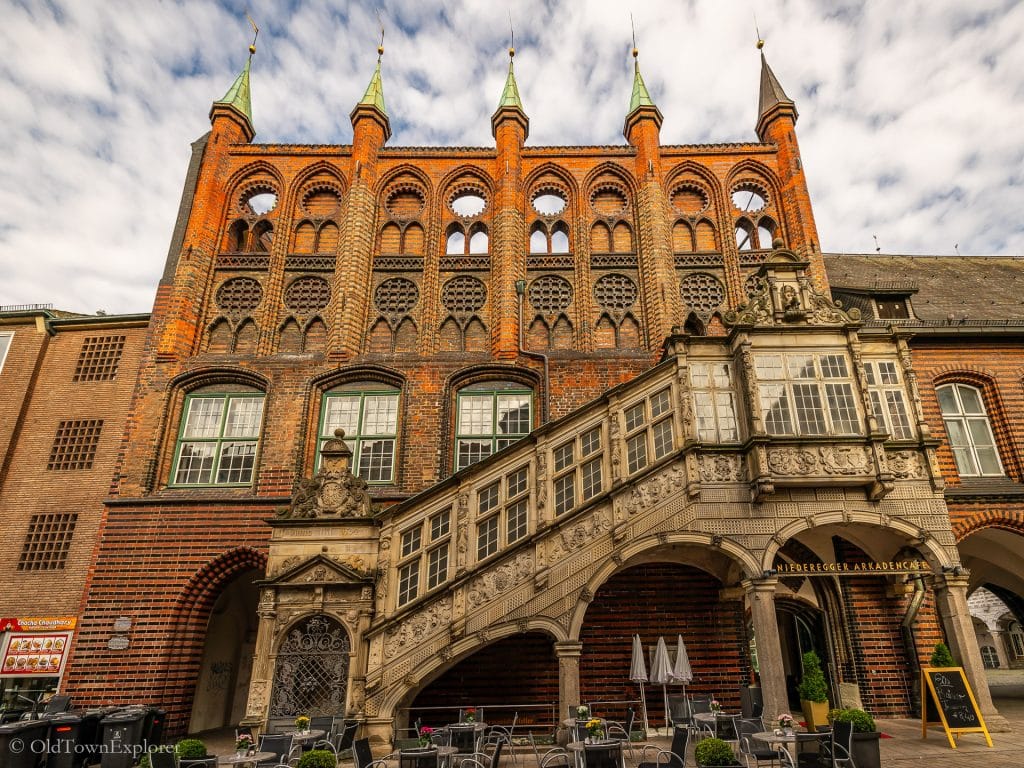
Pro: The architecture is part of your commute
Walking past Brick Gothic churches and medieval gates isn’t a special outing—it’s the route to the bakery or the bus stop. If you want a quick reference for what you’re seeing day to day, use our Lübeck Architecture guide. It makes ordinary errands visually interesting, but preservation rules can limit renovations and change.
Con: Historic housing can be noisy and quirky
Older buildings often mean creaky stairs, uneven floors, and sound traveling between units. Heating and drafts can be a routine problem in winter. Newer apartments exist, but they may be outside the most walkable areas.
Pro: Hamburg is close enough for “big city days”
It’s realistic to use Hamburg for meetings, concerts, or specialist appointments and still sleep at home in Lübeck. That helps if you want more options without living in a bigger city full-time. Delays and peak-hour crowds still happen. For day-to-day planning, check the Deutsche Bahn timetable before you commit to a commute.
Con: Local job variety can feel limited
If your work depends on niche industries, you may end up commuting to Hamburg or working remote. That’s fine when trains run smoothly. But it adds planning if your schedule is inflexible.
Pro: Public transport is straightforward for daily basics
Buses cover most routine trips, and the city’s operator is easy to find online for tickets and fares before you commit to a pass. It works well when you’re doing repeat routes like home–station–center. Late-night frequency can be thinner depending on the line.
Con: It’s a bus city, not a rail network city
If you’re used to trams or U-Bahn frequency, buses can feel less predictable in traffic. Connections may require timing transfers, especially outside the center. Bad weather days make waiting at stops less fun.
Pro: Travemünde makes “sea time” easy
You can get to the coast for a walk, a swim, or a winter beach day without turning it into a full trip. That’s a big quality-of-life win if you need open space. Summer weekends can be busy and more expensive.
Con: Wind changes how you dress and plan
You’ll keep a windproof layer in rotation a lot of the year, even when temperatures don’t look extreme. Cycling and walking are still doable, but comfort depends on the day. On calmer days it’s easy to forget how constant it can be.
Pro: Grocery shopping is practical, not a project
You can run small, frequent shops instead of one big haul, especially if you live central. That helps if you don’t own a car. The limitation is that discount supermarkets can be easier to reach outside the Old Town.
Con: Parking in and around the Old Town is a routine hassle
Short errands by car can take longer than the errand itself, and visitors add pressure in peak months. Residents often end up planning trips around garage locations. If you rarely drive, it matters less.
Pro: It’s easy to host visitors without living in a “tourist-only” place
Friends can see major landmarks quickly, and then you can return to normal neighborhoods for quieter evenings. That balance helps long-term residents. In July–August, the center still feels crowded.
Con: Summer crowds concentrate in specific corridors
Certain streets and waterfront areas get busy at predictable times, especially on weekends. It can push you to shop earlier or choose alternate routes. If you live right in the center, you’ll feel it most.
Pro: Museums and history are accessible year-round
Indoor options matter in wet, windy seasons, and Lübeck’s museum culture supports that. It gives you “third places” beyond cafés. Ticket prices can rise over time, so frequent visits may need a pass mindset.
Con: Coastal flood and storm-surge events are part of the region
Even if your apartment is safe, disruptions can affect roads, waterfront areas, and travel plans. It’s something you watch in forecasts and local alerts. The risk varies by neighborhood and elevation.
Pro: Regional travel is easy by ferry and train
Travemünde connects to Baltic routes, and that opens up car-free trips to places like Sweden. It’s a practical option for slow travel without airports. The limitation is that schedules and prices vary by season.
Con: The local airport is not a full-service solution
Lübeck Airport can be convenient when it has the route you need, but options are limited compared with Hamburg. That means you still plan many flights around Hamburg or connections.
Pro: It generally costs less than Hamburg
If you’re relocating from Hamburg, rent and everyday spending can be lower, which helps your monthly buffer. That can make a central apartment more realistic. Exact savings depend heavily on neighborhood and lease timing.
Con: Finding the “right” apartment can take patience
Like many German cities, good listings move fast, and paperwork expectations are strict. If you’re relocating, skim the city’s residence registration rules early so you know the deadlines and what documents are typically expected. That affects newcomers without local documents or a German credit history. A temporary sublet can reduce stress, but it adds steps.
Pro: Cycling is a workable default for many errands
Short distances and flat-ish routes make bikes practical for stations, shopping, and everyday visits. The city actively supports cycling logistics like rentals and service points. In winter wind and rain, you may revert to buses.
Con: A lot of daily services still use German language
You can get by with English in some settings, but appointments, letters, and forms often require German. That becomes obvious with healthcare, housing, and city administration. The edge case is if your employer handles the admin.
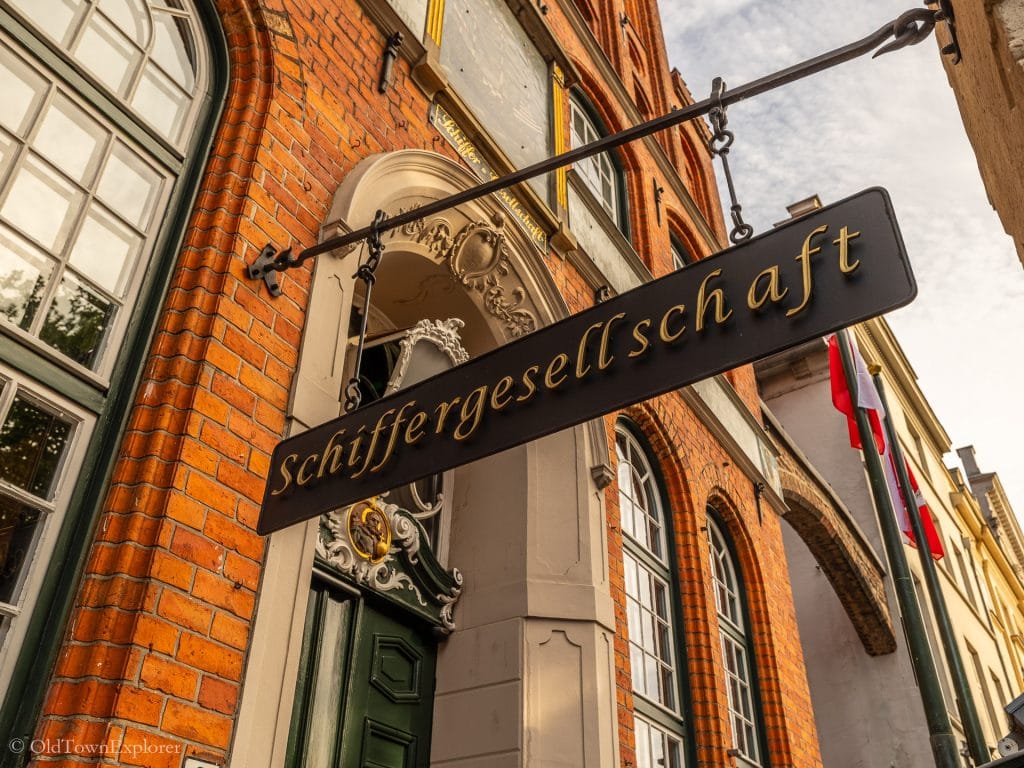
Pro: The city is known for marzipan, and it shows up in normal life
It’s not just a souvenir—cafés and shops make it a regular treat, and gifting it is common. For more everyday context beyond sweets, see our Lübeck Food guide. That adds an easy “local default” for birthdays and holidays, but if you don’t like sweet things, the novelty fades quickly.
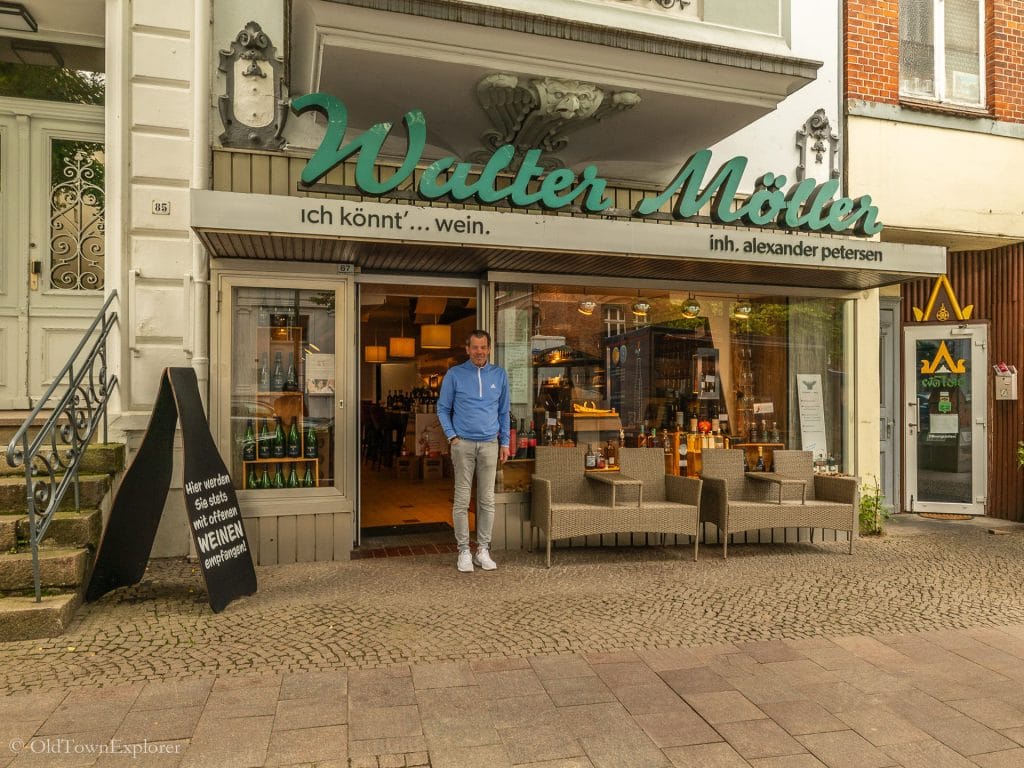
Con: Wine culture is available, but not the local backbone
You can buy excellent German and European wine, but Lübeck isn’t surrounded by vineyards. For the practical “where to actually go” list, use our Lübeck Wine guide. If winery weekends are your main hobby, you’ll travel farther than you would from Rhine or Mosel towns, and beer or spirits can dominate some social settings.
Pro: Students and health sciences add weekday energy
The University of Lübeck and related institutions bring a steady rhythm of term-time activity—cafés, housing demand, and events. It keeps parts of the city from feeling sleepy in winter. The limitation is that student housing pressure can lift rents.
Con: Sunday closures force planning
Like much of Germany, many shops close on Sundays, so you plan groceries and errands ahead. It can feel restrictive at first. Once it’s routine, you may appreciate the quieter pace—unless you work weekends.
Visit Lübeck Before Moving
A scouting stay in Lübeck works best when you test daily routes, not landmarks. Pick a base near your likely neighborhood and do normal tasks at normal times: grocery runs in the rain, a bus connection during peak hour, and an evening walk to see how safe and active it feels.
Also schedule one “systems day” to learn the basics: recycling rules for your building, where you’d see a doctor, and how you’d get to Hamburg Hbf when you’re tired and running late. Those details are what make the move either easy or exhausting.
Use the map to choose a short-stay base near your likely daily routes, then test errands and transport at normal hours.
Tips for Living in Lübeck
Lübeck is easiest when you build routines around weather, walkability, and predictable closures. These tips focus on the stuff you’ll notice weekly, not one-off experiences.
Choose your neighborhood by wind and walking time
Do a few test walks in bad weather. Ten minutes along an exposed route can feel very different from ten minutes through sheltered streets.
Treat Hamburg as a tool, not a lifestyle
Plan which services you’ll “borrow” from Hamburg (airport, certain specialists, specific shops). Then keep the rest of life local so you’re not always commuting.
Build a winter kit you actually use
A waterproof jacket, wind layer, and good shoes matter more than fancy outerwear. If you’re comfortable outside, Lübeck feels bigger because you’ll keep walking.
Learn the Sunday routine early
Stock basics on Saturday and know which kiosks or station shops are open in a pinch. This removes a constant low-level annoyance.
If you live central, plan deliveries like appointments
Old Town logistics can be tight. Choose delivery windows when you’re home and confirm where a driver can legally stop.
FAQS About Living in Lübeck
Is Lübeck a good place to live without a car?
Yes for many people, especially if you live near the Old Town or on a direct bus line. Car-free life gets harder in outer neighborhoods where errands spread out.
How bad is the winter weather in Lübeck?
Winters are often cold, windy, and cloudy, and it can feel long if you expect brighter days. The upside is that summers are usually mild rather than scorching.
Can you commute from Lübeck to Hamburg?
Yes, and many people do. It works best if your job has predictable hours, because missed connections and peak-hour trains can turn a simple day into a tiring one.
Does Lübeck feel crowded?
The center can feel busy in peak summer, especially on weekends. Outside those corridors—and outside high season—the city often feels calm.
Is Lübeck at risk of flooding?
Coastal regions on the Baltic can experience storm surges, and higher water levels can affect low-lying areas and waterfront infrastructure. The risk depends on the exact neighborhood and elevation.
