
Explore Life in San Sebastián: Pros & Cons of Living in a Coastal Basque City
San Sebastián (Donostia) is a coastal city in northern Spain in the Basque Country, set on the Bay of Biscay near the French border. This post breaks down the pros and cons of living in San Sebastián with a focus on daily life: food costs, weather, housing, walkability, and how crowded the center feels in peak season.
We spent a month in San Sebastián, following a normal routine—grocery runs, commute-style walks, and weekday dinners—to see what holds up after the first week. Below are the pros and cons focused on housing, transport, weather, working life, and day-to-day costs.
This website contains affiliate links that may earn us a small commission at no additional cost to you.
Quick Take: Living in San Sebastian
This quick take summarizes who tends to do well in San Sebastián, who tends to struggle, what’s most noticeable day to day, and the main trade-offs to expect.
Best for
People who want a walk-first routine with beaches, shops, and services close together
Food-focused residents who like eating out often, especially pintxos bars and seasonal menus
Remote workers who can handle a smaller local job market and plan trips around regional airports
Harder for
Anyone on a tight housing budget, especially if you need more space or a newer building
People who dislike frequent rain or want long, reliable stretches of dry weather
Drivers who need easy parking or fast cross-town trips by car
What stands out
Rain changes plans often, so you build a “wet day” version of your routine
Dining culture runs through normal weeks, not just weekends
Basque and Spanish both show up in signage and public services, even if most people can switch to Spanish
Top trade-offs
You get strong day-to-day livability, but rent and purchase prices can be steep
You can live car-free, but frequent flyers may lean on Bilbao for more routes
The city feels calm in the off-season, then tight and loud during peak summer weeks
Pros and Cons of Living in San Sebastian
Below is a mixed list of pros and cons based on everyday routines—food and grocery habits, housing reality, weather, walkability, and getting in and out of the region. Each point includes what it feels like day to day and where it can fall short depending on your neighborhood, budget, and schedule.
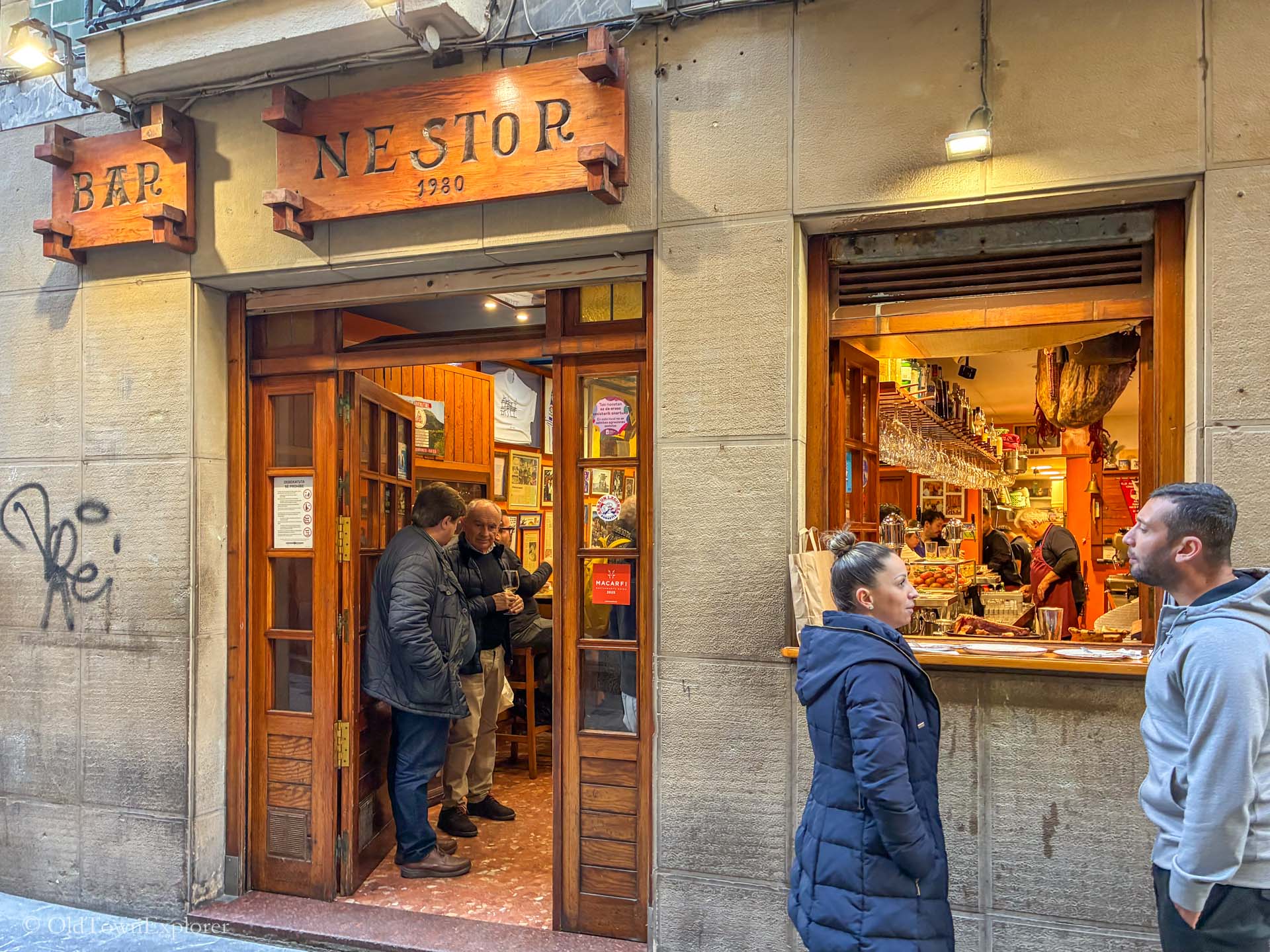
Pro: Pintxos culture is practical
Pintxos bars make weeknight eating simple because you can do a small dinner without booking ahead. It’s easy to eat well in short windows between errands. The downside is that popular streets can feel packed, and prices add up fast if it becomes a daily habit—see the San Sebastian Food guide for practical neighborhood and market context.

Con: Rent is consistently high
San Sebastián is one of Spain’s most expensive rental markets, and smaller units can still cost a lot per square meter. That matters if you need a second bedroom or quiet work space. Summer pressure can also tighten availability in central areas.
Pro: You can live without a car
Many neighborhoods connect well on foot, and day-to-day needs are close together. This makes errands easier and reduces monthly transport costs. The edge case is if you work outside the city or carry bulky gear, where a car starts to feel necessary.
Con: Rain changes your routine
Rain is frequent and spread across the year, so you plan around wet mornings and sudden showers. It affects laundry, commuting comfort, and outdoor exercise. Summer is better, but you still need rain gear more often than in many Spanish cities.
Pro: Mild temperatures help year-round
Winters are generally moderate and summers are not usually extreme, so you can stay active outside most months. It’s easier to keep a steady walking habit. The limitation is higher humidity and fewer “guaranteed” sunny weeks compared with the Mediterranean.
Con: Apartment stock can be tight
Many buildings are older, and layouts can be narrow or dark depending on the street. Sound insulation varies a lot, especially near busy dining zones. If you want an elevator, strong heating, and good light, you may spend more and still compromise.
Pro: Local white wine is close by
Txakoli-producing areas on the Basque coast are within easy reach for day trips, and the style fits the local food. It’s common to see Basque wines by the glass in casual places. The downside is that if you prefer big, warm-climate reds, selection can feel narrower without seeking specialty shops—see the San Sebastian Wine guide for local styles and where they show up in town.
Con: Flights may require extra steps
The city has an airport, but many international routes go through Bilbao, and that adds planning time. If you travel often, you’ll learn bus schedules and buffer time. Start with Bilbao Airport bus info to confirm current service patterns and plan realistic connections.
Pro: Good rail links for long weekends
You can reach Madrid by direct train in roughly 5–6 hours, which makes city breaks realistic without flying. That’s useful for paperwork, work trips, or visiting friends. The limitation is frequency and journey time compared with true high-speed corridors—check current options on Renfe timetables.
Con: Crowds spike hard in summer
In peak season, the center can feel like it runs on visitor schedules, especially around meal times. That affects noise, queues, and how long simple errands take. If you value quiet, you may time grocery runs early or shift routines to less central neighborhoods.
Pro: Beaches are part of normal life
The beaches aren’t just for weekends; they shape daily walks, exercise, and social time. A quick loop along the bay is an easy default routine. The edge case is windy or rainy weeks when the coast feels less usable.

Con: Eating out can blur into a budget leak
Even small pintxos rounds add up, and it’s easy to spend more than you planned without noticing. That matters if you’re trying to save while renting at a high baseline. The practical fix is setting “home-cooking nights,” but you need discipline.
Pro: Markets and small shops support cooking
It’s easy to buy fresh basics frequently, which suits smaller kitchens. Many residents shop more often and store less. The limitation is that some specialty items can be pricier than in larger Spanish cities.
Con: Language can be a hurdle in admin
Spanish will carry you, but Basque is present in signage and local institutions, and you’ll hear it in daily life. It’s not required for most newcomers, but it can slow down paperwork or school decisions if you avoid it completely. For the city’s official steps, start with padrón registration info.
Pro: City size makes routines efficient
You can stack tasks in one outing because distances are short. This helps if you work remotely and want quick breaks for errands. The limitation is fewer “big city” options for niche services and shopping.
Con: Parking is a constant problem
If you keep a car, you’ll think about permits, garages, and where you can realistically leave it. Street parking can be scarce, especially near the center. If you drive daily, the stress can outweigh the benefit.
Pro: Architecture is visible day to day
The city has clear layers from 19th–early 20th century expansion, plus older streets in the Parte Vieja. Even routine walks pass façades, bridges, and civic buildings that give the city a distinct look. The trade-off is that protected areas can limit renovations, so some apartments stay outdated—see the San Sebastian Architecture guide for the key buildings and districts.

Con: Weather can limit outdoor plans
Even with mild temperatures, frequent wet days make outdoor workouts and social plans less reliable. You’ll often default to cafés and indoor meetups. If you need sun to feel good, this is a real quality-of-life factor.
Pro: Public spaces support walking
The city is easy to navigate without complicated transfers, and many areas encourage walking. This makes it simpler for older residents and anyone avoiding daily car use. The limitation is that steep streets appear in some zones, and pushing strollers can be tiring.
Con: Job market is narrower than Madrid or Barcelona
For many fields, options are limited, and networking can feel local and slow-moving. Remote work solves part of this, but not if you need a local contract. If you’re job-hunting on arrival, plan a longer runway.
Pro: Close to France for quick escapes
Border proximity makes short trips to nearby French towns realistic by car or train connections. That’s useful when you want a change of pace without flying. The limitation is that cross-border transport planning can be less direct than it looks on a map.
Con: Grocery variety depends on neighborhood
Some areas have great day-to-day options, while others require extra walking for specific shops. If you cook a lot, you may end up with a “regular circuit” of stores. It’s manageable, but it’s not one-stop shopping.
Pro: Population size feels manageable
With under 200,000 residents, it’s a real city but not overwhelming, and you can learn the layout quickly. That can reduce stress compared with larger metros. The edge case is that small-city dynamics can feel insular if you’re trying to build a new social circle fast.
Con: Short-term rental pressure can affect availability
In some central areas, seasonal demand reduces long-term options and pushes prices up. That impacts newcomers looking for a first apartment. It’s less intense outside the core, but it still shapes the market.
Pro: Easy routines for active people
Between the coastline, urban walks, and nearby hills, it’s simple to build daily movement into your schedule. You don’t need a car for many exercise routines. The limitation is planning around rain and wind, especially in the cooler months.
Visit San Sebastian Before Moving
A scouting stay helps you test the parts that don’t show up in photos: night noise, how errands feel in heavy rain, and whether your daily routes work without a car. Try to run a normal week—grocery runs, a few “commute walks,” and at least one rainy-day schedule.
If possible, base yourself in one neighborhood and repeat the same walks at different hours. You’ll learn quickly whether crowds, hills, and apartment light levels match what you can live with. For country-level travel basics, regional planning context, and Schengen stay notes, compare this city routine with our Spain guide.
Use the map to choose a short-stay base near your likely daily routes, then test errands and transport at normal hours.
Tips for Living in San Sebastian
Daily life here is shaped by walkability, wet weather, and a housing market that rewards patience. These tips focus on settling in and avoiding common time-wasters.
Pick your neighborhood
Choose based on noise, light, and grocery access, not just distance to the water. Walk your target street late evening and early morning before signing anything. If you’re sensitive to sound, avoid prime dining strips.
Learn basic Basque
You don’t need fluency, but basic phrases help you read signage and feel oriented. It can also make school or admin conversations smoother. If you only learn a little, focus on greetings and common public-service words.
Plan for wet days
Get a rain jacket and shoes that handle slick pavement. Build an indoor version of your routine for workouts and errands. Wet weeks are normal, so treat rain gear like daily gear.
Choose a car plan
If you keep a car, price a garage early and confirm resident parking rules. If you go car-free, map your weekly errands so you don’t rely on taxis in bad weather. Decide on purpose rather than drifting into daily hassle.
Check travel routes
If you fly often, test the Bilbao connection early and note realistic buffer time. If you take trains, learn the booking patterns that affect price and availability. Small planning habits can save a lot of time.
FAQs About Living in San Sebastian
Is San Sebastián expensive to live in?
San Sebastián is often priced higher than many Spanish cities, especially for rent in central neighborhoods. Day-to-day costs can also climb if eating out becomes a default routine. Many residents control costs by living a bit farther from the busiest center and cooking more on weekdays.
What is the weather like year-round?
Expect frequent rain and higher humidity compared with much of Spain, with milder temperatures than interior cities. The practical impact is planning around wet days for commuting, laundry, and exercise. A good rain jacket and waterproof shoes matter more here than in most Spanish locations.
Do I need a car to live in San Sebastián?
Many people don’t, because the city is compact and daily errands can be done on foot or by local buses. A car becomes more useful if you commute outside the city, have kids plus lots of weekly hauling, or regularly do trips where public transport is awkward. If you keep a car, budgeting for a garage can save time and stress.
Is it hard to find long-term housing?
Long-term housing can feel competitive, especially if you want a newer building, strong natural light, or quiet streets near the center. The biggest quality differences are often street-by-street: noise, building condition, and humidity control. Plan to view places in person and test the street at night before committing.
Is Spanish enough, or do you need Basque too?
Spanish is enough for most day-to-day tasks, but you’ll see Basque in signage and local institutions. Knowing a small amount helps you feel oriented and can smooth school or admin interactions. You don’t need fluency, but basic terms and greetings are useful.
