
San Sebastian Food
Explore San Sebastian Food: Restaurants, Street Food & Food Markets
San Sebastian, known as Donostia in Basque, is one of Europe’s top food destinations. From bite-sized pintxos in bustling old town bars to Michelin-starred cuisine and neighborhood markets, its culinary culture is deeply rooted in Basque tradition and innovation.
We spent a month exploring San Sebastian’s food—from its traditional taverns to its market stalls. This guide highlights what to eat, where to go, and how to taste your way through this coastal city.
This page contains affiliate links. We may earn a small commission at no extra cost to you.
Traditional Food in San Sebastian
San Sebastián’s culinary identity is shaped by Basque coastal traditions, Atlantic seafood, and a culture that values both everyday cooking and culinary experimentation. The city’s signature dishes—such as bacalao al pil-pil, txangurro, and kokotxas—reflect a heritage of seafaring, seasonal ingredients, and meticulous technique passed down through generations.
For a broader perspective on regional products and dishes beyond San Sebastián, see our Spain Food page.

Spain Food
Spain’s culinary landscape is a mosaic of regional identities—each offering its own dishes, ingredients, and techniques.
San Sebastián’s cuisine draws from the cold waters of the Bay of Biscay, the inland farms of the Basque Country, and the pintxo culture that animates its streets and bars. Traditional cooking here celebrates freshness, simplicity, and strong local sourcing, while also embracing the innovation found in the city’s many modern kitchens.
Spanish cuisine as a whole emphasizes bold flavors, seasonal produce, and regional diversity—and few places express this balance of tradition and creativity as clearly as San Sebastián.
Signature Dishes in San Sebastian
San Sebastian’s cuisine blends Basque tradition with a deep respect for seasonal ingredients. Many of its signature dishes celebrate seafood, local vegetables, and slow-cooked meats. You’ll find them in both high-end restaurants and everyday taverns across the city.
Bacalao al Pil Pil
Salt cod cooked with olive oil, garlic, and guindilla peppers until the sauce emulsifies into a silky glaze. A Basque classic often served in small clay dishes.
Txangurro
Spider crab meat mixed with onion, tomato, and brandy, then baked in its shell. This baked crab dish is a regional specialty especially popular in coastal towns.
Kokotxas de Merluza
Delicate hake cheeks prepared with garlic and parsley (al pil pil) or in green sauce (salsa verde). A prized cut in Basque cooking, often served as a starter or shared dish.
Marmitako
A traditional Basque tuna stew made with potatoes, onions, peppers, and tomato. Originally a fishermen’s dish, it’s now a warming staple in home kitchens and taverns.
Txuletón
Thick-cut, bone-in ribeye steak grilled over wood fire and typically served rare, often accompanied by simple salads and fried peppers. A mainstay of Basque cider houses.
Pimientos de Gernika
Mild green peppers lightly fried and sprinkled with sea salt. Served as a side or tapa, these peppers are a local favorite during summer and early autumn.
Gilda
A skewered pintxo of anchovy, olive, and pickled guindilla pepper. This salty, vinegary bite is considered the original modern pintxo, named after the Rita Hayworth film character.
Talo con Chistorra
Corn flatbread (talo) topped with grilled Basque sausage (chistorra), often served at markets and festivals. A rustic, satisfying snack rooted in rural traditions.
Pantxineta
A flaky pastry filled with custard and topped with toasted almonds and powdered sugar. This San Sebastian-born dessert is a staple on restaurant menus.
Idiazabal Cheese
A smoked, firm sheep’s milk cheese from the Basque mountains, often served with quince paste or walnuts. It features prominently on cheese boards and at market stalls.
Pintxo Bars in San Sebastian
Pintxos are central to San Sebastián’s food culture—bite-sized dishes typically served atop bread, secured with a toothpick, and enjoyed with a small glass of wine or beer. These bars are more than eateries; they’re local institutions where social life unfolds at the counter, and culinary creativity thrives in miniature form. For official route and neighborhood context, see the official San Sebastián Tourism pintxos guide.
Unlike tapas, which are often shared at the table, pintxos are ordered individually and eaten standing or casually perched at a bar. While some are cold and pre-prepared, many of San Sebastián’s best pintxos are made to order, reflecting the city’s reputation for culinary innovation. From anchovy-stuffed delights to slow-cooked meat skewers, pintxo bars in the Old Town and beyond offer a dynamic, walkable way to explore Basque flavors, one plate at a time.
For local drink pairings, see San Sebastian Wine, especially if you want Txakoli, Rioja, or Basque wine bars alongside pintxos.
Parte Zaharra (Old Town)
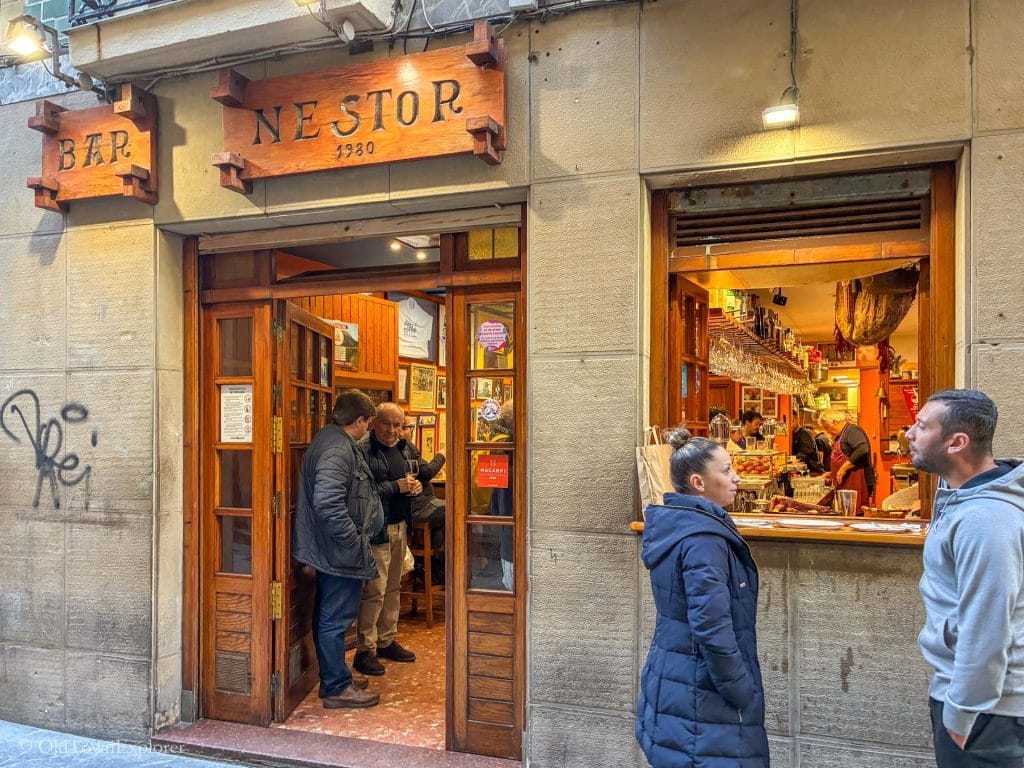
Bar Nestor
Address: Arrandegi Kalea, 11
This tiny bar is famed for a few standout items — especially its tortilla de patata, tomato salad, and the steak — rather than a huge variety of pintxos.
It remains a must‑visit in Donostia for food lovers, though due to its limited space and high demand it may involve waiting or arriving early.
KBZÓN TXIKI
Address: San Lorenzo Kalea, 11
This small bar tucked away in the Old Town serves inventive pintxos with a modern twist — one reviewer highlights dishes like Galician‑style octopus with sweet potato purée or Basque pork ribs slow‑cooked 24 hours.
It offers friendly service, fair pricing and a quieter atmosphere than the busiest neighbouring bars.
Bar KBZONa
Address: Narrika Kalea, 27-29
This bar describes itself as offering “pintxos and raciones elaborados con mucho mimo y producto de temporada” — small plates, half‑portions and full‑portions built around creative seasonal produce.
Though slightly further from the most crowded part of the Old Town, it’s praised for quality and value with a setting that invites lingering rather than the swift bar‑hop.
BAR SPORT
Address: Fermin Calbeton Kalea, 10
A lively classic pintxo bar with strong local energy — early open hours, constant flow of pintxos on the bar, and a favourite especially for visitors who want to “bar‑hop”.
It’s a good starting point for a pintxo crawl because of its accessibility and central location in the old town.
MendaurBerria
Address: Fermin Calbeton Kalea, 8
Known for “unusual pintxos … made at the moment” and generous portions, Mendaur Berria offers more creative interpretations of the pintxo format.
Since it’s slightly off the most crowded bar‑strip, it may afford a bit more space and time for a relaxed pintxo experience.
Ordizia
Address: San Lorenzo Kalea, 8
A simpler, less flashy pintxo bar that earns good reviews for well‑made pintxos and a friendly atmosphere.
Ideal for those seeking a more low‑key stop in the pintxo bar crawl rather than the busiest hotspots.
Zazpi
Address: Plaza Zuloaga, 1
Originally a pintxo‑bar in the centre, Zazpi has grown into a more refined setting while still retaining its creative pintxo roots — offering seasonal small plates and inventive bites crafted from local produce.
It blends traditional pintxo‑bar ambiance with a modern take on Basque cuisine, making it suitable for a slightly elevated pintxo experience.
Bar Cubi
Address: Aldamar Kalea, 18
A small pintxo‑bar where reviews mention “good pintxos and beer,” making it a candidate for a quieter alternative in the old town’s busy bar zones.
Suitable if you want a less crowded bar but still part of the pintxo‑bar circuit.
Gorriti Taberna
Address: San Juan Kalea, 3
Located just across from the Mercado de la Bretxa in the Parte Vieja, Gorriti Taberna serves a broad range of warm and cold pintxos — from tortillas and pickled vegetables to croquetas and gamba a la gabardina.
The atmosphere is lively and traditional, making it a solid stop for visitors who want classic pintxo culture in a friendly neighbourhood bar.
Atari Gastrolekua
Address: C. Mayor, 18
A stylish and popular pintxo bar right in the heart of the old town, known for both cold and hot pintxos and a modern twist on the format.
It’s frequently cited as a top stop for visitors wanting a dynamic, slightly elevated pintxo experience.
Bells taberna
Address: San Bizente Kalea, 9
A newer entrant in the Old Town, Bells Taberna mixes Basque pintxo tradition with creative influences (for example: croquetas stuffed with sancocho, Spanish omelette kept as a signature item).
Located in the former mattress shop next to San Vincente church, the setting is intimate and stylish, ideal if you want a pintxo bar experience that avoids the busiest lines.
Bar Txepetxa
Address: Arrandegi Kalea, 5
This institution in the Parte Vieja is famed for its anchovy‑centric pintxos — you’ll find a dozen or more variations on anchovies atop grilled bread, from spider‑crab cream to even blueberry jam.
It’s compact, busy, and true to the pintxo‑bar spirit — standing room around the bar and quick turnovers make it ideal for a vibrant snack stop.
La Cuchara de San Telmo
Address: Santa Korda Kalea, 4
One of San Sebastián’s more renowned pintxo bars — known for both its craft take on traditional dishes and its relatively small but high‑quality selection of pintxos in a compact space.
It’s advisable to go early (or be prepared to wait) because of its popularity and limited seating.
Karrika Taberna
Address: 31 de Agosto Kalea, 26
A traditional neighbourhood pintxo bar offering a well‑regarded variety of small plates and pintxos, praised for its quick service and good wine selection.
While it is located in the old town (31 de Agosto street), it provides a slightly calmer alternative to the most tourist‑crowded bars.
Kapadokia taberna
Address: Arrandegi Kalea, 10
A tavern‐style bar focused on pintxos and “raciones” (shared plates) in a lively setting in the old town.
Great choice if you plan to sample a wider range of dishes than just the quick bar bites.
Ormazabal
Address: 31 de Agosto Kalea, 22
Located on one of the busiest pintxo streets, this bar offers a mix of grill/tapas style and pintxos, making it a solid choice for classic old‑town pintxo culture.
Its location makes it convenient for a “hop‑bar” segment of your night out.
Haizea
Address: Aldamar Kalea, 8
Haizea is described as a “simple and unpretentious” bar with a relaxed and friendly atmosphere that hides some exceptional pintxos — for example its cod & prawn fritters and langoustine with seafood cream sauce.
It’s a great choice for those wanting authentic flavour in a less frenetic bar, away from the busiest crowds.
Bar Etxeberria
Address: Iñigo Kalea, 8
Bar Etxeberria is often described as “the real deal” for pintxo bars in Donostia—simple yet effective, rooted in traditional snack culture.
For a strong sense of local pintxo‑bar authenticity, this is a dependable option away from styles that feel overly polished.
Etxebe taberna
Address: Iñigo Kalea, 6
Etxebe Taberna offers a menu of quality pintxos in a compact setting, ideal for a quick stop or joining into the bar‑crawling rhythm.
For visitors who want to sample many bars, it earns its place as a reliable and modest choice.
Gros
Bar Kbzón Haundi
Address: Miguel Imaz K., Nº 1
Located near the Zurriola beach area, this bar is noted for its relaxed, slightly upscale take on the pintxo bar format — dishes include grilled entraña with pea purée and beef ravioli with tomato reduction.
Feedback emphasises a warm ambience, attentive service, and a menu built around sharing plates where you can choose from pintxo, half‑ration or full‑ration formats.
Marruma Taberna
Address: Kale Berria, 12
A more grassroots‑style neighbourhood bar in the Gros district, Marruma Taberna is praised for its “perfectly cooked pintxos, omelettes and Spanish tortilla,” with a strong local feel.
It tends to appeal more to locals than tourists and offers good value, making it a solid choice if you want a pintxo stop away from the busiest streets.
Bar Desy
Address: Local 19, Ronda Kalea, 4, local 4
Originally known for its pintxo bar offerings, Desy has evolved to also feature an outstanding craft beer selection and a more contemporary menu.
It’s a compelling stop if you’re interested in both good bar‑snacks and a wide drink selection, though it diverges somewhat from the bare‑bones pintxo‑bar style.
LA KABA Taberna
Address: Calle de, Miguel Imaz K., 7
A small bar in the San Sebastián old town region that serves drinks and pintxos at reasonable prices and with a local feel.
Though less widely cited in international guides than some others, it is still a good option for a genuine pintxo stop.
Ekaitz
Address: Ramón y Cajal Kalea, 2
Bar with grill‑style influences, offering pintxos and small plates, noted for freshness and good value.
A useful stop if you’re moving slightly off the most crowded “pintxo crawl” streets.
Monpas
Address: C. Jose Miguel Barandiaran, 10
Monpas is praised for its welcoming local bar feel and “great pintxos” — making it ideal for a relaxed stop during your pintxo‑bar crawl.
It works well if you prefer a less tourist‑heavy spot, letting you mix in genuine local atmosphere with good snacks.
Bar Kixki
Address: Secundino Esnaola Kalea, 41
Bar Kixki is a local bar serving well‑regarded pintxos alongside beer, praised for its good value and relaxed neighbourhood atmosphere.
It may not carry the fame of the major “must‑visit” bars, but it offers a solid genuine pintxo stop.
Bar Roberto Berri
Address: General Artetxe Kalea, 2
A small bar less prominent in the major pintxo‑bar rankings, but reviews mention a modest but well‑executed selection of pintxos.
Could serve as a quieter alternative in your evening itinerary.
Gure Txoko taberna
Address: Usandizaga Kalea, 5
A tavern‑style bar where each warm pintxo is made to order; reviews highlight that the kitchen takes fresh ingredients and serves quality small plates in a cosy setting.
Good for those wanting bar‑hopping but also moments of flavour and craft rather than just grabbing what’s already on the bar.
Zentroa
Aitana Donostia
Address: Easo Kalea, 6
Positioned centrally, Aitana blends bar and restaurant functions, offering a modern setting and a menu that goes beyond the classic pintxo bar format.
While not strictly a traditional pintxo‑bar crawl stop, it can be a good option for those seeking a bar setting with elevated bites in Donostia’s food scene.
Bar Prontxio
Address: San Martzial Kalea, 10
Bar Prontxio serves classic pintxos in a straightforward, compact space near the city center. Known for tortilla and anchovy toast, it’s a casual stop ideal for a quick bite or the start of a longer pintxo route. The setting is simple and unpretentious, with a focus on dependable flavors.
Antonio taberna
Address: Bergara Kalea, 3
This bar offers Basque cuisine and pintxos in a relaxed bar‑setting.
A good option if you’d like to incorporate a bit more dining comfort while still staying in the pintxo style.
Other
TABERNA KAIOA
Address: Mandasko Dukearen Pasealekua, 40
A smaller‑scale tavern in the old town area offering pintxos and raciones (half‑portions) ideal for sharing.
It presents a relaxed alternative to the busiest bars, making it a good pick if you want relatively quieter surroundings while exploring local snacks.
AGREDA TABERNA
Address: Tejeria Kalea, 4
Located in the Egia district, Agreda Taberna offers a local, laid-back atmosphere with a concise menu of freshly prepared pintxos. The bar specializes in seasonal croquettes and small bites that blend traditional Basque flavors with a modern edge. It's a low-key option for those exploring beyond the Old Town.
Borda Berri
Address: Fermin Calbeton Kalea, 12
A pintxo bar with a reputation for innovative bites (e.g., risotto with Idiazábal cheese) while still retaining the informal bar atmosphere.
A good choice if you want pintxos that blur the line between snack and fine cooking, in an accessible old‑town location.
Restaurants in San Sebastian
Beyond its pintxo bars, San Sebastian is home to a remarkable concentration of restaurants offering both traditional Basque cuisine and contemporary interpretations. From family-run dining rooms to internationally acclaimed kitchens, the city balances deep-rooted culinary heritage with cutting-edge technique. Many chefs focus on local ingredients from the sea and surrounding countryside, producing menus that highlight seasonal variety and regional identity.
Bruno Oteiza
Address: Usandizaga Kalea, 17, San Sebastián
A sleek, high-concept restaurant from chef Bruno Oteiza, this spot merges Basque ingredients with global inspiration in a contemporary, design-forward space near the Gros district. The menu favors inventive plates built from local produce and seafood—often plated with artistic flair. It’s ideal for diners interested in creative cuisine without the formality of haute dining.
Artean Barra Abierta
Address: Paseo Colón, 11, San Sebastián
With just 12 seats around a central bar, Artean offers an immersive fusion dining experience that combines Basque roots with bold, often Peruvian, flavors. Dishes are prepared and plated before guests, highlighting precision and seasonal produce. It’s a refined, intimate venue that emphasizes interaction and flavor experimentation.
Ikaitz
Address: Paseo Colón, 21, San Sebastián
A well-regarded, family-run restaurant known for warm service and a grounded approach to traditional Basque cooking. Menu highlights include grilled octopus with creamy parsnip purée, oxtail stew, and seafood-focused starters. Ikaitz strikes a balance between homestyle tradition and polished presentation, making it a dependable choice in the Gros neighborhood.
Rekondo
Address: Paseo de Igeldo, 57, San Sebastián
Set on the hillside with views toward the sea, Rekondo is a longtime favorite for its elevated Basque cuisine and extraordinary wine cellar—considered among the best in Europe. The menu focuses on simple but impeccably executed classics like roasted lamb, fresh seafood, and seasonal vegetables. The setting is elegant but grounded, ideal for a special meal rooted in regional tradition.
Arzak
Address: Av. Alcalde José Elosegi, 273, San Sebastián
A benchmark in Spanish gastronomy, Arzak is led by chef Elena Arzak and known for pushing the boundaries of Basque cuisine with experimental techniques and deep family roots. Housed in a 19th-century building, the restaurant combines heritage with cutting-edge creativity, offering multi-course tasting menus that reinterpret local flavors with molecular precision. It remains one of Spain’s most iconic dining destinations.
Agorregi
Address: Calle del Maestro García, 11, San Sebastián
Tucked away from the city center, Agorregi is a local favorite for updated Basque fare served in a relaxed, elegant dining room. Chef Gorka Txapartegi crafts seasonal menus emphasizing quality ingredients and restrained creativity—think slow-cooked meats, house-made terrines, and refined seafood preparations. It’s well suited to those seeking regional flavors in a quiet, sophisticated setting.
Itzuli
Address: Gudamendi Kalea, 21, San Sebastián
Perched near Monte Igueldo, Itzuli offers a blend of contemporary style and family tradition, with modern Basque plates served against the backdrop of sweeping sea views. The menu reflects a deep respect for local ingredients while embracing modernist technique, with dishes that are as visually engaging as they are flavorful. A strong choice for those wanting elegance without excess formality.
Zelai Txiki
Address: Travesía Rodil, 79, San Sebastián
Located on the slopes of Mount Ulia, Zelai Txiki combines rustic surroundings with a seasonal menu grounded in Basque tradition. The kitchen emphasizes fresh local produce—often sourced from its own garden—and simple techniques that allow ingredients to shine. Outdoor seating offers a tranquil alternative to the bustling old town, making it popular for leisurely lunches and intimate dinners.
Restaurante Akelare
Address: Padre Orkolaga Ibilbidea, 56, 20008 Donostia / San Sebastián, Gipuzkoa, Spain
Located on the hillside of Mount Igueldo overlooking the Bay of Biscay, Akelare is a landmark of Basque gastronomy and the studio of chef Pedro Subijana. The restaurant holds three Michelin stars and offers tasting menus that combine exceptional seafood, local produce and refined technique in a dramatic seaside setting. The rich wine cellar, panoramic views and emphasis on innovation make Akelarre a destination for serious diners willing to venture slightly outside the city centre.
Bodegón Alejandro
Address: Fermin Calbeton Kalea, 4, 20003 Donostia / San Sebastián, Gipuzkoa, Spain
Situated in the heart of San Sebastián’s old town, Bodegón Alejandro is a restaurant that honours classic Basque flavours and local seasonal ingredients in a warm, understated atmosphere. The kitchen serves dishes such as “Donostia‑style supreme of cod with pil‑pil and crab,” grilled meats and Iberian pork—rooted in Basque tradition but executed with finesse. With a rustic‑yet‑contemporary interior, it offers a relaxed alternative to ultra‑fine dining while still delivering high quality.
Kokotxa
Address: Calle del Campanario, 11, 20003 Donostia / San Sebastián, Gipuzkoa, Spain
Nestled in San Sebastián’s Old Town near the Basilica of Santa María, Kokotxa is a modern cuisine restaurant grounded in Basque traditions and high‑quality market ingredients. Under chef Dani López, the menu incorporates subtle influences from Japan, India and Turkey while remaining firmly anchored in the sea‑and‑land flavours of the region. The balance of creativity, precision and welcoming environment makes it a strong choice among the city’s more adventurous dining options.
Sukaldean Aitor Santamaría
Address: San Martin Kalea, 45, 20007 Donostia / San Sebastián, Gipuzkoa, Spain
Housed within the Hotel Zenit Convento de San Martín, Sukaldean offers a contemporary dining experience where Basque tradition meets global inspiration. The à‑la‑carte menu merges Basque classics, grill‑based dishes and even “euskalsushi” (a Basque take on sushi) in a setting designed to surprise. This interactive style of dining — with open kitchens and clever presentation — makes it ideal for diners looking for modern flair alongside regional roots.
Street Food in San Sebastian
San Sebastian’s street food scene is modest but meaningful, offering casual bites that reflect the city’s culinary traditions in accessible ways. Pintxos themselves are a form of elevated street food—small, crafted, and easy to enjoy while standing at a bar or strolling between spots. While formal street vendors are limited, food trucks, takeaway counters, and market stalls serve items like grilled seafood, tortillas, and stuffed rolls. Many bakeries and tabernas also offer handheld options ideal for casual grazing.
Entrepanes
Address: Txofre Kalea 2, Gros
A dedicated street‑food‑style venue offering sandwiches, snacks and desserts crafted from locally‑sourced ingredients (including homemade bread) with a large terrace that makes it ideal for take‑away eats near the beach.
Kai Street Food & Drinks
Address: Paseo Colón 52 / Plaza Julio Caro Baroja 2
A gourmet‑burger / street‑food bar that blends urban burger culture with local craft‑drinks and fast‑casual style — appealing for an alternative street‑food stop beyond pintxos.
La Factoría Food Truck
Location: Zurriola Street Food events
A food truck that offers “coca pizzas”, Iberian charcuterie tastings and artisan breads during the Zurriola Street Food events.
Toto Chicken Food Truck
Location: Zurriola Street Food events
Street‑food vendor specialising in chicken‑based quick bites, part of the rotating trucks at the event.
La Rodante Street Food
Location: Zurriola Street Food events
Mobile pizzeria‑style food truck offering handmade pizzas with inventive shapes/textures in the open‑air food‑truck zone.
Historic Food Shops in San Sebastian
San Sebastián’s gastronomic culture isn’t limited to its bars and restaurants—it lives on in its historic food shops and artisanal boutiques. These longstanding establishments preserve the culinary heritage of the Basque Country through traditional techniques, local ingredients, and generations of expertise.
Whether you’re sampling hand-crafted sweets, aged cheeses, or artisan charcuterie, these shops offer a direct connection to the flavors that define the region. A visit to these boutiques is more than just shopping—it’s a chance to experience the city’s food culture as locals have for over a century.
Garrarte
Address: Portu Kalea, 3, 20003 Donostia / San Sebastián, Gipuzkoa, Spain
Founded in 1880, Garrarte is a family‑run boutique in the old town specialising in artisanal sweets, caramels and chocolates made in the traditional way.
The shop retains a classic storefront and handcrafted approach, making it an ideal stop for locally‑produced sweet gifts rooted in Basque tradition.
Aitor Lasa Gaztategia
Address: Aldamar Kalea, 12, 20003 Donostia / San Sebastián, Gipuzkoa, Spain
A specialist cheese shop that focuses on local Basque dairies—particularly Idiazábal cheese—and seasonal mushrooms and condiments.
With its focus on regionally‑sourced products and informed staff, it fits well as a historic boutique offering gourmet Basque essentials.
Charcutería Maribel
Address: Easo Kalea, 12, 20006 Donostia / San Sebastián, Gipuzkoa, Spain
Situated within the historic Mercado San Martín, this charcuterie specialises in Iberian hams, chorizos and artisan cheeses, combining retail and bar‑counter service in one traditional setting.
Its dual role as both specialist shop and spot for nibbling highlights the living tradition of food‑shops in Donostia.
Casa Otaegui - Parte Vieja
Address: Narrika Kalea 15
Established in 1886, Casa Otaegui is San Sebastián’s oldest pastry shop and the home of the Panchineta® pastry.
Its long‑standing presence and signature sweets make it an essential inclusion when profiling historic food‑shops in the city.
Food Markets in San Sebastian
San Sebastián’s food markets are central to the city’s culinary life, serving both local residents and visiting chefs sourcing fresh ingredients. These markets showcase the seasonal produce, seafood, and specialty items that define Basque cooking.
From early morning fish stalls to colorful displays of peppers, cheeses, and bread, the markets offer a sensory experience rooted in daily life. They also reflect the city’s emphasis on freshness, regional sourcing, and food as a communal act.
For official market context, including La Bretxa and San Martín, see official San Sebastián Tourism markets and gourmet shops.
Mercado de la Bretxa
Address: Boulevard Zumardia, 3, 20003 Donostia / San Sebastián, Gipuzkoa, Spain
Located beneath the arcades of the Old Town, Mercado de la Bretxa is San Sebastián’s most historic food market. Originally opened in the 19th century and later modernized, it remains central to the city’s culinary rhythm. Local vendors sell fresh seafood from the Cantabrian coast, Basque cheeses, seasonal vegetables, and high-quality meat. It’s also a favored spot for local chefs, some of whom source ingredients here daily. Though the market includes a modern shopping center above, the basement food stalls retain a traditional, local feel.
Mercado de San Martín
Address: Urbieta Kalea, 9, 20006 Donostia / San Sebastián, Gipuzkoa, Spain
Situated in the Amara district near the Buen Pastor Cathedral, Mercado de San Martín combines sleek, contemporary architecture with a traditional Basque market experience. The bright and spacious interior hosts vendors offering fresh produce, local charcuterie, fish, and artisan breads. There’s also a strong focus on organic and sustainable goods. While smaller than Bretxa, it’s popular among local residents and includes occasional tastings and gastronomic events.
Mercado Itinerante de Productos del País
This roving farmers’ market brings local producers to different neighborhoods of San Sebastián on rotating weekends. Typically appearing in places like Plaza Easo and the Gros district, the market focuses on seasonal fruits, vegetables, honey, cured meats, and other regional specialities directly from Basque farms. It’s an excellent way to engage with the city’s agricultural traditions and discover small-scale products that rarely appear in permanent markets. The schedule varies monthly, encouraging repeat visits across the city.
Food Tours in San Sebastian
Food tours in San Sebastián provide a structured yet flavorful way to experience the city’s legendary culinary culture. Most tours include guided tastings of pintxos, regional wines, and seasonal specialties while weaving through historic districts like the Parte Vieja and Gros.
Participants often visit classic bars, contemporary kitchens, food markets like La Bretxa, and artisanal shops. These tours offer context behind the city’s traditions—from txakoli wine to anchovy preparations—and help travelers navigate the pintxo scene with confidence.
Best Places to Stay In San Sebastian
Hotels in San Sebastian
For convenient access to San Sebastián’s culinary highlights, consider staying in Parte Vieja (Old Town) or the adjacent Centro district. Parte Vieja is the historic heart of the city, with dense clusters of pintxo bars, bakeries, and seafood spots set along narrow pedestrian streets near La Concha Bay.
Centro features early 20th-century architecture, tree-lined avenues, and Belle Époque-era buildings that now house boutique hotels. It’s a walkable area that connects food, shopping, and beach access.
For a more relaxed setting, the Gros neighborhood—just across the Urumea River—offers modern accommodations, a growing number of innovative restaurants, and proximity to Zurriola Beach.
Use the interactive map below to compare accommodations by date, budget, and amenities.
FAQs About San Sebastian Food
Is San Sebastián a foodie destination?
Yes. San Sebastián is considered one of Europe’s top food cities, known for its Michelin-starred restaurants, historic pintxo bars, and vibrant markets. It combines culinary innovation with deep-rooted Basque traditions.
What is San Sebastián famous for food-wise?
The city is best known for its pintxos—small, elaborate bites served in bars—alongside world-class seafood, Basque beef, and traditional dishes like txangurro (spider crab) and kokotxas (fish cheeks). It’s also home to several restaurants with international acclaim.
What are pintxos?
Pintxos are small plates or skewered bites typically served at bars throughout San Sebastián. They range from simple anchovy-and-pepper combinations to sophisticated mini-dishes involving foie gras or seafood tartare. Most are eaten standing at the bar with a drink.
Are food tours worth it in San Sebastián?
Yes. Food tours help visitors navigate the city’s dense pintxo culture, understand local etiquette, and discover lesser-known dishes and venues. They often include market visits and background on Basque culinary heritage.
What time do locals eat in San Sebastián?
Lunch is usually between 1:30 and 3:30 p.m., while dinner often starts around 8:30 or 9:00 p.m. Pintxo bars typically operate on their own schedules, with many offering food throughout the afternoon and evening.
Is there vegetarian food in San Sebastián?
While traditional Basque cuisine leans heavily on meat and seafood, vegetarian pintxos and restaurant dishes are increasingly available, especially in modern eateries and international fusion spots.
What’s the best neighborhood for food in San Sebastián?
Parte Vieja (Old Town) is the most iconic area for pintxo hopping. Gros, across the Urumea River, offers more contemporary bars and local favorites. Amara and the area around Mercado de San Martín also host excellent markets and eateries.
Do I need reservations for restaurants in San Sebastian?
For high-end restaurants—especially Michelin-starred spots—reservations are essential and often required weeks or months in advance. For casual pintxo bars, walk-ins are the norm, though popular ones may get crowded in peak hours.
What’s the best time of year to visit San Sebastian for food lovers?
Spring and autumn are ideal for seasonal ingredients, outdoor dining, and milder crowds. Summer sees many festivals and extended bar hours, while winter brings hearty dishes and fewer tourists.
San Sebastián’s food scene blends tradition, creativity, and everyday enjoyment in ways few cities can match. From casual pintxo crawls through the Old Town to fine dining with sea views, every meal reflects the city’s Basque heritage and culinary ambition. Whether exploring historic markets, tasting anchovy delicacies, or sipping txakoli at a packed bar, visitors are invited to experience food not just as sustenance, but as a way of life.