
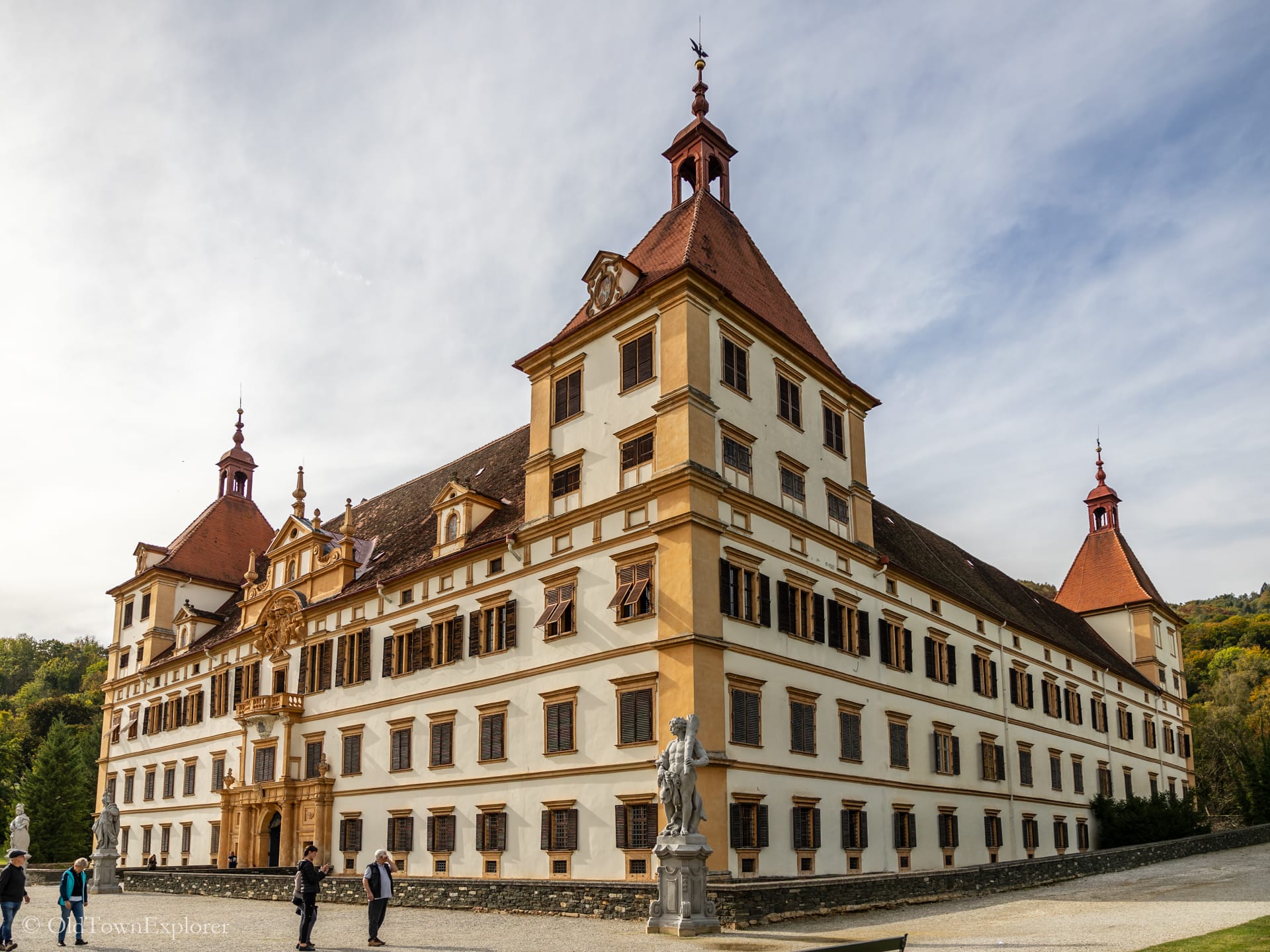
Discover Schloss Eggenberg: Palace Rooms, Gardens & Visit Tips
Schloss Eggenberg is a Baroque palace complex in western Graz and part of the UNESCO-listed City of Graz – Historic Centre and Schloss Eggenberg. It is the strongest palace visit in Graz, with symbolic architecture, guided state rooms, museums, gardens, peacocks, and a clear contrast to the old-center streets around Hauptplatz and Schlossberg.
Schloss Eggenberg stands out because its architecture turns time into palace design. Windows, rooms, doors, towers, the guided state-room sequence, and the Planetary Room connect the building to calendars, seasons, planets, and princely power.
We visited Schloss Eggenberg during our month-long stay in Graz. This post focuses on the palace history, architecture, state rooms, gardens, museums, how to visit, how to get there, where to stay, and the practical decisions that affect the visit.
Schloss Eggenberg at a Glance
Schloss Eggenberg is not a quick old-town stop. It works best as a palace-and-museum visit from central Graz, with separate decisions for the state rooms, gardens, Alte Galerie, Archaeology Museum, Coin Cabinet, and how much time you want outdoors.
Key Schloss Eggenberg decisions:
- What it is: A Baroque palace, UNESCO World Heritage component, museum site, and historic garden complex in Graz.
- Where it is: Eggenberger Allee 90, 8020 Graz, west of the historic center.
- Why go: Calendar symbolism, the Planetary Room, 24 state rooms, palace church, museums, gardens, and peacocks.
- What to see first: Palace exterior, courtyards, guided state rooms, Planetary Room, Alte Galerie, Archaeology Museum, Coin Cabinet, and park.
- Exterior or interior: The exterior and park are worthwhile, but the strongest palace experience is inside the guided state rooms.
- Time needed: Allow about two to three hours for the state rooms, one museum, and garden time; add more if you want the full museum complex.
- Main trade-off: Schloss Eggenberg gives Graz its clearest palace visit, but it sits outside the old-center walking loop and needs a separate transport plan.
For a first visit, make the guided state rooms your anchor, then add the park and one museum if time allows.
History of Schloss Eggenberg
The history of Schloss Eggenberg explains why the palace feels more symbolic than decorative. It was built as a political residence for a powerful Styrian family and later became one of the major cultural sites tied to Graz’s World Heritage status.
Older Family Seat
The Eggenberg family had an older seat on the site before the Baroque palace was built. The later palace kept the family location but transformed it into a much larger princely residence outside the old city.
Hans Ulrich von Eggenberg
In 1625, Prince Hans Ulrich von Eggenberg began transforming the older family seat into a prestigious residence. Schloss Eggenberg was built as political architecture for a powerful imperial governor whose residence needed to show rank, learning, and family legitimacy.
Pietro de Pomis and the Baroque Palace
The palace is connected with the north Italian architect and artist Pietro de Pomis. Its design turns architecture into a symbolic system, with the calendar, planets, state rooms, and façades supporting the idea of a controlled princely universe.
Herberstein Changes
In the 18th century, the Counts of Herberstein modernized the state rooms and added much of the Rococo interior character visitors see today. The palace church, decorative rooms, furnishings, tapestries, and ceiling paintings show this later layer clearly.
Museum and World Heritage Site
Schloss Eggenberg later became part of the Universalmuseum Joanneum and now holds the state rooms, Alte Galerie, Archaeology Museum, Coin Cabinet, and palace gardens. The City of Graz – Historic Centre and Schloss Eggenberg World Heritage site was extended to include Schloss Eggenberg in 2010.
Architecture and Layout of Schloss Eggenberg
Schloss Eggenberg is built around order, symbolism, and controlled movement. The exterior looks balanced and calm, while the interior turns the calendar, planets, state rooms, ceiling paintings, and garden views into the palace’s main message.
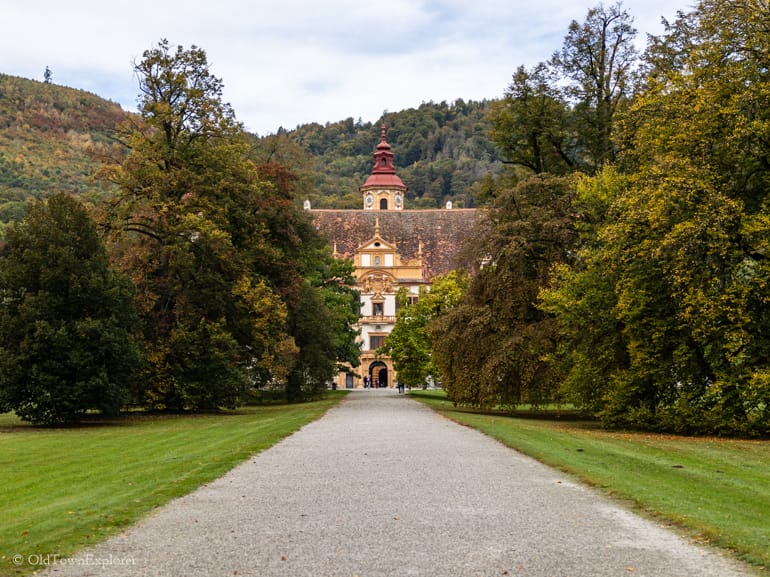
Palace Setting
The palace sits west of central Graz, away from the tight old-center streets. This setting matters because Eggenberg is not part of the Hauptplatz and Schlossberg walking loop; it is a separate palace visit with gardens, museums, and a wider estate feel.
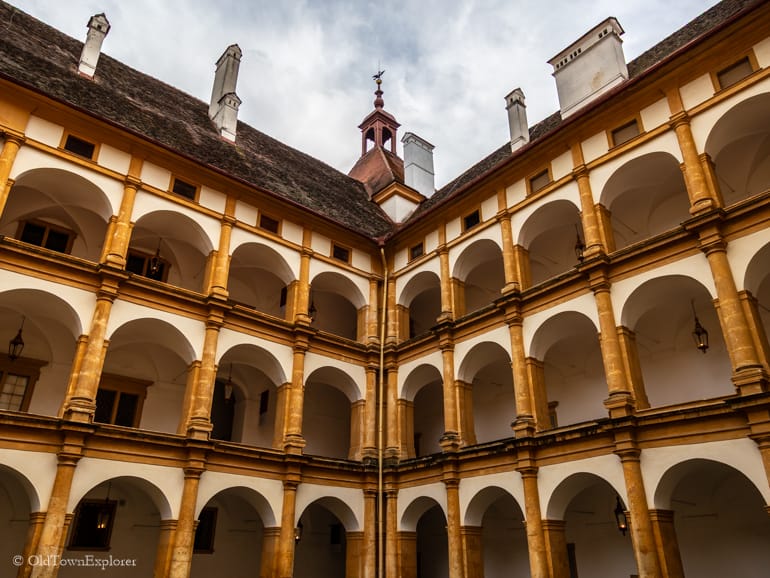
Four-Wing Layout and Towers
The palace uses a square four-wing plan with corner towers. This ordered form supports the larger symbolic design based on the calendar, seasons, days, hours, and the idea of the universe.
Calendar Symbolism
The calendar symbolism is the easiest way to understand Schloss Eggenberg. Exterior windows, rooms, doors, towers, state rooms, and the Planetary Room all connect the palace to days, months, weeks, hours, seasons, and cosmic order.
State-Room Sequence
The state rooms sit on the Bel Étage and preserve original 17th- and 18th-century designs, furniture, tapestries, ceiling paintings, and decorative programs. The rooms are best understood as a connected ceremonial sequence rather than a set of separate interiors.
Planetary Room
The Planetary Room is the center of the state-room concept. Completed in 1685, it uses paintings by Hans Adam Weissenkircher to connect planets, Roman gods, metals, weekdays, zodiac signs, and the Eggenberg family’s political world.
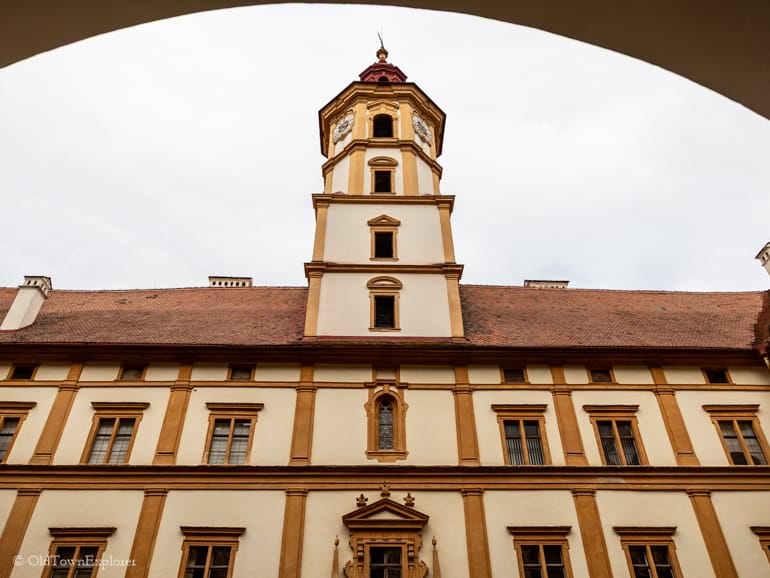
Palace Church
The Maria Schnee Palace Church was incorporated into the west wing during the Rococo redecoration. It adds a religious layer to a palace otherwise known mostly for political symbolism, state rooms, art, and the garden setting.
Park and Gardens
The park and gardens changed several times after their early 17th-century beginnings. The present landscape garden, Planetary Garden, Rose Mound, old roses, orchard, mature trees, and peacocks give the palace a slower outdoor side.
What to See at Schloss Eggenberg
Schloss Eggenberg has several visit layers, so it helps to choose priorities before arriving. The state rooms and Planetary Room are the main palace draw, while the museums and gardens can turn the visit into a longer half-day plan.
Palace Exterior
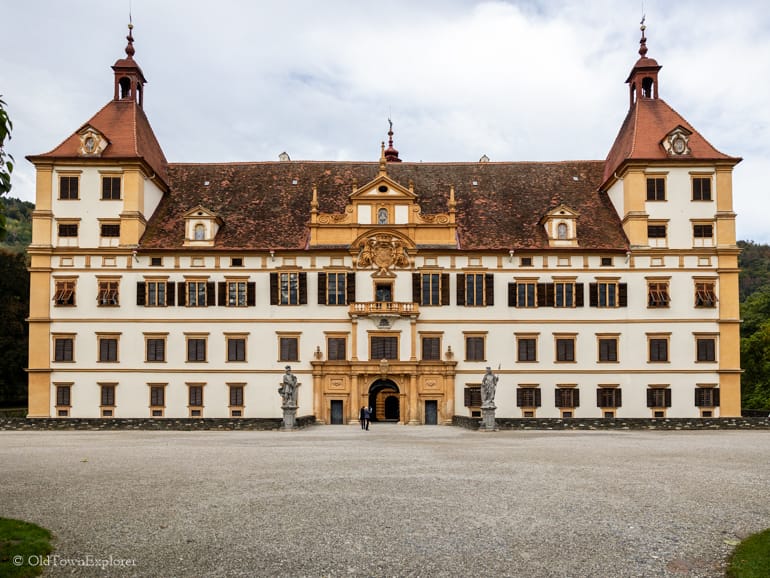
The exterior gives the first clear view of Eggenberg’s ordered palace design. Look for the balanced four-wing plan, corner towers, long façades, courtyard approach, and the way the palace sits inside the park rather than along a dense city street.
This is the best place to understand the palace before entering the guided rooms. The exterior also explains why Eggenberg feels different from the palace façades and courtyards in central Graz.
Guided State Rooms
The state rooms are the strongest reason to go inside Schloss Eggenberg. Their furniture, tapestries, ceiling paintings, and decorative program make the Bel Étage the main interior experience.
The rooms require a guided visit, so build the day around that timing. Treat the state rooms as the palace’s core, then add museums or gardens around them.
Planetary Room
The Planetary Room is the highlight of the state rooms. The room connects astronomy, mythology, dynastic ambition, and Baroque political symbolism through ceiling and wall decoration.
Look for the planets, zodiac signs, Roman gods, metal associations, and the way the room turns the Eggenberg family story into a wider image of cosmic order.
Ceiling Paintings
The state-room sequence contains more than 500 ceiling paintings. These paintings make the interior more than a furnished palace route because the ceilings carry much of the building’s symbolic and historical program.
Give yourself time to look up. The ceilings help connect individual rooms into one large visual argument about power, learning, family, and the order of the world.
Palace Church
The Palace Church of Maria Schnee adds a religious interior to the palace visit. It changes the mood of the route by introducing altar space, devotional focus, and Rococo church design inside the palace complex.
Notice how the church breaks from the ceremonial state-room rhythm. It is one of the clearest reminders that Eggenberg is more than a palace-room sequence.
Alte Galerie
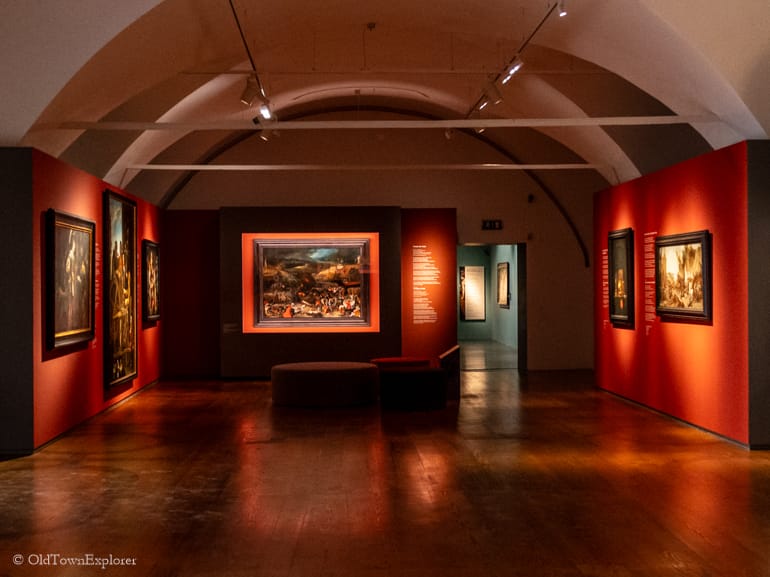
The Alte Galerie shows European art from the High Middle Ages to the late 18th century. It works best if you want art after the state rooms instead of seeing the palace only as architecture.
Choose the Alte Galerie when paintings, sculpture, Gothic art, Renaissance works, and Baroque art are more important to you than archaeology or coins.
Archaeology Museum
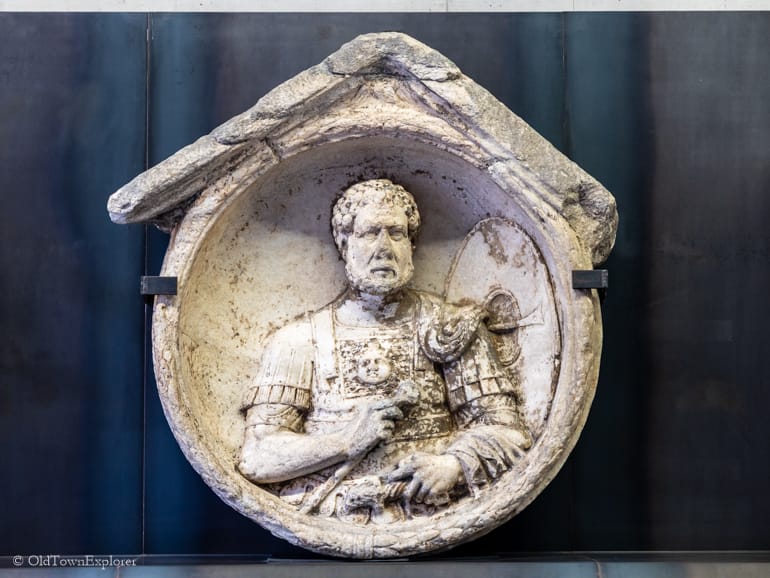
The Archaeology Museum displays archaeological objects from Styria, Classical Antiquity, and Egypt. Highlights include the Cult Wagon of Strettweg and the Mask of Kleinklein.
Choose the Archaeology Museum when you want a deeper history stop that goes beyond the palace family and Baroque rooms.
Coin Cabinet
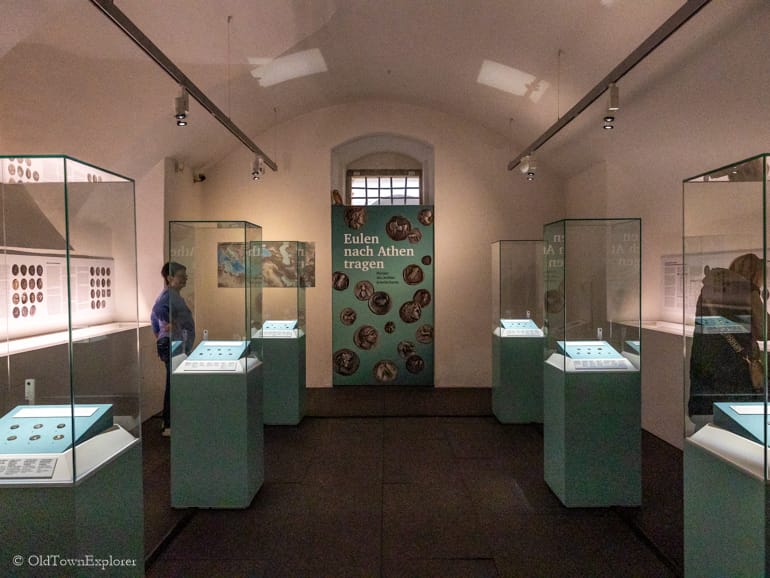
The Coin Cabinet focuses on coins and coin circulation in Styria from Antiquity to the Baroque period. It is a compact collection choice when you want a smaller museum stop inside the Eggenberg complex.
Choose the Coin Cabinet if monetary history, small objects, or Styrian collections interest you more than a long art-gallery visit.
Park and Gardens
The park is one of the best reasons not to rush Schloss Eggenberg. Mature trees, lawns, garden paths, peacocks, the Planetary Garden, Rose Mound, orchard, and landscape-garden views give the palace visit a quieter outdoor side.
The gardens are especially useful after the state rooms because they let you step back from the dense interior symbolism and see the palace as part of a broader estate.
How to Visit Schloss Eggenberg
A Schloss Eggenberg visit works best when you separate the palace rooms, museums, and gardens before choosing tickets or timing. The state rooms are guided-tour only, while the museums and park follow their own visit pattern.
Tickets and Entry
Use the official Schloss Eggenberg admission and opening-hours page for current ticket types, seasonal opening, guided state-room times, park admission, and museum access. Check the official page before visiting because prices, opening days, and tour times can change.
State Rooms and Guided Tours
The state rooms can only be visited as part of a guided tour. Make that the first planning decision, because the Planetary Room and the full Bel Étage experience depend on joining one of those tours.
Museums on Site
The Alte Galerie, Archaeology Museum, and Coin Cabinet are separate museum choices inside the Schloss Eggenberg complex. Add one or two if you want a fuller visit, but do not assume you need every museum to understand the palace.
Park and Gardens
The park and gardens can be a short add-on or a longer break. They work especially well in good weather, when the peacocks, mature trees, garden paths, and palace views make the estate feel different from the old center of Graz.
Visit Length
Plan about two to three hours for a normal visit with the state rooms, one museum, and some garden time. Add more time if you want the Alte Galerie, Archaeology Museum, Coin Cabinet, café, and a slow walk through the park.
Accessibility
Schloss Eggenberg publishes accessibility information for the site. The approach from the park entrance, historic surfaces, and upper-floor palace rooms make it worth checking the current details before planning around mobility needs.
How to Get to Schloss Eggenberg
Schloss Eggenberg sits west of the historic center of Graz, so most visitors should use tram, taxi, bike, or car rather than treating it as part of a short old-town walk. The palace address is Eggenberger Allee 90, 8020 Graz.
By Public Transport
Public transport is the simplest option for most city stays. Use the official Schloss Eggenberg directions page and current Graz transit routing before going, especially if tram works, replacement buses, or event traffic could affect the final leg.
By Taxi or Rideshare
A taxi or rideshare makes sense if you are short on time, visiting in bad weather, or planning around mobility needs. Ask for Schloss Eggenberg or Eggenberger Allee 90.
By Car
Driving can work if you are coming from outside central Graz or combining the palace with other outer-city stops. The official directions page explains current parking options, so check it before relying on a car.
By Bike
A bike can work for confident city riders, especially from the western side of Graz. Use current city cycling routes and remember that the palace visit itself involves park paths, museum time, and a place to leave the bike before entering.
On Foot
Walking from the historic center is possible, but it is not the best use of time for most visitors. Save your walking energy for the palace park, gardens, museums, and the old-center architecture on a separate Graz walk.
What to Expect Upon Arrival at Schloss Eggenberg
Schloss Eggenberg is a palace complex with a park entrance, ticket choices, guided state rooms, museums, garden rules, and accessibility considerations. Arrival is not complicated, but it helps to know that the palace rooms, museums, and gardens are separate decisions.
Park Entrance and Palace Approach
The visit begins at the park side of the complex, not at a tight city-center doorway. Expect a short approach through the grounds before reaching the palace, shop, ticket area, and museum spaces.
Ticket Office and State-Room Tours
The state rooms are the main timed decision because they require a guided tour. Go to the shop or ticket area first if the state rooms are your priority, then plan museums and garden time around the guided visit.
Palace Rooms, Museums, and Gardens
Schloss Eggenberg combines several visit types in one place. The state rooms give the palace experience, the Alte Galerie and Archaeology Museum add major collections, the Coin Cabinet is a smaller collection stop, and the gardens give the visit its outdoor side.
Accessibility and Surfaces
The approach from the park entrance to the palace includes a non-tarmac path, and the historic interior surfaces can be harder to navigate than a modern museum floor. Use the official accessibility page before going if wheelchair access, step-free movement, or assisted entry matters for your visit.
Park Rules and Photography
The park has rules designed to protect visitors, plants, animals, and historic garden features. Dogs are not allowed except assistance dogs, and commercial photography or drone use requires separate permission.
Café, Shop, and Facilities
The palace complex includes a shop, café option, toilets, and museum facilities. Treat these as part of a longer visit plan if you are combining the state rooms, museums, and park instead of making a quick stop.
Tips for Visiting Schloss Eggenberg
Schloss Eggenberg is easy to enjoy when you make one clear priority before arriving. The state rooms, museums, and park can all be worthwhile, but trying to see everything quickly can make the visit feel scattered.
Plan the State Rooms First
The state rooms are guided-tour only, so plan those first if the Planetary Room is the main reason for your visit. Build the gardens and museums around that timing rather than leaving the palace rooms to chance.
Do Not Rush the Park
The park is part of the Eggenberg experience, not just an entrance space. Leave time for the landscape garden, peacocks, mature trees, Planetary Garden, Rose Mound, and wider palace views.
Choose One Museum
The Alte Galerie, Archaeology Museum, and Coin Cabinet can make the visit much longer. Choose the Alte Galerie for art, the Archaeology Museum for ancient and Styrian objects, or the Coin Cabinet for a smaller focused collection.
Look for the Numbers
Eggenberg makes more sense when you watch for the calendar design. The windows, rooms, doors, towers, state-room sequence, and Planetary Room all connect the palace to time, seasons, planets, and order.
Wear Practical Shoes
The palace visit can involve gravel paths, historic floors, stairs, and garden walking. Comfortable shoes matter more here than they do for a single flat museum stop.
Check Details First
Opening periods, guided-tour availability, ticket options, park access, and museum hours can change by season. Use the official Schloss Eggenberg page before planning around a specific room tour or museum visit.
Pair It With Graz Architecture
Schloss Eggenberg is one of the strongest architecture stops outside the old center. Use Graz Architecture to compare it with Hauptplatz, Schlossberg, Graz Cathedral, the Mausoleum, Kunsthaus Graz, and Island in the Mur.
Save It for Better Weather
Good weather makes the park, gardens, peacocks, and exterior views much more rewarding. Rainy days still work for the state rooms and museums, but the outdoor side becomes less important.
Where to Stay When Visiting Schloss Eggenberg
Most travelers should stay in Graz and visit Schloss Eggenberg as a short trip from the city center rather than sleeping beside the palace. A central base keeps Hauptplatz, Schlossberg, Graz Cathedral, museums, restaurants, and tram connections close together, while Eggenberg remains easy to add when the palace rooms and weather line up.
Stay near the historic center, Lend, the Mur side, or a practical tram connection if this is your first time in Graz. Staying near Eggenberg can be quiet and useful for repeat visitors, but it makes less sense if you want evening walks, old-center meals, and easy access to the main Graz sights.
Hotels and Apartments in Graz
Use the interactive map below to compare hotels and apartments near Hauptplatz, Herrengasse, Schlossberg, Lend, the Mur side, Graz Hauptbahnhof, Jakominiplatz, tram lines to Eggenberg, and other practical bases for visiting Schloss Eggenberg.
FAQs About Schloss Eggenberg
These answers focus on the main visit decisions: whether Schloss Eggenberg is worth the trip from central Graz, what to see first, how long to allow, and how the guided state rooms affect planning.
Is Schloss Eggenberg worth visiting?
Yes, Schloss Eggenberg is worth visiting if you want Graz’s strongest palace experience. The state rooms, Planetary Room, museums, park, gardens, and UNESCO status make it more than a simple outer-city attraction.
How long should I spend at Schloss Eggenberg?
Allow about two to three hours for the state rooms, one museum, and a walk in the park. Add more time if you want the Alte Galerie, Archaeology Museum, Coin Cabinet, café, gardens, and a slower visit.
Do you need tickets for Schloss Eggenberg?
Yes, the palace rooms, museums, and park use official ticketing or admission rules. Check the official Schloss Eggenberg admission page before going because prices, opening periods, and guided-tour times can change.
Can you visit the state rooms without a guide?
No, the state rooms can only be visited as part of a guided tour. This matters because the Planetary Room and the main palace interior are tied to that guided route.
What should I see first at Schloss Eggenberg?
Start with the palace exterior and then prioritize the guided state rooms and Planetary Room. After that, choose the park, Alte Galerie, Archaeology Museum, or Coin Cabinet based on your time and interests.
What is Schloss Eggenberg known for?
Schloss Eggenberg is known for its Baroque palace architecture, calendar symbolism, 24 state rooms, Planetary Room, more than 500 ceiling paintings, palace gardens, museums, and UNESCO World Heritage status.
Who built Schloss Eggenberg?
Schloss Eggenberg was built for Prince Hans Ulrich von Eggenberg, beginning in 1625. The palace is connected with the north Italian architect and artist Pietro de Pomis.
What style is Schloss Eggenberg?
Schloss Eggenberg is an early Baroque palace with later Baroque and Rococo interior layers. The building is best understood as symbolic palace architecture built around time, order, planets, and dynastic display.
Can you visit the gardens without seeing the state rooms?
Yes, the gardens can be part of a separate visit decision, but check current park admission and opening details before going. The gardens are especially useful when you want the outdoor side of the palace without committing to every museum.
How do you get to Schloss Eggenberg from central Graz?
Use public transport toward the Eggenberg side of Graz, then walk from the stop to the palace grounds. Check current routing before going because tram works, replacement buses, or event traffic can change the easiest route.
Schloss Eggenberg works best when you treat it as a palace complex, not a single room tour. Start with the guided state rooms and Planetary Room, then decide whether the park, Alte Galerie, Archaeology Museum, or Coin Cabinet deserves the rest of your time.
For the broader city plan, start with Graz. For churches, courtyards, Schlossberg, Kunsthaus, Island in the Mur, and other buildings around the city, use Graz Architecture. For meals before or after the palace visit, continue with Graz Food.
