
Romania Food
Explore Romania Food: Local Food Products & Traditional Dishes
Romania food is shaped by the Carpathian Mountains, Transylvania, the Danube Delta, the Black Sea coast, river valleys, shepherding traditions, grain fields, forests, orchards, cabbage, pork, cornmeal, sour soups, dairy, smoked meats, fish, pickles, honey, plums, and regional baking traditions. Traditional Romanian food includes ciorbă, sarmale, mămăligă, mici, tochitură, zacuscă, salată de vinete, bulz, papanași, cozonac, covrigi, langoș, and kürtőskalács.
Brasov and Sighisoara are strong starting points for understanding food in Romania. Brasov introduces Transylvanian soups, stews, grilled meats, smoked sausages, cheese, market produce, mămăligă, and mountain food, while Sighisoara shows how Romanian, Hungarian, Saxon, and broader Central European food traditions overlap in Transylvania.
We have spent extended time in Romania, including month-long stays in Brasov and Sighisoara. The main food questions are what to eat, which protected local products define specific regions, and how Romanian food changes between Transylvania, Dobrogea, the Danube Delta, the Black Sea coast, Moldavia, Wallachia, Oltenia, Banat, Maramureș, Bucovina, and the Carpathian mountain areas.
Romania Food at a Glance
Best Starting Points:
- Brasov: Transylvanian soups, stews, grilled meats, smoked sausages, mămăligă, cheese, market produce, and mountain dishes
- Sighisoara: Sarmale, mici, ciorbă, mămăligă, goulash, langoș, kürtőskalács, papanași, and Transylvanian restaurant cooking
- Dobrogea and the Danube Delta: Fish soups, carp, smoked fish, roe salads, sturgeon products, Black Sea fish, and Dobrogean cheese pie
- Mountain and highland areas: Sheep cheese, smoked meats, sour soups, potatoes, cornmeal dishes, dairy, mushrooms, berries, and heavier winter food
These places and regions give the clearest first comparison between Transylvanian food, mountain dishes, Danube fish traditions, Black Sea products, and everyday Romanian restaurant cooking.
Core Food Identity:
- Strong use of pork, beef, sheep cheese, cow cheese, cabbage, potatoes, cornmeal, sour cream, garlic, dill, lovage, tarragon, paprika, onions, peppers, beans, mushrooms, plums, cherries, walnuts, honey, and pickles
- Important contrast between Transylvanian stews and soups, Dobrogean fish dishes, Moldavian sour soups, Wallachian grilled meats, mountain dairy, and Central European baking traditions
- Everyday food appears in markets, bakeries, grill stands, traditional restaurants, soup counters, pastry shops, family-run restaurants, and city-center terraces
Romanian food is easiest to understand by comparing sour soups, cabbage dishes, cornmeal dishes, grilled meats, dairy products, smoked fish, cured meats, and regional pastries.
Key Local Products:
- Telemea de Ibănești, Telemea de Sibiu, Cașcaval de Săveni, Salam de Sibiu, Cârnați de Pleșcoi, Cârnați din topor din Vâlcea, Salinate de Turda, Novac afumat din Țara Bârsei, Scrumbie de Dunăre afumată, Batog de sturion, Salată cu icre de știucă de Tulcea, Salată tradițională cu icre de crap, Plăcintă dobrogeană, Pită de Pecica, Sardeluță marinată, and Magiun de prune de Topoloveni
Protected local products are central to Romania food because they connect cheeses, cured meats, smoked fish, roe salads, breads, pastries, and plum preserves to specific places and production methods.
Traditional Dishes to Know:
- Ciorbă de burtă, ciorbă de perișoare, ciorbă rădăuțeană, sarmale, mămăligă, bulz, tochitură, mici, zacuscă, salată de vinete, fasole bătută, varză călită, papanași, cozonac, covrigi, langoș, kürtőskalács, and clătite
These dishes cover the main soups, cabbage dishes, polenta dishes, grilled foods, spreads, street foods, pastries, and desserts most people encounter first in Romania.
Local Food Products in Romania
Local food products in Romania include protected cheeses, cured meats, smoked fish, roe salads, breads, pastries, plum preserves, and regional foods tied to Transylvania, Dobrogea, the Danube Delta, Moldavia, Wallachia, Oltenia, Banat, and the Carpathian mountain areas.
The Romanian Ministry of Agriculture protected-products page and the European Commission eAmbrosia register are the strongest sources for checking protected Romanian product names and registration status.
Protected Cheeses and Dairy Products
- Telemea de Ibănești: Protected Romanian cheese from the Gurghiu Valley, salted with local brine
- Telemea de Sibiu: Sheep’s milk cheese from Sibiu County in Transylvania
- Cașcaval de Săveni: Matured cow’s milk cheese from the Săveni area in Botoșani County
- Brânză de burduf: Kneaded sheep cheese often associated with mountain areas
- Caș: Fresh sheep or cow cheese found in markets and rural food areas
- Urdă: Whey cheese used in pastries, breakfasts, and simple dairy dishes
Cheese and dairy products are especially important in Transylvania, Moldavia, and the Carpathian mountain areas, where sheep and cow dairy appear in markets, cold plates, pastries, and mămăligă dishes.

Protected Cured Meats and Sausages
- Salam de Sibiu: Dry-cured salami associated with Sibiu and Transylvania
- Cârnați de Pleșcoi: Spiced sheep, goat, and beef sausages from the Pleșcoi area
- Cârnați din topor din Vâlcea: Cleaver-chopped sausage from Vâlcea
- Salinate de Turda: Smoked and dried pork products from the Turda area
- Slănină: Cured pork fat served with bread, onions, cheese, or pickles
- Afumături: Smoked meats used in soups, bean dishes, cabbage dishes, and cold plates
Cured meats and sausages explain much of Romania’s heavier inland food, especially in Transylvania, Moldavia, Oltenia, mountain villages, and winter menus.
Protected Fish and Roe Products
- Novac afumat din Țara Bârsei: Smoked bighead carp from the Țara Bârsei area near Brasov
- Scrumbie de Dunăre afumată: Smoked Danube shad tied to the Danube migration route
- Batog de sturion: Salted, dried, and smoked sturgeon fillet from Tulcea County and the Danube Delta area
- Salată cu icre de știucă de Tulcea: Pike roe salad from Tulcea and the Danube Delta
- Salată tradițională cu icre de crap: Traditional carp roe salad registered as a traditional speciality
- Sardeluță marinată fabricată potrivit tradiției din România: Marinated sardine product registered as a traditional speciality
Fish and roe products are strongest around Dobrogea, the Danube Delta, Tulcea, the Black Sea coast, and freshwater regions such as Țara Bârsei.
Protected Breads, Pastries, and Preserves
- Plăcintă dobrogeană: Dobrogean pastry filled with salty cheese, caș, and eggs
- Pită de Pecica: Traditional bread from Pecica
- Magiun de prune de Topoloveni: Thick plum spread from Topoloveni made by long cooking without added sugar
- Cozonac: Sweet bread filled with walnuts, cocoa, poppy seeds, raisins, or Turkish delight
- Covrigi: Bread rings often sold from bakery counters and street stands
- Plăcinte: Filled pastries made with cheese, potatoes, cabbage, apples, pumpkin, or other fillings
Breads, pastries, and preserves show the everyday side of Romanian food, especially in bakeries, markets, breakfast stops, holiday meals, and roadside food stands.
Other Local Food Products in Romania
- Zacuscă: Roasted vegetable spread commonly made with eggplant, peppers, onions, tomatoes, and oil
- Salată de vinete: Eggplant spread served with bread, tomatoes, and onions
- Murături: Pickled cucumbers, cabbage, peppers, green tomatoes, and mixed vegetables
- Fasole: Beans used in soups, spreads, stews, and smoked-meat dishes
- Ciuperci: Mushrooms used in soups, stews, sauces, fasting dishes, and mountain-area meals
- Miere: Honey from mountain, forest, meadow, and village areas
- Prune: Plums used in preserves, desserts, dried fruit, and plum brandy production
These products round out Romania food beyond protected labels, especially in home cooking, markets, vegetarian fasting dishes, and seasonal preserves.
Traditional Dishes in Romania
Traditional dishes in Romania are built around sour soups, cabbage, pork, beef, sheep cheese, cornmeal, potatoes, beans, smoked meats, fish, eggplant, peppers, sour cream, garlic, dill, lovage, tarragon, plums, walnuts, honey, and sweet breads. The main categories are soups, spreads, polenta dishes, cabbage dishes, grilled meats, fish dishes, street foods, and desserts.
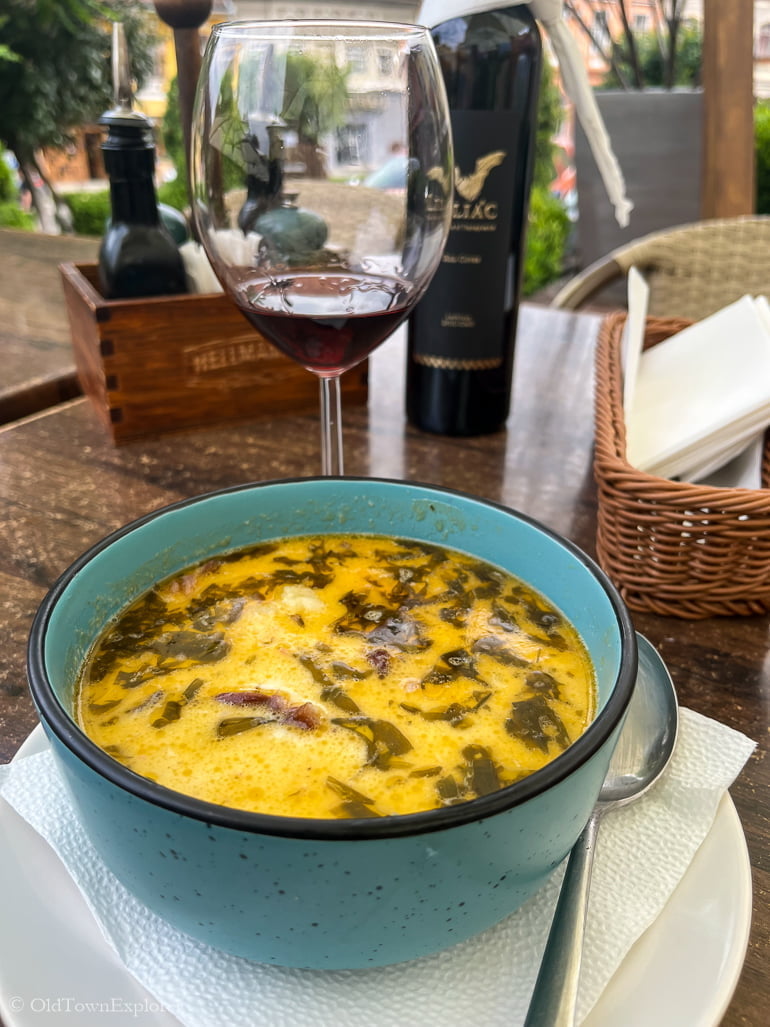
Soups and Spreads
- Ciorbă de burtă: Sour tripe soup served with sour cream, garlic, vinegar, and hot pepper
- Ciorbă de perișoare: Sour soup with meatballs, vegetables, herbs, and rice
- Ciorbă rădăuțeană: Chicken soup with sour cream, garlic, and vinegar, associated with Rădăuți and Bucovina
- Ciorbă de fasole: Bean soup often cooked with smoked pork, onions, carrots, and herbs
- Zacuscă: Roasted eggplant, pepper, tomato, and onion spread served on bread
- Salată de vinete: Eggplant spread made with roasted eggplant, oil, onion, and sometimes mayonnaise
- Fasole bătută: Mashed bean spread served with fried onions and bread
Soups and spreads show the importance of sour flavors, smoked meat, beans, eggplant, peppers, herbs, and bread in Romanian meals.

Polenta, Cheese, and Mountain Dishes
- Mămăligă: Cornmeal porridge served with cheese, sour cream, stews, fish, or cabbage rolls
- Bulz: Mămăligă filled with cheese, then grilled or baked
- Mămăligă cu brânză și smântână: Polenta served with cheese and sour cream
- Tochitură: Pork stew served with mămăligă, cheese, egg, and pickles
- Balmoș: Cornmeal and dairy dish associated with shepherding and mountain food
- Varză călită: Braised cabbage often served with pork, sausage, or polenta
Polenta and cheese dishes are central to Romanian comfort food, especially in Transylvania, Moldavia, mountain areas, and traditional restaurants.

Meat, Cabbage, and Grill Dishes
- Sarmale: Cabbage rolls filled with minced meat, rice, onions, herbs, and spices, usually served with mămăligă and sour cream
- Mici: Grilled minced-meat rolls served with mustard, bread, and often beer
- Friptură: Roast or grilled meat served with potatoes, pickles, cabbage, or salad
- Pomana porcului: Pork dish tied to winter slaughter traditions and served with mămăligă
- Ciolan afumat: Smoked pork knuckle served with beans, cabbage, or potatoes
- Gulaș: Meat stew common in Transylvania and areas with Hungarian influence
These dishes show the heavier inland side of Romanian food, where cabbage, pork, beef, smoked meat, garlic, paprika, pickles, and cornmeal appear repeatedly.
Fish and Dobrogean Dishes
- Borș de pește: Sour fish soup especially important in Danube Delta and Dobrogean food traditions
- Saramură de pește: Grilled fish served with a salty, garlicky, pepper-based sauce and mămăligă
- Plachie de pește: Fish baked or stewed with onions, tomatoes, peppers, and oil
- Scrumbie afumată: Smoked Danube shad served with bread, onions, lemon, or polenta
- Salată de icre: Roe spread served with bread, lemon, and onion
- Plăcintă dobrogeană: Dobrogean cheese pie made with thin pastry sheets and salty cheese filling
Dobrogea, the Danube Delta, and the Black Sea coast add fish, roe, sour fish soups, brined fish dishes, and cheese pastries to Romania’s food map.
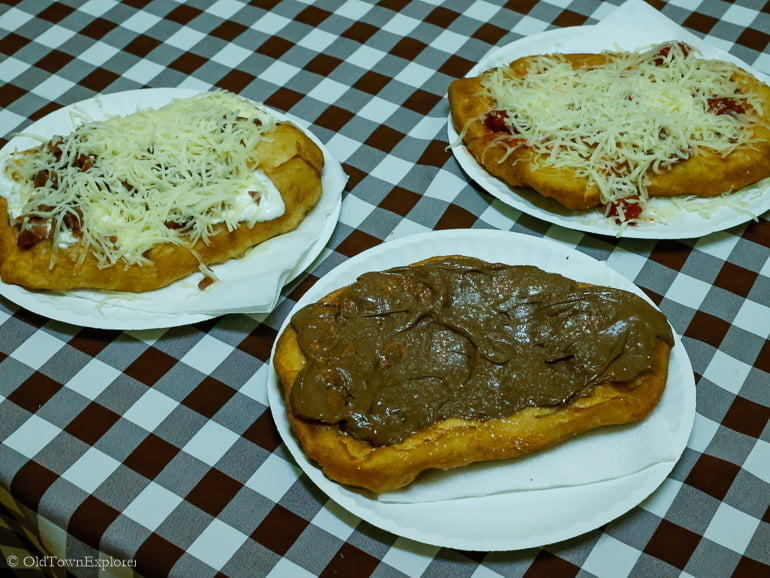
Street Food, Bakery Foods, and Snacks
- Covrigi: Soft bread rings sold from bakeries and street counters
- Langoș: Fried flatbread topped with sour cream, cheese, garlic, or other toppings
- Kürtőskalács: Chimney cake common in Transylvania and Hungarian-influenced areas
- Plăcinte: Filled pastries made with cheese, cabbage, potato, apple, or pumpkin
- Mititei la grătar: Grilled mici served from stalls, markets, festivals, and casual restaurants
- Clătite: Thin pancakes filled with jam, chocolate, cheese, or fruit
Street food and bakery foods are especially common in Brasov, Sighisoara, market areas, fairs, and city centers, where quick meals often come from bakeries, grill stands, and small counters.
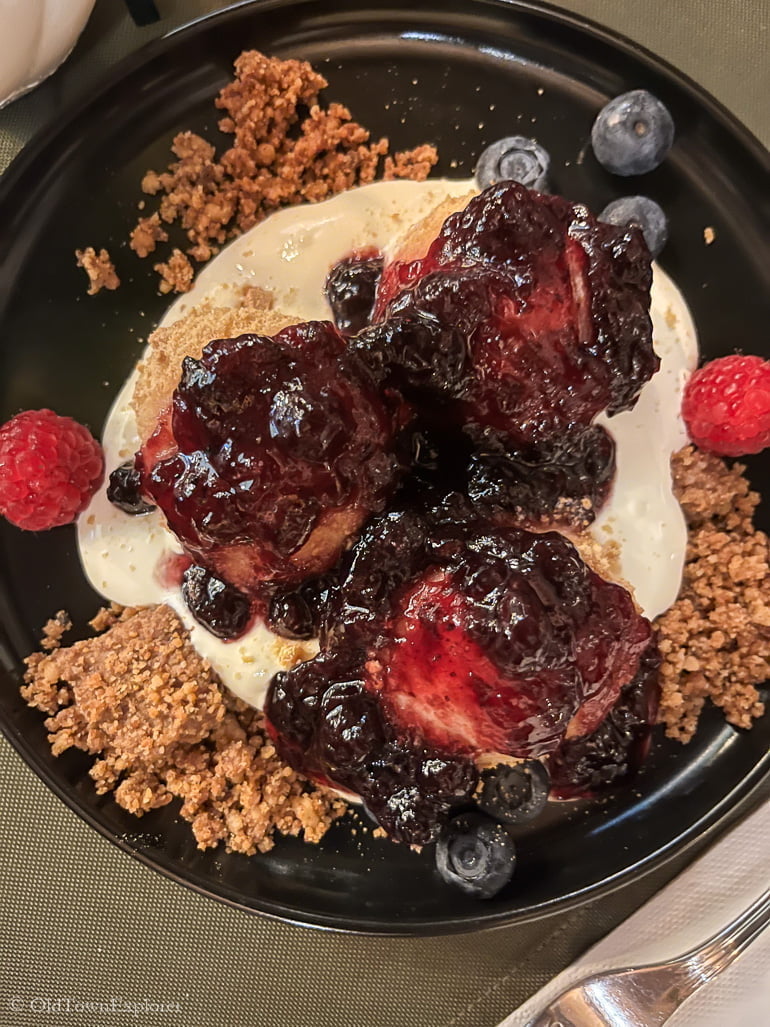
Desserts and Holiday Bakes
- Papanași: Fried or boiled cheese doughnuts served with sour cream and fruit jam
- Cozonac: Sweet bread filled with walnuts, cocoa, poppy seeds, raisins, or Turkish delight
- Plăcintă cu mere: Apple pie or apple-filled pastry
- Plăcintă cu brânză dulce: Sweet cheese pie often flavored with vanilla, raisins, or lemon zest
- Gogoși: Fried doughnuts served plain, sugared, or filled
- Prăjituri de casă: Home-style cakes made with nuts, jam, cream, chocolate, or fruit
Romanian desserts rely heavily on cheese, sour cream, fruit preserves, walnuts, poppy seeds, plums, apples, honey, fried dough, and holiday baking traditions.
Traditional Dishes in Romania
Regional food in Romania changes between Transylvania, Dobrogea, the Danube Delta, Moldavia, Wallachia, Oltenia, Banat, Maramureș, Bucovina, and the Carpathian mountain areas. The biggest differences come from access to mountain pasture, rivers, the Danube Delta, the Black Sea, forests, grain fields, orchards, cabbage-growing areas, and older Hungarian, Saxon, Ottoman, Balkan, Austrian, and Slavic influences.
Transylvania, Brasov, and Sighisoara
Transylvania is stronger for sour soups, stews, smoked meats, sausages, cabbage dishes, mămăligă, cheese, tarragon, paprika, goulash, langoș, kürtőskalács, and Central European baking traditions. Brasov and Sighisoara are strong bases for comparing Romanian, Hungarian, Saxon, and mountain food influences.
Brasov Food covers traditional dishes, restaurants, markets, soups, stews, grilled meats, cheese, and Transylvanian food planning in more detail.
Sighisoara Food covers traditional Romanian dishes, Transylvanian restaurant food, street snacks, market stops, langoș, chimney cake, and citadel-area food planning in more detail.
Dobrogea, the Danube Delta, and the Black Sea Coast
Dobrogea and the Danube Delta are stronger for fish soups, carp, shad, sturgeon products, roe salads, brined fish, grilled fish, Black Sea fish, Turkish and Tatar influences, cheese pastries, vegetables, and seasonal fruit. Protected products such as Plăcintă dobrogeană, Scrumbie de Dunăre afumată, Batog de sturion, and Salată cu icre de știucă de Tulcea make this one of Romania’s clearest regional food areas.
Moldavia and Bucovina
Moldavia and Bucovina are stronger for sour soups, ciorbă rădăuțeană, sarmale, pork dishes, mushrooms, dairy, potatoes, cozonac, smoked meats, stews, and holiday baking. Bucovina also has strong guesthouse food traditions, with soups, meats, cheeses, preserves, and baked goods often served in large portions.
Wallachia, Bucharest, and Southern Romania
Wallachia and southern Romania are stronger for grilled meats, mici, sarmale, mămăligă, bean dishes, cabbage, vegetable stews, pickles, market produce, and restaurant versions of national dishes. Bucharest brings many regional Romanian dishes into one city through traditional restaurants, grill houses, bakeries, markets, and modern dining rooms.
Oltenia, Banat, Maramureș, and Mountain Areas
Oltenia adds stronger pepper, leek, pork, cabbage, and stew traditions. Banat shows Central European and Balkan influences through soups, pork, pastries, and paprika-seasoned dishes. Maramureș and mountain areas are stronger for dairy, smoked meats, sheep cheese, potatoes, mushrooms, berries, plum preserves, cornmeal dishes, and heavier winter food.
These regional differences explain why Romania food can move from Transylvanian stews and mountain cheese to Danube fish soups, Dobrogean pastries, Moldavian sour soups, Wallachian grilled meats, and Maramureș dairy dishes within one country.
FAQs About Romania Food
What food is Romania known for?
Romania is known for ciorbă, sarmale, mămăligă, mici, tochitură, zacuscă, salată de vinete, papanași, cozonac, covrigi, langoș, kürtőskalács, smoked meats, sheep cheese, pickles, sour soups, plum preserves, and regional pastries. The main food patterns change between Transylvania, Dobrogea, the Danube Delta, Moldavia, Wallachia, Banat, Maramureș, Bucovina, and the Carpathian mountain areas.
What traditional dishes should I try in Romania?
Start with ciorbă de burtă, ciorbă de perișoare, ciorbă rădăuțeană, sarmale, mămăligă, bulz, tochitură, mici, zacuscă, salată de vinete, fasole bătută, varză călită, papanași, cozonac, covrigi, langoș, kürtőskalács, and clătite. In Transylvania, also look for goulash, smoked sausages, tarragon soups, and Central European-style pastries.
What local products is Romania known for?
Romania is known for protected and regional products such as Telemea de Ibănești, Telemea de Sibiu, Cașcaval de Săveni, Salam de Sibiu, Cârnați de Pleșcoi, Cârnați din topor din Vâlcea, Salinate de Turda, Novac afumat din Țara Bârsei, Scrumbie de Dunăre afumată, Batog de sturion, Salată cu icre de știucă de Tulcea, Salată tradițională cu icre de crap, Plăcintă dobrogeană, Pită de Pecica, Sardeluță marinată, and Magiun de prune de Topoloveni.
How does food vary by region in Romania?
Transylvania is stronger for soups, stews, smoked meats, sausages, cabbage dishes, mămăligă, cheese, goulash, langoș, and kürtőskalács. Dobrogea, the Danube Delta, and the Black Sea coast are stronger for fish soups, smoked fish, roe salads, sturgeon products, and cheese pastries. Moldavia and Bucovina are stronger for sour soups, sarmale, mushrooms, smoked meats, and holiday baking, while Wallachia and southern Romania are stronger for grilled meats, mici, bean dishes, cabbage, pickles, and market produce.
Which towns are strongest for food in Romania?
Brasov and Sighisoara are strong starting points for food in Romania. Brasov is better for Transylvanian soups, stews, grilled meats, smoked sausages, cheese, market produce, and mountain dishes. Sighisoara is better for sarmale, mici, ciorbă, mămăligă, goulash, langoș, kürtőskalács, papanași, and Transylvanian restaurant cooking.
Is Romania vegetarian friendly?
Vegetarian eating in Romania is manageable, especially in larger towns, bakeries, markets, cafés, and traditional restaurants with fasting dishes. Look for zacuscă, salată de vinete, fasole bătută, mămăligă with cheese and sour cream, vegetable soups, mushroom dishes, bean dishes, pickles, salads, covrigi, langoș, plăcinte, papanași, and clătite. Meat broth, pork, smoked meat, and fish can appear in dishes that look vegetable-based, so checking ingredients is important.