
Discover St. Mary’s Monastery: Byzantine Architecture on Albania’s Zvërnec Island
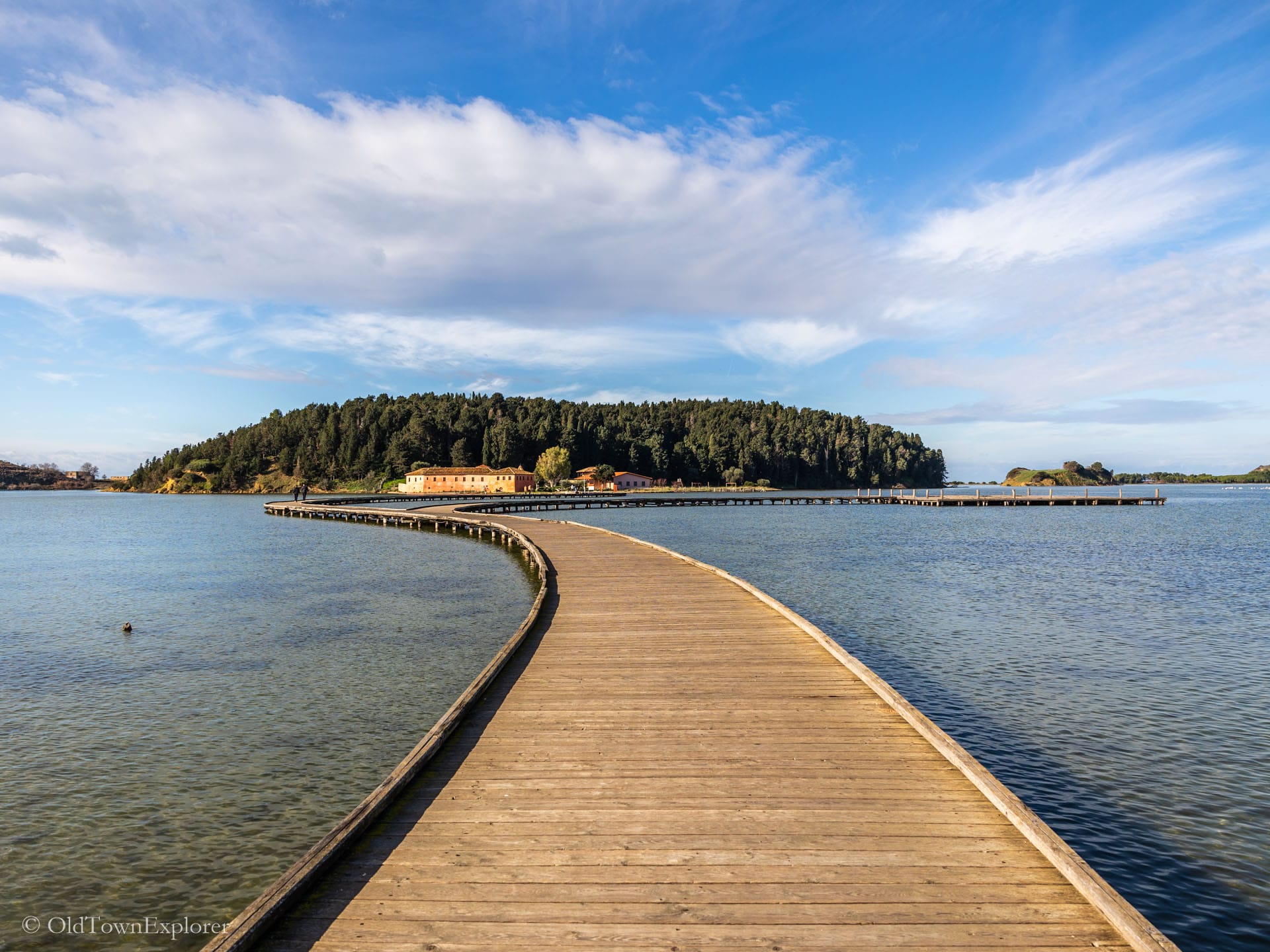
St. Mary’s Monastery, also called Zvërnec Monastery, is a medieval Orthodox monastery on Zvërnec Island in the Narta Lagoon near Vlora, Albania. The site is reached by a wooden bridge across the lagoon, which makes the approach part of the visit.
The monastery is known for its Byzantine church, island setting, partially preserved frescoes, pine trees, and relationship with the lagoon landscape. It works best as a short architecture and heritage outing from Vlora rather than a full-day attraction.
We visited St. Mary’s Monastery during our stay in Vlora. Plan the visit around the bridge approach, the chapel, the monastery courtyard, the frescoes and iconostasis, and the lagoon setting.
This website contains affiliate links that may earn us a small commission at no additional cost to you.
St. Mary’s Monastery at a Glance
St. Mary’s Monastery is a compact religious and architectural site, but the setting makes it feel different from a typical church visit in the city center.
Key planning points:
- What it is: A medieval Orthodox monastery and church dedicated to Saint Mary, also known as Zvërnec Monastery.
- Where it is: On Zvërnec Island in the Narta Lagoon, northwest of Vlora.
- Why go: The visit combines Byzantine church architecture, fresco fragments, a monastery courtyard, a wooden bridge, pine trees, and lagoon views.
- What to see first: Start with the bridge approach, then look at the chapel exterior, dome, courtyard, frescoes, iconostasis, and lagoon setting.
- Exterior or interior: The exterior, bridge, island, and courtyard carry much of the visit. Interior access should be checked locally before planning around it.
- Time needed: A short visit is enough for the monastery, bridge, and courtyard; allow more time if you want to linger around the lagoon or combine it with nearby nature stops.
- Main trade-off: The site is easy to understand once you arrive, but transportation from Vlora and current access details need more planning than a central city attraction.
St. Mary’s Monastery works well as a half-day outing from Vlora, especially if you want one visit that connects architecture, religious history, and the Narta Lagoon landscape.
History of St. Mary's Monastery
The history of St. Mary’s Monastery helps explain why the site feels older and more layered than its small size suggests. The church, island setting, religious dedication, later additions, and modern visitor role all shape what you see today.
Medieval Origins
The monastery is dedicated to Saint Mary and is generally treated as a medieval Byzantine religious site. Albania’s official tourism page dates Zvërnec Monastery to the 13th century, while cultural-monument descriptions of the church point to architectural features associated with the second half of the 14th century.
The safest way to read the site is as a medieval monastery with more than one building phase. That explains why the church, narthex, later additions, courtyard, and surrounding monastic structures do not read as one single-date construction.
Orthodox Religious Use
St. Mary’s Monastery belongs to Albania’s Orthodox Christian heritage. Its dedication, church plan, fresco remains, and iconostasis place the site within the Orthodox religious architecture of southern Albania.
The religious identity matters on site because the building is not only a scenic island ruin. The chapel, icons, frescoes, and courtyard should be approached as religious architecture, even when the visit is focused on history or photography.
Communist-Era Decline
The monastery experienced decline during the communist period, when religious institutions across Albania were suppressed. The current post’s older copy refers to abandonment in 1967, damage to the library, and later non-religious use, but those details should remain narrow unless supported by stronger official documentation.
For publication, keep the point at visit level: the monastery’s present condition reflects long religious use, interruption, and later preservation rather than an uninterrupted active monastic life.
Restoration and Visitor Site
Today, St. Mary’s Monastery is visited as a cultural, religious, architectural, and landscape site near Vlora. The bridge approach, chapel, courtyard, and lagoon setting make it one of the easiest ways to combine heritage and nature in a short outing from the city.
The modern visit is simple, but the site still benefits from slow looking. The small scale makes architectural details, wall surfaces, and the relationship between church and island easier to miss if you treat it as only a photo stop.
Architecture and Layout of St. Mary’s Monastery
St. Mary’s Monastery is best understood through its layout: a small island approach, a monastery courtyard, a Byzantine church, later additions, and surrounding lagoon landscape. The architecture is compact, but the site’s placement makes the building feel more isolated and deliberate.

Island Setting
The monastery sits on Zvërnec Island in the Narta Lagoon, surrounded by water and pine trees. The wooden bridge from the mainland creates a slow approach before you reach the courtyard, so the setting is part of the architecture experience.
This island placement separates the monastery from normal road access and gives the visit a clear threshold: mainland, bridge, island, courtyard, chapel.
Church Plan
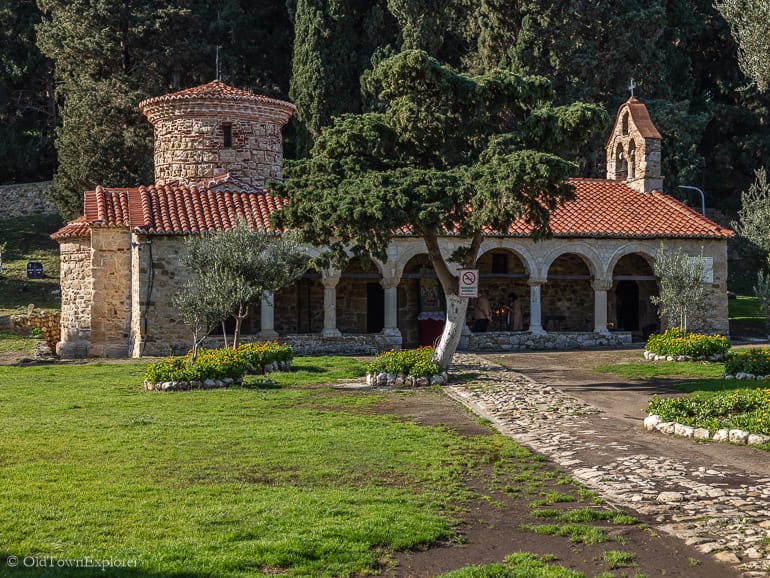
The church on Zvërnec Island has a free-cross plan with a dome and narthex. A free-cross plan means the arms of the church form a cross-shaped layout rather than a long rectangular basilica.
The dome and cross-shaped plan are the main architectural features to notice first. They connect the small chapel to the wider Byzantine church tradition visible in parts of Albania and the eastern Mediterranean.
Later Additions
The church also includes later additions, including an exonarthex and an open cloister. These layers help explain why the building does not feel like a single compact chapel with one simple plan.
Look for how the added spaces change the exterior massing. The monastery’s small size makes those changes easier to see if you walk around the building before focusing on the interior.
Façades and Arcades
The cultural-monument description notes façade treatment with arcades and decorative molding. These exterior elements are important because they give the church visual rhythm beyond its basic stone walls and dome.
Do not rush the exterior. The chapel’s scale, arches, masonry, and relationship to the courtyard are the clearest architectural details before you step inside.

Interior Art and Iconostasis
The monastery contains partially preserved frescoes and old religious objects. Inside, the fresco fragments and iconostasis are the main features to look for if interior access is available.
The interior should be treated as a religious space, not only as an art stop. Keep the visit quiet, avoid interrupting worship or maintenance activity, and check current access locally before building the day around interior viewing.
Courtyard and Monastery Complex
The monastery complex includes more than the chapel. The courtyard, smaller chapel, monastic buildings, service structures, and small cemetery help show how the religious site functioned as a compound rather than a single isolated church.
The surrounding buildings are part of the site’s scale and rhythm. They frame the chapel and make the island feel like a small monastic enclosure inside the lagoon landscape.
What to See at St. Mary’s Monastery
St. Mary’s Monastery is a small site, so the visit works best when you focus on a few specific features rather than trying to make it a long attraction stop. The bridge, chapel, courtyard, frescoes, and lagoon setting are the main priorities.
The Wooden Bridge
The wooden bridge across the lagoon is the first part of the visit. It slows the approach and gives you time to see the island, water, reeds, and monastery setting before reaching the courtyard.
Pause on the bridge for the clearest sense of place. The monastery is easier to understand when you see how the church sits apart from the mainland.
The Chapel Exterior
The chapel exterior is the main architectural feature. Look for the dome, cross-shaped massing, stonework, arches, later additions, and how the building sits inside the courtyard.
Walk around the chapel if access and conditions allow. The exterior explains the building’s plan more clearly than a single front-facing view.
The Courtyard
The courtyard frames the religious site and gives the monastery its compound character. It also helps separate the chapel from the pine-covered island around it.
Spend a few minutes looking at how the chapel, smaller structures, cemetery area, and paths sit together. The site is compact, but the courtyard makes the monastery feel like a small enclosed religious landscape.
The Frescoes and Iconostasis
If interior access is available, look for the fresco fragments and iconostasis. These details carry much of the site’s religious and artistic value.
Keep the interior visit quiet and brief if others are praying or the space is being maintained. Photography and access expectations should be checked locally rather than assumed.
The Small Cemetery
The small cemetery is a secondary but meaningful part of the monastery complex. It reinforces the site’s religious and community role beyond the chapel itself.
Treat this area respectfully and avoid making it only a photo subject. It belongs to the monastery’s lived religious history as much as to its visitor appeal.
The Lagoon and Pine Trees
The Narta Lagoon setting is not background scenery. The water, reeds, pine trees, and island approach are part of what makes the monastery different from a city church.
After seeing the chapel, step back toward the bridge or island edge to view the monastery in its landscape. This is the clearest way to understand why the site works as both an architecture stop and a lagoon outing.
How to Visit St. Mary’s Monastery
St. Mary’s Monastery is a simple visit once you arrive, but it still needs basic planning. The main decisions are how much time to allow, whether interior access matters, and whether you want to combine the monastery with the Narta Lagoon area.
Visit Length
A short visit is enough for the bridge, chapel exterior, courtyard, and lagoon views. Allow more time if you want to sit quietly, photograph the approach, or pair the monastery with a wider stop around Zvërnec and the lagoon.
Exterior and Courtyard Viewing
The exterior and courtyard carry much of the visit. Even if interior access is limited, the bridge approach, chapel form, courtyard, and island setting give you a clear understanding of the site.
Interior Access
Interior access can matter if you want to see fresco fragments, the iconostasis, and religious details. Check current local details before planning around the interior, because religious sites can change access based on services, maintenance, or local arrangements.
Respectful Visit
St. Mary’s Monastery is a religious site, so dress and behave accordingly. Keep voices low, avoid interrupting worship or maintenance activity, and be careful around the cemetery and icon areas.
Weather and Ground Conditions
Weather affects the bridge, courtyard, and lagoon edges more than the monastery building itself. Sun, wind, rain, and slippery surfaces can change how comfortable the visit feels, especially if you plan to stay longer around the lagoon.
How to Get to St. Mary's Monastery
St. Mary’s Monastery is on Zvërnec Island in the Narta Lagoon northwest of Vlora. The practical route is to reach the mainland side of the bridge near Zvërnec, then walk across the wooden bridge to the island.
By Car
Driving is the simplest option if you want a flexible visit from Vlora. It works well when the monastery is part of a wider outing to Zvërnec, Narta Lagoon, or nearby coastal stops.
Check parking and road conditions locally before you go. The key arrival point is not the monastery door but the mainland side of the bridge, where the walk to the island begins.
By Taxi
A taxi is practical if you do not want to drive. Arrange the return before leaving Vlora or agree on waiting time, because the monastery area is not the same as a central taxi stand.
This option works well for a short visit focused on the bridge, monastery, and courtyard. It is less flexible if you want to spend extra time around the lagoon.
By Public Transportation
Public transport is not the easiest way to plan a visit unless you confirm current local options before leaving Vlora. Do not rely on old bus details, exact fares, or informal drop-off instructions without checking locally.
If you use public transport, make sure you know where you will be dropped off, how far you must walk to the bridge, and how you will return to Vlora.
By Bicycle
Biking can work if you are comfortable riding outside central Vlora and planning around sun, wind, traffic, and road conditions. It gives you more flexibility than walking while still making the route part of the outing.
Bring water and confirm your route before leaving the city. The final part of the visit is still on foot across the bridge to the island.
On Foot
Walking from Vlora is possible only if you are comfortable with a long out-and-back route outside the city center. It should be treated as a walking outing, not just transportation to the monastery.
Plan water, sun protection, daylight, and the return before choosing this option. For most visitors, car, taxi, or bicycle will be more practical.
By Tour
A tour can make sense if it combines St. Mary’s Monastery with Narta Lagoon, Zvërnec, Apollonia, or other Vlora-area stops. For the monastery alone, an independent visit is usually enough if transportation is already arranged.
Tips for Visiting St. Mary’s Monastery
The best tips for St. Mary’s Monastery focus on timing, respectful behavior, footwear, weather, transportation, and how to read the site once you arrive.
Visit in Daylight
The bridge, island paths, courtyard, and lagoon setting are easier to understand in daylight. Daylight also makes the wooden bridge approach more comfortable and reduces the need to rush the return.
Wear Practical Shoes
The visit includes a bridge, courtyard surfaces, and outdoor ground around the island. Wear shoes that can handle wood, stone, dirt, and uneven patches rather than treating the stop like a paved city walk.
Plan the Return First
Return planning matters more than the visit itself. If you arrive by taxi, bike, or on foot, decide how you will get back to Vlora before crossing to the island.
Check Interior Access Locally
The monastery is worth seeing from outside, but the frescoes and iconostasis depend on interior access. Check local information before planning around the interior, services, or special religious dates.
Dress for a Religious Site
Choose clothing that is respectful for a monastery visit. Covering shoulders and knees is a sensible default if you plan to enter the church or spend time near religious objects.
Bring Water in Warm Weather
The island and bridge can feel exposed in warm weather. Bring water if you plan to walk, bike, spend time around the lagoon, or visit during the hotter part of the day.
Look at the Building Before the View
The lagoon setting is the first thing most visitors notice, but the chapel deserves close attention. Look at the dome, cross-shaped plan, stonework, arches, narthex, and courtyard before treating the visit mainly as a viewpoint.
Pair It With Narta Lagoon
St. Mary’s Monastery fits naturally with the Narta Lagoon landscape. If you have extra time, make the visit about both the religious site and the surrounding wetland setting rather than crossing the bridge only for a quick photo.
Where to Stay When Visiting St. Mary’s Monastery
Vlora is the best base for visiting St. Mary’s Monastery. The monastery sits outside the city, but Vlora gives you the easiest access to restaurants, cafés, transport options, the waterfront, and other architecture or cultural stops before or after the visit.
Staying near the promenade or Boulevard Ismail Qemali works well if you want restaurants, evening walks, and straightforward taxi or car access. Staying closer to the historic center can make more sense if you are pairing the monastery with Muradie Mosque, Flag Square, or central architecture stops.
Hotels and Apartments in Vlora
Use the interactive map below to compare hotels and apartments in Vlora.
FAQs About St. Mary's Monastery
The main planning questions for St. Mary’s Monastery focus on location, access, visit length, architecture, and whether the monastery should be treated as a short stop or part of a wider lagoon outing.
Is St. Mary’s Monastery worth visiting?
Yes, St. Mary’s Monastery is worth visiting if you are interested in Byzantine church architecture, Orthodox heritage, lagoon landscapes, or short outings from Vlora. It is a compact attraction, so the visit works best when you include the bridge and Narta Lagoon setting.
Where is St. Mary’s Monastery?
St. Mary’s Monastery is on Zvërnec Island in the Narta Lagoon near Vlora, Albania. The site is reached from the mainland by a wooden bridge.
What is St. Mary’s Monastery known for?
St. Mary’s Monastery is known for its medieval Byzantine church, dedication to Saint Mary, partially preserved frescoes, island location, wooden bridge approach, and Narta Lagoon setting.
How old is St. Mary’s Monastery?
St. Mary’s Monastery is a medieval site. Albania’s official tourism page dates Zvërnec Monastery to the 13th century, while architectural descriptions of the church point to 14th-century features and later additions.
What architecture should I notice at St. Mary’s Monastery?
Notice the free-cross church plan, dome, narthex, later additions, arcaded façade elements, fresco fragments, iconostasis, courtyard, and relationship between the chapel and the lagoon landscape.
How long should I spend at St. Mary’s Monastery?
A short visit is enough for the bridge, chapel, courtyard, and lagoon views. Allow more time if you want to photograph the approach, sit quietly, or combine the monastery with Narta Lagoon and nearby Zvërnec stops.
Can you visit St. Mary’s Monastery without a guide?
Yes, you can visit St. Mary’s Monastery independently if you arrange transportation and are comfortable with a self-guided exterior and courtyard visit. A guide adds value if you want more historical, religious, or lagoon context.
Do you need tickets for St. Mary’s Monastery?
Do not rely on old ticket or free-entry claims without checking current local details. The site is simple to visit, but access, interiors, services, and special religious dates can change.
Can you see St. Mary’s Monastery from outside?
Yes, much of the visit can be understood from outside. The bridge, island, chapel exterior, courtyard, dome, and lagoon setting are the main visual experience even if interior access is limited.
How do you get to St. Mary’s Monastery from Vlora?
The most practical options are car, taxi, bicycle, or a tour that includes the monastery. Public transport should be checked locally before relying on it, and walking from Vlora should be treated as a long outing rather than a casual approach.
St. Mary’s Monastery is a small attraction, but it gives a clear reason to leave central Vlora. The bridge approach, Byzantine church, courtyard, fresco remains, pine-covered island, and Narta Lagoon setting make the visit more layered than a simple roadside church stop.
For broader planning, start with Vlora. For the city’s mosques, monuments, historic streets, waterfront, and hilltop sites, use Vlora Architecture. For meals before or after the outing, use Vlora Food.
